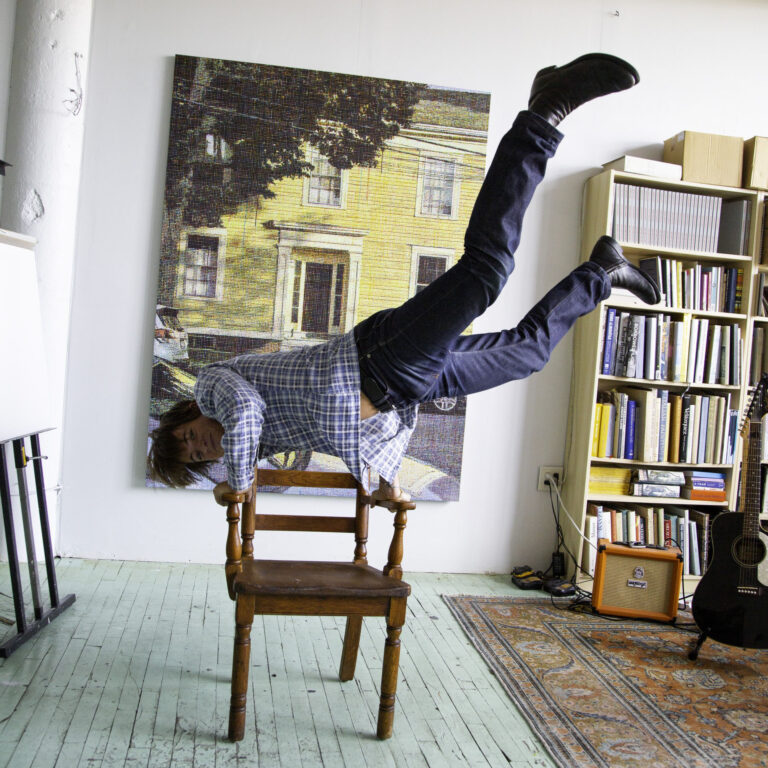
The artist's installation and sculpture illuminate the relationship between object and iconography while attending to concerns of consumerism and market systems.

DATE

SHARE

Twitter
LinkedIn
Facebook
Email


“There are some parts of life that are very complicated, and other parts that are very simple. I try to simplify the complicated parts and complicate the simple ones,” Zak Kitnick explains when asked about the guiding ethos of his work. His installation and sculpture illuminate the relationship between object and iconography while attending to concerns of consumerism and market systems.

The artist, who is currently represented by the Brooklyn-based gallery Clearing, employs a dry sense of wit as he interrogates sites of exchange to challenge his viewers presuppositions about the utility of our most quotidian objects and the symbolic meanings of our most quotidian occurrences. Unexpected juxtaposition and strange aesthetic alliances are a preferred methodology for Kitnick, not unlike the surrealists. Take for instance, Innermost Out, 2015, a pair of liquid dispensers on which the figures of two young boys peeing rest atop. There’s also Rewind, 2015, the ceiling-mounted dispenser comprised of olive oil bottles. For his 2015 exhibition, “Peace,” these dispensers were installed in various places throughout the gallery as if they were meant to offer an anointment. Or not.
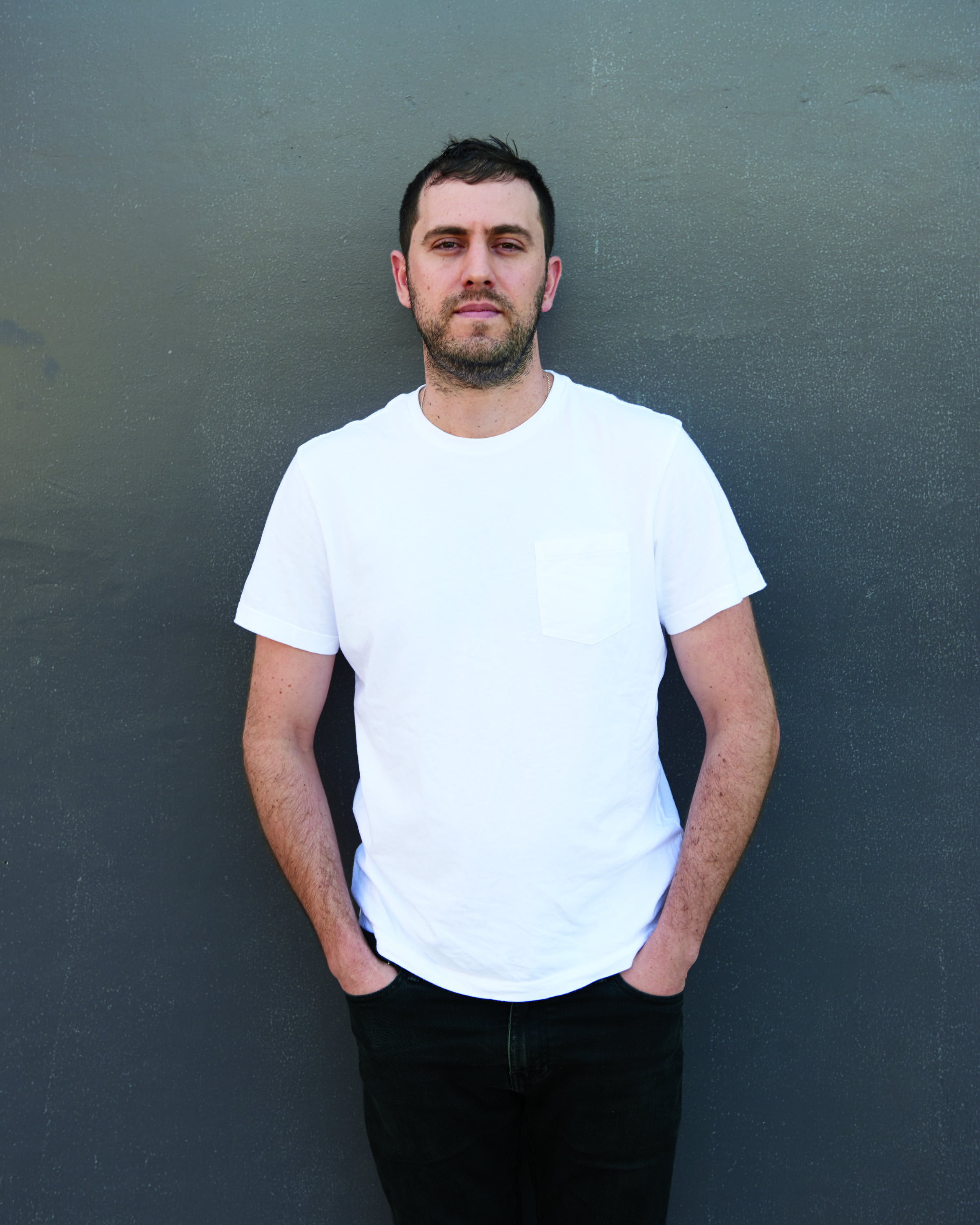
Zak Kitnick
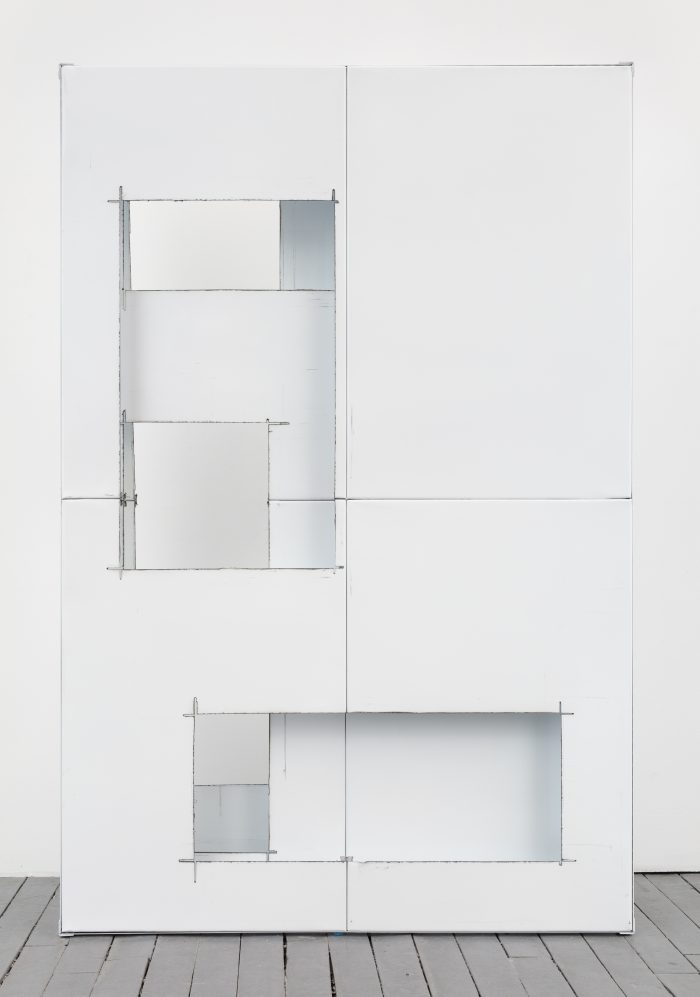
Zak Kitnick’s A Little Calm, 2017.


How does the symbol evade our understanding? What does it mean for these functional objects to now circulate as readymades? On some level, the slippage between the installation, design and sculpture is frustrating, and yet, that is precisely the fracture that fascinates Kitnick.

We’ve Waited All Year For This…

Our 10th annual Young Artist list is here, comprised of 27 names you need to know ahead of 2026.

You’ve almost hit your limit.

You’re approaching your limit of complimentary articles. For expanded access, become a digital subscriber for less than $2 a week.
You’re approaching your limit of complementary articles. For expanded access, become a digital subscriber for less than $2 a week.

Already a Subscriber? Sign in Here

You’re approaching your limit of complementary articles. For expanded access, become a digital subscriber for less than $2 a week.

GET ACCESS

Already a Subscriber? Sign in Here

Want more in your life?

For less than the price of a cocktail, you can help independent journalism thrive.

Pop-Up-1_c
Already a Subscriber? Sign in Here
Pop-Up-1_c

Already a Subscriber? Sign in Here

Want more in your life?

For less than the price of a cocktail, you can help independent journalism thrive.

Pop-Up-1_c
Already a Subscriber? Sign in Here
Pop-Up-1_c

Already a Subscriber? Sign in Here

You’ve almost hit your limit.

You’re approaching your limit of complimentary articles. For expanded access, become a digital subscriber for less than $2 a week.

You’re approaching your limit of complementary articles. For expanded access, become a digital subscriber for less than $2 a week.
Already a Subscriber? Sign in Here
You’re approaching your limit of complementary articles. For expanded access, become a digital subscriber for less than $2 a week.

Already a Subscriber? Sign in Here

This is a Critics' Table subscriber exclusive.

Subscribe to keep reading and support independent art criticism.

Already a Subscriber? Sign in Here

Want more in your life?

For less than the price of a cocktail, you can help independent journalism thrive.

Pop-Up-1_c

Already a Subscriber? Sign in Here

Pop-Up-1_c

Already a Subscriber? Sign in Here

You’ve reached your limit.

Sign up for a digital subscription, starting at less than $2 a week.

Already a Subscriber? Sign in Here

Want a seat at the table? To continue reading this article, sign up today.

Support independent criticism for $10/month (or just $110/year).

Already a subscriber? Log in.