Sculpture, according to the artist, is a site through which we might encounter new discoveries about the nature of our bodies and their undulating architectures.

DATE

SHARE

Twitter
LinkedIn
Facebook
Email


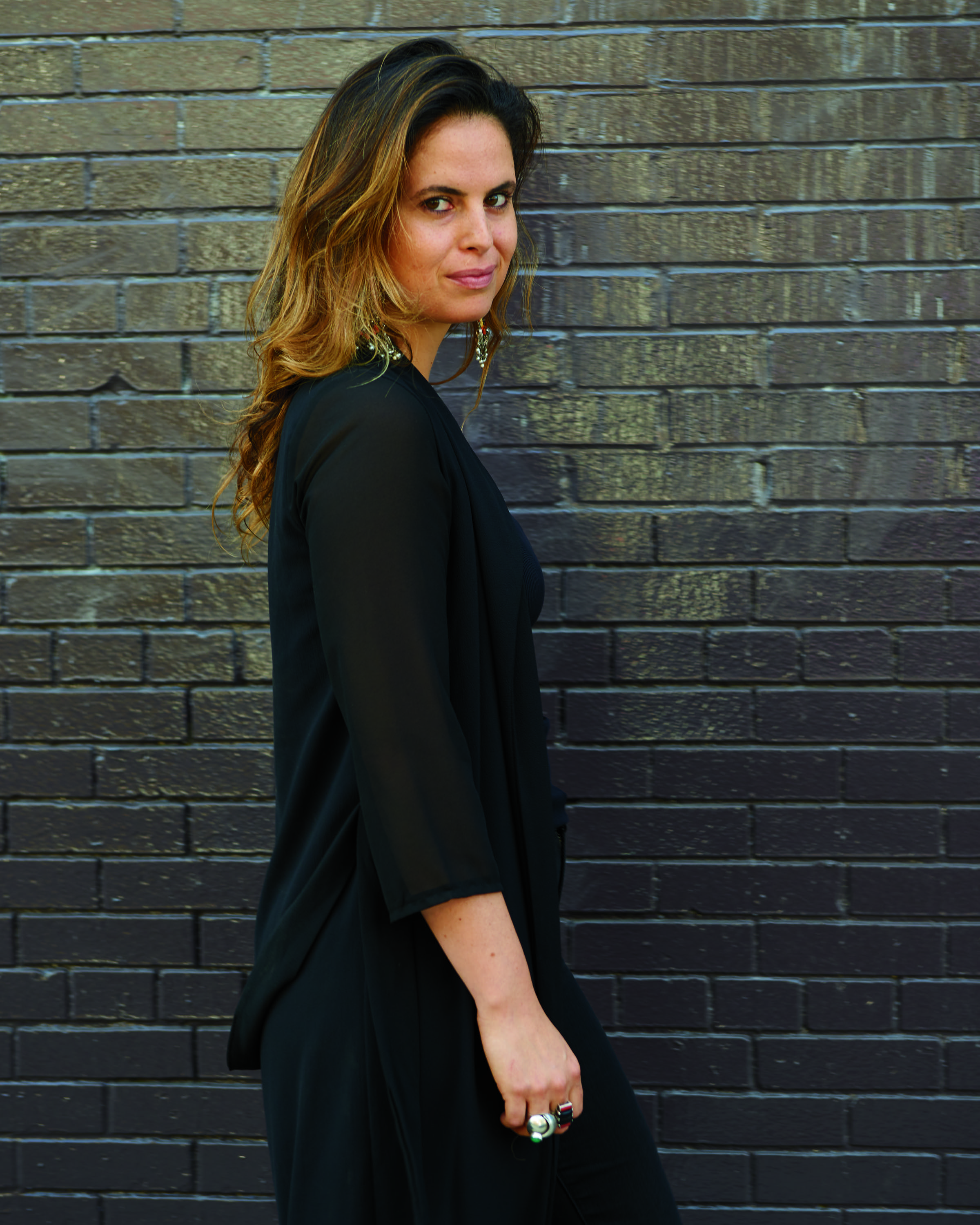
In an email correspondence, I venture to ask the Viennese born sculptor Sophie Hirsch about the liminal space between sculpture and abstraction. Hirsch firmly rejects the premise of my question. “I don’t view sculpture and abstraction as separate. I think abstraction is an integrated part of sculpture.” It is a welcomed pushback.

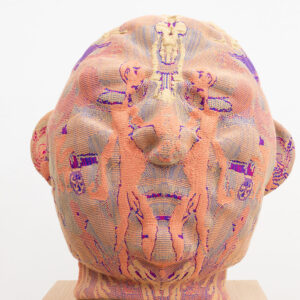
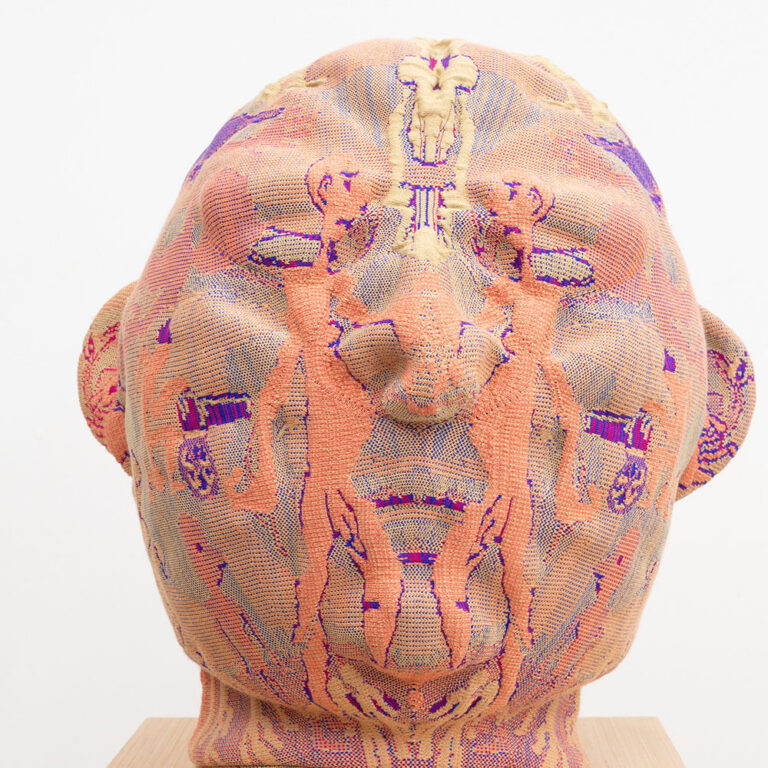
For sculpture, according to Hirsch, is a site through which we might encounter new discoveries about the nature of our bodies and their undulating architectures. Such a focused study on anatomy might seem at odds with a delve into the abstract. But if we look closely at works such as Muscle Test 1 & 2 (2016), or the large-scale polycarbonate forms that comprise the Postures series, we see an artist in strict contemplation about a body’s deliberate agility. This study of the delicate choreography of movement has followed Hirsch as she’s exhibited in galleries around New York City, including Signal, Duty Free and most recently, Larrie.
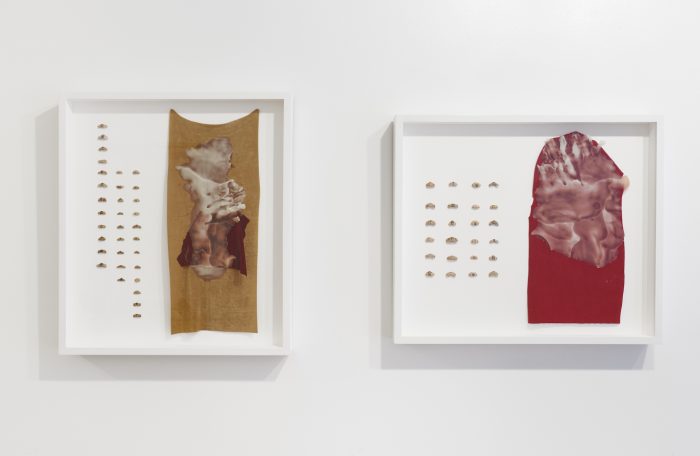
Sophie Hirsch Muscle Test 1 & 2, 2016
Muscle Test 1 & 2, 2016. Courtesy of the artist.


Perhaps more than any other medium, sculpture retains a unique ability to respond to the relationship between flexion and extension, posture and composition. “The most exciting aspect of sculpture to me is its potential to create movement,” explains Hirsch, “I am fascinated how material and composition shape the dynamic of a sculpture, and how that triggers our physical movement around it. Sculpture invites us to explore all sides and angles, letting our eyes move and our spines bend.”
We’ve Waited All Year For This…

Our 10th annual Young Artist list is here, comprised of 27 names you need to know ahead of 2026.

You’ve almost hit your limit.

You’re approaching your limit of complimentary articles. For expanded access, become a digital subscriber for less than $2 a week.
You’re approaching your limit of complementary articles. For expanded access, become a digital subscriber for less than $2 a week.

Already a Subscriber? Sign in Here

You’re approaching your limit of complementary articles. For expanded access, become a digital subscriber for less than $2 a week.

GET ACCESS

Already a Subscriber? Sign in Here

Want more in your life?

For less than the price of a cocktail, you can help independent journalism thrive.

Pop-Up-1_c
Already a Subscriber? Sign in Here
Pop-Up-1_c

Already a Subscriber? Sign in Here

Want more in your life?

For less than the price of a cocktail, you can help independent journalism thrive.

Pop-Up-1_c
Already a Subscriber? Sign in Here
Pop-Up-1_c

Already a Subscriber? Sign in Here

You’ve almost hit your limit.

You’re approaching your limit of complimentary articles. For expanded access, become a digital subscriber for less than $2 a week.

You’re approaching your limit of complementary articles. For expanded access, become a digital subscriber for less than $2 a week.
Already a Subscriber? Sign in Here
You’re approaching your limit of complementary articles. For expanded access, become a digital subscriber for less than $2 a week.

Already a Subscriber? Sign in Here

This is a Critics' Table subscriber exclusive.

Subscribe to keep reading and support independent art criticism.

Already a Subscriber? Sign in Here

Want more in your life?

For less than the price of a cocktail, you can help independent journalism thrive.

Pop-Up-1_c

Already a Subscriber? Sign in Here

Pop-Up-1_c

Already a Subscriber? Sign in Here

You’ve reached your limit.

Sign up for a digital subscription, starting at less than $2 a week.

Already a Subscriber? Sign in Here

Want a seat at the table? To continue reading this article, sign up today.

Support independent criticism for $10/month (or just $110/year).

Already a subscriber? Log in.