
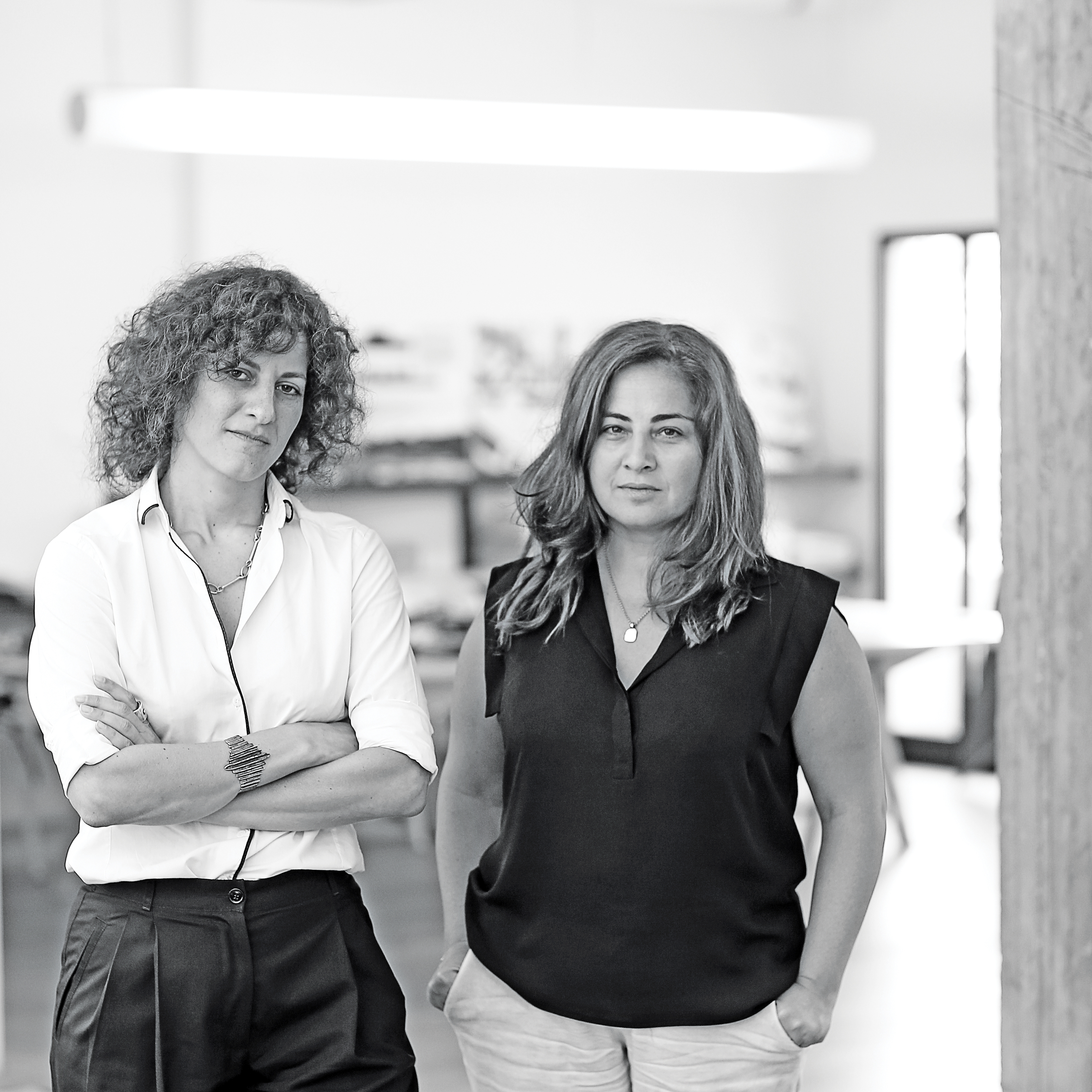
Last spring I found myself at Liza, a super chic Lebanese restaurant housed in a 19th-century palace in Beirut. It’s a gorgeous space that attracts gorgeous people who typically start dinner at 10 pm, and I was at a table that included several representatives from the Triennale di Milano International Exhibition, who were in town to meet Karine Fakhry and Diane Sawaya of FaR Architects.
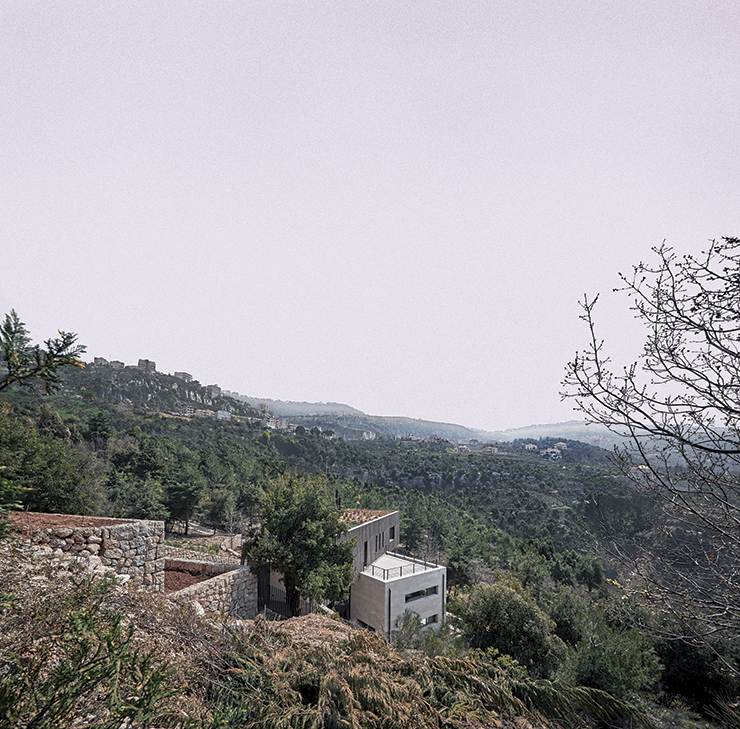
Fakhry and Sawaya’s “Stay at Home” project, shown last year, marked the first time the country of Lebanon was represented at the Triennale. This past March, the duo won the Lebanese Architect Award in the Private Housing category for “D House,” a home camouflaged amidst the mountainous landscape outside of Beirut, and the office currently has a full slate of projects including a 15-story building in Beirut proper, a 40-unit residential project in the Lebanese mountains and a loft in New York City. “A lot of things are going really well this year,” admits Fakhry. “I think it’s a really positive outcome of all these years of work, but I think architecture is so slow in getting there.”
Like many others who came of age during the 15-year Lebanese civil war, both Fakhry, who is 42, and Sawaya, who is 43, were educated outside the country—Sawaya’s degree is from the Universite Paris-Villemin and Fakhry earned a master’s in architecture from the Rhode Island School of Design (RISD). After graduating, she spent several years working in the New York office of architect Nasser Nakib, before convincing a friend from RISD to move back to Beirut with her and start a firm. “I knew there was a lot to be done in Lebanon; reconstruction was booming at the beginning of the century and I felt I needed to be part of this process,” recalls Fakhry of the decision. That was in 2004, and said friend only lasted eight months in the so-called Paris of the Middle East. Two years later Fakhry met Sawaya at a dinner party; soon after she joined the young firm, which Fakhry, who sites the work of heavyweights Oscar Niemeyer and Peter Zumthor as inspiration, was running out of her apartment. They’ve been partners (almost) since that time. This is significant for largely because despite what seems like a plethora of architects for a relatively small country, not many are women.
“People didn’t think we were architects, because we were women. They would ask, ‘Are you a decorator,’ and I’d say ‘No, I’m an architect.’ ‘Oh, an interior architect?’ ‘No, I’m an architect. Remember, you built that house with me,” she recalled of a typical exchange. “I think it is still the mentality that women cannot build, it’s not just a Lebanese or Arab thing, it’s a thing in the mentality.”
Clearly Fakhry and Sawaya have proven they can build. Their offices are now housed in a building they bought in Mar Mikhael, a neighborhood of creatives, where they have four employees they are keeping busy despite what she says is a downturn in the real estate and construction markets. Looking ahead, Fakhry says the firm wants to focus on what she calls “more socially-targeted projects—building schools, museums and things with more of a social impact that targets a community, not just one person or family,” adding, “our interest is in more challenging projects, where we learn things. When I stop learning, I’ll have to move on to something else.”




 in your life?