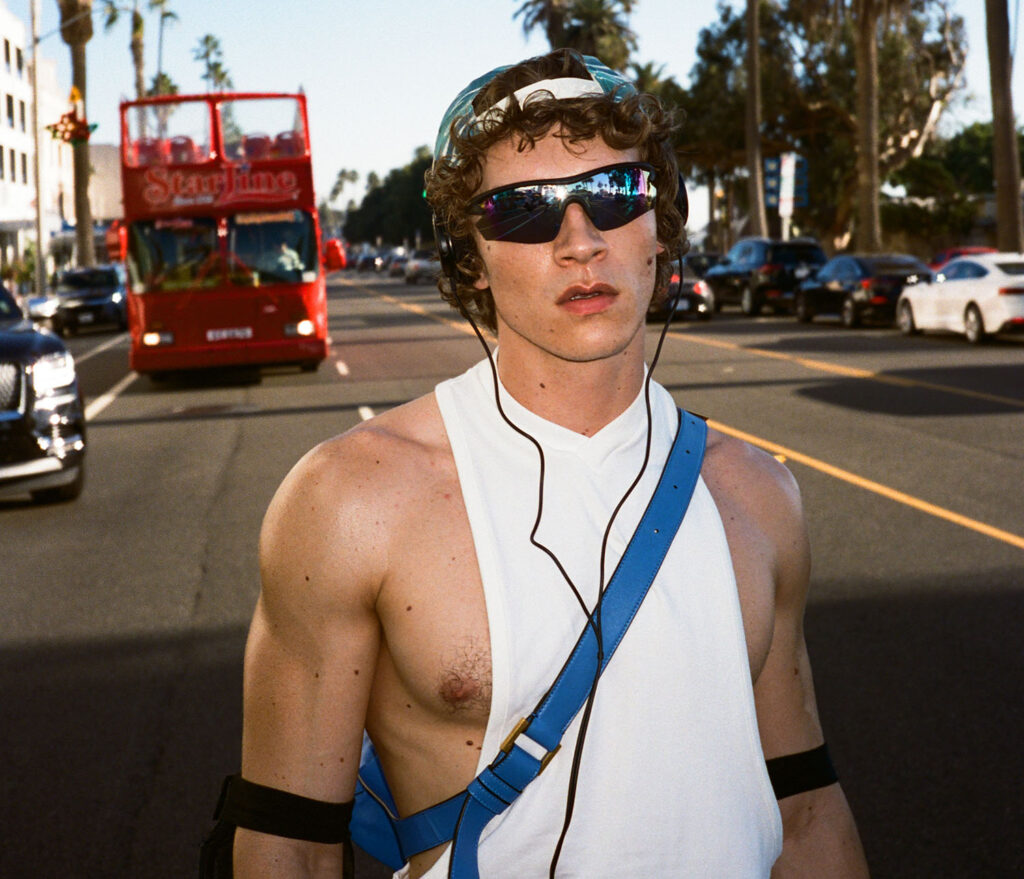
The art world set its sights on Venice this week for the 61st edition of the biennale. The program never fails to offer an injection of inspiration—to curators and reporters, of course, but also to private collectors who, in perusing the pavilions and plentiful satellite exhibitions, seize the chance to recalibrate their internal compasses toward the most incisive and compelling artists making work today. Of course, the Biennale is cacophanous: a disorienting melange of stimuli and crowds that, in its way, reflects the cacophany of modern life writ large. In the midst of such abundance, how does a collector cultivate their own eye? With all eyes set on the Floating City, CULTURED tapped 12 European collectors to respond to a deceptively simple question: How, in a sea of unending images and ideas, do you discover compelling new work?
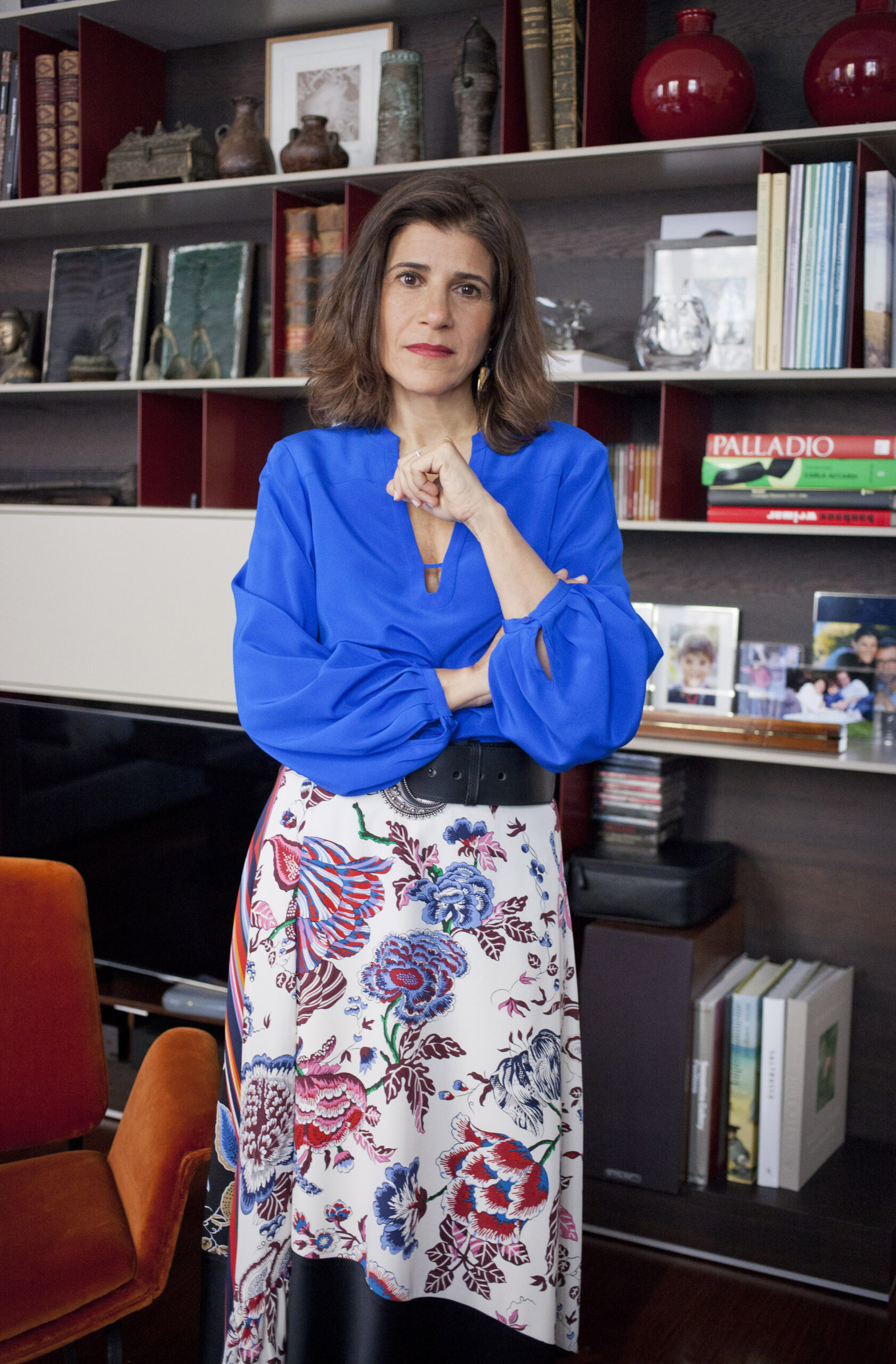
Nicole Saikalis Bay, Milan
“Emotion is always the starting point—the lingering presence that an artwork, or an artist’s practice, leaves with you. From there, we instinctively think about dialogue: how an artwork might resonate with other works already in the collection. We were initially drawn to Italian modern artists, carefully studying their historical context and formal language. Over time, our focus expanded to encompass contemporary artists who reflect the complexity of the present moment, like those whose work engages with social and socio-political realities while remaining materially and conceptually compelling. Artists such as Walter Price or Mandy El-Sayegh appealed to us for their layered narratives and material richness. I am particularly drawn to practices that unfold slowly and continue to reveal themselves over time.”
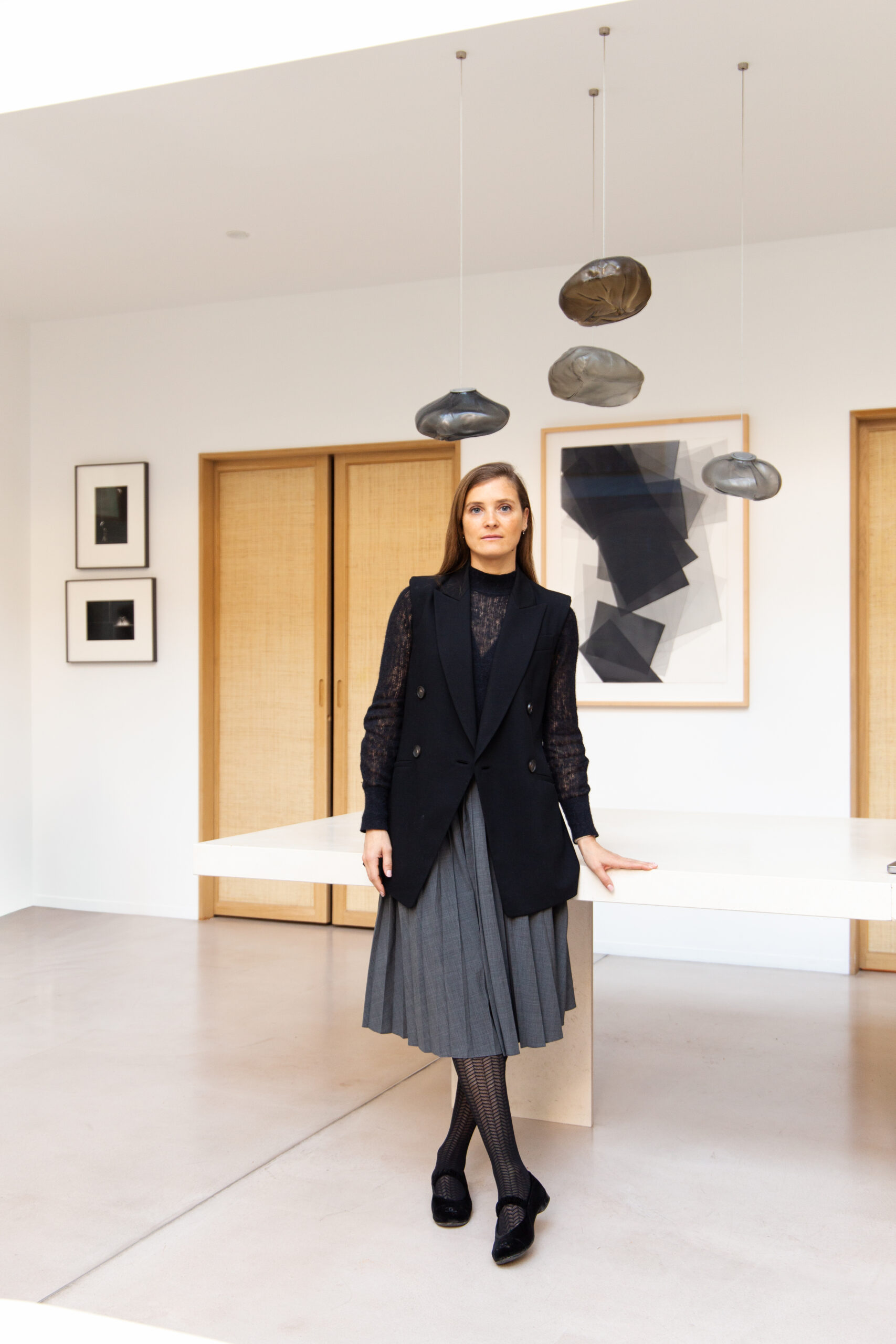
Amélie du Chalard, Paris
“Naturally, my collection includes many artists I already represent, but I also follow outside artists whose work resonates with me for years until the right piece appears. For instance, I was obsessed with Chiharu Shiota for five years before finally finding the perfect work last year, one that captured her essence but also fit the scale of my home, as her work often involves immense installations. My process is focused on the artist first, then the specific piece. When evaluating a work, I always look for a balanced synergy between three pillars: the artist’s conceptual approach, the technical mastery they’ve developed, and, of course, the aesthetic result.”
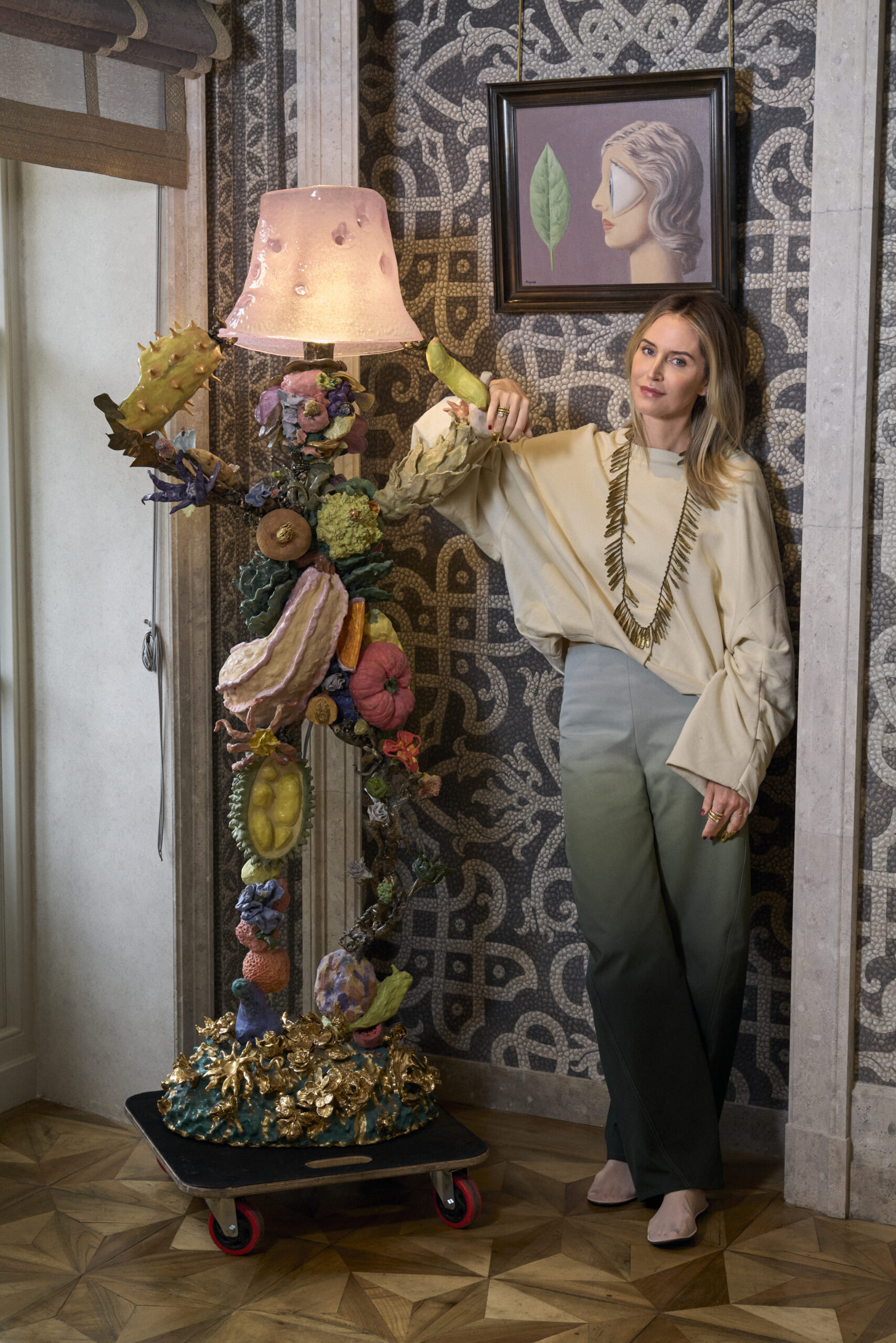
Belma Gaudio, London
“The number one factor we consider when expanding our collection is love. That has always been the guiding principle. As a result, we have ended up with quite an eclectic collection—pieces that may seem random side-by-side, but each one means something to us. Some experts in the art world insist that collections should follow a certain logic—by movement, era, medium, geography—but I don’t come from an art background, so I don’t feel bound by those rules. For me, collecting is not about fitting into a narrative; it’s about following instinct. And yet over time, patterns naturally emerge. You realize you have been drawn again and again to certain themes, so even a collection built on love and instinct reveals threads of continuity. When it comes to how the collection fits into the home, there is definitely a purpose and plan to what I buy. I buy with intention, and I do buy for specific walls, rooms, and décor. Not always, but I generally have a plan for where a certain piece will go and how it will fit into the full story.”
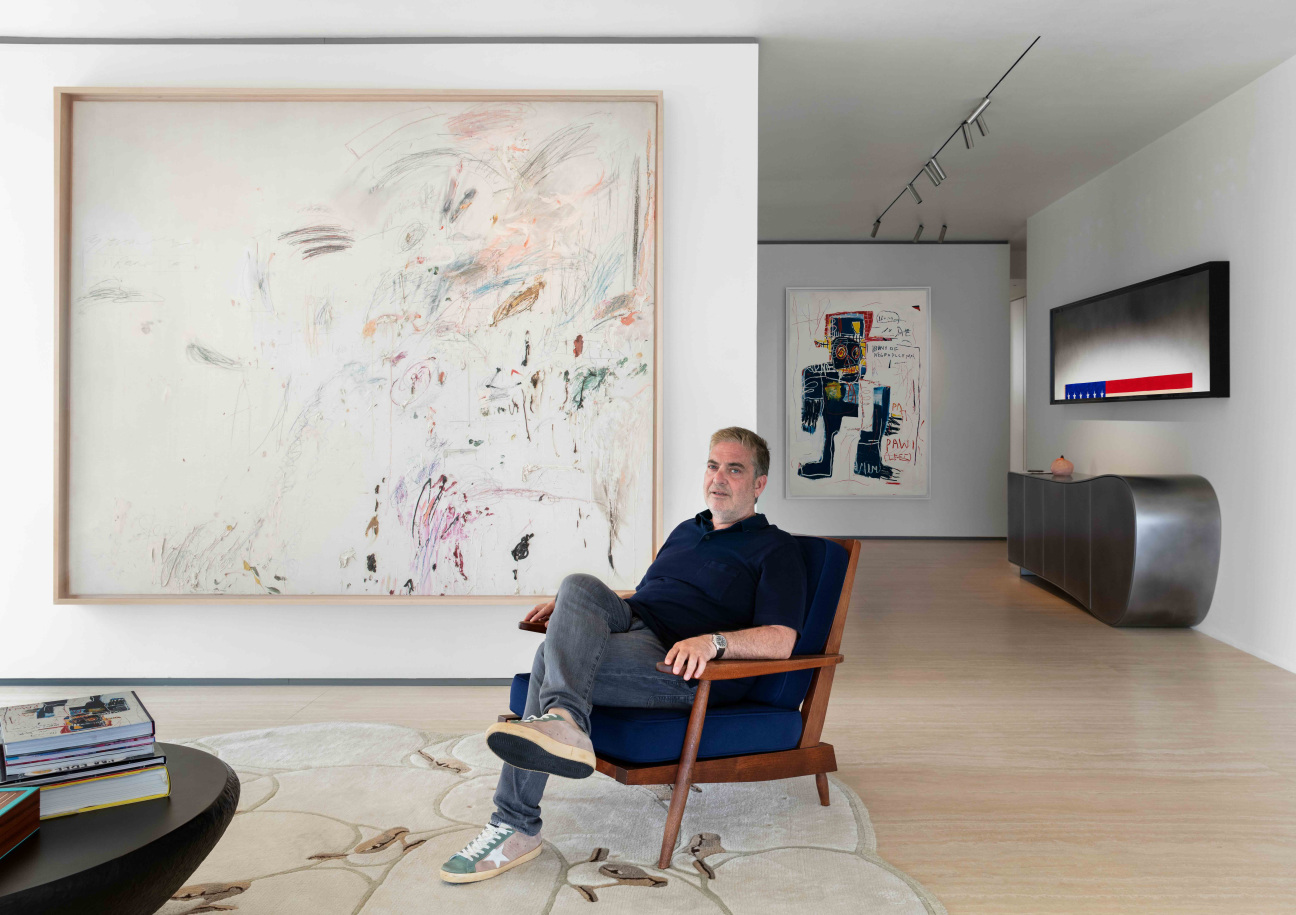
Laurent Asscher, Monaco
“I discover new work through a combination of factors: museum visits, art fairs, gallery exhibitions, and–most importantly–conversations with other collectors, curators, and artists. I also follow the Venice Biennale and major international exhibitions closely. Another key source of discovery comes from engaging with younger artists directly, as well as working with curators who introduce me to emerging talent. One person who has been incredibly important in shaping my collection and introducing me to new talent is Larry Gagosian. His vision, expertise, and ability to identify groundbreaking artists have had a profound impact on the way I collect. Through his galleries and personal guidance, I have been able to access and engage with some of the most innovative artists working today.”
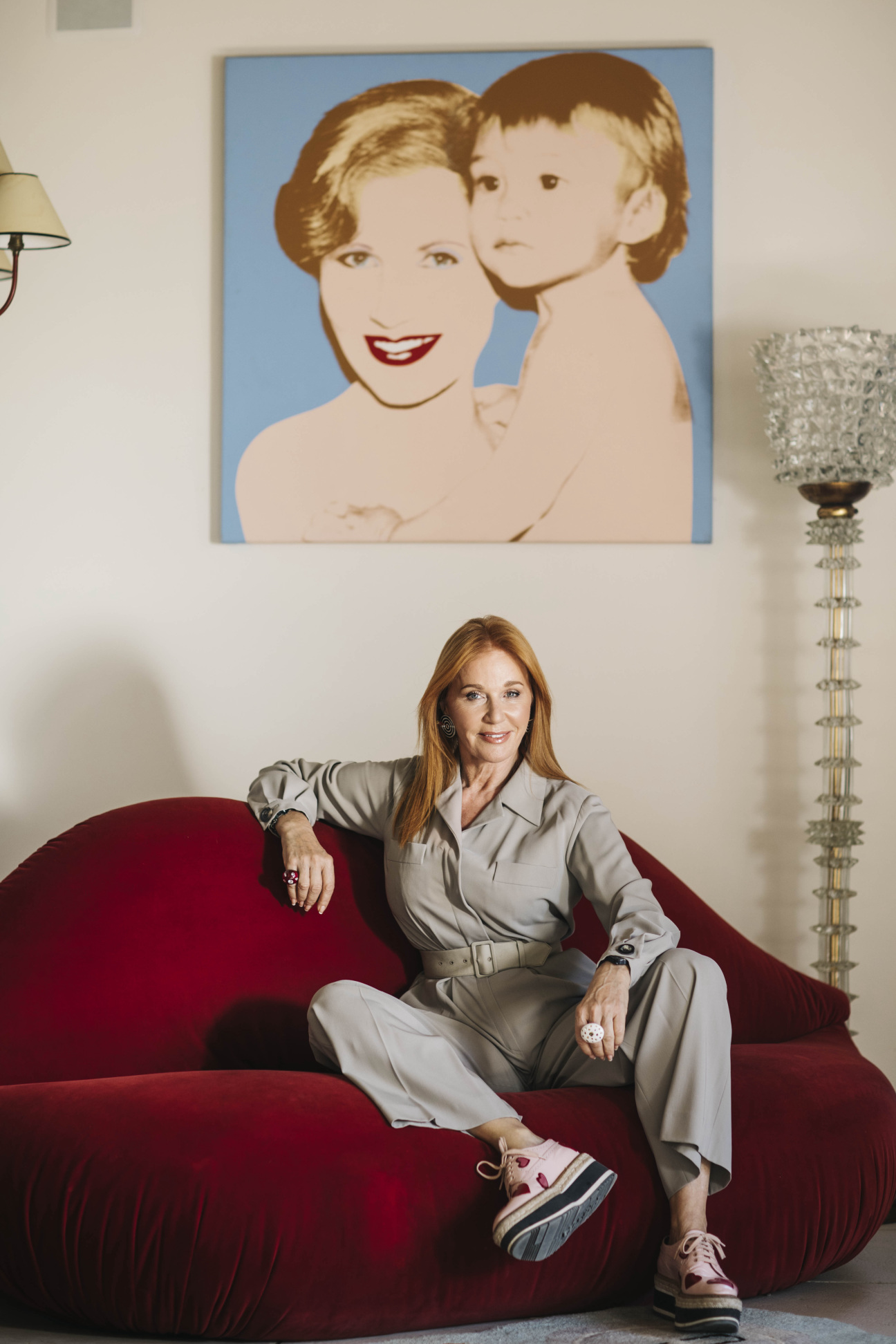
Susanne Syz, Switzerland
“Emotion first, then curiosity. I’m not interested in trends, blue-chip trophies, or what other collectors are buying. What matters to me is whether the artist has a voice: a real, personal language that you can’t quite explain but you feel. That said, I don’t do this completely alone. I work closely with our curator, Nicolas Trembley, who brings structure and vision to the collection. He helps me think about long-term coherence, the dialogues between works. It’s a balance between instinct and intention.”
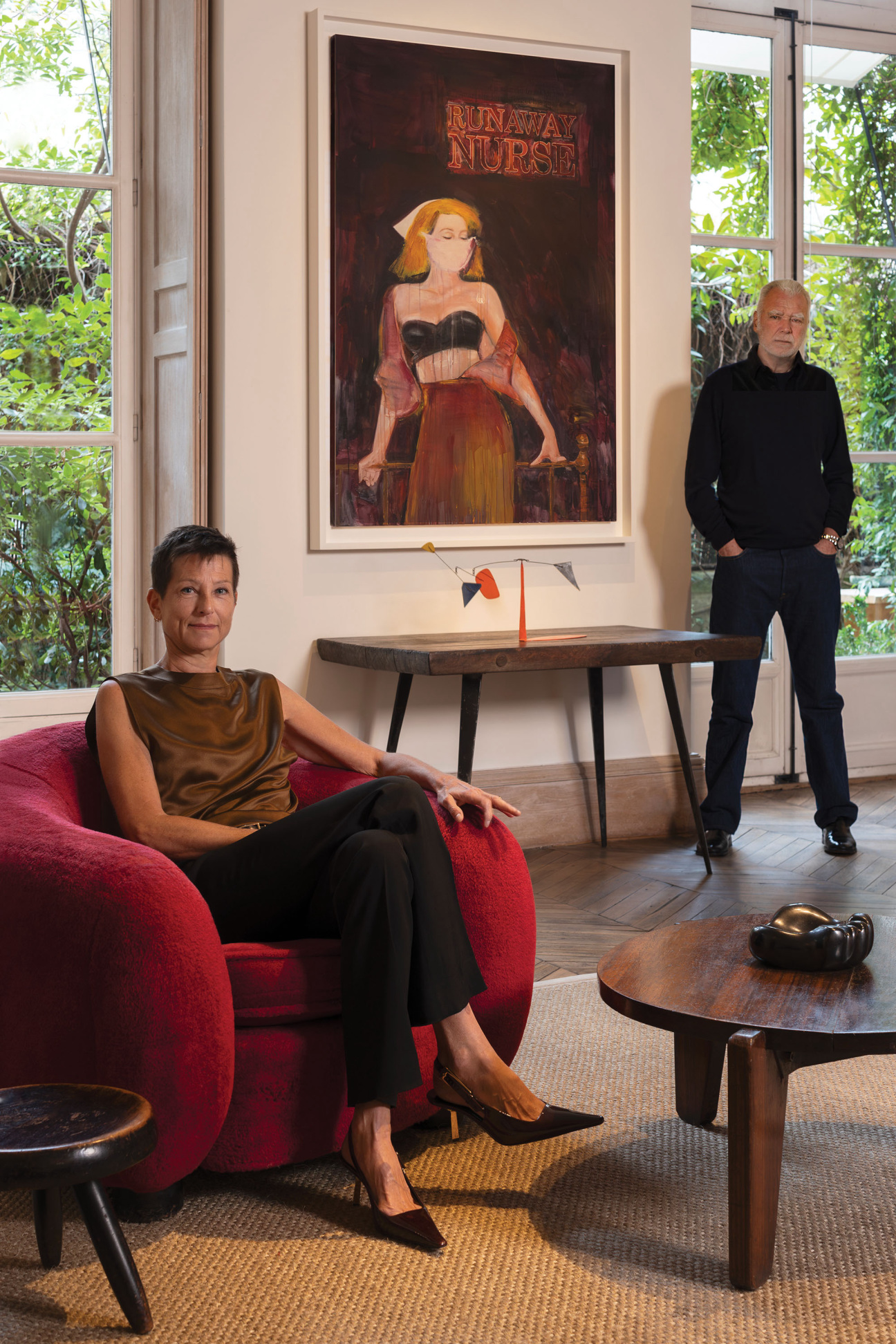
Laurence and Patrick Seguin, Paris
“When expanding our personal collection, we focus on a few key factors that reflect our taste and the way both design and art evolve. As I mentioned earlier, we are drawn to pieces of furniture with a unique history, striking a balance between the best condition and the traces of the past. When it comes to contemporary and emerging artworks, it’s about an emotional connection—i.e., whether a work resonates with us in relation to the collection as a whole. It’s not just about owning objects; it’s about adding significant works that combine with other pieces, enriching the collection.”
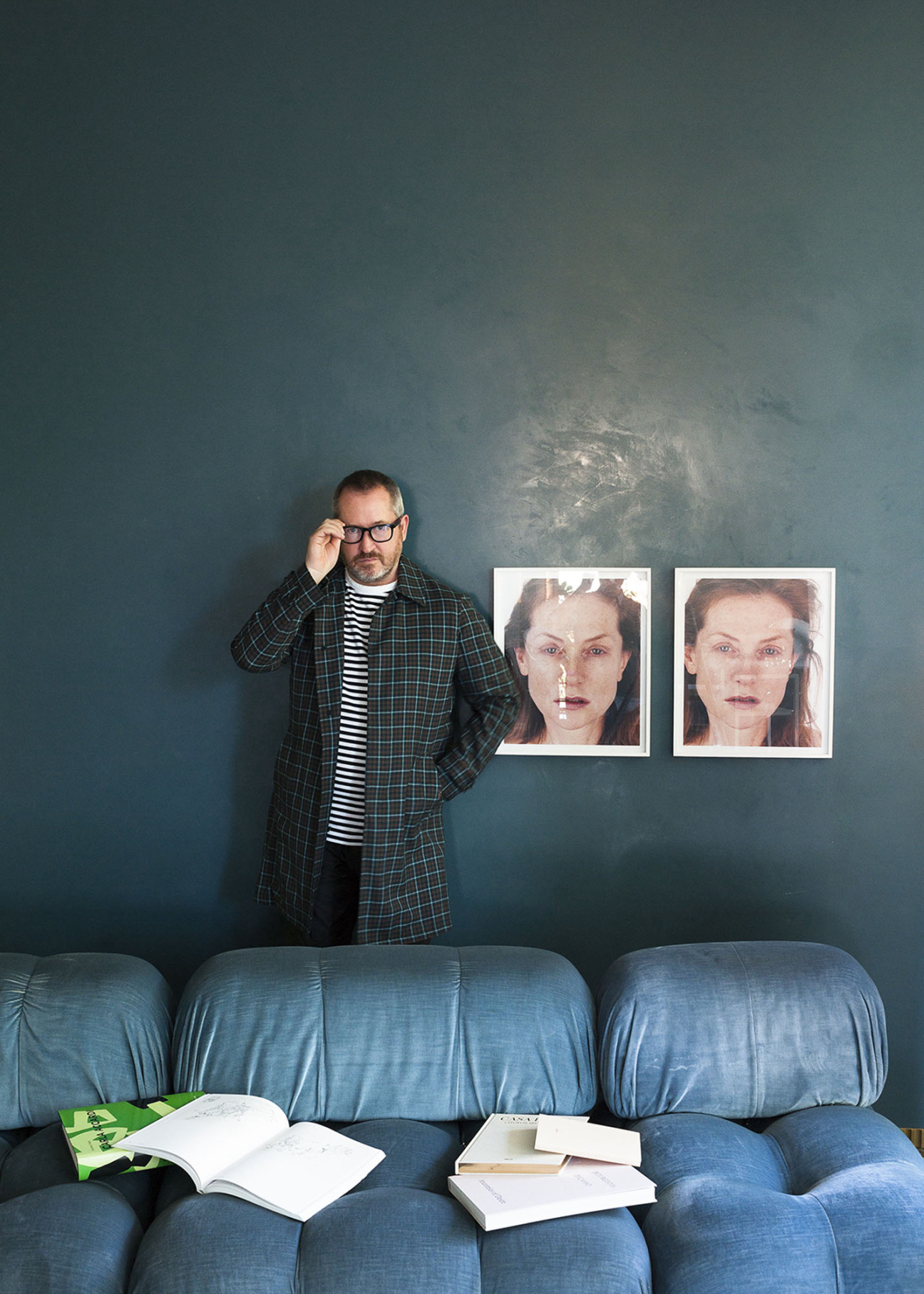
Luca Bombassei, Milan
“My discoveries stem from various channels: the Venice Biennale is obviously a reference for me, as I am half Venetian, but I also move among gallery exhibitions, art fairs, online platforms, and recommendations from fellow collectors and art professionals. I don’t follow a fixed rule or a pre-established thematic thread, but as a recurring element I have always been fascinated by words transposed into art: starting from the 1978 exhibition on the ‘Materialization of Language’ [a show featuring 90 female artists engaged with language], continuing with Jenny Holzer‘s ‘Truisms’ and Claire Fontaine’s neon writings, particularly under the spotlight today thanks at the current Venice Biennale. My collection includes beautiful pieces from these series, as well as a nice piece by Lucia Marcucci, [a pioneer] of Italian concrete poetry.”
Grażyna Kulczyk, Poland
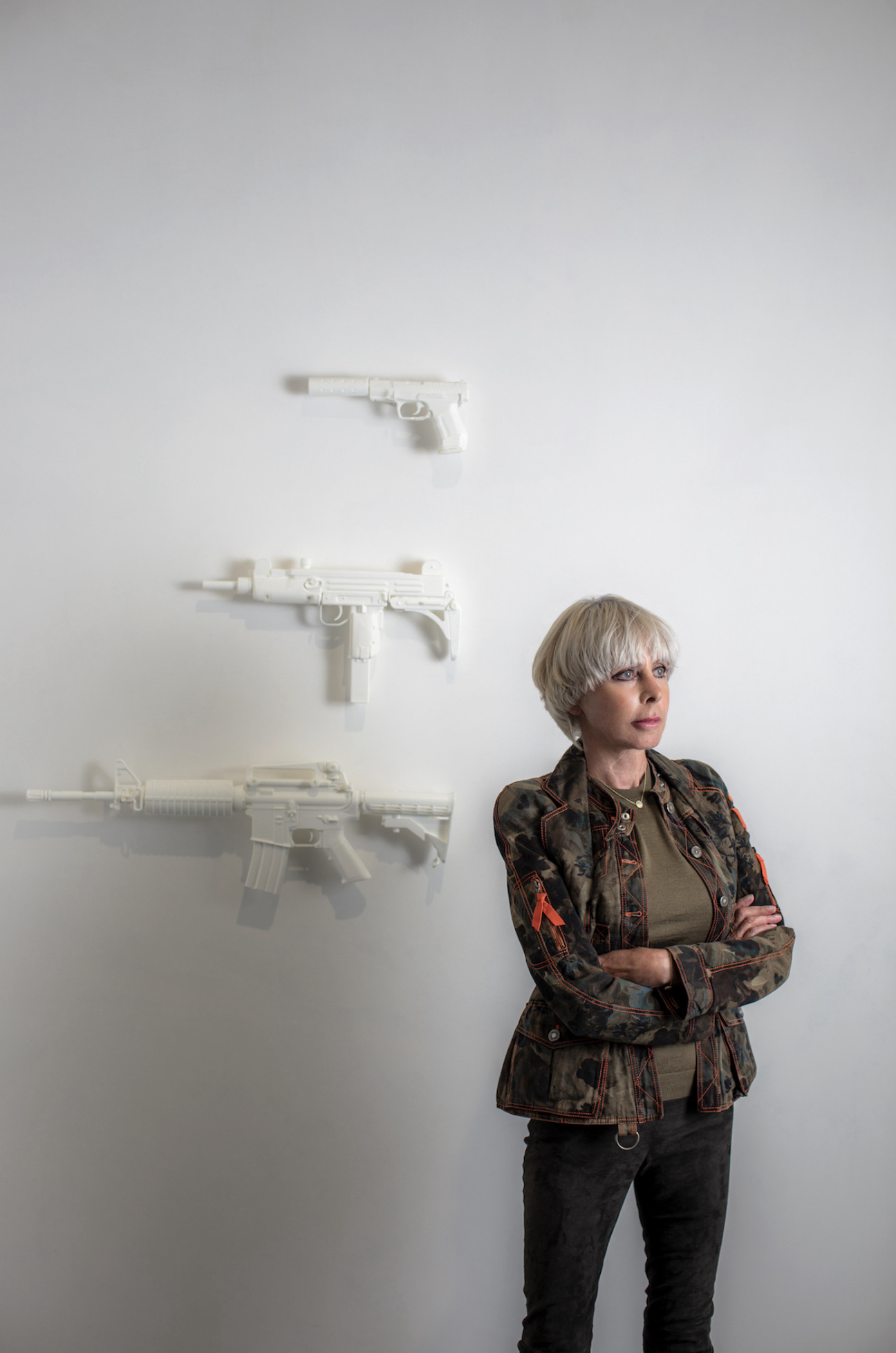
“When expanding my collection, both now and in the future, I maintain a consistent and coherent approach. My primary objective is to establish a solid foundation in the matrilineal history of art, with a focus on women’s art from the 1950s through the 1980s. This deliberate focus allows me to spotlight underrepresented voices and periods. Occasionally, I also incorporate works that, while they may not strictly align with this thematic focus, captivate me on an intuitive level.”
Valeria Napoleone, Milan
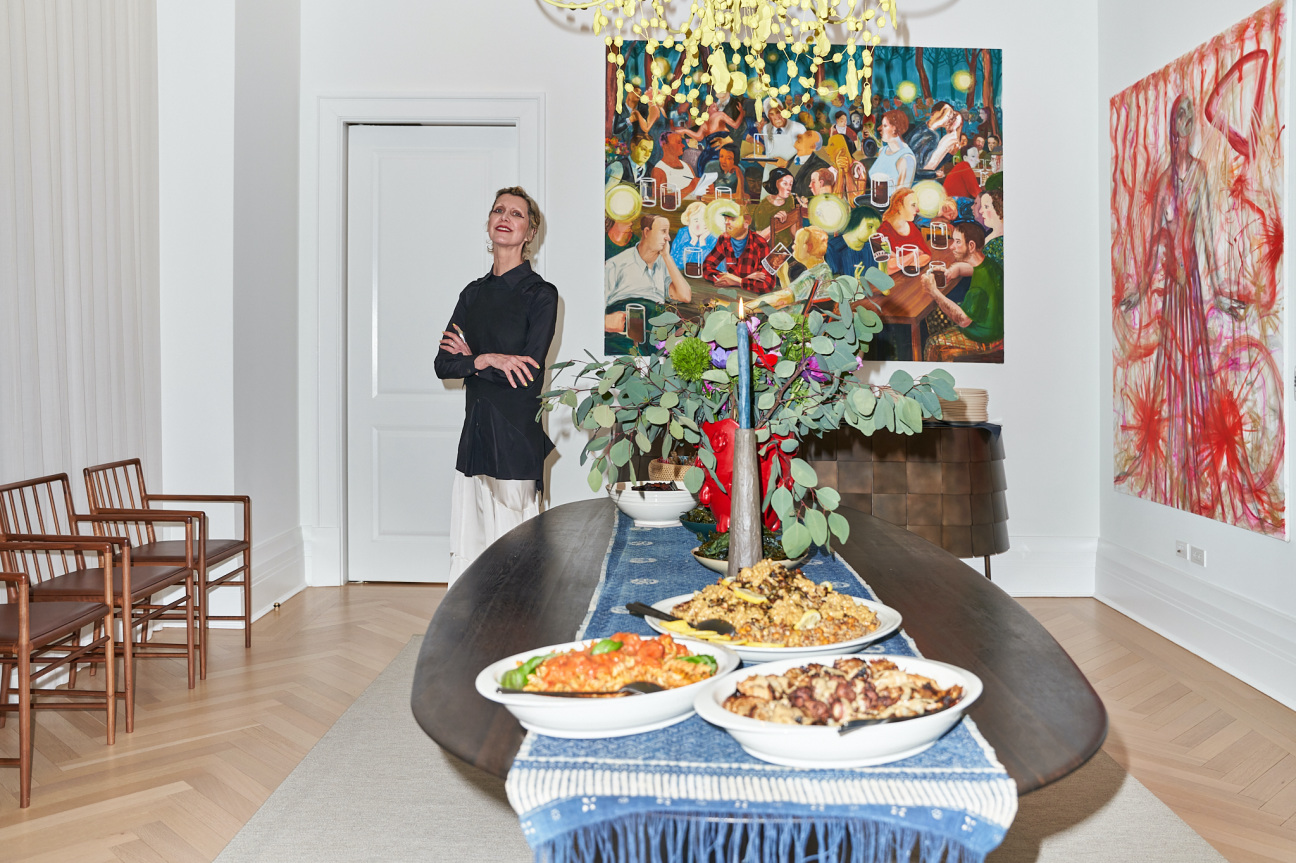
“I’m a very adventurous and curious person; I do my homework, I go to galleries, I do studio visits, and I do all the research myself, which can take years. I could never give this part of collecting to someone else. There are a lot of people who hire consultants, but I have the time, I have the interest, I have the drive, and I have the passion for it. Studio visits are the most important step. To me, there is no distinction between the person and the work—if I don’t connect with the artist, it’s a sign. Then I read, see previous work, and sometimes wait to see other shows before buying a piece. The market is fast, but I say, “I need my time,” I’m never being pushed, and I never buy what’s hot and trendy. Actually, I shy away from that.”
Nicola Erni, Zug
“The works I add to my collection have to speak to my heart. As I often say, [they] need to give me goosebumps. My collection is mainly focused, next to fashion and portrait photography, on contemporary art. Within that field, where I mainly started with Basquiat and Schnabel before buying works of other pop artists, it then expanded to hyperrealism with works by Duane Hanson or Elmgreen & Dragset. I’m addicted to design, color, textiles, and fashion, and have always been attracted to artists who bring those elements into their work. In that line, Sylvie Fleury and Yinka Shonibare CBE, amongst others, are present in my collection.”
Rajan Bijlani, London
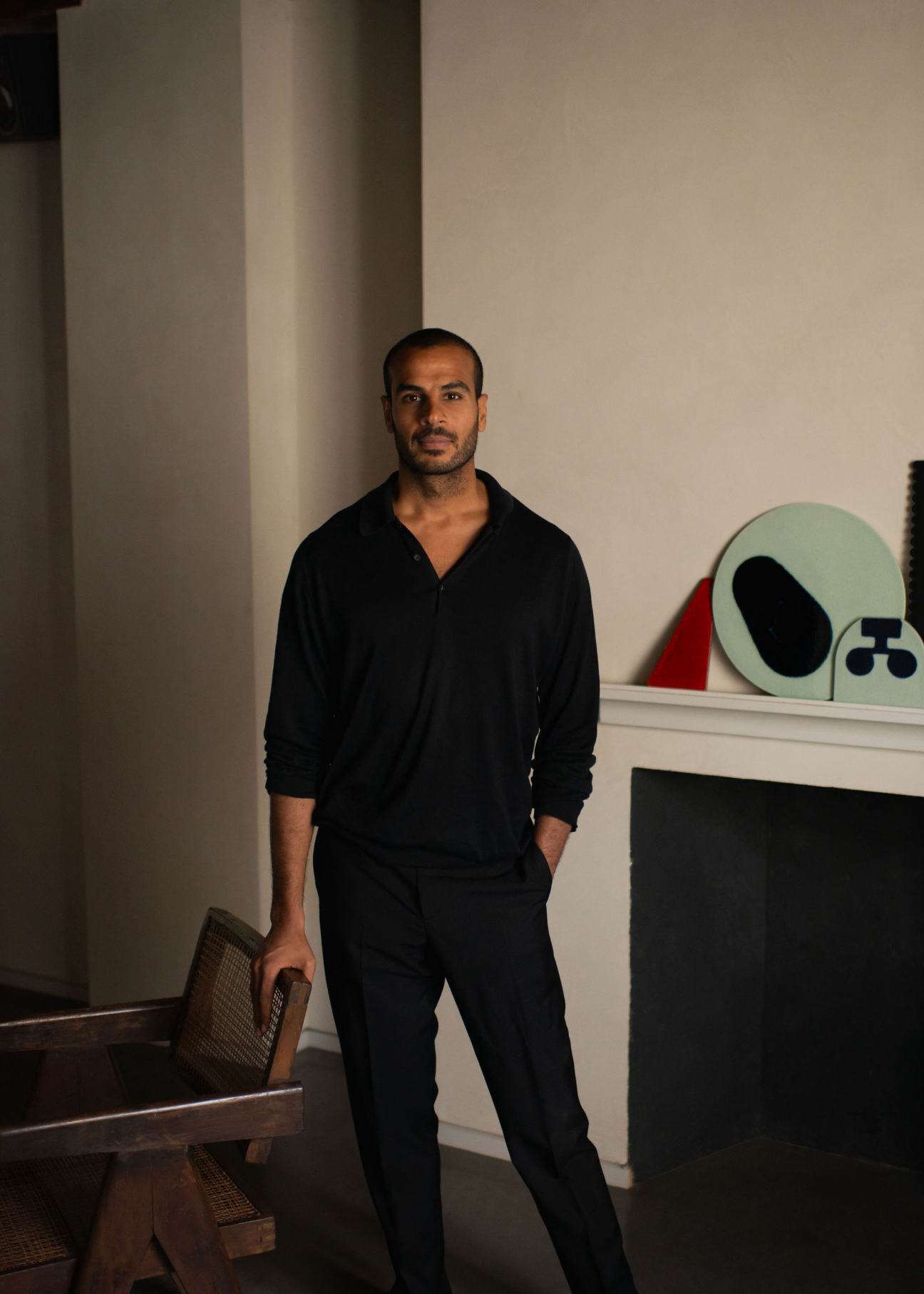
“My friendships and personal relationships with artists and dealers have been a wellspring of inspiration in discovering new artists. A long friendship with Michael Jefferson, a collector and former senior specialist at Christie’s, introduced me to the work of Miyoko Ito, an obscure artist who lived in Chicago and died in 1983. I now own an important work by her, and it has changed my view on what painting can be, in terms of what I wish to live with. Truls Blaasmo, an art advisor, is another dear friend, who has great connections in the art and fashion world. His influence has been quite strong in terms of artists to be aware of. Finally, books and social media have become important tools in discovering artists, leading to lasting relationships with their art.”
More of our favorite stories from CULTURED
14 Books Our Editors Can’t Wait to Read This Summer
Inside the Closet of a Revered Stylist Who Has Only Worn Prada For Over 30 Years
Charles Melton Actually Has No Idea Where His Career Goes From Here
Introducing a Play For Every New Yorker Who’s Had More Bad Dates Than Good
7 Commandments for Rookie Collectors, From CULTURED’s Power Art Advisors
Sign up for our newsletter to get these stories direct to your inbox.




 in your life?