

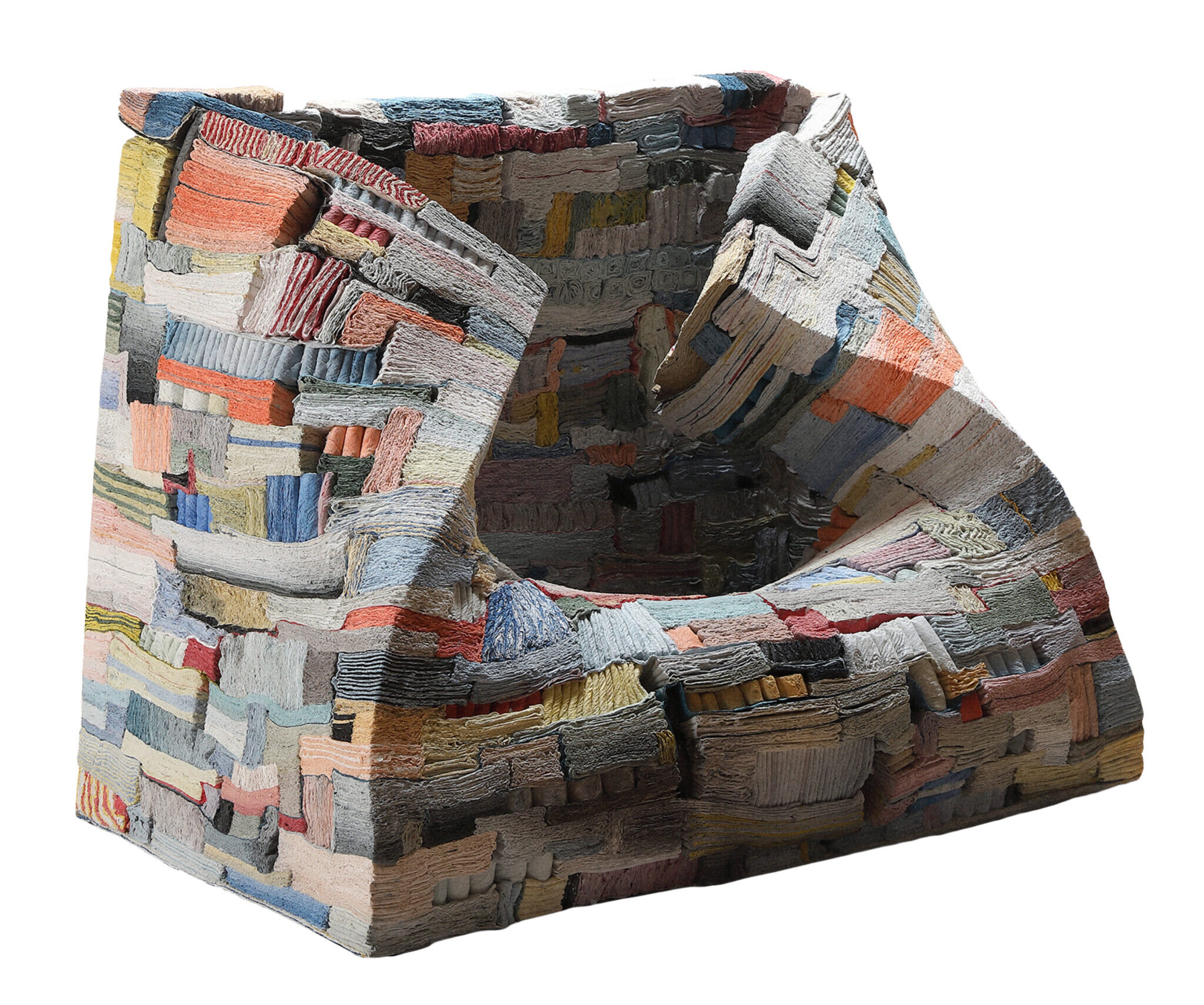
On Monday, artist Jongjin Park was named the recipient of the 2026 Loewe Foundation Craft Prize and awarded €50,000 at a ceremony at the National Gallery Singapore. His winning work, Strata of Illusion, 2025, remixes craft techniques from glassblowing to bookbinding, transforming thousands of sheets of paper coated in porcelain slip, layered and fired, into a slouching, trompe l’oeil, 3D patchwork. Encountering this otherworldly object affirms a message that organizers redoubled this year: skilled human hands taking artistic risks must be protected and emboldened.
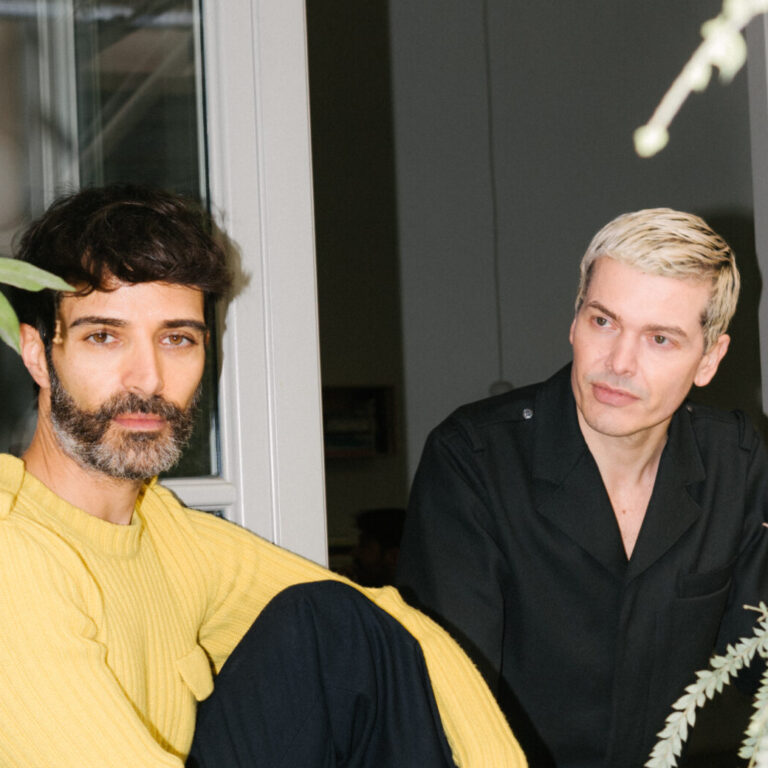
This year’s prize is the first juried by Loewe’s new creative directors, Jack McCollough and Lazaro Hernandez, who joined an architect-anchored panel including Minsuk Cho, Frida Escobedo, Wang Shu, and Patricia Urquiola. In addition to Park, the jury also agreed on two special mentions: Italian artisan Graziano Visintin for his necklace Collier, and Baba Tree Master Weavers (Mary Anaba, Charity Aveamah Atuah, Christiana Anaba Akolpoka, Asakiloro Aduko, Mary Ayinbogra, Teni Ayine, Subolo Ayine, and Punka Joe) x Spanish designer Álvaro Catalán de Ocón for their work Frafra Tapestry. Thirty finalists working in ceramics, wood, textiles, glass, metal, lacquer, and other media were drawn from more than 5,100 applicants across 133 countries and regions. Their work is now on view at the National Gallery Singapore through June 14, at a venue which follows past institutional hosts such as the Palais de Tokyo in Paris and the Design Museum in London, registering Singapore’s increasing weight in the global design conversation.
A decade after Loewe Foundation President Sheila Loewe and former creative director Jonathan Anderson established the prize to provide critical support to global artisans, craft has crossed into the mainstream. Mending workshops and basketweaving circles proliferate alongside art fairs now crowded with works in fiber, ceramic, and glass. A surge of sibling prizes and biennales has sought to revitalize independent makers, while museums around the world have made headlines for repatriating and remapping access to ancestral and Indigenous works, spurred by the Sarr-Savoy Report as it pertains to the return of African cultural heritage, and the Native American Graves Protection and Repatriation Act (NAGPRA). In the design world, craft has also begun to wield a soft power, translating the histories of places at geopolitical or economic threat—like Uzbekistan or Iran—into a vocabulary that global audiences recognize.
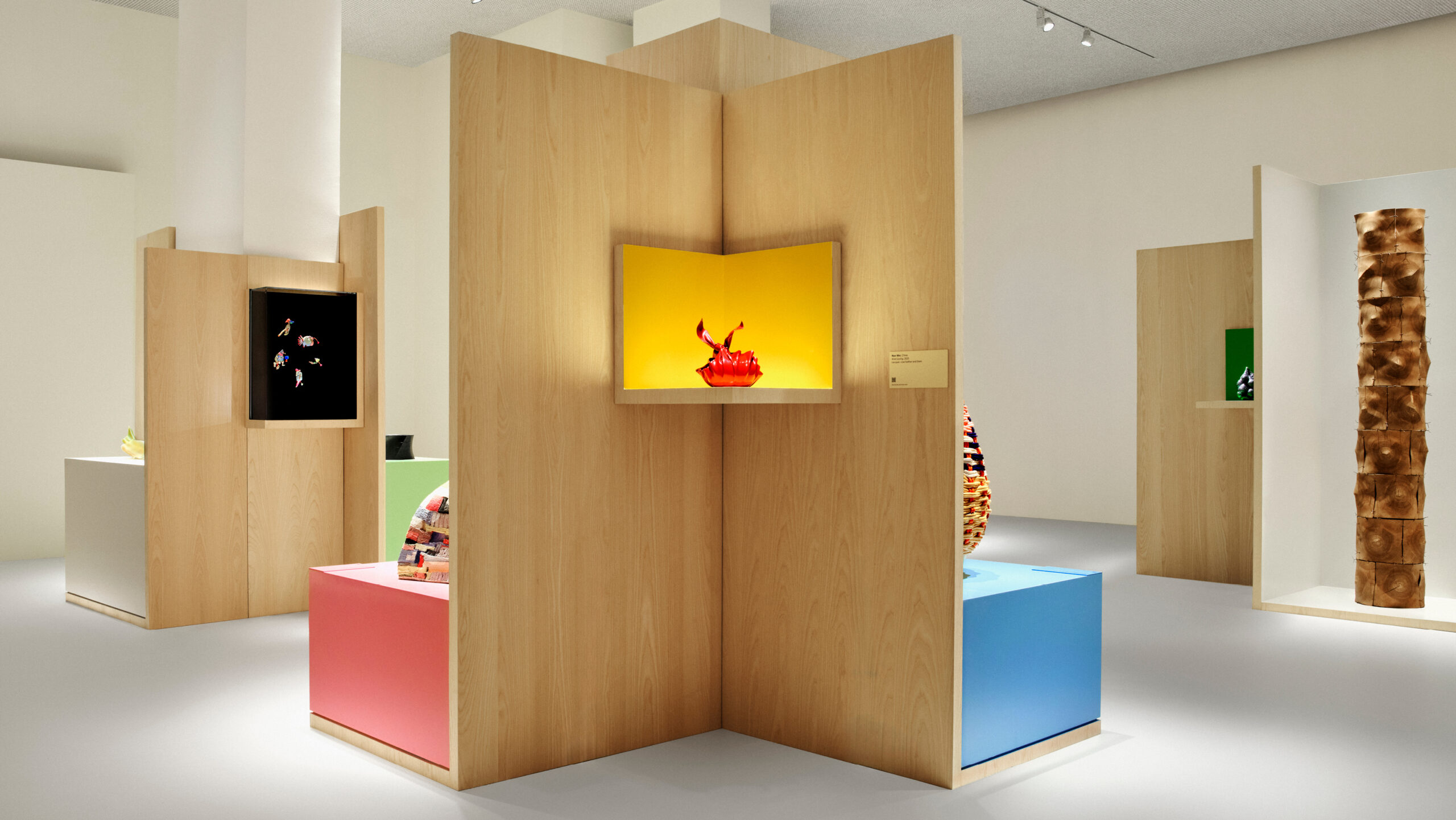
What sets the Loewe Prize apart from the wider zeitgeist is the depth of expertise on display each season. Walking the exhibition makes clear how even the most singular works, rooted in local traditions, share a dedicated rhythm across generations of practitioners. Architect and designer Hervé Sabin’s Sèvi-Tè, a charred vessel hollowed from a single piece of wood, sanded devotedly over months and soaked in beeswax, places an ancient communal object into dialogue with the artist’s own spiritual verse. When asked Sabin about the work’s function, he described it as a medium for energy transfer, absorbing the friction of his hands working the surface, then radiating that embodied heat. Another standout, designer Nan Wei’s Knot-Loving, identified by Hernandez and McCollough as a personal favorite, reworks the Japanese Shippi technique into a lacquered cow leather basket, a jaunty material invention ripe for collaboration with commercial fashion.
The symbolic qualities of the skin and body were influences mentioned by participating artists across media forms. Artist Nobuyuki Tanaka’s monumental lacquer totem recalls a curled membrane forming a conduit between inner and outer life. Artist Oskar Gustafsson’s column of sliced, steamed reclaimed ash, quilted and bound with copper wire, resembles skin stitched roughly together until a closer look reveals the quivering rings of the tree. Artist Rayah Wauters’s A Turn Toward Possibility transforms poplar, Belgium’s most commonly harvested species, into a fur-like surface, irresistible to touch, dipped in black ink that absorbs into the raw wood like blood through capillaries. Artist Kirstie Rea, whose glass piece Repose 2 was inspired by a hike through Namadgi National Park in southeastern Australia, told me she sees the work as a meditation on global vulnerability, skin as the tender barrier that protects the inside while sensing what’s happening outside.
The prize’s open application—anyone over 18 working in a craft-based profession may apply—can change the trajectory of an artist’s career. For honorees, the prize has proven to offer a pipeline of gallery representation, museum acquisitions, and fellowships. From an in-house perspective, Loewe just launched its own residency for former winners in Mallorca, supported by Belmond.
What these artists offer in 2026 is a salve for the anxiety that we’re losing human quirks and invention, the chain of multigenerational knowledge. Sheila Loewe framed the prize as part of a larger resistance to the acceleration of artificial intelligence. “This craft world that we are supporting,” she said, “is about creating with time and attention, the thing that will save us.”
More of our favorite stories from CULTURED
Danielle Mckinney Shares the Advice That Keeps Her Painting Even on Her Worst Days
What Not Having Mental Imagery Implies for Psychoanalysis, Trauma, and Our Sense of Self
Meet the Woman Who Curated the Art on Miranda Priestly’s Walls
Mina Stone’s Guide to Eating, Buying, and Cooking With Chocolate (More) Safely
Can Raising Children Make You a Better Artist? Four Artist Mothers Weigh In.
Sign up for our newsletter here to get these stories direct to your inbox.

 in your life?
