
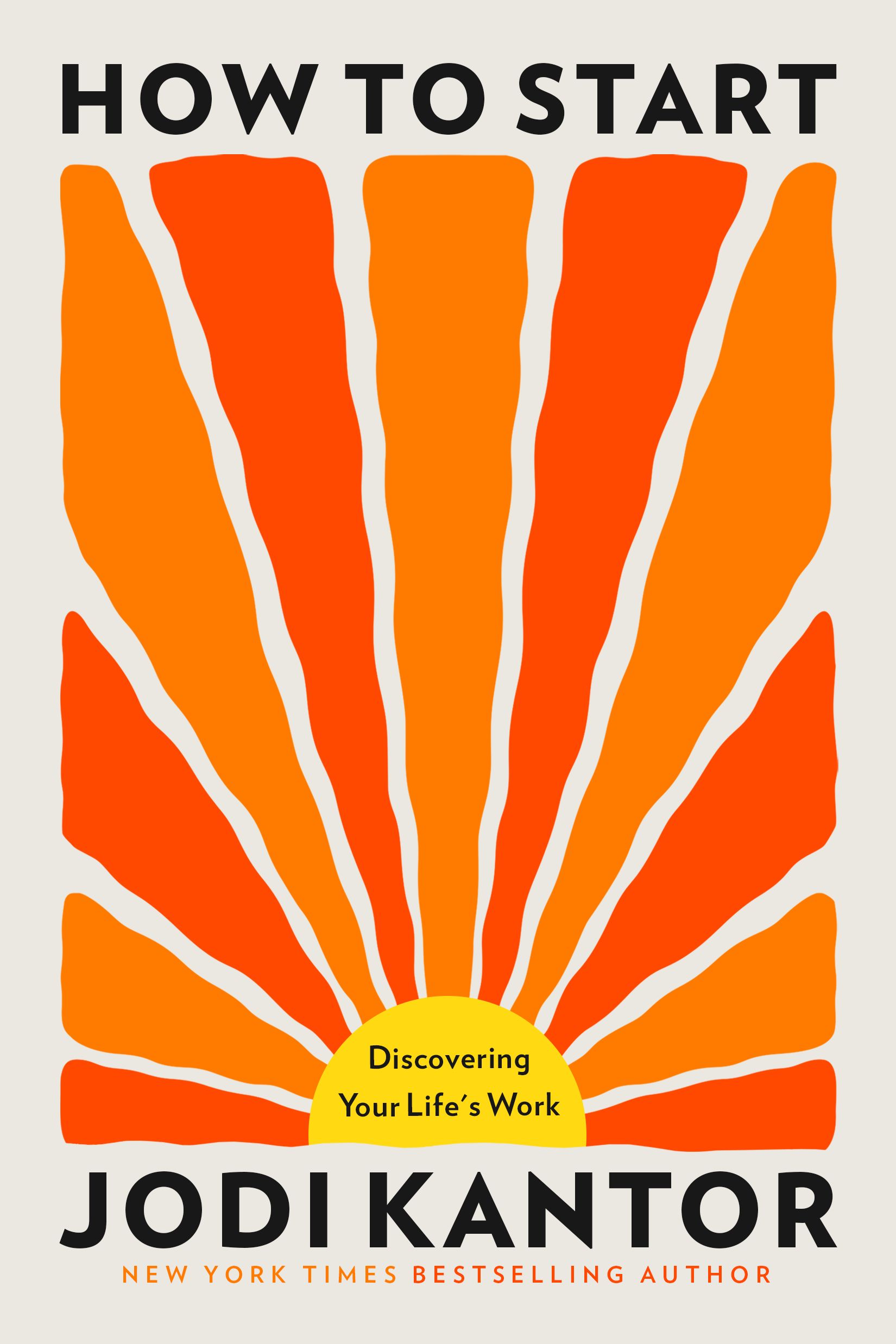
With the publication of How to Start, New York Times writer and author Jodi Kantor turns her attention from her high-stakes investigative work to where it all began: the fumbling, tentative start of a career. Today, as a growing proportion of the workforce is shaped or made redundant by automation, a new kind of professional loneliness—perhaps even hopelessness—has set in. In her new book, Kantor unravels the challenges and emerging opportunities that confront those entering the workforce today.
The Pulitzer Prize–winning journalist, whose reporting helped ignite the #MeToo movement, and whose ongoing work continues to probe the machinations of power and influence, has built a career asking questions others are wary of posing. In this new book, Kantor directs that instinct inward, toward the early career moments when ambition collides with uncertainty (and a pile of unsuccessful job applications).
In conversation with CULTURED Editor-in-Chief Sarah Harrelson, Kantor reframes the mythology of entry-level success, unpacks “following your passion,” and instead offers a more pragmatic idea: that young people are not peripheral to the workplace, but essential to its survival. Here, we learn why the hardest part of a career may also be its most generative, especially on the forefront of a digital frontier.
Thank you for connecting today. In How to Start, you speak a lot about courage and leaning into pain—things that resonate deeply with me. What were your dreams and goals at 22, versus where you are now?
I began my journalism career by being kicked off the Columbia University paper. It took me decades to tell that story publicly. I think it’s important to emphasize now, especially when talking to young people, that there’s so much pressure today. There is this belief that your entry into the workplace has to be a perfect Olympic dive, where you’re scored on technical ability and any splash means failure. That’s not how it works. I belly-flopped into the workplace. Starting has always been hard, and this era is making it tougher.
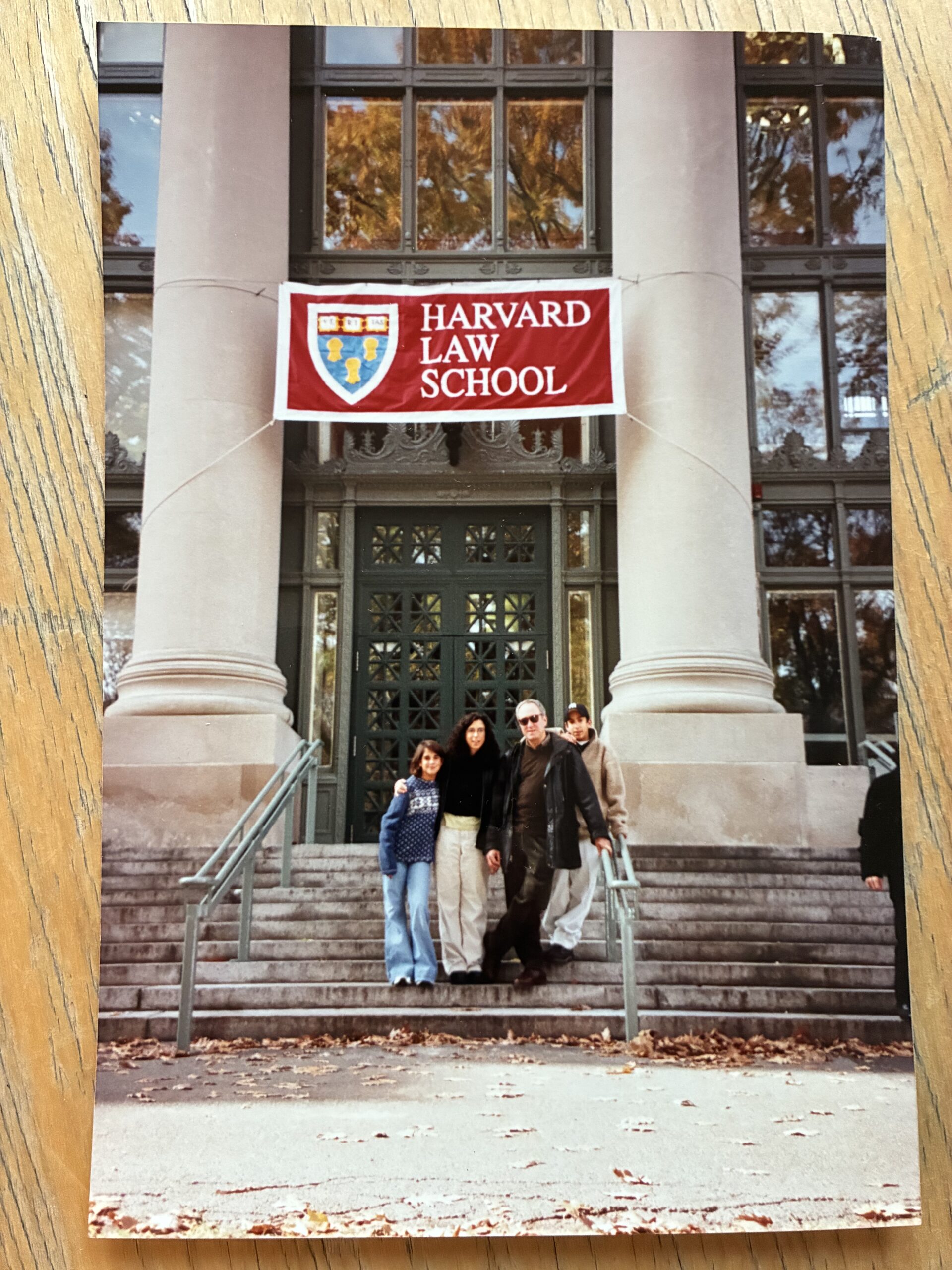
I was talking with Esther Perel the other day, and her famous belief is that a marriage needs both security and stability, but also exploration, growth, and freedom. She said to me, “Jodi, careers are the same way.” That’s exactly right. I also tell the story in the book about dropping out of law school. I mention that it was Harvard Law School, not to sound like a jerk, but to stress the point that I took a risk, which paid off. It was scary at the time, but I worry this environment is becoming so intimidating that young people are afraid to take leaps.
Do you think success comes down to having the temperament to survive that messiness? There’s such a difference between someone who has everything going for them but won’t put themselves out there and someone with a real tolerance for perseverance.
I know exactly what you’re saying, but here’s why I’d suggest that even driven young people need a lot of encouragement right now. The job application process has changed dramatically. If you haven’t applied for a job in a while, here’s a shocking update: it has turned so digital that young people are doing A.I. interviews—literally being interviewed by machines instead of people. They’re navigating giant job portals full of ghost listings, applying without even knowing whether a position actually exists.
Not only is it a tough hiring environment, but young people are telling me they applied for 150 jobs and didn’t get a single bite, and didn’t meet anyone in the process. We think of job searching as a social process full of handshakes, coffees, and connections. Increasingly, the word young people use to describe it is lonely. I wrote this book to answer that loneliness. I wrote it to encourage young people to give their dreams a fighting chance, and to tell them not to give up before they start.
“If you haven’t applied for a job in a while, here’s a shocking update: it has turned so digital that young people are doing A.I. interviews—literally being interviewed by machines instead of people.” —Jodi Kantor
That’s exactly what I was going to say.
Young people have become very cynical about the workplace and expect very little from it. The problem is, if you give up before you start, you’re putting satisfaction even further out of reach. That’s a huge problem, because you need to work individually, financially, and it’s how you spend your time. Our stake in work is also collective, as it’s how society moves forward. If we want new cancer therapies or great television, the workplace is the only way that happens.
How do we inspire optimism in kids who are facing this loneliness, with every headline telling them A.I. is taking their jobs? How do you sit down with a 22-year-old and say, “It’s going to be okay?”
Honestly, optimism isn’t the word I’d use. My fear is that if we push optimism on young people, we’ll get turned down. My 20-year-old daughter closely supervised the writing of this book, and she was militant with me. She said, “Mom, no false optimism. It’s a genuinely tough environment.” The point I would use instead is: what advice can we give that is actually galvanizing? We need to help young people see possibilities, lift some of the gloom, provide concrete ways for them to take agency, and maximize the chance that they will have happy, successful, productive work lives.
It’s a fight, not a reassurance. What concrete tools do you give your daughter? Is it harder to use the right words when you’re talking to your own child?
For most parents, it is. What you’re observing is real. This employment environment is creating complicated dynamics between parents and children. Parents are understandably worried, often need to get kids off the payroll, and yet our advice doesn’t fully apply because the workplace and hiring process have completely changed.
It’s hard for us to truly understand what they’re facing. Then you layer on all those family feelings—expectation, shame, achievement, hope, and pressure. This book is written for two generations. It’s a letter to young people, but it’s absolutely written for people like you and me who are trying to figure out how to parent through this moment.
In terms of the specific advice, the book really comes down to two things: craft and need. Craft is essentially authority—a special skill or expertise which you have, that others don’t. Need is propulsion. It could be a business need or an altruistic need, but it’s about ensuring your career is moving forward, because you’re providing something other people actually want. I tell young people: you’re not just looking for a job, you’re looking for a craft and a need that will propel your whole professional life.
“What does the world need?” is a pretty big question. Is that a little overwhelming for an ambitious young person?
It is, and it’s a question to spend years on. The idea that you’ll figure out your craft and need instantly is too easy. I’m actually a little suspicious of kids who have near-perfect résumés and complete certainty about what they want to do by the fall of their freshman year. What I want to tell young people is: don’t be afraid of struggle. It’s possible to struggle well and have a struggle that yields real results.
Here’s why I find “need” reassuring rather than intimidating: the message of this A.I. moment to young people is that they’re superfluous—that a paralegal’s work isn’t important anymore, that A.I. can do the work of a junior analyst. That message is damaging and it’s wrong. Anyone who’s worked in an organization knows that workplaces need influxes of young people. By emphasizing need, part of what I want to say is: you are needed. This book is meant to be a countercultural message. Don’t buy into the idea that your talents, your dreams, or your hard work aren’t needed.
That’s an important message at any age. People who live long want to feel needed. It’s a basic human emotion. On the subject of passion, what are your thoughts on that in the context of this book?
The old cliché “just follow your passion” has run out of gas. We can’t pass that on to young people right now. Even though it’s lovely in many ways, it sounds naive and unrealistic. You and I know what a cup of coffee costs, let alone a starter apartment. We know the situation with student debt and how hard it is to get a job. A Pollyanna-ish “follow your passion” line isn’t going to fly.
I’m suggesting an alternative. If you’re the kind of person who isn’t sure what you want to do—and I love those people, they’re my people—follow your positive emotions and listen to them. We all have a lot of negative emotions right now: fear, confusion, and anxiety. I’m meeting young people who are so paralyzed that it’s hard for them to put one foot in front of another. What I’d say to them is: buy a cheap notebook, keep it in your backpack—whenever you feel a positive emotion around your classes, internships, or entry-level job—write it down. It could be inspiration, pride, a task you loved, or a meeting that gave you a high. Write it down. Our positive emotions are more accurate guides than our negative ones. How many times have we panicked about something only for it to be completely fine? Your positive emotions are a much more reliable compass. That is very different from saying, “just be a potter for the rest of your life.”
There’s also the argument that passion follows prowess. Once you become skilled at something, the passion comes.
A thousand percent. There’s an unrealistic expectation for instant gratification right now. Time has value that people don’t always recognize.
“There’s an unrealistic expectation for instant gratification right now. Time has value that people don’t always recognize.” —Jodi Kantor
In writing this book, especially working on it alongside your daughter—did it reveal anything new about your own career trajectory? What did you pull from your younger self?
I really want to save people from some of what I went through. When I dropped out of law school to become a journalist, I didn’t take myself seriously enough. I didn’t have the confidence to believe that I could actually be a journalist. I had this “who do you think you are” reaction whenever the idea surfaced. I want to give young people the confidence to take themselves a little seriously. Not too seriously, but my agent has a great phrase: the world is going to do it for you. Try to say yes to yourself before it does.
To close, how would you reflect on this book-writing journey and the key messages of the work?
What I want young people to understand is that there is a real joy in craft and mastery. At 22, it’s very hard to see the level of joy that mastery provides, because it’s a slow accumulation. You’re not there yet. Even the most gifted 21-year-old probably doesn’t have craft yet. But that young girl who didn’t dare dream of being a journalist has been replaced by my 51-year-old self. I take real joy in my work now. My current project is investigating the U.S. Supreme Court, which is a very hard journalistic assignment. But there is genuine joy in being able to tackle the hard things.
I’ll leave you with this: Megan Twohey, my partner in the Weinstein investigation, and I visit universities regularly and talk to students. The first question is almost always, “How did you handle the trauma of the material? Weren’t you destroyed by reporting on such horrors?”
We kind of delight in saying no. We were hurt, of course, horrified by what had happened, and shed tears in private. But the day you get to confront Harvey Weinstein is the best day at the office ever.
Thank you so much, Jodi. I truly appreciate your time, and I cannot wait to give this book to my daughter.
That means so much. Thank you for having me.
More of our favorite stories from CULTURED
Danielle Mckinney Shares the Advice That Keeps Her Painting Even on Her Worst Days
What Not Having Mental Imagery Implies for Psychoanalysis, Trauma, and Our Sense of Self
Meet the Woman Who Curated the Art on Miranda Priestly’s Walls
Mina Stone’s Guide to Eating, Buying, and Cooking With Chocolate (More) Safely
Can Raising Children Make You a Better Artist? Four Artist Mothers Weigh In.
Sign up for our newsletter here to get these stories direct to your inbox.




 in your life?