After 36 years, over 400 exhibitions, and projects with nearly 50 artists, the radical, pop-conceptual gallery Air de Paris has declared bankruptcy and will shutter its doors this week.
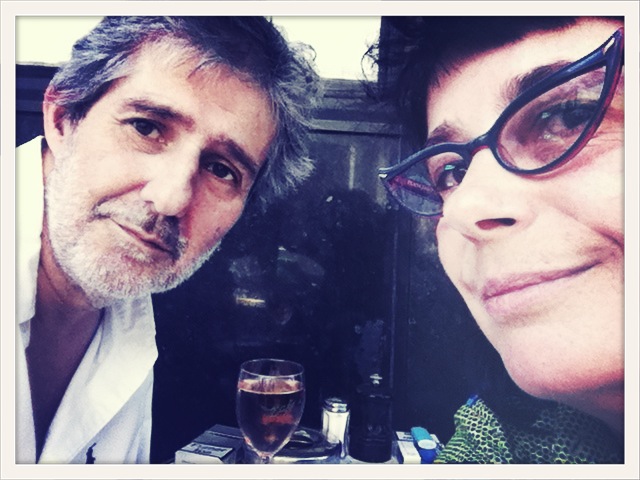
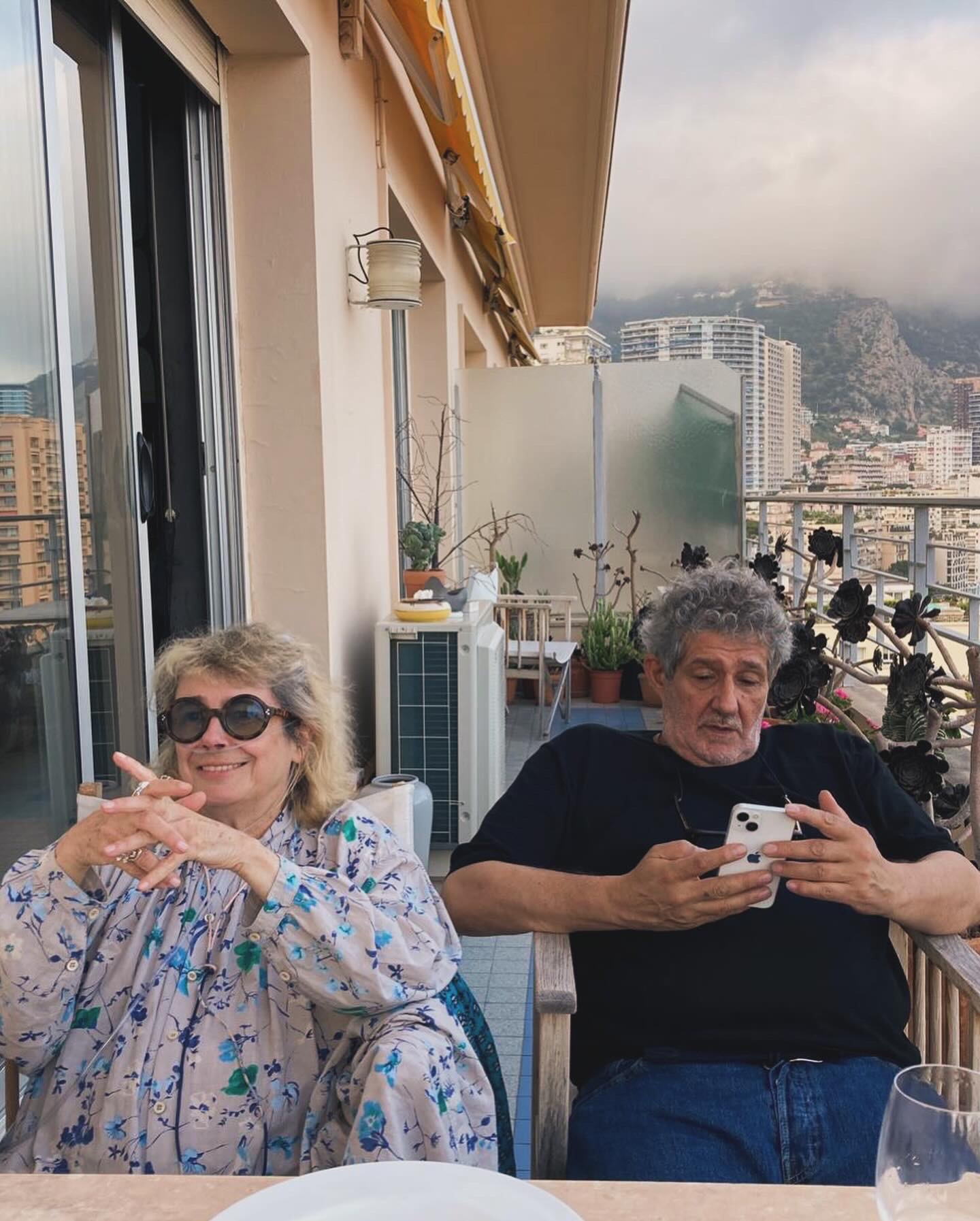
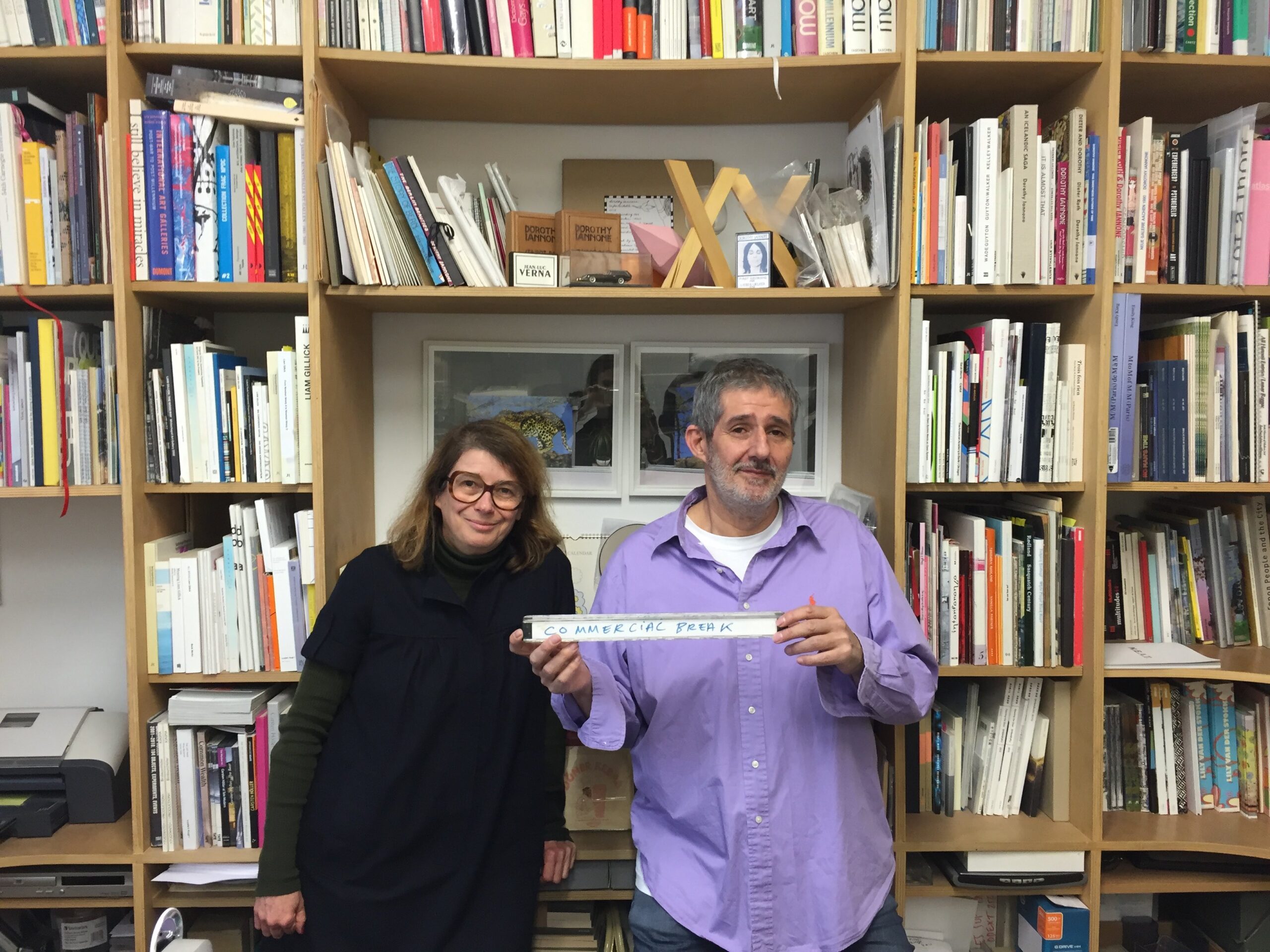
In late April, Florence Bonnefous, who founded Air de Paris with Edouard Merino in 1990, walked me through what would be the gallery’s last show in Romainville, the Parisian suburb the gallery has called home since 2019. Titled “Oh What a Time,” it was a not-so-subtle hint at the pending closure and a celebratory gesture of the gallery’s underground, eclectic punk legacy, with works by Joseph Grigely, Amy Vogel, Allen Ruppersberg, Pierre Joseph, Mona Varichon, Pati Hill, Lily van der Stokker, and Trisha Donnelly. Bonnefous, one of the art world’s preeminent curator-dealers, sourced most of the pieces from her own collection; she’d returned everything else to the artists. “The only people I owe money to are my landlord and the bank,” she told me in soft-spoken French.
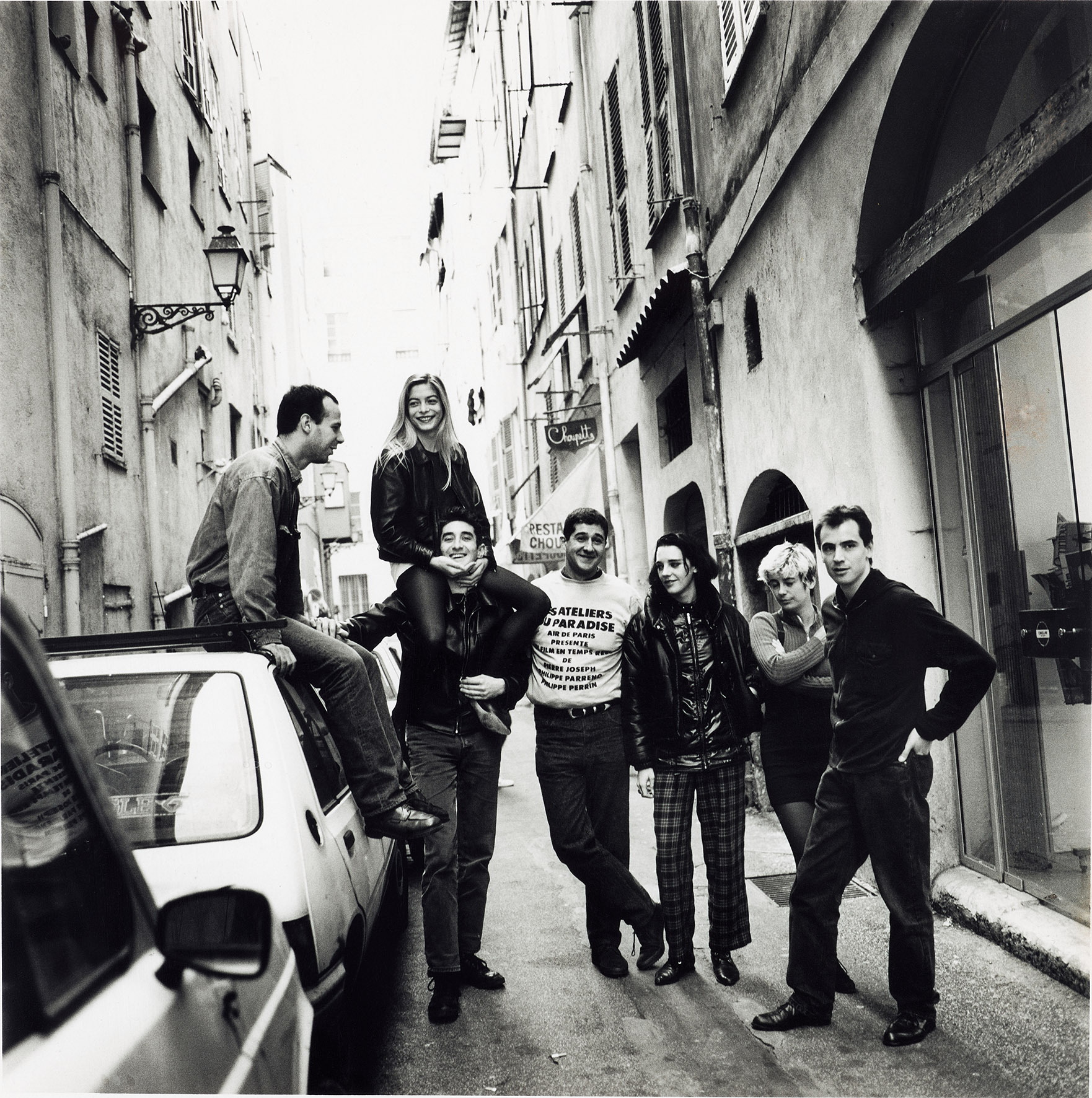
Since the gallery’s first, now iconic exhibition, which contributed to critic Nicolas Bourriaud’s theory of “relational aesthetics,” Air de Paris has nurtured and broken open byways for critically challenging and emerging forms of engagement with art and life. As artists and Bonnefous told me, this was achieved through deep relationships—and little thought for personal financial gain.
“Air de Paris brought so many ideas and artists to all of us—ones that might have disappeared in the vanilla-ish speed of the art world if it had not been for them,” the American artist Trisha Donnelly wrote me over WhatsApp.
Bonnefous and Merino decided to close mainly because of the gallery’s “fragile” financial circumstances, Bonnefous’s health (she has Chronic Obstructive Pulmonary Disease), Merino’s own fluctuating health, and a simmering refusal to participate in the increasingly profit-driven, “managerial efficiency” of the art industry, which eventually boiled over.
“Little by little, we realized we wanted to do things differently, and while reasons for closing are a mix of many things, it was also very important for us to distance ourselves from how the art market has developed,” Bonnefous said. A year ago, the gallery founders withdrew from Art Basel in Basel after their booth was downgraded. In a letter, they criticized a “trend towards a more corporatist model” of art dealing. Still, in recent years, helped by close institutional and collector relationships, “we tried to continue without opting for the easy path forward, or money-making,” said Bonnefous. “What is more surprising is that we lasted as long as we did.”
Bonnefous also no longer has the bandwidth or desire to do the hustling required to sell under the gallery’s current circumstances. “The moment you no longer want to do it, [financial] decline logically follows. It’s something that has to be constantly maintained,” she said, adding that she “would rather spend more time having picnics with artists.”
For so much of its roster, the gallery was a second home, offering an empathetic ear and carefully thought-through solutions to develop their practice and build exhibitions that were never ordinary. Air de Paris “understood the stories that run through my life, and the art that (sometimes) comes out of it. I’ve always said that it’s a gallery that understands what it means to be an artist, not only from the point of view of production,” said interdisciplinary French artist Mégane Brauer. “Transfem” installation artist Mona Filleul explained that Air de Paris had provided rare guidance and care while she faced “transphobia within the contemporary art world.”
The gallery’s “artists are an assemblage of misfits who have little in common except their ability to make art unlike the art of others: Ben Kinmont, Trisha Donnelly, Shimabuku, Brice Dellsperger, Sarah Pucci—all of them were pathfinders, something that Flo and Edouard recognized early,” said Joseph Grigely, who has a solo show on view at the Palais de Tokyo through September.
Air de Paris was an early champion of the practices of now-household names like Sturtevant, Dorothy Iannone, Philippe Parreno, Carsten Höller, Paul McCarthy, Liam Gillick, Pierre Huyghe, and Dominique Gonzalez-Foerster. In recent years, it has also staged the first gallery shows for emerging artists including Brauer and Filleul. Bonnefous plans to continue working with some artists from the gallery, while managing the estates of Iannone, Pucci, Pati Hill, Bruno Pelassy, and Guy de Cointet, plus curating various exhibitions, including one in her home in the Limousin region.
Filing for bankruptcy “is a little brutal,” admitted Bonnefous, “but we like the term.” It reminded her and Merino of a cheeky 1968 poster by George Brecht and Robert Filliou, announcing the shuttering of their Fluxus art space outside of Nice, the city where Air de Paris first opened in 1990. In orange-typed French, it reads: “There’s always someone out there making a fortune, and someone going… BANKRUPT (us in particular).” Bonnefous said she’s reappropriating that poster as a concluding artistic gesture for Air de Paris’s own send-off.

 in your life?