Do you enjoy your côte de boeuf with a side of Calder? Perhaps you are more in the mood for lobster with an accompaniment of Les Lalanne?
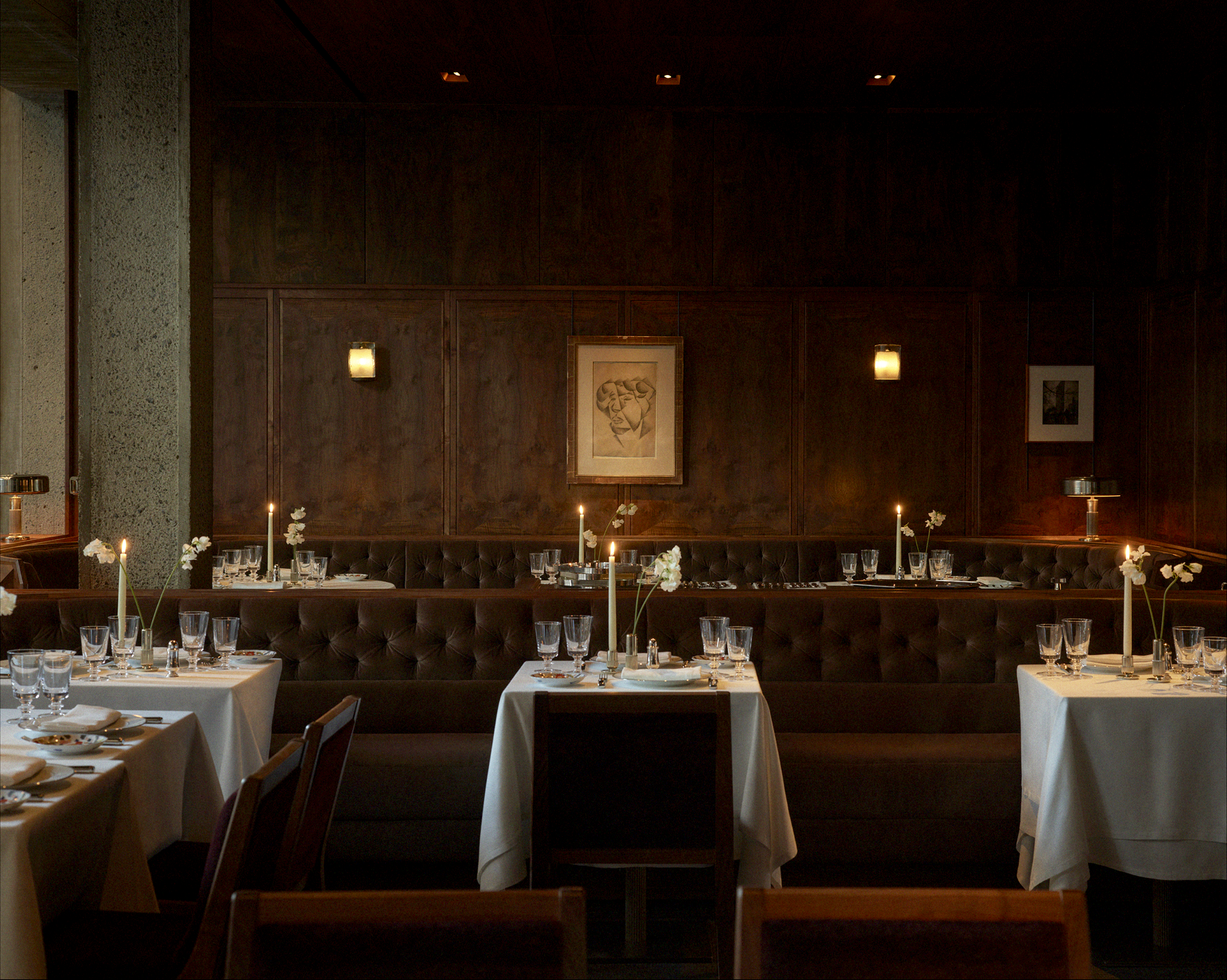
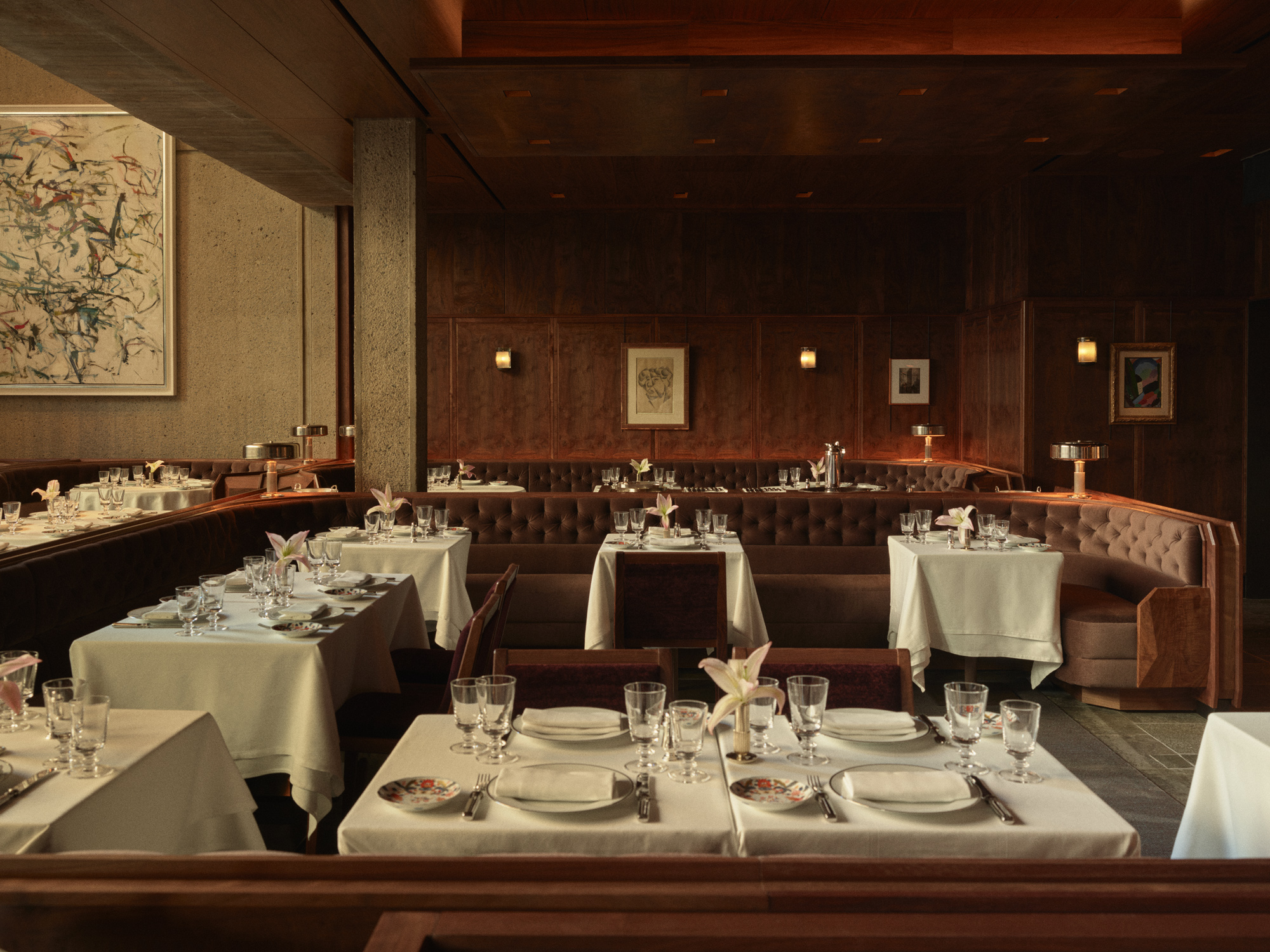
Lovers of art and food can have both appetites sated at Marcel, which became the hottest table at the Upper East Side as soon as it opened on April 17. The restaurant occupies the lower level of Sotheby’s new home at the famed Marcel Breuer building. (While the establishment’s name primarily winks at the building’s architect, it also evokes the trickster artist Duchamp, currently the subject of a major MoMA show across town.)
Led by design duo Roman and Williams in partnership with the auction house, the project brings together several worlds at once: art, design, commerce, and dining. Descend into the space and the room resolves into walnut-paneled walls, low light, and an open kitchen at its center. A pâtisserie operates alongside it, and the wine list is drawn from Sotheby’s own collection, allowing guests to purchase bottles they encounter during their meal.
At the center of it all is chef Marie-Aude Rose, who also oversees the Roman and Williams property La Mercerie downtown. She describes Marcel’s menu as “continental,” a framework that allows for both discipline and range, rooted in French technique but open to influences that reflect the building itself. Marcel Breuer’s Hungarian background surfaces in dishes like chicken paprikash, while others nod more loosely to history and memory.
Here, Rose discusses how the restaurant took shape.
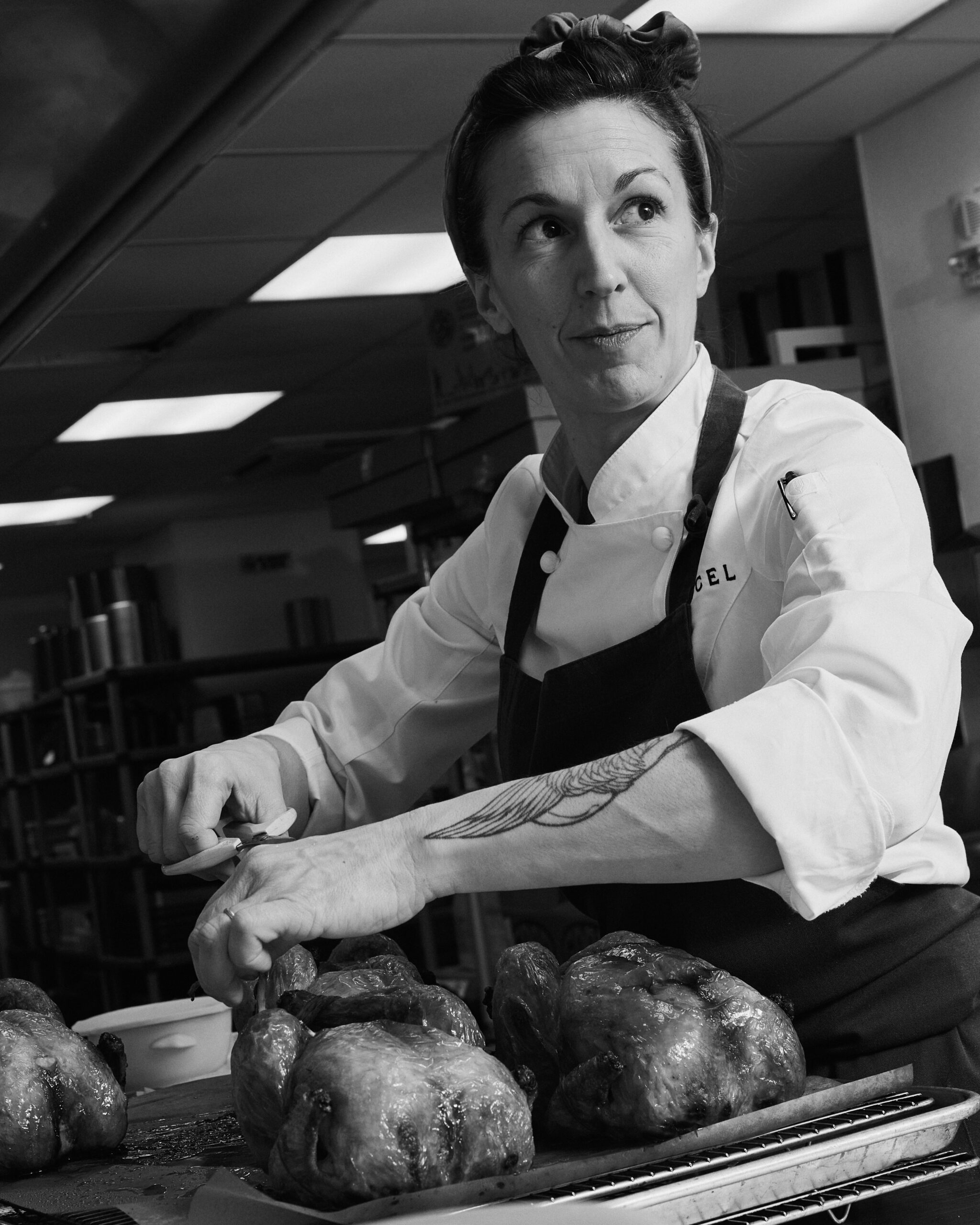
Marcel sits inside a Breuer building. How did the architecture shape the way you thought about the menu?
Not so much the architecture, but the architect. Marcel Breuer was Hungarian, so we brought some of those culinary traditions onto the menu, dishes like chicken paprikash. The menu is “continental” with a French emphasis, but that influence felt important.
How does your approach at Marcel differ from your work at La Mercerie?
Being on the Upper East Side, in a neighborhood where French culinary tradition already has a strong presence, I wanted to lean more into the spirit of a classic brasserie than we do downtown, but without being confined by it. Calling the menu “continental” allows for a broader range of influences.
The idea is to create something people can return to often, multiple times a week, even multiple times a day. It’s generous and adaptable, which you see in the “Que voulez-vouz” section, where guests can choose how they’d like their meat or fish prepared. The dishes are straightforward, but grounded in the rigor of French technique.
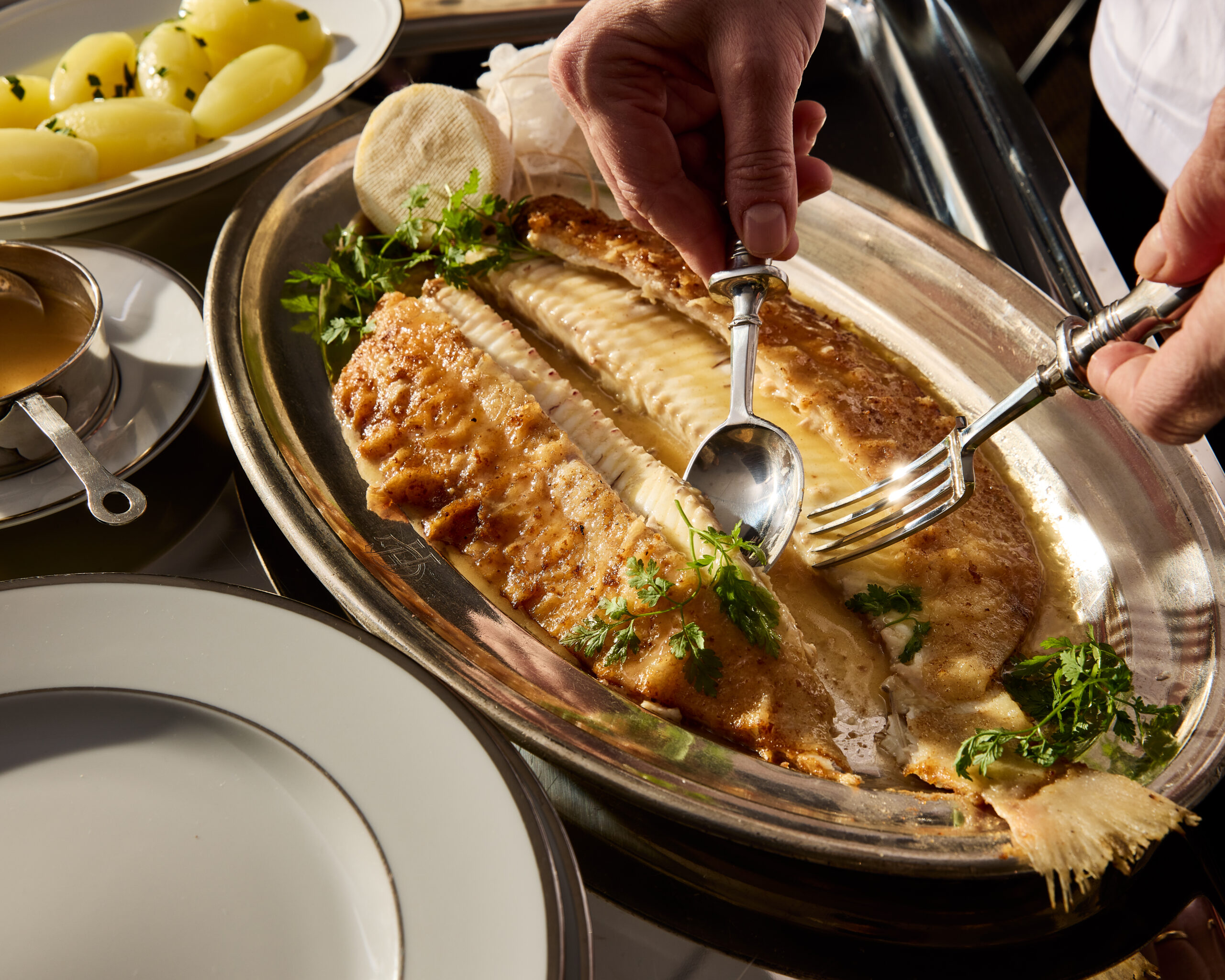
How do you decide when to stay faithful to tradition and when to push it?
The Terrine de Boeuf Mode is very classic, both in technique and tradition. On the other hand, something like a lobster bisque with turmeric and ginger is more unexpected. But even those combinations are not entirely new. French cuisine has long been shaped by the spice trade and colonial influences. What may seem untraditional often has its roots in that history.
What role does the open kitchen play in how you cook or present dishes?
I don’t really think about it. I’ve been working in open kitchens for the past 20 years, so it’s simply how I work.
If someone only orders one thing and a glass of wine, what would you want them to have?
Escargots and Chablis. It is my go-to in Paris, any time of the day.
The wines are from Sotheby’s collection. How does that collaboration work?
It gives us access to an exceptional selection and creates opportunities for guests to experience very special wines during their meal. If they discover something they love, they can immediately order a case to take home, which is quite unique.
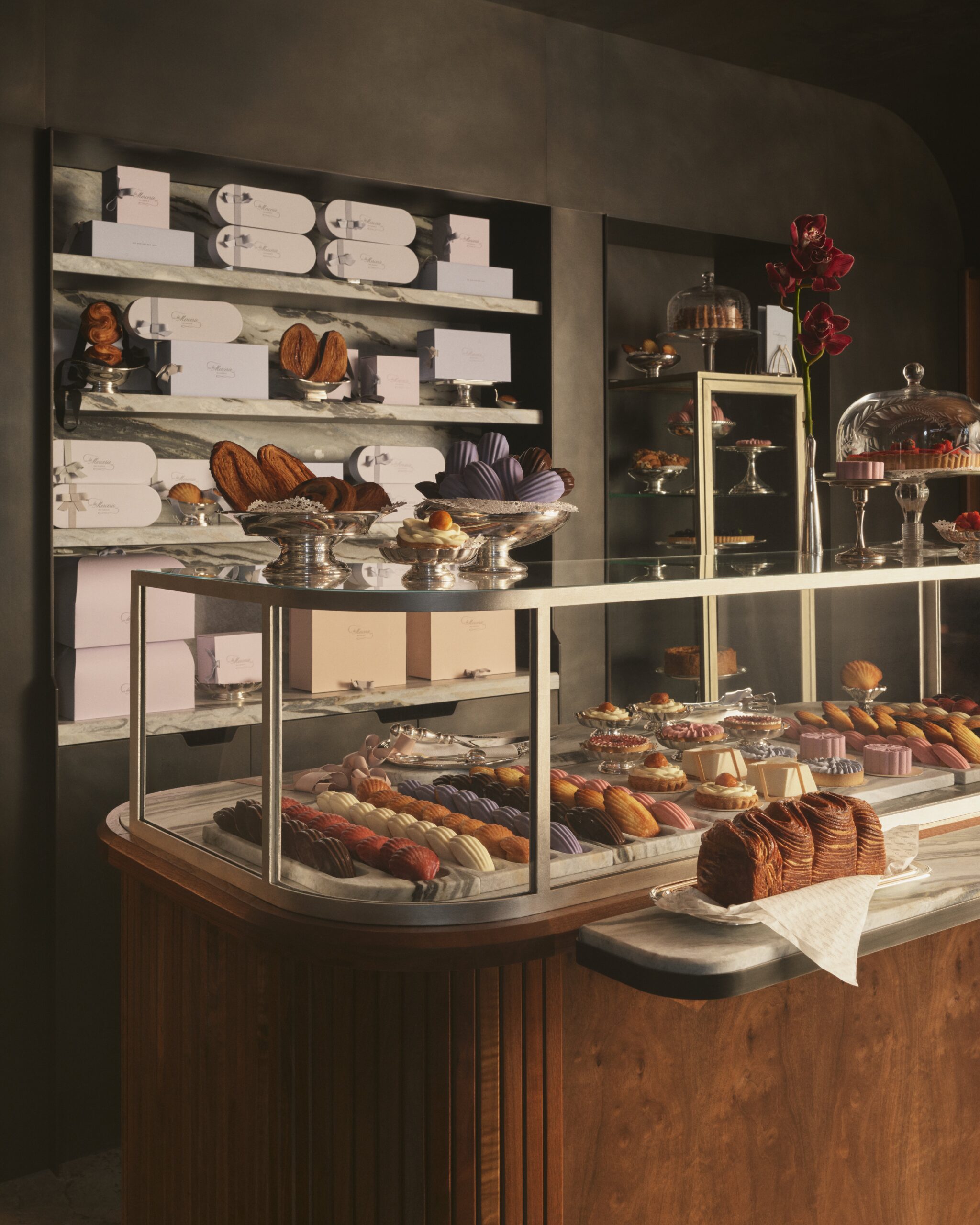
The pâtisserie component feels like its own thing entirely. How did you and pastry chef Rae Gaylord think about the role of pastry within the larger experience?
Rae and I opened La Mercerie together in 2017, where she was the pastry chef for four years. Since then, Robin [Alesch] and I have dreamed of making a pâtisserie as its own destination, centered around the pastries and viennoiseries Rae developed during that time.
Marcel felt like the right place to do that. The architecture is quite intense, and the design of the room leans masculine, so the patisserie introduces a sense of softness and delicacy.
You’re drawing on your Parisian roots while cooking in a very New York context. What’s the biggest difference between New York diners and Parisian diners?
In Paris, diners tend to accept the menu as it is. In New York, guests often want things their own way.
In France, we approach food, especially with children, very differently. There is one meal. If you don’t like it, you don’t eat it, but we don’t adapt the dish. It’s about educating the palate.
What role does art play in the menu or dining experience? What artists or artworks served as inspiration?
Claude Monet has always been my favorite painter. When I visited his home in Giverny, I found myself imagining dishes that might belong on the Marcel menu.
The blue kitchen and the yellow dining room stayed with me. They inspired the lobster with turmeric sauce. In France, we have blue lobsters, and a sauce with subtle curry notes felt like a natural expression of that memory.
More of our favorite stories from CULTURED
For Diya Vij, Mayor Mamdani’s New Culture Czar, Art Is a Labor Issue
Clowns Are Everywhere. Is It a Sign of the Apocalypse?
Take a Peek Inside New York’s New McNally Restaurant—No, Not that McNally
What Is the Wildest Thing You’ve Written Off Your Taxes? Our Favorite Freelancers Share.
Arts Organizations Are Pulling Out All the Stops to Appeal to a New Generation
Sign up for our newsletter here to get these stories direct to your inbox.



 in your life?