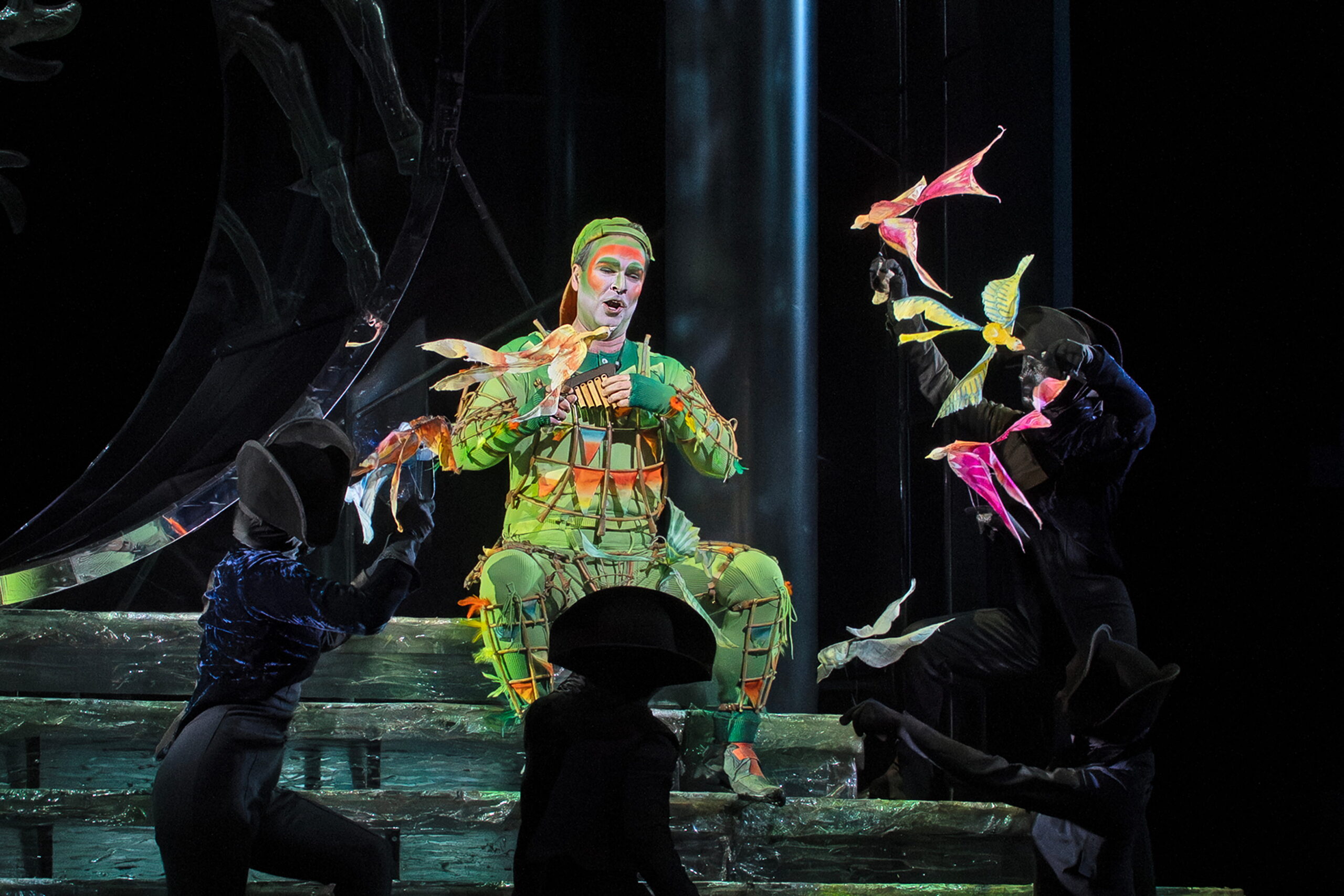
This winter, I found myself at Lincoln Center dodging GIF booths, dancers dressed up as birds, and trays of spritzes on my way to the opera. The occasion? A staging of The Magic Flute organized for “Met Under 40,” a series of evening performances specially targeted to Millennial and Gen Z audiences. As my friend and I nabbed some meat from a robust spread of charcuterie on the way to our seats, she lamented that access to the event was just another thing she was about to lose by turning 40.
The Met isn’t the only New York cultural organization making increasingly inventive—and sometimes charmingly desperate—attempts to appeal to young people. While Timothée Chalamet made headlines for claiming that “no one cares about” opera and ballet, the very organizations charged with carrying on these traditions were aware of the problem well before his poorly received remark.
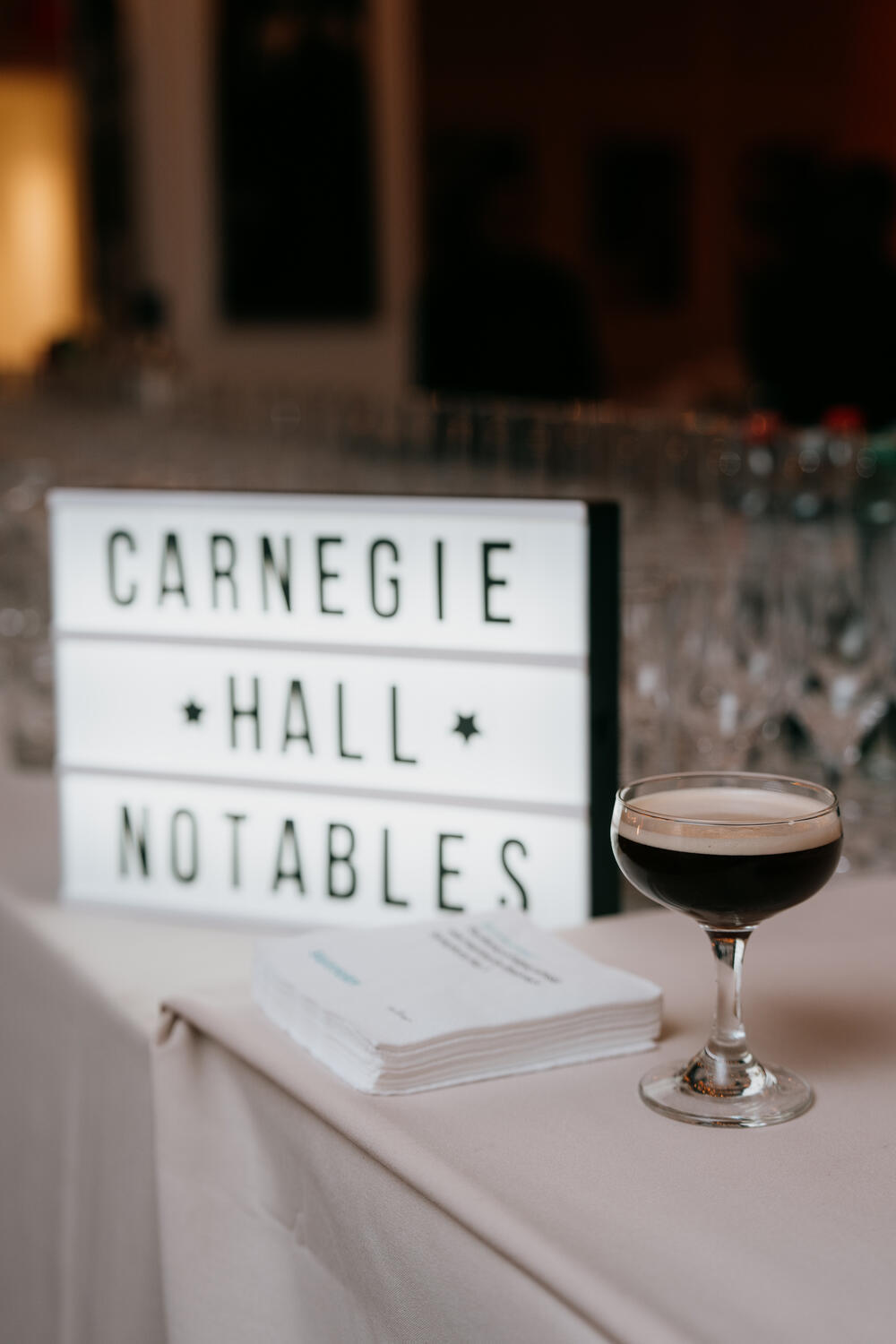
At Carnegie Hall—whose young patrons group, Notables, marks its 20th anniversary this year—the average subscriber in 2024-25 clocked in at 65, while its average general audience member was 55. A 2020 New York Times report put the average age of an audience member at the New York Philharmonic at 57.
Recognizing that their core audience will inevitably age out, cultural organizations are pursuing canny strategies to reach the next generation. The Met has staged abridged English-language versions of Cinderella, The Barber of Seville, Hansel and Gretel, and more. The winter performance of The Magic Flute I attended—directed by Julie Taymor, who adapted The Lion King for the stage—traded the typical three-hour German extravaganza for a trim 90 minutes in English. It even included, I kid you not, an ad-libbed 67 joke.
At the Met Opera, the average age of the single-ticket buyer is now 44, down from 50 before the pandemic. But the average attendee at “Met Under 40” is a full generation younger, at 31.
Amy Zhou, 34, a member of the New Museum’s Artemis Council who attended one Met production and three Carnegie Hall performances in March, described her dedicated following of opera and classical music as a conscious “fight against a shortened attention span.” But she also acknowledged that performances at the Met and New York City Ballet (NYCB) demand “more time commitment and less flexibility” than most art museum events.
Opera Goes Influencer
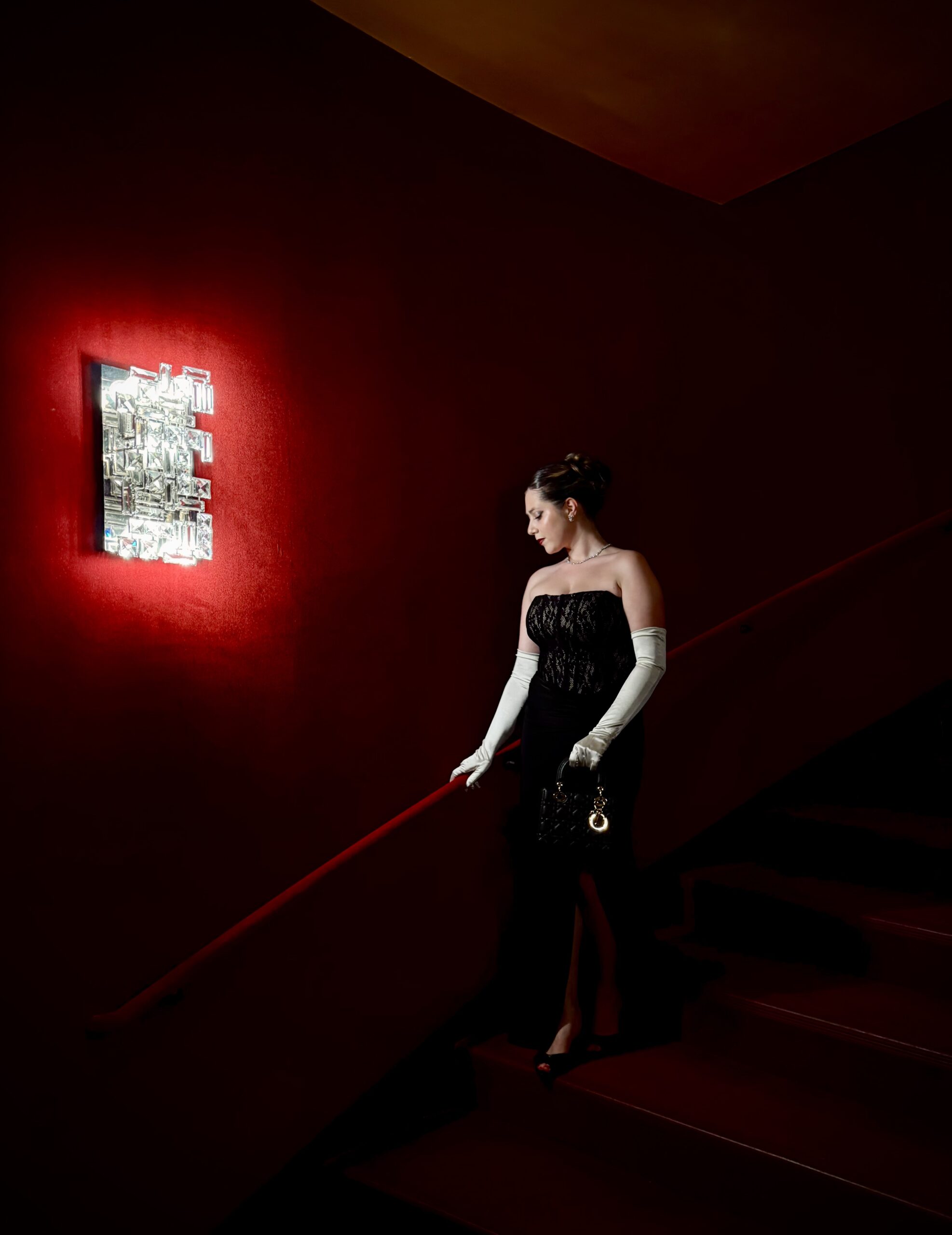
For Brian Gephart, 37, an extra dancer with the Met Opera since 2015, marketing has become central to how opera, ballet, and other arts institutions are evolving. The Met, for instance, has partnered with Relay, an agency specializing in influencer-led campaigns, for everything from “Get Ready with Me” videos to behind-the-scenes content. Carnegie Hall teamed up with creators including Teddy Siegel, a New York-based opera singer whose content foregrounding the glamour of nighttime performances at the storied venue has attracted more than 200,000 Instagram followers. “The focus should be on reframing the experience,” says Siegel. “Let young audiences be drawn in by the idea of a fancy night out, and the art form will speak for itself.”
The NYCB’s marketing department, which Gephart calls “pure gold,” relies strictly on its in-house creators, as many dancers often have strong followings of their own. The strategy is paying off. In 2024-25, patrons in their 20s made up 19 percent of NYCB’s audience, followed by 18 percent in their 30s, per data provided by the institution. Aiding the youth movement is its “$30 for 30 & Under” program, along with Young Patrons Circle offerings like “Glass After Class,” in which a wine reception follows a beginner ballet course taught by NYCB dancers.
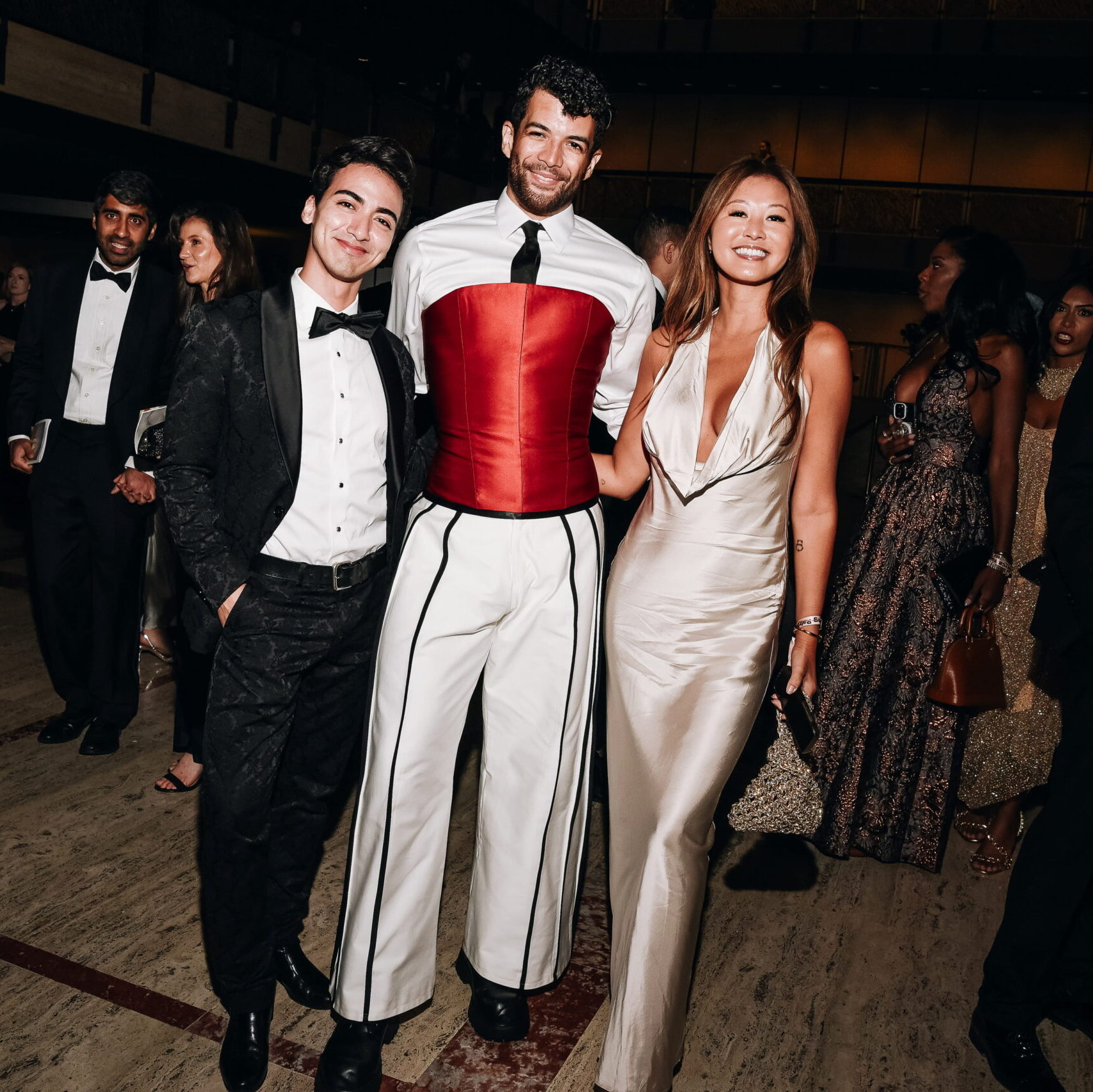
“Ballet has always carried an elitist air tied to its origins in the royal courts, and its unnatural physical demands create an inherent exclusivity around who can even practice it,” Gephart says, adding that programs like this help younger audiences access the form on more casual terms.
Emily Cheng, 35—an art collector, Philharmonic Young New Yorker member, and Carnegie Hall subscriber—sees social perks as only part of the equation. “We also have to be honest about the fact that classical music and opera are incredibly sophisticated, long-form art forms that can feel ‘inaccessible’ to a generation raised on the immediate hooks of pop music,” she says, suggesting that new educational support would help audiences “decode” the work. “When that education is paired with high-quality performance and a thoughtful choice of repertoire, the younger audience will always find its way there.”
An Orchestra’s Ergonomic Concerts
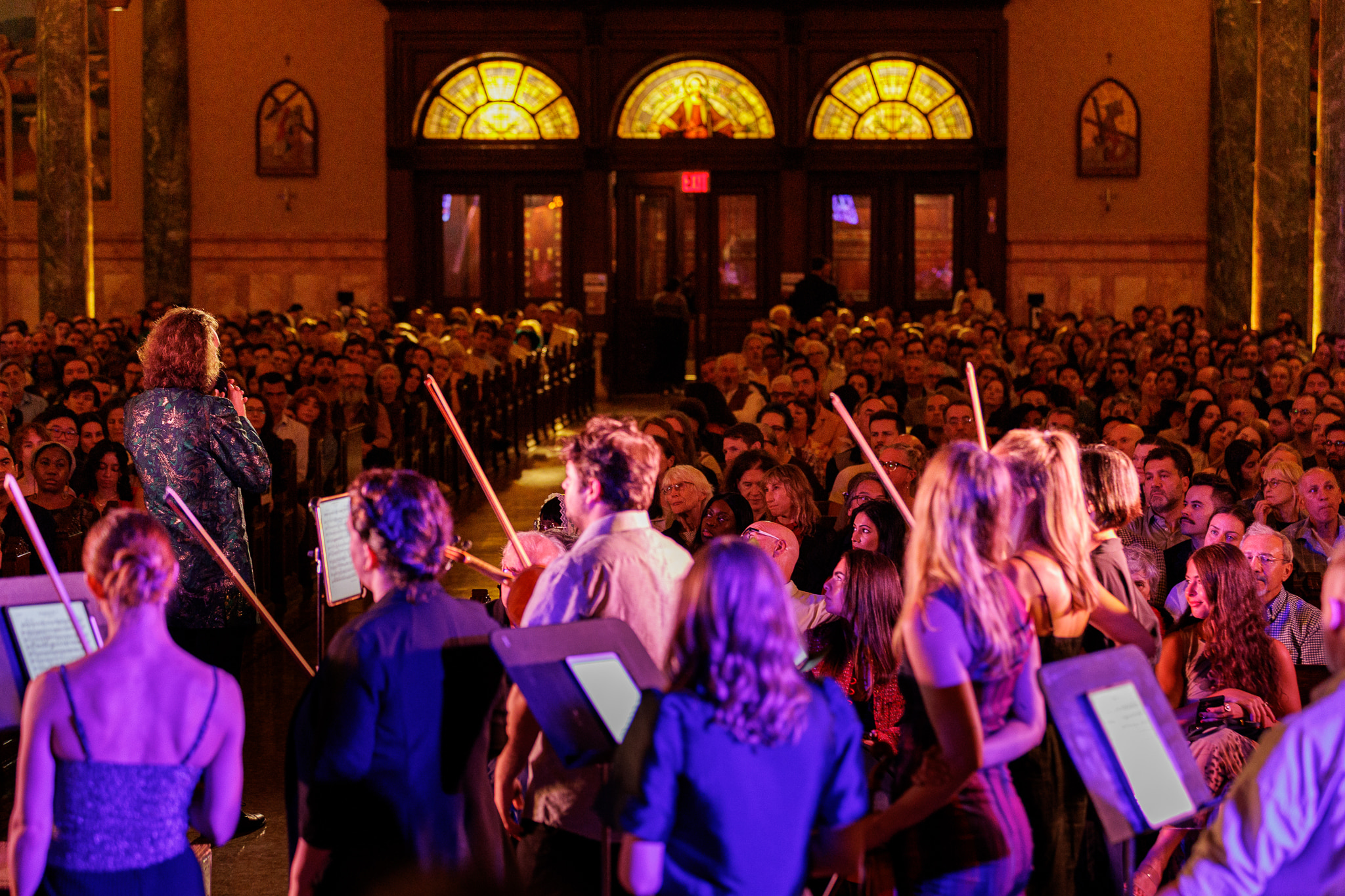
In Fort Greene, Brooklyn, a younger generation is building a different model from scratch. Led by the 34-year-old conductor Daniel Zinn, the Fort Greene Orchestra was founded in 2022. It reports a 95 percent attendance rate across the season and an average audience age of 35. Zinn describes the performances as “ergonomic concerts”: one hour, no intermission, immersive lighting he designs himself, and jargon-free pre-concert intros—a compact format he wants attendees to feel is “a punctuation mark in the evening.”
Zinn is skeptical of the perennial handwringing over whether young people care about classical music. “The story is very simple: three-quarters of the industry are motivated to complain because their real target audience is donors,” he says. Fort Greene, by contrast, is funded entirely through ticket sales. He argues that “the same thing that makes places like the New York Philharmonic great is also what may be holding them back.”
That confidence is being rewarded. Two Gen Z audience members I met in line for a March 28 performance, 29-year-olds Margot Pollard and Sam Starkman, were both attending their first classical concert after finding the orchestra through an Instagram ad. Afterwards, Pollard said the way Zinn introduced each piece made the evening feel approachable and that his “enthusiasm was contagious.” Starkman put it more succinctly: “10/10 experience.”
Both planned to return in April for the orchestra’s edited version of Bruckner’s Seventh, typically considered a more challenging work for listeners. But Zinn selected it partly to “break the stereotype that repertoire is the issue.”
“For the average concertgoer, there’s no real difference between Brahms and Bruckner,” he says. “I firmly believe that if we can build an experience, not just a program, the audience will trust us.” Whether through buzzy ballet classes or pre-opera festivities, many of New York’s legacy institutions are playing a similar score.
More of our favorite stories from CULTURED
How The Pitt’s Patrick Ball Went From Role-Playing Corporate Trainings to Starring on Broadway
The 2026 CULTURED Power Advisor List: Meet the Art Advisors Shaping the World’s Top Collections
A New Book Unearths the Heated Rivalry Between Artists Peter Hujar and Paul Thek
Speed Round! 13 Critics Review 25 NYC Shows Before You Finish Your Morning Coffee
Sign up for our newsletter here to get these stories direct to your inbox.






 in your life?