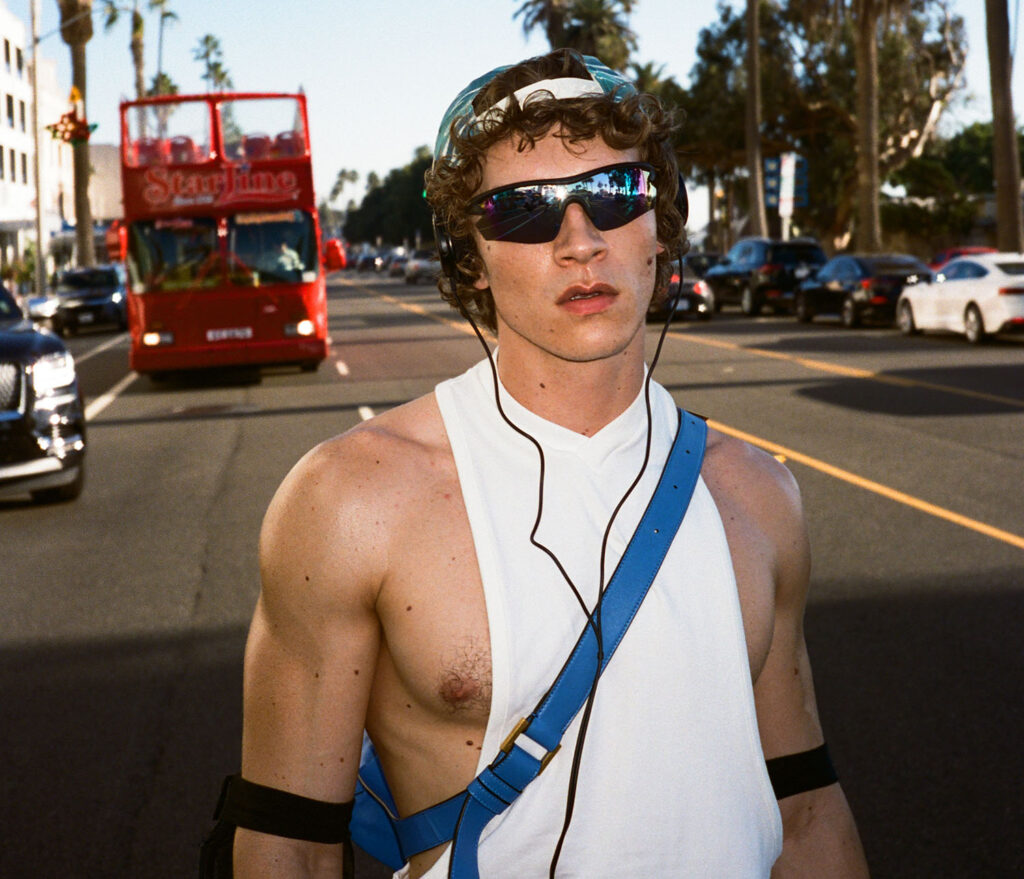
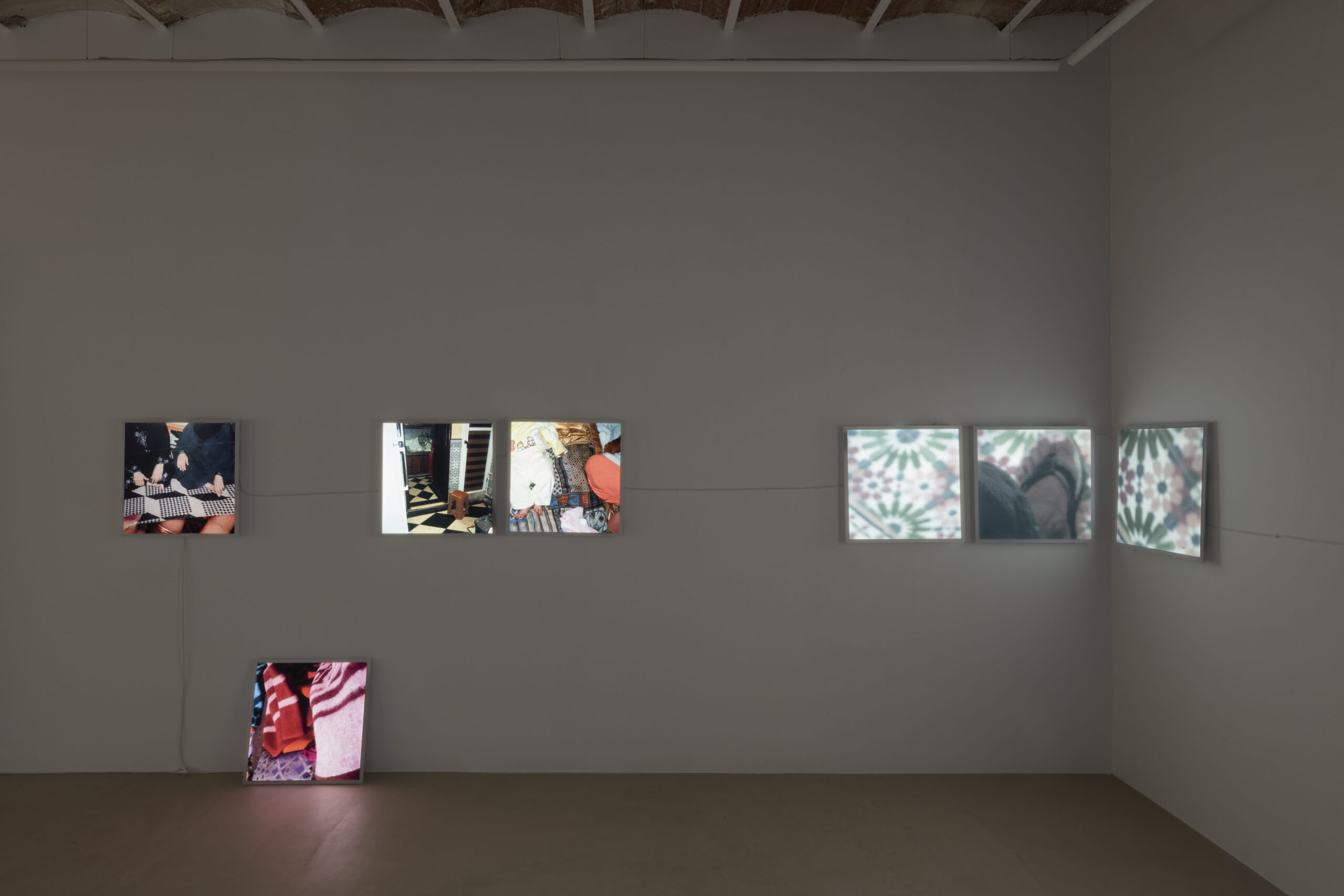
In a fair ecosystem where booth fees can creep up to the tens and even hundreds of thousands (never mind the unavoidable add-ons), a new player has arrived to shake things up. Conductor, which has dubbed itself the “Art Fair of the Global Majority,” will take over the New York nonprofit Powerhouse Arts between April 29 and May 3 with a more equitable but no less ambitious scope in mind.
Only a third of the inaugural edition’s exhibitors have an established presence stateside. The perspective shift is no accident: Conductor was founded as a conduit for artists and dealers from the Global South—Africa, Latin America, the Caribbean, South Asia, Southeast Asia, the Middle East, Oceania, and Indigenous nations around the globe are represented—to an art world capital that’s notoriously difficult to penetrate. “These are entities that don’t generally have the same type of outreach that galleries based in the U.S. may have,” Adriana Farietta, an art fair veteran and Conductor’s director, notes.
By reducing logistical hurdles (Powerhouse supported select visa applications and on-site fabrication), the over 30 participants, including São Paulo’s Mazzucchelli Cardoso, Guatemala City’s Galería Extra, New York’s Ward Gallery, and Dhaka’s Brihatta Art Foundation, can focus on what they’re bringing to the fair floor—not how they’re getting there. “It was important for us to make sure the galleries knew that they could take a risk,” Farietta continues. “When they go to bigger art fairs, they need to make their money back, so they will show artworks they think will sell.”
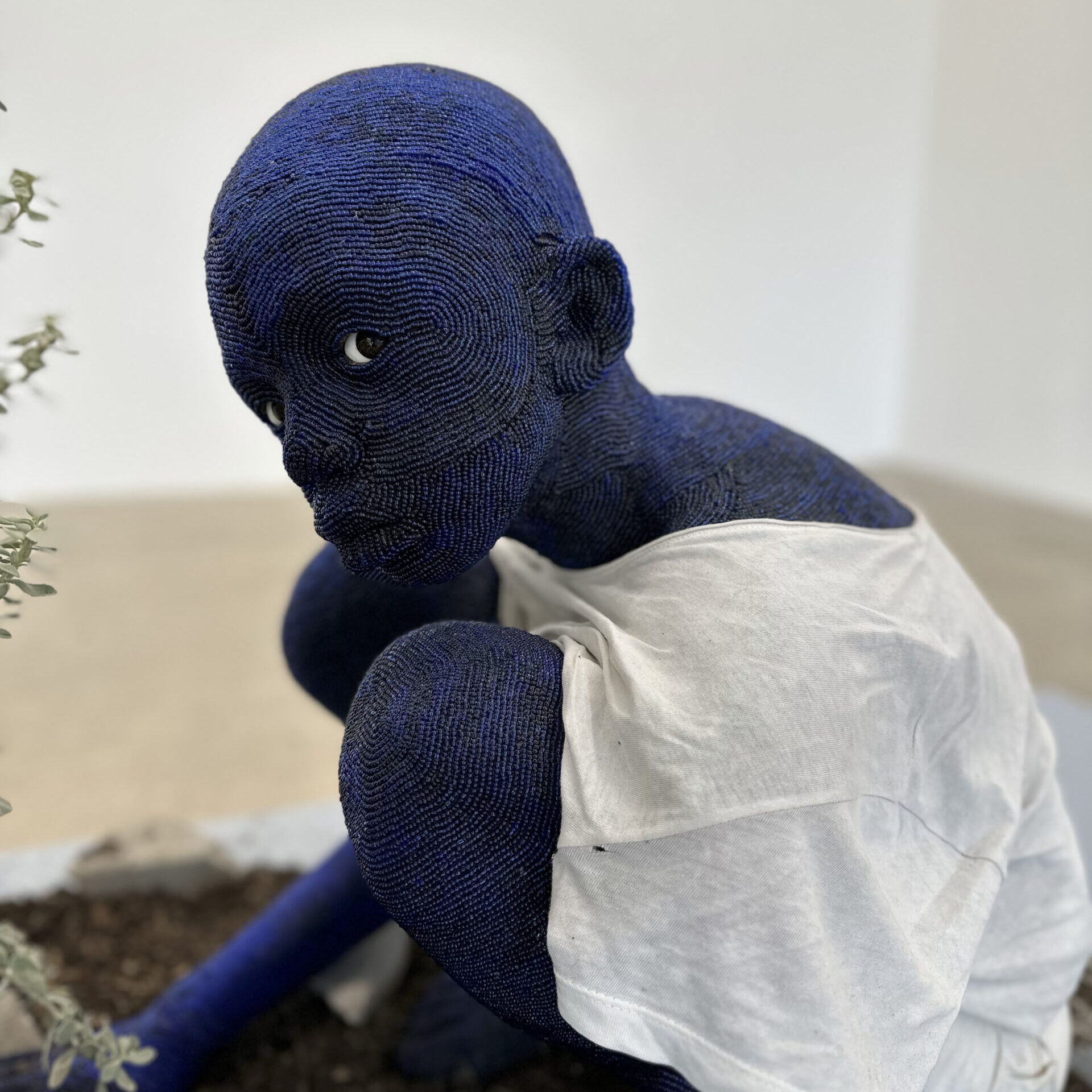
Conductor will also unwittingly act as a mini-preview to another landmark moment on the global art calendar—the Venice Biennale—as several artists and collectives taking over national pavilions, like Mexico’s RojoNegro and Cameroon’s Beya Gille Gacha, will first pop up at the fair. Sculptural interventions in the Special Projects category, by the likes of Grace Rosario Perkins, Khaled Jarrar, and Lido Pimienta, will form the connective tissue between the booths. “Without the artists, there are no galleries,” Farietta reminds us. Her colleague Eric Shiner, the president of Powerhouse Arts, chimes in, “Art fairs aren’t necessarily a place for artists, and we want this one to actually feel like home.”
The fair’s opening will (almost) align with the third anniversary of the nonprofit’s move to its own abode, a 170,000-square-foot former power station in Gowanus that has become an incubator for some of New York’s most boundary-pushing art. Shiner and Farietta are quick to establish that the fair, despite its international focus, has its hometown in mind. Entry for visitors is $15, a quarter of the price of its legacy peers, and a slate of programming will provide avenues for engagement at all hours of the day. Shiner calls on the city’s own community of artists, dealers, curators, and museum leaders to use Conductor as a vehicle for discovery. “It’s much easier to come over to Powerhouse in Brooklyn than to fly to Hanoi to do studio visits,” he quips. “We hope it’s a resource.”
More of our favorite stories from CULTURED
How The Pitt’s Patrick Ball Went From Role-Playing Corporate Trainings to Starring on Broadway
The 2026 CULTURED Power Advisor List: Meet the Art Advisors Shaping the World’s Top Collections
A New Book Unearths the Heated Rivalry Between Artists Peter Hujar and Paul Thek
Speed Round! 13 Critics Review 25 NYC Shows Before You Finish Your Morning Coffee
Sign up for our newsletter here to get these stories direct to your inbox.



 in your life?