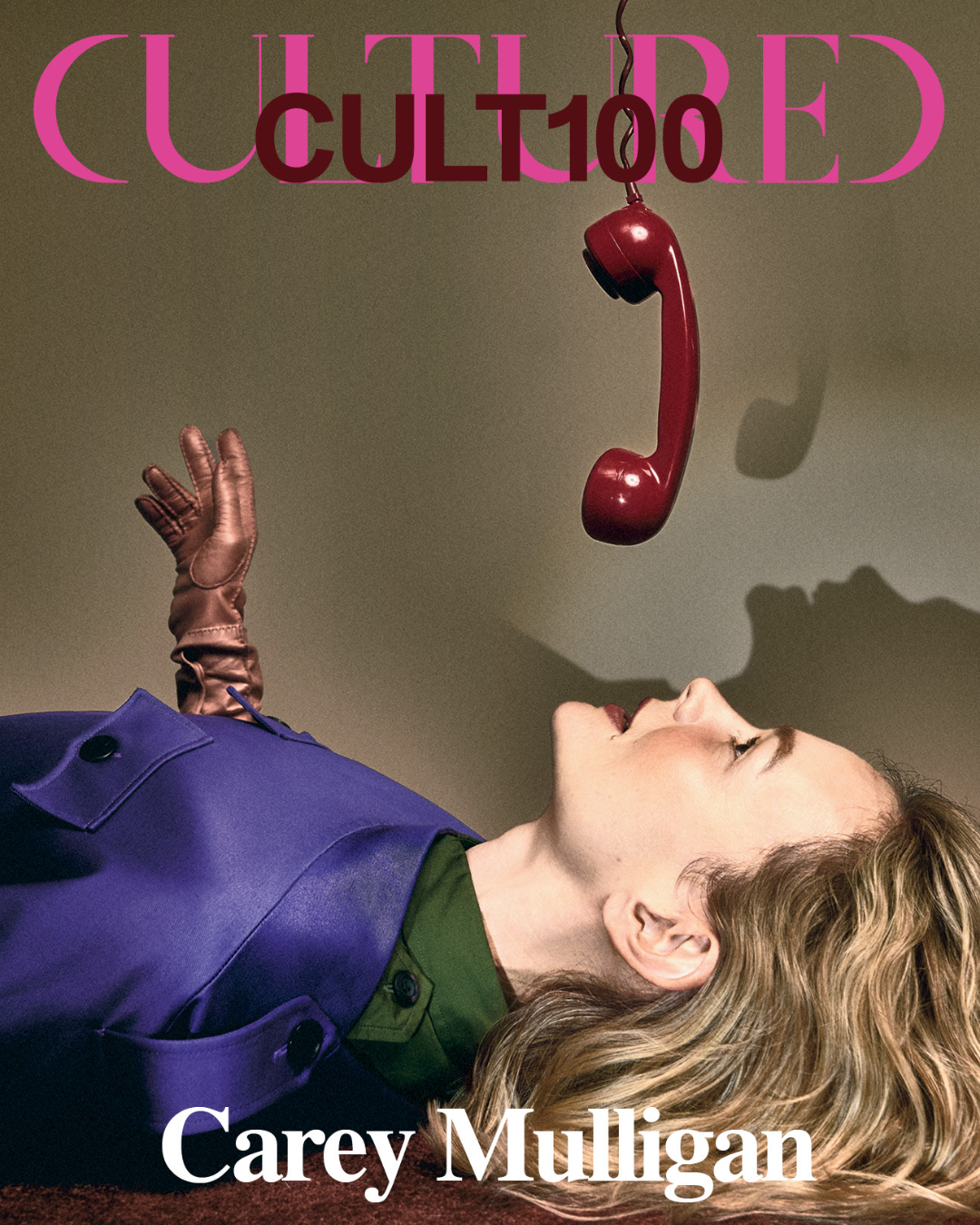
It’s a rare performer who disappears so seamlessly into a role you forget there’s a person behind the character. At 40 years old, Carey Mulligan has been nominated for three Oscars, four Golden Globes, and a Tony for just this sort of vanishing act—whether playing a laundress turned women’s rights crusader in Suffragette, a ’60s-era Montana housewife who comes untethered as her marriage crumbles in Wildlife, or an actor sacrificing her own ambitions to support her famous composer husband’s career in Maestro. Offscreen, Mulligan leads a quiet, low-profile life: She’s based in rural England, roughly four hours southwest of London, and doesn’t even have an Instagram account. “I don’t want to be ‘known,’” she told Vogue in 2010, a year after An Education, the film that announced her arrival, came out. “If people have all those other pictures and stories associated with you… they have to work harder to believe you as a character.”
In her elusiveness, Mulligan feels like a relic of a time when actors focused on the rigors of craft rather than the frills of celebrity. This quality, combined with the angelic, doll-like openness of her face, makes the London native an ideal vessel for the nostalgia her most prominent films have evoked. Of course, Mulligan has also played the occasional present-day heroine (the feminist vigilante in 2020’s Promising Young Woman comes to mind), but it feels thrillingly unexpected to see her take on the modern day as a middle-aged interior designer whose seemingly perfect life is swiftly unraveling in the latest season of Beef—the hypercontemporary Netflix series created by Lee Sung Jin.
Beef’s wildly popular first season starred Steven Yeun and Ali Wong as strangers whose lives become entangled after a road rage meet-cute. The latest, which premiered on April 16, follows two couples who work at a Montecito country club, with the younger pair, played by Charles Melton and Cailee Spaeny, witnessing an explosive fight between their boss and his wife, played by Oscar Isaac and Mulligan. The foursome find themselves in a high-stakes chess game of blackmail, back-scratching, and embezzlement, while the club’s wealthy Korean owner (Youn Yuh-jung) pulls the puppet strings.
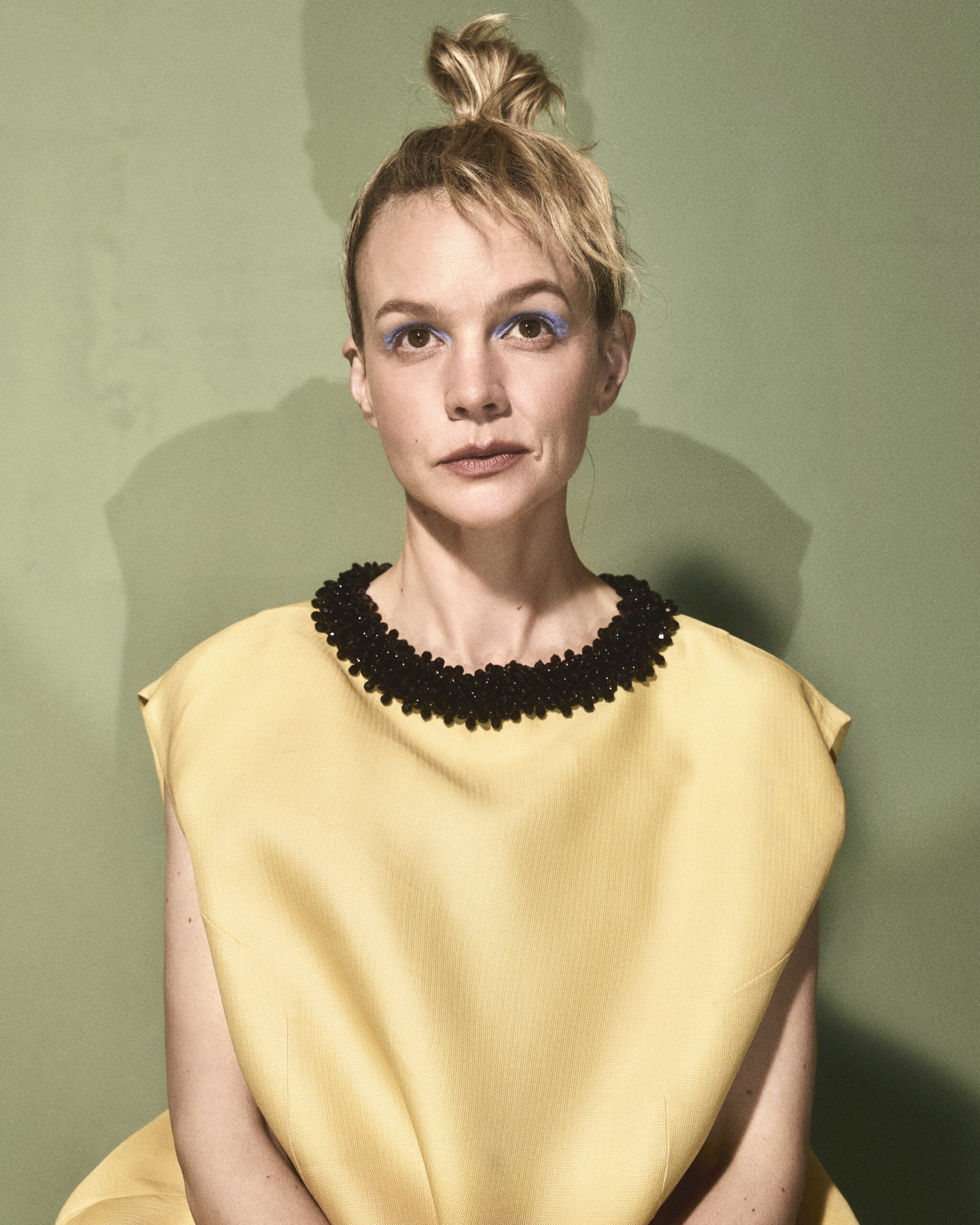
When I meet Mulligan over Zoom, she comes across as efficient and a tad austere. Makeup-free and dressed in a black sweater, her blond hair bobbed, she beams in from her home office in Devon, swiveling the camera around to reveal a wall of bookshelves filled with literary fiction, plus Victorian and contemporary poetry. She lives with her husband, the musician Marcus Mumford of Mumford & Sons, and their three children under the age of 10; she describes their life as “very school-run-based.” As she talks, I’m struck by the expressiveness of her face and the demonstrative gesturing of her hands. The veil, I realize, does not extend both ways: The performer never quite recedes into the civilian.
“I’m sort of delighted to be able to move my face. Your face is your instrument.” —Carey Mulligan
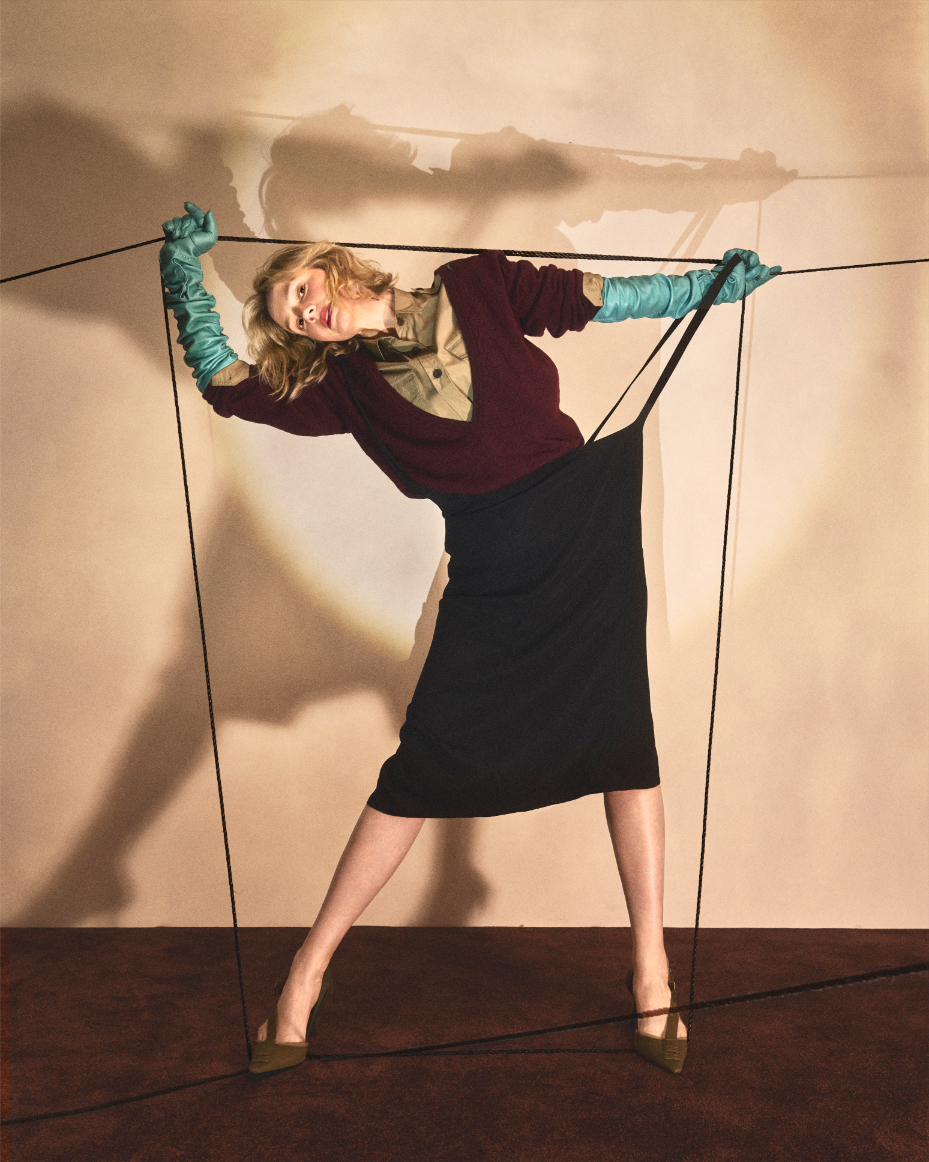
If there’s a throughline in Mulligan’s oeuvre, it’s that her choices are deeply literary. And since literary adaptations tend to be set in a particular historical milieu, Mulligan has become the de facto darling of period pieces, from Daisy Buchanan in F. Scott Fitzgerald’s The Great Gatsby to Bathsheba Everdene in Thomas Hardy’s Far From the Madding Crowd. At age six, she saw her older brother appear in a stage production of The King and I and decided she wanted to act. At 18, she made her film debut in Joe Wright’s 2005 adaptation of Jane Austen’s Pride and Prejudice, playing Kitty Bennet, the weak-willed fourth sister, with dimpled charm.

More costume dramas followed: the 2005 television version of Charles Dickens’s Bleak House; the 2007 film of Austen’s Northanger Abbey. The next year, on stage, she not so much portrayed as embodied aspiring actor Nina in Chekhov’s The Seagull, a performance lauded by New York Times theater critic Ben Brantley for its “raw hunger.” With An Education, director Lone Scherfig’s 2009 adaptation of journalist Lynn Barber’s haunting coming-of-age memoir, Mulligan earned her first Oscar nomination for her heartrending turn as Jenny, a 16-year-old schoolgirl seduced by a 30-something man. I remember sitting in the darkened theater, moved by the bright innocence Mulligan radiated. “She has such lightness and grace,” Roger Ebert wrote at the time, “you’re pretty sure this is the birth of a star.”
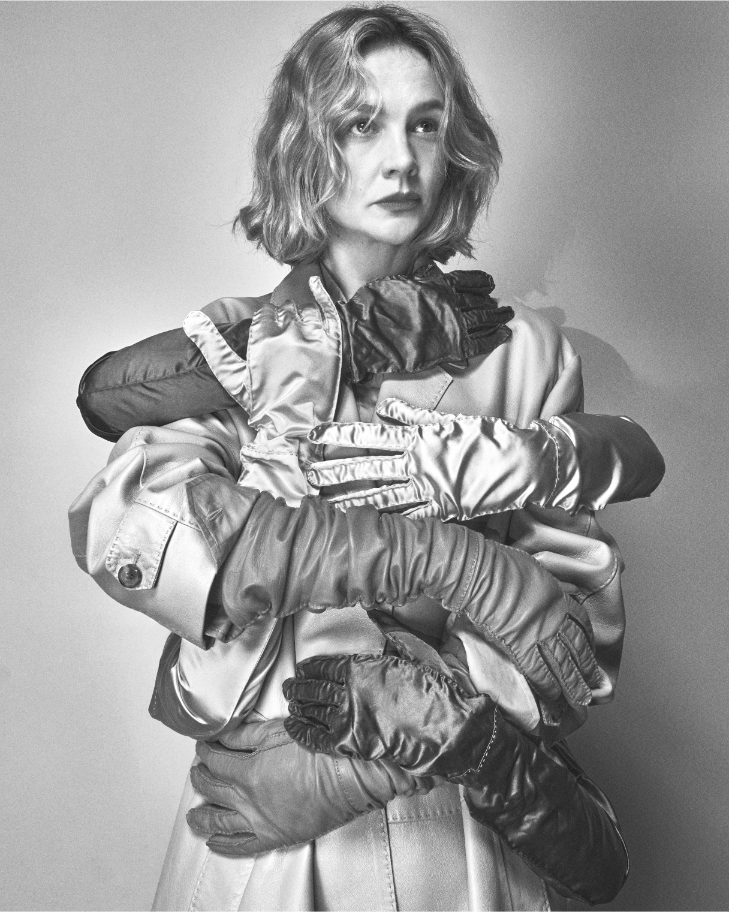
It’s thoroughly amusing, if a touch jarring, to see her in Beef—texting on an iPhone, blocking annoying men on social media, and grappling with contemporary phenomena like workplace animosities, Korean skincare, and cosmetic procedures. On the latter, Mulligan is refreshingly, if unsurprisingly, anachronistic: “I’m sort of delighted to be able to move my face,” she says in her wry way. “Your face is your instrument.”
In the show, Mulligan’s Lindsay is the performatively supportive but privately bitter wife of Isaac’s Joshua, the club’s douchey manager who listens to manosphere podcasts to cope with his porn addiction. Mulligan conjures Lindsay, in all her petty vengefulness, with ingenious specificity: her online dalliances, her plastic surgery consultations and tennis pro flirtations, her seething rage at her husband’s neglect of their once-shared marital dreams. “This is someone who’s having a silent breakdown,” Mulligan says. “She’s manipulative and kind of mean.” Mulligan and Isaac first met on the set of Drive in 2011, reunited on Inside Llewyn Davis in 2013, and have remained friends ever since. Both can be seen at the dazzling height of their respective powers in Beef, a tonal tightrope walk between absurdist dark comedy and tense psychological thriller.
“Lindsay is someone who’s having a silent breakdown. She’s manipulative and kind of mean.” —Carey Mulligan

As our interview winds down, I ask her how she typically prepares for a role. Mulligan tells me she reads poetry, another endearingly antiquated detail. “I like finding specific little phrases that become a mantra for a character,” she explains, pulling down some favorites (Christina Rossetti, Emily Dickinson, Sharon Olds) from her shelves. In 2018, during an off-Broadway run of the one-woman show Girls & Boys—a harrowing 90-minute monologue delivered by Mulligan with relentless intensity—she pinned the final stanza of Kerry Hardie’s “Humankind” to her mirror backstage. She’ll still “send it to Marcus once in a while,” she tells me, “when he’s got something really scary” to do. Lowering her voice to a crisp stage whisper, she recites the lines, sounding at once archaic and modern, a heroine for any era: “These are our days. / Walk them. / Fear nothing.”
Creative Direction by Studio&
Hair by Alex Brownsell
Makeup by Celia Burton
Nails by Abena Robinson
Project Management by Chloe Kerins
Set Design by Thomas Bird
Studio Management by Mathijs Hunfeld
Videography by Matthew Easy
Photography Assistance by David Paul Vail and Lewis Robinson
Styling Assistance by Cydney Moore and Amber Adams
Production by ParentPost-Production by Granon Digital
Order your copy of the CULT100 issue here.
More CULT100 Cover Stories
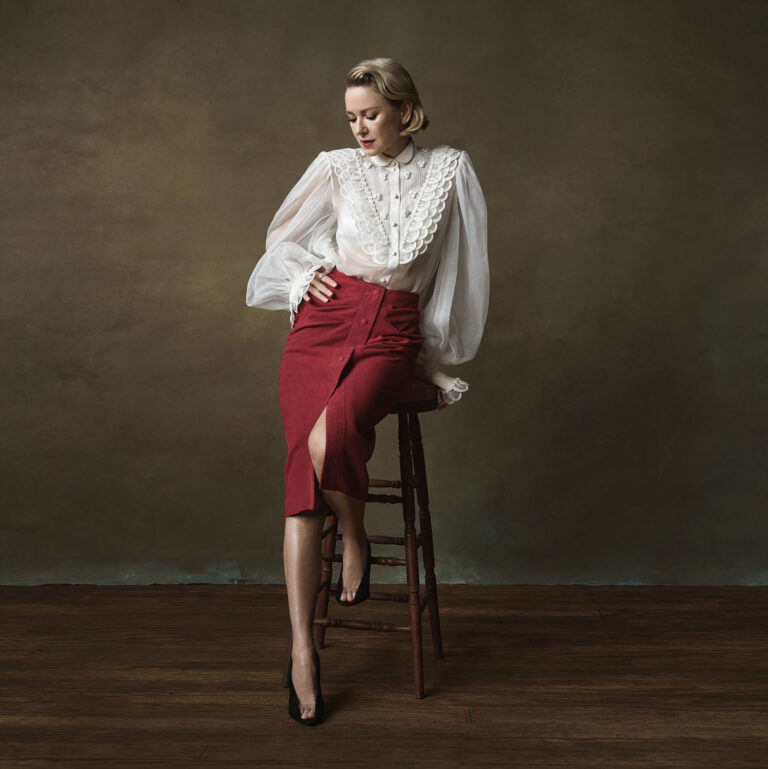
Why Naomi Watts Is Embracing Camp
Salman Rushdie Tells Laurie Anderson the Truth Behind His New Ghost Stories
We Gave Novelist Emma Cline a Retro Psychological Evaluation
Lena Dunham Checked Out of the Hype Machine. Is She Glad to Be Back?
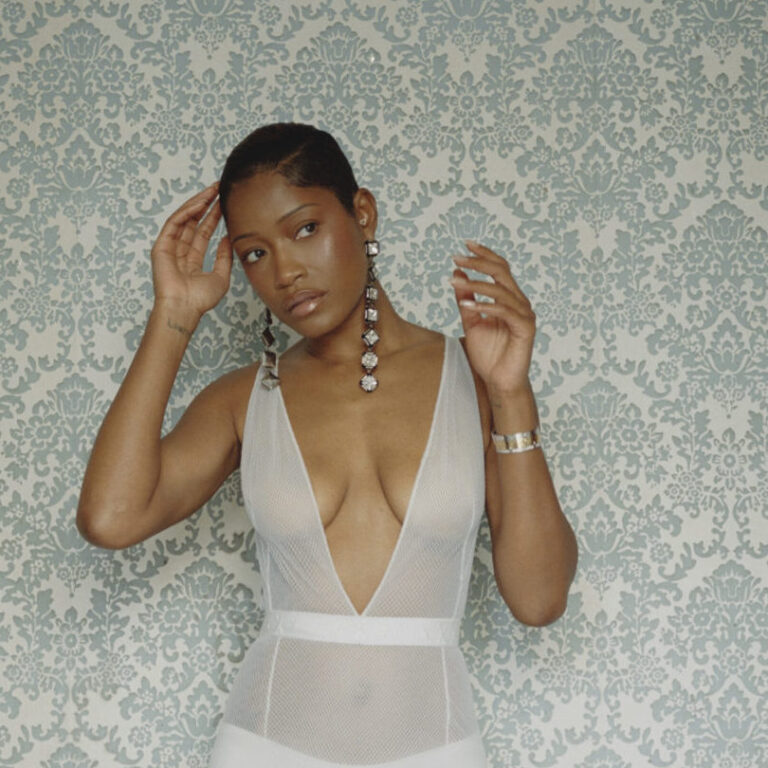
Keke Palmer Never Got to Play the Boss, So She Became One
Sign up for our newsletter here to get these stories direct to your inbox.




 in your life?