
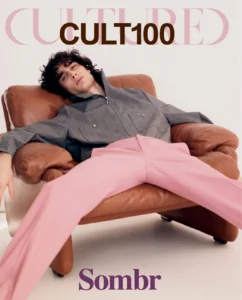
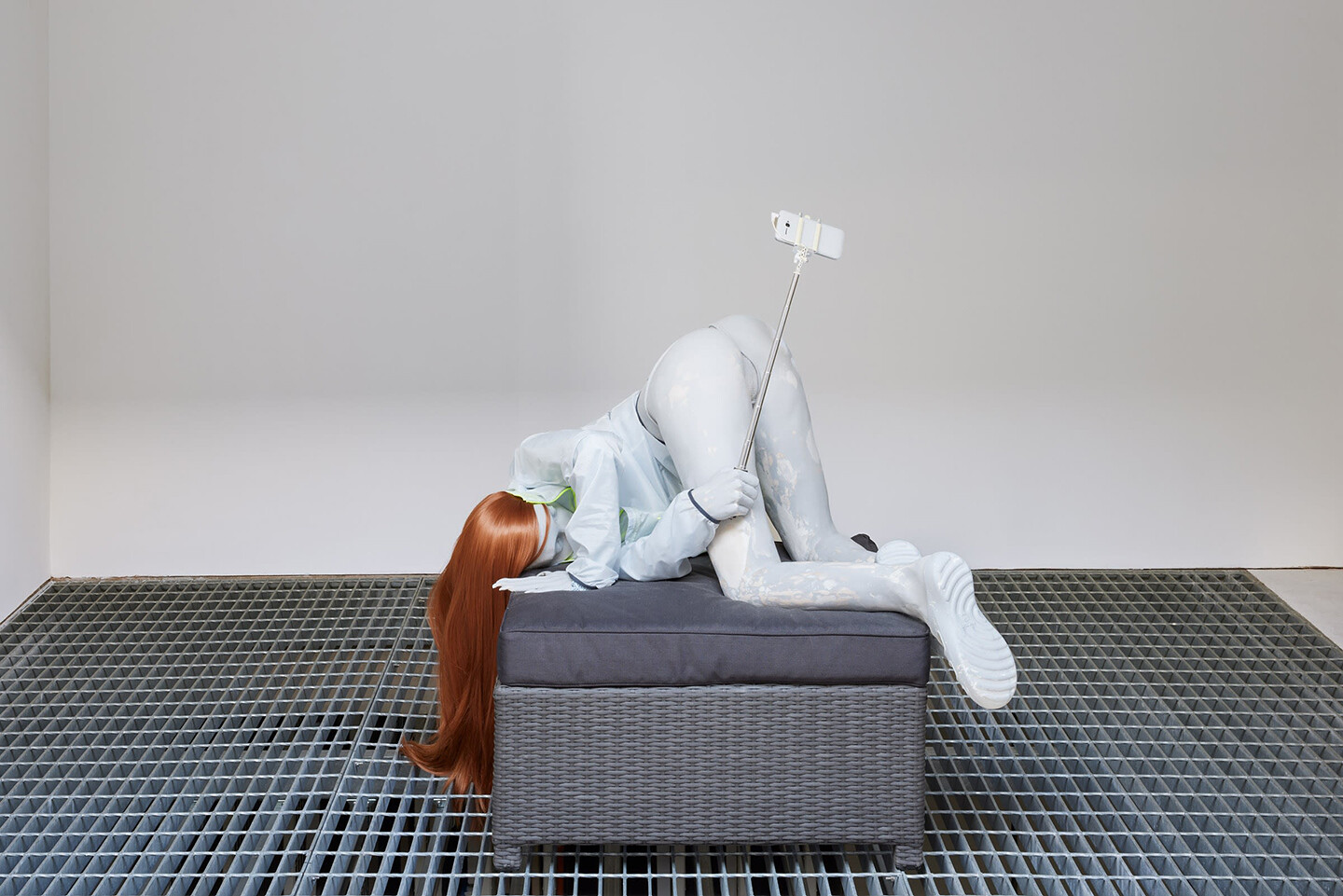
1. A Psychoanalyst and an Internet Theorist Get Real About the Ritual Humiliation of Life Online
What counts as human in an era challenged by artificial intelligence? As a psychoanalyst, Jamieson Webster was taught to leave the terrain of the human and inhuman rather uncertain because it is. After all, the unconscious is rather inhuman—a little like a large language model. With Neurotica, her new column for CULTURED, Webster follows themes she hears from patients—a symptom, a fantasy, a refrain—through culture and into conversation. For the first edition, she sat down with Mindy Seu, artist, theorist, and author of A SEXUAL HISTORY OF THE INTERNET, to trace our digital libidinal history.
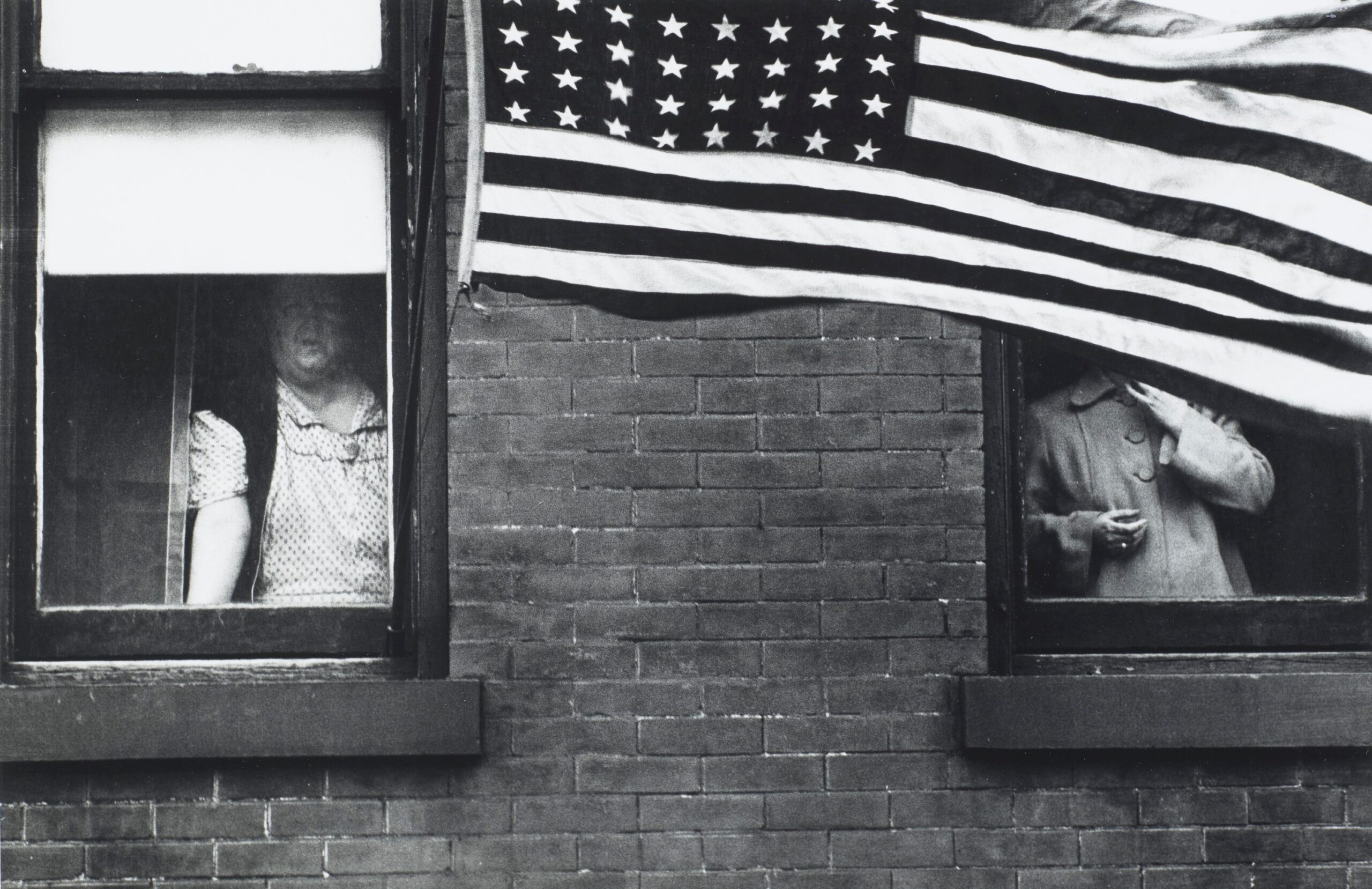
2. The Photography Market Appears Doomed. That’s Exactly Why You Should Be Paying Attention.
There’s no way to sugarcoat it: From a broad view, the photography market looks fucked. We’ve all seen photography sales with more passes than the Super Bowl and scratched our heads wondering what went wrong. According to Artnet, the photography auction market peaked in 2014 totaling $230.5 million, whereas 2024 sales totaled $116.9 million. Just why has the photo market fallen from its former glory? The first (and easiest) answer might be the very thing you’re probably reading this column on: your iPhone. As someone who owns more than 20,000 photographs (not kidding), Ralph DeLuca‘s goal is to bring back the emotion to emulsions and show you why now might actually be the best buying opportunity in decades to build a museum-worthy, world-class photography collection.
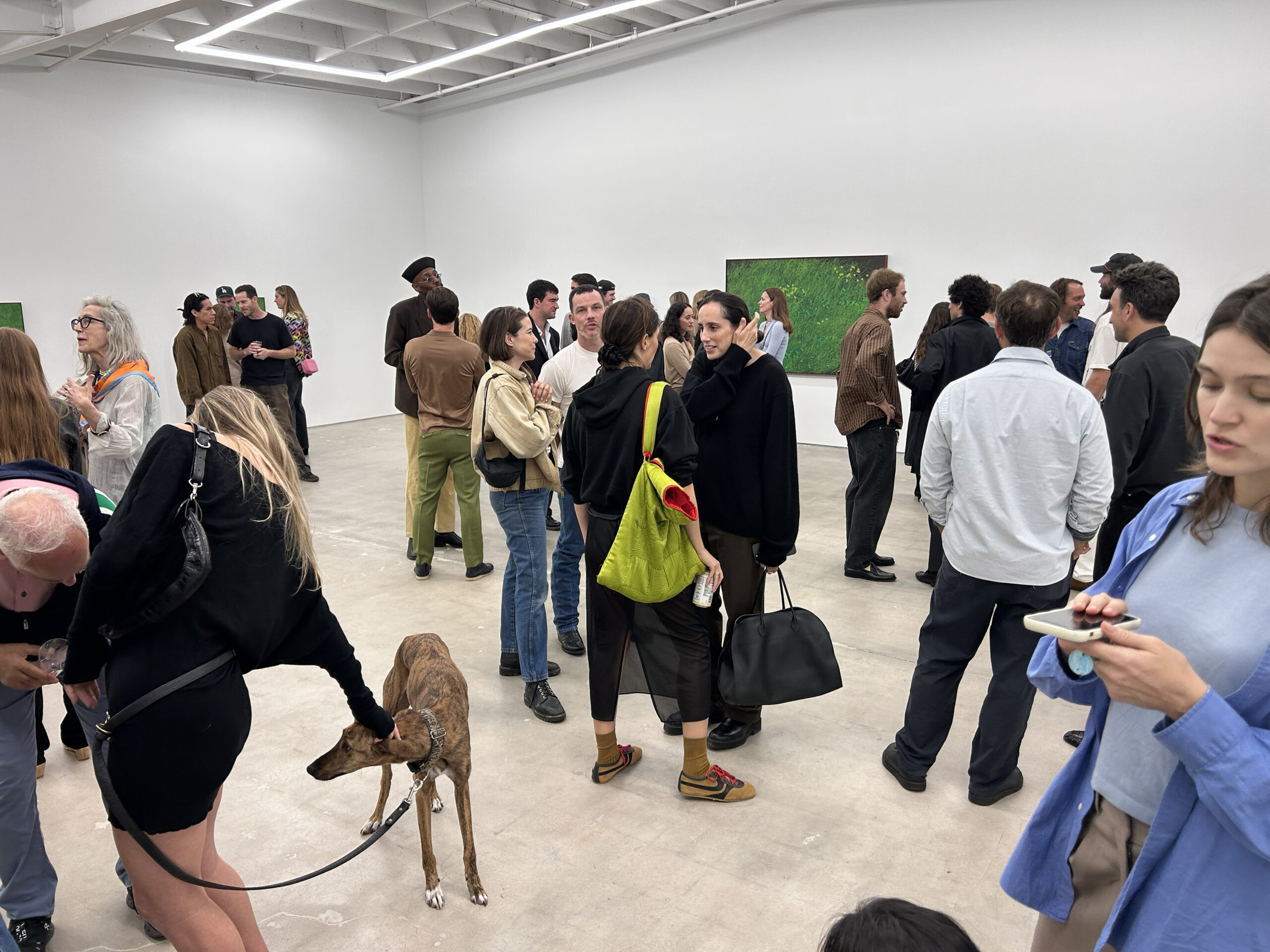
3. Juliana Halpert Rates the Los Angeles Art Scene’s Tricks and Treats So Far This Fall
For her Critics’ Table debut, Juliana Halpert (whose show “Civil Commitment,” with Chris Kraus at Bel Ami, just closed) finds intimations of the macabre everywhere. From standout solo presentations by locals Stanya Kahn and Calvin Marcus, to the Hammer’s latest, lackluster “Made in L.A.” biennial (as well as its scrappier “Made in HelLA” counterpart), Halpert has the on-the-ground report.
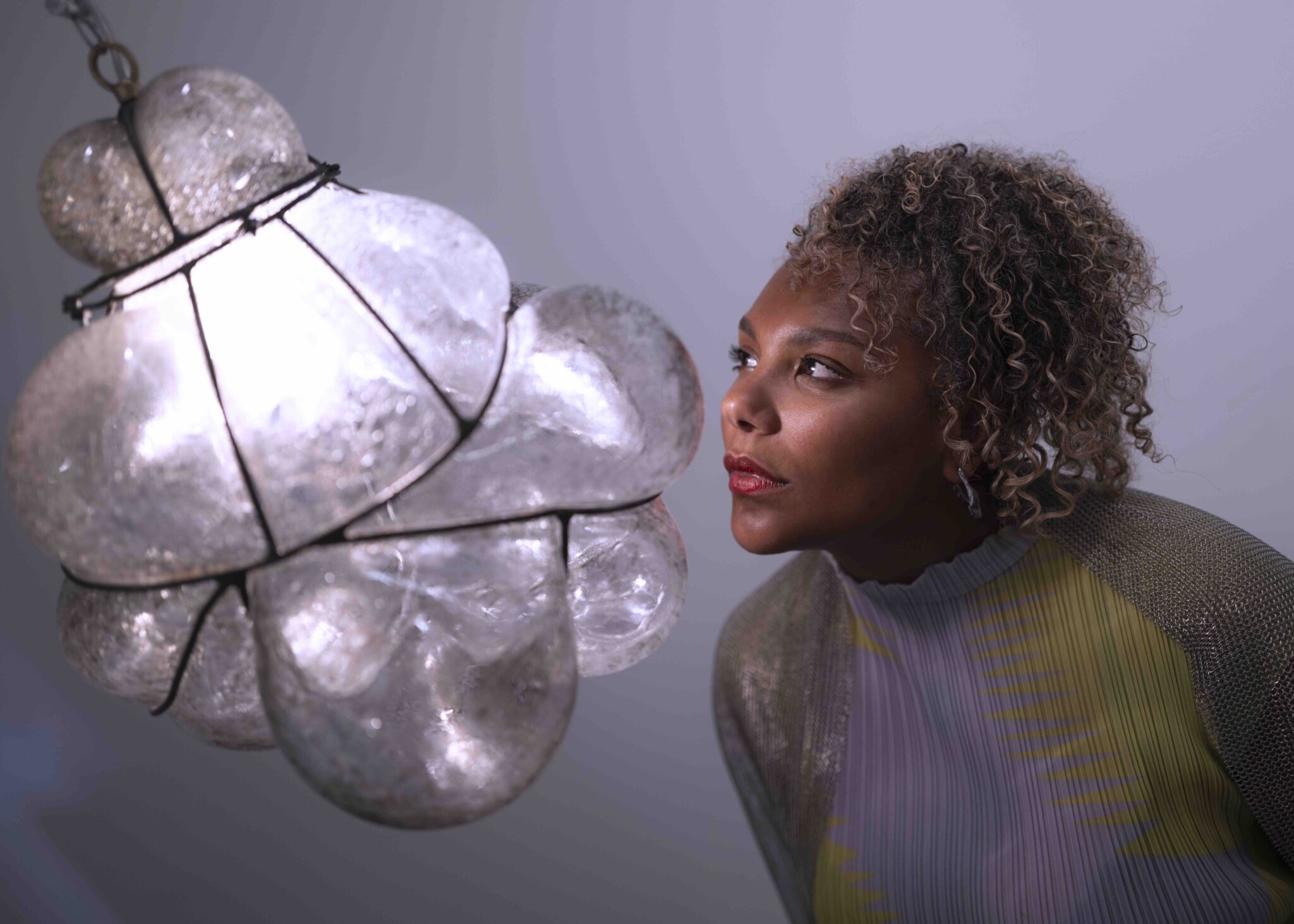
4. Eat, Drink, Art, Repeat: The Paris Art World’s Unofficial Guide to Paris
In a prelude to Paris Art Week seemingly pulled straight from an Arsène Lupin story (or the Netflix adaptation, one of the biggest French cultural exports of the decade), the Louvre was forced to close after a daytime heist of jewelry Napoleon III had given to his wife, Eugenie. The operation, which happened in under 10 minutes, has underlined existing issues at the most-visited museum in the world—understaffing and a shortage of surveillance cameras among them—that commenters are already tying back to the hornet’s nest that is currently French politics. Two kilometers from the Louvre, a starkly less apocalyptic vision of the country’s place as a bastion of culture was unveiled at the Grand Palais for the fourth edition of Art Basel Paris. To cut through the noise, we asked 10 people who call Paris home every day of the year where they flock to and avoid, what’s changed and what hasn’t since the mega-fair’s arrival, and who really runs the city.
![Gerhard Richter, Selbstportrait [Selfportrait], 1996.](https://culturedmag.nyc3.digitaloceanspaces.com/uploads/2025/10/28120102/Screenshot-2025-09-29-at-15.03.54-1.jpg)
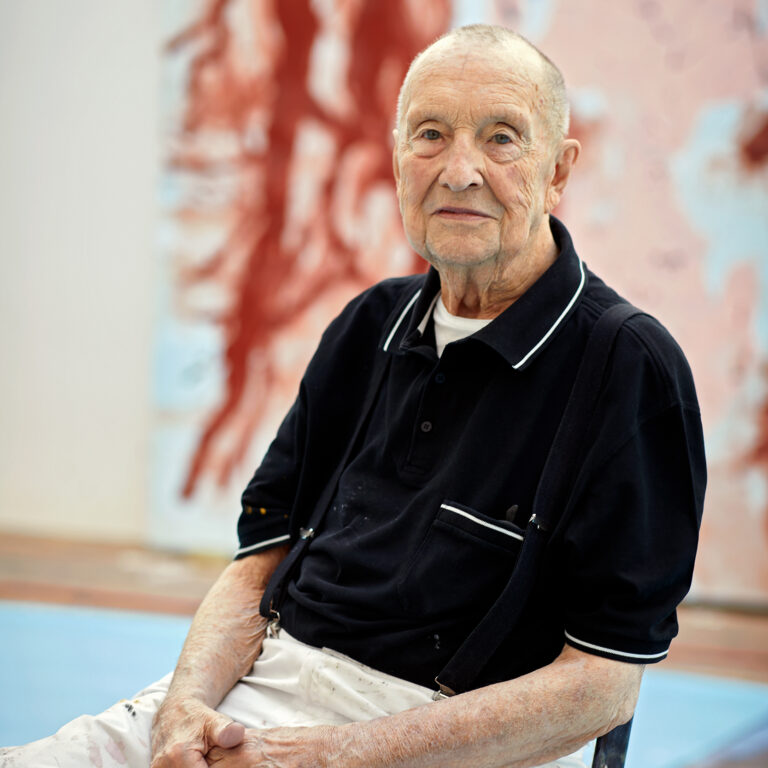
The Fondation Louis Vuitton in Paris is dedicating all 34 of its galleries to a retrospective of Gerhard Richter’s work, curated by Nicholas Serota, the former director of the Tate, and Dieter Schwarz, an independent curator based in Zürich. The show assembles 270 works spanning more than six decades. It traces the artist’s evolution from early photo-paintings to the final abstractions he made before announcing, in 2017, that he would stop painting. (He continues to create pencil drawings on paper each day in his studio.) But the artist’s dealer, David Zwirner, says Richter needed some convincing to proceed with the project. Tom Seymour investigates.
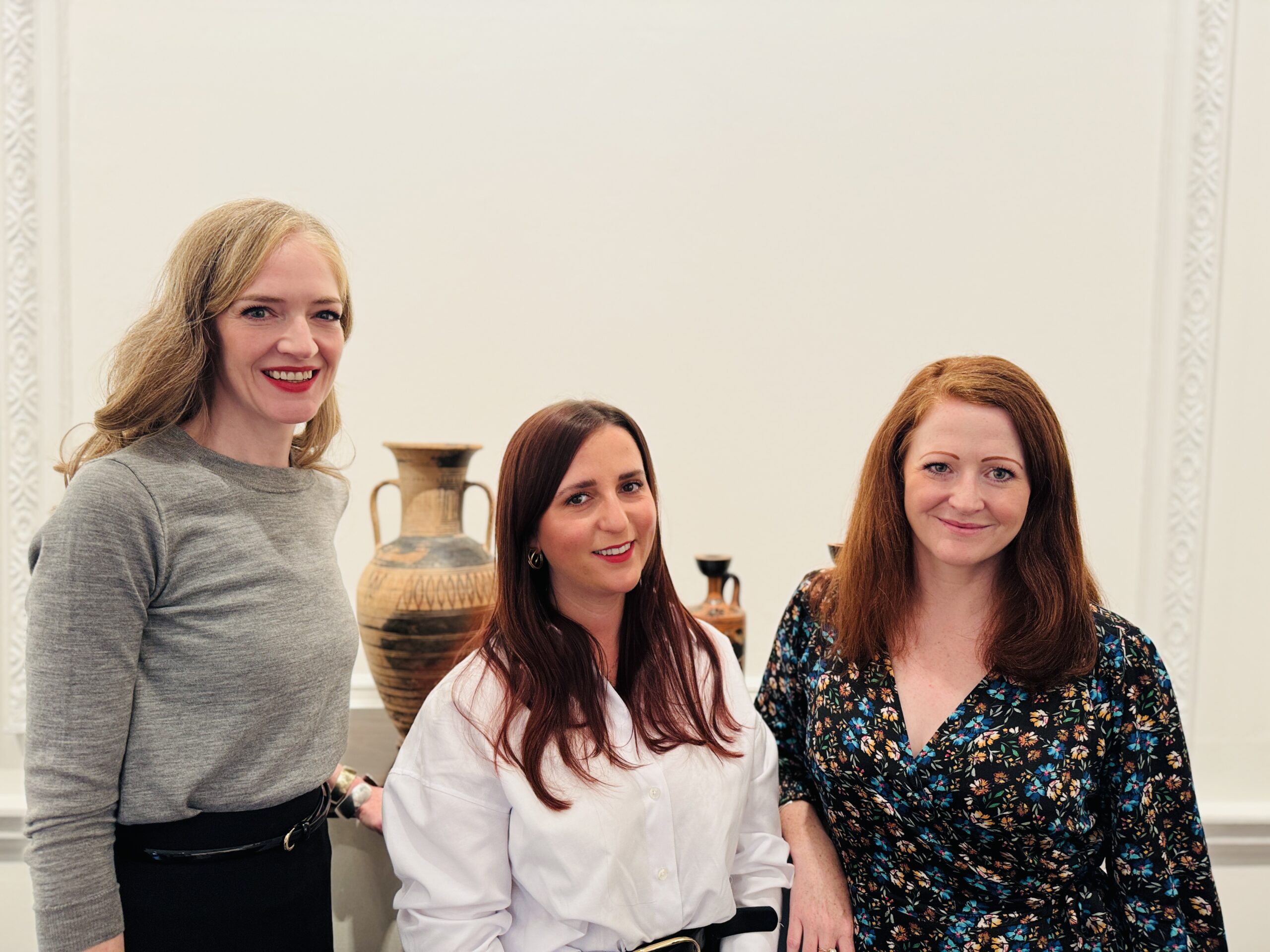
6. These 7 Young Dealers Are Pushing the Art Market Forward by Looking Back
As mega-galleries compete to sign artists fresh out of graduate school and the present moment feels more and more inescapable, a new guard of gallerists is pushing the art world forward by looking back into history. The seven dealers highlighted here launched their businesses at tender ages ranging from 22 to 41. Their wide-ranging interests—which span ancient jewelry, Belgian Symbolism, Old Master drawings, and Art Deco—push against the notion that the market’s dynamism and experimentation is limited to the contemporary art sector.
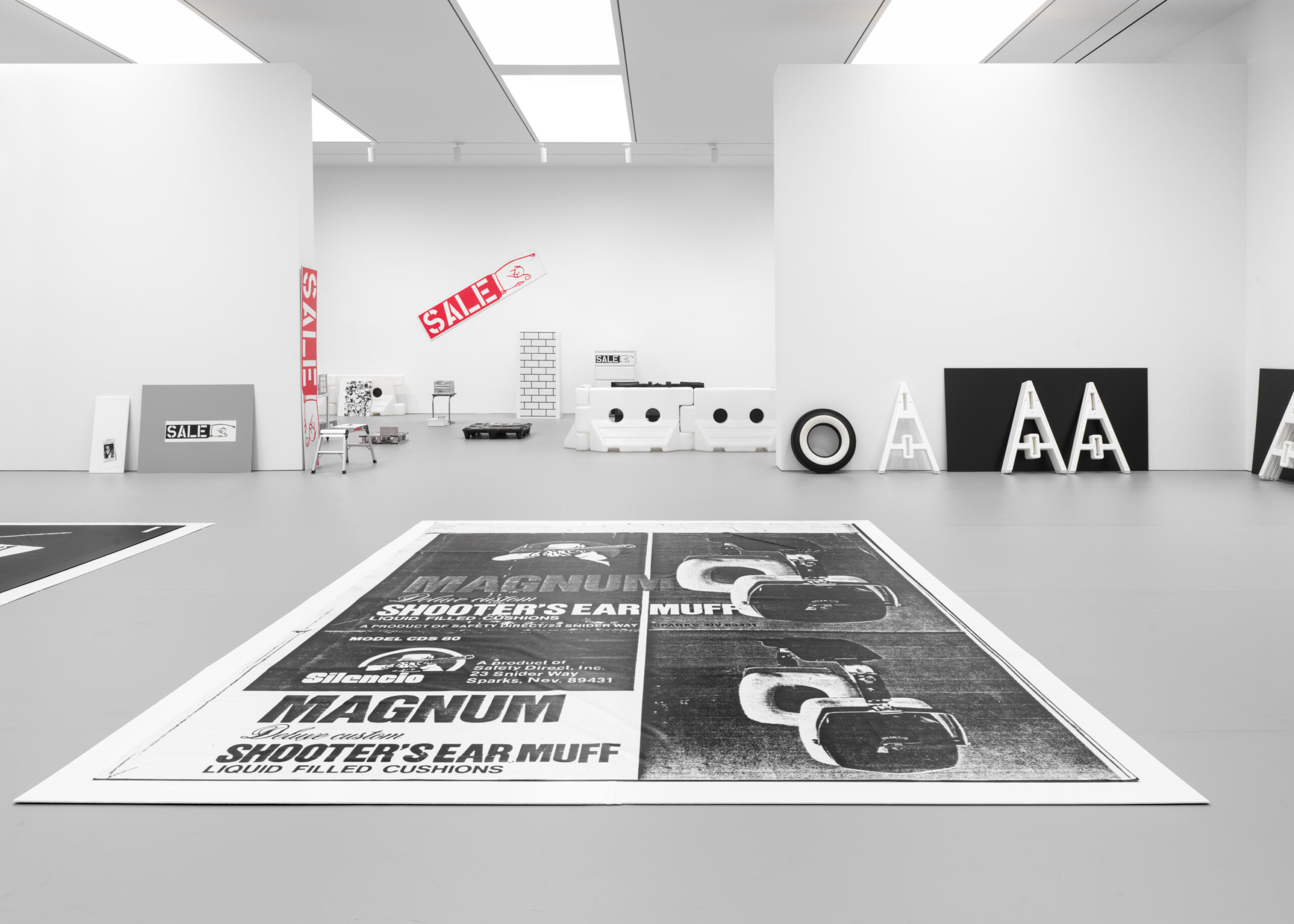
7. Cady Noland’s Show Is Not as Bad as You May Have Heard. But John Vincler Likes ‘IKEA’ Better.
The buzz around the show broke through before John Vincler had a chance to see it. One critic-friend said bluntly: “It’s bad.” Maxwell Graham posted to Instagram: “What a Waste of a Legacy.” But, after spending sustained time with the show, our Co-Chief Art Critic doesn’t think either of these takes get it right. Is it good? Wrong question. It’s a fascinating mess—and among the most interesting gallery exhibitions in New York right now. If it’s a little funny (it is), Noland is in on the joke.
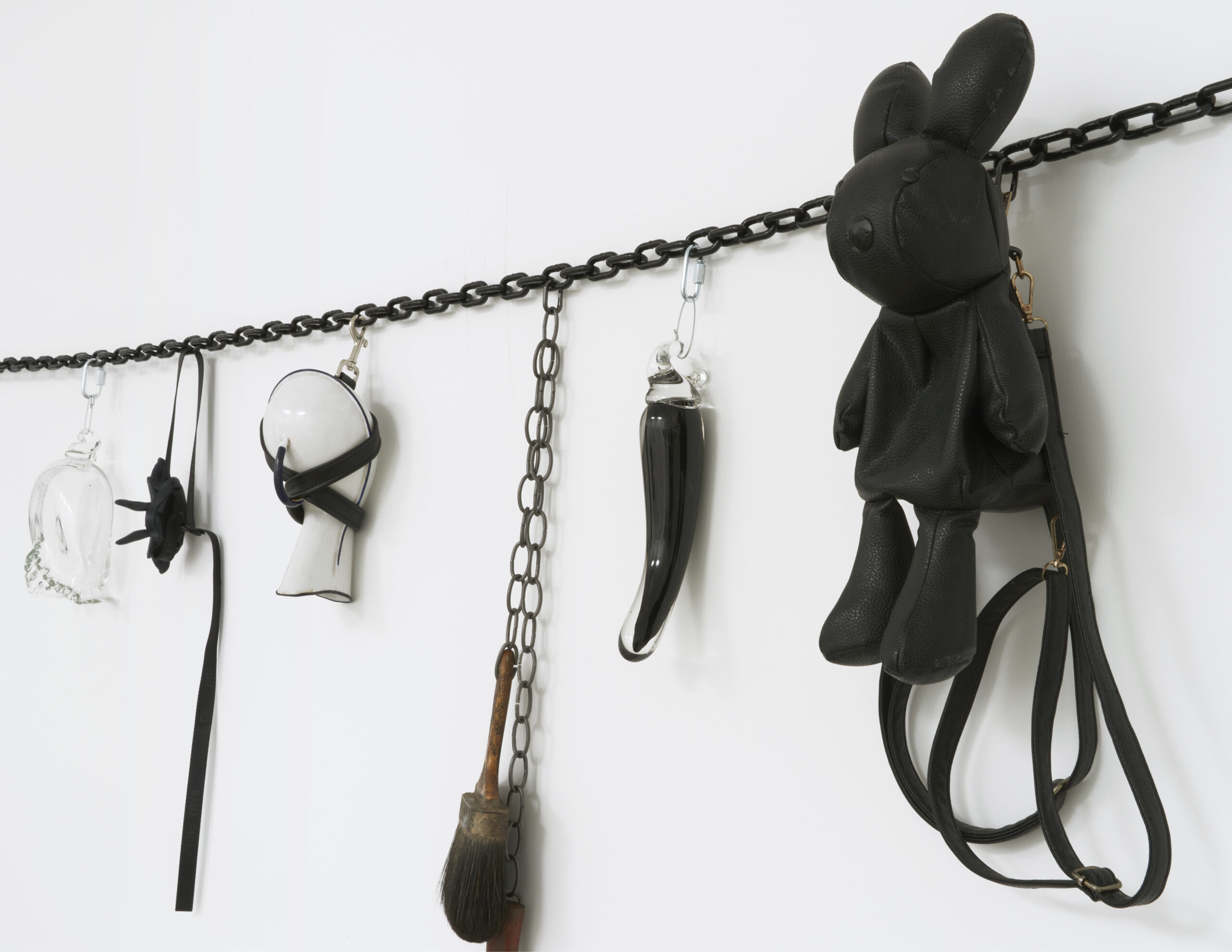
8. Nayland Blake’s ‘Sex in the 90s’ is Critic David Rimanelli’s Chelsea Pick
Just before sitting down to write about Nayland Blake’s “Sex in the 90s,” a retrospective curated by Beau Rutland at Matthew Marks Gallery—the most major of the presentations in the artist’s three-part event this fall—critic David Rimanelli went back for a last look with a young gay artist whose work in some ways unknowingly calls back to Blake’s. The artist remarked in an anodyne tone, “Cool group show.” Is it a lieu commun that a Nayland Blake show tends to look like a group show? Their exhibitions rarely read as unified by style or form; instead, they operate like polyphonic theatrical stages wherein disparate objects, moods, and references rub against one another. For Blake, that multiplicity is not an accident but a principle: queerness itself enacted as an aesthetic method.

9. Seeing Through the Slop: Brian Droitcour’s Guide to Digital Art That Slaps
Online life bleeds into the public sphere with absurd speed and horrific consequences. People lose jobs over posts on X, while the FBI floats the idea of labeling trans people “nihilistic violent extremists.” Media and government still pretend the world splits neatly into right and left, but social media platforms have splintered society into a matrix of smaller, shifting cells, where groups cohere around memes, fetishes, and surges of love and hate—not tidily defined ideologies. The art world acts as if it can opt out of all this, clinging to 20th-century notions of what culture is and how it circulates. But the most compelling work with digital technology that critic Brian Droitcour saw in September is personal, performance-driven, and grounded in DIY approaches.
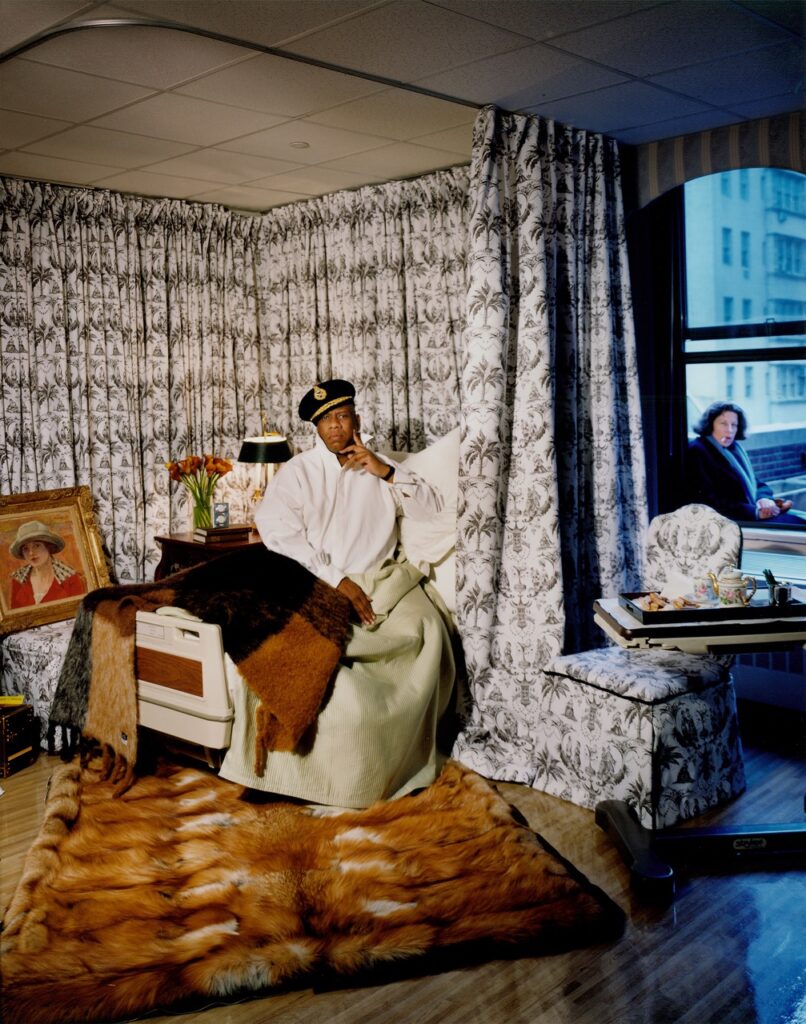
10. Is American Culture Newly Fascinated With the Black Bourgeoisie?


 in your life?
