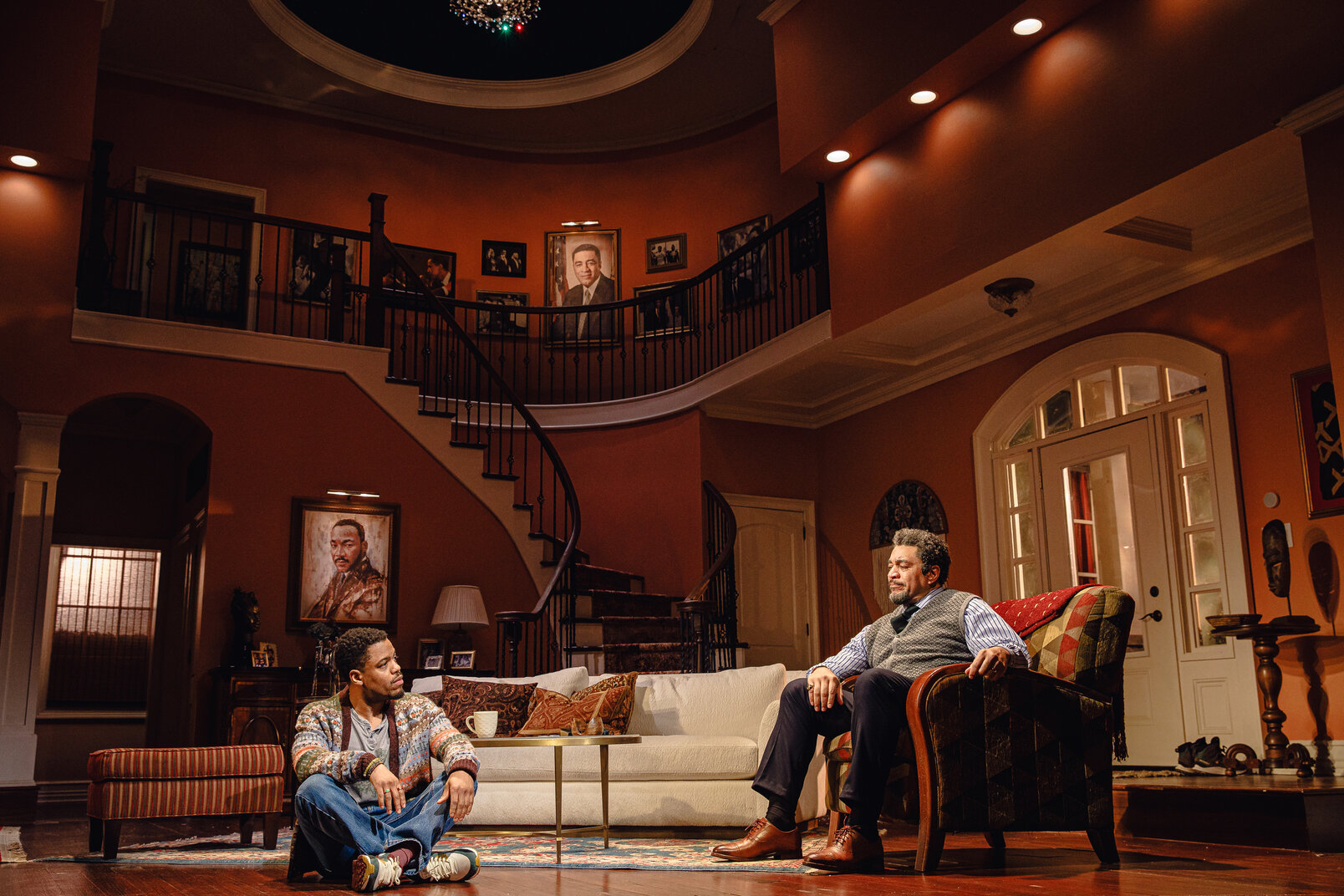
Recently, I went to see the play Purpose with a friend. This friend, another Black writer, had asked me along because he sensed I might have something to say about the play—its subject a Black political family contending with its legacy after the eldest son returns from a white-collar prison.
Before it even began, as we took our seats in the dimming theater, I looked up at the stage and knew it was going to be good. The set was not elaborate. Rather, it was the specificity of the details—vaguely West African masks and tapestries hanging on the warm walls, portraits of Martin and Barack shaking hands with the play’s fictional patriarch—that made me feel instantly, eerily, at home.

My mom had a penchant for African prints. Our barkcloth-inspired couch was topped with Bogolan blankets, and everywhere was evidence of my parents’ travels to the continent: rugs from Moroccan souks, beaded Baluba masks, and paintings of women holding jugs atop their heads. But when my dad became president of Morehouse College in 2007 and my mom oversaw a redesign of the president’s residence, these proclivities were pared back: The West African prints were limited to throws atop neutral-colored couches, and the walls were hung with various photographs of my father, shaking hands with civil rights icons and Black power brokers, along with stoic portraits of each of my parents, much like the ones in Purpose.
These design choices communicated a notion of “taste” that was distinctly Black—evincing pride in African American history yet muted enough to be palatable to the celebrities and donors (of all races) who passed through. Throughout my high school years, that house seemed strange to me: sterile and alien, set dressing to a life where my parents wore a public face, uneasy symbols of what is sometimes called “Black excellence.”
In popular culture, I have rarely seen the world of the “Black bourgeoisie” rendered with nuance. I’ve felt flashes of recognition, though few, here and there: reading a well-observed anecdote about a Jack and Jill meeting in Margo Jefferson’s Negroland, or cackling at a cutting joke in the “Juneteenth” episode of Donald Glover’s Atlanta. But in the last year, I’ve noticed a surge in depictions of that milieu.
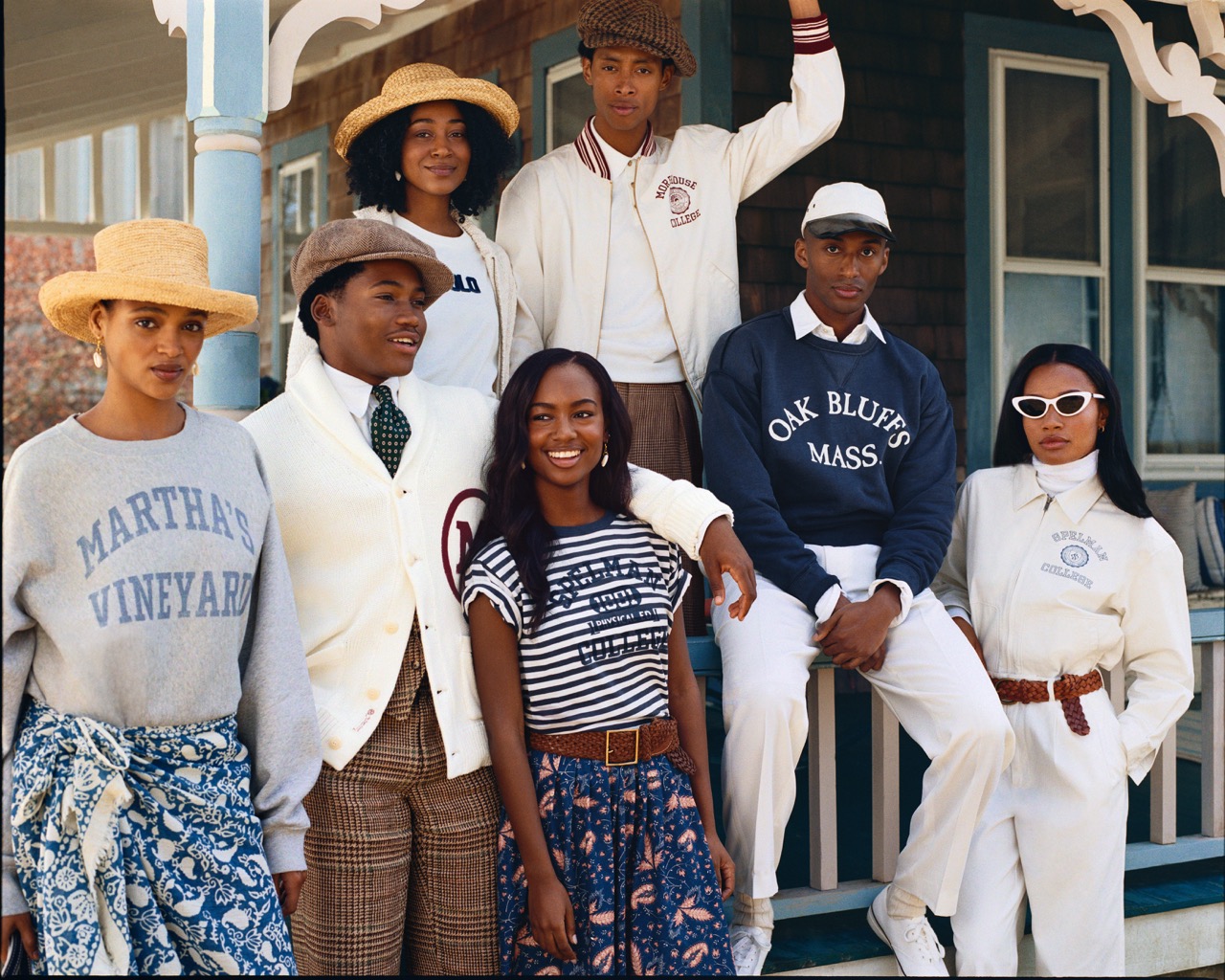
From the Met Gala and accompanying exhibition “Superfine: Tailoring Black Style” to Ralph Lauren’s Oak Bluffs capsule collection, there seems to be a renewed interest in defining an aesthetic of Black wealth and glamour. I’m not sure what this reveals about the zeitgeist—perhaps nostalgia for the Obama-era image of Black excellence, or simply that age-old interest in ogling the elite, made more palatable when filtered through the language of “representation”—but I often find myself parsing these images for meaning.

As an eager (if often-disappointed) viewer of HBO’s And Just Like That…, I’ve been intrigued from the first season by the show’s plans for the Todd Wexleys, a Black couple in the York-Goldenblatt cinematic universe. Given that this latest iteration of the Sex and the City franchise relies so heavily on the popcorn pleasure of designer clothes and elegant interiors, its interest in forging a visual language of Black glamour strikes me as no small thing. Lisa Todd Wexley’s personal style is characterized by bright collisions of maximalist prints and jewel tones, sometimes supplied by young Black designers like Charles Harbison and Christopher John Rogers.
But perhaps the most lived-in aspect of the entire show is the Todd Wexley apartment: an otherwise generic penthouse adorned with works from the Black contemporary canon. Early on, art consultant Racquel Chevremont and the writers decided that the husband, Herbert, would collect photographs, while “LTW’s” focus would be figurative paintings of Black women. Observing the resultant collection, I notice a tension—the somber respectability of an iconic Gordon Parks photograph from the ’50s juxtaposed with the audacious, Swarovski glamour of a portrait by Mickalene Thomas that echoes the family’s dynamics.

Indeed, some of the show’s most striking scenes involve Herbert’s mother, Eunice, swanning in wearing her AKA colors, shading LTW’s taste while offering some old-school lessons in Black respectability (“We never surrender our dignity!”). The family’s interiors hold a mirror to its interiority: an ever-present push-pull between humility and extravagance, respectability and liberation.
Wandering the Met’s “Superfine” exhibition a few months ago, I had a similar thought. The exhibition not only documents a history of Black American style, it probes it for political meaning. Clothing and consumerism, the exhibition catalog notes, indicate “wealth, distinction, and taste”—a performance that can be subversive, as in the case of fugitive slave Ellen Craft, who escaped to the North dressed as a wealthy white man. Style can be a tool of resistance, a technology of liberation. But can it also be a prison?
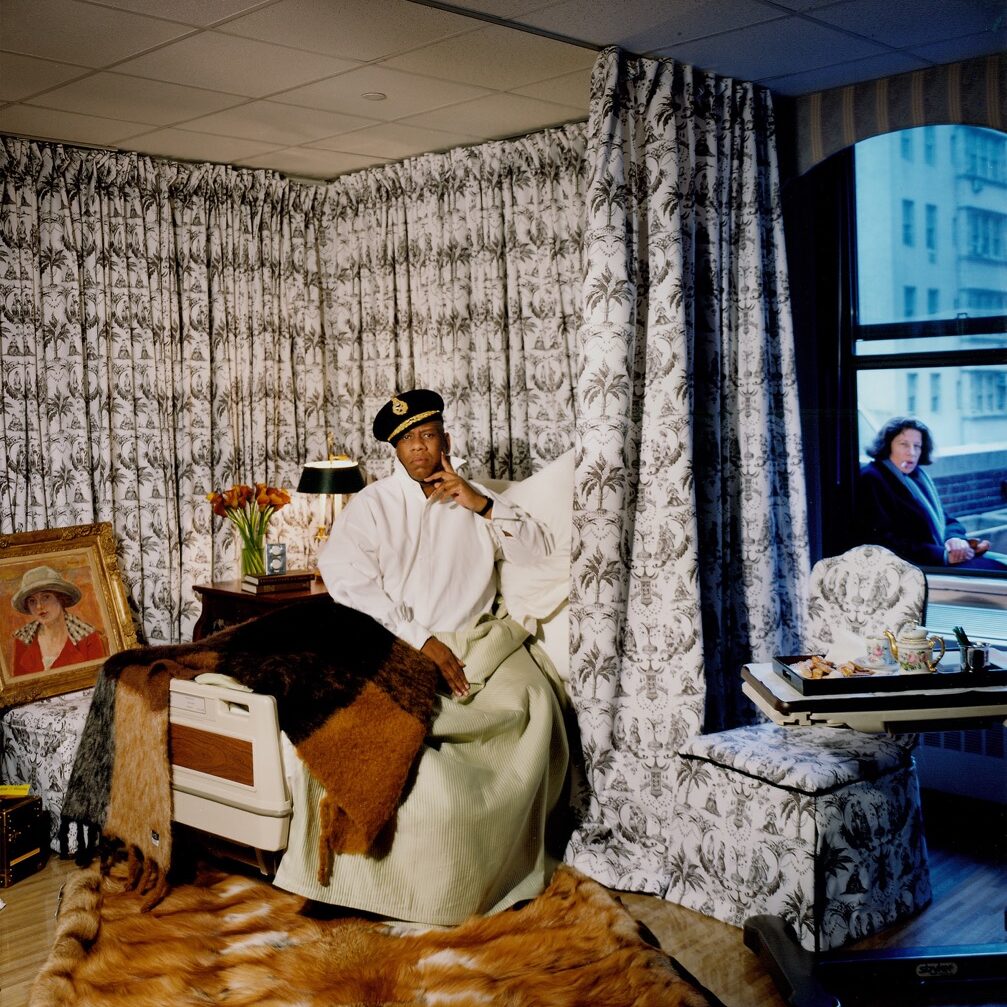
Looming over the exhibition is the larger-than-life specter of André Leon Talley, a man known not only for his dandyish dress but for his perch at the top of high fashion’s precarious ladder—a position defined by its solitude and instability, or as Hilton Als put it in his 1994 profile of Talley for The New Yorker, “the only one.” Style cost Talley, as did solitude.
In attempting to “live up to the grand amalgamation of his three names,” Talley died in debt, leaving behind heaps of silken scarves, gold brocade caftans, and six Prada crocodile coats. Even in an exhibition that venerates his contributions to American style, I found it hard not to see Talley’s as a cautionary tale—the compulsion to perform himself, and to embody an ideal of Black glamour and excellence, as his undoing.
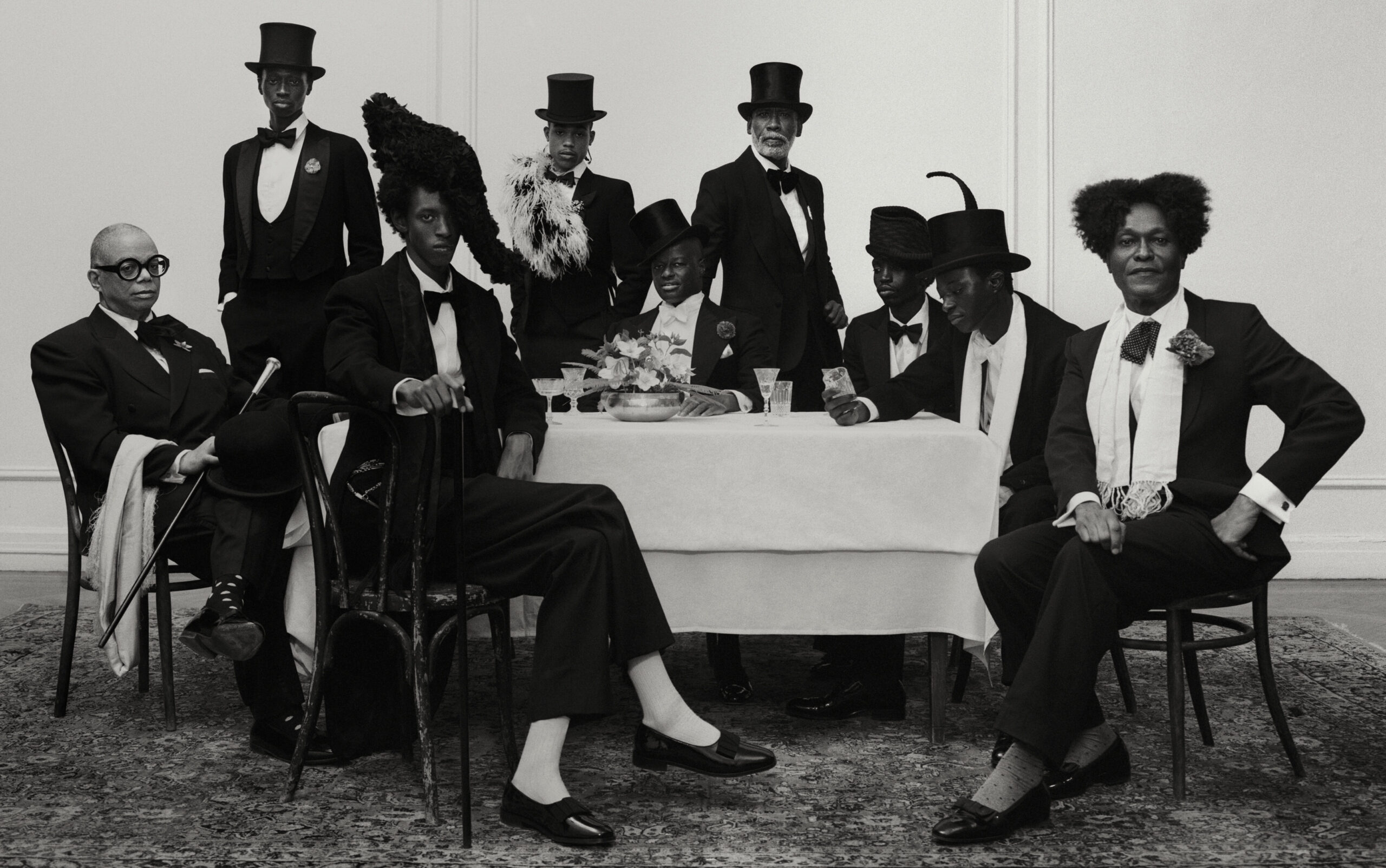
In defining the aesthetics of Black glamour, certain anxieties around presentation and affect, and how these impact one’s position in the world—slip into frame. Onstage, the “Jasper family” (whom critics have been quick to note closely resembles Jesse Jackson’s) struggles to reconcile its public face with the complexities of its human interior: the criminality, mental illness, and queerness of the sons. Their home—with its self-conscious mix of signifiers of “good taste” recognizable to the white world and prideful nods to Black culture and history—bears the strain of that struggle. And in that strain, I saw myself.
Late last summer, I received an invitation to celebrate the Ralph Lauren Oak Bluffs collection, part of the brand’s ongoing collaboration with Spelman and Morehouse Colleges, and named for a historically Black section of Martha’s Vineyard where I sometimes vacationed growing up. Curious what this brand, synonymous with Americana, had to say about Black style, I scrolled through the collection online, pausing when I spotted a familiar phrase on one of the shirts.
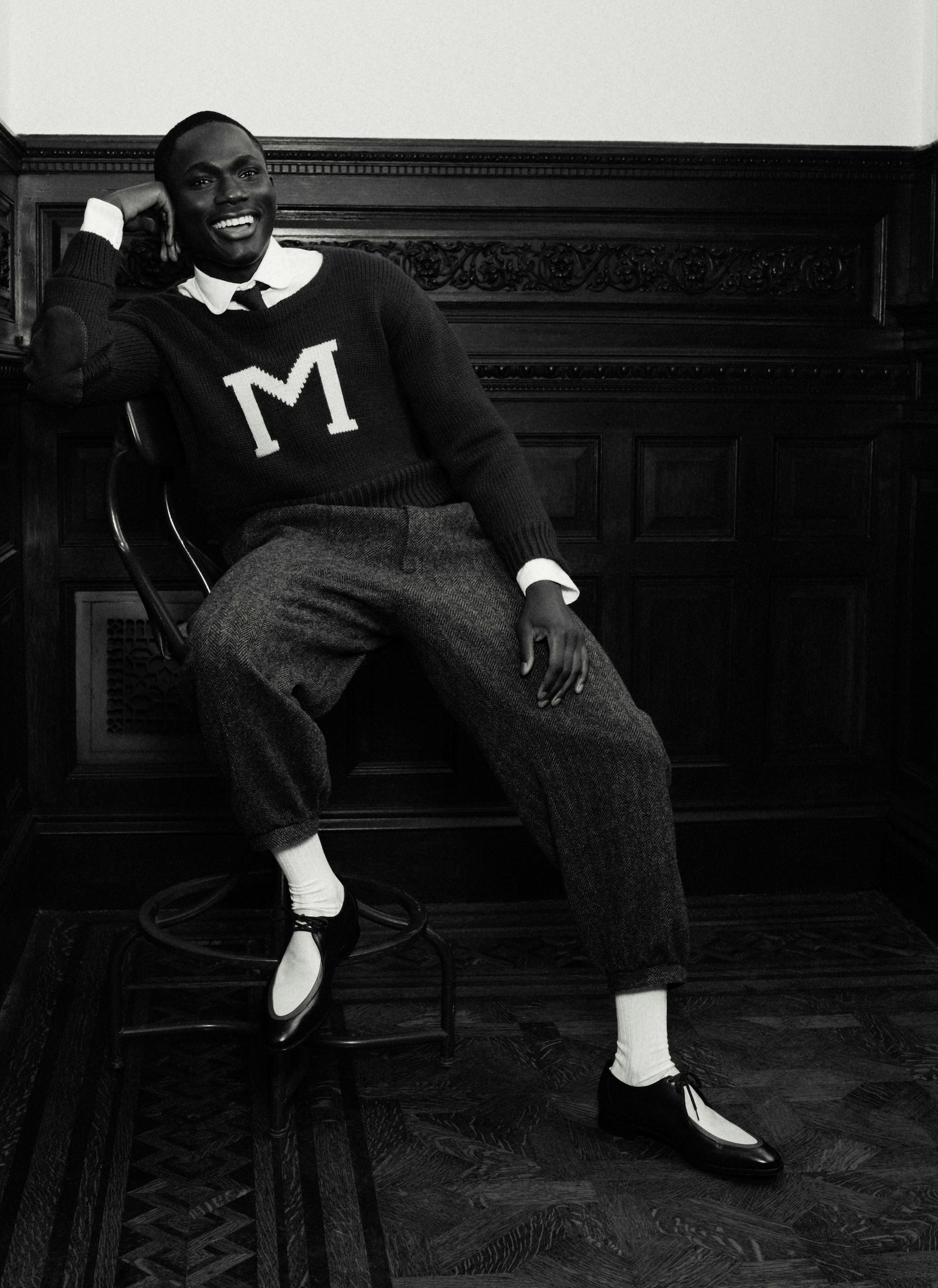
It said “The Five Wells,” a reference to an idea conceived by my father during his tenure as Morehouse’s president: a Morehouse man, or a Black man in general, should strive to be “Well Dressed, Well Spoken, Well Read, Well Traveled, and Well Balanced.” Briefly, I considered what it would mean to purchase the shirt, wearing on my exterior a mantra that, throughout my awkward adolescence, was repeated in my household daily—a paean of Black excellence, an ideal to strive endlessly towards, that I often found oppressive. Would it be a reclamation, or an ironic gesture, to wear this on my skin?
I hovered over the purchase button for a while, wondering.






 in your life?