
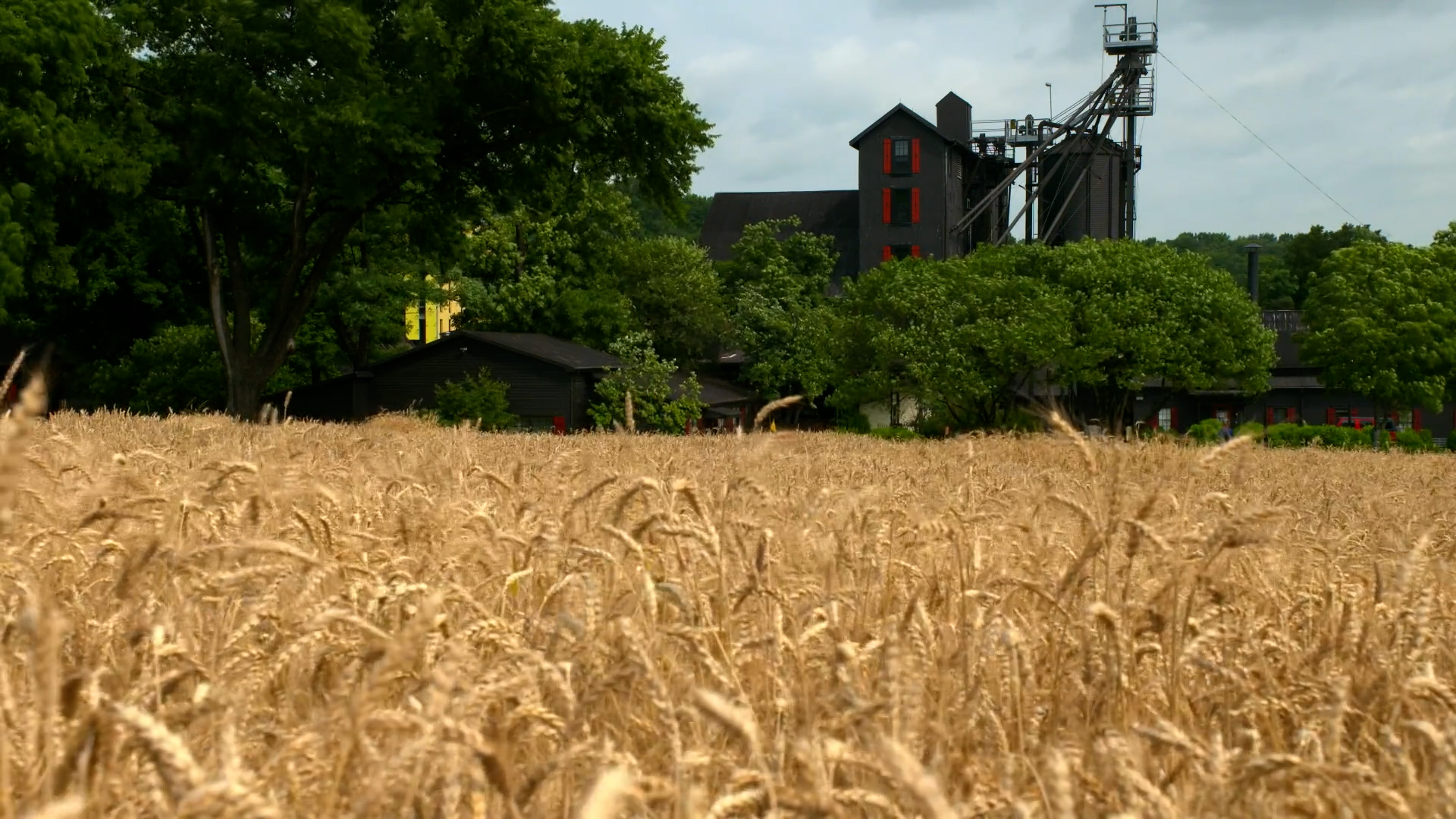
A little over an hour outside of Lexington, Kentucky, amidst gently rolling emerald hills and spindly forests of American white oak, a 10-year experiment is coming to fruition—finally out of the barrel and through the bottling line.
As a distillery, Maker’s Mark hews close to the traditional. It sticks to its original bourbon recipe—born again after the founders burned the family’s 170-year-old version for a better, balanced blend of corn, soft red winter wheat, and malted barley. Each bottle is still hand-dipped with red wax. The company even makes a point of spelling it the old-fashioned way: whisky, no “e.”
While Maker’s Mark may stay faithful to tradition in its flavor, its distillery is anything but old-fashioned. Small batches of bourbon bubble just a few hops away from artwork by Myers Berg, Brook Forrest White Jr., and Dante Marioni. Casks slowly ferment under a glass amber artwork crafted by Dale Chihuly, a personal friend of Rob Samuels, the managing director of Maker’s Mark—which may be a visitor’s first clue to the unexpected innovations brewing behind the scenes.
One experiment, dubbed Star Hill Farm Whisky, now in its second year, is the expression of something a long time in the making: a different flavor profile, celebrating nature as the maker, and an ambitious exploration of regenerative agriculture.
Star Hill Farm Whisky is the first wheat whiskey Maker’s Mark has ever produced in its over seven decades. (For all those keeping track at home, all bourbon is whiskey, but not all whiskey is bourbon. All bourbon is made from corn, while whiskeys can be made from other grains like rye and wheat. And, 95 percent of all bourbon is made in Kentucky.)
Star Hill Farm Whisky is starkly different to the brand’s flagship bourbon. Its 2026 release has a bolder, stick-to-your-ribs flavor with notes of molasses, fig, and baking spices. But it’s not just its wheat-forward presence that sets Star Hill Farm Whisky apart from its kin. Its release, which fell on Earth Day this year, coincides with a series of environmental initiatives, first envisioned in 2016 and coming to fruition in recent years, designed to advance regenerative agriculture. “My grandparents built Maker’s Mark on the belief that when we invest in the land, it gives back in flavor,” says Samuels.
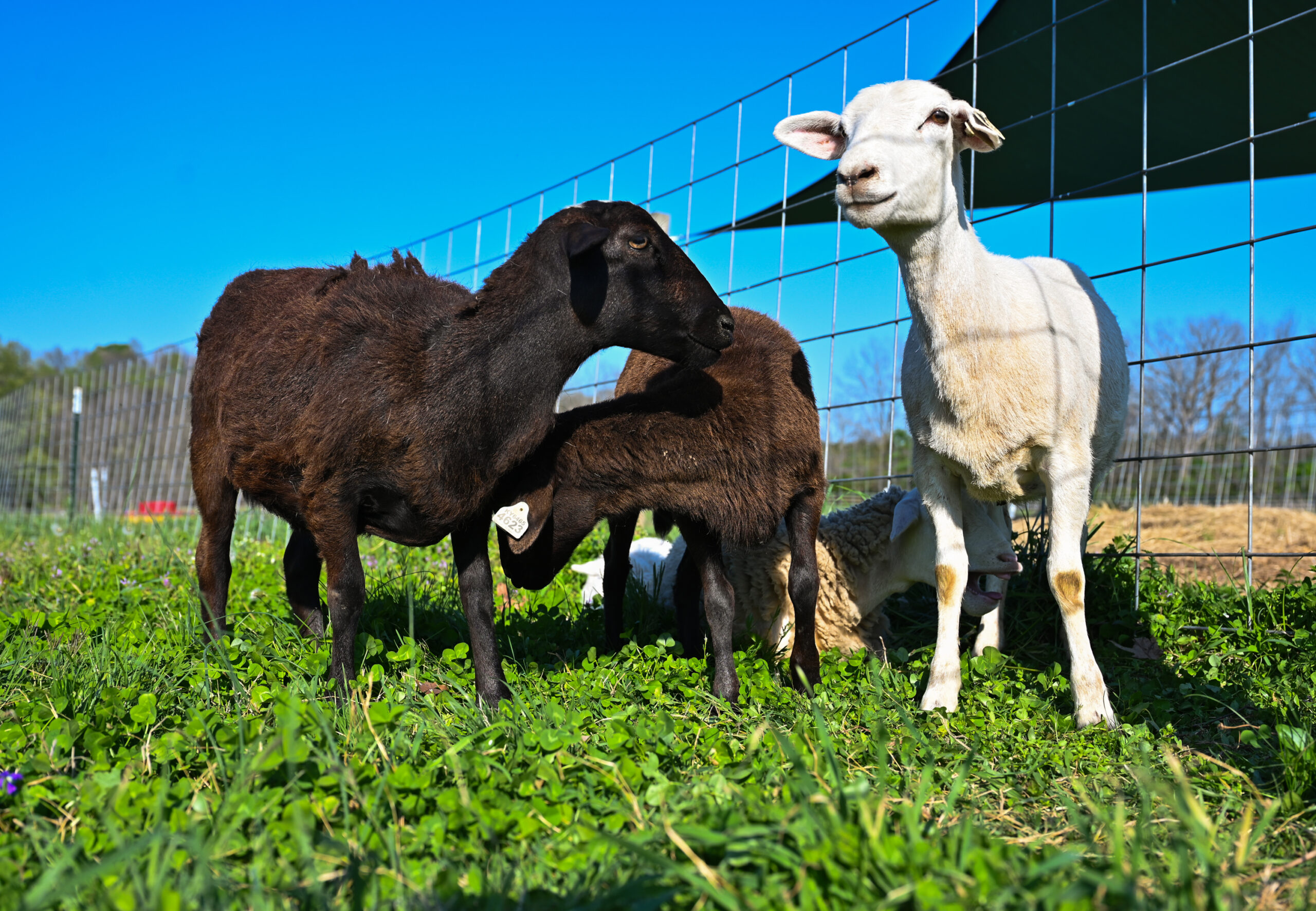
A big part of this is how the brand sources the ingredients themselves. Factory agriculture leaves an enormous carbon footprint as goods are hauled from one processing facility to the next. All of the corn and wheat that goes into Maker’s Mark whiskey is grown within 30 miles of the distillery where everything is milled, cooked, fermented, distilled, and bottled in the same location—estate-grown and certified. Oenophiles will find the process familiar, but terroir and provenance is newer language for the whiskey set, gaining momentum, as organizations like Estate Whisky Alliance can attest.
The brand has also gone out of its way to prioritize partnering with farms that engage in regenerative practices. While monocropping and industrial agriculture strip the soil of its nutrients, reducing the amount of potential harvests that can be extracted from the land and requiring the use of heavy-duty chemical fertilizers, regenerative agriculture balances the nutrient contents of soil. Last year, Maker’s Mark launched its own Regenerative Alliance, a network of farms now spanning over 60,000 acres, all committed to certified regenerative practices.
Of course, making a commitment to regenerative agriculture is one thing—following through is another. But the process of making whiskey is an unusually patient thing. Each barrel of Maker’s Mark is aged for at least and approximately seven years. On such an expansive timeline, the whisky maker is well-positioned to slowly but surely lead the industry to a more sustainable future.
All of Star Hill Farm Whisky’s wheat is already produced using regenerative practices. Maker’s Mark aims to have its entire output certified by the end of 2030. What began formally in 2016 (philosophically, when the brand was born in 1953) is bearing fruit as the company makes an intentional shift towards healthier soil, ecological restoration, and therefore better flavor from nature.
It seemed serendipitous that Star Hill Farm Whisky 2026 debuted the same week as the recent Keeneland Spring Meet—held at the legendary race course that attracts lovers of all things equestrian—may be the only thing more Kentucky than a bourbon clinking on the rocks. The two partners, which have been working together since 1958, continue to prove that legacy can be forward-looking—stewarding land and community toward a more sustainable future.
More of our favorite stories from CULTURED
14 Books Our Editors Can’t Wait to Read This Summer
Inside the Closet of a Revered Stylist Who Has Only Worn Prada For Over 30 Years
Charles Melton Actually Has No Idea Where His Career Goes From Here
Introducing a Play For Every New Yorker Who’s Had More Bad Dates Than Good
7 Commandments for Rookie Collectors, From CULTURED’s Power Art Advisors
Sign up for our newsletter here to get these stories direct to your inbox.









 in your life?