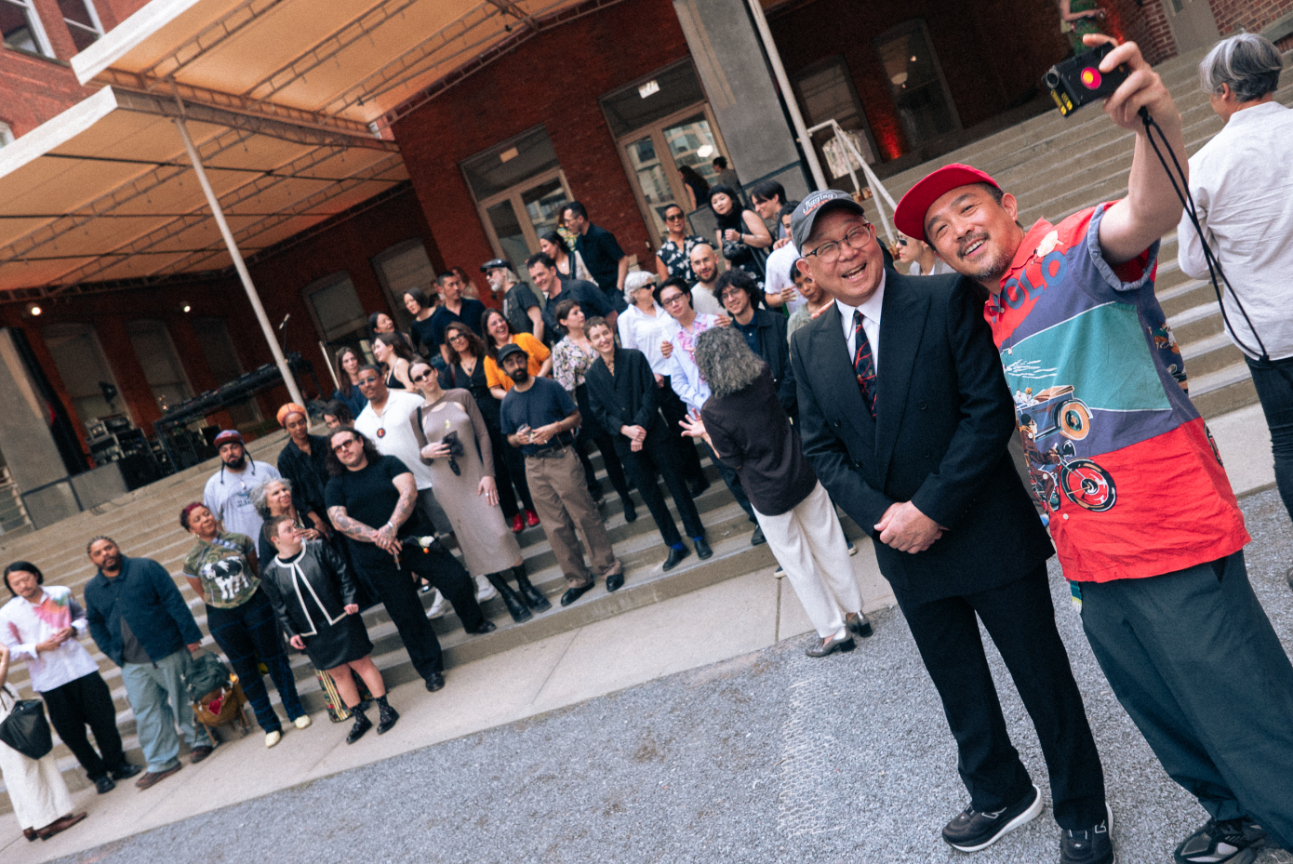
MoMA PS1’s quinquennial takes its name from the umbrella term which was first adopted in 1898, when the five boroughs were first incorporated as one city, and has since become synonymous with the larger region less poetically dubbed the tri-state area. But “Greater New York” is of course also an ode to the artists working in and around New York who absorb its urban idiosyncrasies and reflect them back at us, making the city greater, weirder, and less sterile while they’re at it. This year’s edition, the sixth to be mounted since 2000, features 53 artists working in a laundry list of mediums (from painting to ventriloquism). To celebrate the opening of the survey, which is on view through August, we asked 22 of them to sound off on the state of New York’s art scene, the support systems they lean on, and the makers who paved the way for them.
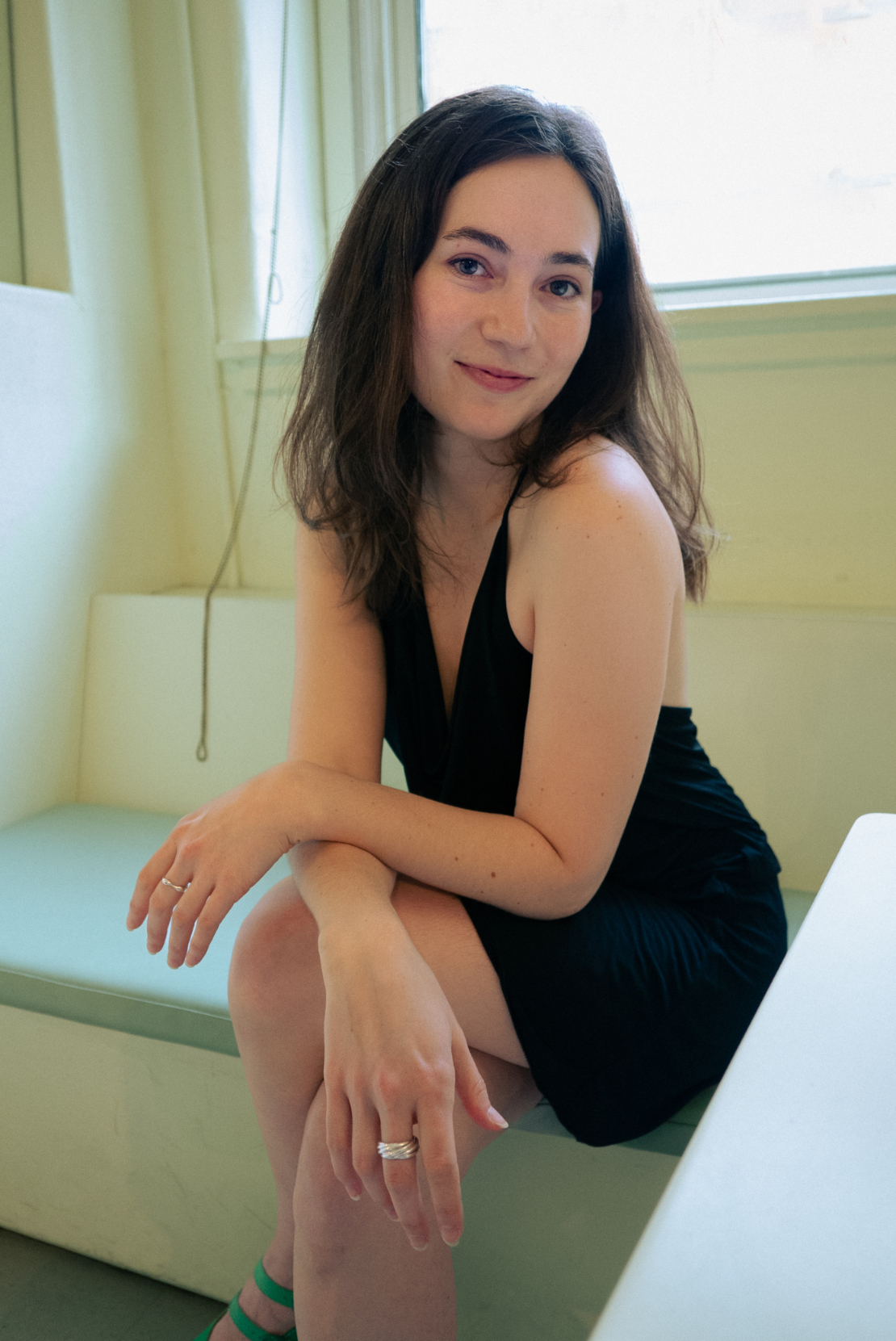
Georgica Pettus, actor and playwright
Tell us about the work of yours that’s included in “Greater New York 2026.”
Truck is a play that takes place at a Hands on a Hardbody competition in 2021. It’s about the things people hold onto.
What’s the most inspiring thing about making work in and around New York? The most challenging?
Most inspiring: talking to people. Most challenging: talking to people.
Who’s your favorite New York artist of all time? Why?
Robert Ashley because of Perfect Lives. Most good New York artists are actually from the Midwest.
What’s an underrated ingredient to “making it” as an artist in New York?
Producers who you also love!!!
What do you want to see more of in the New York art scene? Less of?
More entertainment. Less putting yourself above your audience.
What is the most important support system for you here?
The MTA.
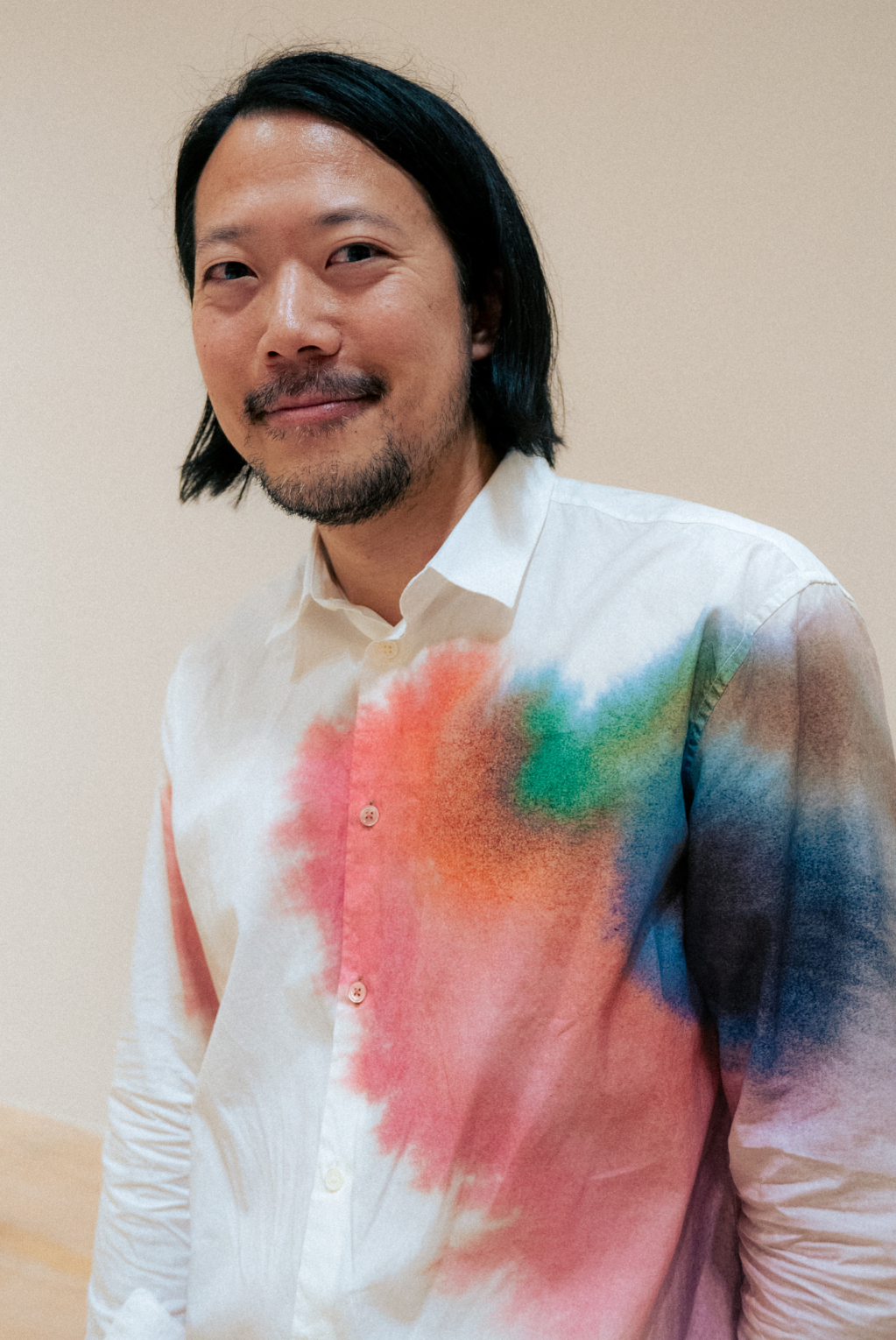
Kenneth Tam, interdisciplinary artist
Tell us about the work of yours that’s included in “Greater New York 2026.”
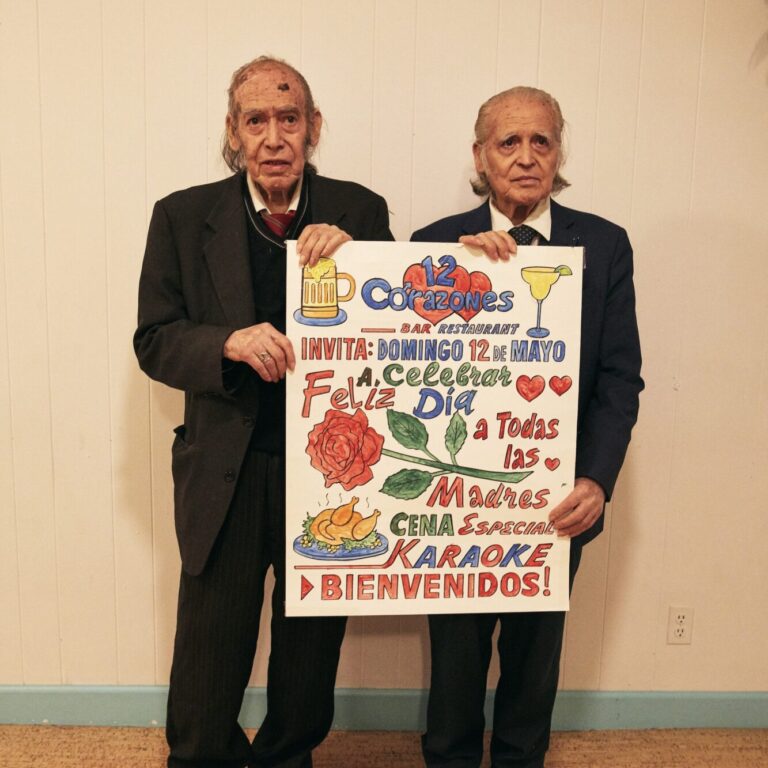
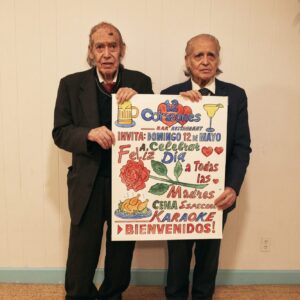
My work is a video installation that is a continuation of a body of work about the taxi medallion crisis in New York. I worked with two drivers, who also happen to be brothers, on a video that uses movement and dance to explore how they’ve navigated the crisis. A floor-based installation made of deconstructed wooden-beaded seat covers and LED lights accompanies the video.
What’s the most inspiring thing about making work in/around New York? The most challenging?
I think the challenges of working in New York—limited time, money, parking!—are the things that make working here thrilling. In spite of all the hardships people have to endure to get by, folks still come together to produce compelling work, and that always re-affirms my faith in the creative communities in the city.
What’s an underrated ingredient to “making it” as an artist in New York?
This may not apply to making it as an artist, but knowing which galleries/museums in each neighborhood have publicly accessible restrooms is key!
What do you want to see more of in the New York art scene? Less of?
I’d like to see more unused commercial real estate being turned into affordable studios for artists, and fewer painting shows in galleries (gotta dream!).
What is the most important support system for you here?
The community of artists who hustle their asses off everyday to make it in this city.
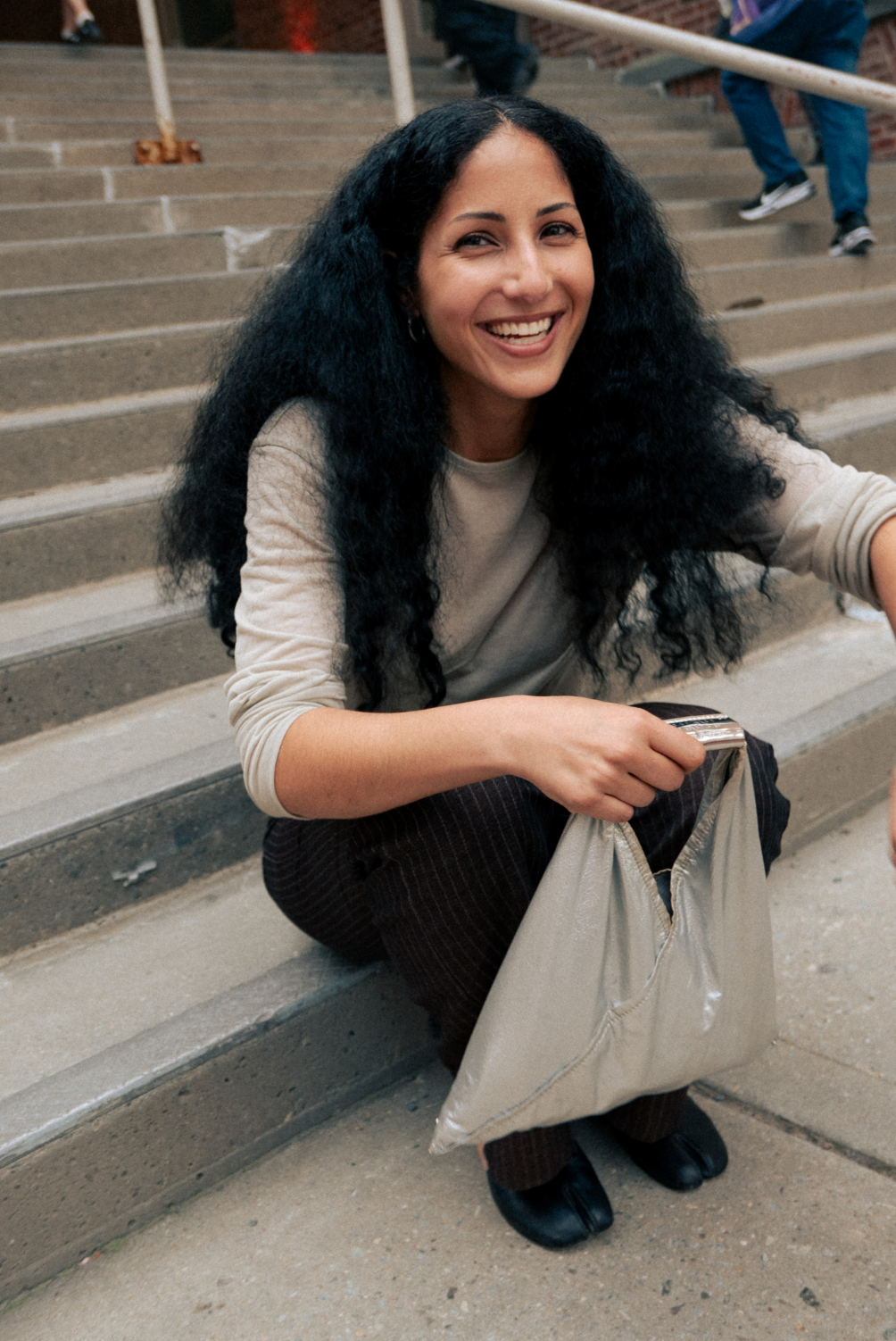
Farah Al Qasimi, interdisciplinary artist
Tell us about the work of yours that’s included in “Greater New York 2026.”
Photographs taken over the last 4 years in Texas, New York, Michigan, Kuwait and the UAE, portraits of friends and strangers situated within a rough diagram of U.S. interventionism, oil wars, and Arab immigration.
What’s the most inspiring thing about making work in/around New York? The most challenging?
Most inspiring: the people. Most challenging: the rent. But great art is everywhere, and much of it is free. There used to be this building in Chinatown where a local artist made marker drawings of animals and people on printer paper and just stuck them up for everyone to enjoy. I miss it all the time.
Who’s your favorite New York artist of all time? Why?
Changes all the time. Right now it’s Martin Wong.
What’s an underrated ingredient to “making it” as an artist in New York?
Genuine enjoyment for the act of making art.
What do you want to see more of in the New York art scene? Less of?
More earnestness. More curiosity. Less hustle culture.
What is the most important support system for you here?
My beautiful spider web of friends and loved ones (special shout-out to Horror Movie Club).
Akira Ikezoe, painter
Tell us about the work of yours that’s included in “Greater New York 2026.”
Chart of Darkness, a large painting that I made for “Greater New York” presents the foundation of visual language that I invented when I was struggling against the language barrier after moving to New York from Japan. Even though it was a struggle, I enjoyed the process that included so much unlearning and re-establishing the social structure.
What’s the most inspiring thing about making work in/around New York? The most challenging?
What’s challenging is that I always need to be hustling to make money. The inspiring part of New York is that we constantly encounter people with different common sense. It’s tiring but maybe addictive.
Who’s your favorite New York artist of all time? Why?
Mika Rottenberg. Right after moving from Japan to New York, I saw her video where many imaginary contraptions were working with strange women. I think it was at Andrea Rosen Gallery in 2011. I sat down in the structure and watched it so many times that day.
What’s an underrated ingredient to “making it” as an artist in New York?
Being slow.
What do you want to see more of in the New York art scene? Less of?
More animals, less humans.
What is the most important support system for you here?
For immigrant artists like me, it’s important to have a system that makes visa and permanent resident status obtainable.
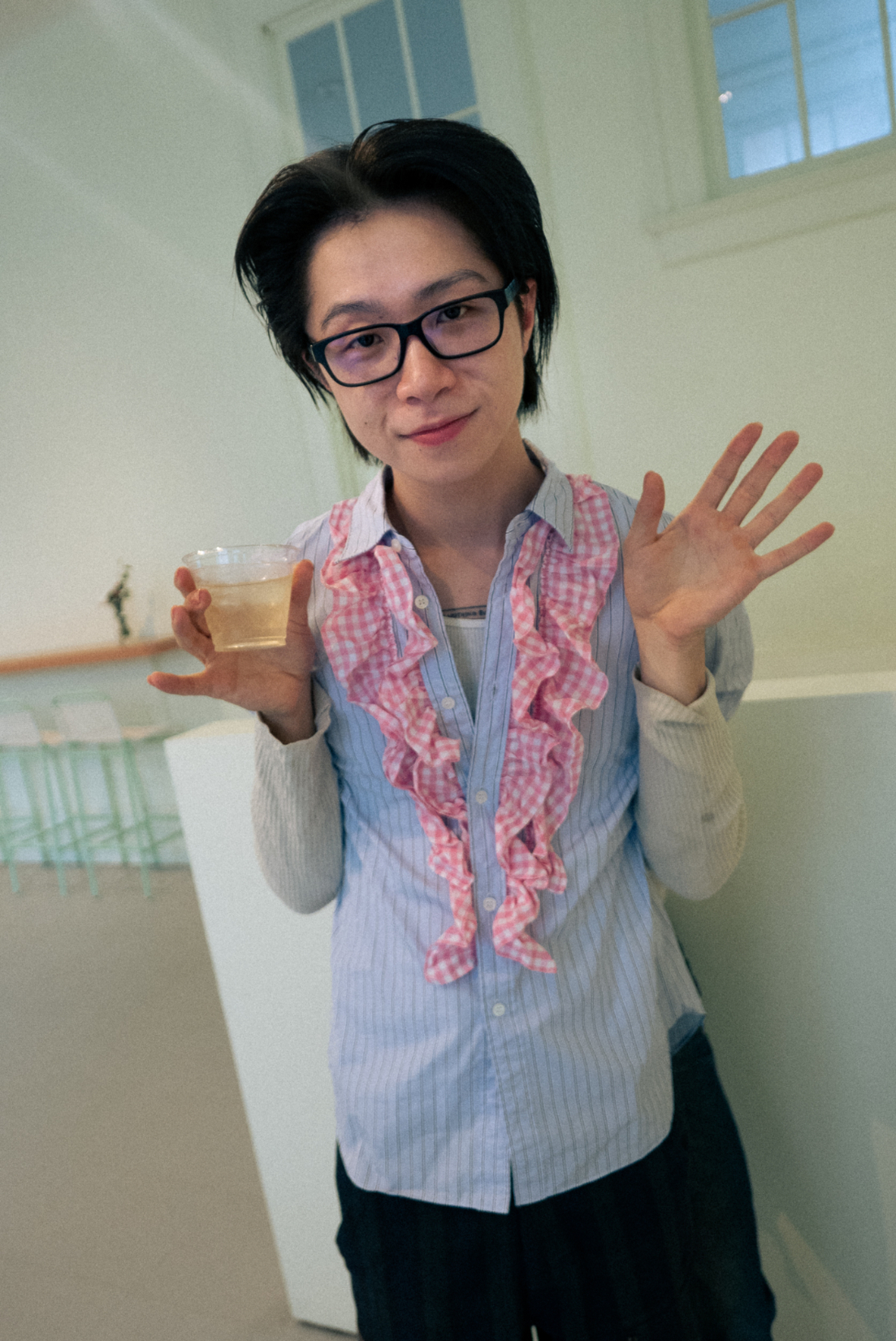
Louis Osmosis, sculptor
Tell us about the work of yours that’s included in “Greater New York 2026.”
It’s a new body of work titled Variations on Public Affairs & Their Subsequent Invigilators, consisting of 8 individual sculptures—each with their own respective “nickname”—that ape and/or model a generalized array of “public forms,” ranging from the focus-grouped monument, to treehugging, to the first breeze of spring, to hitch-hiking. Each assemblage is paired with a figurine (the would-be invigilator in each scene); in place of figure-ground, I’m opting for its plaything version: figurine-ground. There’s also a sound element that I worked on with my close friend Laszlo Horvath where the floorboards directly outside the gallery are contact mic’d such that the creaks produced by people walking around are “autotuned” and played back live in the space. Mylar confetti is littered throughout the space and individually numbered with chalk on the floor. The total number of confetti ended up being 1,263.
What’s the most inspiring thing about making work in/around New York? The most challenging?
I think those two are kind of one and the same for me. There’s a certain flagrancy, an egregiousness to the friction of New York that I find myself always having to contend with but am ultimately kind of blasé about, for better or for worse. In the same breath though, it’s also a constant wellspring of material precisely for how incessant it all is. Ad nauseum af, but that’s cool sometimes.
Who’s your favorite New York artist of all time? Why?
Though he’s technically from Jersey, Pope.L would have to be my answer here. I’ll always have a soft spot for his economy of poetics, particularly the way he was able to so deftly and also, so stupidly, manipulate the properties of an object, of a thing, of a set of conditions. He could really make things over-perform, under-perform, un-perform, etc.
What do you want to see more of in the New York art scene? Less of?
More how’s and less why’s. Take that as you will.
What is the most important support system for you here?
The brolic ass, admantium-clad structure that is my friends.
Nickola Pottinger, sculptor
Tell us about the work of yours that’s included in “Greater New York 2026.”
The new body of work reflects and responds to the present moment, meditating on shifting versions and evolving visions. There is a sense of temporal layering—a kind of time lapse that exists between creation, dissolution, and eventual release. The cycle of life, death, and renewal becomes central. Created in the aftermath of Hurricane Melissa’s impact on Jamaica, the work is deeply attuned to the vulnerability and resilience of the natural world. The materials themselves are subject to organic change, invoking the earth’s processes of shedding and regeneration. Throughout the work, themes of nurturing, protection, and devotion emerge through gestural figures. Their postures suggest prayer, offering, and gentle acts of shielding. Hands appear outstretched or clasped, echoing religious iconography and evoking quiet rituals of care and reverence.
What’s the most inspiring thing about making work in/around New York?
I move constantly—studio to gallery, museums to restaurants—often just walking the city alone. The proximity to major museums and galleries feels like a kind of superpower, being in such close dialogue with art and history. That movement keeps me present. I value my independence—the subway, being on my feet keeps me grounded. There’s so much energy here. You absorb it, and carry it and shape it—deciding what to keep and what to let go. My favorite part is that I live close to my family and I walk to BBG or pop into the studio or grab a bite to eat or be in the city in 15 minutes. Friends live nearby—I have a village.
What’s an underrated ingredient to “making it” as an artist in New York?
Never stop making.
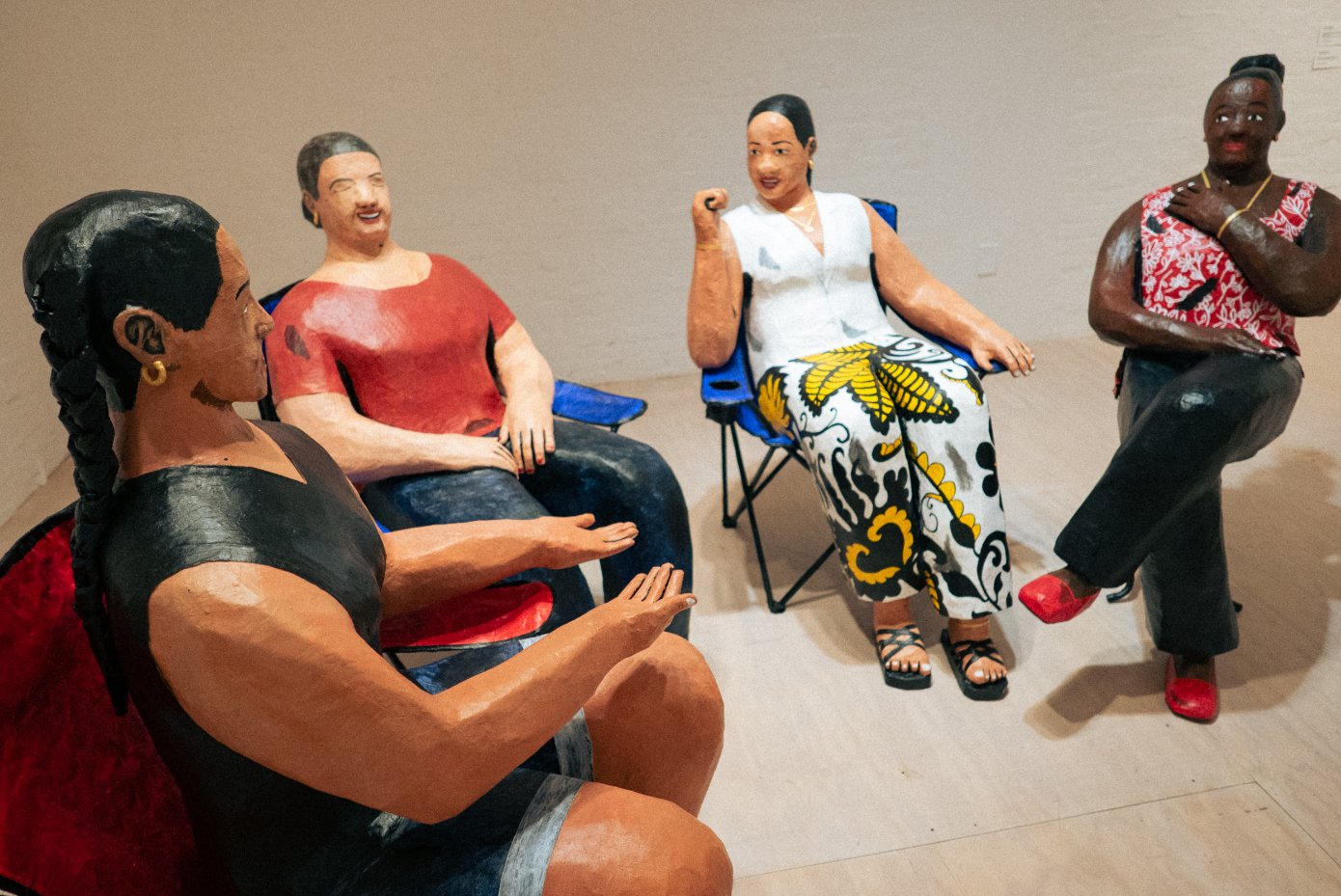
Piero Penizzotto, sculptor
Tell us about the work of yours that’s included in “Greater New York 2026.”
What I could say about the new piece I’ve made for this exhibition is that it reflects on intimacy, distance, and the indispensable importance of familial presence. It draws from moments of togetherness that feel both ordinary and fleeting—conversations overheard, laughter filling shared spaces, and the ways love is expressed through proximity and care. As relationships shift over time and geography, the work becomes an act of holding on, honoring those who shape us, and recognizing the energy we choose to keep close. It is a meditation on gratitude, memory, and giving flowers while there is still time.
What’s the most inspiring thing about making work in/around New York? The most challenging?
What I find most inspiring about making work in and around New York is witnessing the small, everyday moments that feel universal—those fleeting interactions, routines, and emotions that remind you how much we all share as people. It constantly reinforces the idea that we have far more in common than we often think, and that becomes an endless source of creative energy.
What’s most challenging, though, is sustaining an art practice here. It increasingly feels like the city is pushing the average person further and further out, making it harder to balance the financial and emotional demands of living here while staying committed to my practice.
Who’s your favorite New York artist of all time? Why?
Faith Ringgold. She represents what it truly means to be an artist with purpose. She stood up for powerful social movements and gave a voice to important cultural and political issues.
What’s an underrated ingredient to “making it” as an artist in New York?
Faith is my underrated ingredient in “making it” as an artist because it keeps me grounded and patient through every stage of the journey. It reminds me that success can’t be rushed—there’s power in waiting for my time to come. As long as I trust in myself, my message, and the universe, I know everything will unfold the way it’s meant to.
What do you want to see more of in the New York art scene? Less of?
More of us (including myself) practicing what we preach, especially when it comes to supporting our community. Fewer cliques/gatekeepers.
Ian Miyamura, painter
Tell us about the work of yours that’s included in “Greater New York 2026.”
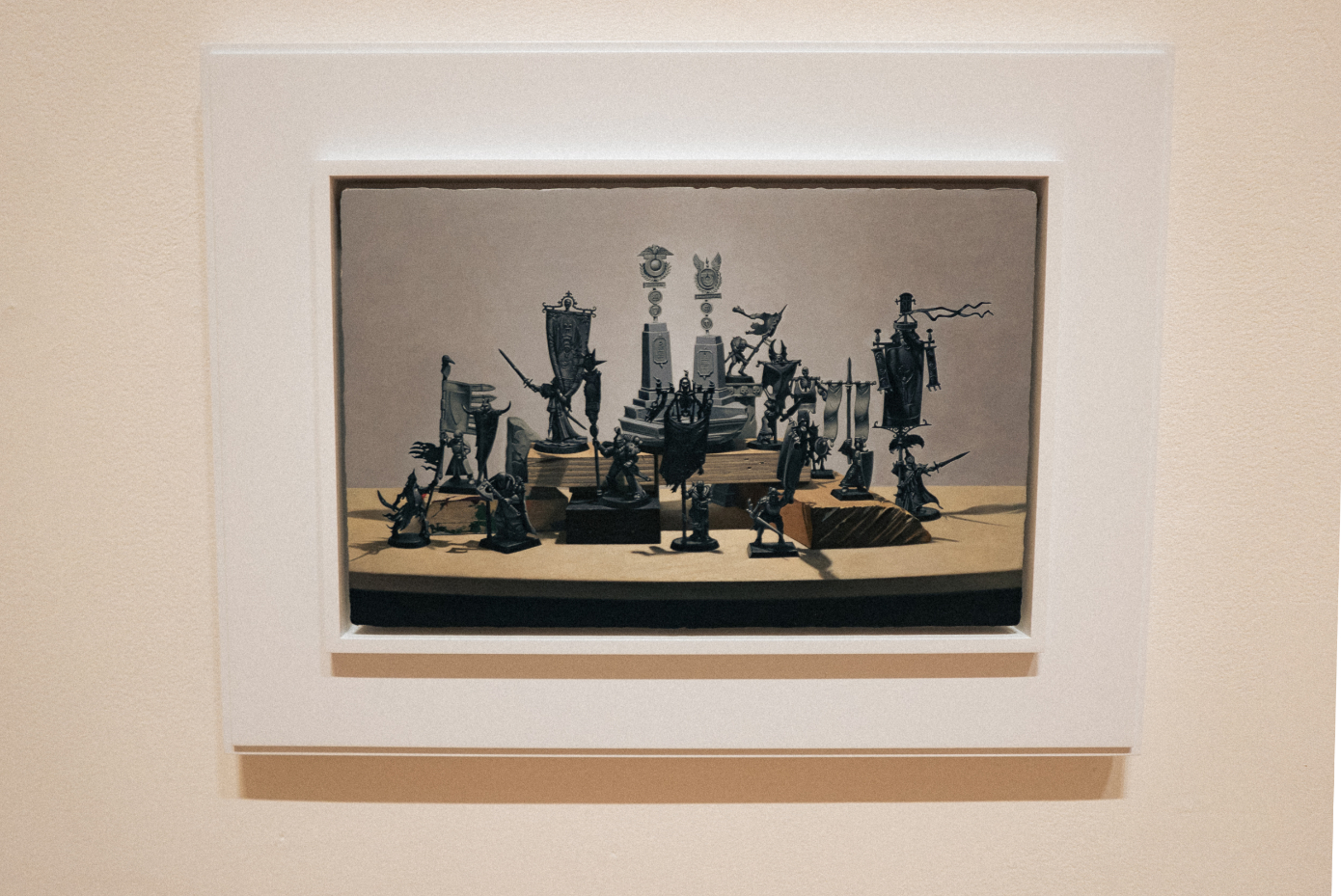
I’ve included three painted works that differ greatly, stylistically. There’s a text piece, a still life of twelve unpainted Warhammer miniatures, and a suite of hard-edge abstractions. While it might not be immediately apparent, they share a number of ideas and formal decisions. The group attempts to bring to the fore a question of the viewer’s (and artist’s) taste—serving as a reminder that our particular position in relation to Things affects how we might read or value what’s in front of us.
Who’s your favorite New York artist of all time? Why?
Joey Beltram. Any track from “Mentasm” (1991) to “Aumento” (2006). So many slammers and iconic sounds! Daft Punk even backs me up; he’s named in “Teachers” off of Homework.
What’s an underrated ingredient to “making it” as an artist in New York?
Removing the idea of “making it” from the mind. Or, better yet, from the table entirely. If such a state is even real, it’s something that comes and goes and therefore shouldn’t be chased after.
What do you want to see more of in the New York art scene? Less of?
I want to see more of us have longer and deeper relationships with other artists and writers. I want us to be less reserved.
What is the most important support system for you here?
Having a good halal truck somewhere along the daily route.
Rezarta Seferi, actor and theater producer
Tell us about the work of yours that’s included in “Greater New York 2026.”
A 45-minute improvised monologue that melds Tchaikovsky’s Piano Concerto No.1 with Britney Spears’s Instagram caption legacy.
What’s the most inspiring thing about making work in/around New York? The most challenging?
Most inspiring : New York City never sleeps. Most challenging : New York City never sleeps.
Who’s your favorite New York artist of all time? Why?
Irwin Corey. He anointed himself as the World’s Foremost Authority. On what you ask? Everything, really.
What’s an underrated ingredient to “making it” as an artist in New York?
Being poor. It keeps me hungry.
What do you want to see more of in the New York art scene? Less of?
More comedy. Fewer Master’s degrees
What is the most important support system for you here?
My mental fortitude and Artists Space.
Kameron Neal, filmmaker
Tell us about the work of yours that’s included in “Greater New York 2026.”
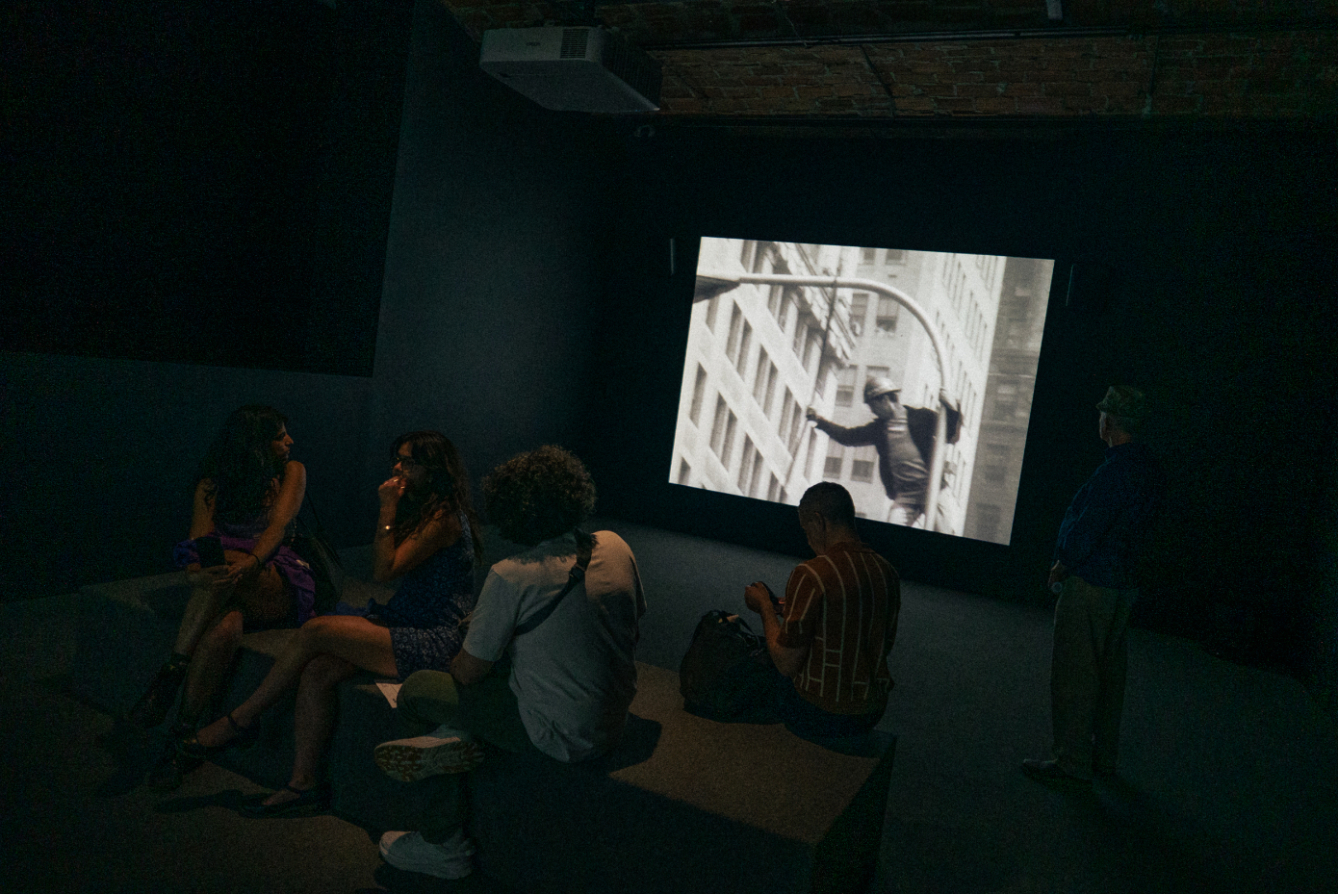
Down the Barrel (of a Lens) is an archival video installation using declassified NYPD surveillance films from the 1960s and 70s. The work poses questions about policing, personal privacy, and quiet protest.
Who’s your favorite New York artist of all time? Why?
Gil Scott-Heron has soundtracked my life. The political commentary, the musicianship, the struggle, the controversy, the late-in-life comeback, it’s all there. “New York Is Killing Me” is the ultimate New York anthem.
What’s an underrated ingredient to “making it” as an artist in New York?
Have I made it? I just try to be kind to others. I know that’s not everyone’s approach, but it seems to be working for me.
Hardy Hill, printmaker
Tell us about the work of yours that’s included in “Greater New York 2026.”
The work, 16 Figures Facing Forward, is a large cliché-verre nocturne, showing 16 figures turning to look at an undepicted third party. While preparing for “Greater New York,” I became interested in history painting, a now defunct genre focused on total compositional unity of action and time. History painting “comes to life” when it subordinates the liveliness of what it depicts to the still order of the image. Lessing treats unity as cognate with stillness, such that the image can be said to arrest action at the point where arrestedness generates the greatest imaginative extension. Pushed further, this idea becomes pretty bleak: life is most vivid when arrested, unresponsive, far away, something other than itself. If this is the case, then the dead image may be more alive than life.
Following this logic led me to a break with the conventions of history painting. Traditionally, history painting secures unity from within: figures are absorbed in a shared action that unifies the scene. In 16 Figures, this unifying event is displaced into an act of vision: the drawing is a drawing of someone seeing; this gives the viewer the same status as the undepicted third party. The viewer becomes someone else, someone who isn’t there. As much as I think there is a sad story about images, there is a sadder story about us. I wanted people to feel included.
What’s the most inspiring thing about making work in/around New York? The most challenging?
It helps me to see hundreds of faces most days. I have trouble finding enough space to work.
Who’s your favorite New York artist of all time? Why?
Albert Pinkham Ryder. His paintings help me remember the world isn’t looking back.
What do you want to see more of in the New York art scene? Less of?
More bewilderment and abiding. Fewer millstones set on peoples’ hearts.
André Magaña, sculptor
Tell us about the work of yours that’s included in “Greater New York 2026.”
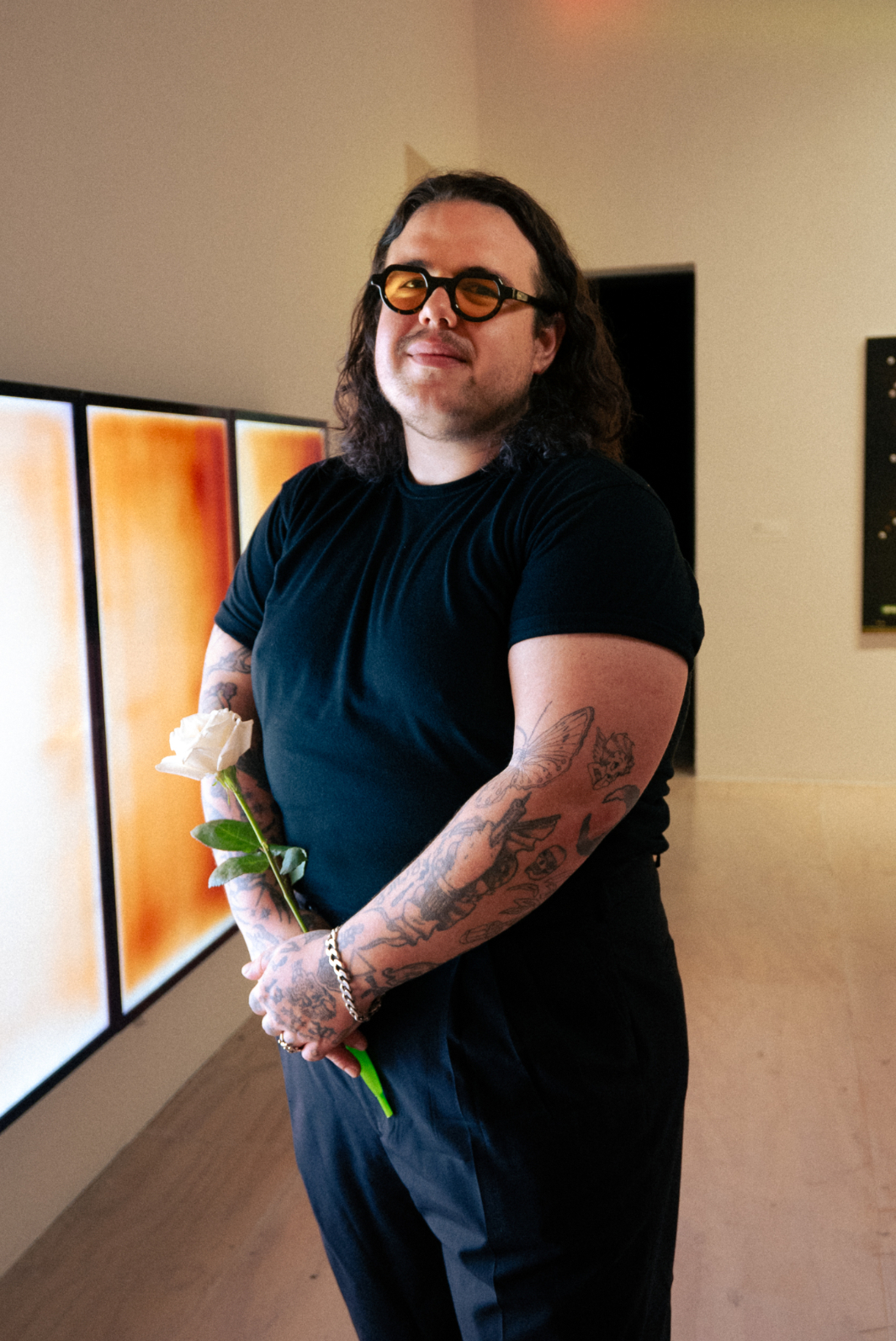
I’m showing two new works—one is a 10-foot long install of a specific model of digital drive thru displays that were the subject of an epidemic failure related to extreme heat. The other is a photograph I took of a familiar building-facade-LCD-display that shows similar signs of wear.
What’s the most inspiring thing about making work in/around New York? The most challenging?
Living here has taken me to some interesting and awful places in the pursuit of supporting myself financially and that has informed my work a lot. Actually, this is my answer for both parts of the question.
Who’s your favorite New York artist of all time? Why?
David Hammons or Pope.L: Both taught me early on that often the best work happens outside of “The Studio.”
What’s an underrated ingredient to “making it” as an artist in New York?
“Rice” and “beans.”
What do you want to see more of in the New York art scene? Less of?
More: Loitering, seating, bathrooms, laughter, apartment shows. Less: Frivolous spending, wealth cosplay, NIMBYism, rapid expansion.
What is the most important support system for you here?
I’ve shared life and studio with Carly Mandel for almost 12 years, who has been my biggest support system. Being surrounded by so many artists I love and count as friends on top of that is even better.
Esteban Jefferson, painter
Tell us about the work of yours that’s included in “Greater New York 2026.”
I made a painting of Luis Sanguino’s 1983 public sculpture The Immigrants, depicting immigrants arriving at Ellis Island. Although it is permanently installed in Battery Park, the monument is currently inaccessible due to the sea walls being built around the park. The main focal point of the sculpture is a child, held in a mother’s arms. My fiancée Sanna Almajedi and I passed by this sculpture two years ago and noticed that someone had laid a bouquet of flowers on the child’s back. I shot a photo of the scene and made a painting of it for “Greater New York,” memorializing this tender gesture. Today, with ICE raiding our city every other day, I think this simple gesture of care for immigrants is a powerful symbol.
What’s the most inspiring thing about making work in/around New York? The most challenging?
New York is a city that I would describe as alive. Things are constantly changing, and that means you see something new every day without even trying. I’m constantly finding new subjects to paint just by taking a walk or riding my bike, and I make sure to always keep a camera on me to document what I see before it’s gone. The most challenging aspect, as most New Yorkers would probably agree, is the prohibitive cost of living.
Who’s your favorite New York artist of all time? Why?
Ari Marcopoulos. He has documented all of my favorite subcultures, from Zoo York skaters pushing around in the ’90s to Matthew Barney canoeing through his studio during Hurricane Sandy to the West 4th Street basketball courts today. Whatever is interesting and underground in New York, he’s made a book on it. Also Martin Wong. I live in the Lower East Side, and Martin Wong documented the grimy beauty of the area in a textured and moody way that is both representative of the time, but also still exists today in between all the shiny condominiums.
What’s an underrated ingredient to “making it” as an artist in New York?
The ability to focus on your work in between all of the chaos and distractions that make the city such a vibrant place to live. Every day there’s something exciting you could be doing, but sometimes you have to prioritize the work.
What do you want to see more of in the New York art scene? Less of?
More DIY art spaces that focus on longevity. There are and have always been a lot of DIY spaces in New York, and there is always room for even more. White Columns, for instance, was started by artists and now is one of the most important spaces around for those looking for an alternative to the commercial art world. Today it feels like a lot of these spaces exist for a year or two, and then disappear.
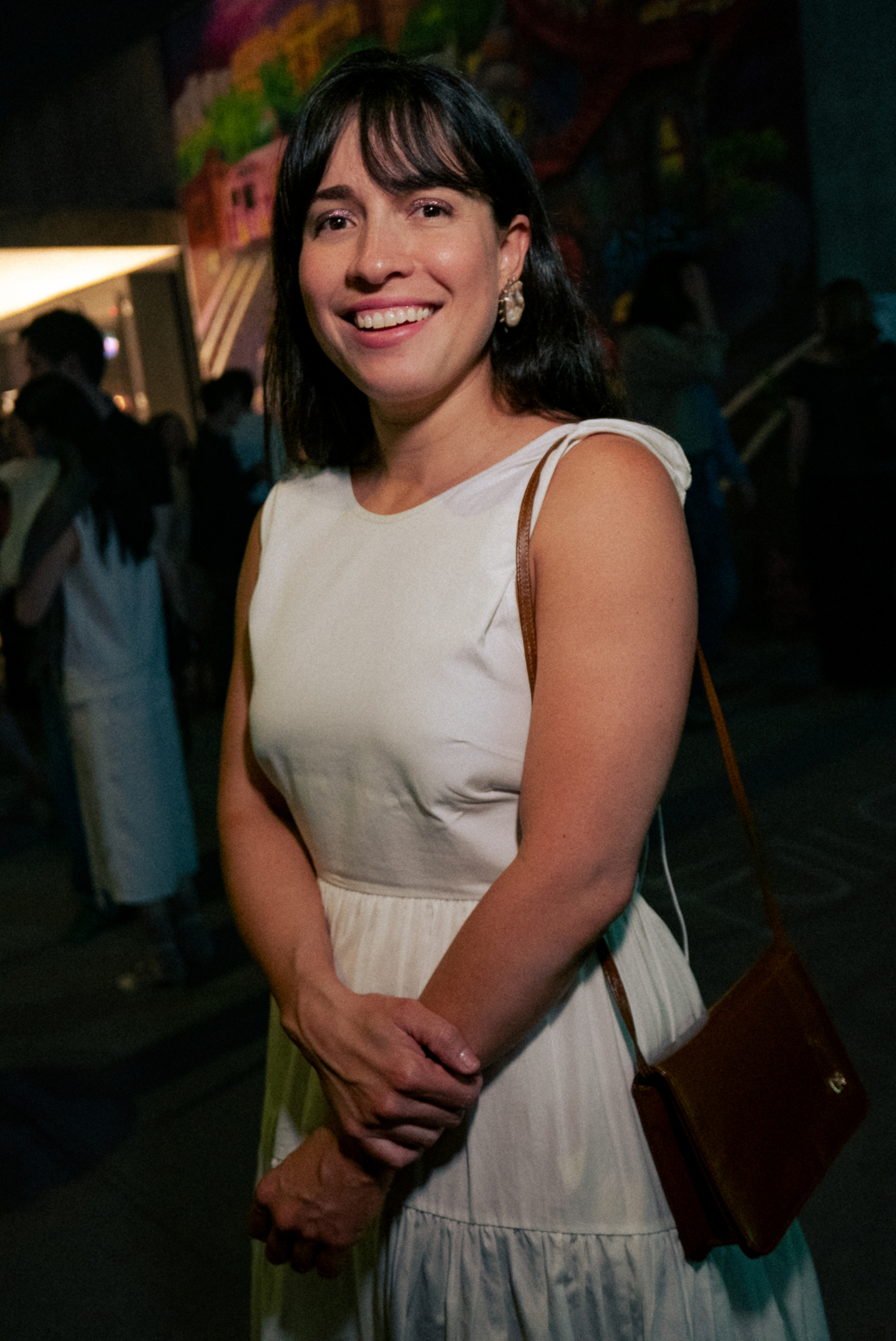
María-Elena Pombo, interdisciplinary artist
Tell us about the work of yours that’s included in “Greater New York 2026.”
I am showing a sculpture and three videos from “To Taima or Not to Taima,” an ongoing project based on water samples sent by Venezuelans living around the world since 2018.
These waters are used to extract pigment from avocado seeds, which produce a different color depending on the properties of the water, thus creating a map of this diaspora, and transformed into algae-based yarn that I used to create a suspended sculpture.
The videos are narrated by children of family and friends, in and outside Venezuela, incorporating their own ideas and questions alongside my script. One looks at Taima-Taima, an archaeological site in Venezuela known for early evidence of human presence and for the controversies provoked with its discovery. Another traces how the word taima entered everyday speech through baseball, adapted from “time out.” The third poses a series of dilemmas around migration, the central one being: between Taima-Taima, which preserves time, and taima, a word used to call for pause—do you hold your life in suspension, expecting to return, or accept that there is no pause and move forward?
What’s the most inspiring thing about making work in/around New York? The most challenging?
The sense of optimism and willingness to make things happen. There is a real openness to testing ideas before they are fully resolved. The most challenging part is the cost of living.
Who’s your favorite New York artist of all time? Why?
Ana Mendieta’s work touches me both viscerally and intellectually. I’m drawn to how she embraced ephemerality and moved across categories and created new ones altogether. Like her, I have a strong attachment to earth shaped by leaving one’s territory under complex conditions.
What’s an underrated ingredient to “making it” as an artist in New York?
Being able to handle rejection. Even the most successful artists in New York receive a lot of “We regret to inform you that…”
What is the most important support system for you here?
There’s a meme that says “me and having beautiful friends was a job,” and that’s how I feel. I’m surrounded by people who are generous, supportive, and always willing to show up, whether for work or for fun. Beyond my friends, there’s also a wider network built over time. People I don’t see often but have known for over a decade, with whom I share a real affection: my cobbler, factory workers I worked with when I was in fashion, the nail salon and grocery store workers. These small, ongoing relationships make the city feel personal. Being in Bushwick and able to speak Spanish daily also matters. It allows me to not feel entirely removed from home.
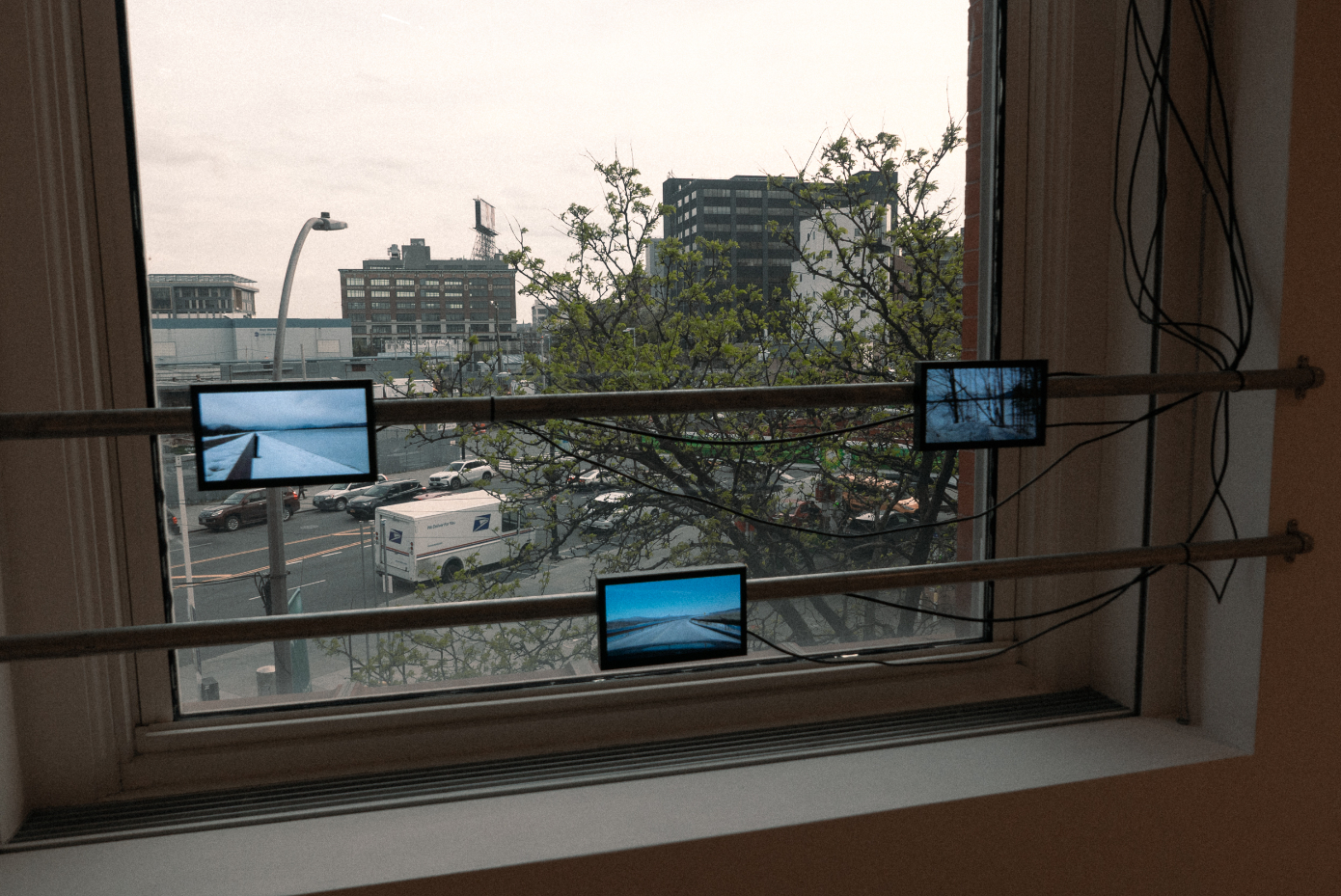
Tiffany Sia, interdisciplinary artist and filmmaker
Tell us about the work included in “Greater New York 2026.”
The three works share an interest in how legal infrastructure and surveillance shape what can be seen, circulated, and experienced—particularly across discontinuous geographies and intimate acts of looking. American Theaters of Suspension, Pt. 1: Ashokan is a new commission: three monitors bisecting a PS1 window, aligning views of the Ashokan Reservoir with the Queens sprawl visible outside. Though located in the Catskills, nearly 100 miles north of New York City, the reservoir remains under New York City jurisdiction—a fragment of municipal territory detached from its geographic center. The DEP police cars that patrol the area are styled like NYPD. The six-hour video alternates between static shots at the reservoir’s edge and driving footage along its perimeter roads, where patrol cars appear with the predictability of fixed infrastructure. Framed by a window overlooking a gas station and the sprawl of Queens, the work bridges resource, jurisdiction, and city. Suspension names a jurisdictional state that is neither temporary nor anomalous but ongoing—one in which authority is held in continuous legal ambiguity. The work begins a serial mapping of American theaters of suspension: sites where state power operates across discontinuous geographies, following Lauren Benton’s concept of imperial law’s “lumpy territories,” and quietly tests the right to record within these landscapes.
Scroll Figures #2 and #4 work differently. Both are being shown in the United States for the first time. The series plays upon the scroll as a moving image in the style of a teleprompter, on 22-inch screens fitted with privacy foil that only reveals the video to someone standing directly in front of it; from the side, the screen appears dead. #2 moves through McLuhan’s warnings about electronic media and the body made porous under surveillance, into the violent contingency of image capture during global uprisings, where the right to record is simultaneously evidence, incrimination, and historical record. #4 uses the waterfall as a figure for how partial glimpses get assembled into comprehension: a continuous material flow that only coheres as an image through the accumulation of discrete, passing frames.
What’s the most inspiring thing about making work in/around New York? The most challenging?
The caliber of conversations. Some of the smartest and kindest people I know live here, and artists and writers survive in this city in ways that still surprise me. The challenging part is something less clearly named: Despite its reputation, New York is a deeply conservative place. A major global capital that exports conservative thought and method worldwide. It’s not a coincidence that Murdoch and Trump are quintessential New York characters. The conversations and cultures that persist in spite of that are what make it worth staying––but they’re consistently overshadowed by a city that mythologizes itself on the basis of a prestige that doesn’t truly support artists but takes credit for it.
Who’s your favorite New York artist of all time? Why?
Arlan Huang. His work with Godzilla and the Basement years understood that making art and organizing against the conditions of art were the same project. I’m still learning from Arlan and his work, and I’m moved that my work is next to his in this exhibition. It wasn’t planned, but over dinner with curator Howie Chen, we talked about how you can literally measure the distance between our works, or figuratively between generations of Asian American artists. Arlan and I met at a symposium in 2022, and we’ve now come full circle.
What’s an underrated ingredient to “making it” as an artist in New York?
The ability to read. No one reads anymore, and I mean this in every sense. Reading as the endurance to follow a complex argument to its end. Reading your own contracts so you can counter terms without paying someone to do it for you. Reading negative criticism well enough to know what’s worth keeping and what can be left behind—you have to distinguish between what’s yours and what is another person’s personal strawman enacted upon you. Don’t be fooled by what certain environments teach you: don’t read out of competition. Read out of desperation, because your life depends on it.
What do you want to see more of in the New York art scene? Less of?
More criticism with a genuine interest in the historical subject—not just discursive positioning or aphorisms that game clickthroughs. Less of the art world’s ongoing amnesia about its own conditions, and outsourcing the criticism of these structures to artists. We can no longer pretend to be shocked by the outcome of making things on the end of a system buttressed by a speculative market and nonprofit structures.
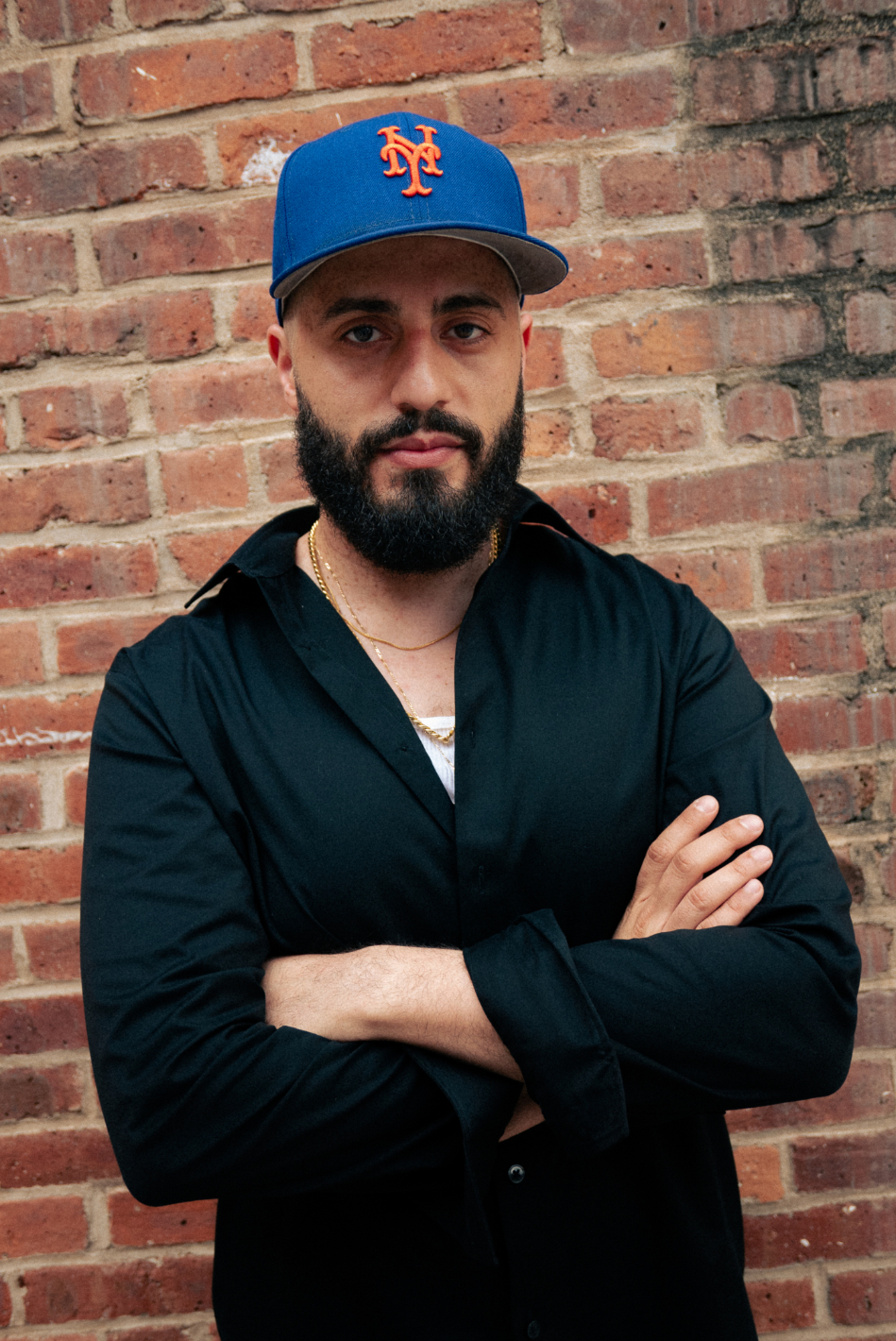
Dean Majd, photographer
Tell us about the work of yours that’s included in “Greater New York 2026.”
For “Greater New York 2026,” I’ve carefully interspersed unframed landscapes and family photographs made in Palestine from my 2018 series “Separation,” with pristinely framed partially-staged portrait sessions I’ve been having with Palestinian Americans and Palestinians in America mostly in their homes, part of an ongoing series I’m calling “Birthmark.” The artworks are installed like a constellation, layering on top of each other, to speak to the connection and disconnection between Palestinians and Palestine due to occupation, expulsion, and colonization, especially those of first- and second-generation Palestinians in America, or even recent refugees and migrants. As a whole, the installation offers a Baroque vision of Palestinian life, a visual society of sorts, a vision that is denied by Western media’s representation of Palestinians, which is often almost exclusively images of us being subjected to different forms violence, especially in the wake of the genocide in Gaza and the invasion and illegal annexation of the Occupied West Bank. The installation includes the first portrait of Mahmoud Khalil and his family after he was released from ICE detention last year as the centerpiece artwork, speaking directly to the violence we experience at the hands of our administration in the U.S. as well.
What’s the most inspiring thing about making work in/around New York? The most challenging?
I’m inspired by artists of all mediums constantly adapting to the change of the city. The conversations artists are having are so inspiring, and create a palpable energy for more creation. Whenever I see a friend make a beautiful piece, it pushes me to make more. The most challenging part is sustaining a practice in industries that have heavy demands but minimal resources, industries that often punish and attempt to silence artists who vocalize their political beliefs and use their work to support people globally who are being violently attacked by our administration.
Who’s your favorite New York artist of all time? Why?
My favorite artist of all time is Nan Goldin, for her intimate portrayal of her friends in New York in the ’70s and ’80s. Discovering The Ballad of Sexual Dependency when I was 18 changed my life; I saw someone love their friends so much that she made art out of it, which made me believe that I could do the same. Her work and activism remain to be my North Star. My friends are also my favorite New York artists—skaters and graffiti writers from Queens, Brooklyn, and Uptown that I came up with, specifically my friends who write EOK and ANGR. I also love my friend Esteban Jefferson, an incredible painter and filmmaker who I have been working with and photographing for 10 years. I’m proudly, and serendipitously sharing a room with him in Greater New York.
What’s an underrated ingredient to “making it” as an artist in New York?
Non-stop hustle is the only way to do it. Trusting your instincts no matter what. Trusting that your friends are everything and will always have your back.
What is the most important support system for you here?
As a self-taught artist born and raised in New York, the success of my work can be directly attributed to the multitude of communities I’m a part of—artists of all kinds, skaters, filmmakers, graffiti writers, and especially the Muslim community, who show up for me at every opening, support every project, hire me when they can, and support me tangibly and emotionally. I stand completely on their shoulders; I’m living my dreams because of them.
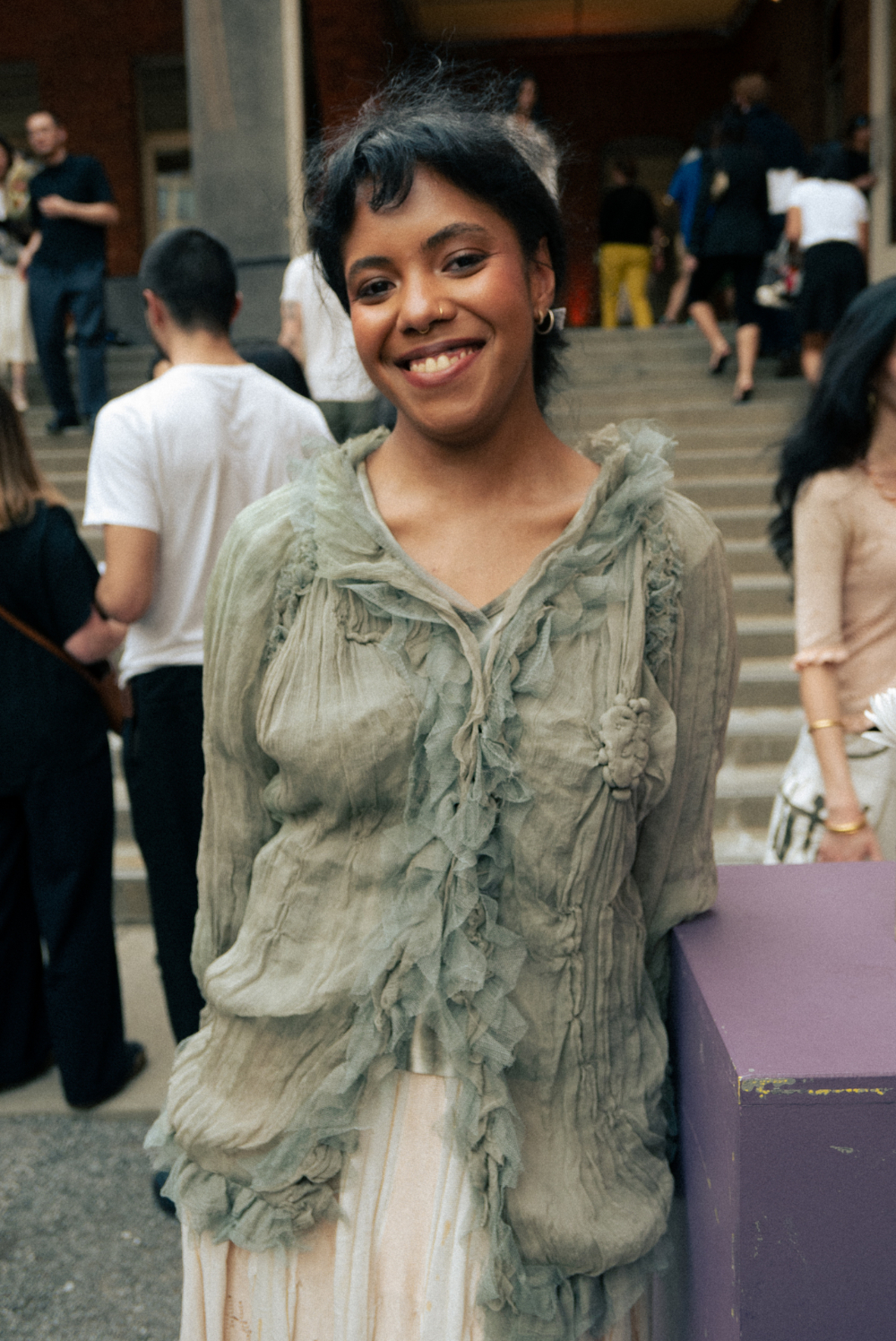
Taína Cruz, interdisciplinary artist
Tell us about the work of yours that’s included in “Greater New York 2026.”
I’m showing two paintings and a wall drawing that stretches across a corner of the gallery and opens out toward the city skyline.
What’s the most inspiring thing about making work in/around New York? The most challenging?
What inspires me most is how much is always happening here visually and emotionally, there’s so much life, contradiction, and energy packed into one place. The hardest part is carving out enough space, mentally and physically, to stay connected to your own rhythm.
Who’s your favorite New York artist of all time? Why?
Faith Ringgold is one of my favorites. I love how her work holds so much storytelling and history while still feeling deeply personal. Being connected to Harlem, her work has always felt close to me because it reflects a kind of New York rooted in community, memory, and lived experience.
What’s an underrated ingredient to “making it” as an artist in New York?
Having a real relationship with the city and learning how to listen to what it’s telling you.
What do you want to see more of in the New York art scene? Less of?
I’d like to see more spaces where artists can take risks and grow over time, and less pressure for everything to happen so fast.
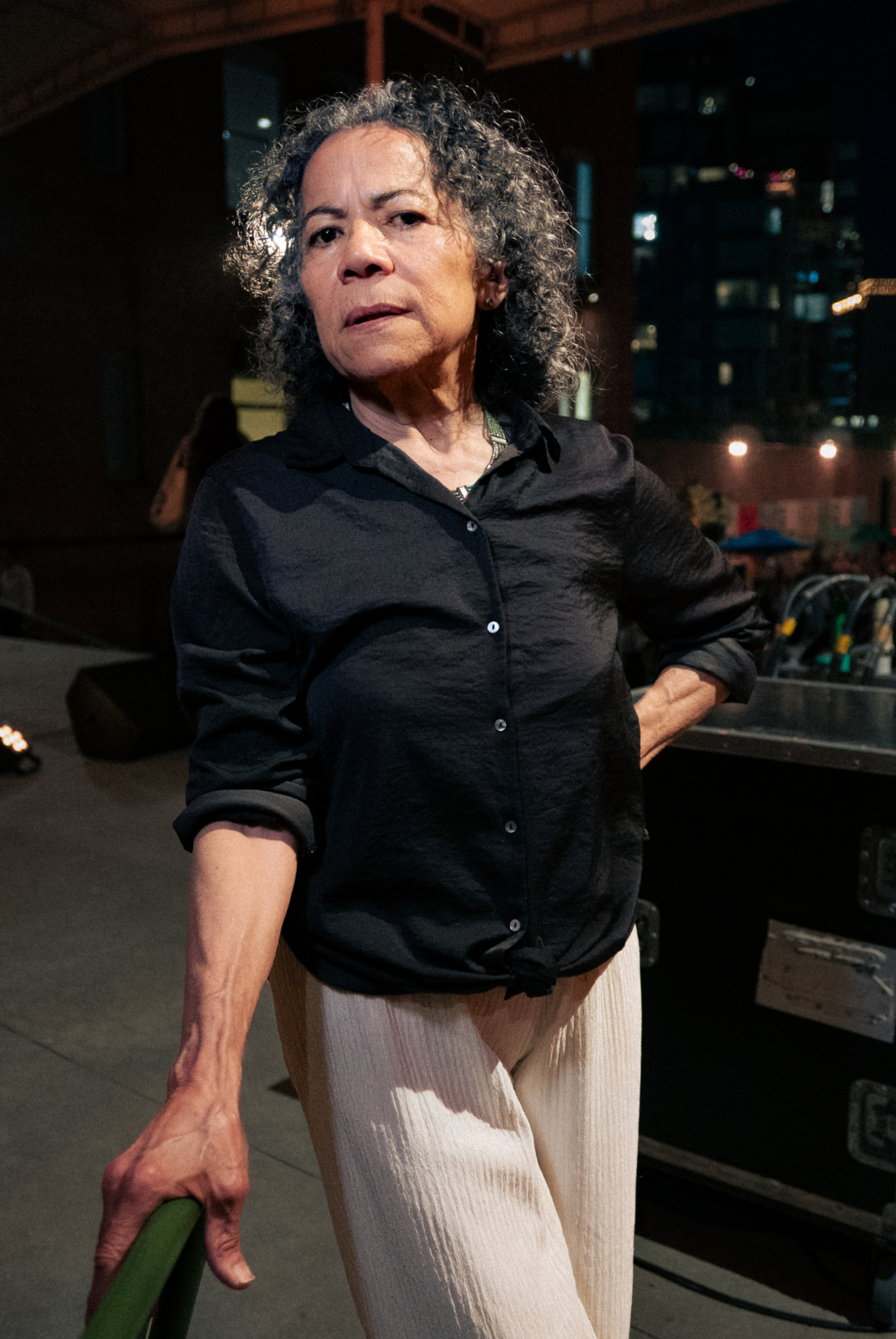
G. Rosa-Rey, painter and ceramicist
Tell us about the work of yours that’s included in “Greater New York 2026.”
I’m sharing work from my series “Region in the Mind: Terrenos y Cuentos.” My work draws on internalized, reimagined spaces that I refer to as terrains. I explore “terrain” in a broad sense: from solid ground to water, gravity, and atmosphere. I’m interested in how we embody terrains, and how that embodiment is shaped by our histories and memories.
What’s the most inspiring thing about making work in/around New York? The most challenging?
My primary challenge is studio space. Because studio space is so unaffordable and competitive to access in New York, I’ve turned the bedroom of my one-bedroom apartment into a studio. I’ve had to adapt my space to support my practice and the scale of my work has adjusted to the conditions of my home. Also, a New York apartment is not necessarily equipped for cleaning tools or properly disposing of materials. I’ve had to come up with inventive solutions after repeatedly clogging my bathroom drain.
Who’s your favorite New York artist of all time? Why?
Ernest Briggs was a second generation Abstract Expressionist painter who was important to my early development in art school. He introduced ways of finding freedom through the use of formal elements such as line, color, and texture. Briggs led by example and placed emphasis on integrity, which continues to ground my work.
Symara Johnson, choreographer
Tell us about the work of yours that’s included in “Greater New York 2026.”
The LOVE piece is a study that explores love in its variations and how it has existed/exists in my personal history as a Black queer femme. I engage with romantic, self, platonic,and familial love, recounting all the ways love has shown up in my life past to present.
Who’s your favorite New York artist of all time? Why?
I am inspired by a plethora of people. I’ll share a short list but it goes on and on and on: Niall Jones, Jasmine Hearn, Fana Fraser, Nora Chipaumire, Okwui Okpokwasili, Ralph Lemon, Nia Love, Jawole Zollar, and many more unnamed!
What’s an underrated ingredient to “making it” as an artist in New York?
Relentless unforgiving self trust. Always trust yourself and your vision. Sit with what you see and feel inside of you and have faith that the vision that is emergent in you is special, divine even. Don’t let the outside touch what your internal self is gifting you.
What do you want to see more of in the New York art scene? Less of?
I want to see more reckless Black queer femmes dance makers inside of museum spaces. I want to see the boundless Black body unravel in these spaces. It’s revolutionary. I want to see less….white :-/ and phony s***.
What is the most important support system for you here?
The people that believe in my art and that I’m privileged to believe back into.
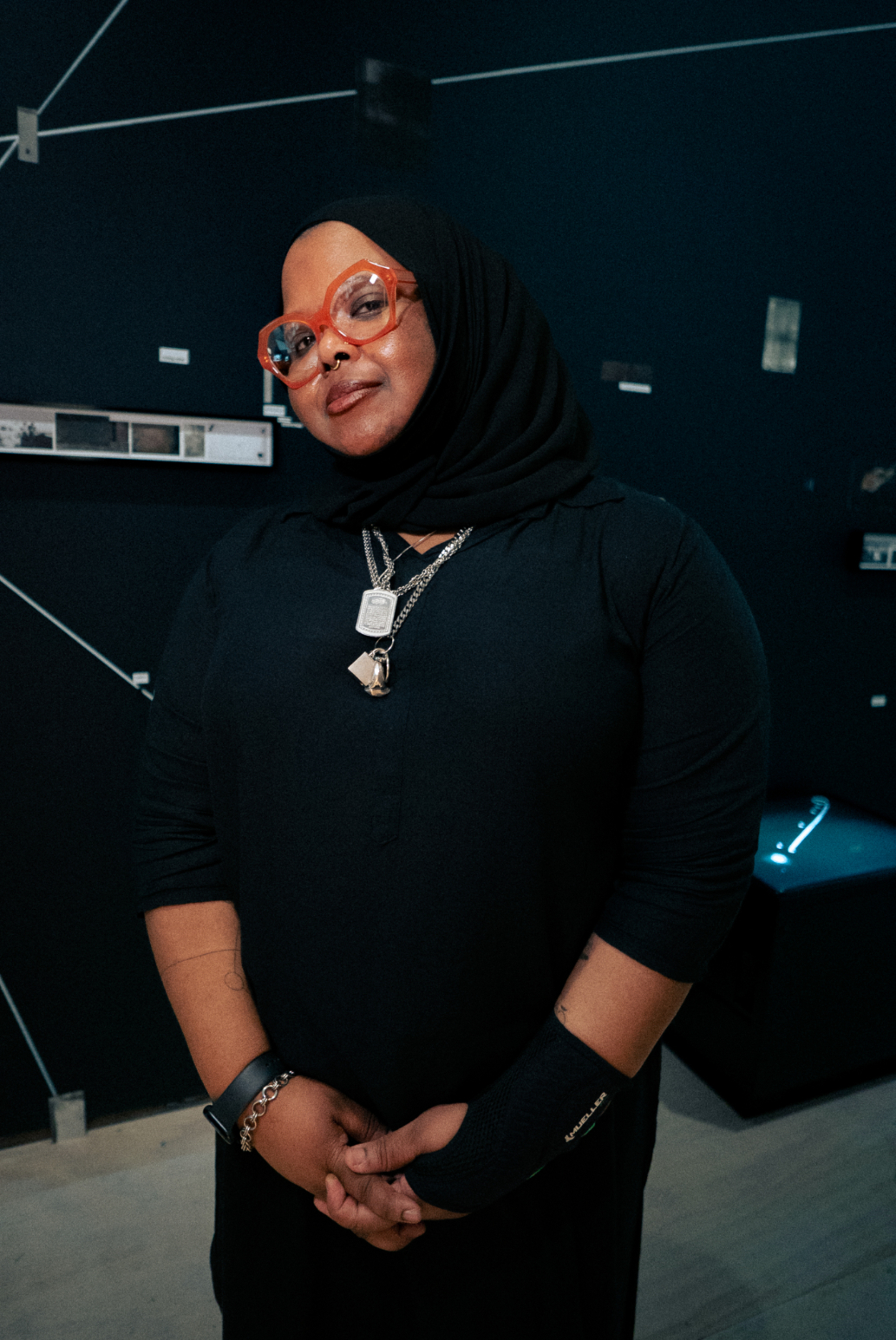
Kameelah Janan Rasheed, interdisciplinary artist and writer
Tell us about the work of yours that’s included in “Greater New York 2026.”
The title, Escape Orbit, refers to the practice of an object escaping or fleeing the gravitational pull of something else—a relinquishing of routine and loyalty. Some words I’ve been associating with the emergent works: tricksters, UAPs, “madness,” photocopier machines, mystics, writing systems, ecotones, bezoars, and a part-time magician’s assistant. At the center and margins of this work is someone contending with their thresholds: sensations of being pulled into and out of systems of logic, belief, and perception. There are five new video works, one of which is scored by audio engineer and musician Thando Kunene, out in Johannesburg, South Africa. Alongside those videos are a new archival inkjet print with chemigram collage, as well as five new photo and chemigram collaged works. There is also an existing work, Hole, a large-scale archival inkjet print and expansive wall drawing, interspersed with fragments of painting, monoprints, photocopiers, and vinyl. Hole originally debuted in 2025 in the “ECHO DELAY REVERB” exhibition at Palais de Tokyo as part of emergent research into power, noise, and “intelligibility,” exploring the sisters June and Jennifer Gibbons. In this iteration, Hole continues to ask questions about loitering between beliefs and the limits of what can be held or contained.
What’s the most inspiring thing about making work in/around New York? The most challenging?
The most inspiring aspect of making work in New York is the consistent requirement to improvise and recalibrate. The most challenging thing about making work in/around New York is the cost of living.
Who’s your favorite New York artist of all time? Why?
I don’t have favorites; however, right now, I am very excited about Eddie Wux. He is a 10-year-old who sells his drawings and poems in lower Manhattan. I ran into him several years ago and bought some works: drawings and poems. Then just last year, I happened to run into him again and picked up new work. There is also a kid in my building who spearheaded an apartment newsletter, which she drew by hand, then photocopied. I am excited about the art I am encountering in everyday life, on a street corner or in my apartment lobby.
What do you want to see more of in the New York art scene? Less of?
More redistribution.
What is the most important support system for you here?
Since I’ve lived in New York, my mother has flown out from California to help with the installs. Even though she does not live here, her consistent presence in my art life is such a gift.
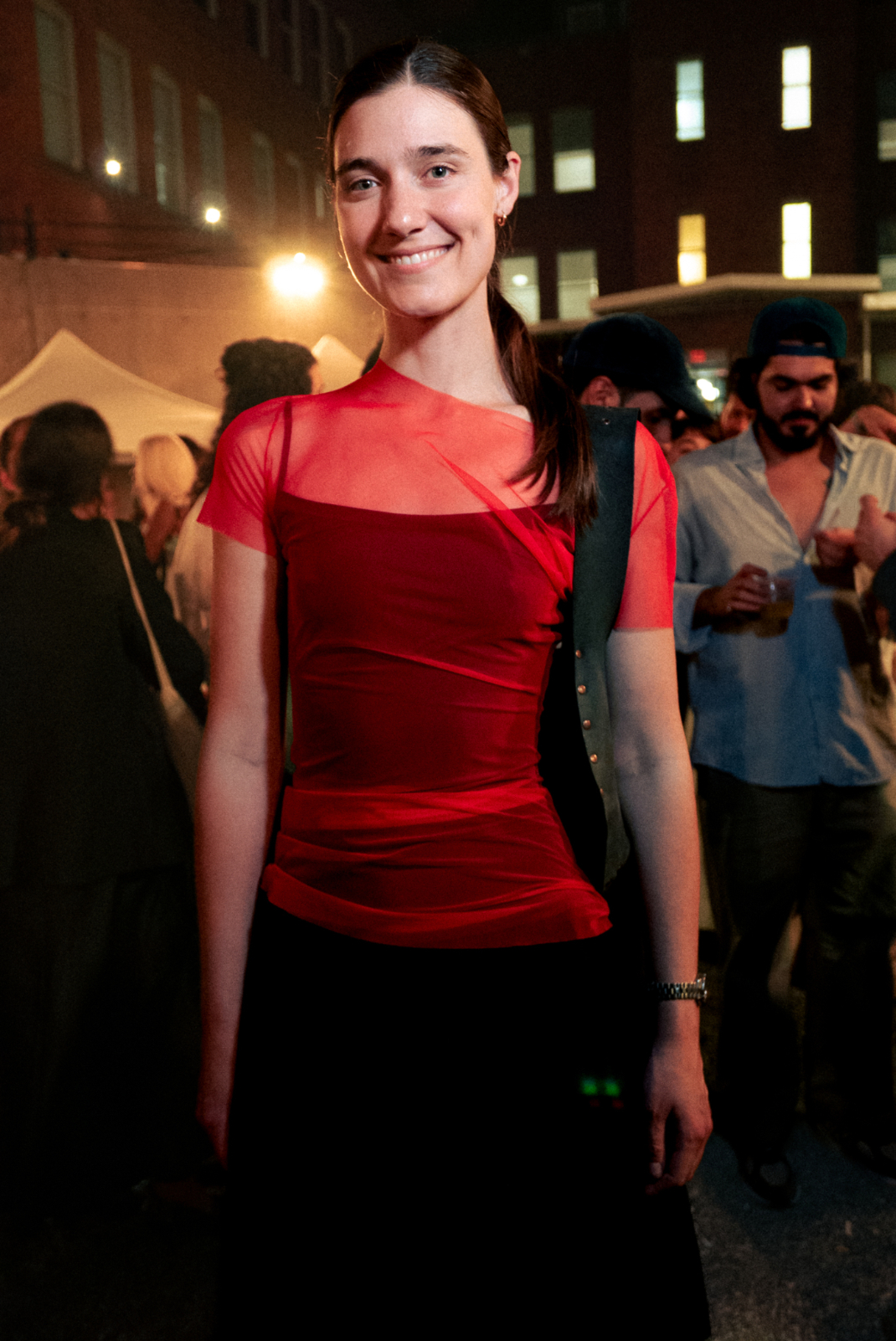
Sophie Becker, ventriloquist
Tell us about the work of yours that’s included in “Greater New York 2026.”
I’ll be performing with my dummy, Ronnie. She has recently begun writing her treatise on objectification, titled Ronnie’s Treatise on Objectification Part 1.
What’s the most inspiring thing about making work in/around New York? The most challenging?
I’m able to perform every week at different venues. There are always places and events to try out new material. I’m also surrounded by talented performers here, it’s inspiring!
What do you want to see more of in the New York art scene? Less of?
More humor and playfulness. I do think we have a good amount of it, but why not more?
What is the most important support system for you here?
The Ronniacs, Ronnie’s elite fan club.
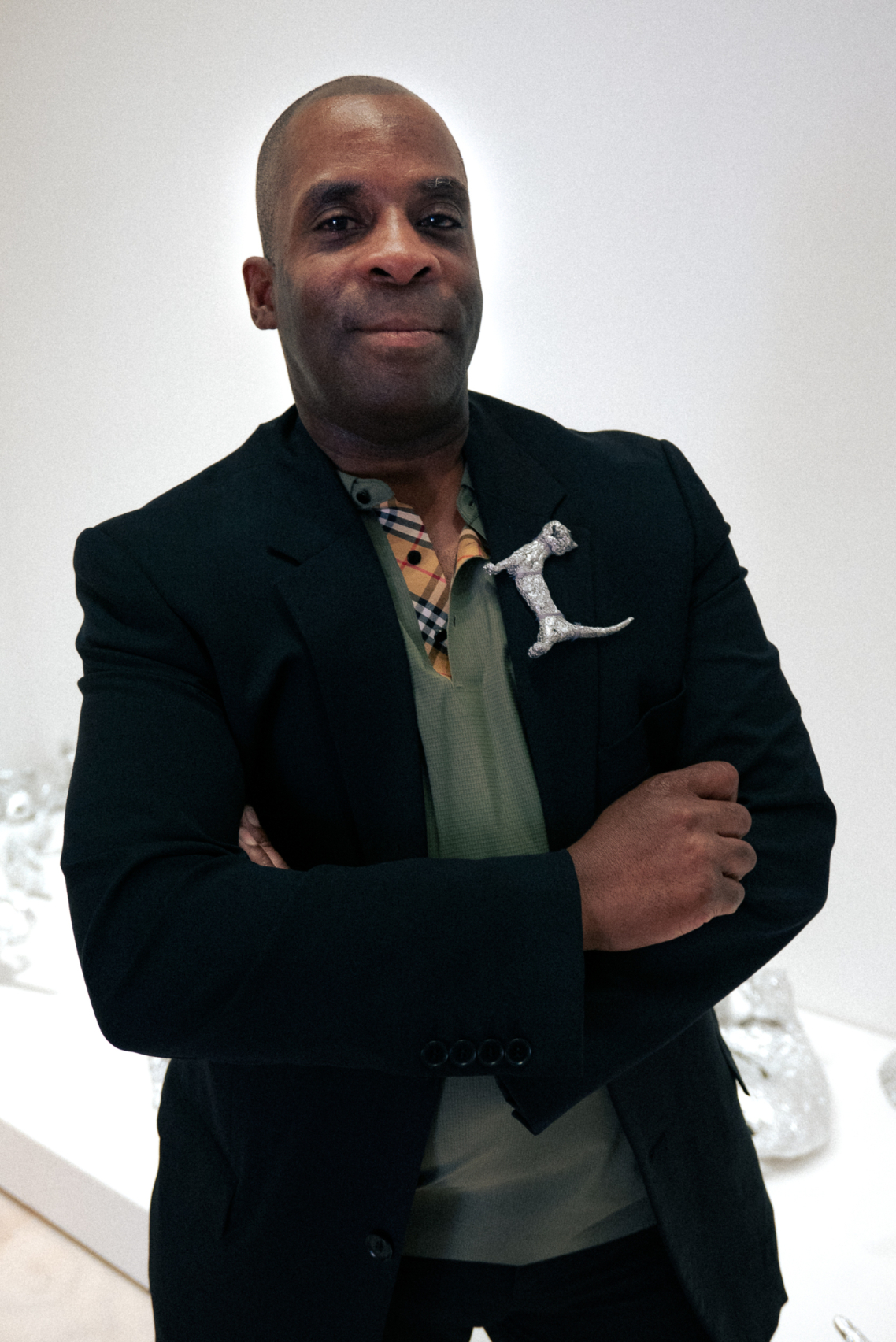
Dean Millien, sculptor
Tell us about the work of yours that’s included in “Greater New York 2026.”
My work is called Cats and Rats. I make sculptures made from recycled and new aluminum foil. In this scene, it shows how the animals’ lives are intertwined together. The cats and rats represent everyday people of New York and how life can be about being territorial or just having a good time, giving birth, being playful, sketchy, or getting attacked sometimes. So my work represents life in New York and all the things that I’ve witnessed growing up here.
What’s the most inspiring thing about making work in/around New York? The most challenging?
I’m inspired by the stores on 5th Avenue, and also SoHo. Window shopping at Bergdorf Goodman, Louis Vuitton, and places like that. It gives me so much to work with. That’s how I really think, in the inspirational way. When I’m around that part of the city I look at the artwork, the architecture, and how the interior of the stores are built, because it’s like my mind is telling me I want greater things in life. And it’s inspiring to go back to the studio with that great energy. It keeps me buoyant mentally and prepares me for the future so I always feel like I am ready to tackle the obstacles that come with being an artist in New York. I go to places that make me feel good. When I’m in the park, and just learning about society and the beautiful things about it, I feel good. You know? Of course, there’s also bad things like crime, poverty, and pollution. I don’t like seeing bags in the trees, like plastic flapping in the wind and then I’m like, “How did this get up there? How do you take it down?”
Who’s your favorite New York artist of all time? Why?
Rammellzee, he was an artist during a rough time in New York’s history. There was a lot of drugs, violence, and poverty. I grew up in the ’70s, so I feel connected to that time when he was around. There weren’t a lot of resources to help artists like us grow and stay grounded in the art world. His story represents many of the same themes I witnessed, things I’m also going through. Rammellzee’s work was building from found materials, and drawing inspiration from outside of himself and progressing to the future. He was an absolute and underrated visionary.
Sonic Youth too. Their music made me want to be an artist. Their music was about sharing and informing the public. It had a feeling of freedom, of speaking out against cruelty. It made me want to be free and put all my energy into my work.
What’s an underrated ingredient to “making it” as an artist in New York?
Looking at nature is so underrated, just seeing what ants are doing, building a network in themselves. You should go out and see nature and learn how to be still. Learn how to appreciate yourself as a person and you can join the crowd later when you are in a good spirit. A lot of people are too busy, moving fast and missing the mark. It’s a fast life out there and it is competitive. The underrated ingredient is to make friends with the right people and be nice to them. Don’t have an ulterior motive because it will backfire on you. Just look at and learn from and become one with the community.
What do you want to see more of in the New York art scene? Less of?
I want to see more free thinking. I don’t want to see people copying each other, I want less posers. I want to see people working together from different origins as a team to build something that will last forever. I want to see less of people selfishly taking from artists by saying “I want this, I want that, and it is all about me.” Everyone wants the same things for themselves, but getting the things you want doesn’t make the community better, or the art better. I want to see more people with abstract mindsets, people who are growing from outside of what the artworld is. I want to see fewer galleries and museums closing, and fewer people making the city so industrial and bleak. Those people are killing the souls of creative people and the originality of the New York scene. I want to see less people making products to sell and calling it art.
What is the most important support system for you here?
The most important support system for me here are my artist friends, people who support me when I don’t have much or nothing at all. People who are interested in helping me, not just as charity, but because they believe in my abilities and have a shared mission. But the most important support of all has been my mom, who has been gracious, patient and loving to me as I grow up as a man and an artist for all my life.
More of our favorite stories from CULTURED
How The Pitt’s Patrick Ball Went From Role-Playing Corporate Trainings to Starring on Broadway
The 2026 CULTURED Power Advisor List: Meet the Art Advisors Shaping the World’s Top Collections
A New Book Unearths the Heated Rivalry Between Artists Peter Hujar and Paul Thek
Speed Round! 13 Critics Review 25 NYC Shows Before You Finish Your Morning Coffee
Sign up for our newsletter here to get these stories direct to your inbox.


 in your life?