How many professions involve making key decisions about assets worth millions of dollars on behalf of a client—but require no certificate, training, or license to operate? Not many. An art advisor is one of them.
The number of professional art advisors has grown alongside the art market over the past three decades. A 2020 survey by the Independent art fair found that 30 percent—almost a third—of New York collectors had worked with one.
A good advisor is like a good shrink: They listen carefully, help you articulate your goals, and then get you to the front of the line to work with other experts who can help you achieve them. Along the way, art advisors offer a variety of services that are distinctly their own, from tax and estate planning to shipping coordination to simply logging hours and hours looking at art in order to show you the best of what’s out there.
The market’s recent dip has made it more challenging for many in the trade, including advisors, to keep business humming. But when the market is picky, good advice is more valuable than ever. And as advisors often remind their clients, some of the best collections were built when demand was low.
To create CULTURED’s 2026 list of Power Advisors, we consulted reporters, gallerists, art fair executives, and collectors from around the globe. These professionals are behind many of the world’s most influential collections—as well as those that will shape the tastes of tomorrow. Their names may not show up on the wall of the private museum or in the auction catalogue, but they are a driving force behind what art gets preserved and valued for generations.
Here is our list of 16 Power Advisors for 2026—along with those from 2024 who made the cut yet again. –Julia Halperin
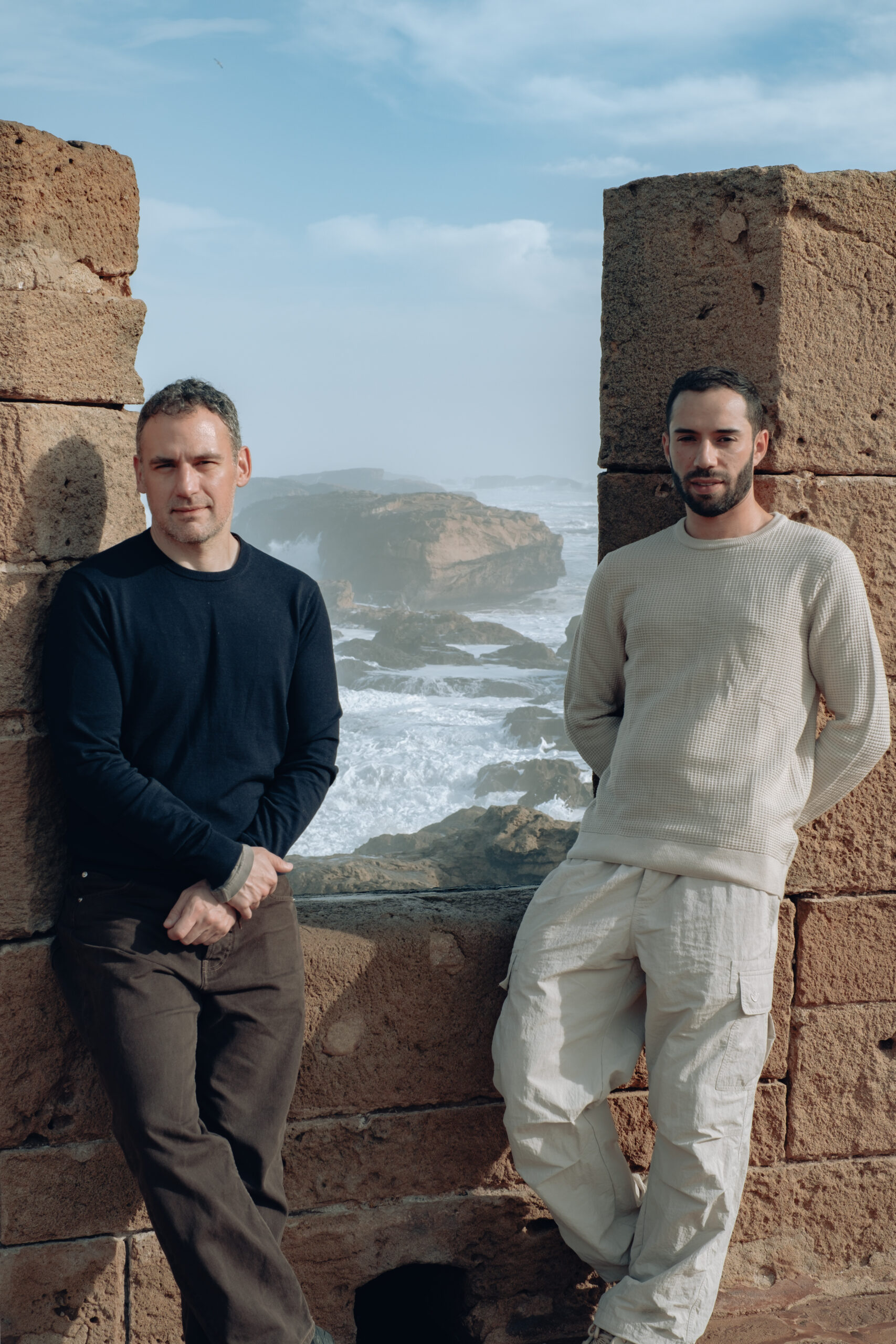
Samy Ghiyati and Nicolas Nahab, Paris
As Paris becomes an increasingly buzzy contemporary art hub, it only makes sense that the city’s collectors—who have notoriously resisted working with advisors—would warm to the idea. The Paris-based advisory NG Partners, founded by Samy Ghiyati and Nicolas Nahab just last year, already has around a dozen clients, mostly based in Europe and the Middle East. The duo brings an international outlook and experience at galleries known for sophisticated taste (Marian Goodman, David Zwirner, Kamel Mennour, and Yvon Lambert). One perk of hiring NG? One of the team’s favorite things is to put together “highly-tailored itineraries around biennials, art fairs, and institutional openings.” –Julia Halperin
What is the biggest mistake rookie collectors make?
The first acquisition is formative and shapes one’s confidence and long-term vision. The most common mistake is to start collecting reactively—following market noise or peer pressure rather than personal conviction. Even as taste evolves, works acquired through genuine resonance remain anchors in a collector’s story.
What art-world trend would you like to see come to an end?
We would welcome a shift away from practices that rely too heavily on recycling established historical references without meaningfully engaging with the conditions of the present—or anticipating the future. More than ever, technology and information are available to push the boundaries of art.
Where do you look to find undervalued gems?
We spend significant time with curators, institutional leaders and collectors from diverse regions and backgrounds, exchanging perspectives and field impressions. Discovery is our driving force.
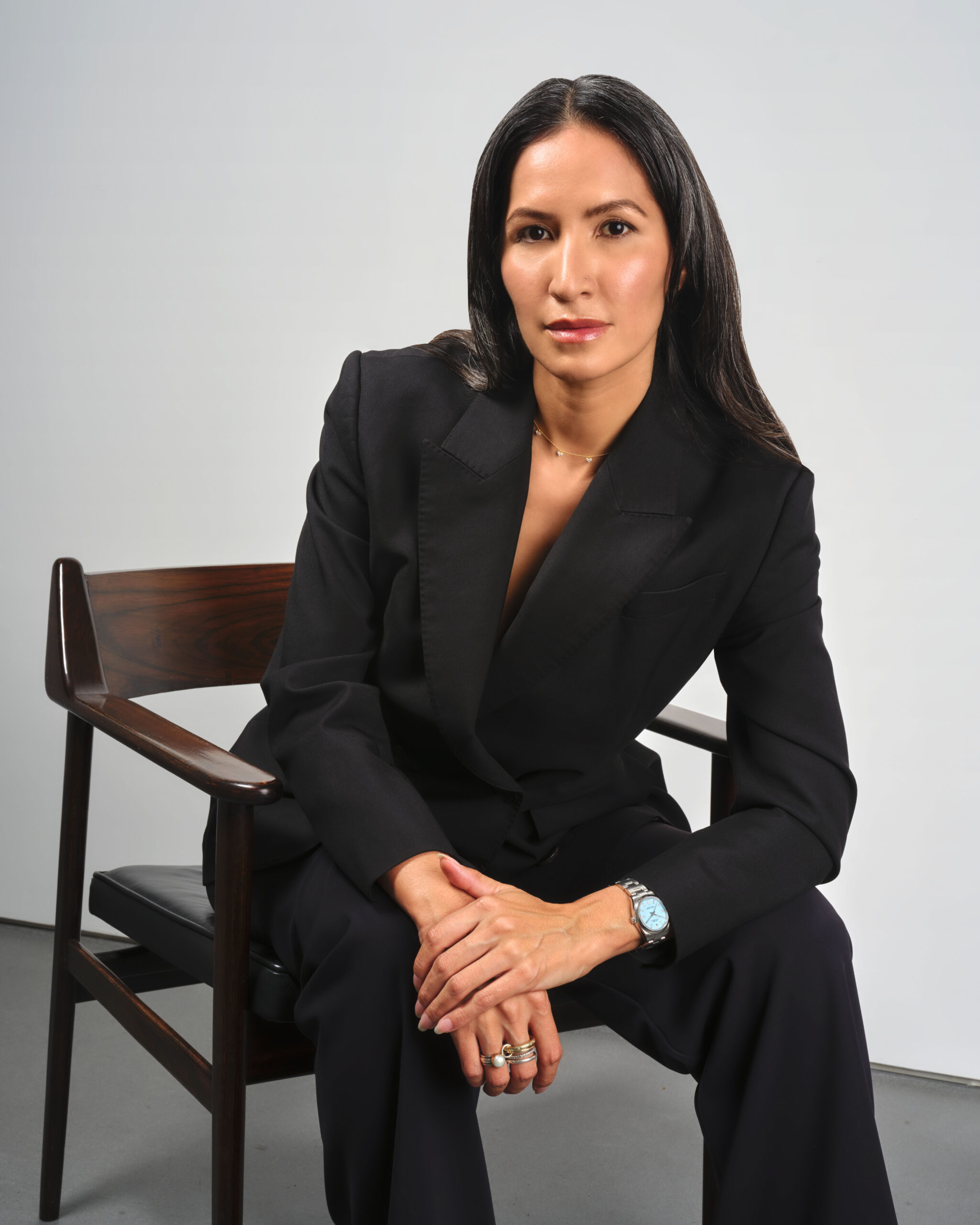
Nancy Gamboa, Los Angeles
Nancy Gamboa works with clients whose interests span the ancient to the contemporary, notable among them veteran Los Angeles collector Jarl Mohn. Collaboratively, they built the collection of emerging and underrepresented artists that became MAC3, Mohn’s donation of more than 300 works to LACMA, MOCA Los Angeles, and the Hammer. Gamboa, who has operated her independent advisory since 2014, discovered her career path working at the Hammer gift shop while majoring in political science at UCLA. The exposure to art books, exhibitions, and MFA students was life-changing, she says: “It was a door that just kept opening, and I kept walking through.” –Janelle Zara
What is the biggest mistake rookie collectors make?
Following the pack or basing decisions on what others may be buying for themselves. Early on, it’s important for collectors to hone in on which works resonate with them. Taking the time to discover a direction that feels authentic is an invaluable part of building a focused collection.
What is the wisest thing a collector can do in a down market?
When most people are looking left, I guide my clients to look right—especially toward opportunities that often slip through the cracks. Through constant research, I alert my clients to in-demand works that become more accessible, recommend relevant artworks that may appear at auction in less competitive climates, as well as privately held works on the secondary market that give me greater flexibility to negotiate on my clients’ behalf. These strategies come from working closely with an art advisor who understands both the market and the collector’s vision.
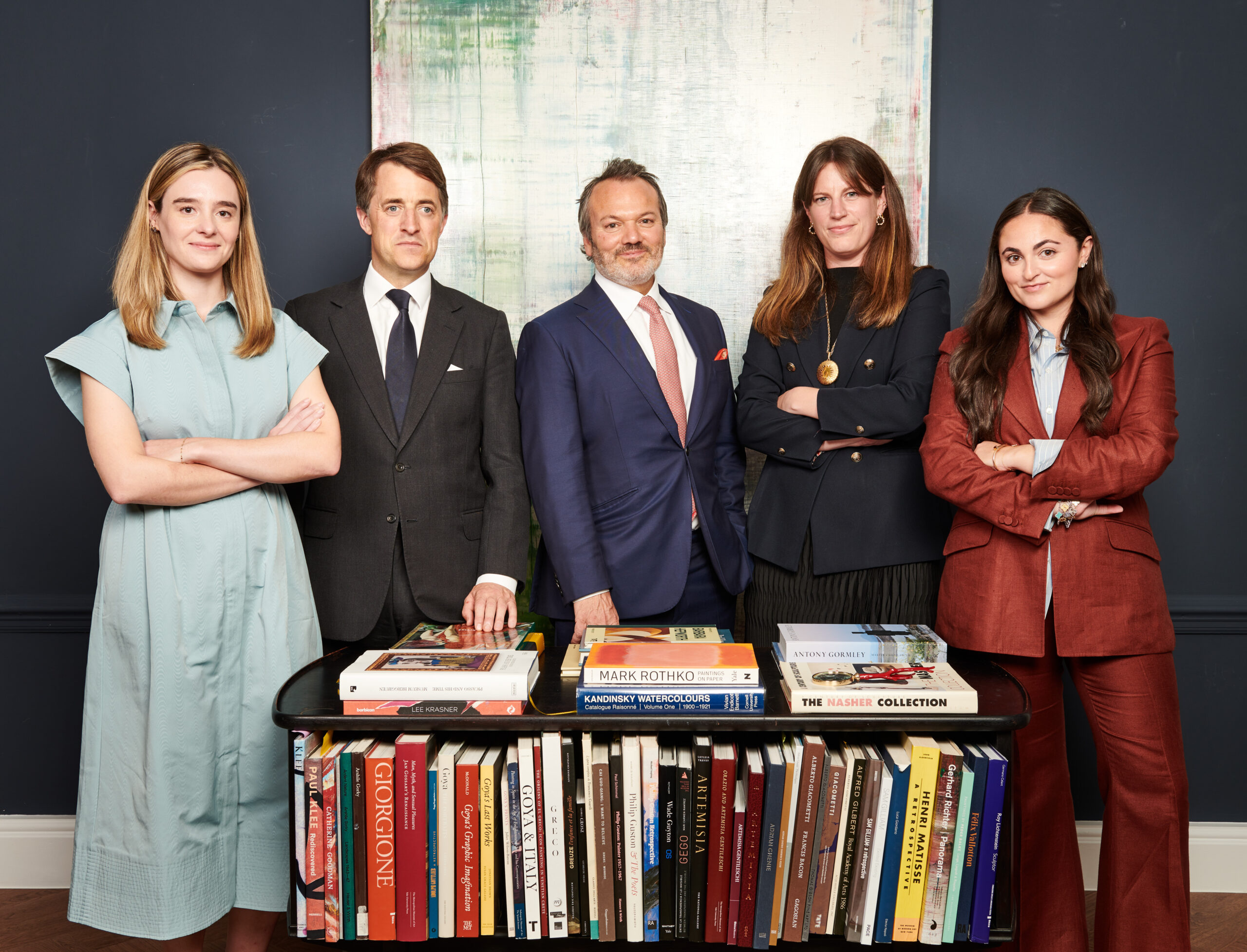
Beaumont Nathan, New York and London
Art advisors specializing in historic material are harder to find than those focused on contemporary art. That’s what makes Beaumont Nathan, led by Wentworth Beaumont and Hugo Nathan, stand out. Before establishing the firm in 2014, the two worked as directors at the Old Masters specialist Dickinson gallery. They now lead a team of 13; Olivier Berggruen serves as curatorial advisor, and financial services guru Hugo van Vredenburch is on the firm’s board. The group advises new and established collectors with a focus on the U.S., U.K., Europe, and Middle East. Past clients include HPS Investment Partners. –Brian Boucher
What is the biggest mistake rookie collectors make?
Collectors often begin their journey with emerging artists. However, we also encourage them to consider undervalued areas by more established artists. These works tend to hold their value over time and can become anchors for the rest of the collection.
How do you determine if a work of art is worth the investment?
The art market doesn’t move in a straight line and the frictional costs can be surprisingly prohibitive, so we generally don’t view art as an efficient or reliable investment vehicle. That said, the vast sums commanded by some artists require informed decision-making and a clear thesis. It helps having great taste too, which never goes out of style.
What is the wisest thing a collector can do in a down market?
The market often emerges from a downturn looking different from how it did before. Particularly with family collections built over generations, it is wise to use these moments to reassess the collection from both a curatorial and commercial perspective.
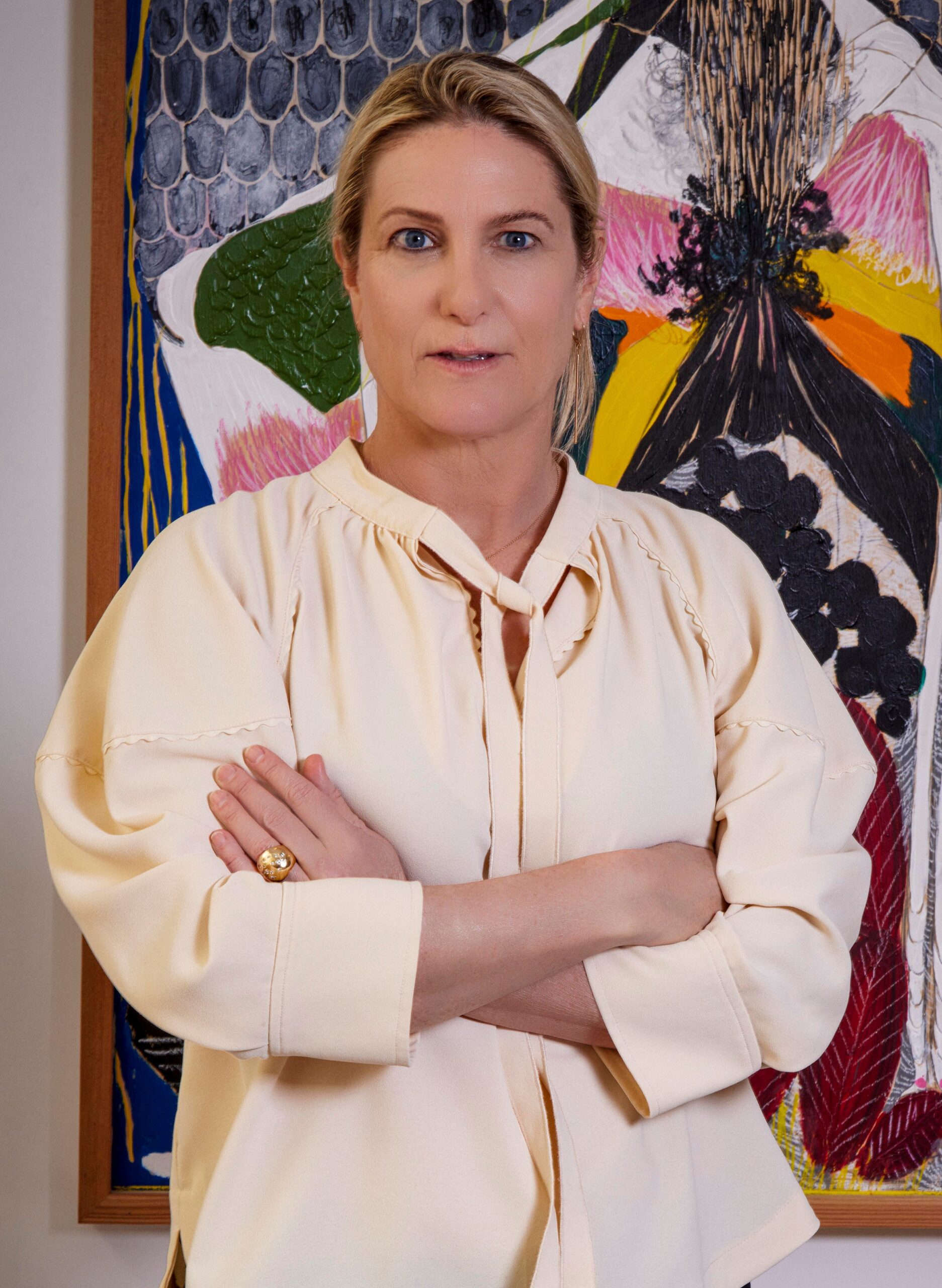
Candace Worth, New York
Candace Worth fell into advising by accident. After graduate school, she started pairing up two sets of friends: businesspeople and emerging artists. At some point, someone inquired about her fee for helping facilitate a sale. “I liked having my foot in each of those worlds,” Worth says. “And it is still the core of what I do today.” Twenty-five years later, Worth has steadily grown her business—enough for her to forgo deals that don’t meet her bottom line—while maintaining that soft spot for young creatives. She also runs a residency program in the Hudson Valley dedicated to young talent (Simone Leigh was one of her first guests). –Melissa Smith
What is the biggest mistake rookie collectors make?
I would apply my answer to both rookie and seasoned collectors. Across the board, art is expensive and risky, no matter the budget or timing in the market. No expert or chart can accurately predict the future.
What unexpected art destination are you most excited to visit before the end of 2026?
I would like to get to São Paulo this year for studio and gallery visits, as well as a side trip to Inhotim, the massive outdoor sculpture park and botanical garden.
What is the wisest thing a collector can do in a down market?
Continue to focus on the artists that interest you, regardless of where the market is. A down market means more opportunity to connect with artists and galleries and to spend time at museum shows. It’s also a good time to assess your insurance needs and update databases.
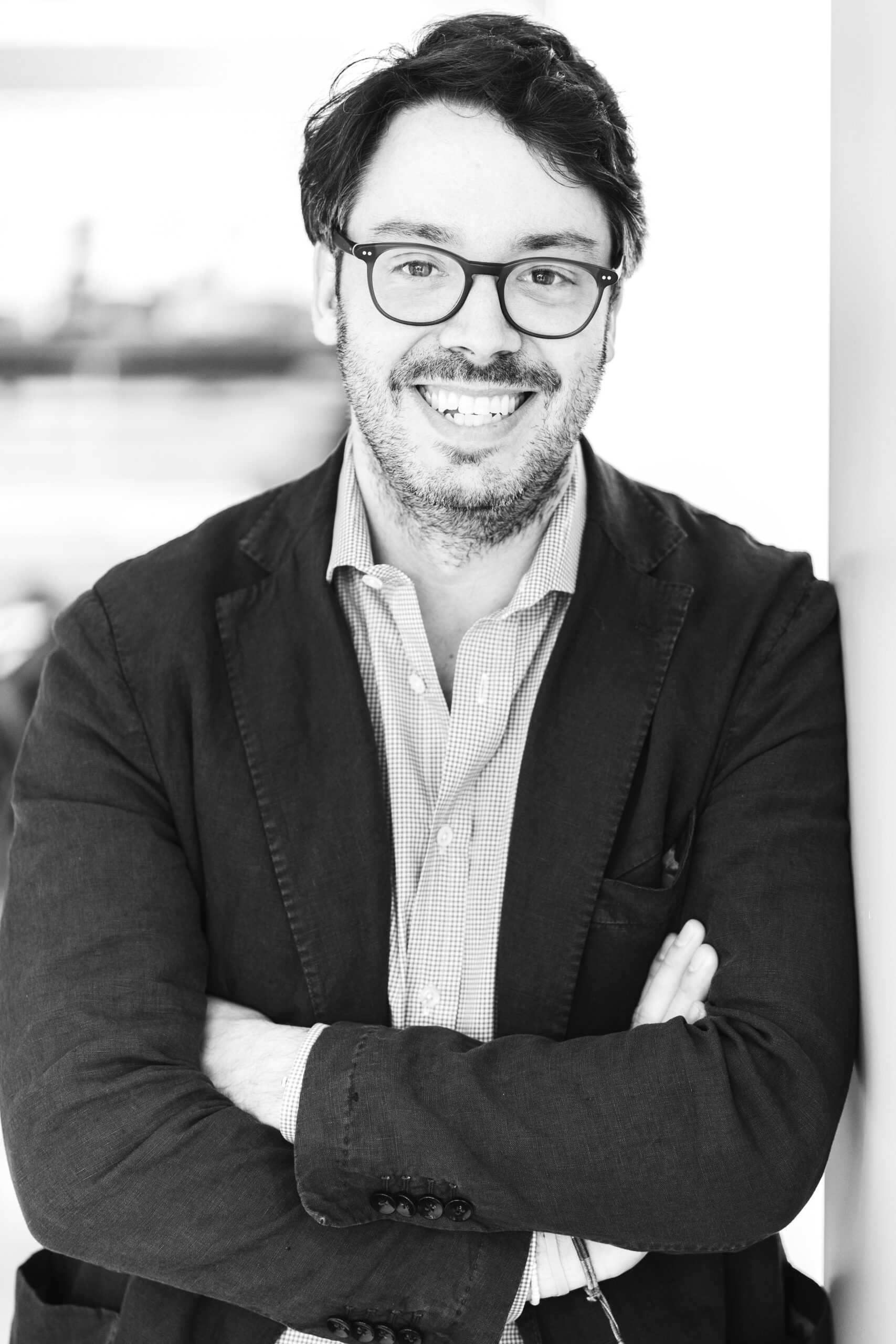
Alex Glauber, New York
When Alex Glauber collects art, he doesn’t need it to be pretty. Difficult to understand? That’s right in his wheelhouse—and also informs his approach to advising. “Looking for things that you can visually or intellectually understand and rationalize; oftentimes, those are the artworks that can end up being a bit hollow to live with,” he says. His stint in corporate collecting—he was a curator for the Lehman Brothers and Neuberger Berman art collections from 2006 to 2009—helped him learn how to blend disparate elements into a cohesive, visual story. He may also be the only art advisor who previously worked as a cheesemonger. Now, he serves as president of the Association of Professional Art Advisors, which seeks to uphold high standards for a field that does not require a license or degree to enter. –Melissa Smith
What is the biggest mistake rookie collectors make?
When you start collecting, the learning curve is steep in terms of understanding your taste. If new collectors make impulsive purchases before educating themselves and defining what moves them visually and intellectually, it’s easy to view those early acquisitions as vapid or uninspiring in hindsight.
What art-world trend would you like to see come to an end?
The conflation of price with value. I feel strongly that when collectors understand the mechanics and idiosyncrasies of the market, they make more informed decisions. Price is literal; value is subjective. I’d like to see more conversations about what an artwork means to an individual rather than to the market.
Where do you look to find undervalued gems?
In unrecognized art historical antecedents and emerging practices that challenge my assumptions about what art can be and should look like.
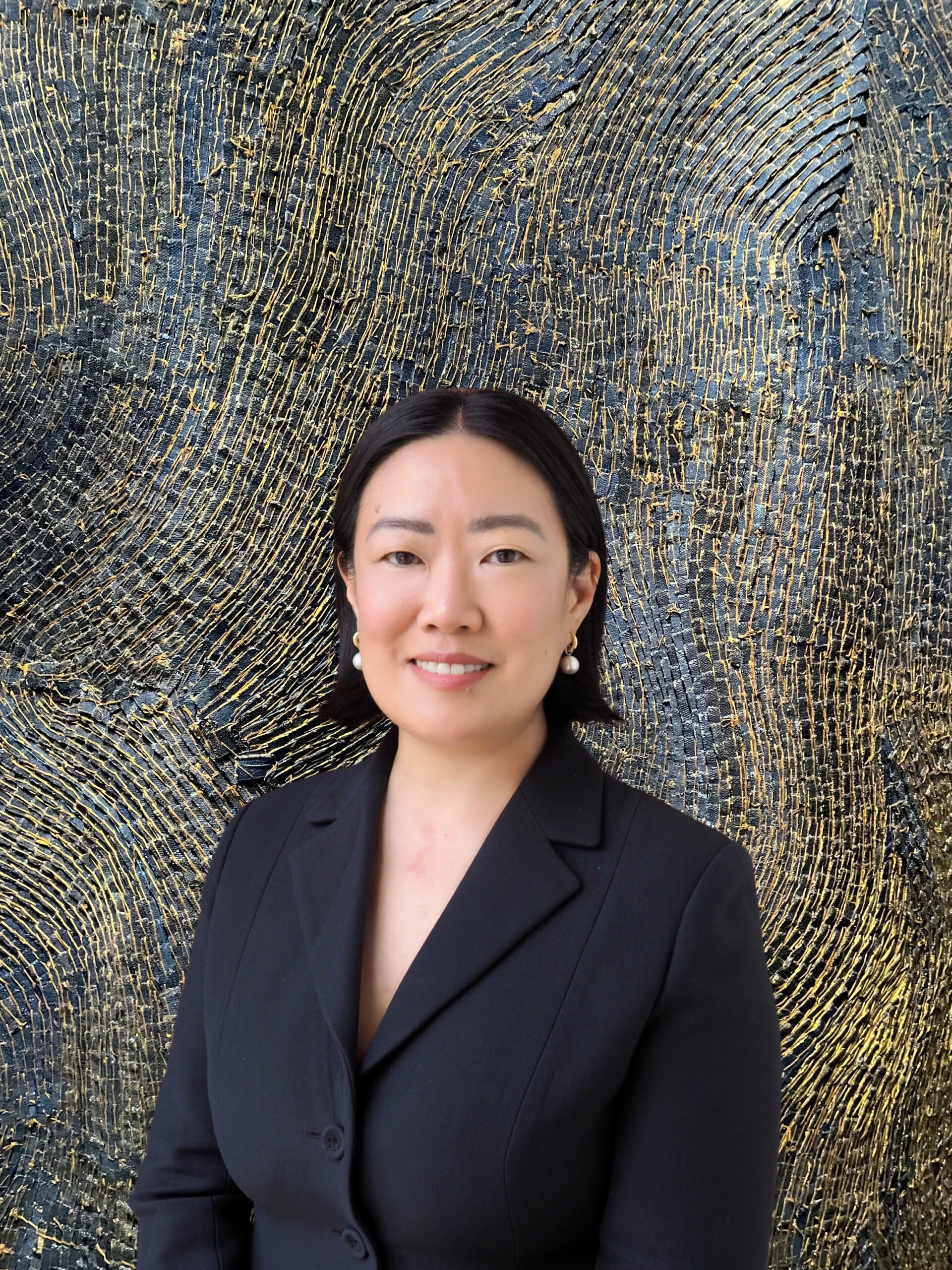
Donna Chu, Los Angeles
Before striking out on her own, Donna Chu had a successful run working at galleries (first Perry Rubenstein and David Zwirner in New York, then Regen Projects and David Kordansky in her native LA). She briefly considered opening a restaurant until a few devoted clients persuaded her to stay in the art world. Since incorporating in 2018, Chu has since helped to build East West Bank’s collection and recently joined the board of the California African American Museum. In LA, her clients are mainly interested in supporting BIPOC artists, “something I’m really proud of,” she says. –Janelle Zara
What is the biggest mistake rookie collectors make?
If you think that you can make money out of this, it’s not the way to start.
Which artists or exhibitions are you most excited about right now?
I’m excited for the Walker Art Center, Minneapolis to host the next leg of the fantastic Suzanne Jackson retrospective. Betye Saar will turn 100 during her next show at Roberts Projects. And I’m extremely excited to see Rose Salane, Gala Porras-Kim, Guadalupe Rosales and Lotus L. Kang at the Venice Biennale.
Where do you look to find undervalued gems?
Biennials. I also take the time to meet galleries I am not familiar or close with at art fairs, which is a great and efficient way to learn about different regions and artists around the world.
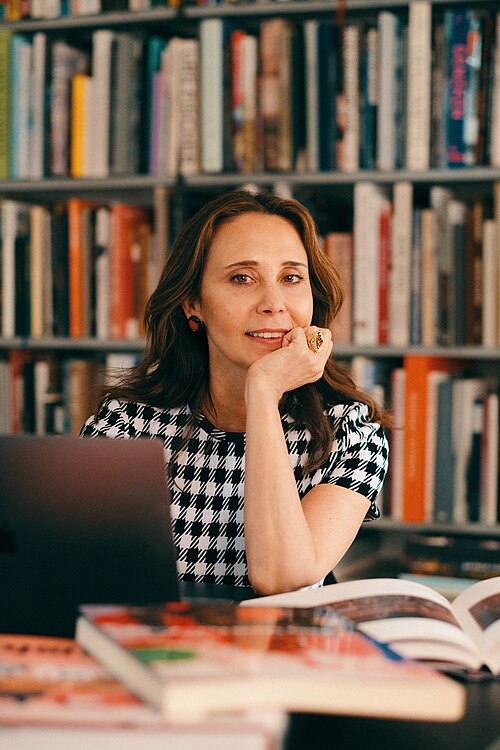
Emily Tsingou, London
After studies at the Courtauld Institute and City St. George’s, University of London, Emily Tsingou ran an eponymous London gallery from 1997 to 2007, giving solo debuts in the city to artists including Gregory Crewdson and Karen Kilimnik. Focusing on contemporary art, she has advised Bobby Arora, whose holdings include Francis Bacon, Pablo Picasso, and Gerhard Richter, and Harry and Lana David on their collection of African and African diaspora art, featuring artists like Lynette Yiadom-Boakye, Theaster Gates, and Rashid Johnson. She’s also written for Frieze and Flash Art International. –Brian Boucher
Which artists are you most excited about right now?
The exceptional and highly talented Jenny Saville, who completed a marathon retrospective year of museum shows from Albertina to the National Portrait Gallery, and the Modern Art Museum of Fort Worth. This year in Venice she shows more work, including previously unseen paintings at Ca’ Pesaro.
What art-world trend would you like to see come to an end?
Immersive experiences: mixed media installations that blur lines between art and audience.
What is the wisest thing a collector can do in a down market?
Buy.
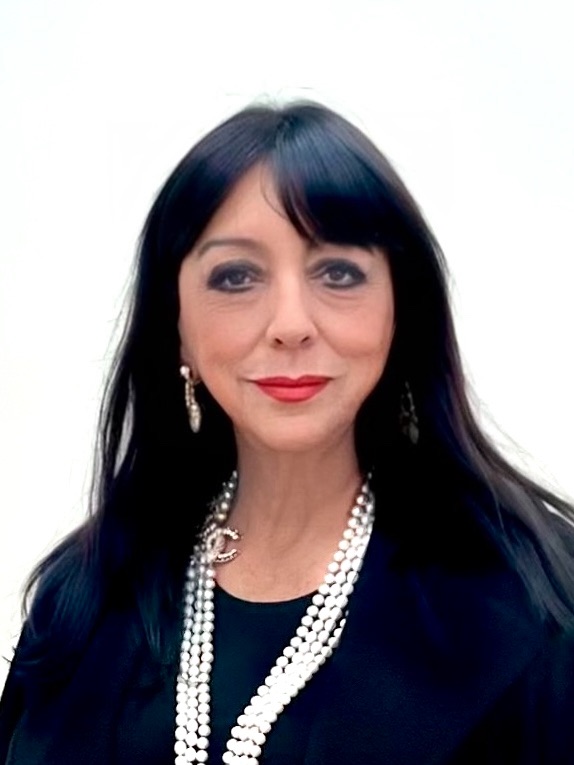
Esthella Provas, Los Angeles
Provas’s claim to fame is advising fruit juice heir Eugenio López to build Mexico City’s Jumex Collection, one of Latin America’s largest private contemporary art museums. For the Getty’s Pacific Standard Time: LA/LA initiative in 2017, she co-curated a show of Mexican artists at Kohn Gallery and has organized presentations at Los Angeles’s OMR gallery and Tokyo’s Kotaro Nukaga gallery. “My specialty is to build passion and curiosity in my clients to be courageous and to develop their own taste, as I believe that collecting is a personal journey,” says Provas. –Brian Boucher
What unexpected art destination are you most excited to visit before the end of 2026?
I look forward to visiting the Venice Biennale to experience Koyo Kouoh’s curatorial vision firsthand and to pay homage to her legacy.
Where do you look to find undervalued gems?
At day auctions, you will find classic contemporary art for a fraction of what they would sell for in galleries.
What is the wisest thing a collector can do in a down market?
Find those pieces you always wanted to buy but could not afford.
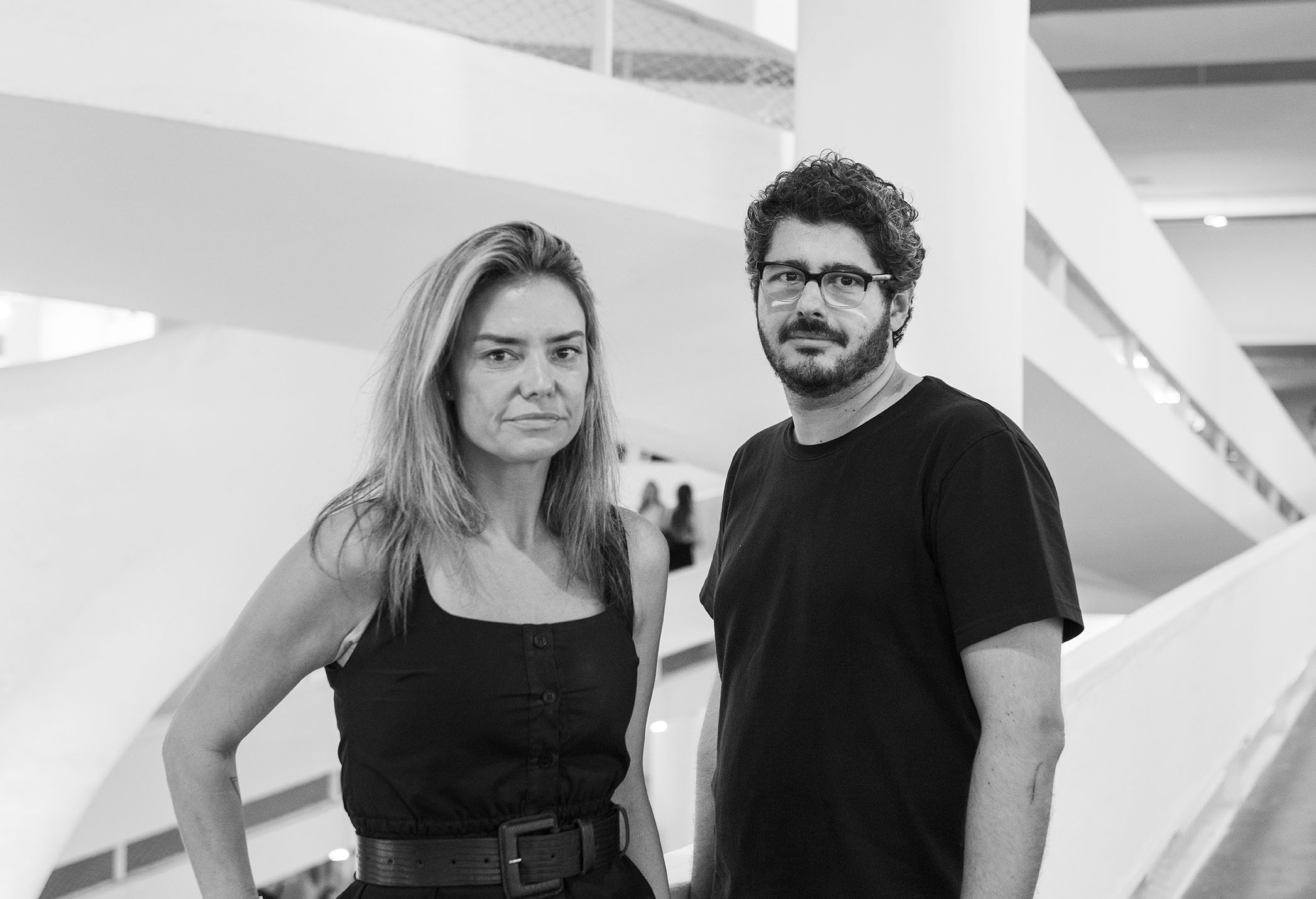
Art_Ahead, New York and São Paolo
Established in 2017 and focused on contemporary art, Art_Ahead brings together a former lawyer (Felipe Melo, who’s on the road eight months a year) and an economist with gallery experience (Julia Suslick, holding down the fort in Brazil). They don’t name their clients, who are young professionals and entrepreneurs in the U.S., Brazil, and Europe; they will say they have only about 10 active clients at any one time. One accomplishment they’re proud of is helping Brazilian collectors to broaden their focus to international art. Just don’t go to them looking for investment vehicles. “We don’t take flippers,” says Melo. –Brian Boucher
What is the biggest mistake rookie collectors make?
Buying only for the appreciation of the image, without any sort of research, is a very common mistake! A deeper understanding of the artist and their career will help on a more assertive acquisition.
What is the wisest thing a collector can do in a down market?
It feels like a good moment to enhance a collection with works that are usually harder to get or to understand new possibilities to the narrative that you want to create in your collection.
Which artists are you most excited about right now?
We are very enthusiastic about young American artist Olivia van Kuiken, represented by Matthew Brown Gallery. She had a beautiful solo show at the gallery in New York that had strong interest from important collectors. We are also excited for Agrade Camíz, a Brazilian artist based in Rio de Janeiro, who explores subjects related to the female body and will be featured at the Unlimited section at Art Basel with A Gentil Carioca. She had an important presentation of large-scale paintings at the Grand Palais in Paris in 2025.
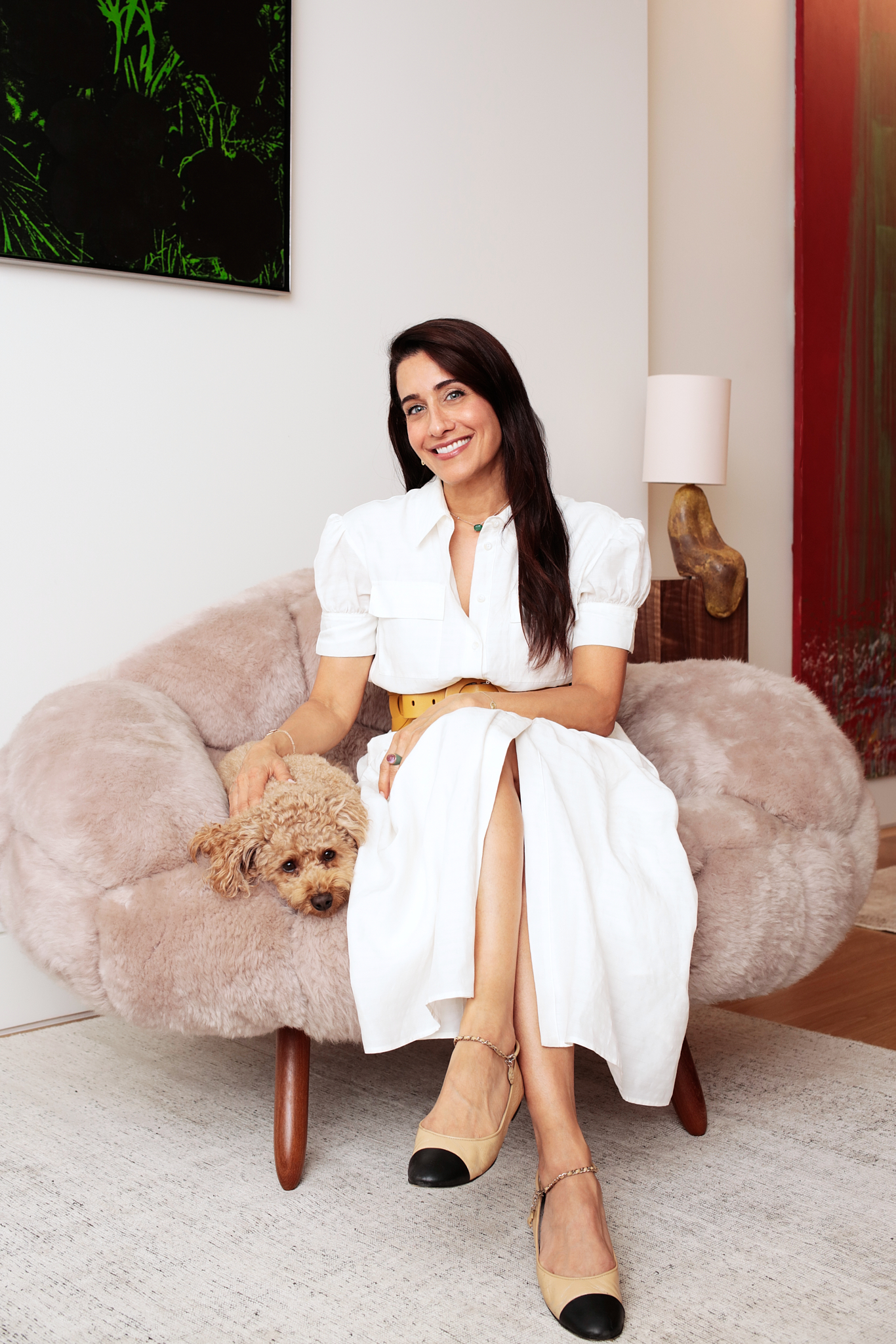
Aileen Agopian, New York
Before launching her advisory in 2016, Agopian cut her teeth in the auction and gallery worlds, with senior roles at Sotheby’s and Phillips New York, as well as at White Cube in London. Notably, she also led contemporary art auctions at Sotheby’s in Doha—a region back in the headlines with this year’s debut of Art Basel Qatar (not to mention the current war in the Middle East). Specializing in postwar and contemporary art, Agopian works with private, corporate, estate, and nonprofit clients, principally on the U.S. coasts, but also throughout the country and in the U.K. Among them are Christy and John Mack (he’s a former Morgan Stanley CEO) and Cathy and Peter Halstead, who founded Montana’s Tippet Rise Art Center, which hosts contemporary monumental sculpture on a 12,500-acre ranch. –Brian Boucher
What is the wisest thing a collector can do in a down market?
Don’t be discouraged by the market’s mood! With less competition, a slower pace, and softened prices, you gain the gift of time to be selective, strategic, and thoughtful. Galleries absolutely take note of collectors who remain engaged. Consistency matters. And paying promptly? That’s the gift that keeps on giving.
What unexpected art destination are you most excited to visit?
Of course, I’m unabashedly biased: Tippet Rise. There’s something incredibly magical about the experience: hiking (or hopping on a van tour) to discover monumental outdoor sculptures or attending one of the many concerts or poetry readings. The recent additions by Alicja Kwade, Louise Nevelson, Ursula von Rydingsvard, and Richard Serra make it even more extraordinary.
What art-world trend would you like to see come to an end?
Galleries pushing museum placements through “buy one, give one.” I fully support donations to museums and have advised on several such gifts when they are led by curatorial interest. But it would be refreshing to see more acquisitions driven by a curator’s vision, rather than as a market mechanism.
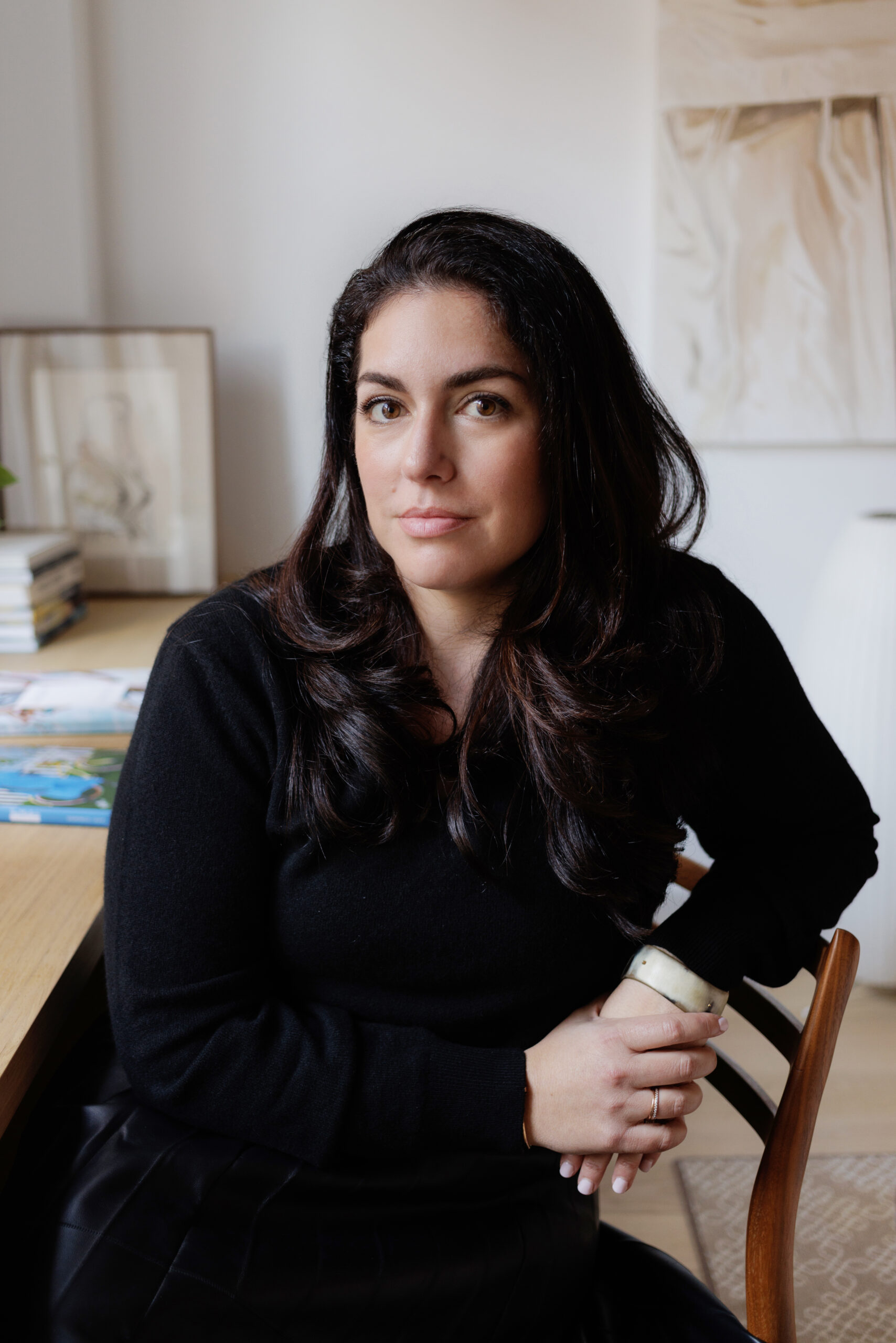
Anne Bruder, New York
Bruder graduated college thinking she’d pursue a more practical part of the culture industry, like art law. But after the 2008 financial crisis, when not much seemed practical anymore, she took her chances, soon landing an internship with legendary gallerist Angela Westwater. She started her advisory in 2017 after three years of training under fellow 2026 Power Advisor Candace Worth. These days, her clients hail from New York, Dallas, Los Angeles and South Florida and range from multi-generational collectors to the head of the board at Dallas Contemporary. –Melissa Smith
What is the biggest mistake rookie collectors make?
Merely following trends instead of educating themselves. The best thing a new collector can do is look as much as time allows: get to know galleries and artists, build relationships, talk to other collectors, hire an advisor, join a museum committee. Don’t just do what your friends are doing—you’re the one who has to live with the art.
What art-world trend would you like to see come to an end?
“Buy one, give one.” While I understand that the galleries use this tactic in order to place highly sought-after artists when there is so little supply and so much demand, it ultimately does a disservice to both artists and collectors. This feels like a forced process, which sometimes even undermines the role of the institution.
What is the wisest thing a collector can do in a down market?
Support your galleries and buy primary market, which directly supports the artist. The galleries need you more than ever and they will remember your support during a booming market.
Rachel Greene, Seattle
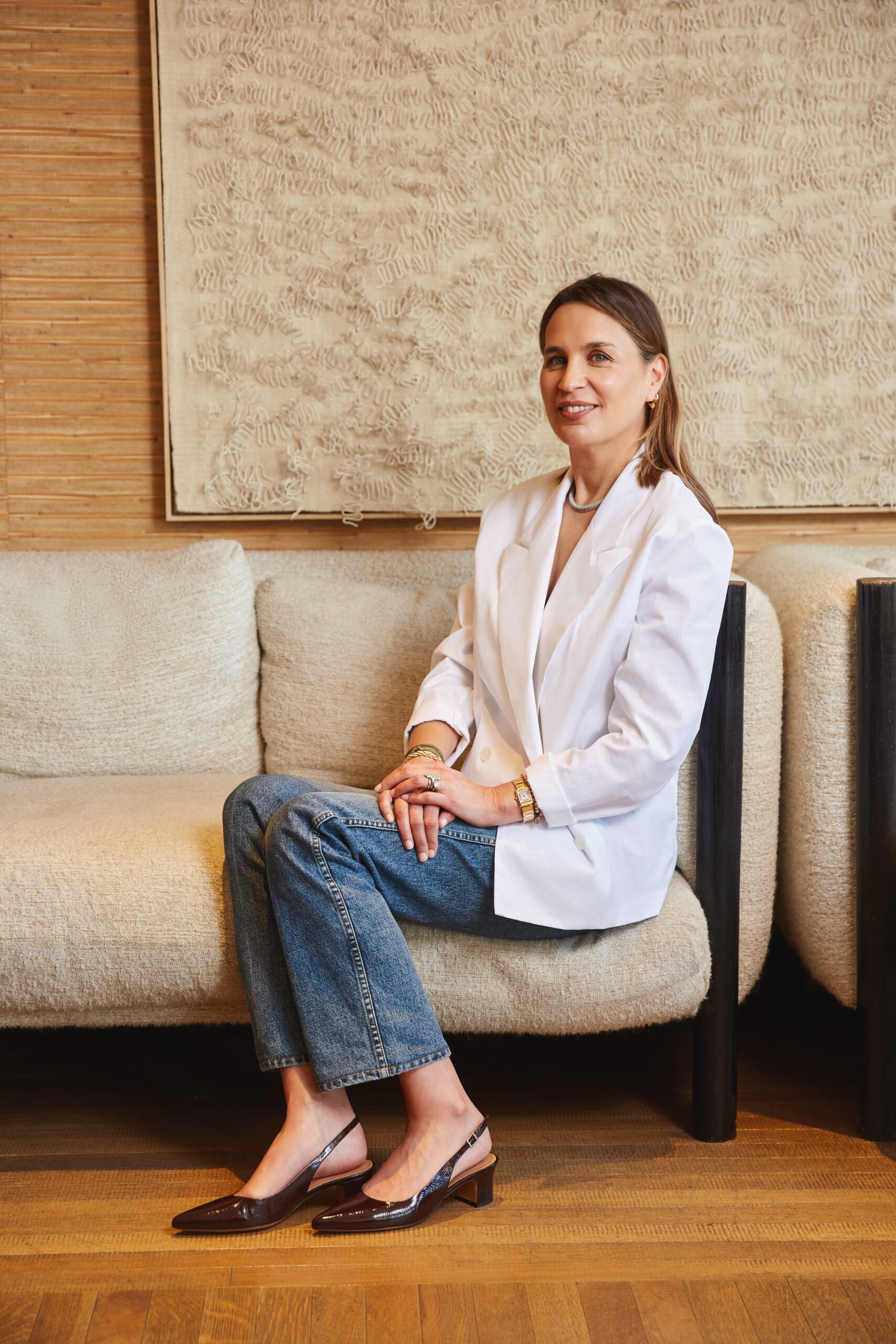
Twenty or so years ago, a college friend turned to Rachel Greene and said, “I’m tired of buying shoes at Barneys. Can we look at prints by [Helen] Frankenthaler?” That moment, Greene says, marked her transition from writer and curator of new media art to advisor—with that friend, the actor Amanda Peet, signing on as her first client. Art & Advisory officially launched a few years later; Greene rebranded it as Art & Advisory WEST after relocating in 2013 to Seattle, where the locals tend to think outside of the proverbial box about collecting. Less hunting for blue chips; more finding art about things they enjoy, like nature. –Melissa Smith
What is the biggest mistake rookie collectors make?
Overvaluing Instagram, undervaluing education and expertise. Or thinking that an art advisor is just a “middleman.” Anyone can access market data about art—and (awesome) apps like Arthur make it easy to look up repeat sales of various works even—but there is much more nuance behind public records.
Which artists are you most excited about right now?
Today… Warhol. There’s always so much to learn. I would also say that I have been lucky to place a number of Lisa Yuskavage paintings during my career, and her most recent show at Zwirner in Los Angeles completely blew my mind. I can still remember how my body and brain felt walking in front of them.
What is the wisest thing a collector can do in a down market?
No one needs to buy art. Restraint is a virtue. But I find that no matter what, some clients are committed to certain artists, or themes. For example, I have a client who owns many Yuskavage paintings. Even as the artist’s market has marched upwards, he has been so enriched by her work, in every way, that we would never turn away an opportunity to buy what she is painting.
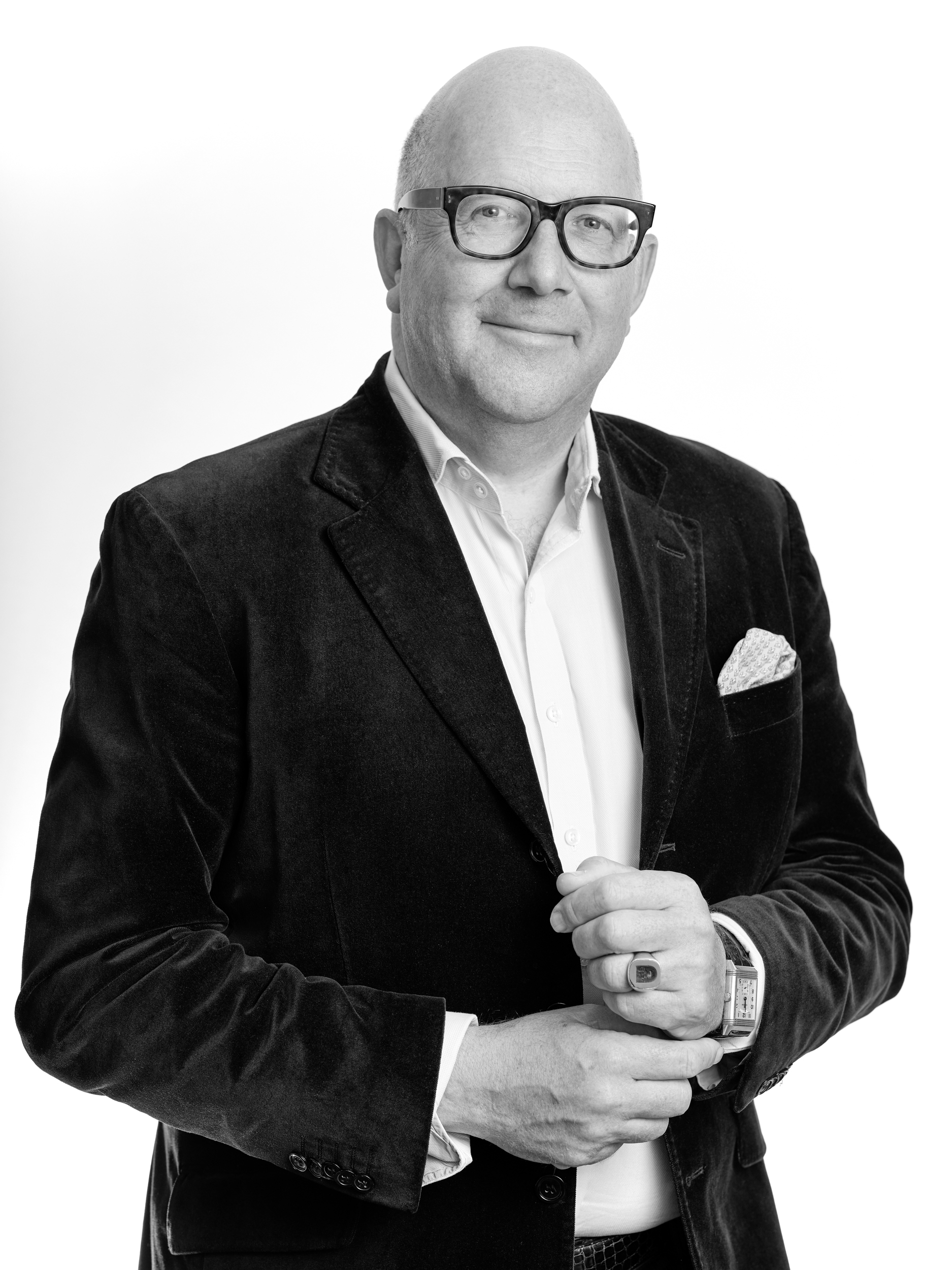
Philip Hoffman, London
In the late ’90s, Philip Hoffman was tasked by his accounting firm with making Christie’s profitable again. During that process, he fell in love with the art world. “I loved the people, I loved the opportunity,” he said, “and I learned how people could price art from $1,000 to $50 million.” After rising to the position of CFO, Hoffman left in 2001 to launch the Fine Art Group, using that valuation know-how to steer clients from “sheiks and kings to billionaires” towards investing in the bluest of blue-chip art. (A typical price point? “From a quarter of a million dollars, upwards.”) Differentiating between a $1 million Monet and a $10 million Monet isn’t easy. “If you ask the biggest collectors in New York, London, Paris, or Hong Kong which one is 10 and which is one,” he says, “90 percent of them will get it wrong.” –Melissa Smith
What is the biggest mistake rookie collectors make?
They think that getting something they like at a discount is a bargain. The discount is irresistible, and then they find that they bought absolute garbage. You know what we are notorious for? Stopping our clients from buying 90 percent of everything they are offered.
Which artists are you most excited about right now?
I think that one of the most underrated British artists is Frank Auerbach; that’s an artist that I see being five times the price of what it is today.
What is the wisest thing a collector can do in a down market?
It’s the best time to buy art. But buy great art with a fabulous advisor. And that’s not bullshit; that’s not marketing—trust me, it pays off. The best collectors have used great advisors, and they’ve made a fortune.
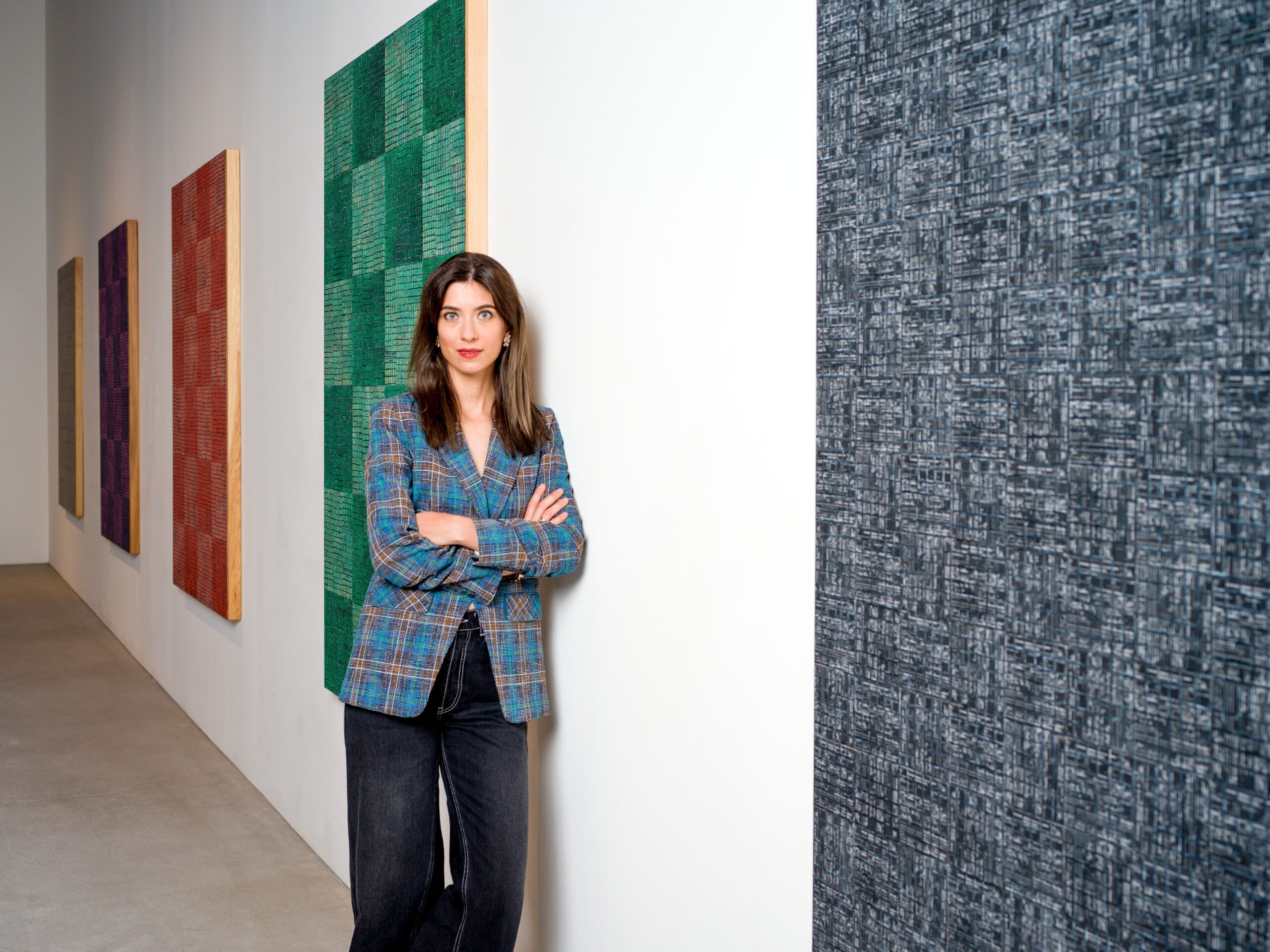
Laura Lester, Chicago
In 2020, Lester decided to ride out the pandemic in her hometown of Chicago. Once she got there, she found enough eager-to-collect locals that she decided to stay and launch her own advisory business. With 20 years of experience working in New York—as a gallerist at Gagosian and Kasmin and a specialist at Christie’s—Lester is now eager to build up the next generation of collectors in Chicago and the greater Midwest. “I think that there is this incredible old guard of collectors here,” she says. “But who is going to take up that mantle next?” Hopefully, her clients. –Melissa Smith
What is the biggest mistake rookie collectors make?
Second-guessing themselves. Collecting is a leap of faith—you must charge in with conviction and follow your eye (and heart!)
How do you determine if a work of art is worth the investment?
When my client is collecting above six figures, I want to make sure that the market history is there to support the artist’s prices: public auction results, the support of a reputable dealer, and a history of strong output. Collecting emerging art is inherently more speculative, but as long as the asking price is in line with the stage that the artist is at in their career, there is great importance, as well as joy and excitement, in taking a risk on an artist early on.
What is the wisest thing a collector can do in a down market?
Take advantage of less competition for in-demand artists! I just experienced this in early 2025—suddenly, waiting lists shortened dramatically, and I was able to find work for clients that we had been pursuing for years. The market always swings back the other way, so you need to be ready to pounce when opportunity arises.
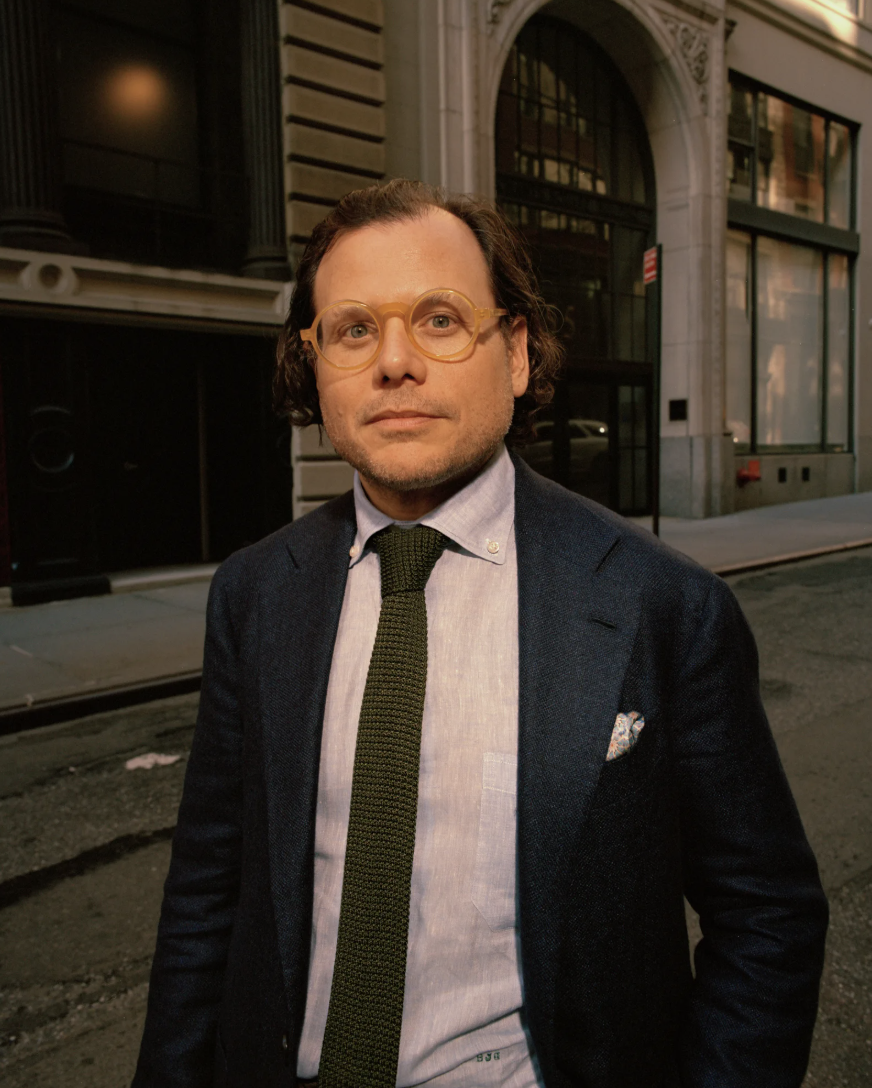
Benjamin Godsill, New York
Godsill is an art-worlder through and through: After working as a curator at the New Museum, he moved to Phillips before ultimately landing in advising (while periodically curating gallery shows and co-hosting Nota Bene, a weekly art podcast with Vanity Fair columnist Nate Freeman). Why advising? Because, Godsill says, he wanted to work on behalf of people, not places. That isn’t to say he is anti-institution: He helped establish the Warehouse Dallas Art Foundation in 2023, a collaboration between his clients Thomas and Nasiba Hartland-Mackie and old-school Dallas collector Howard Rachofsky. Godsill’s 11-year-old advisory, Curatorial Services, assembles post-war and contemporary collections for people who, he says, “understand that living with and buying art can fundamentally change who they are.” –Melissa Smith
What is the biggest mistake rookie collectors make?
Not listening to their heart or a good advisor who is looking out for the long term.
What unexpected art destination are you most excited to visit before the end of 2026?
I’m not sure how unexpected it is but I am excited to visit one of the most beautiful hotels in the world, Château La Coste in Provence, France, to see the exhibition “Rashid Johnson, Sheree Hovsepian and Friends.” Friends are a beautiful thing.
What art-world trend would you like to see come to an end?
PDFs without prices.
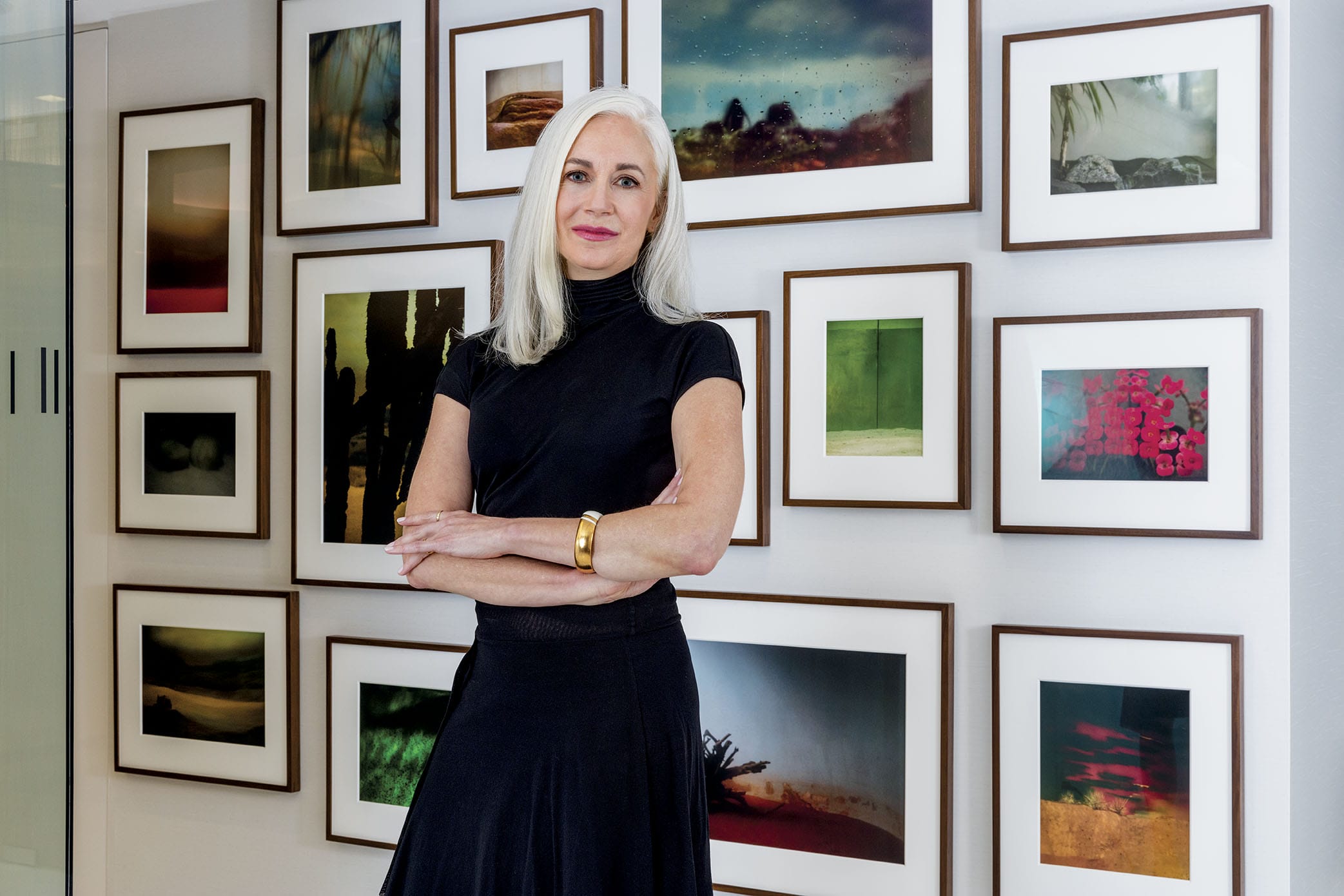
Mary Rozell, New York
Mary Rozell has always been a strategic thinker. After studying art in Egypt and Paris, she decided to get a law degree at a time when not many people talked openly about art as a business. Later, she helped fill that gap, running the Art Business master’s program at Sotheby’s Institute of Art. Now the head of the art collection at UBS Art Collection—which includes over 30,000 objects amassed from various corporate mergers—she uses her negotiating acumen and connoisseurship to manage many different constituencies. “You are serving the company and its brand, as well as the employees,” she stated, “At the same time, the art is for the clients and, to a certain extent, the public. It all has to work.” –Melissa Smith
Where do you look to find undervalued gems?
I have found some real gems at regional auction houses both in the U.S. and abroad. I always like seeing what Swann Galleries has to offer, and I enjoy scouring flea markets for decorative arts. There are still many undervalued works in museums and archives. It’s a matter of a good dealer recognizing the importance and creating a market.
What is the wisest thing a collector can do in a down market?
Find the best works and buy.
Veteran Power Advisors
The art advisory sector changes fast—but long-running power players continue to steer some of the industry’s most influential collectors and negotiate some of the market’s biggest deals. Here are the advisors featured on our inaugural list who made the cut yet again in 2026.
Art Intelligence Global
New York and Hong Kong
From its New York and Hong Kong offices, AIG—founded in 2021 by Sotheby’s veterans Amy Cappellazzo, Yuki Terase, and Adam Chinn (who has since left)—has a special focus on the Asian market and regularly brokers hefty deals with auction houses behind the scenes. AIG also operates a gallery space in Hong Kong.
Eleanor Cayre
New York
Working with modern and contemporary art, Cayre has provided vital support for artists not only through keen talent-spotting for her clients, but also through her own collecting, philanthropy, and curating. In 2023, she teamed up with the writer Dean Kissick to organize the talked-about show “Ugly Painting” at Nahmad Contemporary.
Art-Bureau
Hong Kong, London, and New York
Young collectors and longtime friends Ed Tang and Jonathan Cheung founded Art-Bureau at the end of 2020. Their goal? Help their millennial peers in Asia better navigate the contemporary market. With offices in London, Hong Kong, and New York, the duo specializes in market darlings, naming works by Mark Grotjahn and Jonas Wood as notable placements.
Wendy Cromwell
New York
Advising looked a lot different when Wendy Cromwell joined the field in 2002. These days, the former president of the Association of Professional Art Advisors brings to the table not only a trained eye but a commitment to maintaining the ethics of a business that once was almost entirely upheld by a type of art world honor code.
Meredith Darrow
Los Angeles
In a growing field of up-and-coming advisors in LA, Meredith Darrow cuts a striking figure as a 20-plus-year art veteran. She started her career working in some of New York’s most respected galleries and got her big break as an advisor by building a buzzy contemporary art collection for the late bottling magnate Rosa de la Cruz.
Ralph DeLuca
New York and Las Vegas
Among the well-bred advisors gliding about the art world, straight-talking Ralph DeLuca stands out. Specializing in contemporary art, he works with clients including Hollywood greats like Leonardo DiCaprio and Sylvester Stallone as well as MGM Resorts. He also happens to be the author of CULTURED‘s art market column, Street Smarts.
Goodman Taft
New York and Cambridge, Massachusetts
Abigail Ross Goodman cofounded Goodman Taft in 2010 and now runs it with former gallerists Molly Epstein and Ellen Langan. While collection-building sits at the core of their business, they also push the boundaries of what advisors can do philanthropically by engaging in institutional work and public art initiatives. They recently commissioned four sculptures by Lonnie Holley for Boston’s Central Wharf Park.
Jeanne Greenberg Rohatyn
New York
Jeanne Greenberg Rohatyn is the rare art-world operator who has managed to maintain a gallery business as well as a thriving art advisory. The founder of art and design gallery Salon 94 , Rohatyn works with artists including Ruby Neri, Karon Davis, and Marilyn Minter. As an advisor, her high-profile clients have included Jay-Z and Beyoncé as well as Alex Rodriguez.
Kim Heirston
New York
Before the term “art advisor” had truly entered the lexicon, Kim Heirston began independently advising in 1992, guiding collectors toward such then-emerging artists as Cindy Sherman and Richard Prince. Over the years, she has worked with the likes of real estate titan Aby Rosen and author Salman Rushdie.
Todd Levin
New York
Over the course of more than 35 years, Todd Levin has become one of the highest-profile names in the business, boasting more than $1 billion in transactions with his New York advisory, Levin Art Group. His expertise is broad and thorough, evidenced by the dossiers he compiles for clients ahead of TEFAF Maastricht, which often exceed 100 pages.
Patricia Marshall
Paris
Though Marshall admitted to the FT that when she started advising in 2003, she had “no qualifications whatsoever,” she has advised big fish like LVMH chairman Bernard Arnault, Mexico City fruit juice heir Eugenio López (“He’s my baby, in a way”), and fashion group Zadig & Voltaire.
Anwarii Musa
New York
Anwarii Musa cut his teeth as an entry-level art handler at Sotheby’s—but it didn’t take long for him to develop close relationships with clients who appreciated his keen eye for spotting rising artists like Hugo McCloud, Derek Adams, and Mickalene Thomas before prices for their work shot into the stratosphere.
Schwartzman&
New York
Founded by Allan Schwartzman, who is known for major undertakings like the development of Brazil’s Inhotim, Schwartzman& is larger than most advisories. Expanding beyond typical fare, the firm offers editorial content and strategic planning for artists and museums.
Ana Sokoloff
New York
Ask people in the know to identify a top advisor for Latin American art, and Ana Sokoloff is almost always at the top of the list. As a Latin American specialist at Christie’s, she was instrumental in building markets for figures like Hélio Oiticica and Doris Salcedo.
Rob Teeters
New York and Dallas
Advisor and former architect Rob Teeters has an affinity for challenging work, in both the conceptual and physical sense. In his concurrent role as artistic director of The Power Station, collectors Alden and Janelle Pinnell’s Dallas nonprofit, he once allowed artists Tobias Madison, Emanuel Rossetti, and Stefan Tcherepnin to flood the mezzanine with six inches of water.
Zlot Buell
San Francisco
Here’s one way to create an art-advising power couple: put a 30-plus-year veteran with a deep well of industry contacts together with a Stanford alum with a strong interest in the tech space. That’s Zlot Buell + Associates. They’ve advised on the art programs for sites as disparate as the Dallas Cowboys Stadium and Stanford University.
More of our favorite stories from CULTURED
Legendary Art World Deviant Paul McCarthy on Santa Claus, Trauma, and the Rise of Fascism
Gabby Windey Shares Her Book Recommendations for the Manosphere and Depressed Women Everywhere
15 Collectors Offer Their Best Advice For Getting Started
Bryan Stevenson on What Social Justice Movements Can Learn From March Madness
A Guide to the Real-Life New York Restaurants Where Characters Eat on TV
Sign up for our newsletter here to get these stories direct to your inbox.


 in your life?