
The perfect tome can change one’s understanding of an artistic movement, deepen appreciation for a specific medium, or force a reexamination of representation at-large. To guide a novice on the hunt for age-old wisdom, we asked 10 collectors for the book that changed how they think about the pieces that surround them.
For some, the shift was subtle—a new way of describing presence or intention (that’s Ways of Seeing for Matthew Harris). For others, it was foundational, reframing how they see value, legacy, and even their own role as collectors (that’s Seven Days in the Art World for Paola Creixell). In a world that often prioritizes what’s hanging on the wall, these selections remind us that what’s on the bookshelf can be just as transformative. Now, you’re only a library trip—or a bookstore visit—away from discovering a fresh outlook on the art world’s complexities.
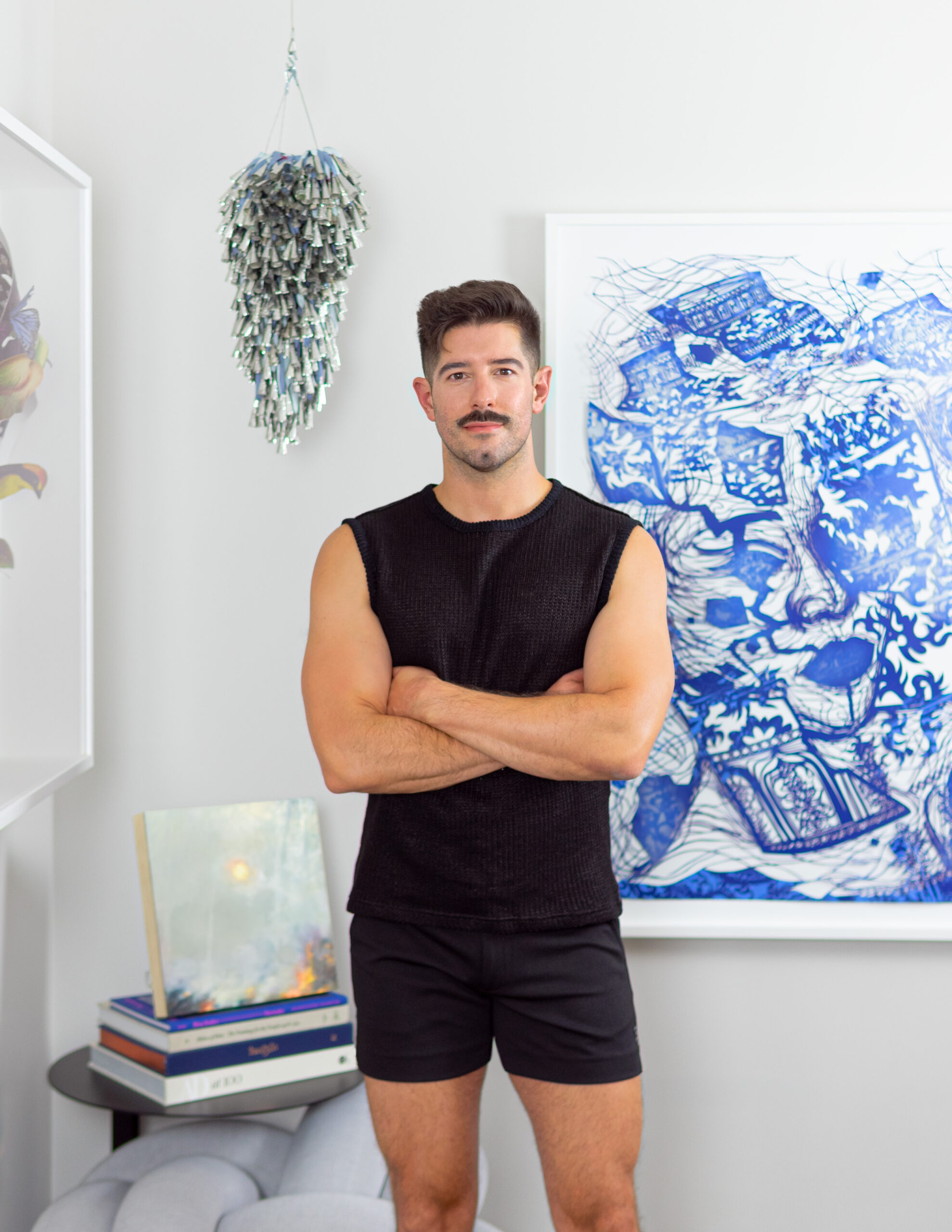
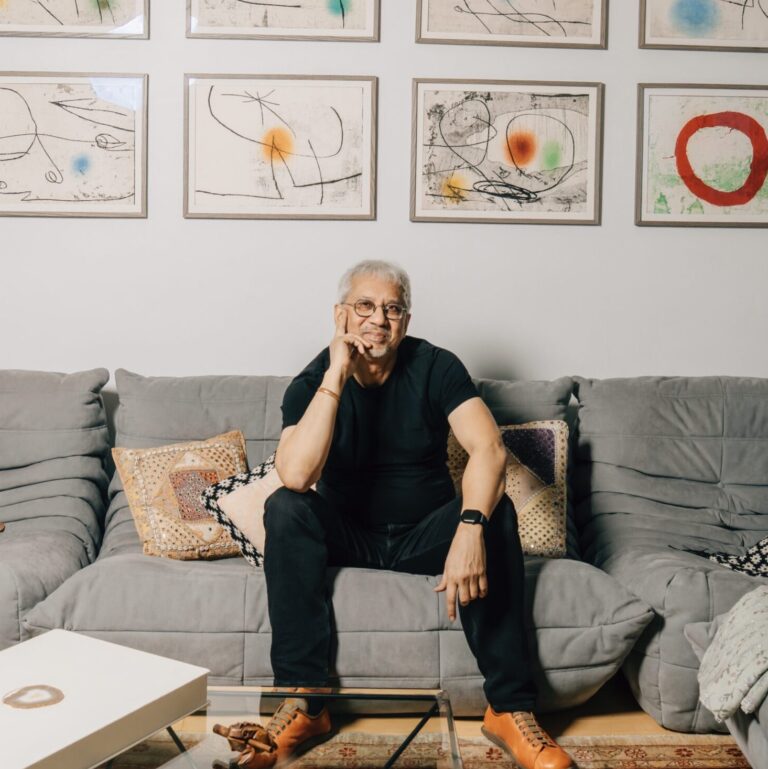
“It’s a book about theater, but Peter Brook’s The Empty Space redefined my approach to visual art. His concept of ‘holy theatre’— a performance stripped of artifice to create a genuine, palpable connection—taught me to hunt for that same ‘liveness’ in static objects. I began looking past just technique or subject matter to find works that possess a powerful presence. Brook gave me a new vocabulary for the art I was searching for: objects that can command a room and create an intimate, undeniable encounter with the viewer.”
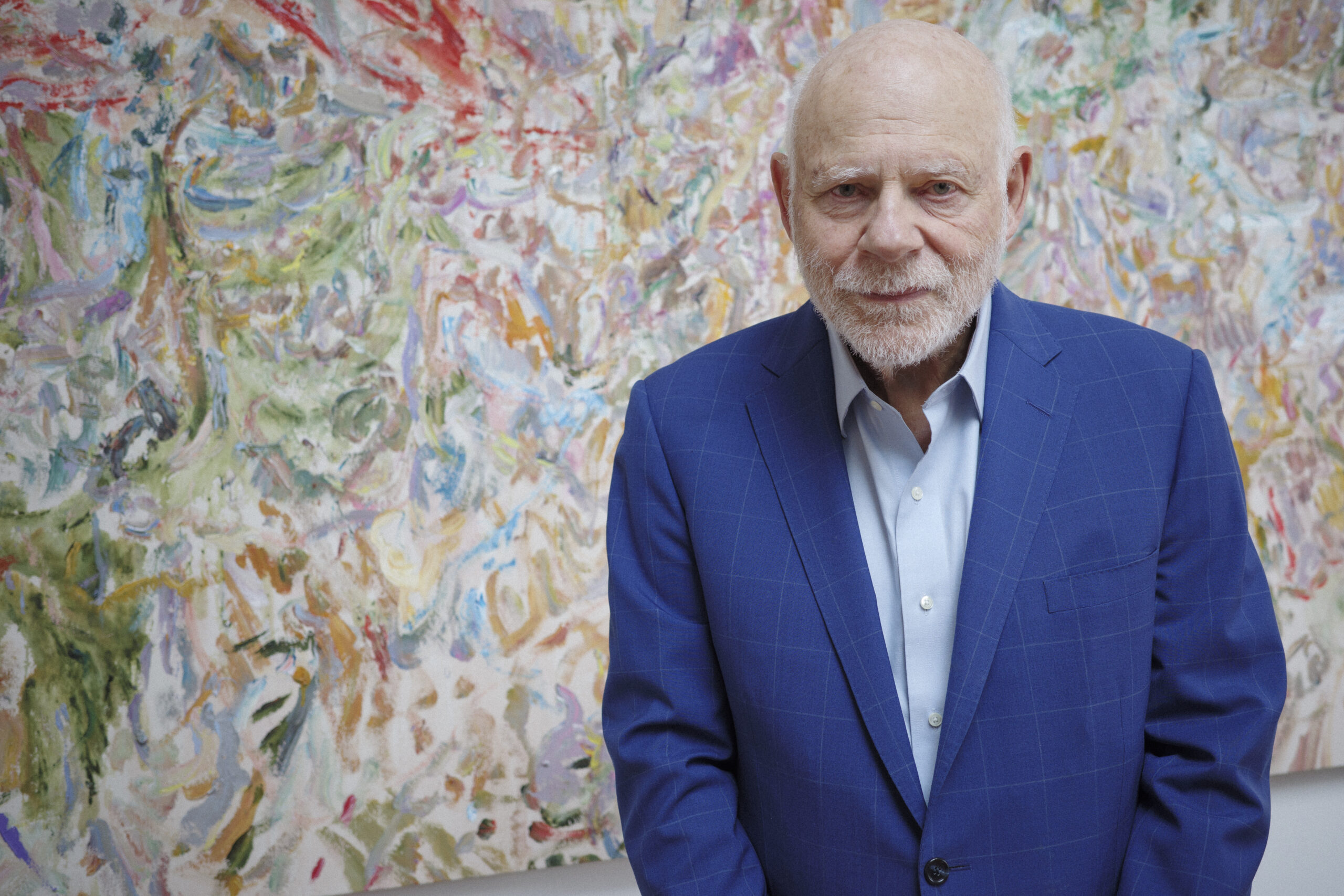
“Off the Wall by Calvin Tomkins. It was an early introduction to the 1960s art scene, and helped me shape my views in the 1980s.”
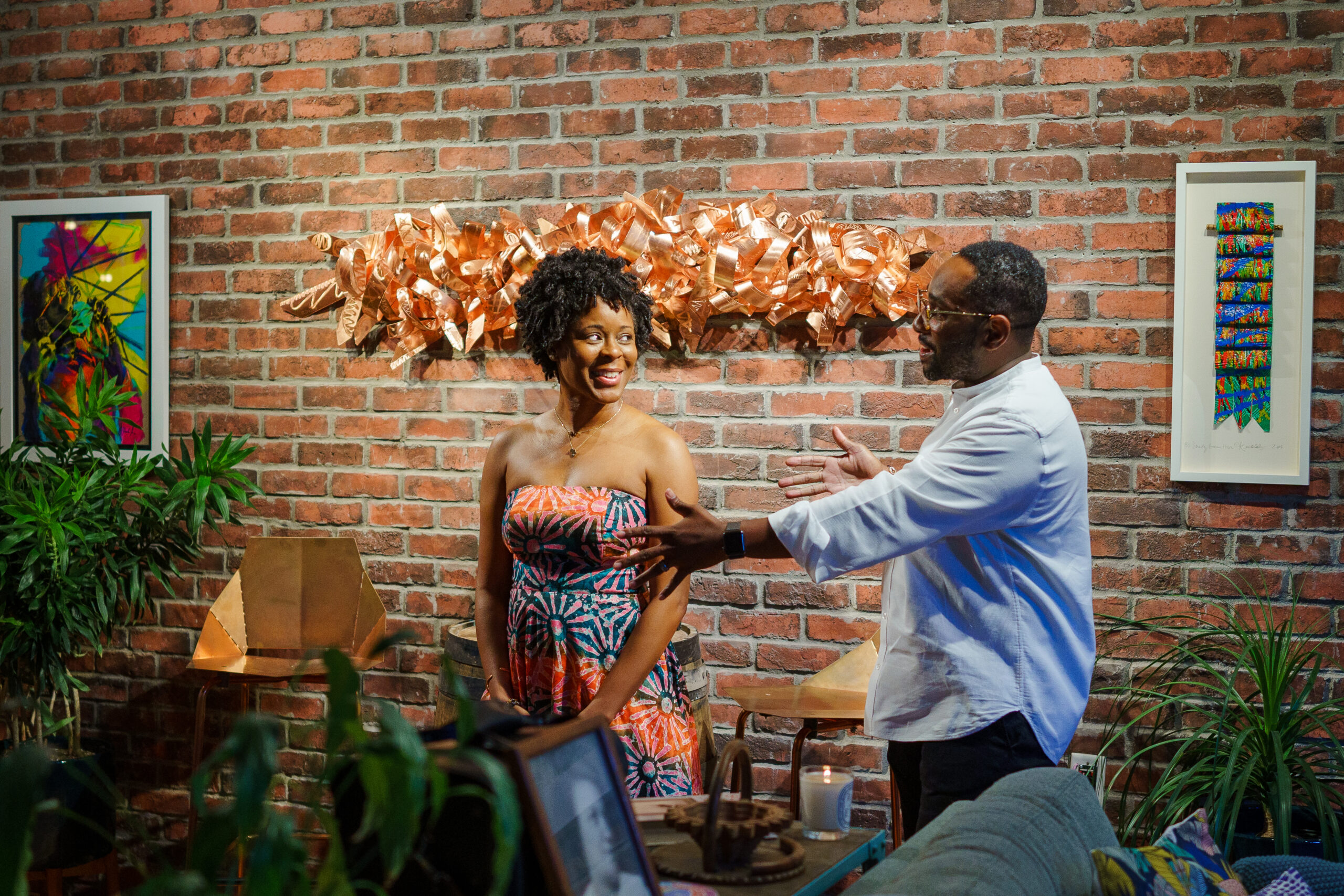
“Several books from my time at Howard University still shape how we think about art and collecting, particularly within the African American community. One such book is African-American Art by Sharon E. Patton. However, the most influential has been The Galbreath Collection: A Decade of Collecting Atlanta. Creating that book was an act of love, and it gave us the perspective to recognize ourselves as stewards as well as collectors.”
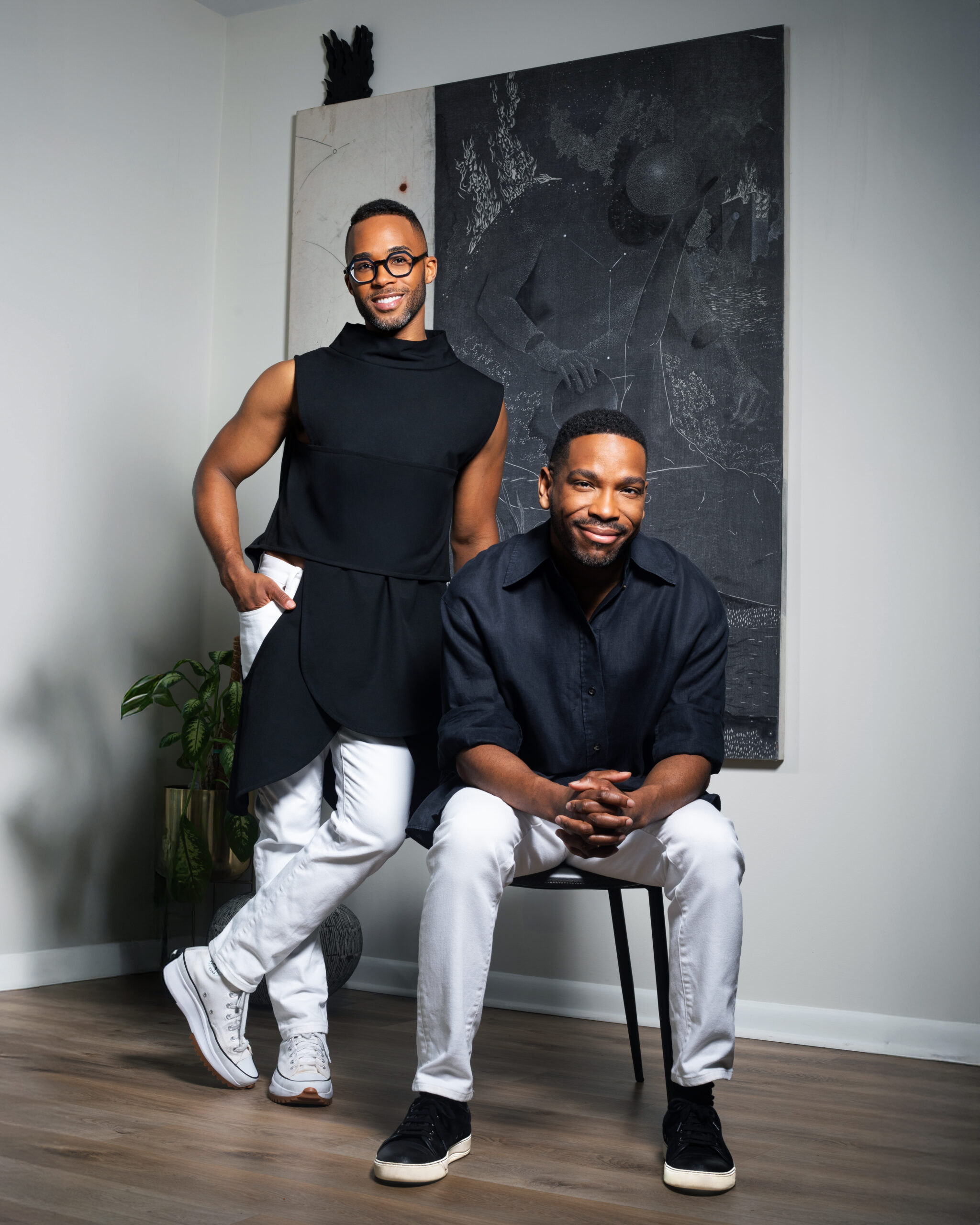
“The exhibition book from the Met’s ‘The Harlem Renaissance and Transatlantic Modernism‘ show was the first exhibition guide that I read from cover to cover. After that, I changed the way I think about art, because I changed the way I learn about art. I started going deeper. When I saw the show for the second time I enjoyed it exponentially more. Now, I always have an exhibition book that I’m reading and eventually finish from cover to cover. Right now, I’m almost done with Rashid Johnson’s A Poem For Deep Thinkers.”

“I’m reading Walter Isaacson’s biography of Leonardo da Vinci, and finding myself fascinated by the way da Vinci blended mathematics and art—the Fibonacci sequence, the golden mean—to create beauty rooted in structure. As someone who has spent a career in investing, that marriage of numbers and creativity really resonates with me.”
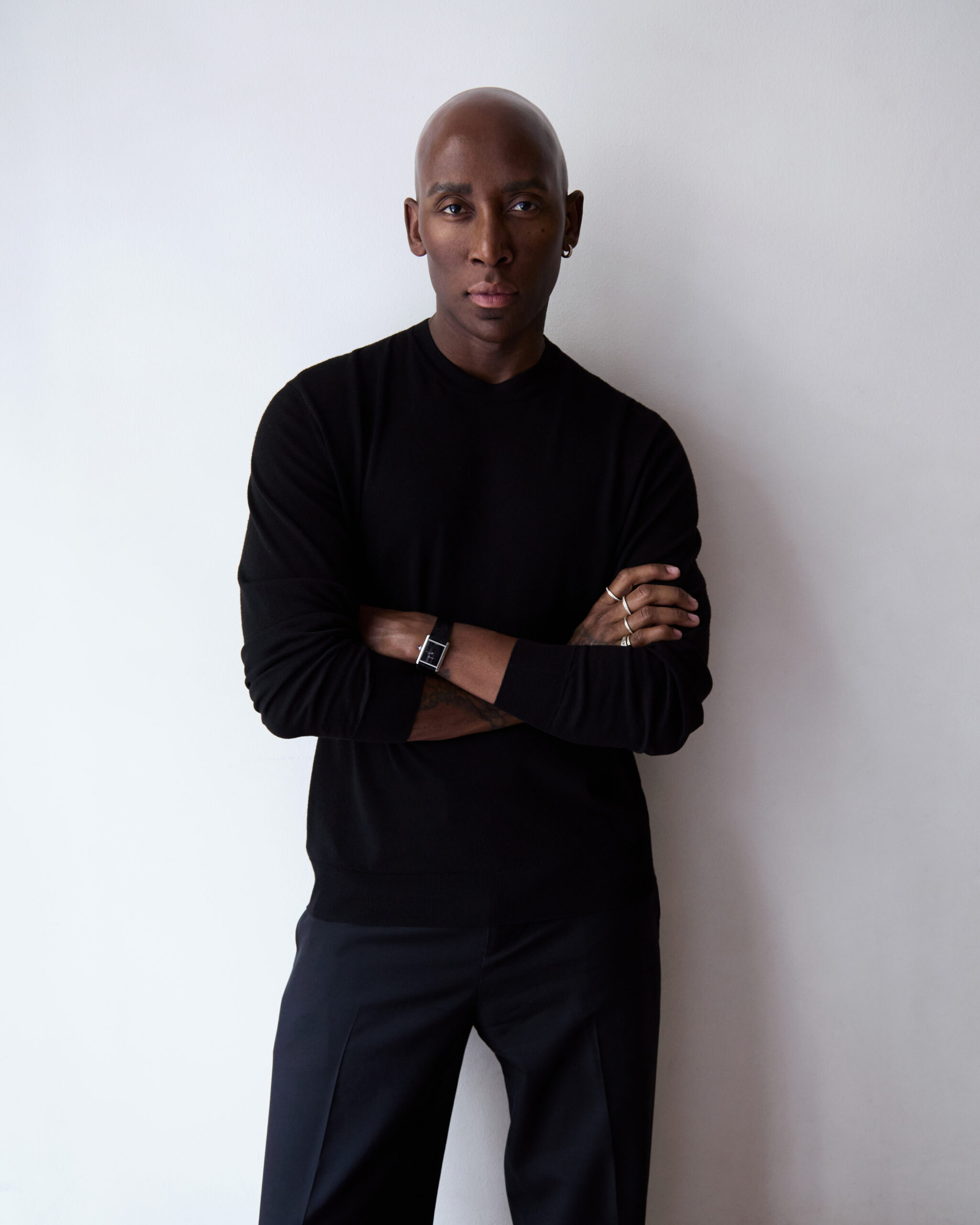
“John Berger’s Ways of Seeing. It shifted my perspective on how context, power, and presentation shape the way we value and interpret art. It’s a book that stays with you and quietly rewires your gaze.”
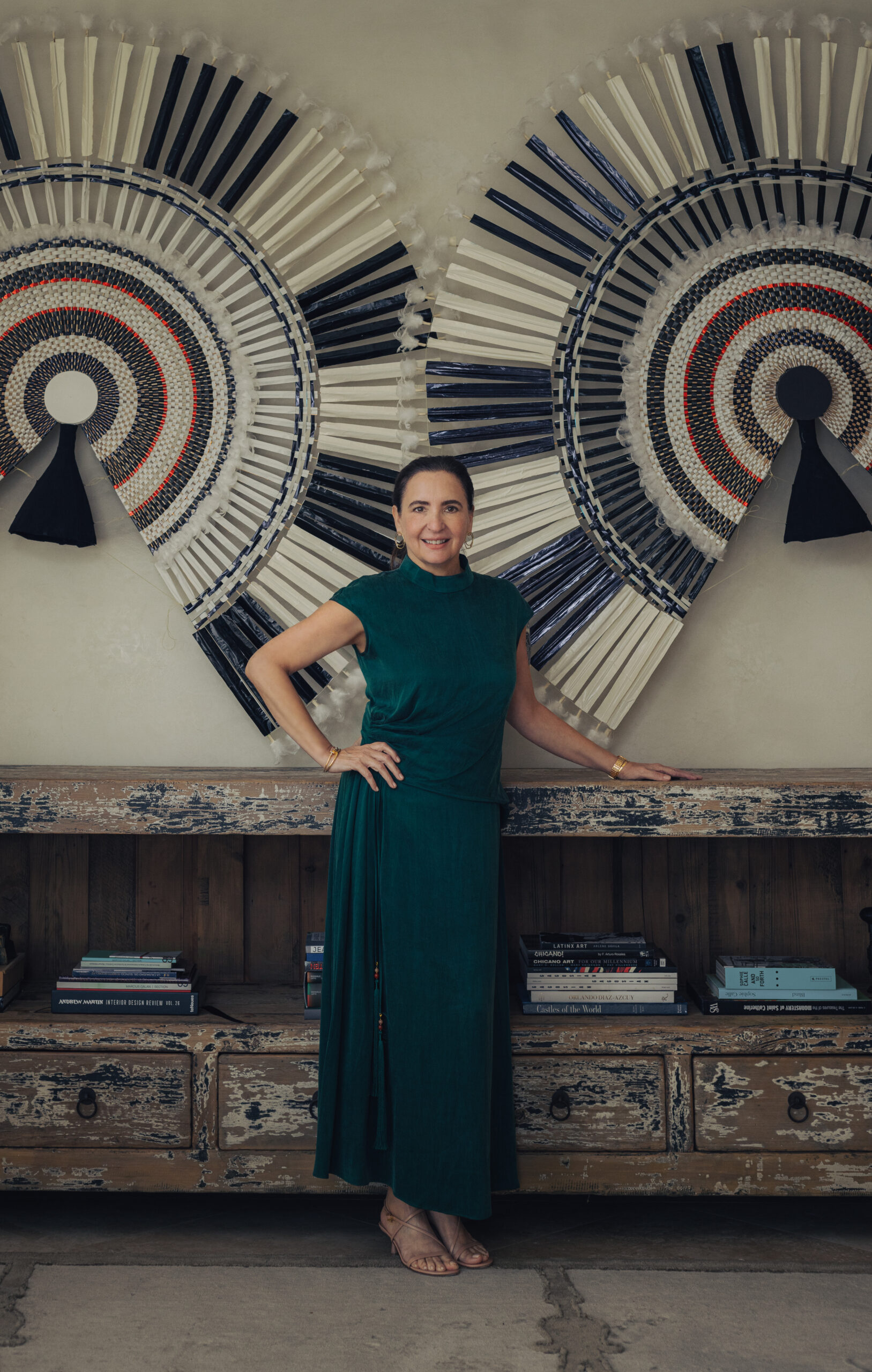
“Seven Days in the Art World by Sarah Thornton significantly changed the way I think about art—not just as a creative practice, but as a complex, interconnected ecosystem. The book offers a behind-the-scenes look at the global art world by chronicling seven distinct settings: an auction, a crit, an art fair, a magazine editorial meeting, a studio visit, a biennale, and the awarding of a major art prize. This book demystified the system for me and made clear that art isn’t just about creation and aesthetics—it’s also about networks, reputation, economics, and cultural capital.”
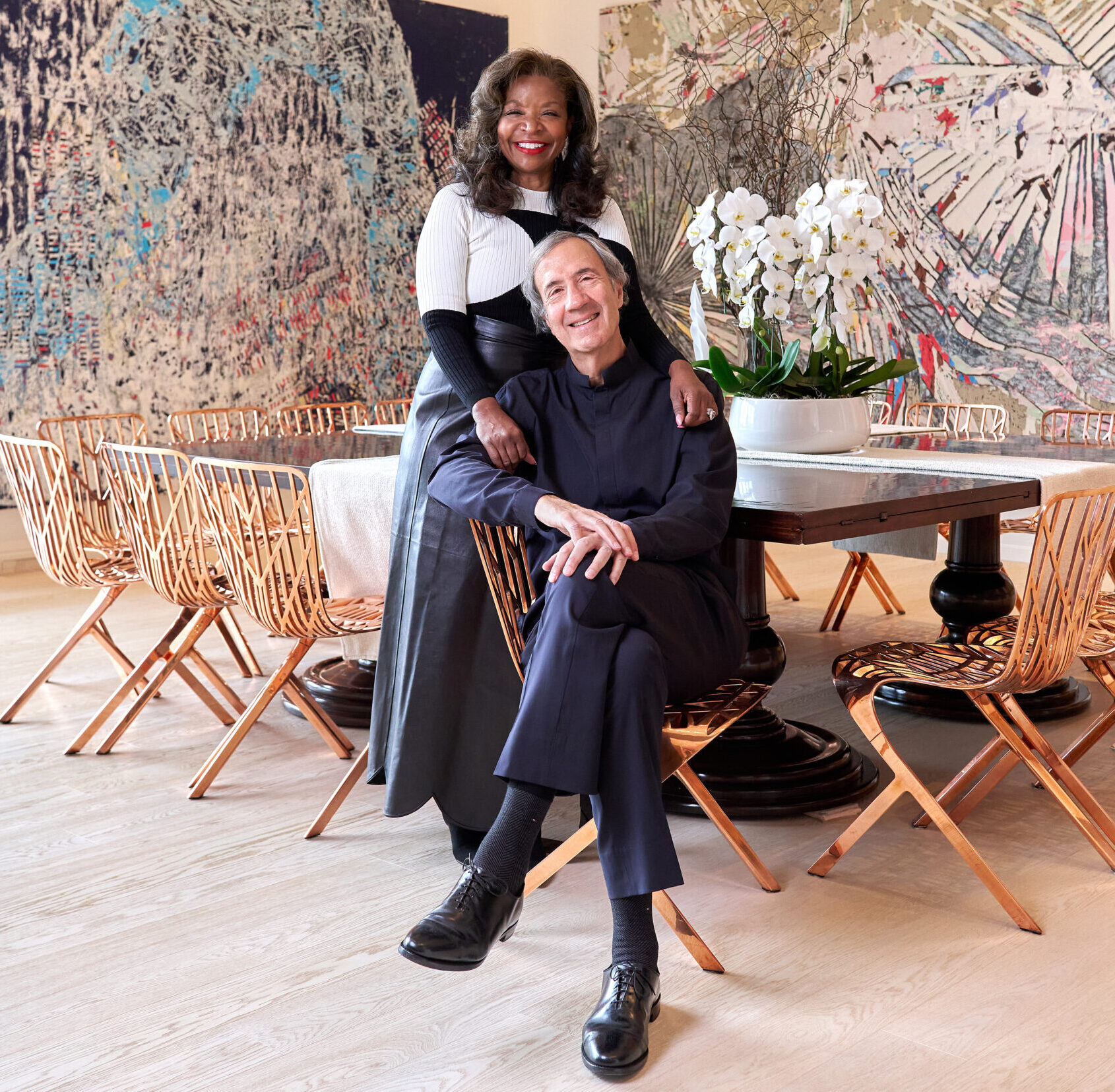
“Brooke Astor’s autobiography Footprints. It is a road map for how to build a life that involves transformational philanthropy.”
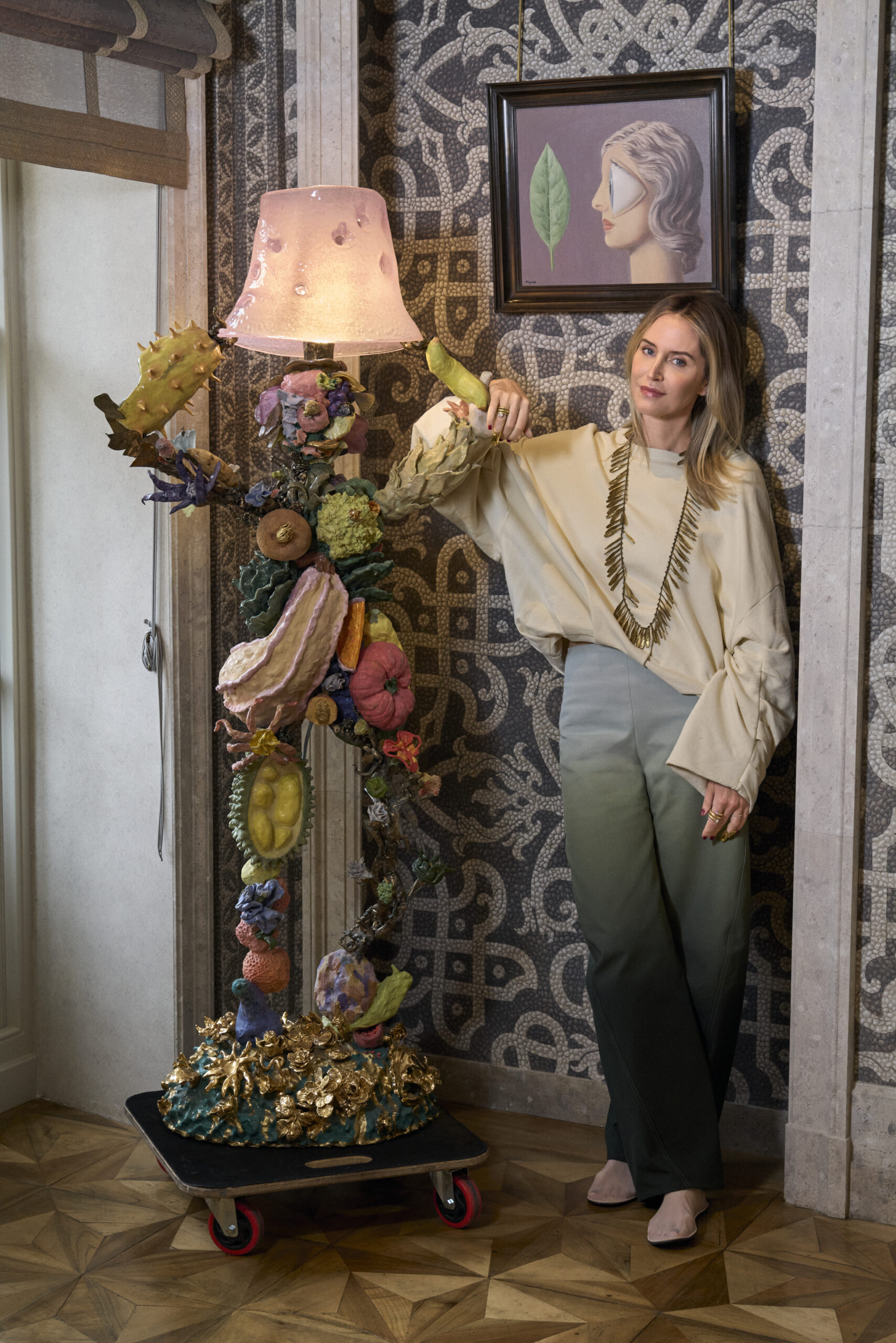
“I really enjoyed reading Linda Nochlin’s essay ‘Why Have There Been No Great Women Artists?,’ where she dismantles the myth that greatness in art is purely about individual genius, and instead explains the institutional, social, and educational barriers that kept women from having the same opportunities as men. It’s not that women lacked talent or ambition, but it’s the systems and institutions that excluded them. It shifted how I look at both contemporary and historical art. It made me pay attention to whose work was overlooked, is missing from museum walls, whose voices are being heard, and who is pushing against those barriers today. Our collection, as a result, has become very heavily skewed toward female artists—but not because I was trying to hit a quota; it just so happens that a lot of the work we loved over the last years has been painted by women.”
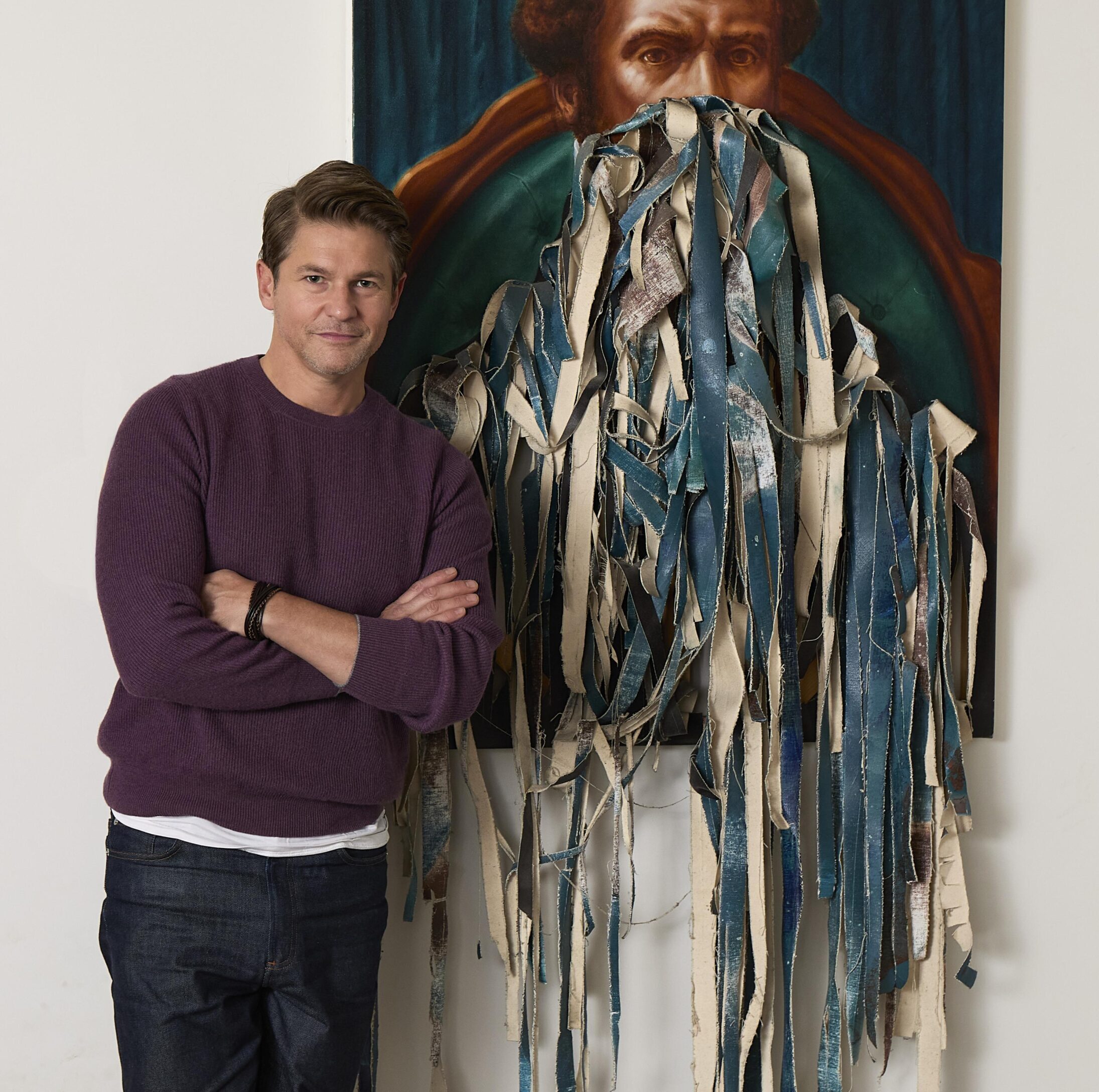
Neil Patrick Harris and David Burtka
Harris: “Any of the books by Andy Goldsworthy. His ability to make lines, fences, perimeters, and art based on using only found artifacts within a location is unprecedented. I was so inspired by his creativity and still hold his aesthetic to a standard like no other.”
Burtka: “I recently finished the Peter Beard biography, and the way he collected and collaged was so incredible. He wasn’t really known and no one believed that he was an artist at all, then he ended up becoming one of the biggest photographers of our time with collage. What he did with animal blood, skins, teeth, and his own hair was pretty incredible.”
More of our favorite stories from CULTURED
Tessa Thompson Took Two Years Out of the Spotlight. This Winter, She’s Back With a Vengeance.On the Ground at Art Basel Qatar: 84 Booths, a Sprinkle of Sales, and One Place to DrinkHow to Nail Your Wellness Routine, According to American Ballet Theater Dancers‘As Close to Art as Pop Gets’: Jarrett Earnest on Charli XCX, ‘The Moment,’ and Our Culture of Hyper-Exposure10 of New York’s Best-Dressed Residents Offer the Ultimate Guide to Shopping Vintage in the City
Sign up for our newsletter here to get these stories direct to your inbox.



 in your life?

