
These five natural landscapes, selected by CULTURED at Home gardens editor Precious Okoyomon, defy their circumstances to create zones of vitality and resilience. Landfills riddled with horse bones and wildflowers; sea kale and daffodils buttressing the mind of a dying artist; troves of botanical wonders tucked away in gritty cities—each in its own way prompted Okoyomon to deepen their understanding of what a garden can mean.
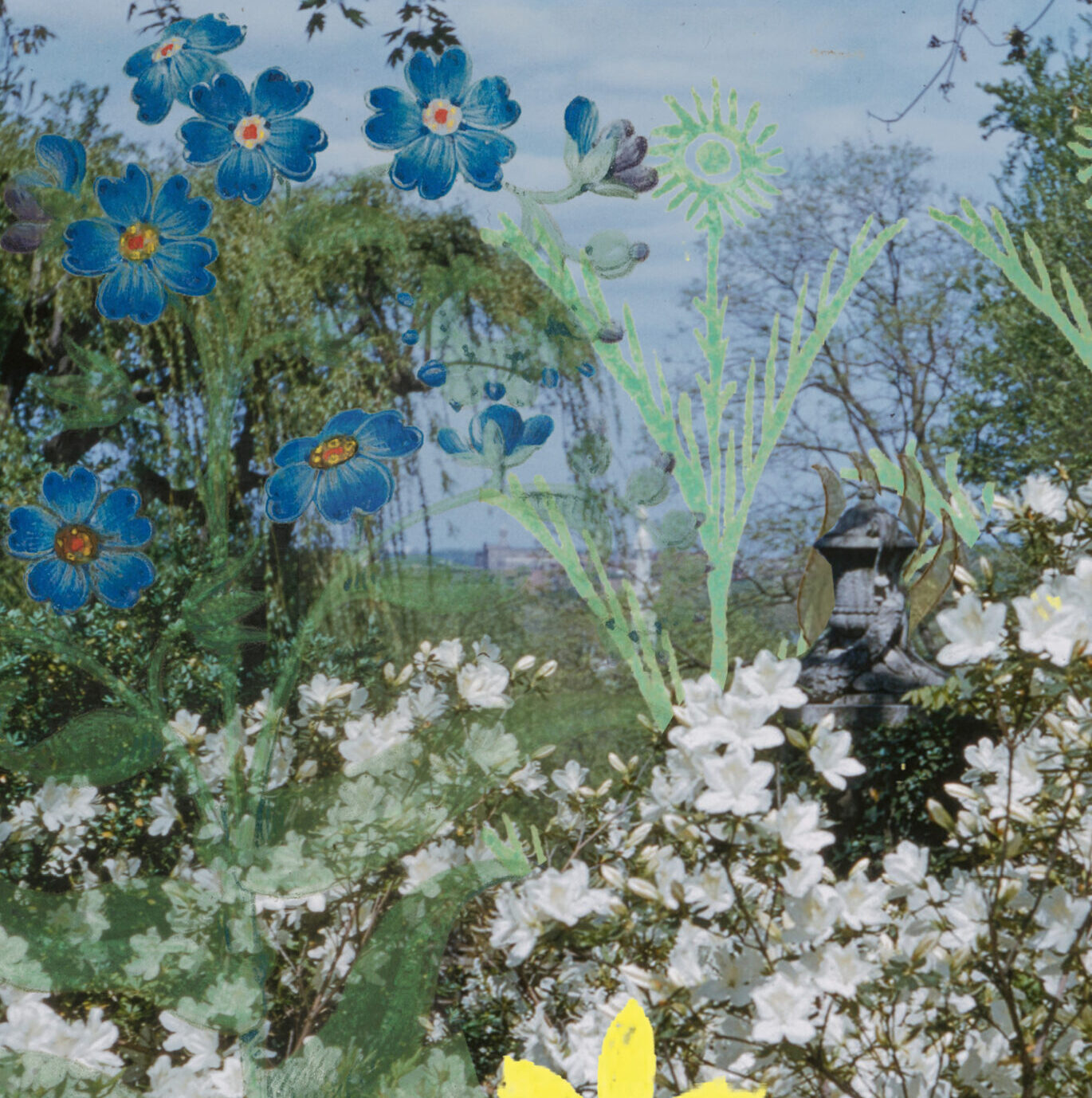
Dumbarton Oaks
Washington DC, U.S.
“A strange garden in the country’s capital with beautiful trees and vines that have been around since it was first planted—the smell stays with you forever. I was very moved by it when I first visited it in DC. They have a crazy wisteria tree that I think about often. I love this crazy old vine that snakes through their greenhouse that they’ve preserved for a long time.”
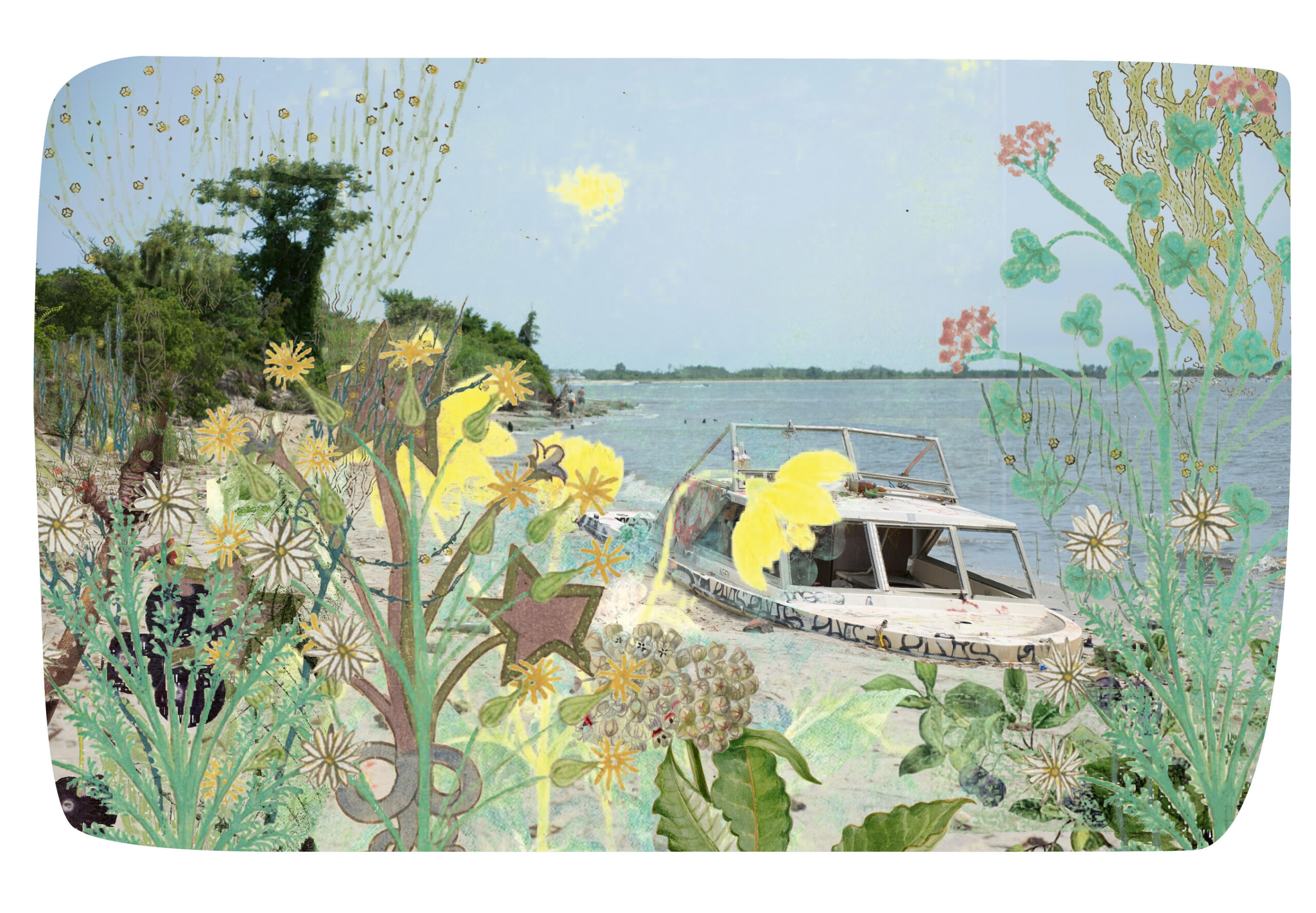
Dead Horse Bay
Brooklyn, New York, U.S.
“Think strange flowers growing in a garbage swamp. You kind of have to sneak in, and there are always treasure hunters there. Because of the mysterious radiological contamination, you find such interesting things: random glass bottles, doomsday vibes with horse bones sticking out of the ground, all the washed-up horseshoe crabs on the shore. Once I found a giant horse bone there, and next to it was a beautiful flower.
It’s not a conventional garden of course, more of a weird radioactive fantasy hellscape. I really like the invasive species that grow there: common milkweed, juniper, black cherry, and beach plums, which have these beautiful white flowers that I love. They’re shore defender plants. It’s a nice little hunting ground for those delicious little tart fruits, always pushing me to reimagine the meaning of a garden.”
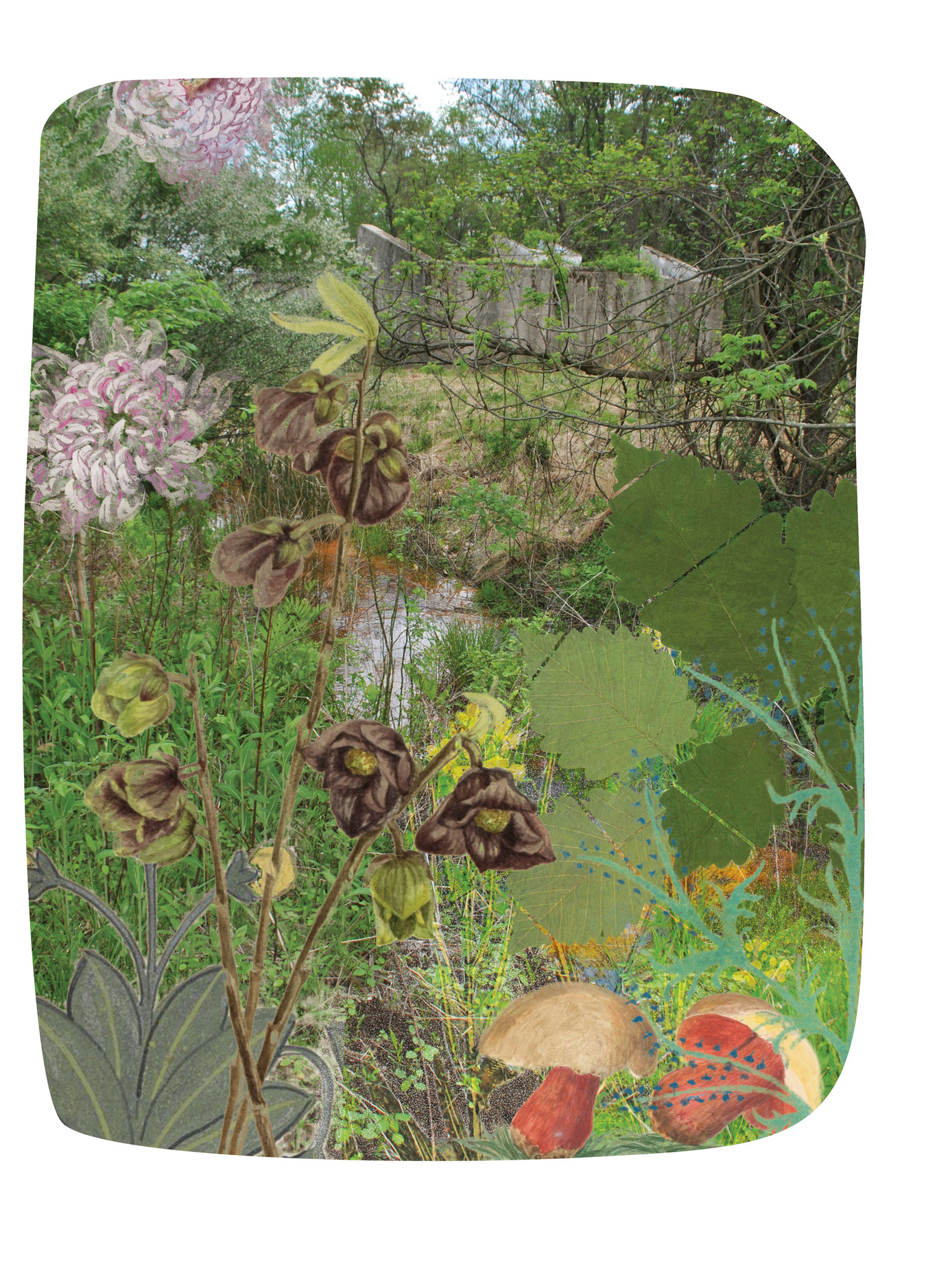
Glen Helen Nature Preserve
Yellow Springs, U.S.
“This is a magical, coppery water spring. It was a geological wonder in the 1800s. Everyone joked when I was little that it was like Tuck Everlasting: if you drank the water, you would live forever. My friends and I would drink it and mushroom-forage. As a kid I got lost in rock ledges, going to this special thing called the grotto falls, which is a little creek with a waterfall over a cave.
My friends and I would drink the water and mushroom-forage. There are a lot of native wildflowers—my favorite being yellow rocket—and these little flowers called butter weeds that grow everywhere. It’s lovely to go there in spring when there are crazy wildflowers, violets everywhere and snow trilliums, a really white delicate perennial, which are one of my favorite winter flowers. You see them pop up in the snow. And there are so many pawpaws, which are my favorite fruit, and 100-year-old American chestnut trees. It’s really a place of the past, and a place I spent a lot of time as a teenager.”
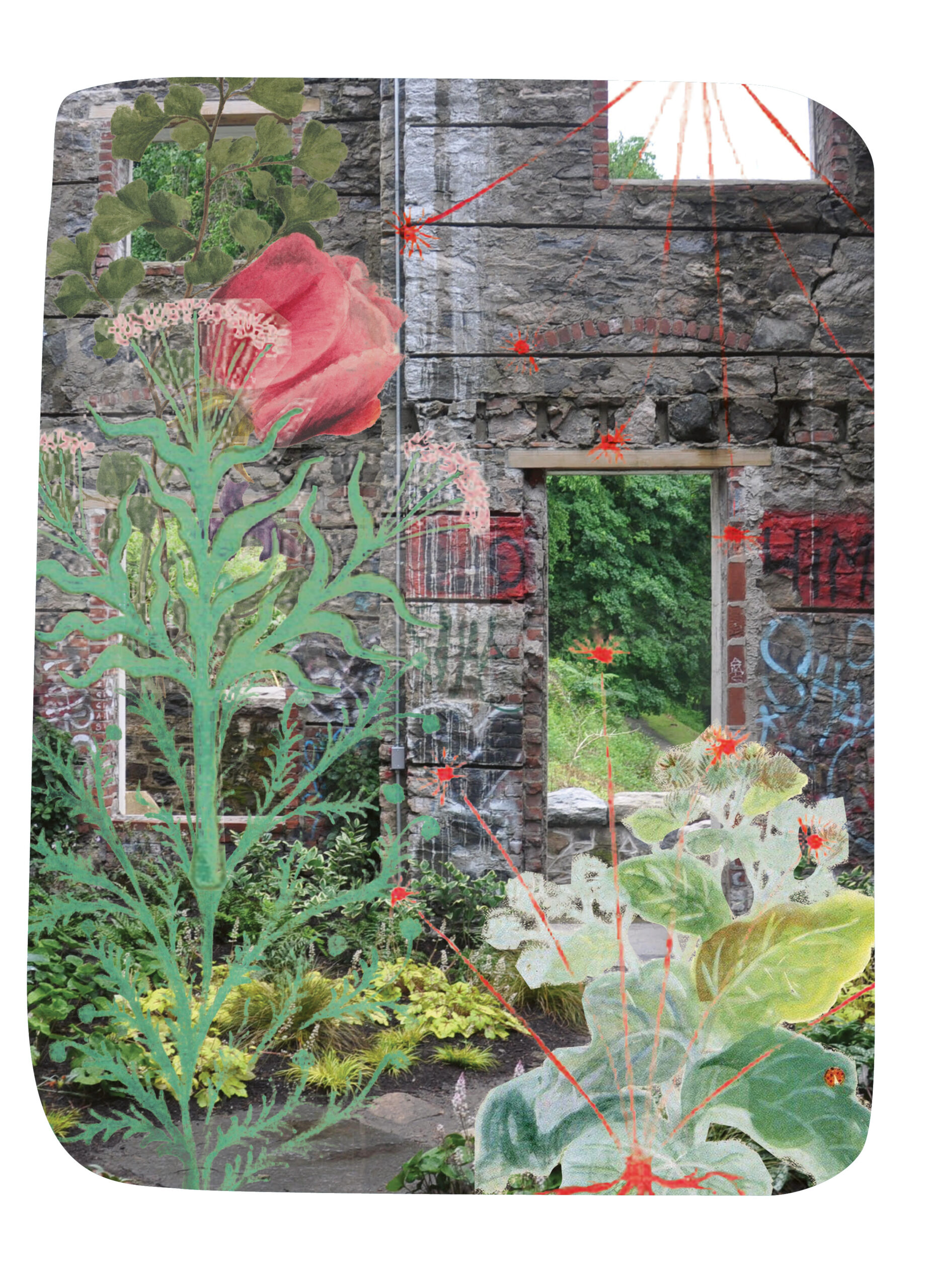
Untermyer Gardens
Yonkers, New York, U.S.
“A weird Persian garden in the middle of Yonkers—dreamy. The planting is really diverse. I like to do a long stroll around the rose and dahlia gardens, do a picnic there, bring Gravity…it’s kind of an all-day thing. The sundial garden is incredible. We walk all the way down this long stairway to this overlook; it’s very romantic. I have some favorite trees there I love to visit; one is very ‘tree of life.’ The commitment to public beauty, to historical reverence—values so often trampled in the modern world—is meaningful to me.”
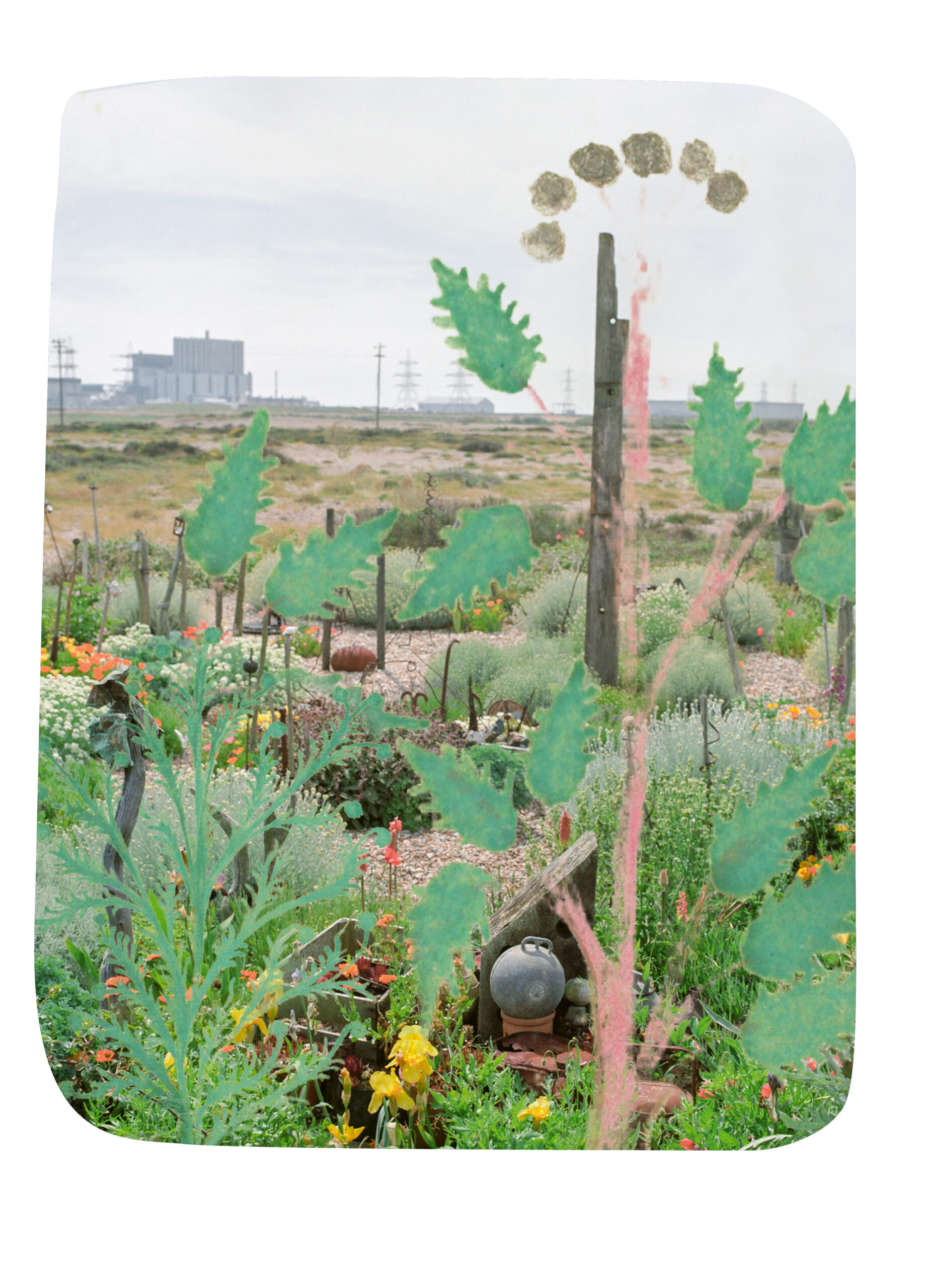
Derek Jarman’s Garden
Dungeness, U.K.
“Somewhere I wish I could go but can’t. There’s something magical about a garden beside a nuclear plant. It shapes a lot of how I think about gardening—making them thrive in the most inhospitable places. A garden that is a paradise, but not necessarily one for people. Jarman filled it with native plants and strange objects while he slowly died of HIV. He decided, What I’m going to do is spend the last few years of my life making this insane garden of resilience. Sand, dry winds, no shade, sea storms, everything just rips up whatever you plant.
It proves that paradise is cultivated slowly. A miracle that anything grew there, and then the way he made it all blossom. A garden is a way to hold time, that’s what I think. A garden to heal himself, to live through his own illness: toxic plants, healing plants. I feel like he cheated death somehow, to make beauty in a place that is destined to destroy it.”





 in your life?