This year has proven to be one of female articulation. From this week’s eagerly anticipated new Ariana Papademetropoulos and Shahzia Sikander exhibitions, to lingering memories of the Venice Biennale’s cohort of feminine energy workers, and recent exhibitions by Marnie Weber, vanessa german, and Kenturah Davis, the moment is ripe to contemplate women who approach the body as a site of narrative symbolism. Recent trends in figurative painting reveal an eclectic array of non-male artists centering the female form—as mythical and sexual protagonists, contested territories, forces of nature, avatars of the psyche, repositories of wisdom, and generative power sources.
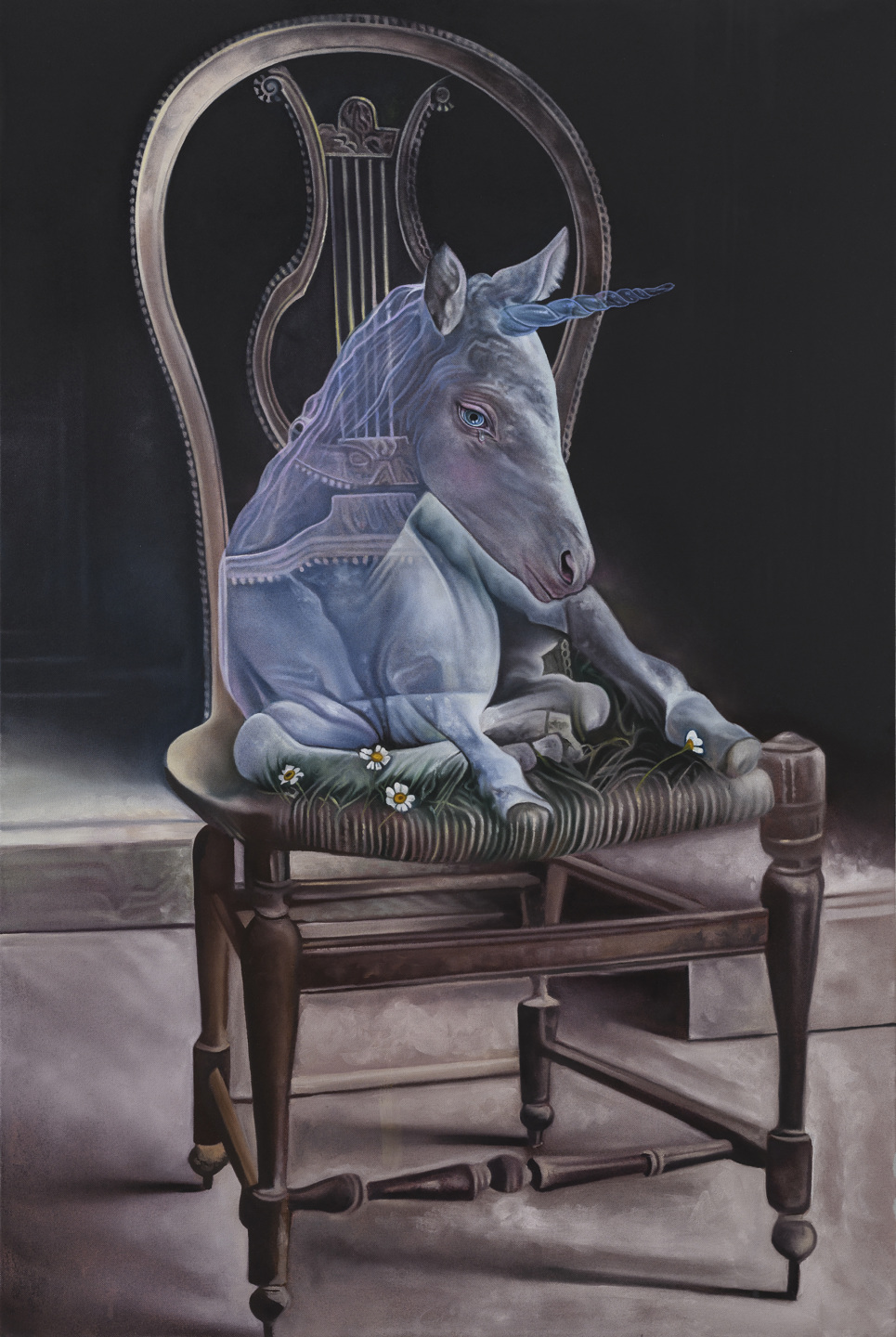

Opening this week at Vito Schnabel Gallery in New York, Papademetropoulos’s latest solo exhibition presents a storybook suite of new large-format paintings that feature a coy, translucent unicorn as her personal stand-in and chronicle her adventures through a radiant, surrealist wonderland—a mirror of her native Los Angeles. "Baby Alone in Babylone" deepens Papademetropoulos’s exploration of the liminal shadow-place between dreams and waking.
The 31-year-old artist’s unicorn avatar merges early-Christian symbolism and latter-day pop culture references—taking its name from a 1983 Jane Birkin and Serge Gainsbourg album that conjures ‘80s Los Angeles in all its occult glory, and inspiration from medieval tapestries like The Hunt of the Unicorn at The Met Cloisters. Papademetropoulos’s interests in the intersections of fantasy and history are long-standing: in her work and as a curator, she embodies the duality of LA’s sunshine and shadow and its status as a place to lose and reinvent oneself. She translates this duality to the canvas with a painting style that blends the time-warping ethereality of Surrealism with luminous realism and impressive classical figuration techniques, crafting a cohesive dream logic in which scenes of unicorns reclining in living rooms and giant seashells disrobing in mountain clearings seem perfectly natural.
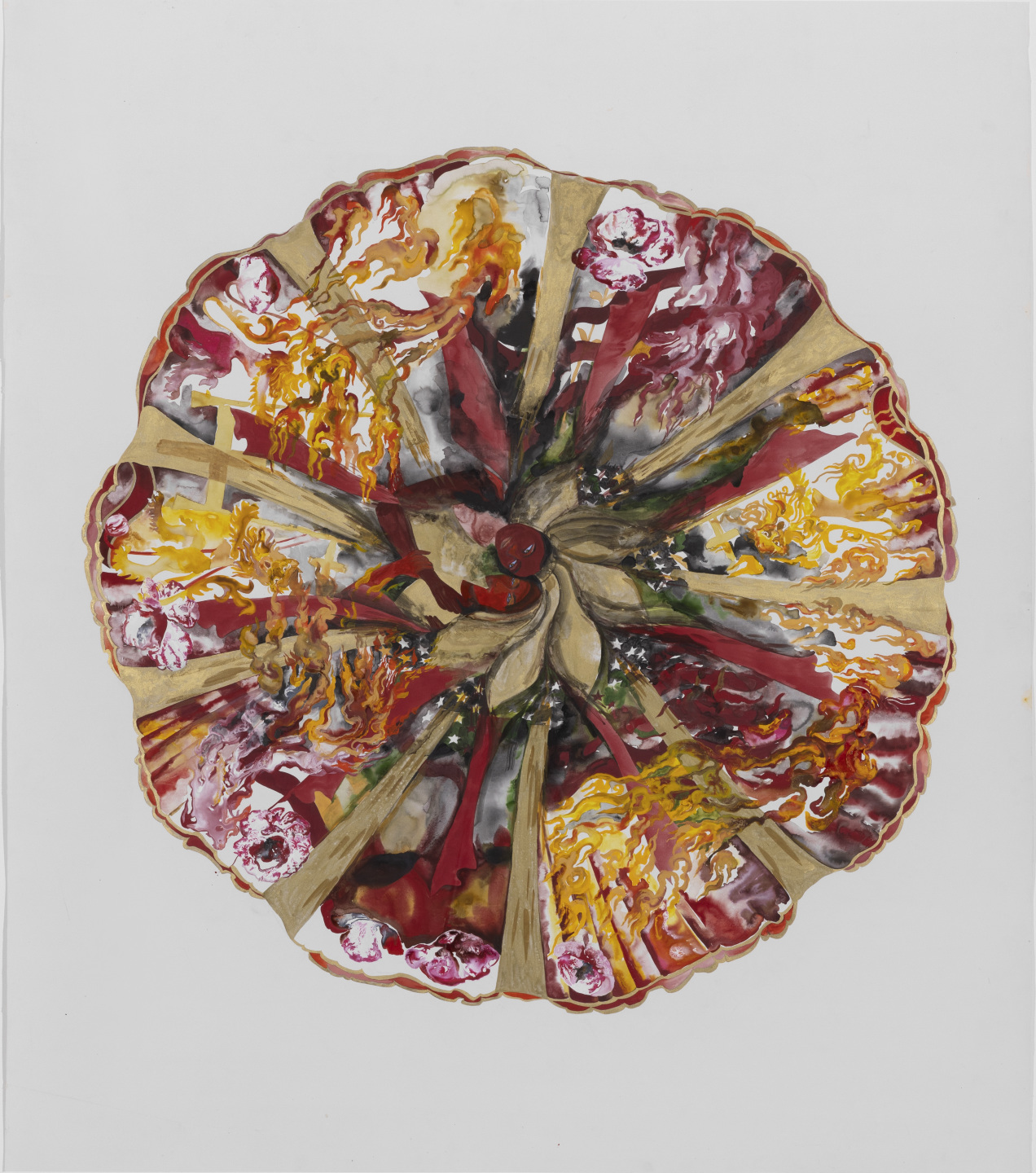

Sikander also recasts a mythic past into an allegory for the present. In "Radiant Dissonance” (opening this week at Sean Kelly’s new Los Angeles space), her relationship to time and the body are central. Sikander’s gallery describes her "Infinite Woman" (2021) and "Gold & Diamond" (2021) series from the exhibition as large-scale mixed media drawings that “hint at the redeeming potential of women’s bodies, juxtaposed against the extractive logic of global capitalism.” The artist channels a muscular, ritualistic beauty, imbuing symbol-rich imagery with mysterious narrative purpose. She marks the passage of time through the painstaking act of drawing miniature worlds on a large and richly-detailed scale, creating an intimate connection between her work’s vivid Indo Persian Turkish topographies and the labor of her own hand. The 53-year-old artist’s focus is historical and cultural, but also deeply personal and unapologetically political.
“Radiant Dissonance” will also feature Sikander’s first foray into bronze sculpture: Promiscuous Intimacies portrays two female figures in a sensual embrace that simultaneously echoes Bronzino’s An Allegory with Venus and Cupid and centuries-old Indian Devata figurines, harnessing art history to generate forms that reinforce the vitality and spirituality of the female form.
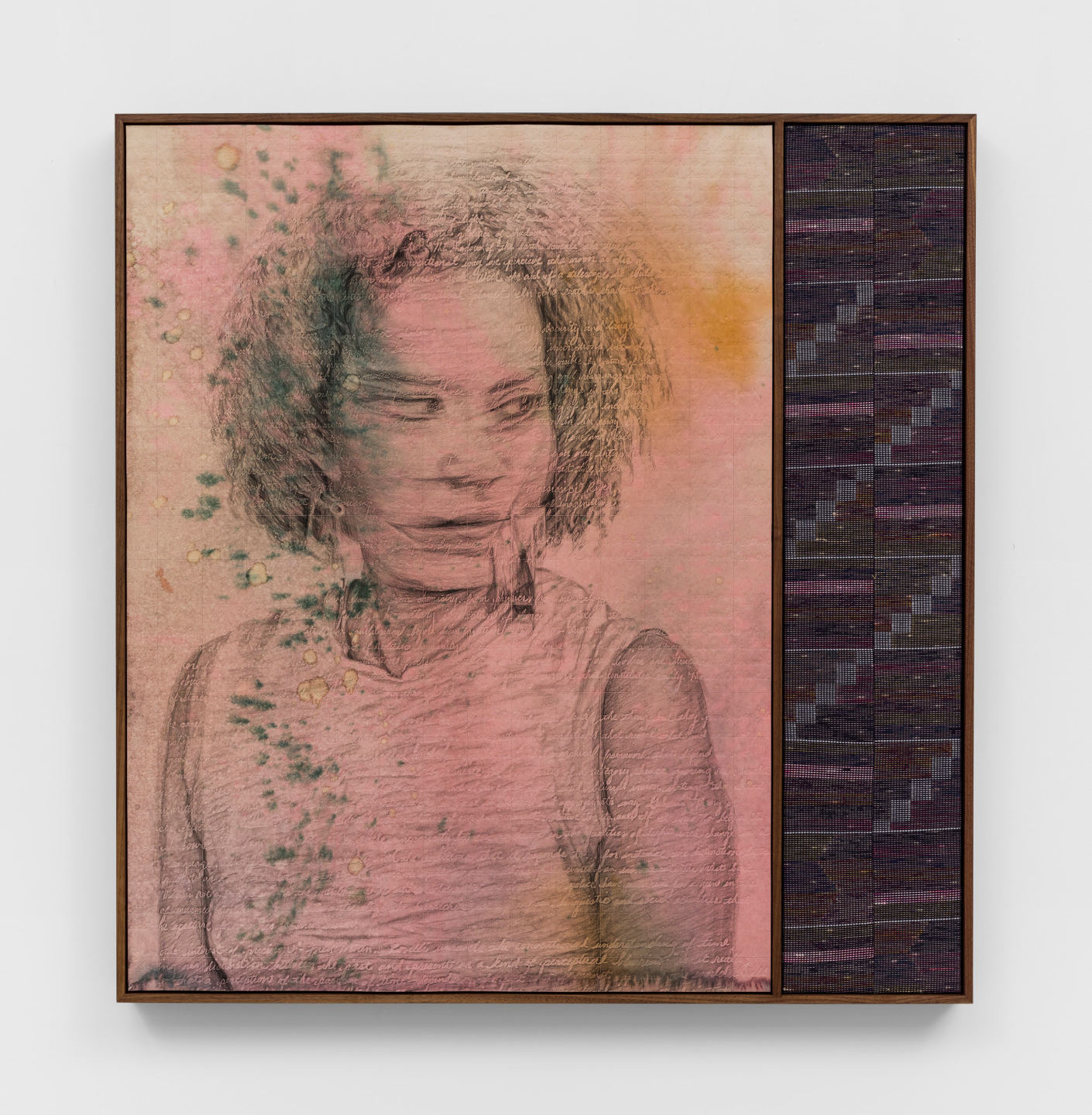
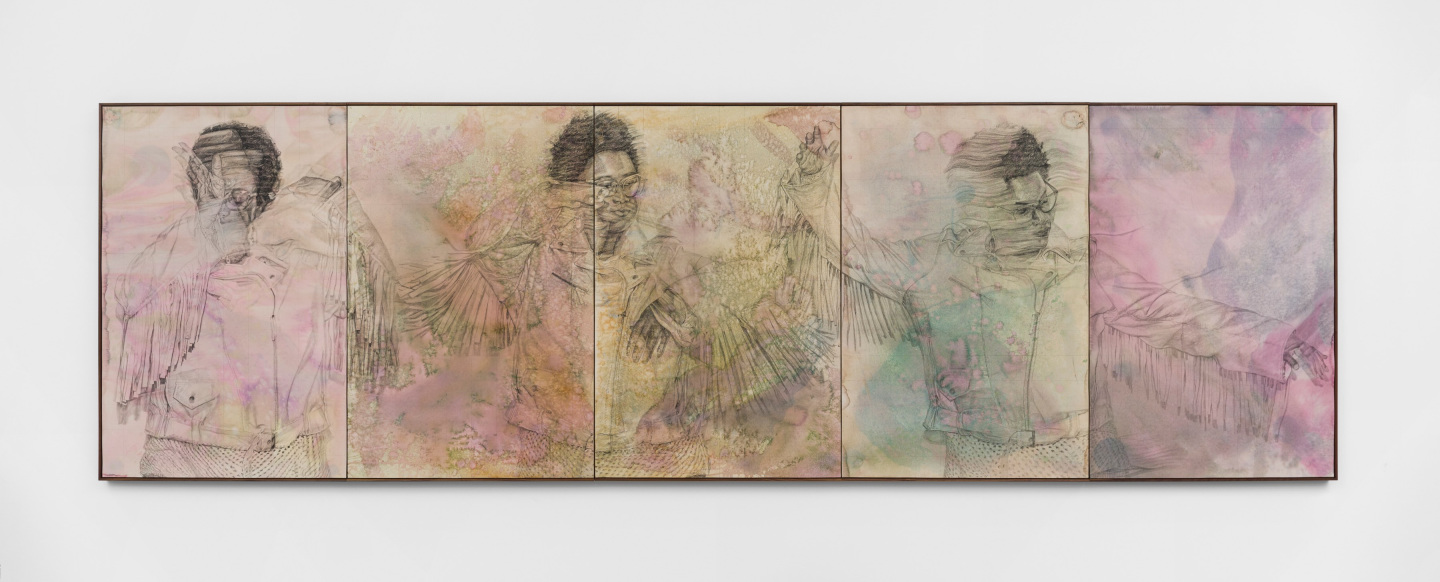
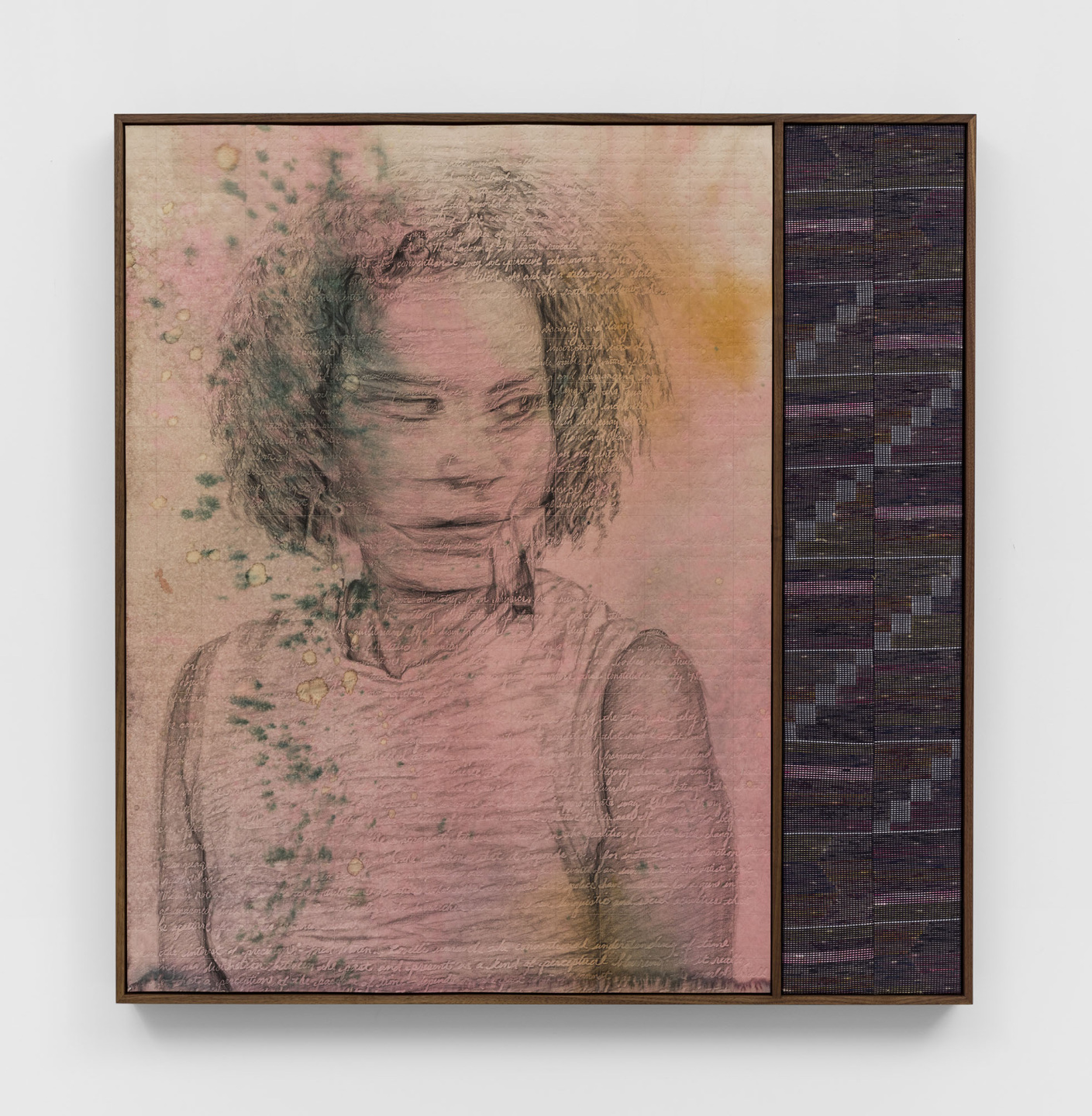
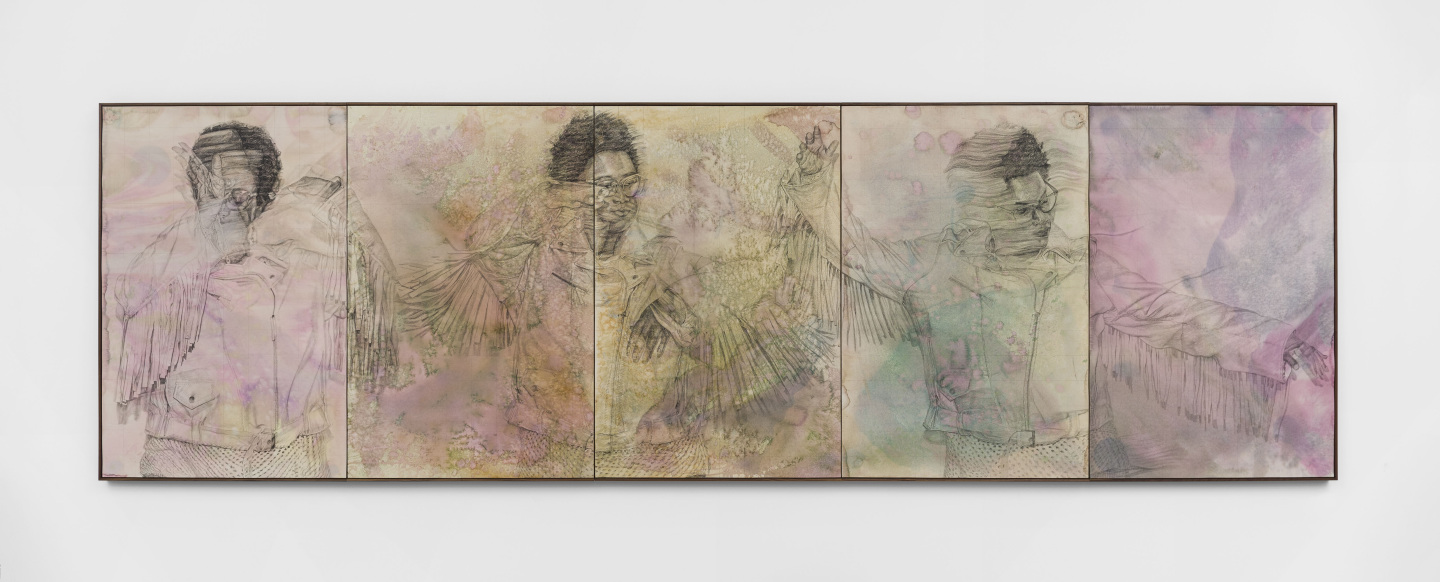
Davis also positions the female body—specifically the Black female body—as a presence whose representation and visibility is constantly contested. Davis’s mark-making process is a physical ritual that allows her to examine questions of identity, attention, and materiality. How does one capture the act of erasure? What does it mean to fix your gaze on the bodies of lost women—to identify them and identify with them? The poetry of Davis’s drawing techniques is further reflected in her incorporations of texts that teeter on the edge of illegibility, creating the sense that the boundary between presence and absence is slipping. For Davis, self-knowledge and community history are bound together, with the female body as their vessel.
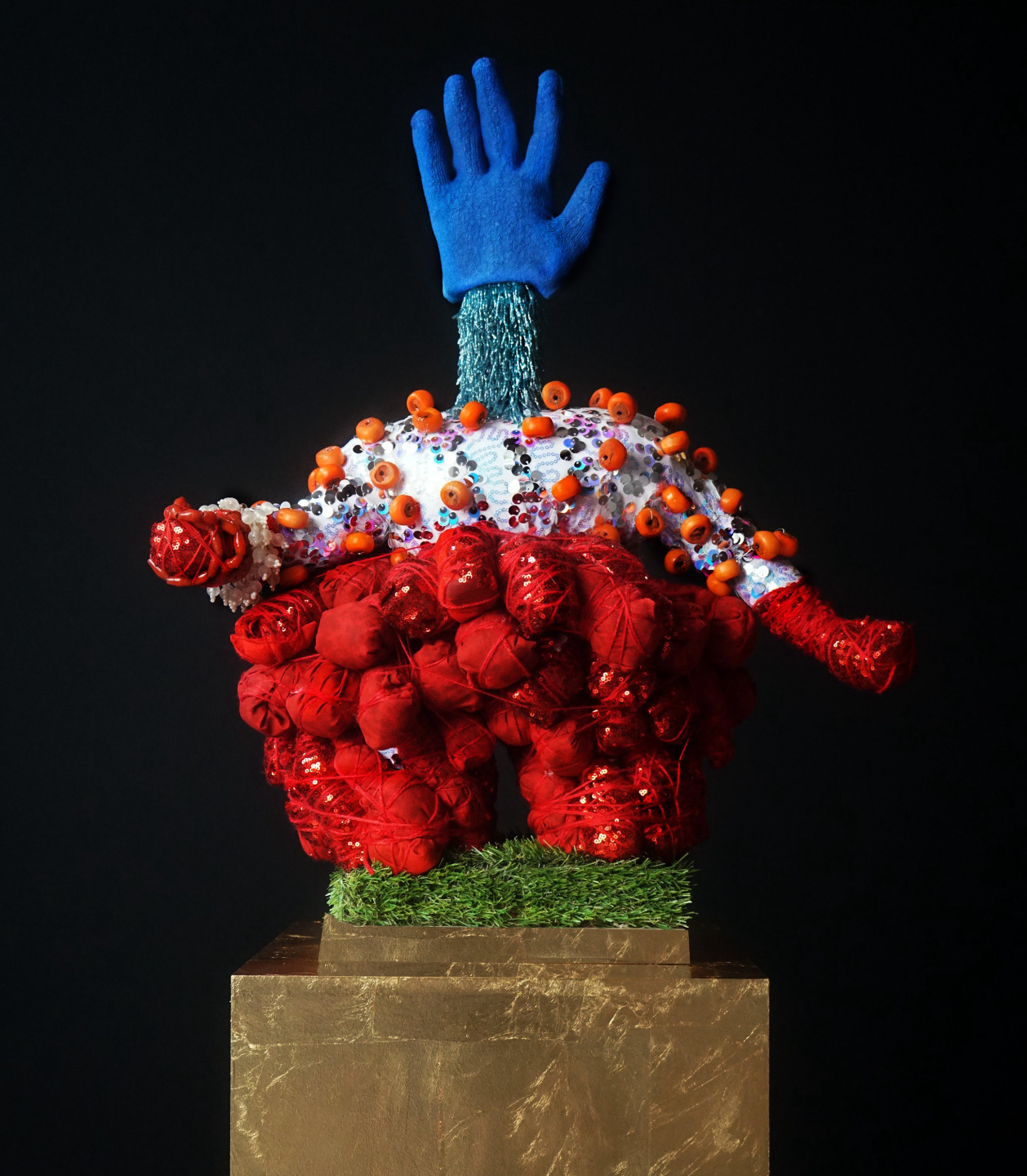
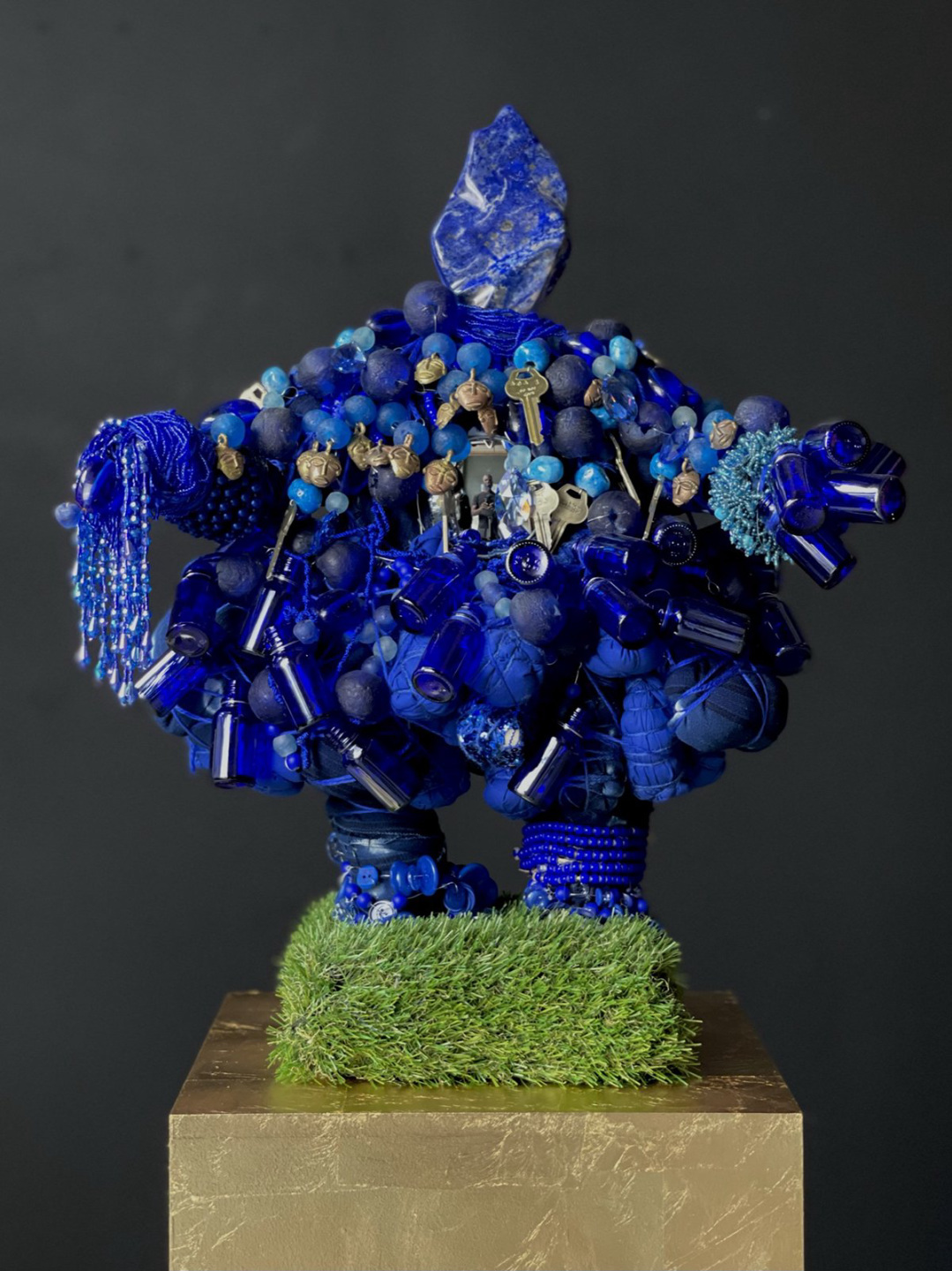

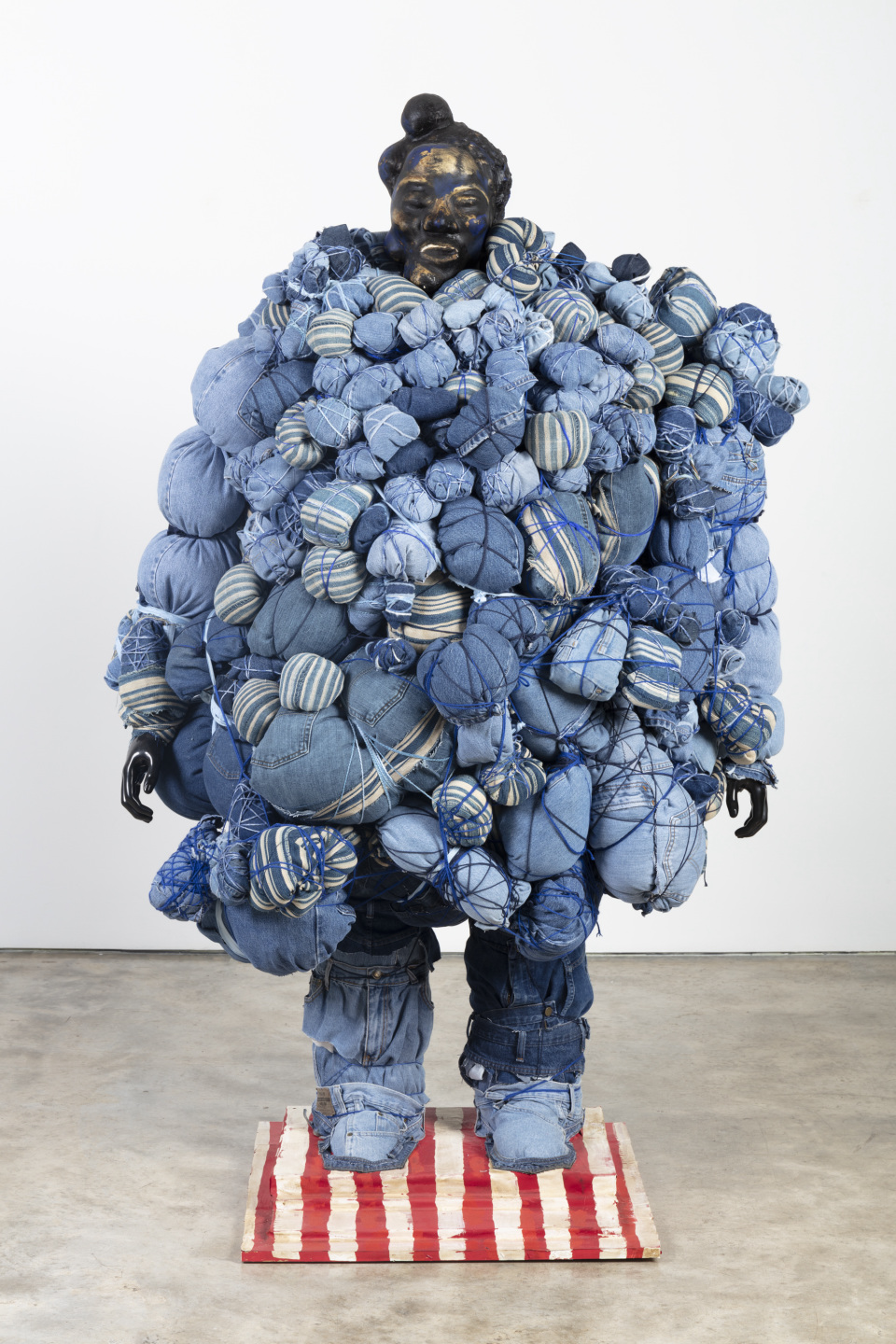
A new recipient of the prestigious Heinz Award for the Arts, german works in a variety of studio and action mediums, but it’s her mixed media assemblage sculptures, power figures or tar babies modeled on Congolese Nkisi sculptures, that have captivated the art world. In recent exhibitions at New York’s Kasmin Gallery and in Los Angeles at transformative arts, german’s ongoing practice of talismanic, restorative, ritual object-making is always grounded in the human form, even as it transforms bodies into vessels of “Black power, spirituality, mysticism and feminism.”
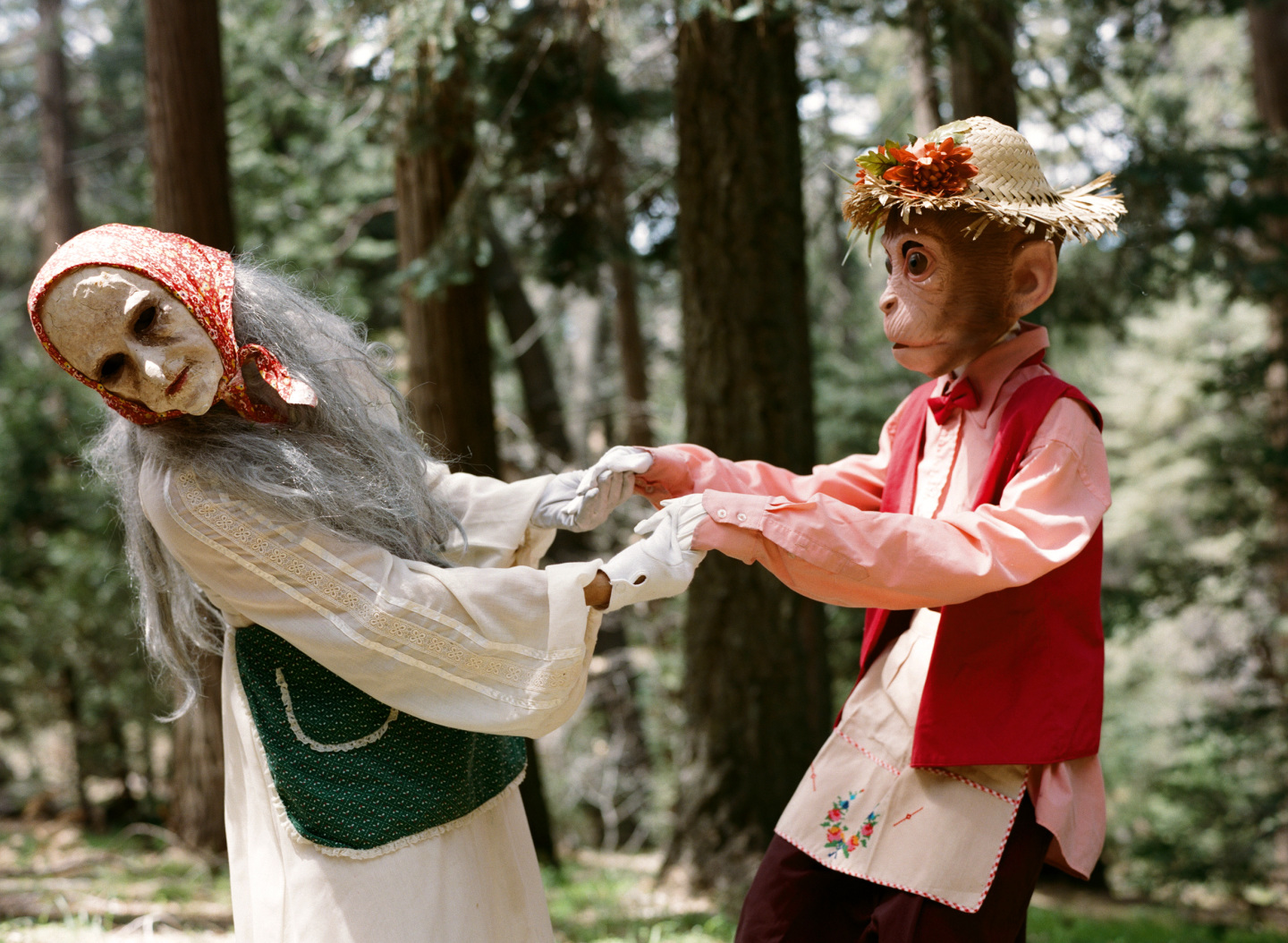
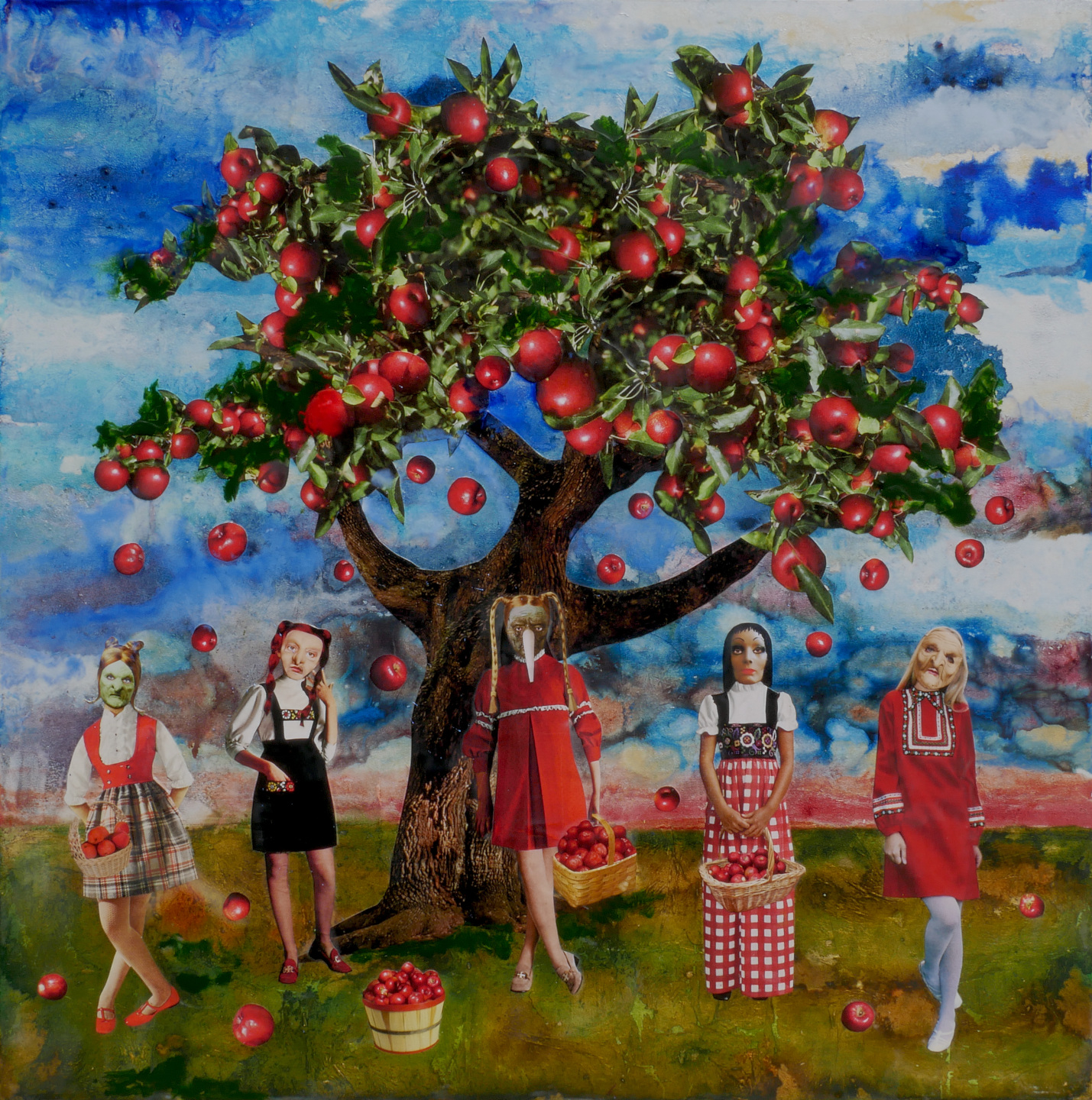
Weber’s approach to creating the total work of art—which includes but is not limited to painting, sculpture, music, myth-making, live performance, film, photography, collage, set design, installation, costuming, prosthetics, puppets, and witchcraft—has beguiled and piqued audiences for decades. Her punk-infused humor and interest in powerful gendered archetypes (from cowgirls to sorceresses) results in unforgettable, one-off theatrical tableaux. Her recent show at Berlin’s Heidi Gallery, "Sweet Ravaging Time," presented a historical survey of the various personae—crones, hags and witches—that Weber has embodied throughout her 30 year practice.
Narratives like these, which foreground ideas of materiality, ritual, archetype, and attention to women’s visions were at the core of this year’s Venice Biennale, titled “The Milk of Dreams.” At the Arsenale, Giardini, Collaterals and other sites across the city, visitors delighted in works of feminist surrealism (courtesy of Leonora Carrington, the movement’s patron saint and muse), but also through diverse craft and folk art practices that span a lavish range of cultural and spiritual traditions outside the Western canon.
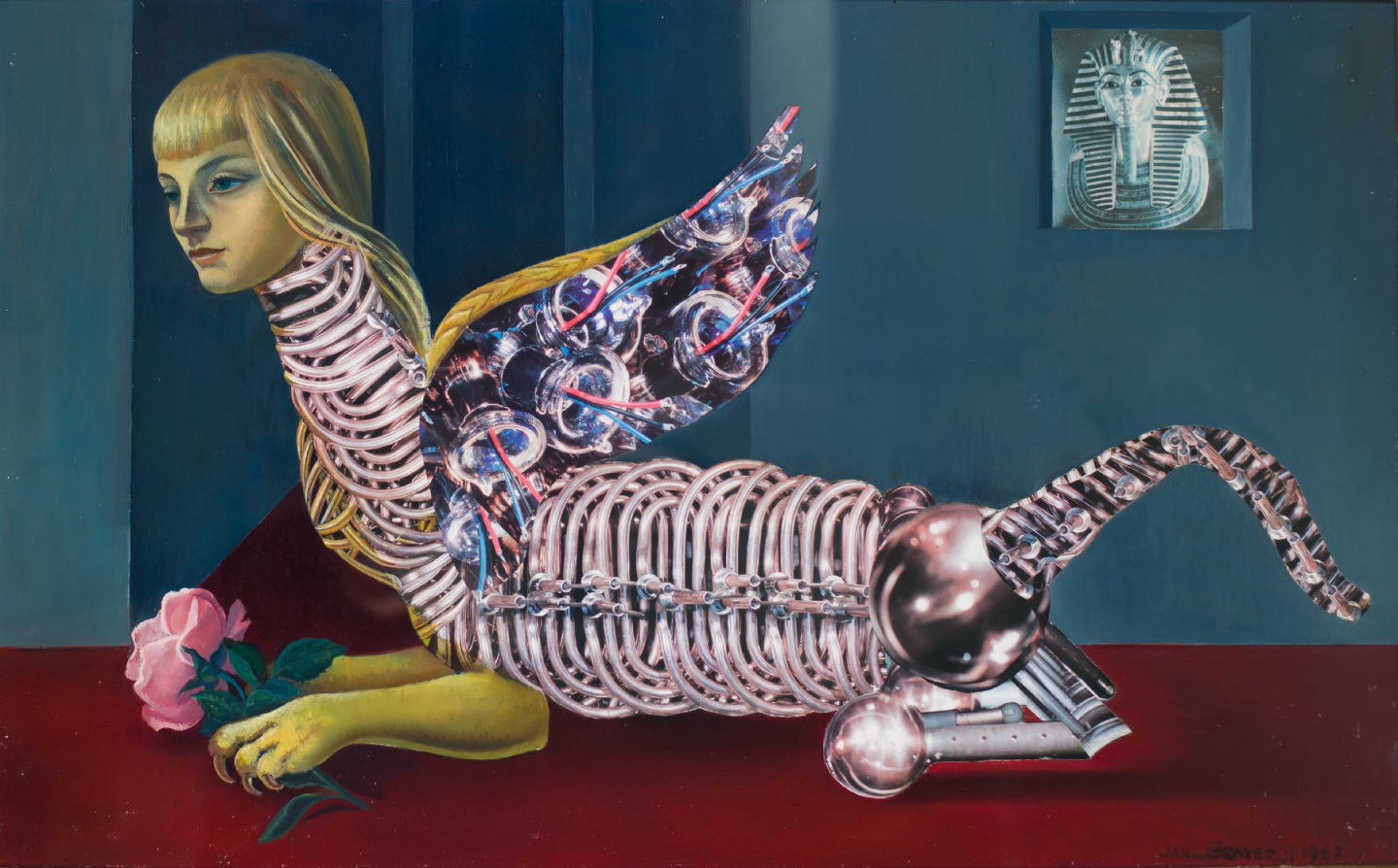

The exhibition carved out spaces that played legendary female surrealists (painters like Leonora Carrington, Dorothea Tanning, and Remedios Varo; performers like Maya Deren), off of contemporary voices (like Jane Graverol and the revelatory Cecilia Vicuña). Delcy Morelos filled a giant industrial garage with a shoulder-high maze of fragrant, spiced soil that positioned the viewer’s own body and senses as the site of the work’s activation. Precious Okoyomon engulfed a staged sculpture garden in a tangle of living feral vines, out of which emerged a constellation of female figures, making the link to nature fervently clear. Off site, Marlene Dumas deployed a range of seductively subversive, psychologically charged nude portraits in her intensely dissolute style at the stately Palazzo Grassi, forcing a clash between staid classicism and modern sexuality. Lita Albuquerque’s majestic "Liquid Light" Collateral installation at the Biennale presented a selection of abstract paintings and beguiling sculptures accompanied by a gestural film (a stirring non-vocal narrative starring the artist’s daughter, the dancer Jasmine Albuquerque) about fate, wisdom, the cosmos, and female astronauts.
While no trip to Venice is complete without a pilgrimage to the Peggy Guggenheim Collection, this year, a visit was essential. The Collection’s "Surrealism and Magic: Enchanted Modernity" show was easily the most on-point regional response to the Biennale’s "The Milk of Dreams" theme. With less than 60 works, this intimate show decisively shifted the Biennale’s focus on the Surrealist movement to its spiritual underpinnings—and the women, under-celebrated in art history, who were its most visionary practitioners. Though it shared artists with the Biennale, the exhibition was uniquely its own, echoing a larger commitment to celebrating the work of women whose somatic wisdom has long been relegated to the periphery. In Carrington’s own words, “You may not believe in magic, but something very strange is happening at this very moment.”




 in your life?