What separates a strong collection from a forgettable mix isn’t just about the pieces themselves—it’s the viewpoint that draws them all together. Enthusiasts like Will Bennett toggle between museum shows and digital tools for their next find, while Laurent Asscher zeros in on category and quality with near-clinical precision. For dealer Geoff Snack, acquisitions come from both blue-chip relationships and eBay rabbit holes as he sifts through bookstore shelves and sidewalk boxes with equal conviction. What unites these aesthetes is the act of looking, consistently and closely. So, we posed to each a simple but vital question: What is the most important advice you would offer a novice collector?
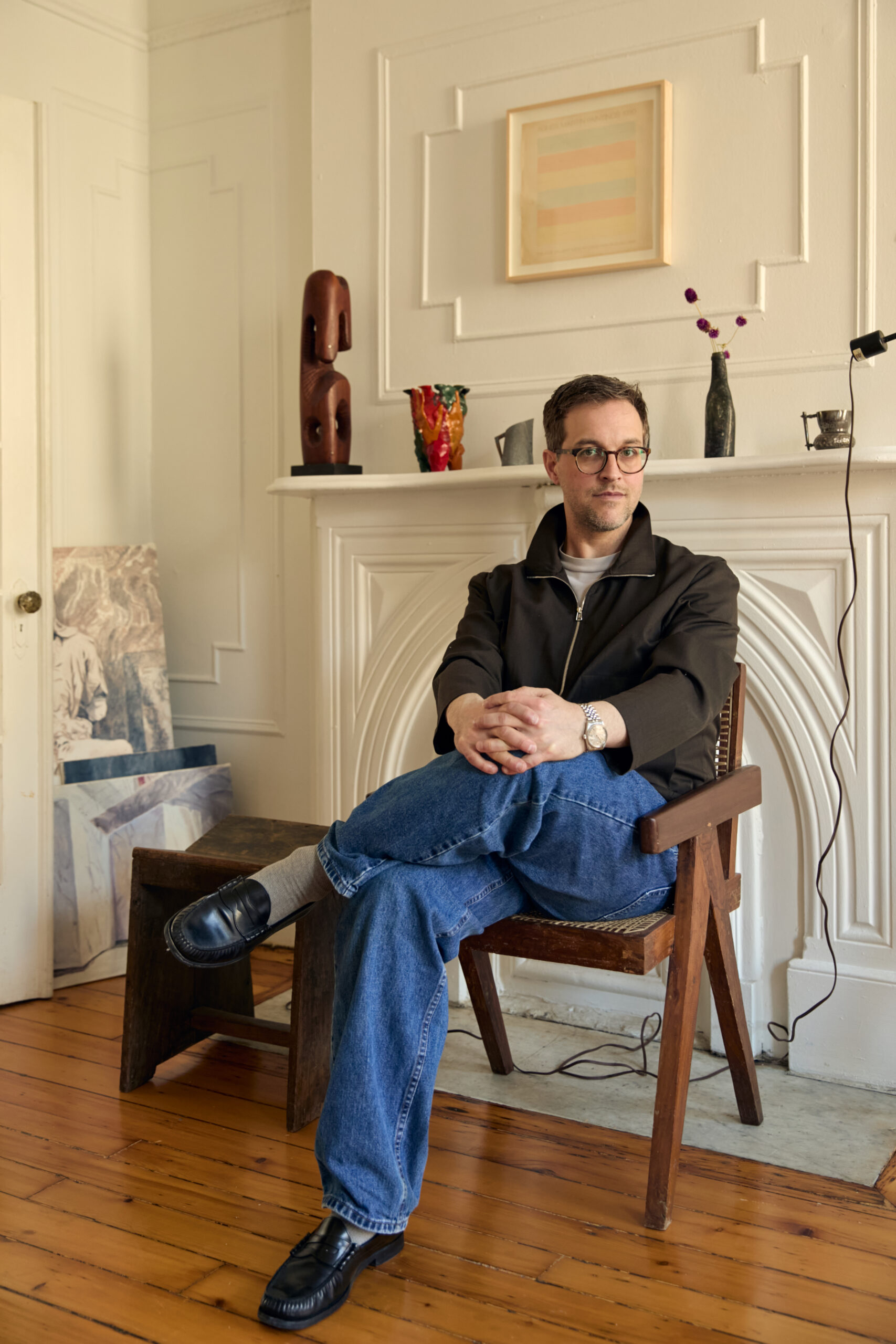
“A big part of being able to do this well is simply being present. I spend a lot of time in bookshops, and in conversation with dealers, private collectors, and people with deep libraries and archives. A lot of what I source ultimately comes through those relationships. But I’m not above looking on eBay every now and again. I’m not precious about where things come from. I’ll stop into bookstores around New York just to see what’s there. If I pass a box of books on the street, I’ll go through it. I try to stay open and responsive to whatever might surface—I’m a bit of a truffle hound in that sense, always sniffing around for something unexpected. For me, it’s primarily about contacts and building up great relationships with collectors and dealers. I’ve also been surprised by finding stuff in unexpected places.”
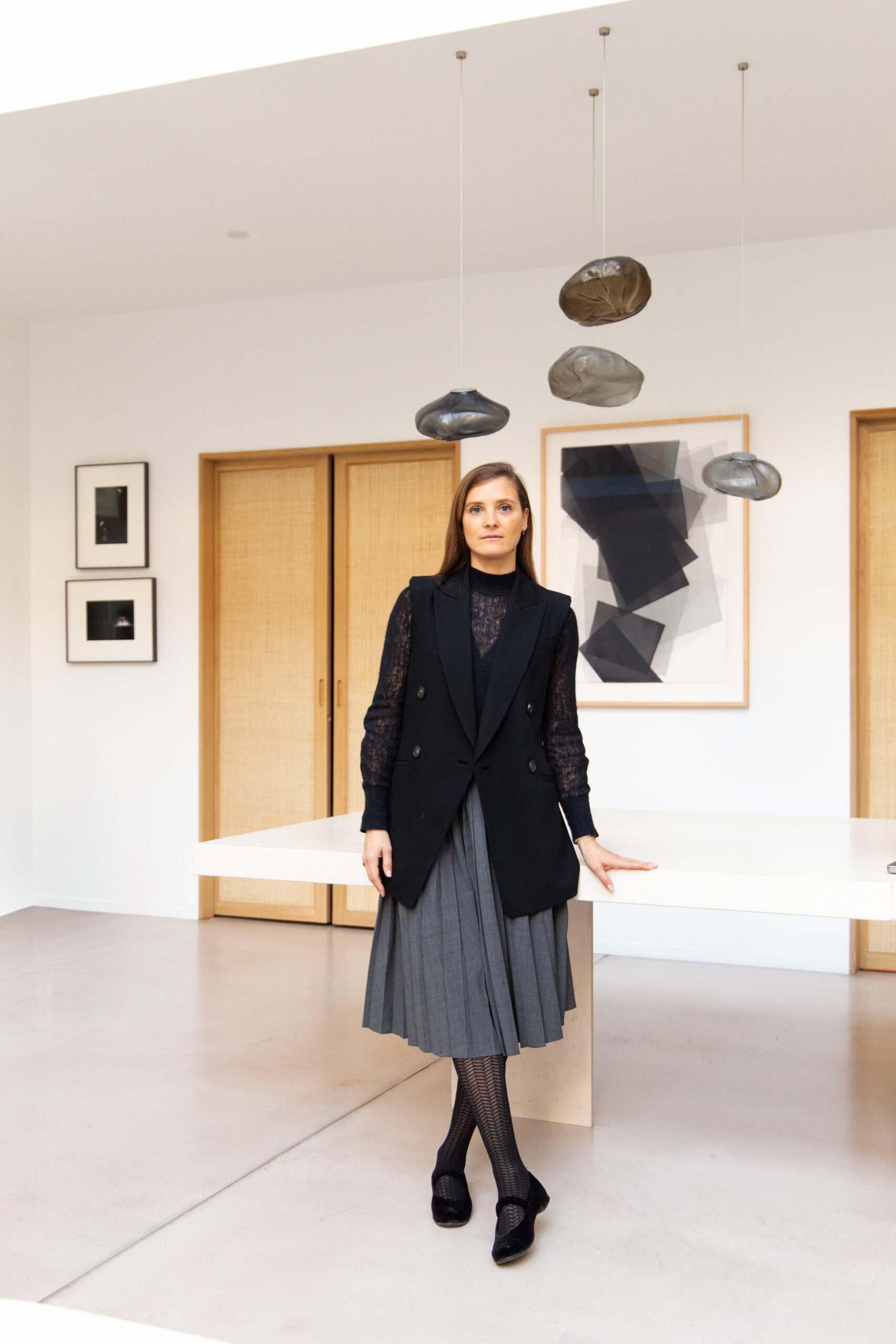
“My process is focused on the artist first, then the specific piece. When evaluating a work, I always look for a balanced synergy between three pillars: the artist’s conceptual approach, the technical mastery they’ve developed, and, of course, the aesthetic result.”
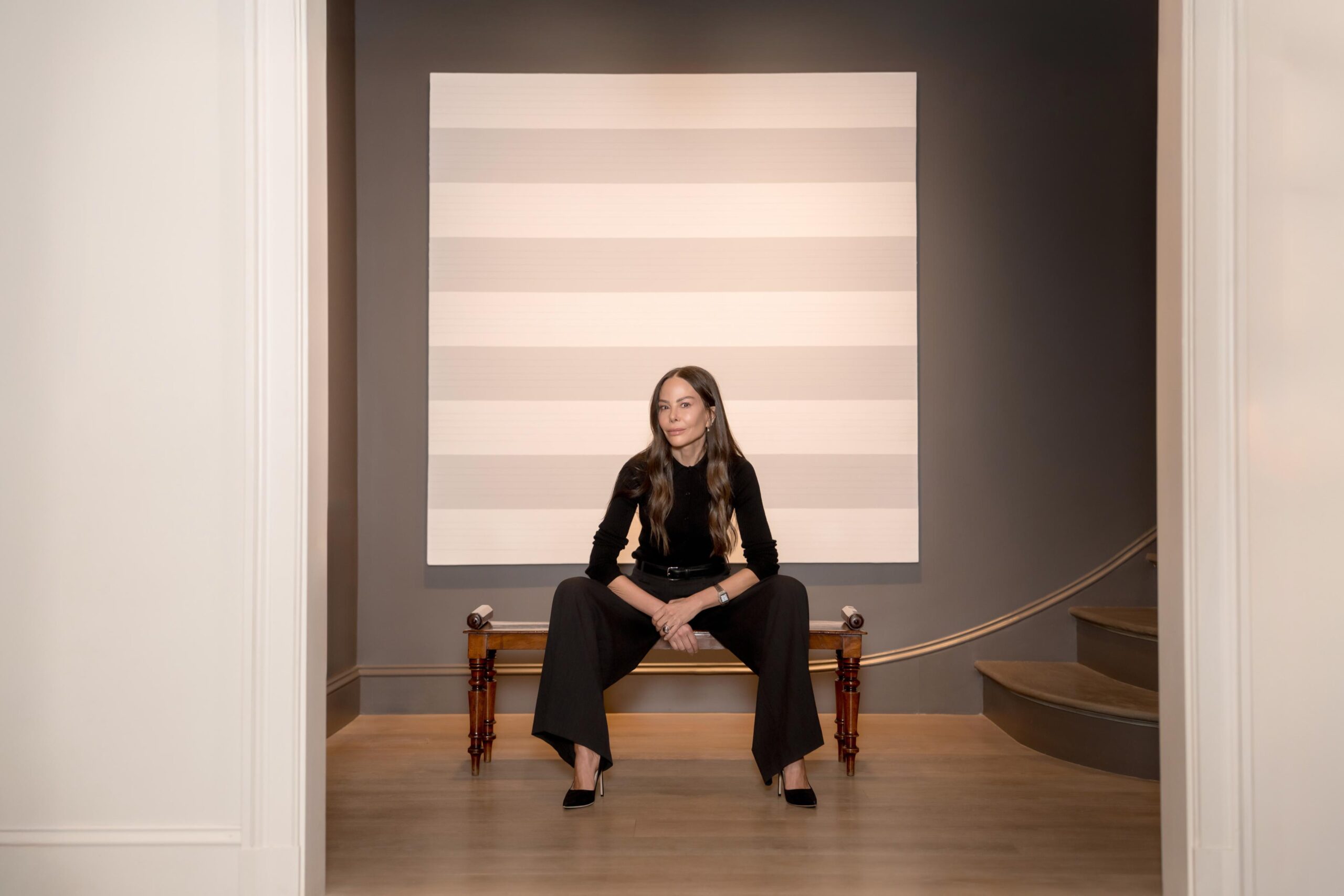
“I grew up in an art family, and do think that I absorbed a strong appreciation for art through exposure. I am also a very visual and curious person so I would say, train your eye, educate yourself, and think outside of the box. The best advice I ever received was to buy what I love, not necessarily what looks good on paper or is trendy. It doesn’t have to be expensive to build a collection. Learn to trust your instincts. I have childrens’ artwork or found objects alongside some of the greats.”
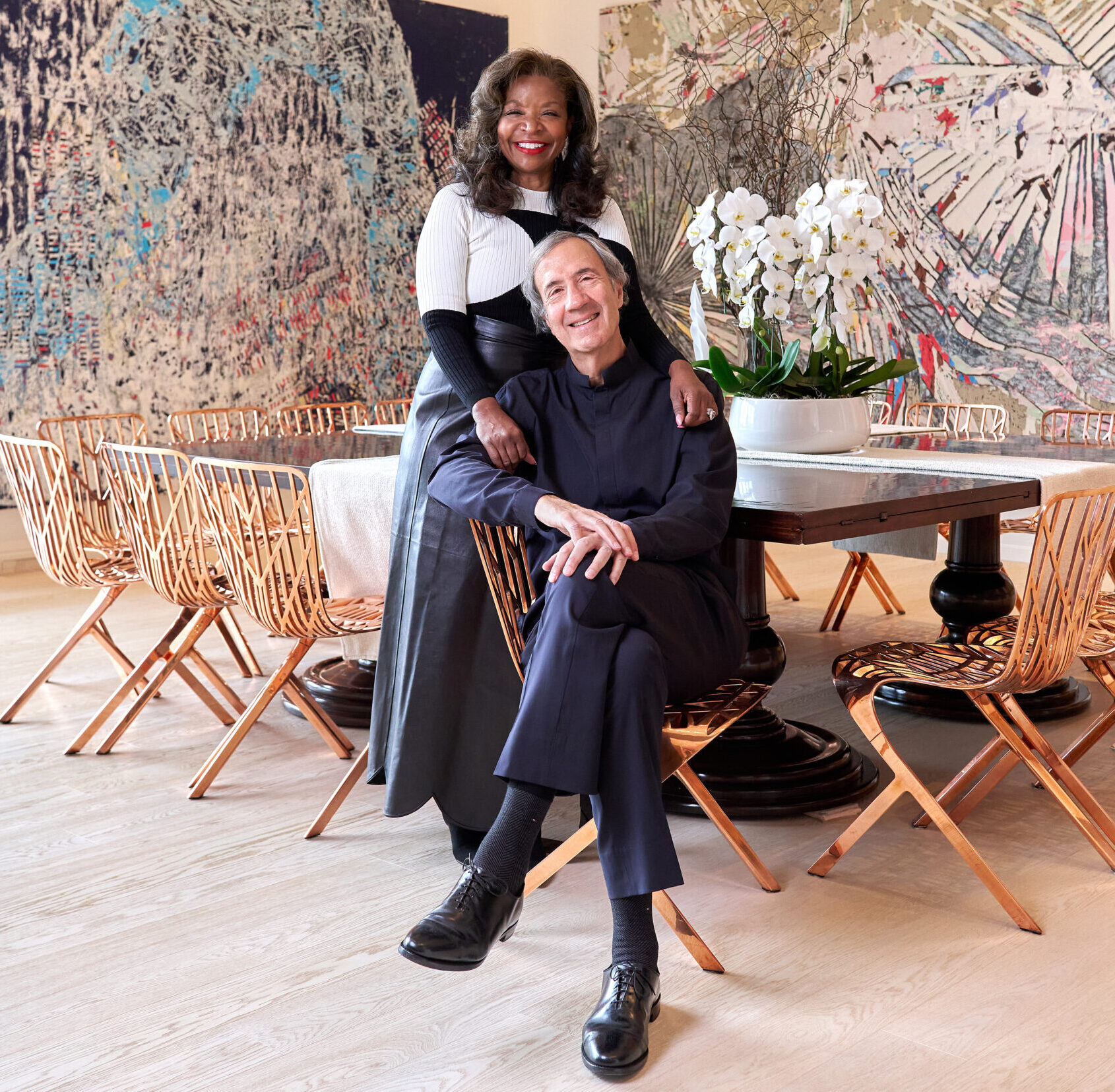
Pamela Joyner and Fred Giuffrida
“First, I think it is important to train one’s eye by seeing a lot of art. That is the only way to develop a point of view about what you like, as well as which art is excellent. Collect more books about art before you purchase much and continue adding to that collection as you go. One fascinating and fun aspect of collecting is that it compels you to remain a lifelong learner. Finally, I think it has been especially helpful to have an area of focus. This helps to narrow the otherwise vast number of choices.
More importantly, being focused enables me to continuously explore new ways to activate the collection so that it might be useful to the art ecosystem and the building of new art histories. For example, we reconfigured our long-standing artist residency program when we moved to Nevada, so that each artist who stays with us is given the opportunity to present work at the Nevada Museum of Art. It’s been a huge success and keeps our collecting journey moving in thoughtful and unexpected ways.”
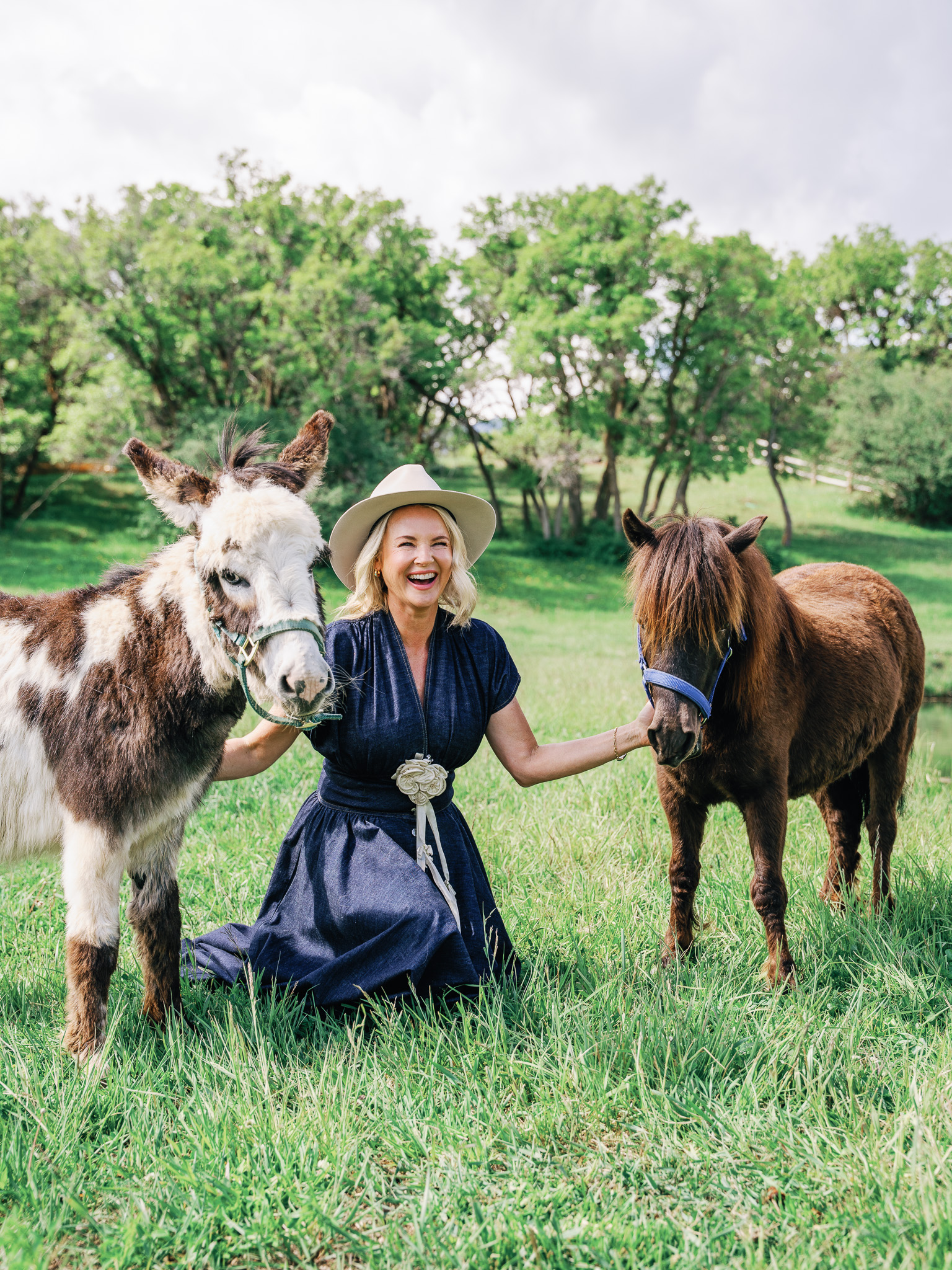
“Start by buying what you truly love. When I began collecting with the guidance of Mary Zlot, she introduced me to some bold, conceptual work in New York—art that challenged me in ways I wasn’t quite ready for. Instead, I found myself naturally drawn to pieces that evoked a sense of calm and joy. I wanted our home to be a place of serenity, not just for me, but for my family and friends. Once our home in Palo Alto was fully curated, my dear friend Akiko Yamazaki came to visit.
Walking through the space, she looked around and said, ‘Allison, I didn’t realize you collected Asian art!’ I hadn’t either—until that moment. But there it was: works by [Hiroshi] Sugimoto, [Lee] Ufan, Zhang [Huan], [Kishio] Suga, Chung Sang-Hwa, and other contemporary Asian artists. I realized I had been instinctively drawn to a particular visual language that embodied the stillness I craved.
That visit led to an unexpected and deeply meaningful chapter—Akiko invited me to join the board of the Asian Art Museum in San Francisco, where I served for three years and helped support the creation of their new contemporary wing. It all began with simply trusting my eye and following the art that moved me.”
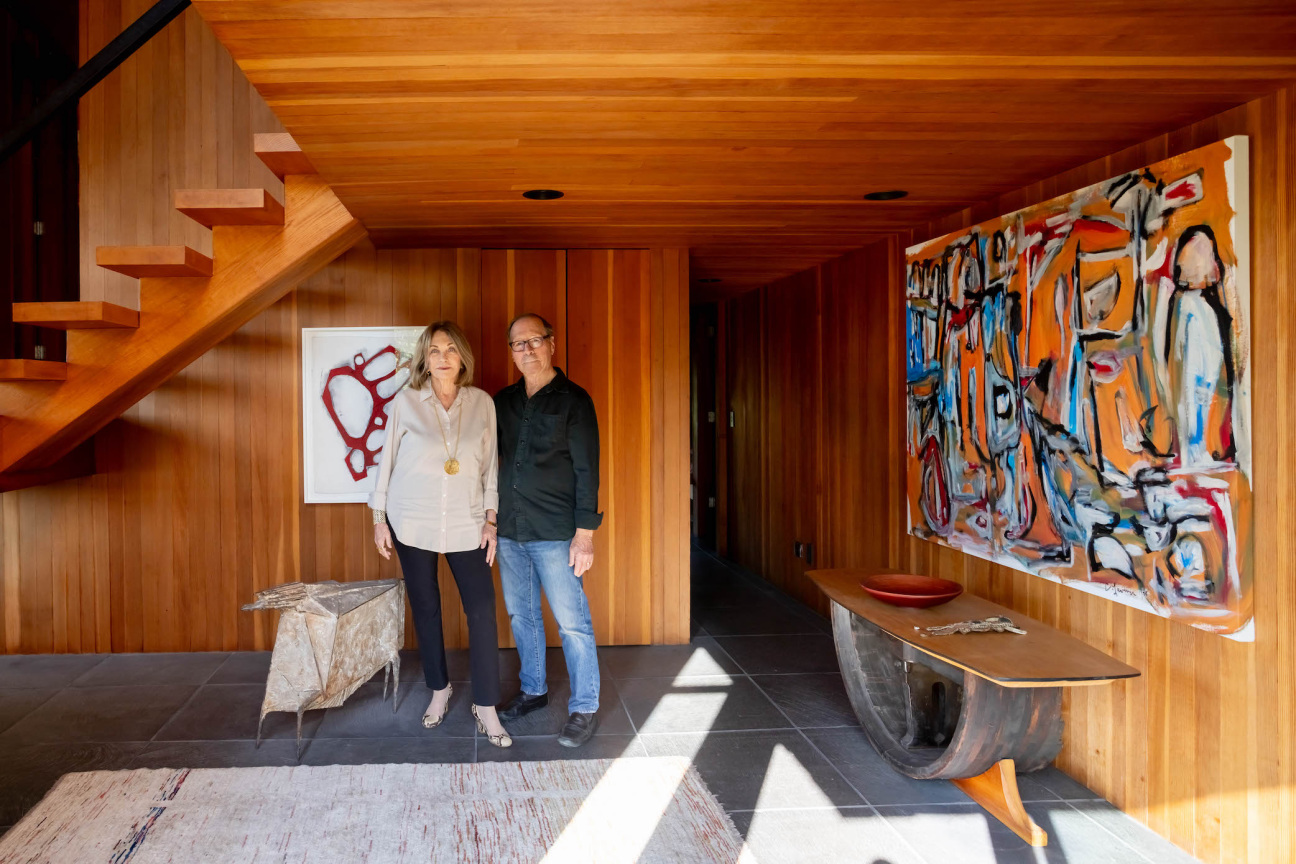
“Buy what you love and invest time in getting to know the work of emerging artists. Go to as many shows and museums and galleries as you can and find a knowledgeable art advisor you can trust.”
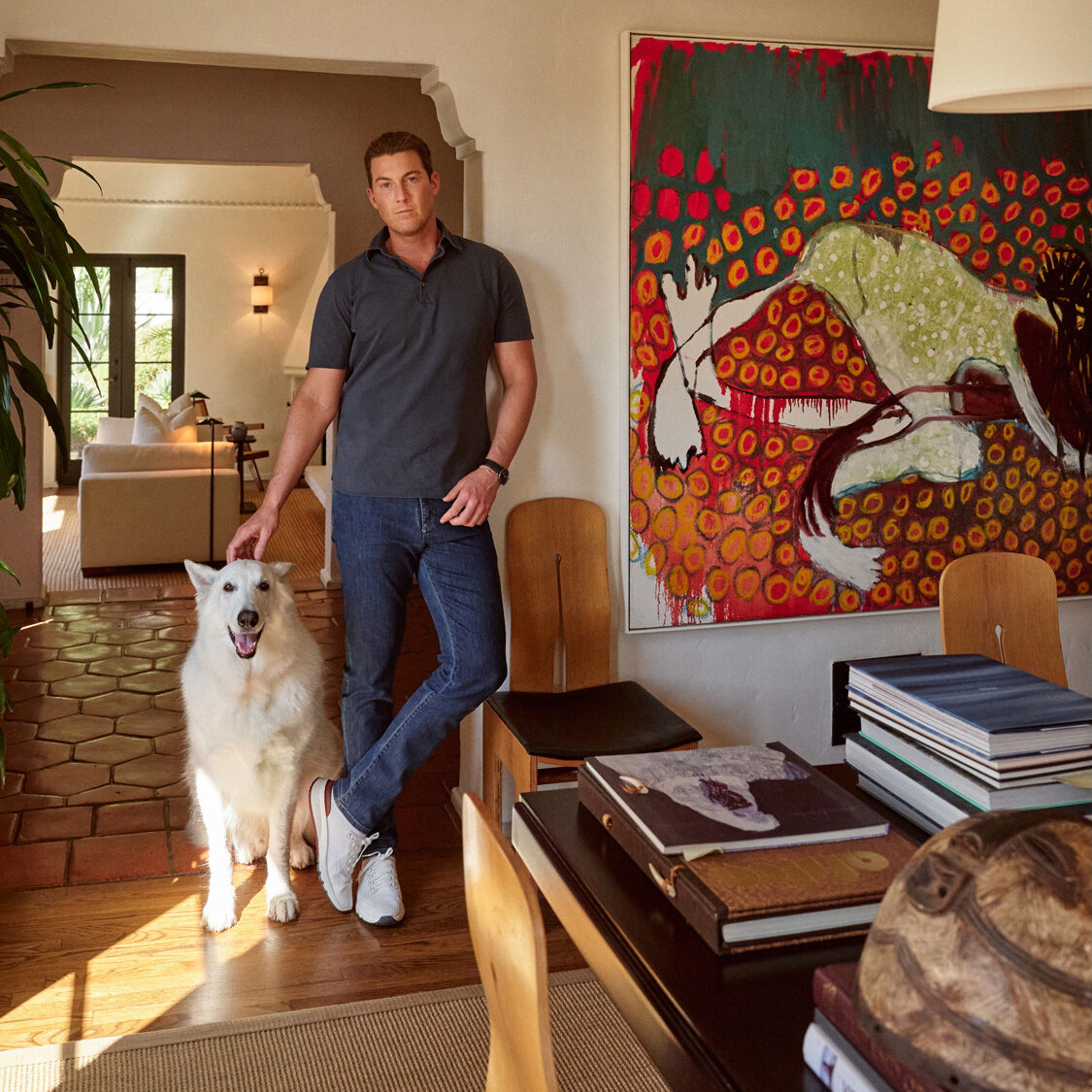
“Take your time. There’s no rush. Download the See Saw app—it’s an amazing tool for seeing what shows are happening and where. And don’t be afraid to ask questions. People in the art world are far more generous with their knowledge than you might expect, especially if they can see you’re genuinely curious. Also, see as many museum shows as possible and support local institutions if you can.”
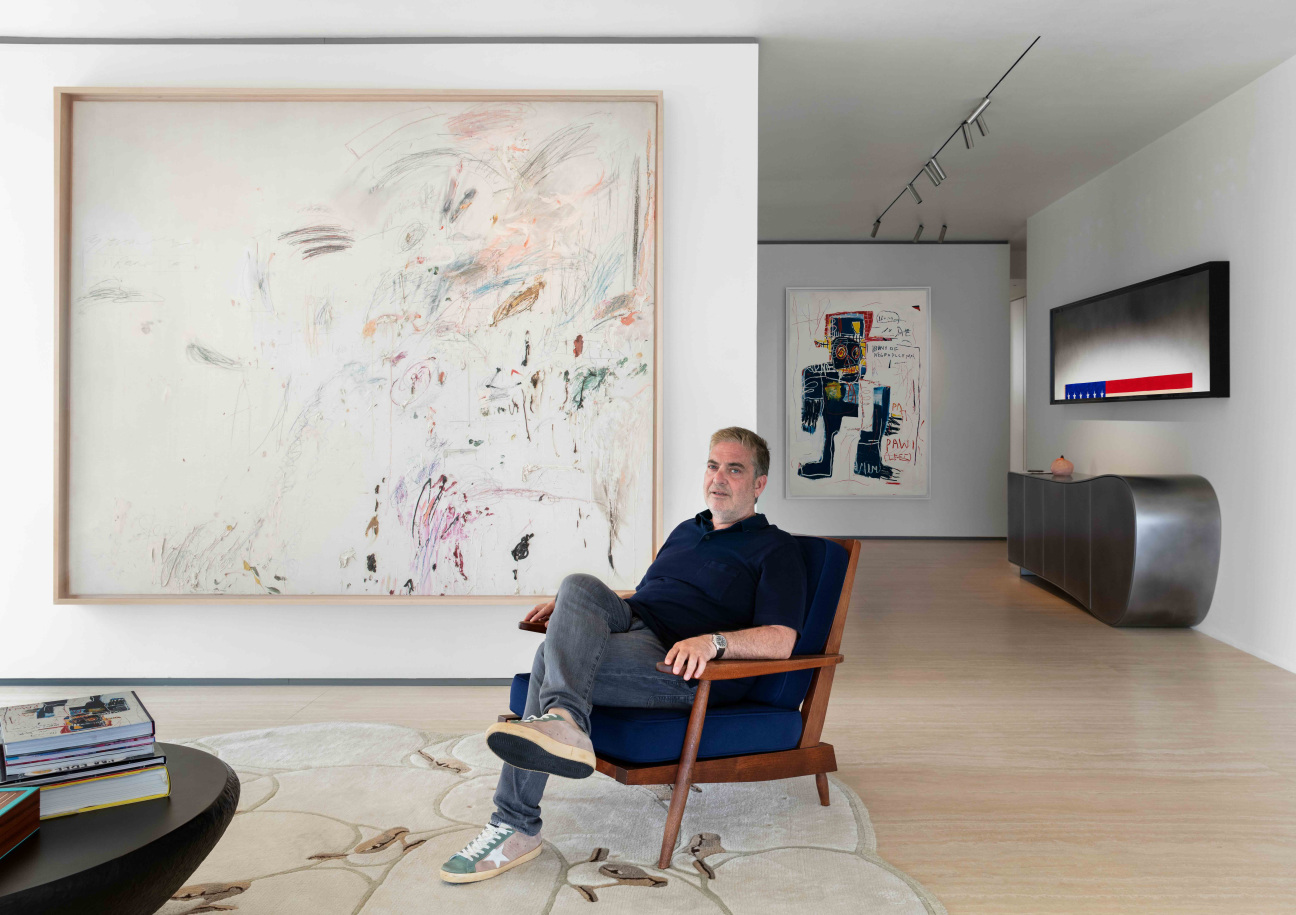
“First define the category you want to focus on. It could be African art, American art, drawings, objects—anything. But once they choose a category based on their passion, a specific subcategory, or their financial means, they need to fully commit to it.
The most important rule is to never compromise on quality. A collector should always seek out the best possible works within their chosen field, prioritizing excellence over price. If they can get the best price for a high-quality piece, that’s great—but the guiding principle should always be quality first, not price first. In the long run, great works retain their value, while lesser works rarely do.”
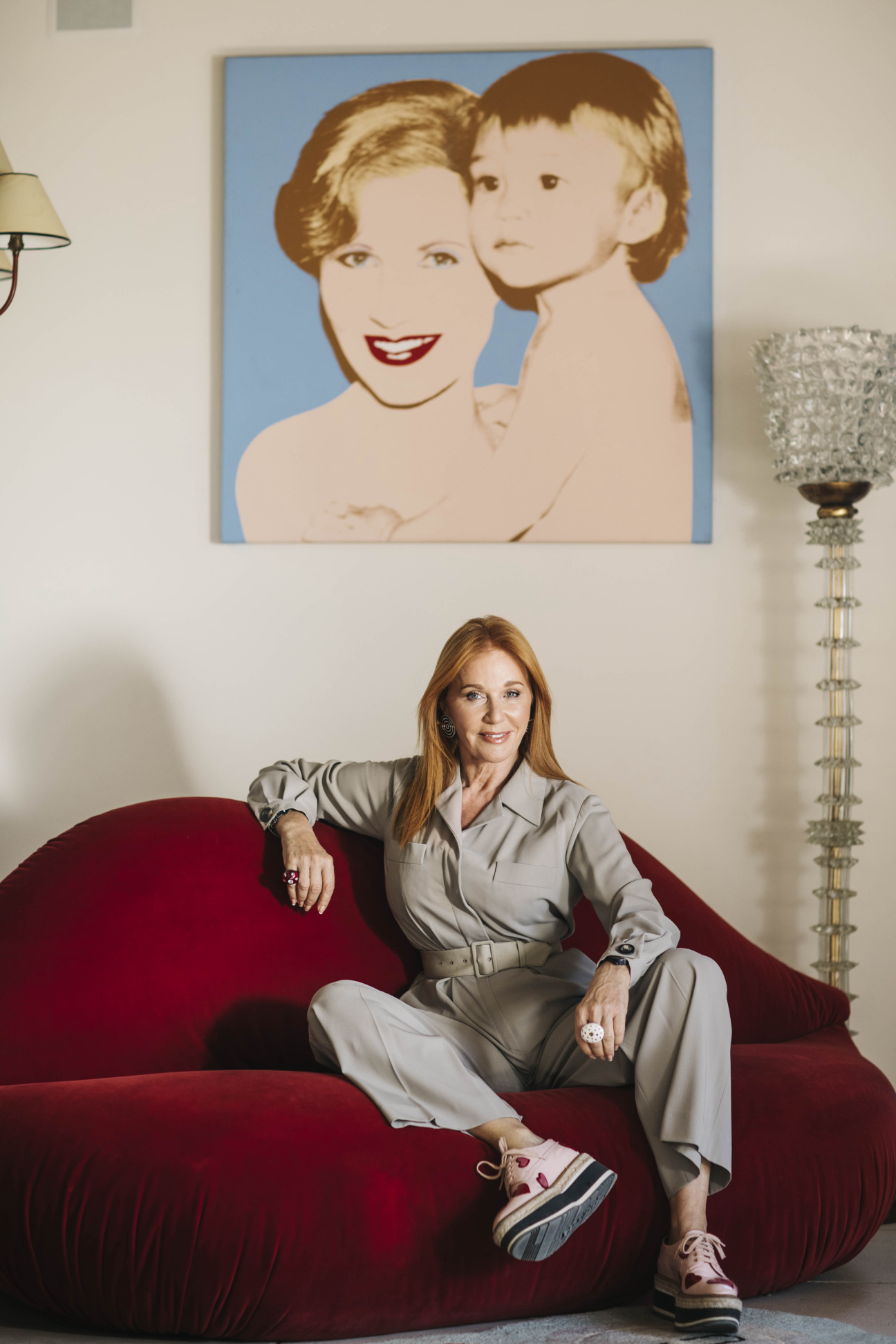
“Don’t try to impress anyone. Buy what moves you. And live with it—the relationship with an artwork evolves over time. You’ll learn more from a single mistake than from 10 perfect purchases.”
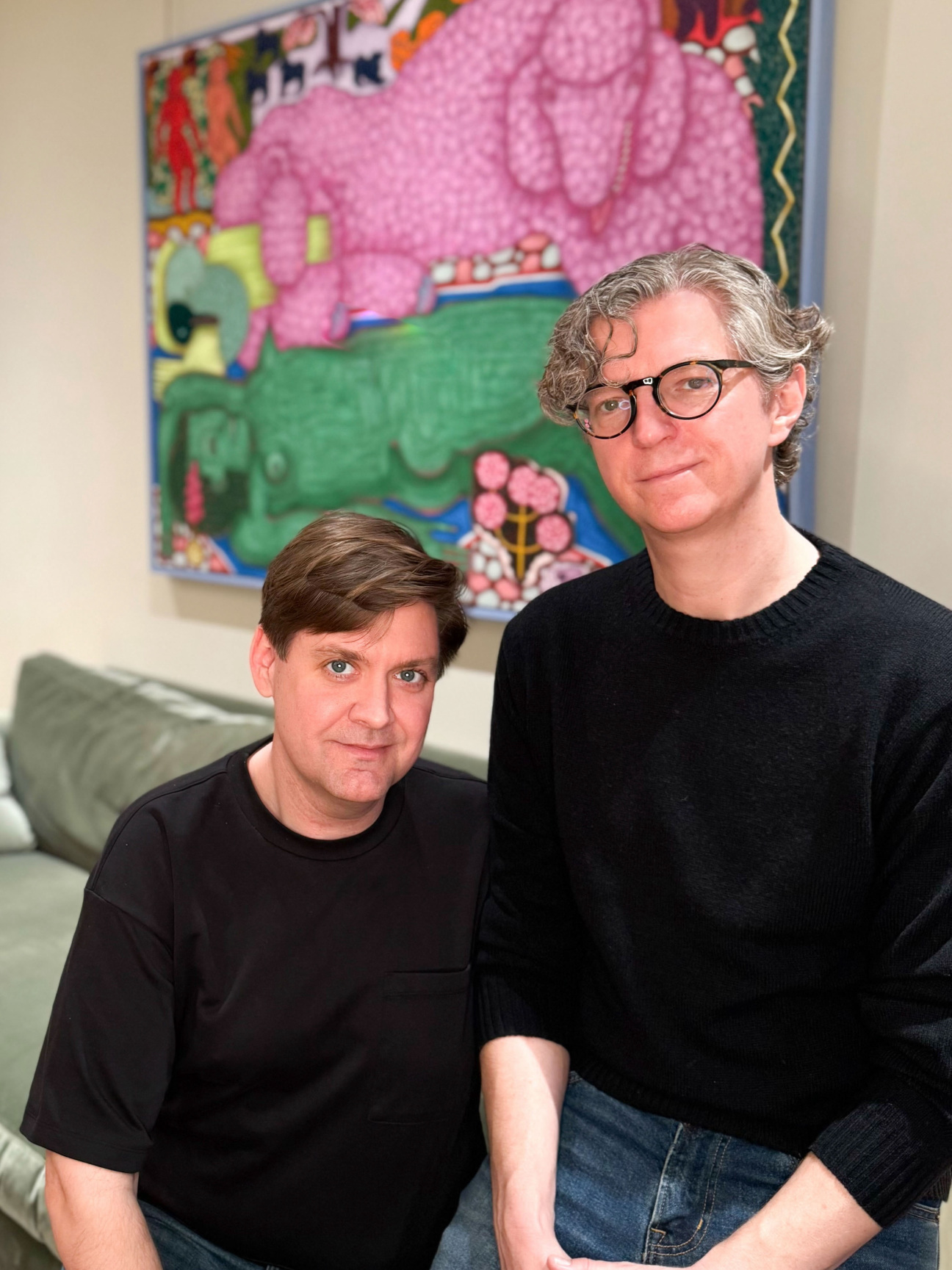
“Pull the trigger. Buy something you love and hang it on your wall. Even if that artist doesn’t become super famous, you’re going to love living with the work and you are going to discover more about yourself and your world. The best time to buy a Monet was 150 years ago, but the best time to buy today’s Monet is yesterday. Great art is constantly being created. You just have to find it. Next, stay informed! Read Street Smarts in CULTURED. Ralph knows his stuff. Join the Critics’ Table and let Johanna and John teach you something new. Challenge yourself to learn more about this incredibly expansive world.
Finally, take risks! Eric always says: don’t collect the list, make the list. Even in the avant-garde world of art, it can be challenging to forge your own way. However, as you continue to collect, one of the most rewarding results is developing a unique collection that reflects your own passions. Lastly, watch out! You may discover an obsession and end up needing to buy an apartment in New York just so you have more walls to live with all of your art!”
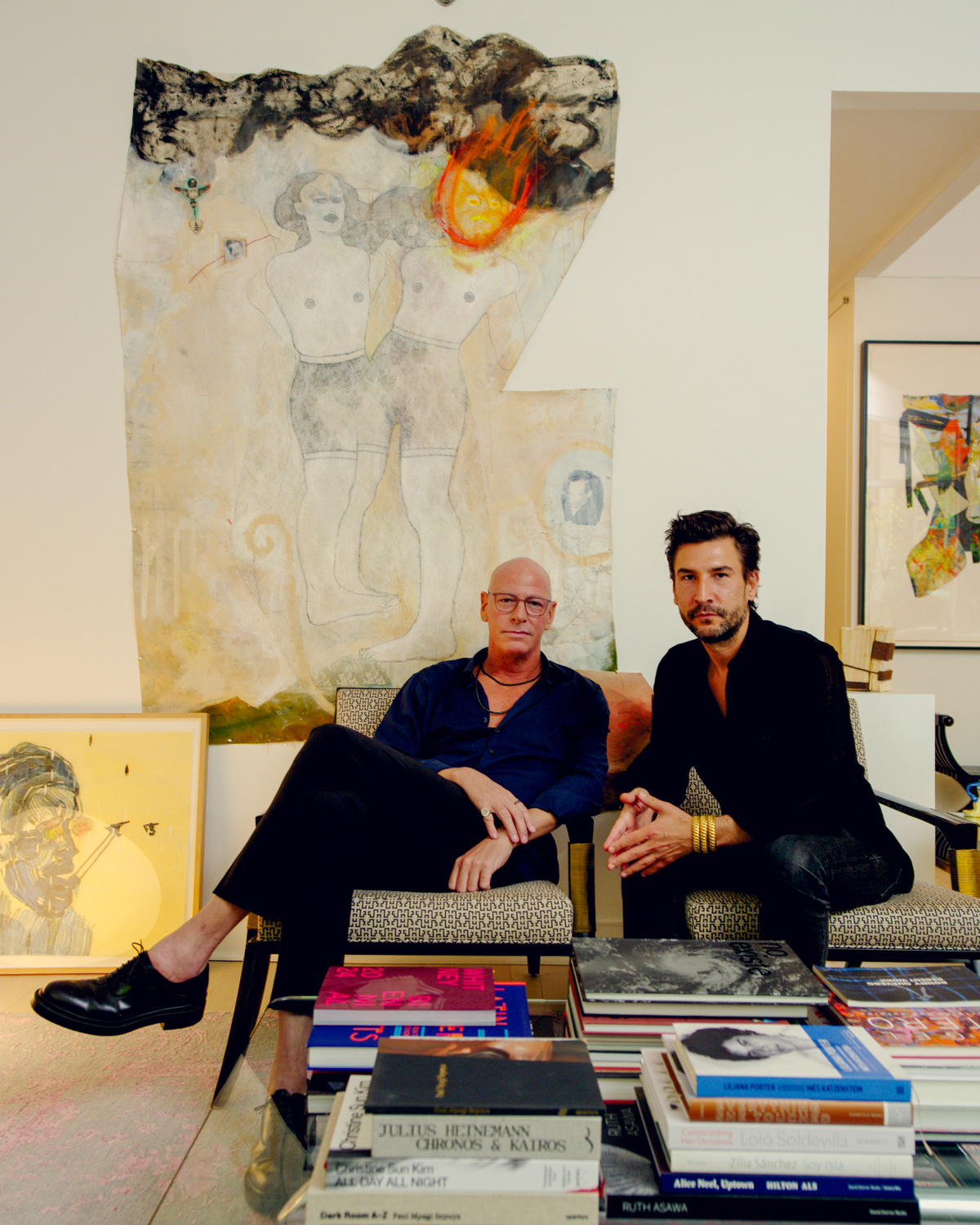
Rodrigo Padilla and Elliott Trice
“See all the art you can. Visit shows, go to fairs, scroll endlessly. Meet artists, drink with them, dance with them, visit their studios, ask questions. If you love the work and connect with the artist, buy it. Also, you don’t need to know everything about art to collect; it starts with what moves you.
Also, listen to the gallerists; the good ones are indispensable. People like Thomas, Lauren, and Sean Kelly; Iliya Fridman at Fridman Gallery; and Manuela Paz and Christopher Rivera at Embajada, they want collectors who genuinely care about the artists. Let them teach you.”
More of our favorite stories from CULTURED
How Blue Ribbon Survived a Mob Run-in and Transformed Late-Night Dining
Why Cookbooks Are the Next Frontier for Narrative Writing
You’ve Heard About the New Museum’s New Building. The New Show Is Even Better.
Everyone Was Afraid to Touch Nadav Lapid’s Satire of Israeli Artists. Now, It’s Being Released.
Where 27 Artists Are Hanging Out in New York Right Now
Sign up for our newsletter here to get these stories direct to your inbox.


 in your life?