Every so often, a planet passes in front of a particular star or a comet whizzes through the sky. But who cares about a rare celestial alignment when, back on Earth, you have the alignment of nearly a dozen sprawling group shows or “-iennial” exhibitions around the globe in a single year?
In 2026, there’s the Venice Biennale, which opens on May 9 with a central exhibition conceived by the Cameroonian-Swiss curator Koyo Kouoh and executed by a team she appointed before her death last May. In New York alone, there’s MoMA PS1’s quinquennial Greater New York (opening April 16), the Whitney Biennial (on view through Aug. 23), and the Bronx Museum’s AIM Biennial (on view through June 29). And that’s not to mention the many other ambitious projects in Toronto, Pittsburgh, Gwangju, Sydney, Diriyah, Busan, and more.
Over the past three decades, the number of biennials, triennials, and other festival-like group shows has ballooned worldwide. Sometimes, a critical mass arrives all at once. If these sprawling exhibitions are meant to tell us something about the state of the world today, a closer look at the 2026 slate reveals an art world figuring out how to right-size.
Many of these events are smaller than they have been in years past. A number have been organized by internal staff rather than high-profile, independent curators. And in this moment when everything seems uncertain, most have avoided a declarative title—or even an overarching theme.
Love them or hate them, -iennials have become a weathervane and an all-too-rare example of collaboration in the contemporary art world. CULTURED asked curators behind four of this year’s shows about how it all really comes together.
Whitney Biennial
Where: The Whitney Museum of American Art, New York
How Often: Every two years
When: Through Aug. 23
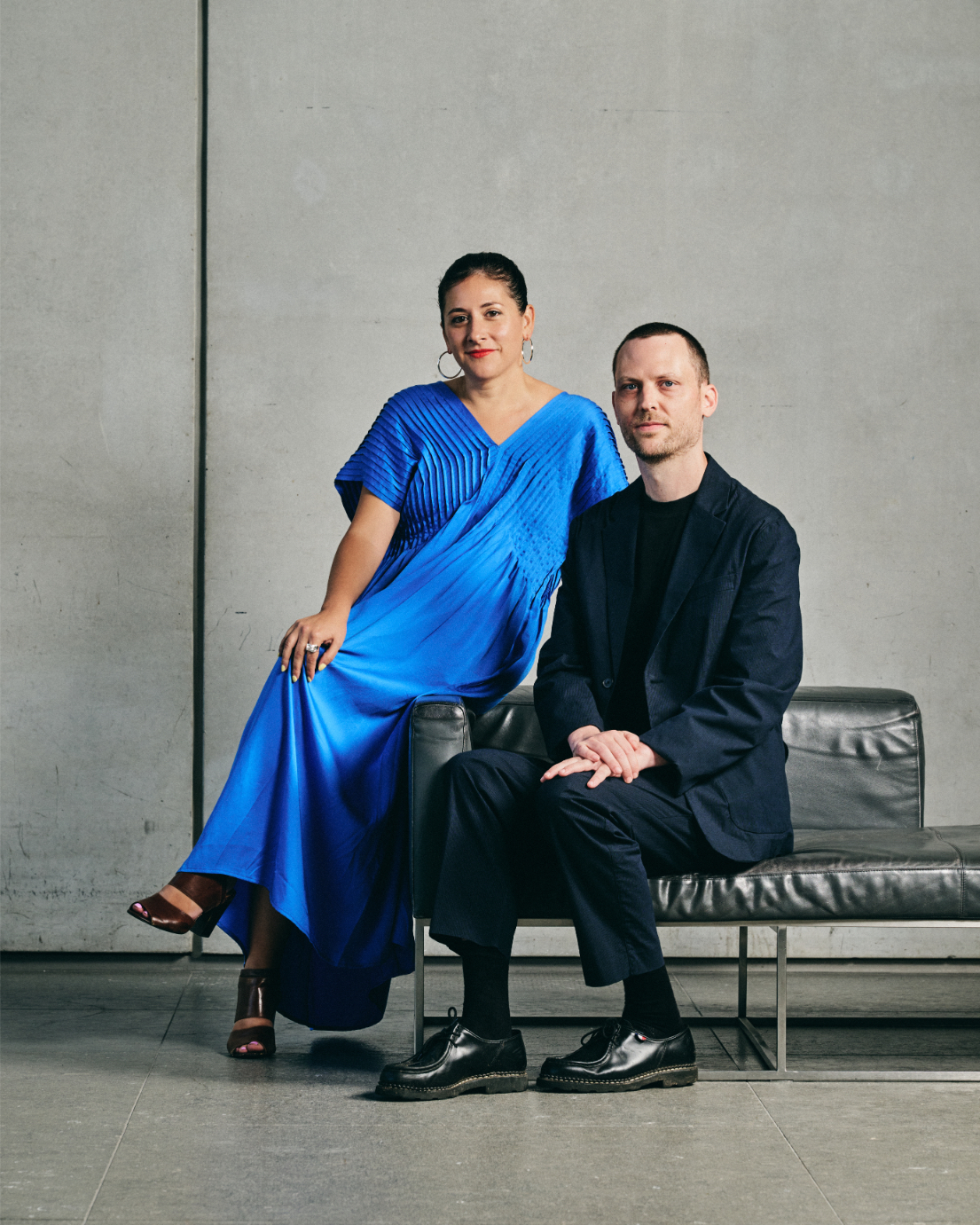
Organized by: Whitney Museum curators Marcela Guerrero and Drew Sawyer
Number of Artists in the Show: 56 artists, duos, and collectives
Number of Studio Visits Conducted: More than 300
Modes of transportation taken during the research process:
Marcela Guerrero: Planes, trains, and automobiles as well as many virtual studio visits on Teams.
If you had to describe the ethos of your biennial in three words, what would it be?
Drew Sawyer: Relationality, infrastructure, and atmosphere.
Is there a biennial that shaped your understanding of what a show like this could be?
Sawyer: We were particularly interested in the history of the Whitney Biennial, and met with many of its previous curators, looked through installation shots, and reread catalogs and reviews. We found ourselves returning to those editions that challenged conceptions of “American” art at the time, such as the 1993 Biennial, and used the architecture of the museum in interesting ways, such as the 2012 Biennial—both of which were, unsurprisingly, co-organized by Elisabeth Sussman.
What is the hardest and least understood part about organizing a biennial?
Sawyer: There were so many artists with whom we would have liked to work and whose practices would have made sense within the context of the show. Sometimes, however, specific constraints—budgetary, spatial, etc.—informed our decisions. Other times, we were thinking about balance: what makes a varied and compelling exhibition.
Biennials are big. How would you suggest a viewer tackle yours?
Guerrero: The Whitney Biennial not only occupies most of the museum’s gallery space but also our outdoor terraces, ground floor, and even the billboard across the street. You start to experience the Biennial the moment you approach the Whitney, including a sound work by Sung Tieu in our grand stairwell. From there, we recommend starting on our top floor with Precious Okoyomon’s large-scale installation and making one’s way down our west-facing stairwell with Margaret Honda’s beautiful architectural intervention.
How did your team make decisions?
Sawyer: Since it was just the two of us, we tried to make all of our decisions based on consensus, which involved a lot of discussion and sometimes the art of persuasion. We shared things that each of us were reading to better understand our different ideas and perspectives. From the beginning, we both wanted to be open to new artists and ideas, and luckily often found ourselves in agreement.
Greater New York
Where: MoMA PS1, Queens, New York
How Often: Every five years
When: April 16–Aug. 17
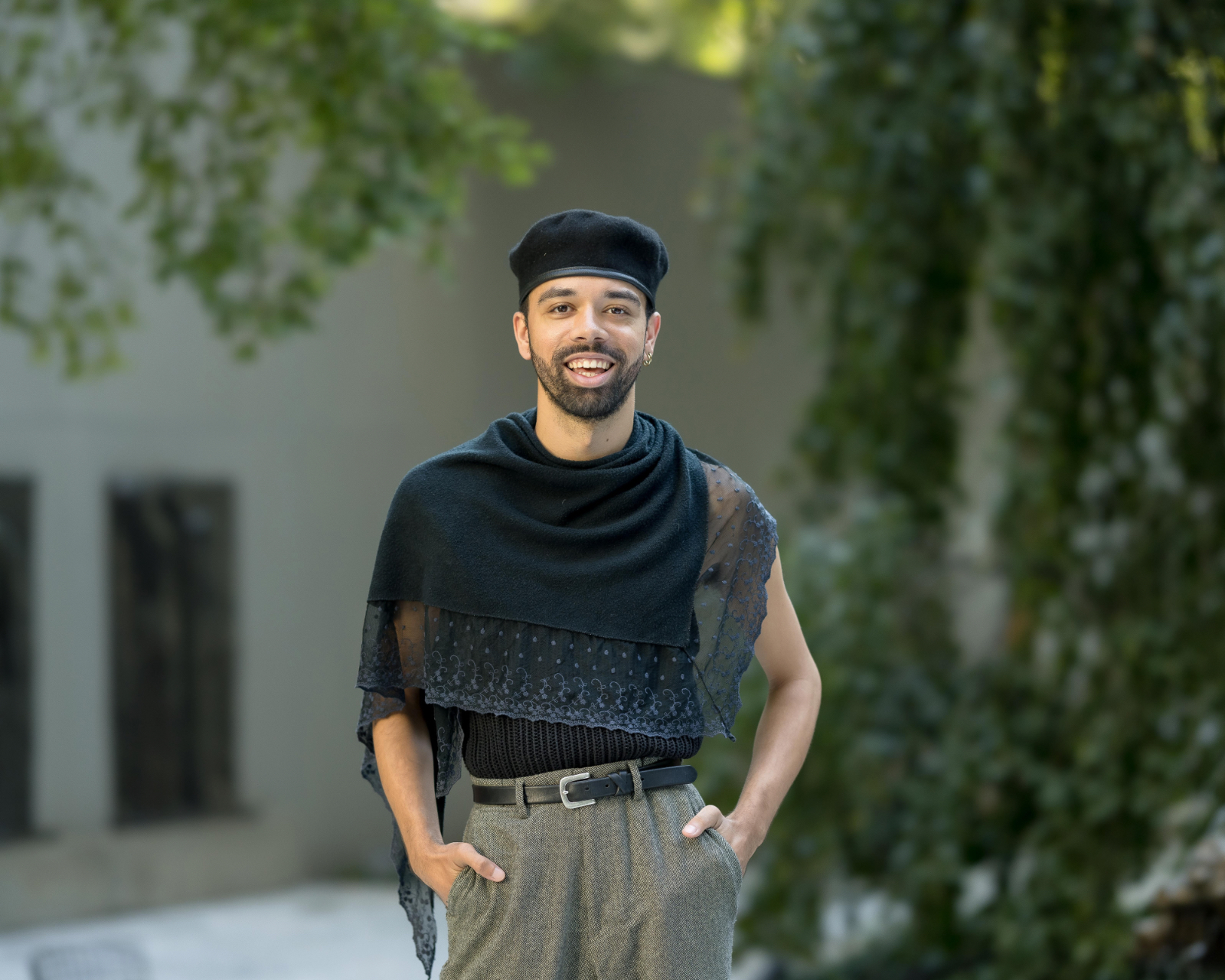
Organized by: MoMA PS1’s curatorial team, including Associate Curator Elena Ketelsen González and Curatorial Assistant Sheldon Gooch
Number of Artists in the Show: 53
Number of Studio Visits Conducted: Over 100
Longest studio visit:
Sheldon Gooch: Due to the sheer amount of visits that needed to be conducted, visits rarely went over an hour. As artists were confirmed, I had the opportunity to return to their studios on multiple occasions for a deeper dive.
Modes of transportation taken during the research process:
Elena Ketelsen González: Walking, ferry, train, car, bike.
What is the hardest and least understood part about organizing a biennial?
Gooch: Oftentimes, people expect the threads connecting the featured artists’ practices in a biennial to be explicit and readily apparent. However, in a show with such a broad scope, such affinities take time to reveal themselves. They certainly did for the curatorial team. Rather than overstate a theme, I invite people to take time with the show and remain open to how the works unfold individually and in relation to each other.
What fuel—snacks, TV shows, books—kept you going during the curatorial process?
Gooch: Strong black coffee and Capri Magentas.
Ketelsen González: I was reading Paul B. Preciado’s Dysphoria Mundi and thinking a lot about the city as a site of “planetary transition.” Preciado argues that our current global crises are the friction of a new world trying to be born, which felt so relevant to an exhibition about New York’s specific brand of chaos.
What biennial-art cliché would you like to see less of? Which one will you defend to the end?
Gooch: I’d like to see less of “the historical turn” in biennials. If a dead artist’s broader practice has long been overlooked, then maybe it’s time for a solo exhibition instead.
How did your team make decisions?
Gooch: It’s pretty difficult to get seven curators on the same page. We each had an opportunity to share artists who have been piquing our individual interest. From there, the team decided who to visit, with anywhere from one to three curators attending each visit. Those visits informed further conversations—sometimes intensive and difficult—and only the artists who ultimately had group consensus made it to the artist list.
If you had to describe the ethos of your biennial in three words, what would it be?
Ketelsen González: NEW YORK NOW!
Biennials are big. How would you suggest a viewer tackle yours?
Ketelsen González: Because this quinquennial is all about New York, start with the city. Take the train to PS1, take New York in—all it gives, all it takes, its crises and contradictions—then sit with that charge as you explore the show and see how artists have channeled the city’s multiple energies and entanglements. The exhibition spans three floors, and I hope it’s a show people can return to many times, especially because PS1 is now always free for all!
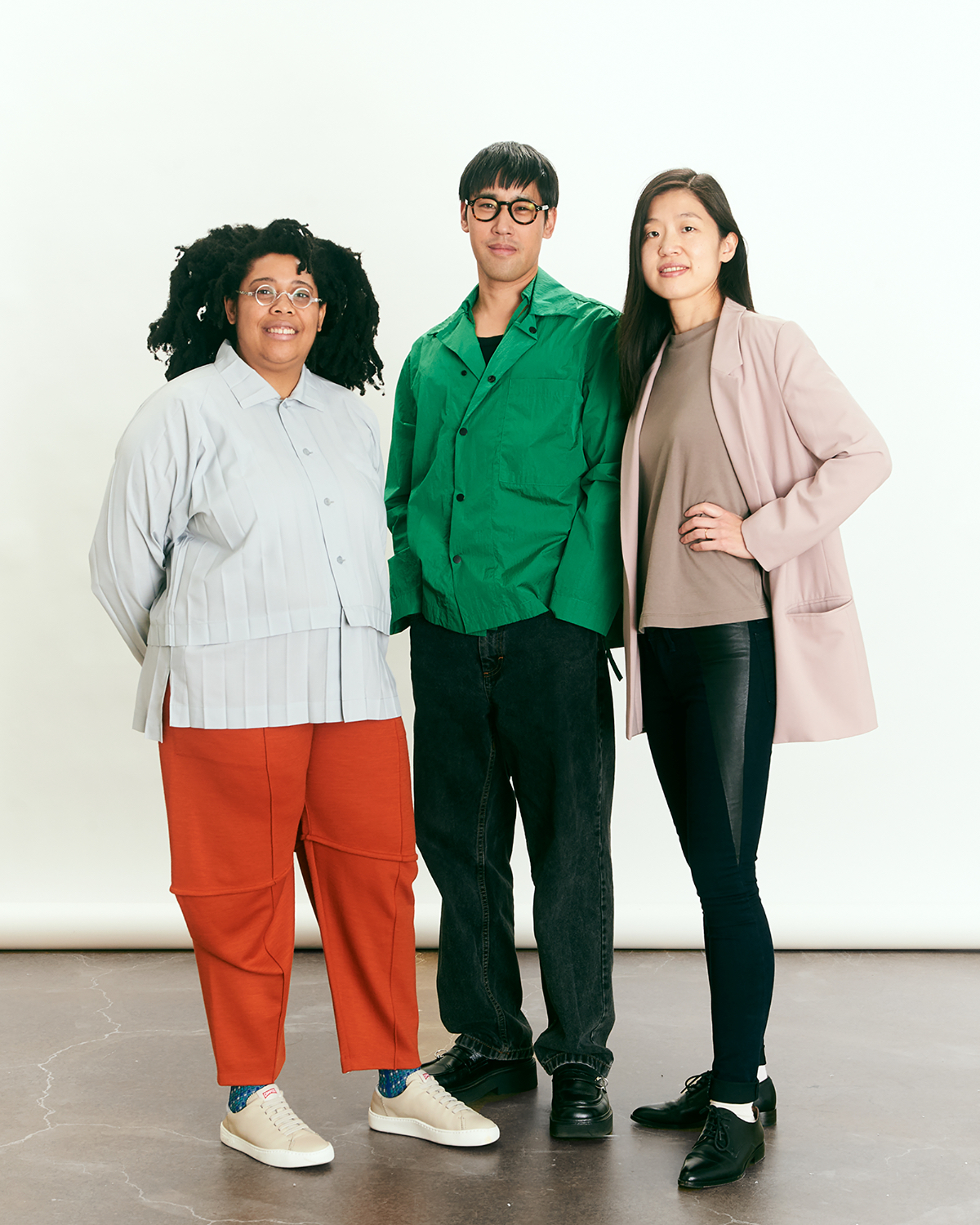
Carnegie International
Where: Carnegie Museum of Art, Pittsburgh, PA
How Often: Every four years
When: May 2, 2026–Jan. 3, 2027
Organized by: Carnegie Museum curator of international art Ryan Inouye, Artists Space curator Danielle A. Jackson, and Carnegie Museum curator of contemporary art Liz Park
Number of Artists in the Show: 61
Number of Studio Visits Conducted: “We were not really counting.”
Longest studio visit:
Ryan Inouye: You could say several began well before we were appointed curators of this exhibition.
Modes of transportation taken during the research process:
Inouye: Foot, bicycle, motorbike, tuk-tuk, car, boat, and plane.
If you had to describe the ethos of your biennial in three words, what would it be?
Liz Park: Generous, curious, and fabulous.
What is the hardest and least understood part about organizing a biennial?
Inouye: A biennial is built from choices that individuals make in dialogue with each other.
What fuel—snacks, TV shows, books—kept you going during the curatorial process?
Inouye: Retail therapy.
Biennials are big. How would you suggest a viewer tackle yours?
Park: Hopefully through many repeat visits!
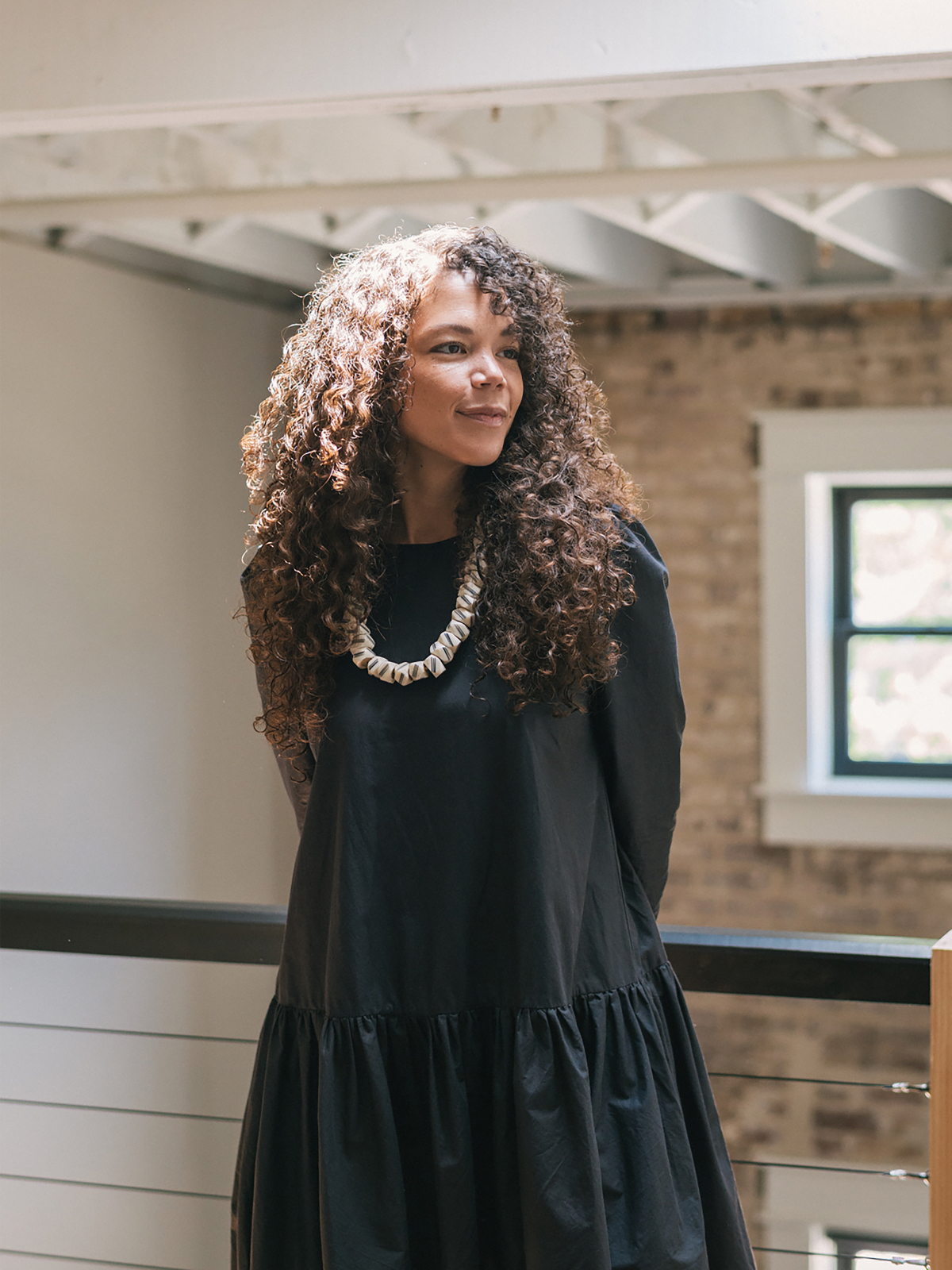
Toronto Biennial of Art
Where: Art Museum at the University of Toronto, the Art Gallery of Ontario, and other locations around the city
How Often: Every two years
When: Sept. 26–Dec. 20
Organized by: Curator and writer Allison Glenn
Number of Artists in the Show: More than 30
Number of Studio Visits Conducted: More than 125
Longest studio visit:
Three hours.
Modes of transportation taken during the research process:
Ferry, bus, streetcar, train, airplane, car, long walks.
Is there a biennial that shaped your understanding of what a show like this could be?
For the past decade, I have been involved in organizing biennials. My introduction to them was working in a curatorial staff role with Prospect New Orleans supporting the artistic director Trevor Schoonmaker for “Prospect.4: The Lotus in Spite of the Swamp.” This biennial taught me how to take risks and center the city as a site for discourse, and the myriad ways to engage with ideas across spatial-temporality. Visiting the 14th Istanbul Biennial in 2015 was an eye-opening experience, and learning from Okwui Enwezor’s Documenta 11 was deeply informative.
What is the hardest and least understood part about organizing a biennial?
2026 is the year of -iennials. Curating an international art biennial right requires an incredible amount of flexibility and adaptability. Ultimately, I meet this moment with gratitude, because at one point these curatorial positions were only afforded to a select group of international curators, while also staying nimble around artist availability due to the multiple, simultaneous projects opening this year.
What biennial-art cliché would you like to see less of? Which one will you defend to the end?
I have worked diligently to avoid the cliché of including an artist just because of their name recognition. I also really wanted the sites to be the best possible location for an artwork, which meant having to let go of some ideas and proposals that could not be realized in the best possible way.
More of our favorite stories from CULTURED
Dries Van Noten Opens Up About His Next Chapter: ‘We Didn’t Stop to Have a Quiet Life’
Psychoanalysts Jamieson Webster and Adam Phillips on How to Get the Life You Want
The Best Oscars Red Carpet Looks of All Time, According to 14 Very Opinionated People
Love Story’s Costumes Could Have Tanked the Show. Then Rudy Mance Stepped In.
Is the 82nd Whitney Biennial Weird Enough to Match Our Chaotic National Mood? John Vincler Thinks So
Sign up for our newsletter here to get these stories direct to your inbox.



 in your life?