
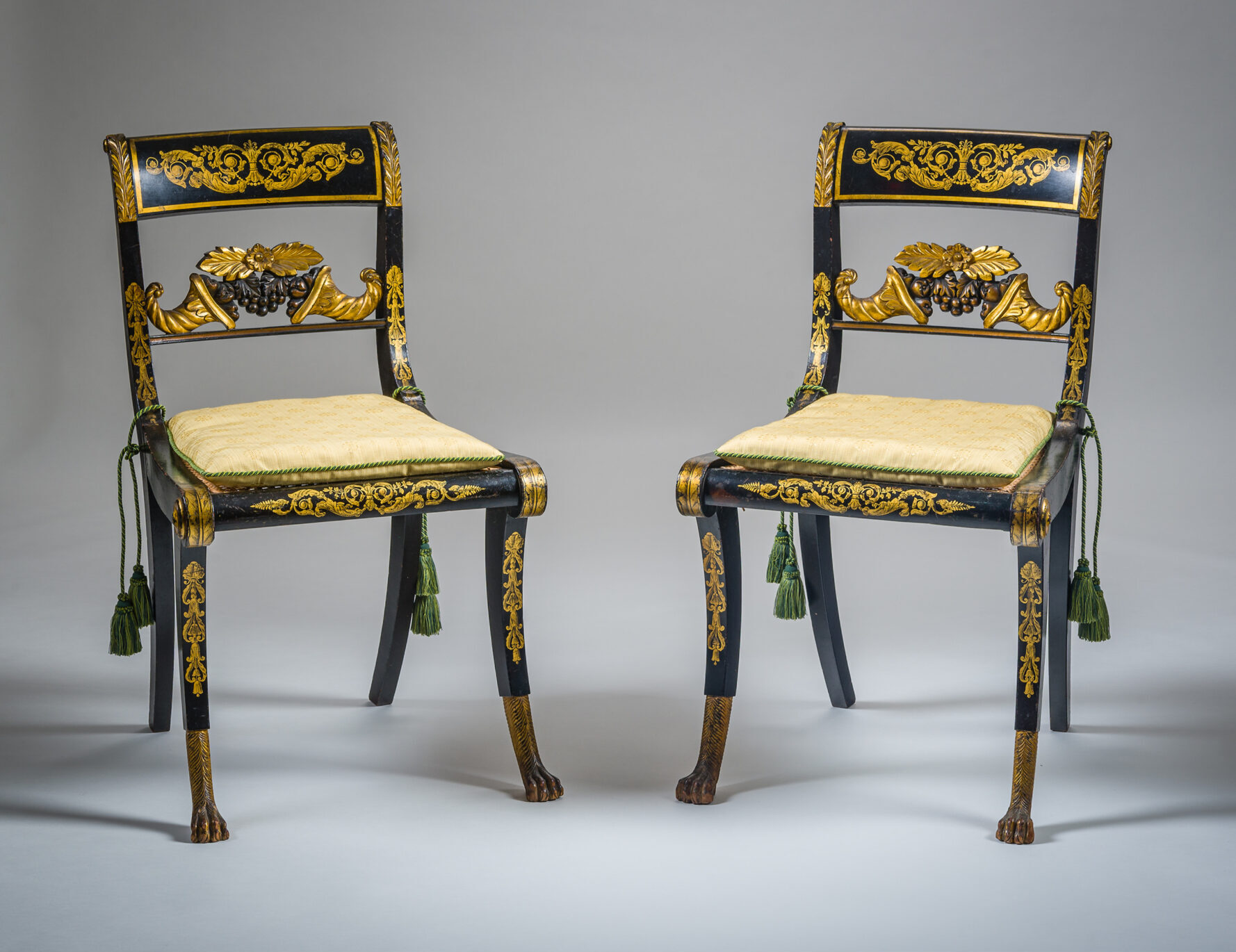
Step into the Park Avenue Armory during the Winter Show, and you’ll find yourself in a room where eclectic personalities, one-of-a-kind pieces, and a global throng of collectors collide. Returning for its 72nd year from January 23 through February 1, this edition of the fair, which dedicates ticket sales and event proceeds toward the Bronx-based East Side House nonprofit, will bring together more than 70 international dealers presenting fine and decorative arts, antiques, jewelry, and design. “For 72 years, The Winter Show has been a beacon of excellence,” says Executive Director Helen Allen. “At its core, it is about supporting East Side House and advancing its vital work in empowering communities through education and opportunity.”
Against this backdrop, Elizabeth Feld of Hirschl & Adler, marking the gallery’s 51st year at the fair (and her 27th), sits down with Jean-David Cahn, who will have his New York Winter Show debut with Galerie Cahn—an antiquities gallery based in Basel, Switzerland and founded in 1863. They discuss trading everything from Cycladic idols to rediscovered French treasures, curating for collectors, and the importance of product education.
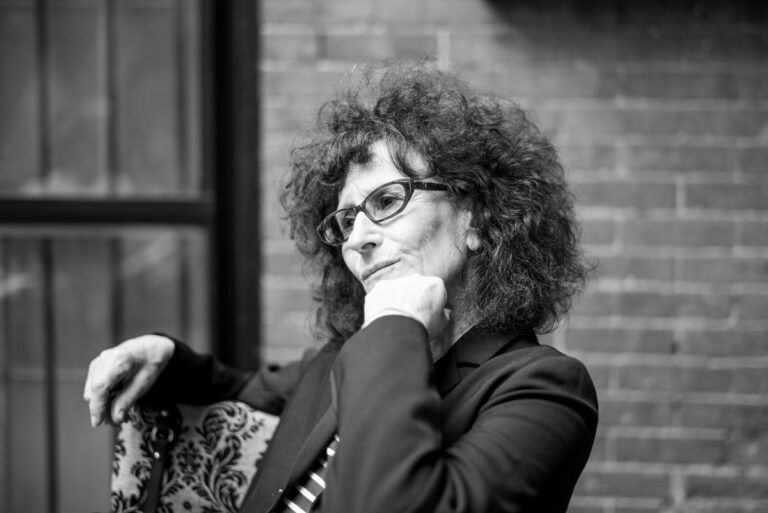
Elizabeth Feld: Jean-David, how did you decide to exhibit at the Winter Show?
Jean-David Cahn: I’ve been exhibiting for many years, and was trained by André Emmerich in New York, whose gallery was in our building that we’re in now. He was a close colleague of my father, and we had done projects together since the 1960s. Then, I first started showing in New York at TEFAF, and decided to join the Winter Show because it’s a very American, very traditional fair—and I must say—they were very welcoming as well.
What excited me about this fair is that it’s an old, traditional, very New York fair. It takes a different approach. Some longstanding friends and colleagues told me, “Jean-David, this is the place for you to be.” I said, “OK, let’s try.” Here I am, with a very small stand, but that’s okay—small and powerful.
Feld: My firm has participated for 51 years, and this is my 27th show with Hirschl & Adler. This show has truly kept its heart and soul, but evolved with the times. We now have contemporary art and much more design. You can be anyone, be interested in anything, collect anything, and feel welcomed. That’s exciting. The fair is unique in its length at 10 days—how do you feel about that?
Cahn: I actually think it’s very important. We’re not in the contemporary art market. People need time, especially those who can’t attend just for the weekend. Long fairs allow for thoughtful discussion and relationship-building with collectors.
Feld: The fair truly feels like a family. Helen [Allen] and her team make everyone feel like colleagues and friends. It’s collegial, not competitive. I’ve been a dealer, ran the dealer committee, and have been a vetter for seven years—it’s warm and embracing, for dealers and visitors alike. Every ticket also benefits East Side House, which adds further meaning.
Cahn: I may add that this personal attention is a real asset. It’s not a big, anonymous machine. A small, dedicated group makes the dealer feel comfortable.
Feld: It all feels like a neighborhood event, very accessible and open to audiences. How did you select the works that you’ve brought to the fair?
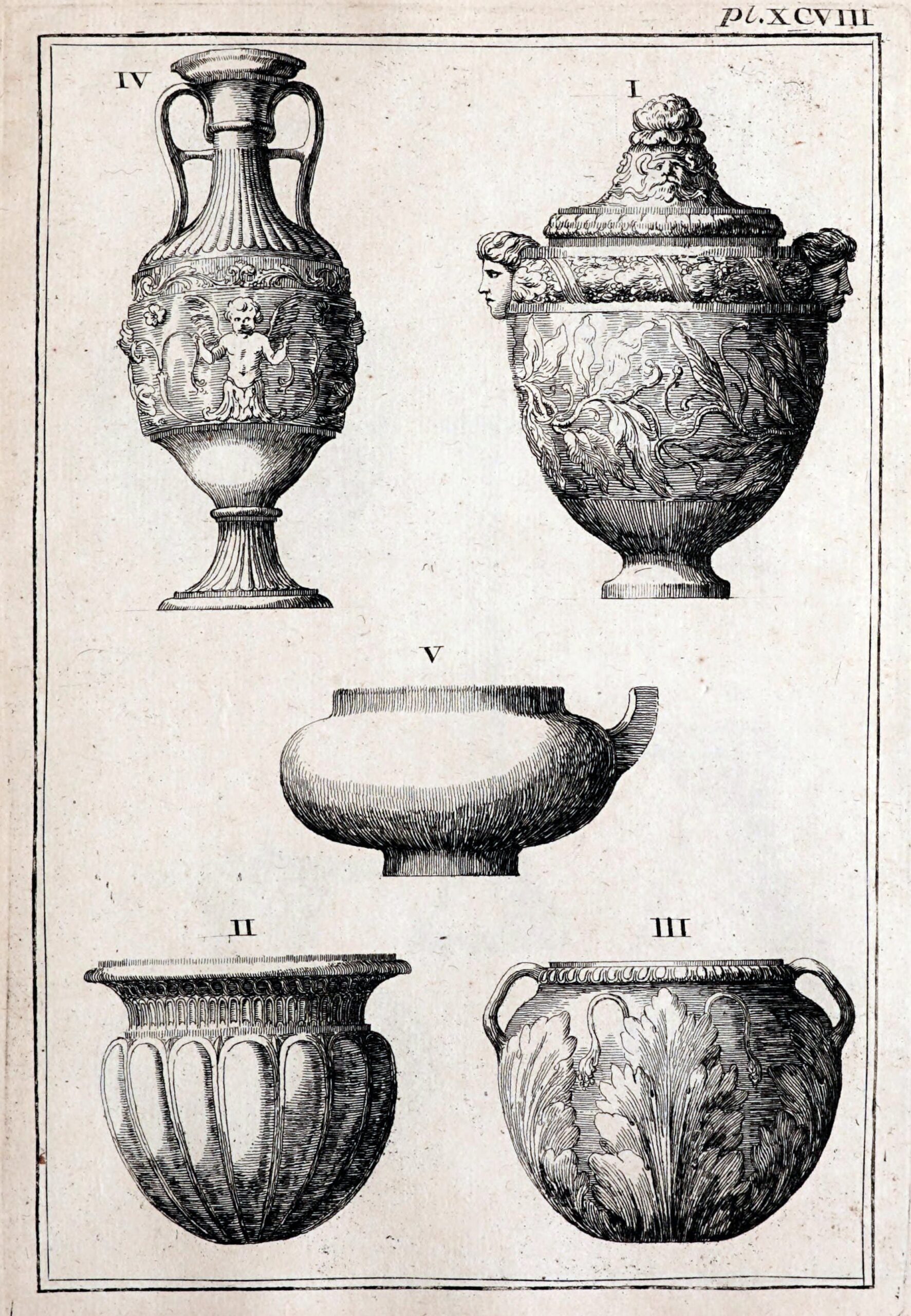
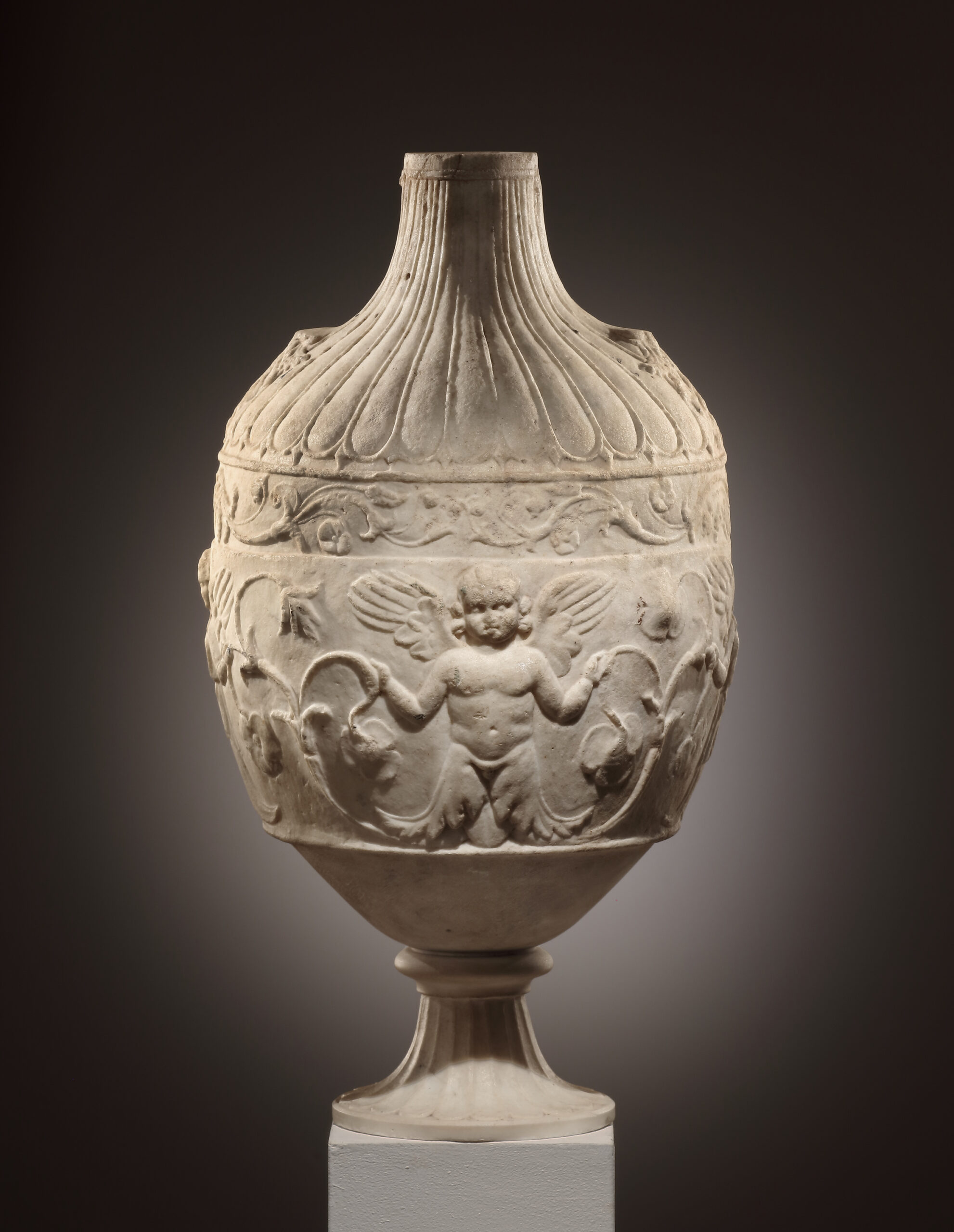
Cahn: This is a very pertinent question. You have to study carefully where you’re going, and understand the culture in the country you’re exhibiting. That’s the job of an art dealer. American collectors and institutions are very curious about the history of collecting. Some pieces were rediscovered from old collections. For example, works have been included from French manor houses, with provenance attributed to [Pierre Jean] Mariette, who was crucial in creating the Louvre.
We’re also showing smaller pieces to represent different typologies. For example, an exceptionally good Cycladic idol acquired in France from an established Greek family, documented by an American archaeologist [Martha Sharp Joukowsky]. Some sculptural pieces decorated graves in manor houses in France, Germany, and England.
Feld: How do you believe collectors’s relationships to craft has shifted over the years?
Cahn: Antiquities and archaeology can be approached on different levels, which is exciting. You can engage intellectually or simply enjoy the objects. They’re part of our roots, historically and culturally, and can even be accessible at reasonable sums.
Feld: Even though our works of art aren’t as old, they can also be appreciated from various perspectives. This fair attracts serious collectors who care about academics, provenance, and condition, but also those buying beautiful objects for aesthetic reasons. Museum professionals also attend and stay for deep discussions. The mix is truly special. Which learnings from other fairs are you bringing to the Winter Show?
Cahn: You have to respect the cultural profile of where you exhibit. New York audiences are enthusiastic and curious. My job is to accompany them in that excitement. They come to see new things in the context of what they already know, which is very positive. In France, discussions are more cultivated, historical, and satisfying for a dealer with an archaeological background.
Feld: Education remains supreme. We’ll be showing works relevant to America’s 250th birthday, including portraits by Gilbert Stuart of non-Washington subjects. The collective strength of all the dealers is so wonderful.
The Winter Show runs from Jan. 23 to Feb. 1 at the Park Avenue Armory in New York.
More of our favorite stories from CULTURED
Why Are So Many Contemporary Museums Showing Dead Artists Right Now?
Wolfgang Tillmans Became a Household Name Finding Beauty in the Banal. He’s Ready to Re-Evaluate.
19 Design Experts Answer All Your Burning Interiors Questions
Nia DaCosta and Ryan Coogler Compare Notes on Marvel, Genre-Hopping, and Making Films That Shock


 in your life?