This year, CULTURED spoke with collectors who have opened museums, established closely watched prizes, led prestigious institutional committees, and more. The one thing they have in common (in addition, of course, to disposable income) is a passion for living with art. Here, they offer pearls of wisdom for those who are just beginning their collecting journeys.
Before buying art, start with books.
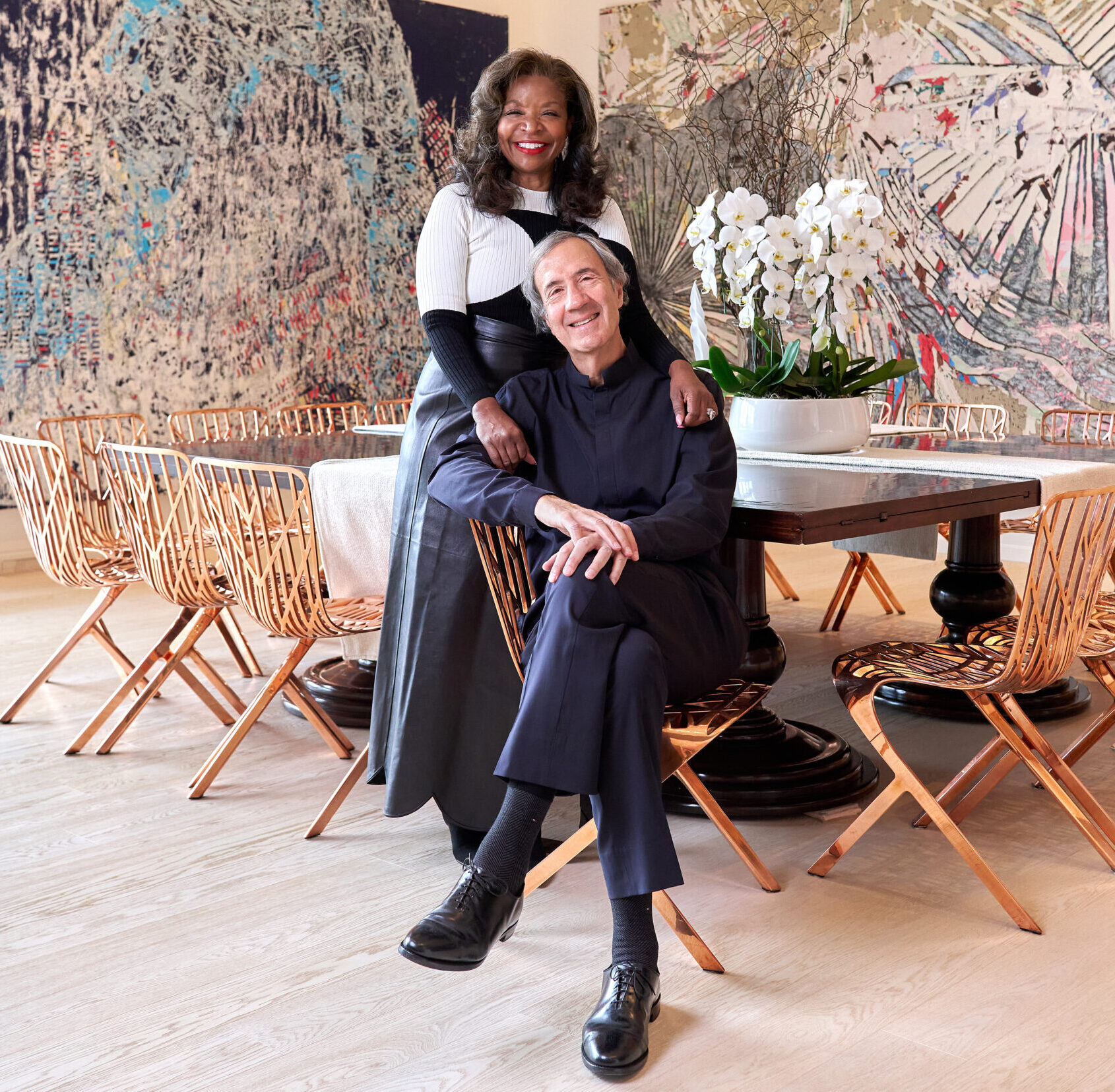
“Collect more books about art before you purchase much and continue adding to that collection as you go. One fascinating and fun aspect of collecting is that it compels you to remain a lifelong learner.” – Pamela Joyner
Ask the experts for advice.
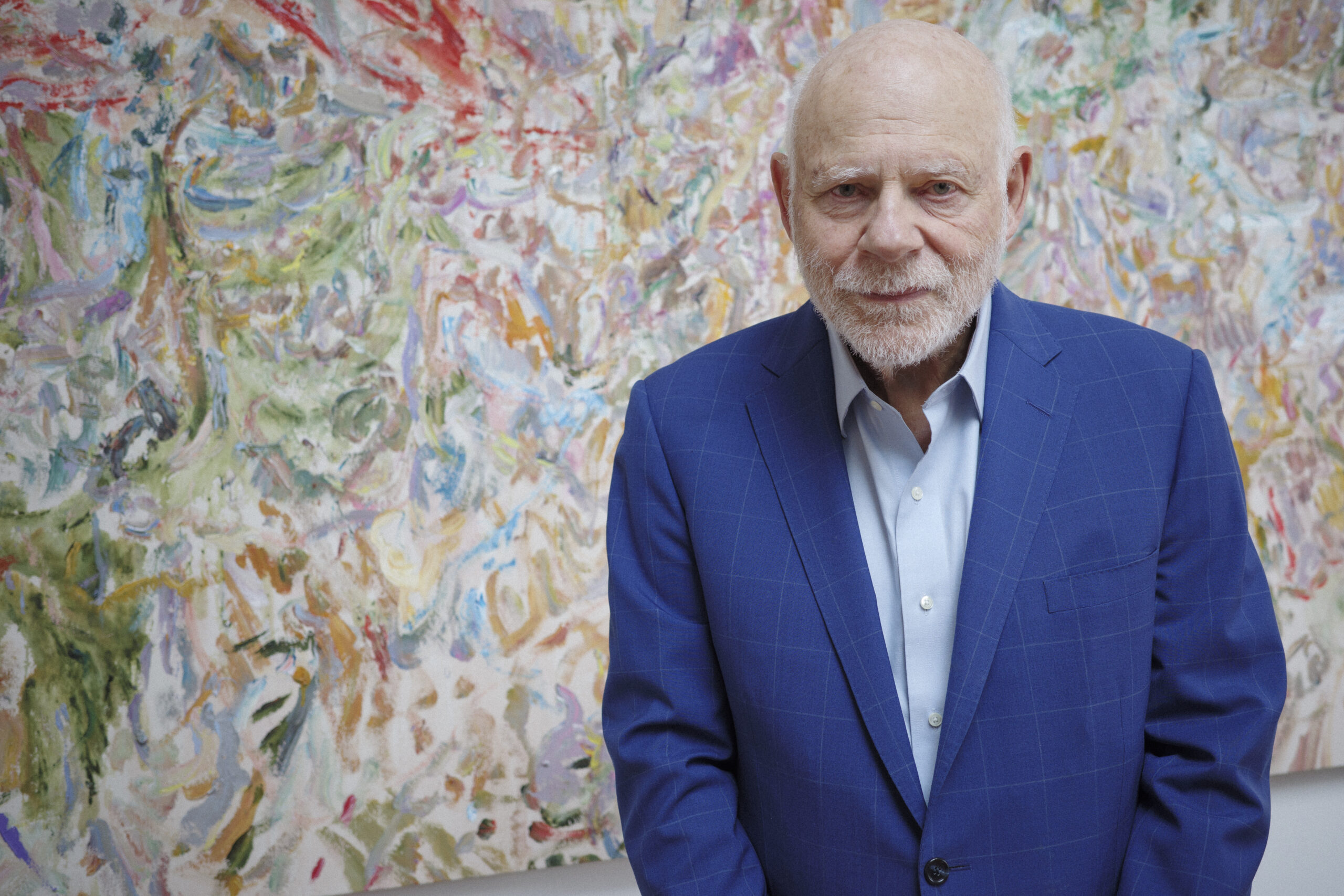
“I got great advice from art world legends like André Emmerich. André told me that, ‘the best and the brightest artists of each generation are known, but not to everyone. Ask the inner circle and they can tell you.’” – Francis J. Greenburger
Approach the art world as an ecosystem.
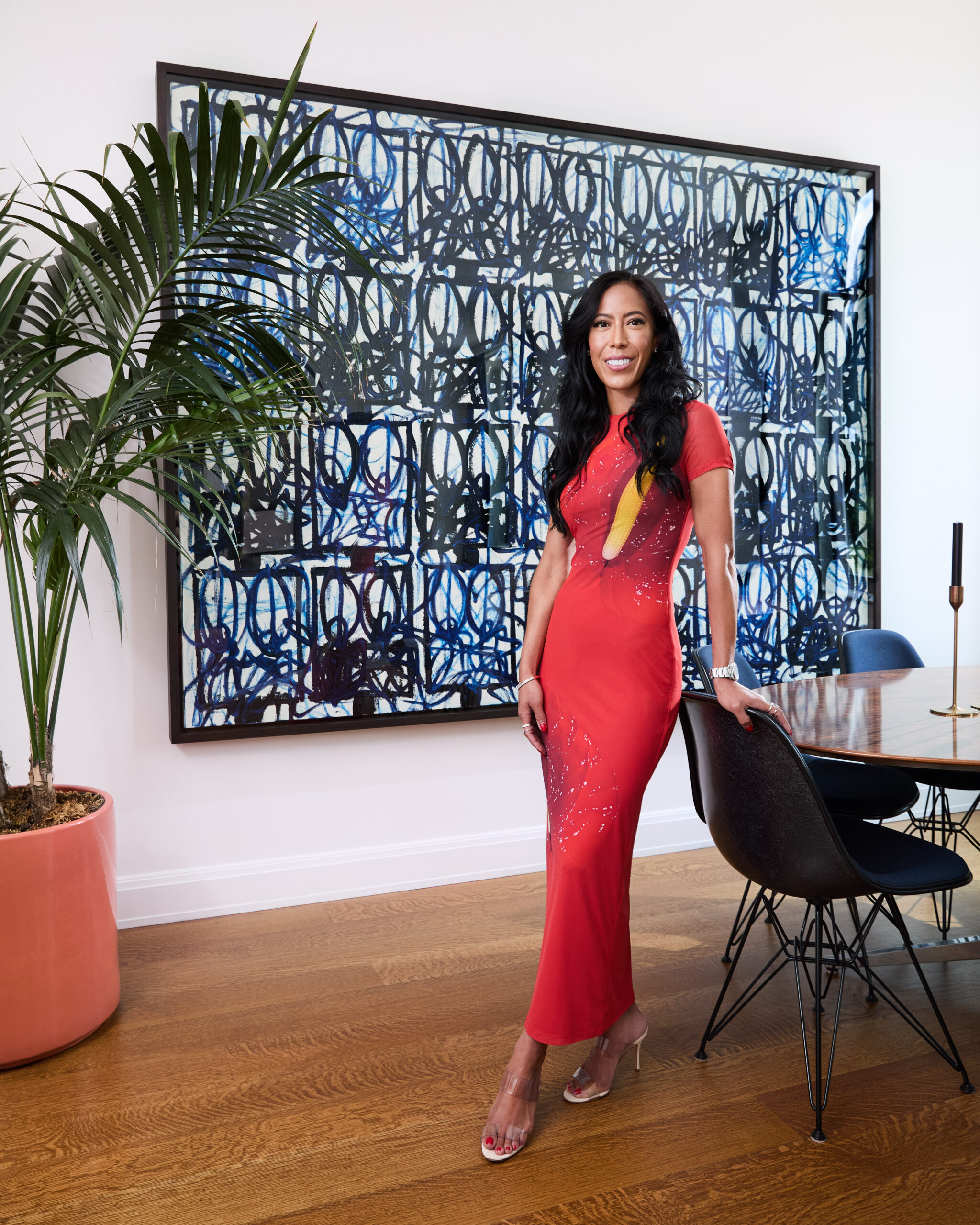
“Collecting isn’t just about acquiring work—it’s also about creating opportunities. That might mean hosting a studio visit or dinner to connect an artist with potential collectors so the gallery can focus its resources elsewhere. It could mean commissioning writing to contextualize an artist’s practice, underwriting childcare or studio space, or simply showing up to an opening to make someone feel seen. I’ve learned that patronage is as much about care and community as it is about collection-building.” – Amitha Raman
Listen to your gut.
“When I began collecting with the guidance of Mary Zlot, she introduced me to some bold, conceptual work in New York—art that challenged me in ways I wasn’t quite ready for. Instead, I found myself naturally drawn to pieces that evoked a sense of calm and joy. I wanted our home to be a place of serenity, not just for me, but for my family and friends. Once our home in Palo Alto was fully curated, my dear friend Akiko Yamazaki came to visit. Walking through the space, she looked around and said, ‘Allison, I didn’t realize you collected Asian art!’ I hadn’t either—until that moment. But there it was: works by [Hiroshi] Sugimoto, [Lee] Ufan, Zhang [Huan], [Kishio] Suga, Chung Sang-Hwa, and other contemporary Asian artists. I realized I had been instinctively drawn to a particular visual language that embodied the stillness I craved.” – Allison Rose
Pay attention to the art you live with.
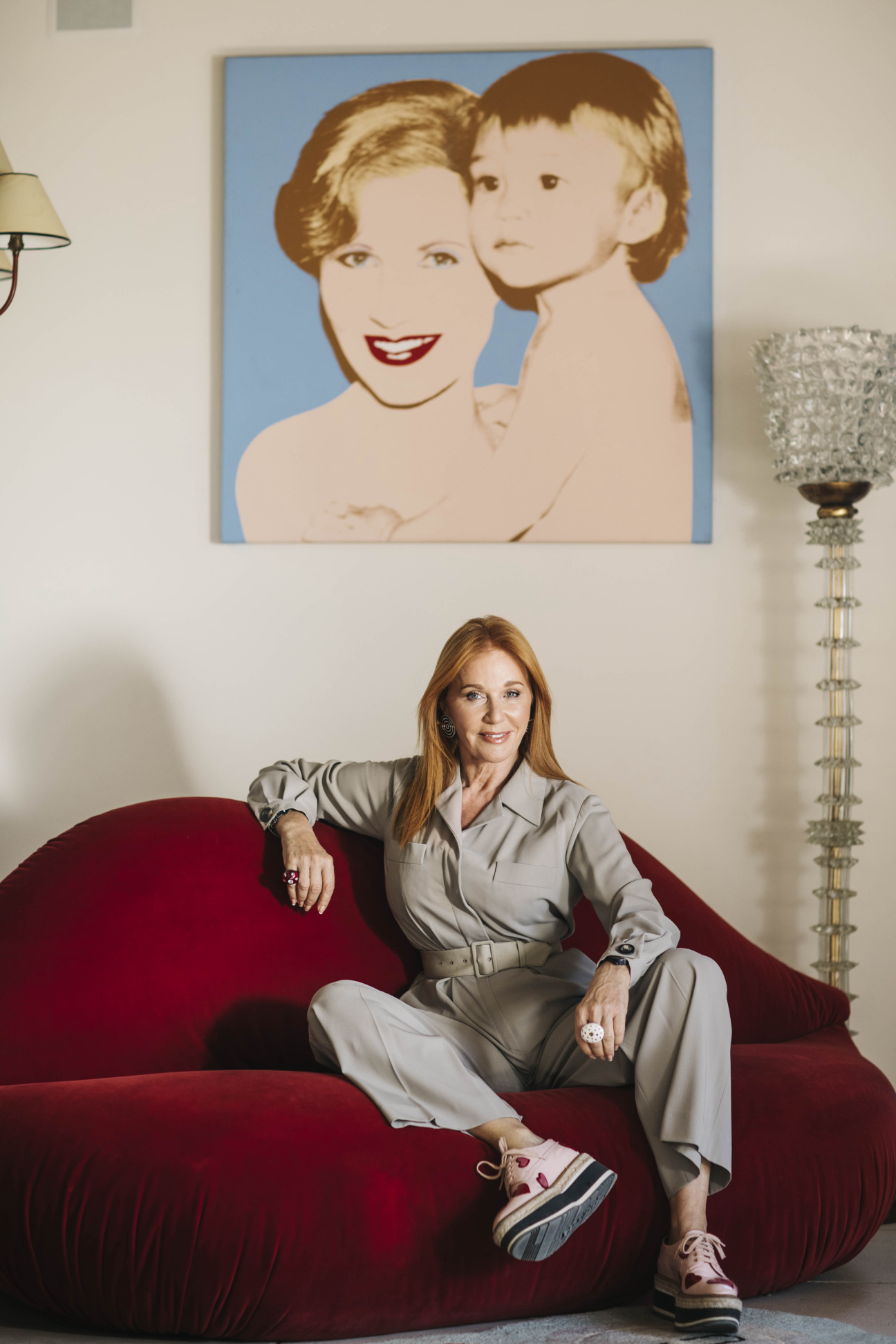
“Don’t try to impress anyone. Buy what moves you. And live with it—the relationship with an artwork evolves over time. You’ll learn more from a single mistake than from 10 perfect purchases.” – Suzanne Syz
Don’t forget to ask for the framed dimensions.
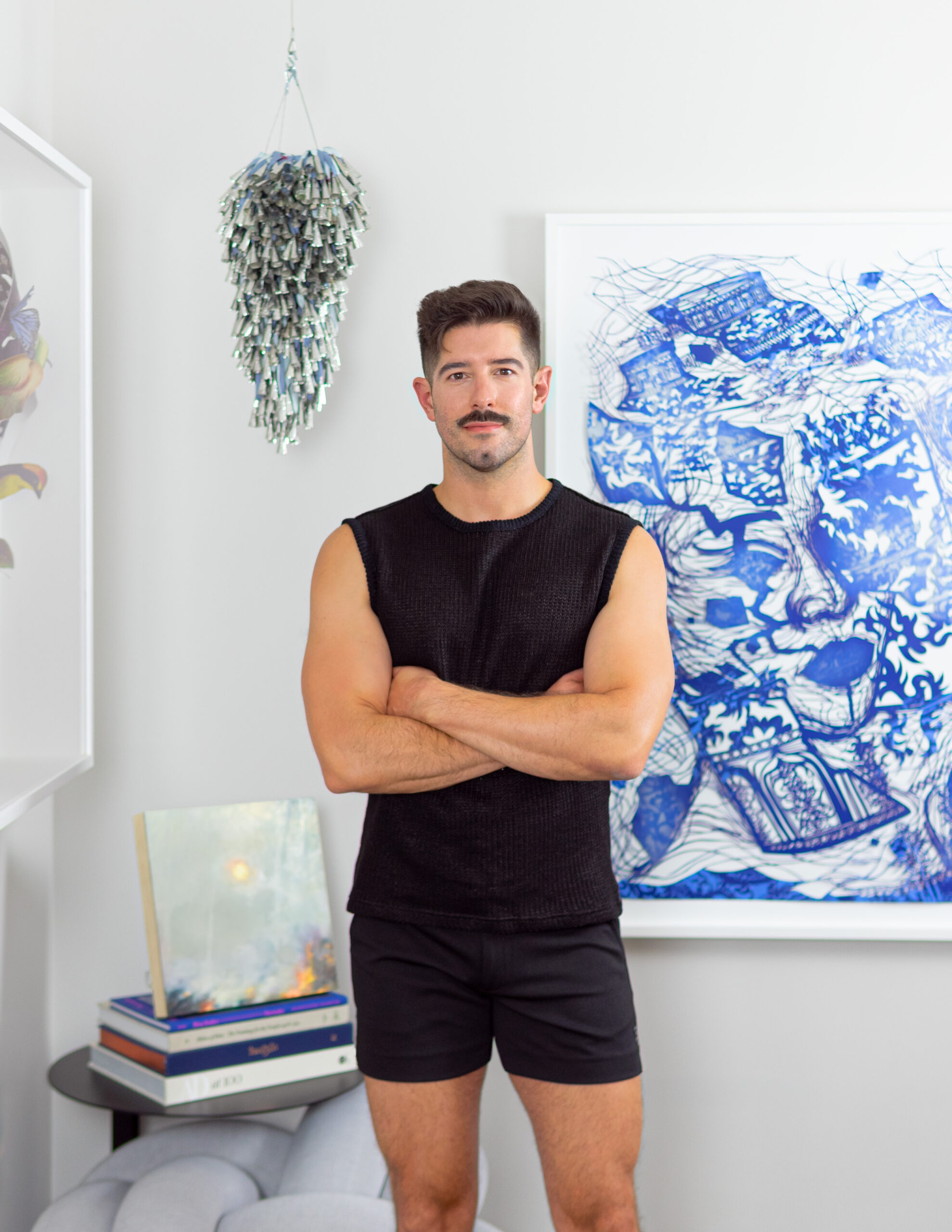
“Early on, I acquired a piece I was thrilled about and had meticulously measured the perfect spot for it on my wall, completely overlooking the size of its rather generous frame. The feeling of bringing it home, only to realize it was hopelessly oversized for its intended destination, was a humbling and slightly comical rite of passage. It was a lesson I only needed to learn once. Now, a tape measure has a permanent home in my tote bag, and I religiously use blue painter’s tape to map out a work’s full footprint before it ever comes through the door.” – Brandon John Harrington
Find gallerists with whom you get along.
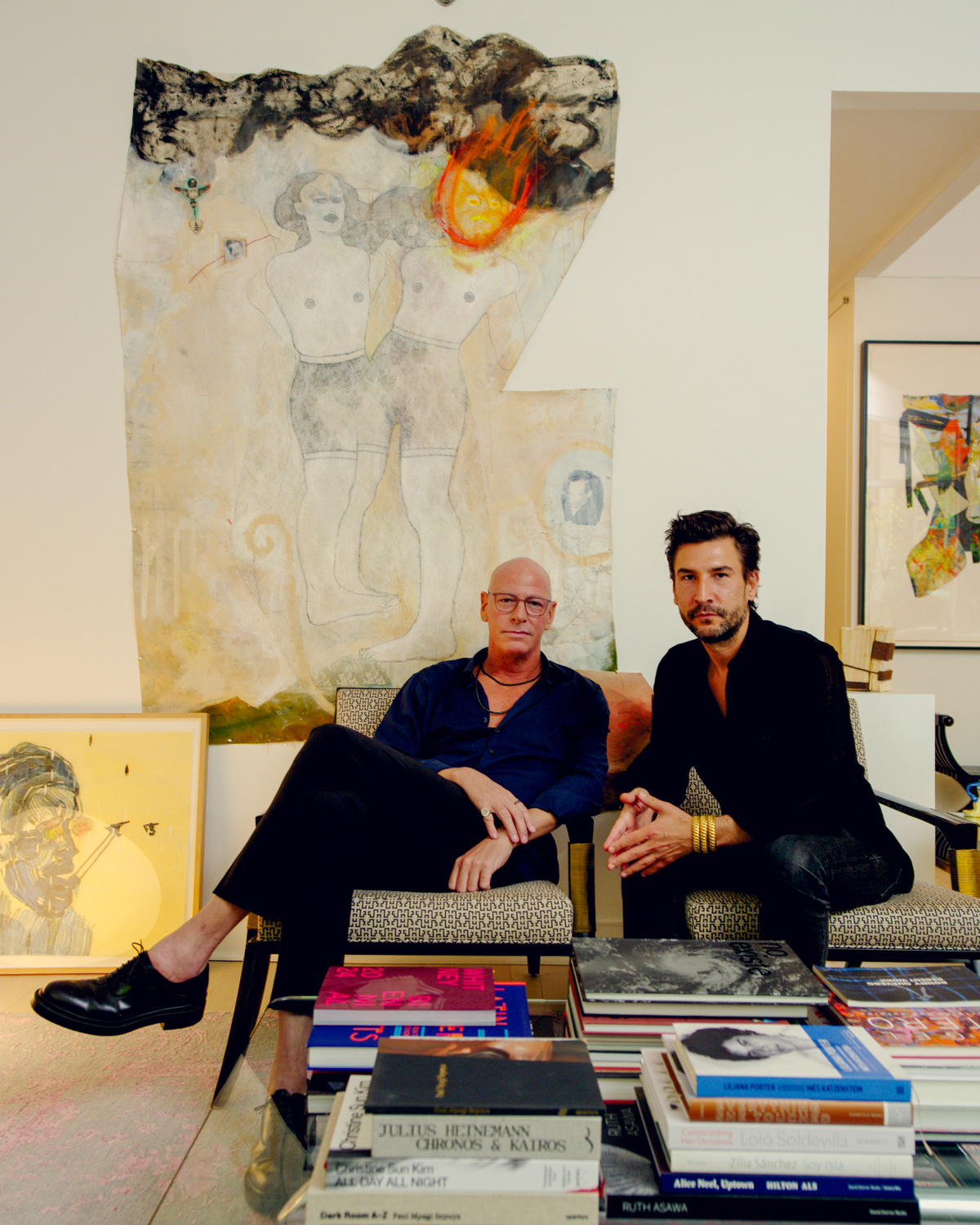
“See all the art you can. Visit shows, go to fairs, scroll endlessly. Meet artists, drink with them, dance with them, visit their studios, ask questions. If you love the work and connect with the artist, buy it. Also, you don’t need to know everything about art to collect; it starts with what moves you.
Also, listen to the gallerists; the good ones are indispensable. People like Thomas, Lauren, and Sean Kelly; Iliya Fridman at Fridman Gallery; and Manuela Paz and Christopher Rivera at Embajada, they want collectors who genuinely care about the artists. Let them teach you.” – Rodrigo Padilla
Define an area of focus for yourself.

“First define the category you want to focus on. It could be African art, American art, drawings, objects–anything. But once you choose a category based on your passion, a specific subcategory, or your financial means, you need to fully commit to it… The guiding principle should always be quality first, not price first. In the long run, great works retain their value, while lesser works rarely do.” – Laurent Asscher
Don’t get intimidated.
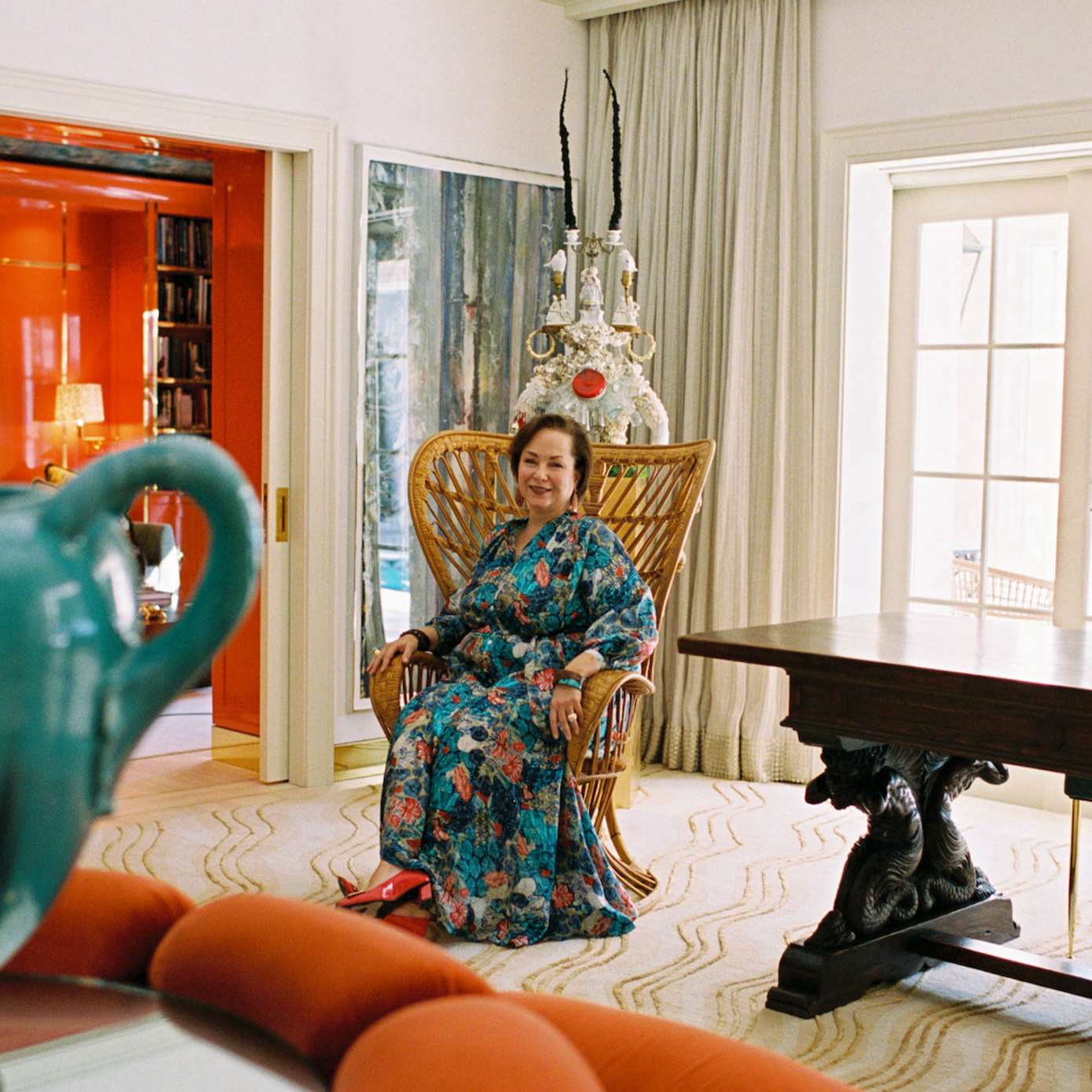
“The biggest piece of advice I give is not to be intimidated. I have found that galleries and auction houses are more than willing to take the time to provide information. Art fairs can often be overwhelming, but I find that gallerists are very happy to discuss the pieces, the artists, and their practices. Take the time to attend the art fairs, go to the lectures by the artists, and stop to talk with them and ask them about their work. The most fun I have in the art world is talking to artists.” – Kelly Williams
Stay informed—then make your own rules.
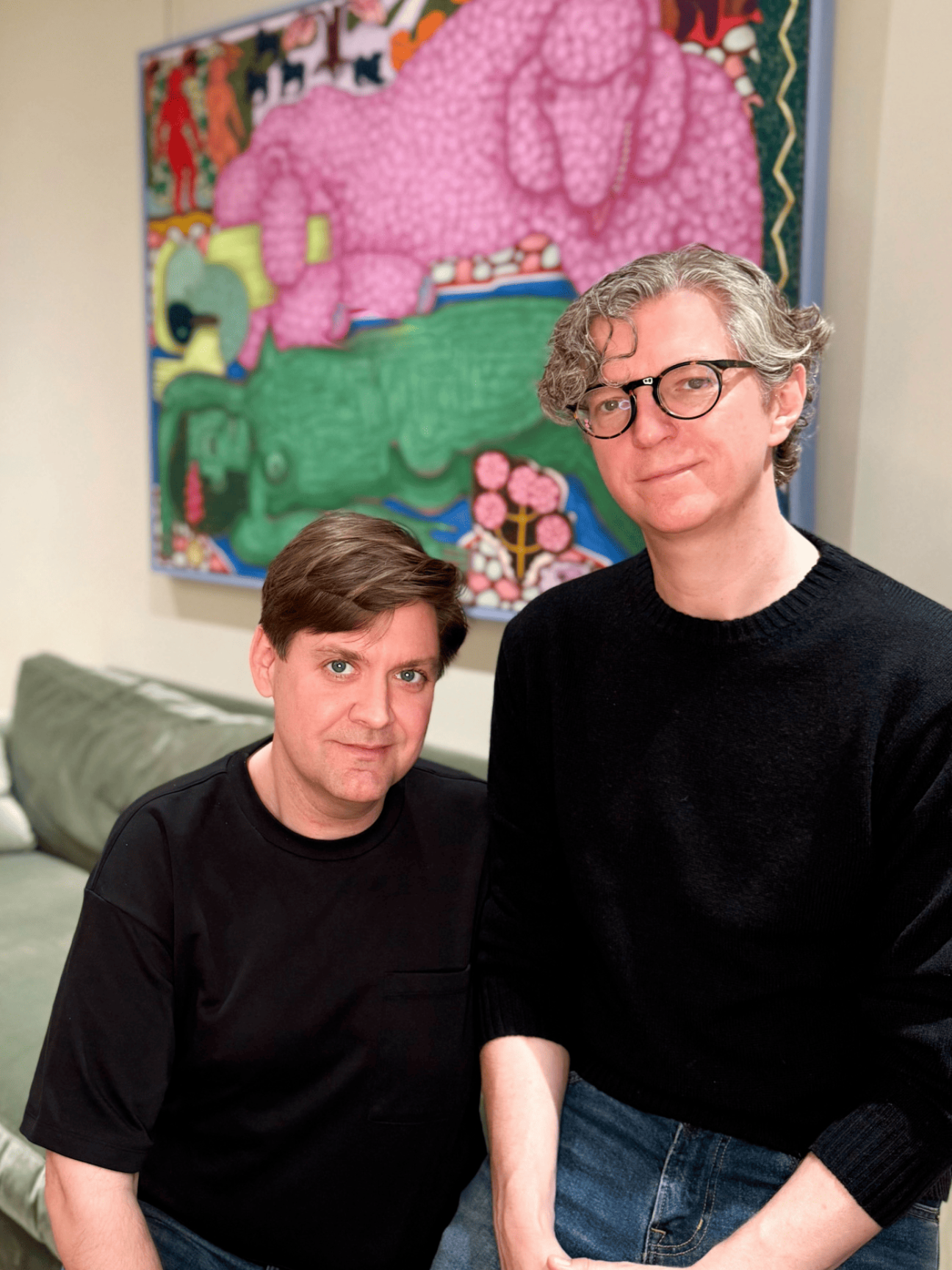
“Stay informed! Read Street Smarts in CULTURED. Ralph knows his stuff. Join the Critics’ Table and let Johanna Fateman and John Vincler teach you something new. Challenge yourself to learn more about this incredibly expansive world.
Finally, take risks! Eric always says: Don’t collect the list, make the list. Even in the avant-garde world of art, it can be challenging to forge your own way. However, as you continue to collect, one of the most rewarding results is developing a unique collection that reflects your own passions.” – Rob and Eric Thomas-Suwall
Let art improve your life.
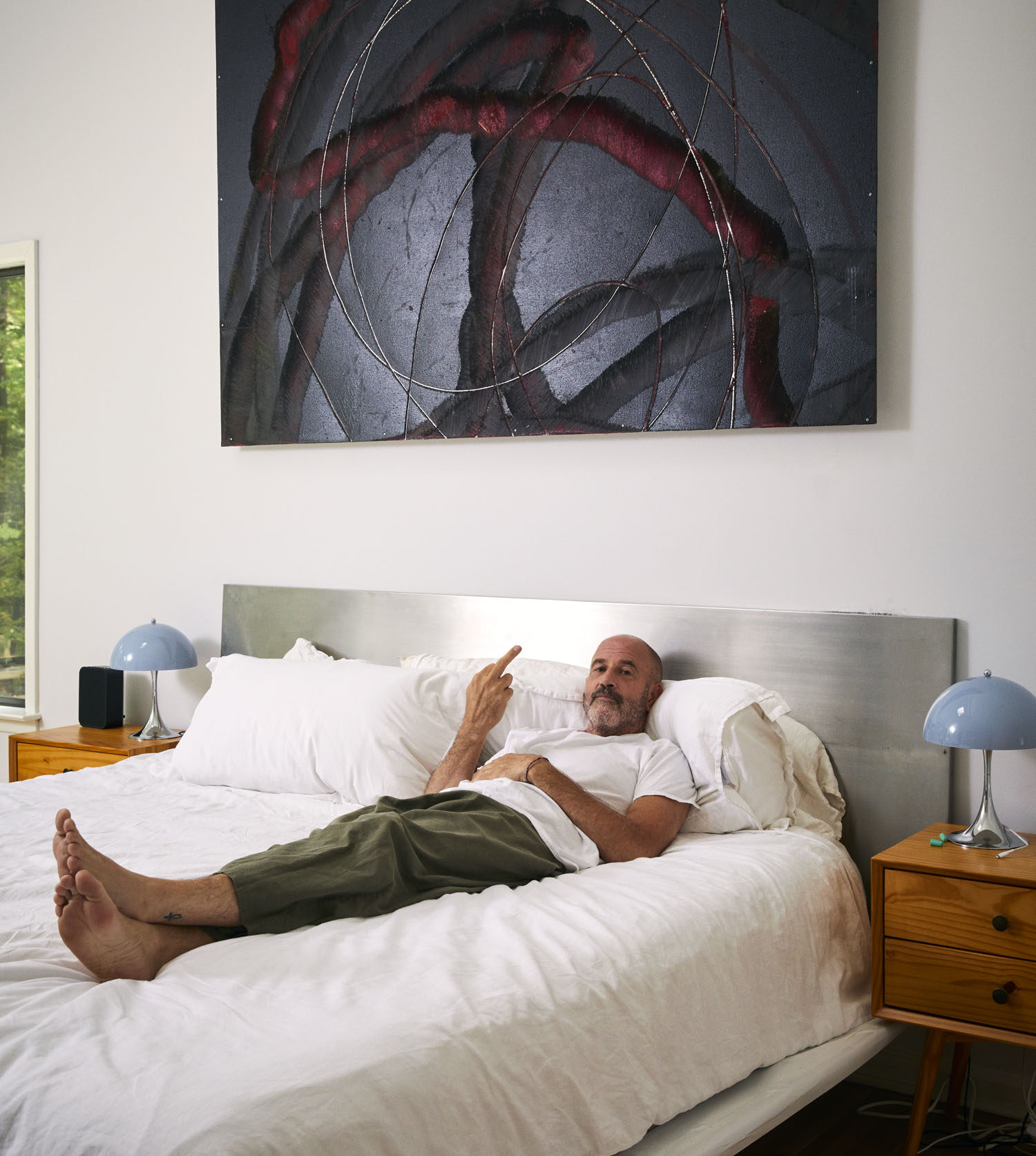
“Plenty of collectors play the financial game, and so have I. But it took away from the joy of art for me, the emotion. The market will do what it does. Buy what you love. Let it make your life better.” – James Frey



 in your life?