
Historically, art and precious artifacts have always been part of the spoils of war, but it wasn’t until the establishment of museums as we know them (many of which were filled with pieces stolen from their country of origin) that the art heist crystallized in the collective imagination. To this day, perhaps the most famous case of stolen art is the 1911 theft of Da Vinci’s Mona Lisa by Vincenzo Peruggia, who felt that the painting had been usurped by Napoleon and rightfully belonged back in Italy. That’s the thing about art: It’s a potent narrative symbol for wealth, nationality, and something even more singular—the sublime.
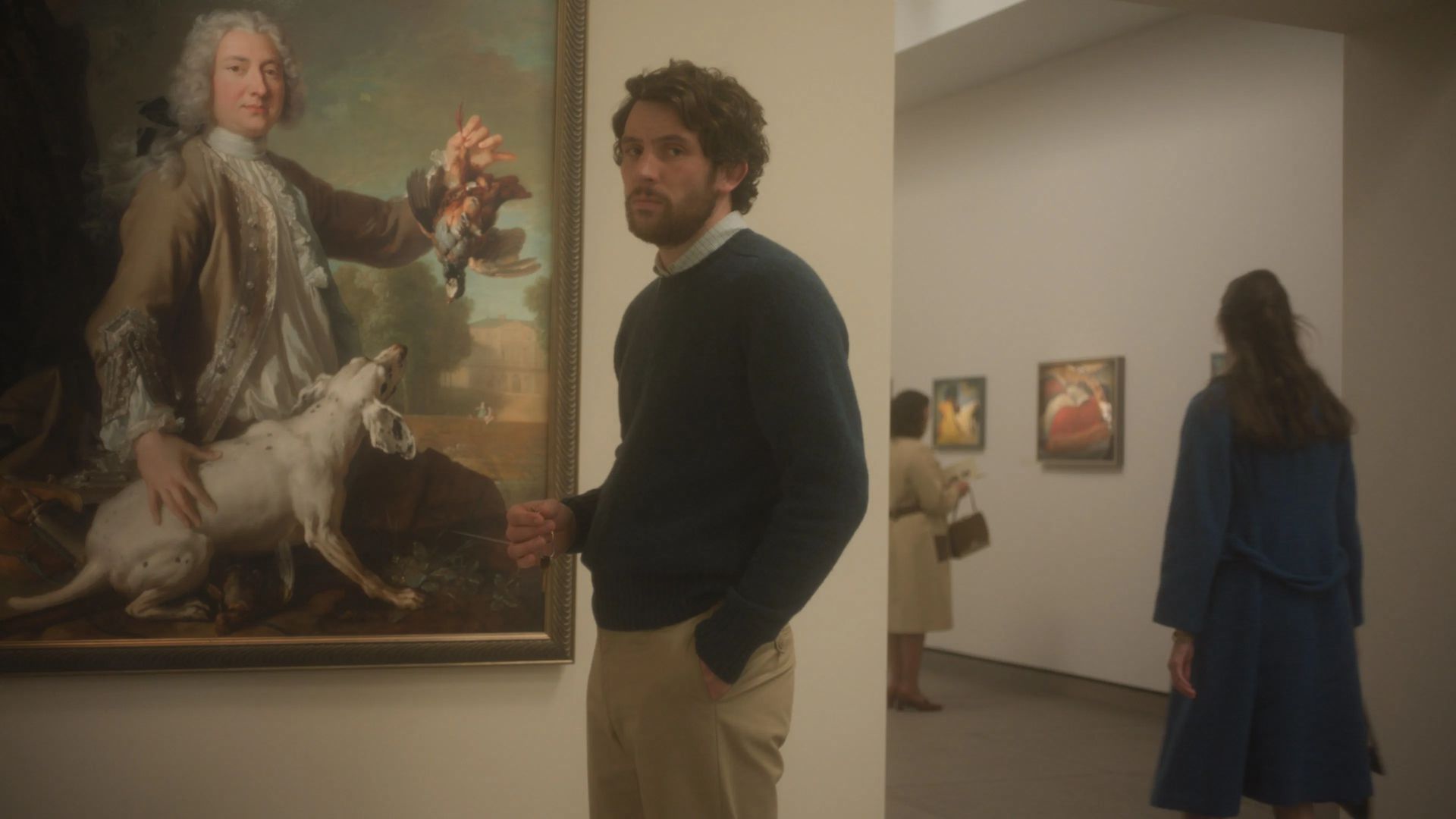
As detective stories grew in popularity during the 19th century, art heists began to crop up in the pages of popular serials from Agatha Christie and Sir Arthur Conan Doyle. Later, as film became the dominant medium for popular expression, noirs and heist films, especially those of the French New Wave, portrayed the glamour of wealth and danger of crime in equal measure. In the late ’90s and early aughts, during the height of the mania for sleight of hand, stage magic, and flashy Vegas style, slick movies of international intrigue reigned. Now, as the wealth gap only widens, the genre has taken on a shambolic tone of street-level desperation and bumbling tomfoolery, with the latest sample being Kelly Reichardt’s wonderfully understated The Mastermind starring Josh O’Connor, out in theaters this week.
This generation- and format-straddling canon of real and surreal capers shapes our understanding of art and the people who covet it. Some entries are towering classics. Others are pulpy beach reads. All of them revel in a basic human tendency—seeing how much one can really get away with—where the means are just as interesting as the ends. Here, we’ve assembled a compendium of films, shows, and books that have defined the genre and pushed its protagonists to new extremes.
Movies
Animal Crackers (1930) – dir. Victor Heerman
Stream it on Tubi or Amazon Prime Video.
One of the most beloved Marx Brothers movies, Animal Crackers takes place in a setting most art collectors will be familiar with: a high society party in a Long Island mansion. In this comedy of errors centered around the unveiling of a new painting (and its subsequent replacement with two imitations), the Marx Brothers skewered the upper class’s obsession with etiquette and status symbols, just one year after the stock market crashed.
How to Steal a Million (1966) – dir. William Wyler
Rent it on Amazon Prime Video or Apple TV.
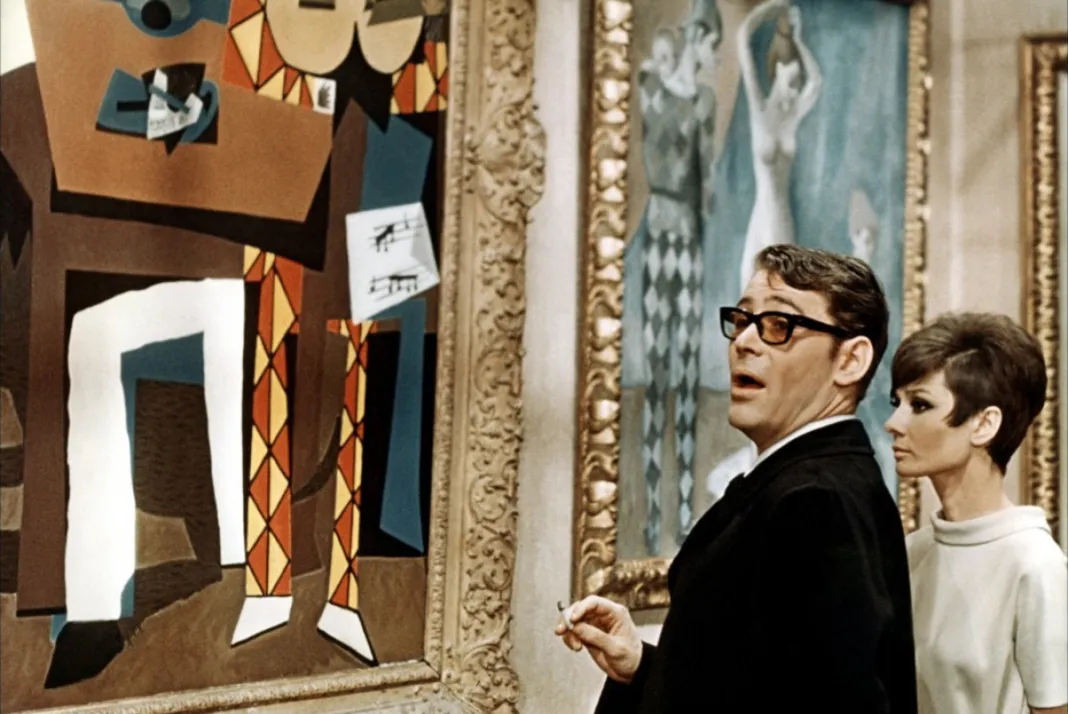
The mid-’60s saw an explosion of heist films in the wake of Rififi, 1955; The Pink Panther, 1963; and Band of Outsiders, 1964. Audrey Hepburn stars in this comedy as the daughter of a Paris art-collector-turned-forger who enlists the help of a suave art thief, played by Peter O’Toole, to steal a fake Venus statue from a museum in order to avoid exposing her father as a fraud. With its central museum heist, complete with disguises and the handy use of a boomerang to disable the security system, How to Steal a Million set the tone for dozens of movies to come.
The Thomas Crown Affair (1968/1999) – dir. Norman Jewison/John McTiernan
Stream both on MGM+ or YouTube.
Steve McQueen and Faye Dunaway burned up the screen as a bored millionaire stealing paintings just to feel alive and the seductive investigator hired to chase him down. Three decades later, Pierce Brosnan and Rene Russo, impeccably clad in Michael Kors for Celine, brought the story to life for a new generation. It’s a movie about art theft but, more importantly, rich people having sex on vacation.
Hudson Hawk (1991) – dir. Michael Lehmann
Stream it on Netflix.
What if Bruce Willis was a master cat burglar in a world that operated under cartoon logic and he was blackmailed into stealing some of Leonardo da Vinci’s best known works for a nefarious corporation called Mayflower Industries? Doesn’t sound like a winner? Maybe that’s why this movie won so many Razzies, including Worst Picture.
Once a Thief (1991) – dir. John Woo
Stream it on PLEX.
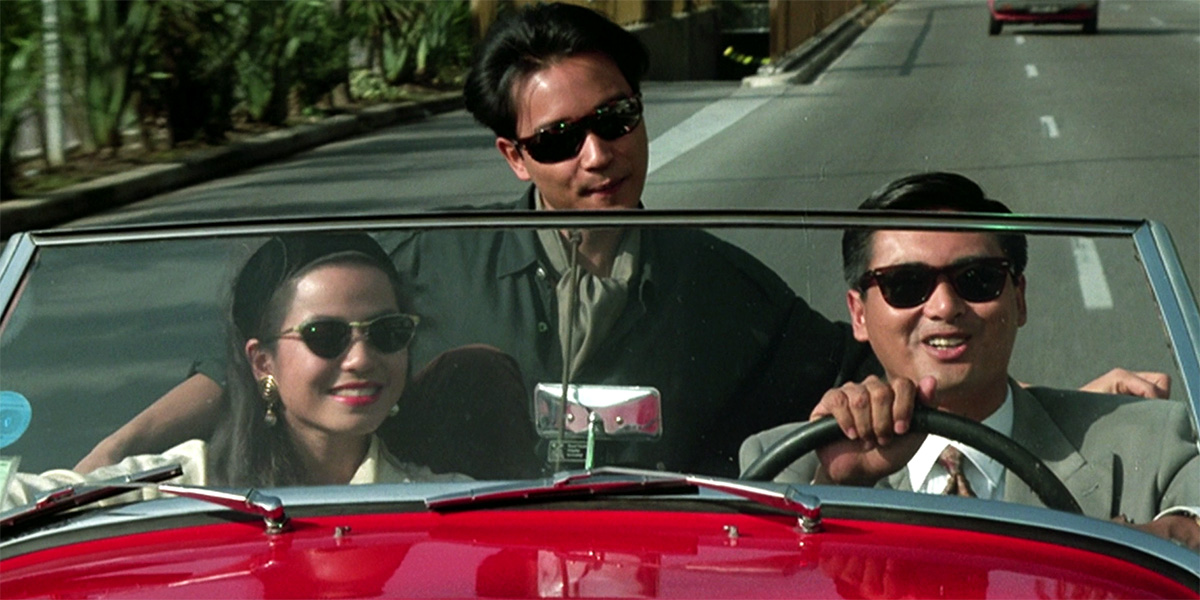
Once a Thief is a screwball heist of the highest degree starring three legends of Hong Kong cinema: Chow Yun Fat, Leslie Cheung, and Cherie Chung. Playing three orphans raised by a master thief, they pull off the slapstickiest heists around complete with grappling hooks, hidden doors, back flips, laser grids, parachute escapes, exploding cars, speed boats, and fire breathing. What more could you ask for?
Trance (2013) – dir. Danny Boyle
Rent it on Amazon Prime Video or Apple TV.
Your mileage with Trance will vary depending on your reaction to the premise: After a botched heist at a smoke-filled London auction house, a crack team of thieves must find a sultry hypnotherapist (played by Rosario Dawson) to recover the location of the purloined Goya. If you’re still onboard, you’ll have a good time with this relentlessly edited thriller from the director of Trainspotting and Slumdog Millionaire.
The Grand Budapest Hotel (2014) – dir. Wes Anderson
Rent it on Amazon Prime Video or Apple TV.
Anderson’s magnum opus hinges on a concierge and his lobby boy as they nab a priceless Renaissance work that was bequeathed to the concierge by his geriatric lover. Cue some of the greatest hijinks Wes has ever put to screen, including a zany jailbreak, a tense cat-and-moise chase in an art museum, and a mad dash down a snow-covered peak. At its heart, The Grand Budapest Hotel is Anderson’s defense of his fastidiousness and aesthetic quirks—beauty in an increasingly authoritarian world that would rather see it destroyed.
Ruben Brandt, Collector (2018) – dir. Milorad Krstic
Rent it on Amazon Prime Video or Apple TV.
This R-rated animated feature from Hungary follows a mild-mannered psychotherapist with recurring nightmares of famous works of art: the Venus of Urbino, The Treachery of Images, The Birth of Venus, Nighthawks, and more. With the help of his patients, he travels the world stealing historic artwork, even as he spirals into increasingly surreal delusions.
The Mastermind (2025) – dir. Kelly Reichardt
In theaters Oct. 17.
This contemplatively paced ’70s period piece stars a delightfully shabby Josh O’Connor as a former art history student and currently unemployed father who devises a plan to rip off a handful of Arthur Dove paintings from a fictional Massachusetts museum. Paired with a bopping jazz score and changing mid-autumn leaves, the shambolic heist and slowly deflating aftermath presents the art theft not as a glamorous and daring exploit but a get-rich-quick scheme for the perennially short-sighted.
Shows
This Is a Robbery: The World’s Biggest Art Heist (2021)
Stream it on Netflix.
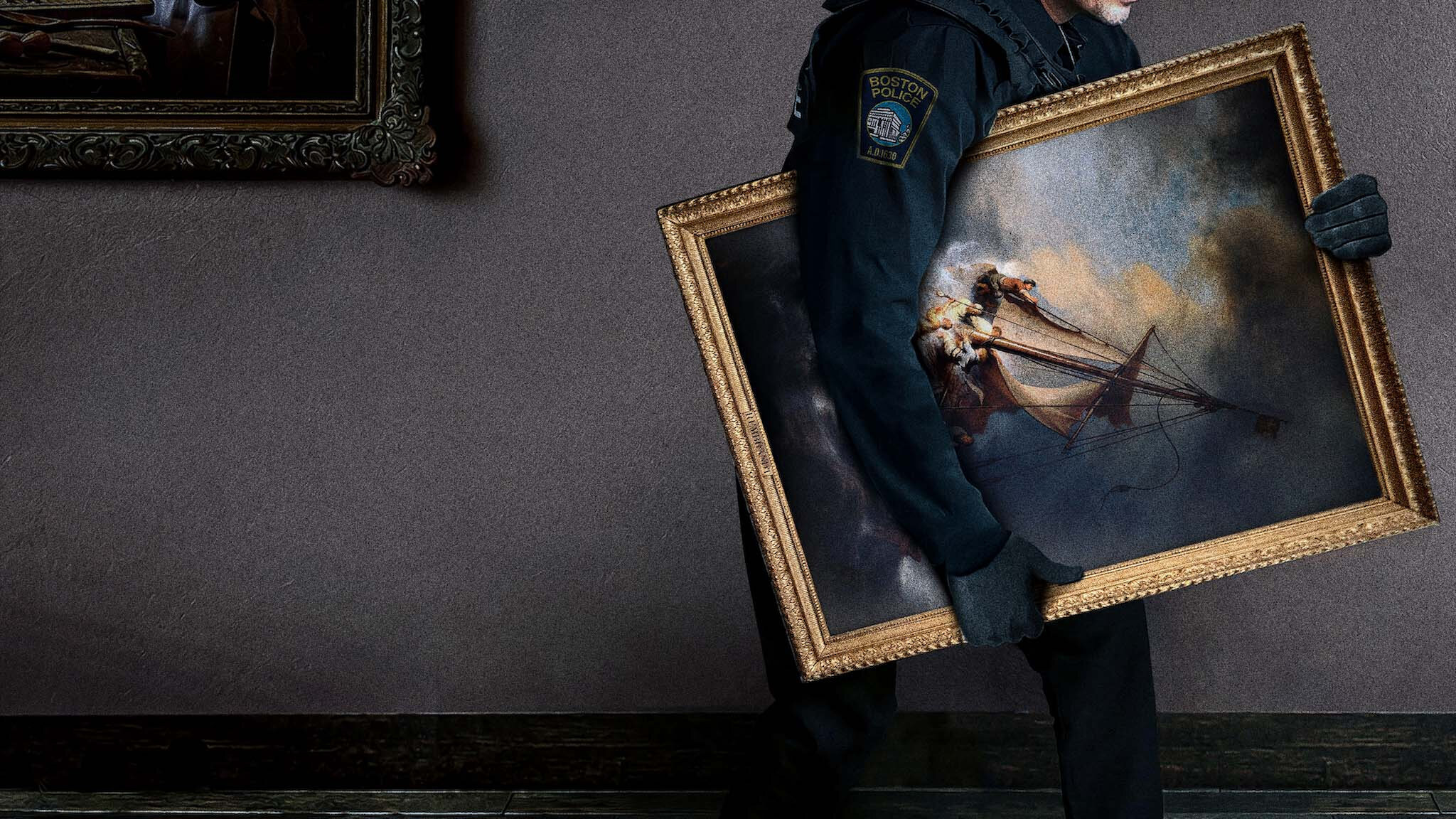
Based on the WBUR/Boston Globe podcast Last Seen (also worth a listen for the true heads out there), this four-part series follows the true story of history’s biggest unresolved art heist. The 1990 theft at Boston’s Isabella Stewart Gardner Museum included works from Rembrandt, Monet, and Manet, as well as one of the 34 existing Vermeers. The Netflix true-crime documentary is a well-oiled machine at this point, but the real pleasure in the series lies in the juicy details of the caper: Boston organized crime, small time stoners, and ’90s tabloid news.
Art of the Heist (2007)
Stream it on Tubi, Pluto TV, and Apple TV.
For those interested in real life art heists, this 14-episode series delves into the depths of international thieves, unscrupulous collectors, and the elite detectives who tracked them down. As it turns out, truth is always stranger than fiction. There’s a songwriter-turned forger. There’s two Munch-obsessed thieves who stole The Scream and Madonna in 2004. There’s even Nazis nabbing Klimts and soldiers smuggling Egyptian artifacts to England. It’s enough to make you think that maybe all these fictional movies aren’t crazy enough.
Books
Arsène Lupin: Gentleman Burglar (1907) by Maurice Leblanc
Arsène Lupin was the blueprint for everyone from Danny Ocean to Thomas Crown. The French character began as a criminal counterpart to Sherlock Holmes at the turn of the 20th century, filching fine art and jewelry with impeccable panache. He later became a Japanese icon thanks to the wildly popular manga Lupin III and a Hayao Miyazaki adaptation in his 1979 debut film The Castle of Cagliostro.
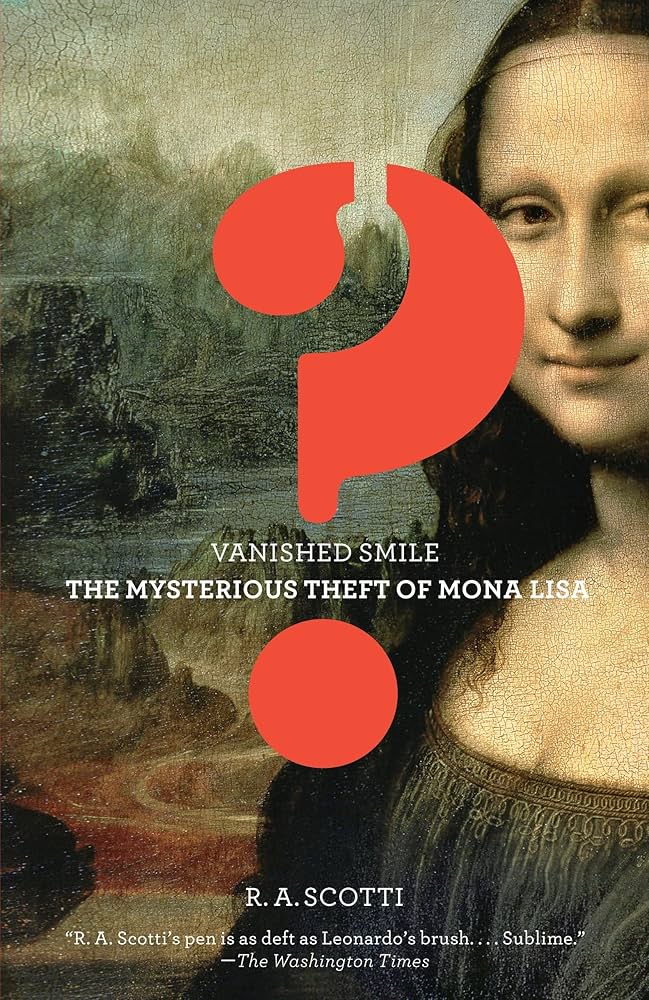
Vanished Smile: The Mysterious Theft of Mona Lisa (2009) by R.A. Scotti
There once was a time, before relentless surveillance and facial recognition software, when something as iconic as the Mona Lisa could just up and vanish. Was it an American oil baron, hell-bent on snapping up a work of an old master as his own? Was it a lovesick psychopath who haunted the galleries of the Louvre for months before? Or was it Picasso, of all people, whose gang of “Wild Men of Paris” railed against the tyranny of art museums? Scotti delves into every possibility—and the truth—in this world famous case.
The Art of the Heist: Confessions of a Master Art Thief, Rock-and-Roller, and Prodigal Son (2009) by Jenny Silver and Myles J. Connor
In the world of art theft, Myles J. Connor is a legend. The Met, the Smithsonian, Boston’s Museum of Modern Art—nothing was off limits. He donned elaborate disguises, burgled collections in the dead of night, and pulled off elaborate cons. Once he even yanked a Rembrandt off the wall and hoofed it in broad daylight. This memoir follows Connor from young rock & roll star to antique collector to, finally, one of Boston’s most notorious criminals.
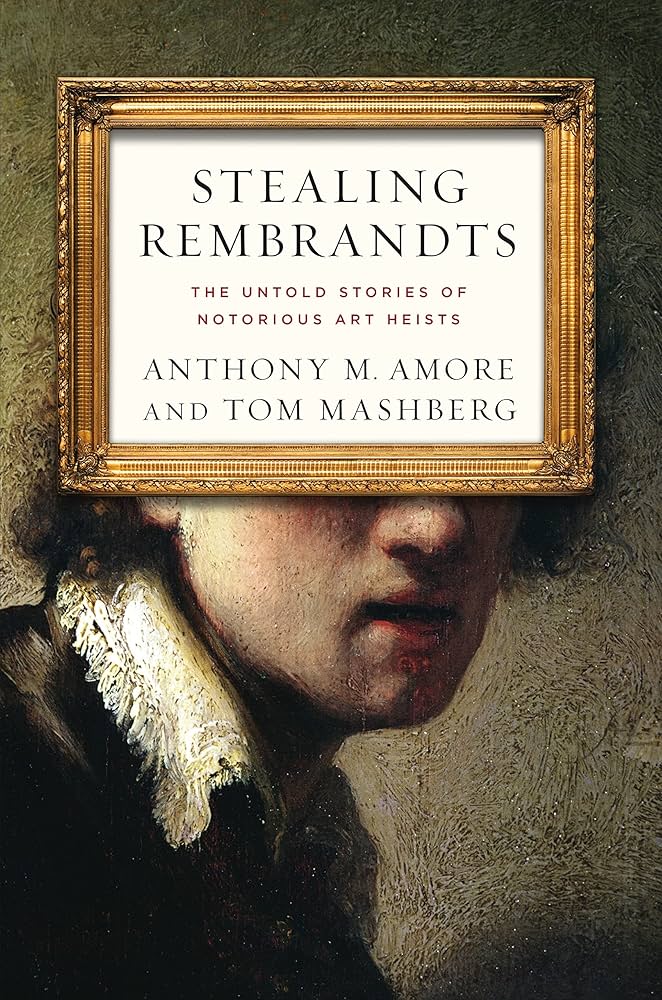
Stealing Rembrandts: The Untold Stories of Notorious Art Heists (2012) by Anthony M. Amore and Thomas Mashberg
Investigative reporter Thomas Mashberg and former head of security at the Isabella Stewart Gardner Museum Anthony M. Amore demystify the world of art theft. From Stockholm to Boston, they try to break the glamorous illusion and instead focus on the black market machinery and intricacies of museum security. Don’t expect intrigue or art theory here. This is hardboiled detective work, plain and simple.
The Goldfinch (2013) by Donna Tartt
Unlike most of the other tales on this list, this Pulitzer Prize-winning novel is about an accidental theft. During a terrorist attack at the Met that kills his mother, 13-year-old Theo takes a small Carel Fabritius painting, The Goldfinch, in the confusion. In the ensuing years, Theo grapples with the trauma, drug addiction, and young love. The painting becomes a talisman as Theo is whisked from WASP-y Upper East Side apartments and Greenwich Village antiques shops to the Las Vegas desert and gallery back rooms in Amsterdam.
Art Thief: A True Story of Love, Crime, and Obsession (2023) by Michael Finkel
Some people steal art for money. Some steal for the thrill. Stéphane Breitwieser stole art for the beauty. Between 1994 and 2001, Breitwieser and his girlfriend stole over $2 billion worth of art from museums around Europe and kept them displayed in a secret attic gallery. Finkel, a journalist and former writer for The New York Times Magazine, has made a career searching for meaning in criminal acts. Breitwieser is the ultimate figure of the art thief for Finkel—within his world, the search for aesthetic beauty trumps all else.








 in your life?