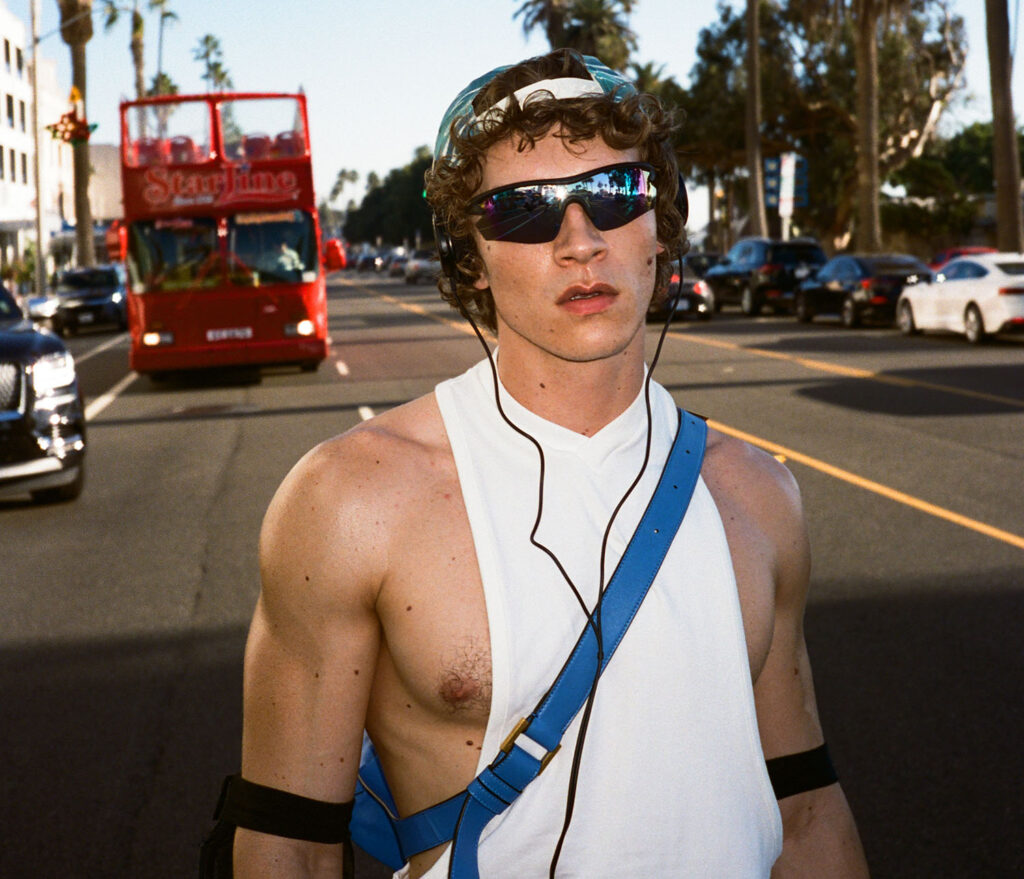

As a researcher and writer, she brings the past, with all its complexities and paradoxes, into the present.

DATE

SHARE

Twitter
LinkedIn
Facebook
Email


Martine Syms photographed in 2018 near her Los Angeles home.

Martine Syms is perhaps best known for her interventions into new media that have profoundly changed the nature of the art-historical landscape. What is equally important is Syms’ role as a researcher and writer, as someone who brings the past, with all its complexities and paradoxes, into the present. Her Incense Sweaters & Ice, from 2017, for instance, is a simultaneously epic and intimate story that explores the contemporary resonances of the Great Migration. Syms takes this historical framework and adds complex layers of desire that show the impossibility of any unidirectional interpretation of the past. Syms says of the film, “In this case, I was curious about the relationship between cinema, Black women and movement. History bleeds out of everything.”
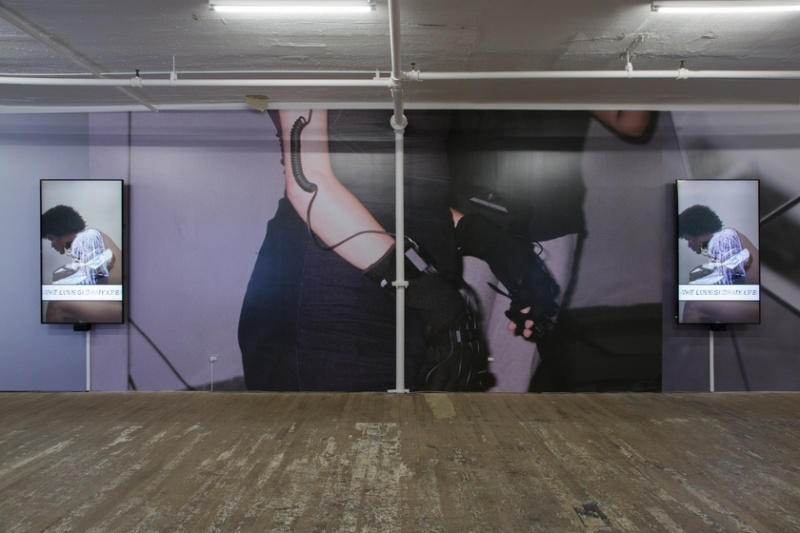
Installation view of “Martine Syms: Big Surprise,” September 16 – October 28, 2018 at Bridget Donahue.

In insisting on the multiple resonances of the past, Syms necessitates an expanded understanding of identity: “I’m often asked, required or demanded to take on multiple positions in life. These are the conditions, and given that, what do you do? How do you live? This is one of my animating questions.” These demands we might make of the art object itself—to speak to us plainly, to give up its meaning unequivocally to us. However, as Syms has explored throughout her work, art owes us no easy answers. Art and artists deserve to be as multifaceted as history itself, to ebb and flow without a predictable trajectory.


We’ve Waited All Year For This…

Our 10th annual Young Artist list is here, comprised of 27 names you need to know ahead of 2026.

You’ve almost hit your limit.

You’re approaching your limit of complimentary articles. For expanded access, become a digital subscriber for less than $2 a week.
You’re approaching your limit of complementary articles. For expanded access, become a digital subscriber for less than $2 a week.

Already a Subscriber? Sign in Here

You’re approaching your limit of complementary articles. For expanded access, become a digital subscriber for less than $2 a week.

GET ACCESS

Already a Subscriber? Sign in Here

Want more in your life?

For less than the price of a cocktail, you can help independent journalism thrive.

Pop-Up-1_c
Already a Subscriber? Sign in Here
Pop-Up-1_c

Already a Subscriber? Sign in Here

Want more in your life?

For less than the price of a cocktail, you can help independent journalism thrive.

Pop-Up-1_c
Already a Subscriber? Sign in Here
Pop-Up-1_c

Already a Subscriber? Sign in Here

You’ve almost hit your limit.

You’re approaching your limit of complimentary articles. For expanded access, become a digital subscriber for less than $2 a week.

You’re approaching your limit of complementary articles. For expanded access, become a digital subscriber for less than $2 a week.
Already a Subscriber? Sign in Here
You’re approaching your limit of complementary articles. For expanded access, become a digital subscriber for less than $2 a week.

Already a Subscriber? Sign in Here

This is a Critics' Table subscriber exclusive.

Subscribe to keep reading and support independent art criticism.

Already a Subscriber? Sign in Here

Want more in your life?

For less than the price of a cocktail, you can help independent journalism thrive.

Pop-Up-1_c

Already a Subscriber? Sign in Here

Pop-Up-1_c

Already a Subscriber? Sign in Here

You’ve reached your limit.

Sign up for a digital subscription, starting at less than $2 a week.

Already a Subscriber? Sign in Here

Want a seat at the table? To continue reading this article, sign up today.

Support independent criticism for $10/month (or just $110/year).

Already a subscriber? Log in.