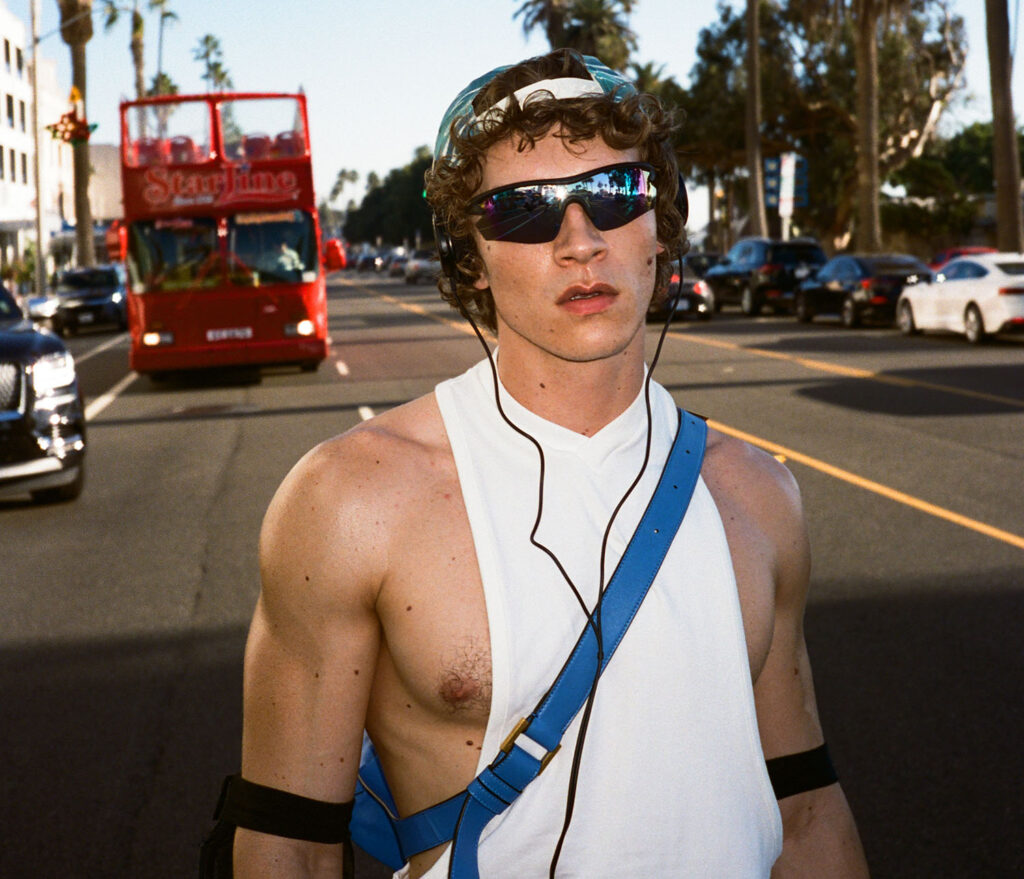
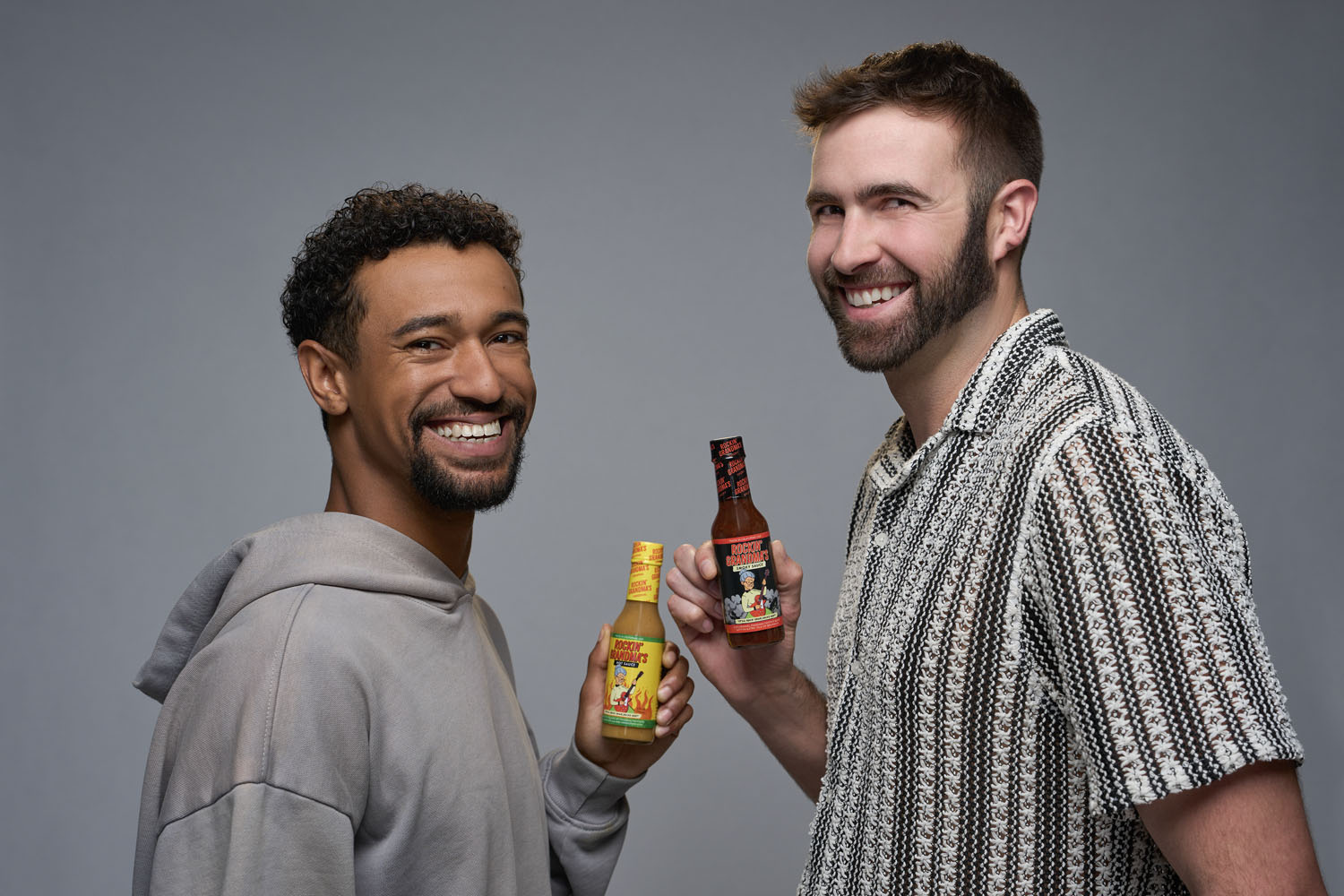
It’s a premise so absurd it’s hard to believe it was greenlit, let alone work. What if we filmed a docuseries about a standard American jury trial, except everyone involved—from the judge to the jurors to the courthouse passerby and stenographer—were actors, barring one man under the impression he was called in for his regular civic service? Introducing Ronald Gladden in Jury Duty, whose sheer affability in the face of such ridiculous circumstances buoyed the 2023 show to four Emmy nominations and a ranking as Amazon-owned Freevee’s most-watched show.
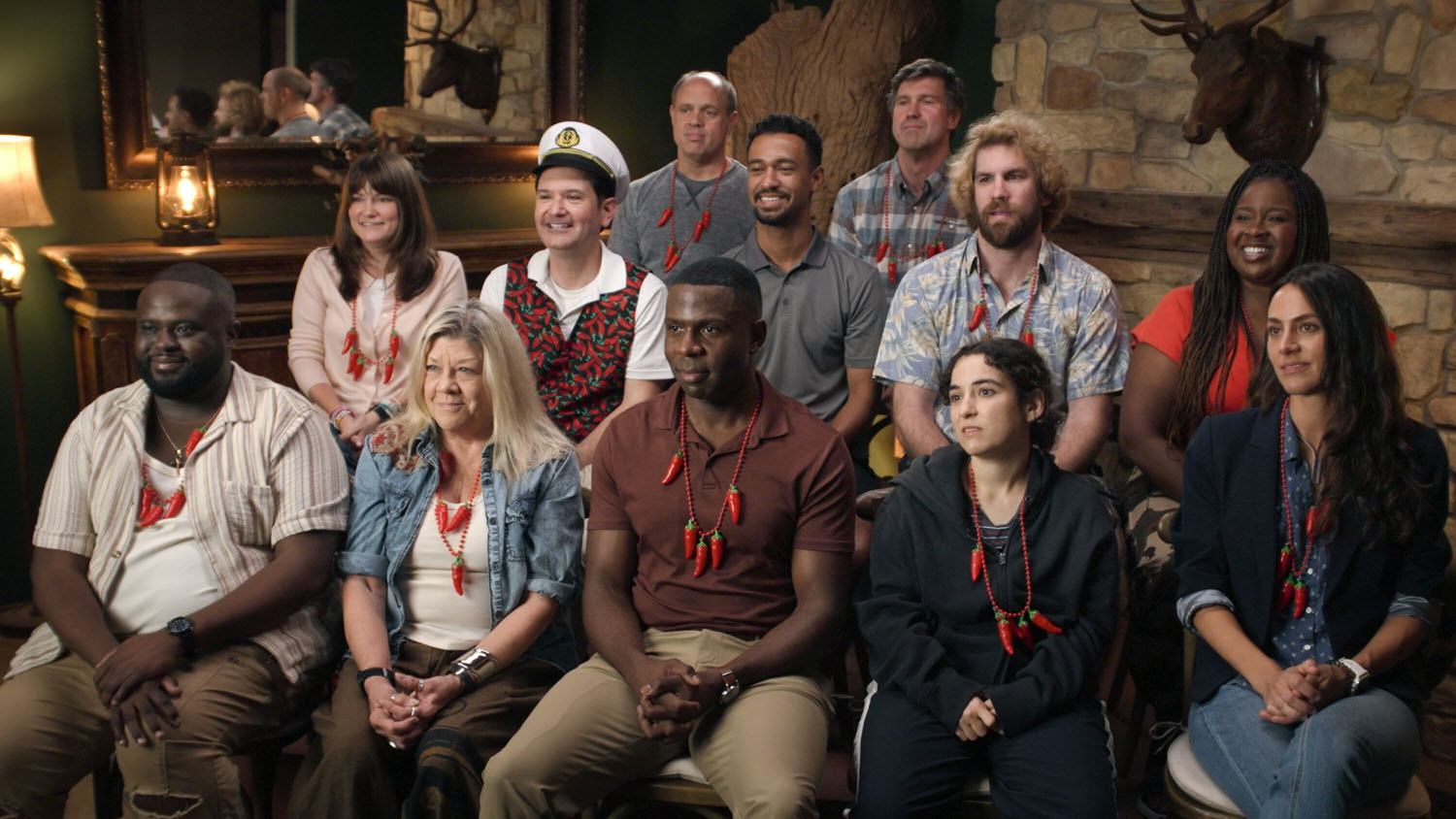
The series returned this year with Jury Duty: Company Retreat, centered around Anthony Norman, who believes the sauce company he’s temping for is the subject of another “low-budget documentary.” The Nashville native flies to LA to join 15 odd employees on their annual retreat, where they are met with botched marriage proposals, Succession-style family drama, increasingly ridiculous seminar speakers, and just about every other hijink one could conceive of. Through it all, Norman moves through the group with saint-like patience and seemingly undampenable enthusiasm for helping the fake hot sauce company and its motley crew.
What could easily have been a shock-value series about driving someone to their limit has instead become a reliable hope-core examination of what a little kindness can do to remedy even the most frustrating of situations. Through it all, the resounding question from viewers has become: How could they not know? That’s followed quickly by, Where did the crew find what appears to be the two nicest men currently walking Earth? There’s only two people who have the answer to both queries, and we sat them down together for their first joint interview about partaking in one of TV’s strangest series.
Here, they give us a behind-the-scenes look at life during and after the show, ahead of season two’s surprise bonus episodes—capturing the pair’s first meeting after filming, and a full cast reunion with executive producer James Marsden—dropping tomorrow.
It feels very karmically sound that I’m talking to you both on April Fool’s Day.
Ronald Gladden: Talk about serendipitous, right?
Are you guys planning any pranks today? Do you feel like you’ve had enough for an entire lifetime?
Anthony Norman: I wouldn’t say a lifetime, but enough for the time being.
Gladden: I’m gonna hold off today, for sure.
What was the process like for you both getting signed up for this show? One of the biggest questions people have when they watch is, How did they find these guys? How did they know this would be the way they would react to these crazy situations? Looking back, is there anything, like in your fake job interview, Anthony, that teased out what was coming?
Gladden: Mine was actually somewhat of a lengthy hiring process, and they justified that by saying, “We wanna make sure that you’re in the right mental headspace because we don’t want you to have a breakdown on set. We wanna make sure that you’re not dangerous.” I went through a physical to make sure I wasn’t gonna have a heart attack on set. But I’ve never been on camera before. I just assumed that these were the proper steps you had to take.
Norman: I applied to an ad for a temp company, so I had two Zoom interviews. I almost forgot about it, and then they reached out and I did have a mental eval. I didn’t have to go do a physical like Ronald.
Ronald, do you feel like you’ve gotten used to people coming up to you like, “Hey, you’re that guy from Jury Duty”?
Gladden: Yes, but it’s still a weird thing. I never really know how to respond to that besides saying “That’s me.”
What was going through your head the moment it was revealed you were on the show?
Gladden: I wanna hear your take on this one, Anthony.
Norman: At first, it’s exciting, right? I was a little confused. Even at the end, we did a group interview and I didn’t even know what questions to ask the cast because I was still digesting everything that was happening.
Gladden: I’m sure Anthony felt this too—the best way I can describe the day of the reveal is sensory overload. They were revealing so much so quickly and there was too much to process. I was just trying to get my bearings straight about me. It was almost disbelief. You go for so long and you have this gut feeling that something just isn’t right, but you’re just pushing it down and going along with what’s happening, and then to have them confirm that, “Hey, you were actually right the whole time,” that almost felt like a lie at that point.
Who was the first person you told after you found out?
Norman: My mom. She had never seen the first season either, but she was like, “Get out of here,” and, “No way, you’re lying.” I showed her some of the pictures, some proof, and we sat down and watched season one so that way I could really explain to her what was going on and she could fully understand. Explaining it in words doesn’t do it.
Gladden: I only told one person. It was my ex that I was seeing at the time, and the reason I only told one person was, for one, I didn’t think anybody was even gonna believe me because the story was so absolutely absurd. For two, I didn’t want to be the one to ruin it. Even though we didn’t know the show could potentially even be anything, I just didn’t want to be the one to burst the bubble.
It does sound a little bit like a fever dream. “I was in a fake trial and also James Marsden was a juror.” Are there moments, looking back at what happened, you’re surprised you didn’t pick up on?
Gladden: They did this very intentionally. There’s nothing that really happens those first couple of days because they slowly initiate you, so you believe everything that’s happening. Why wouldn’t you? Once you are committed to that world, it’s very hard to get out of there because then you start questioning your own sanity. You’re asking yourself, Can I really not believe what I’m seeing, what I’m hearing? Is everything around me fake? That just takes you down a rabbit hole that could really do some numbers on you. It just makes more sense to accept what you are seeing. In my case, I was surrounded by some different, weird people. In Anthony’s case, he was just hanging out with people who were enjoying their company retreat. So in the grand scheme of things, it really doesn’t seem that crazy.
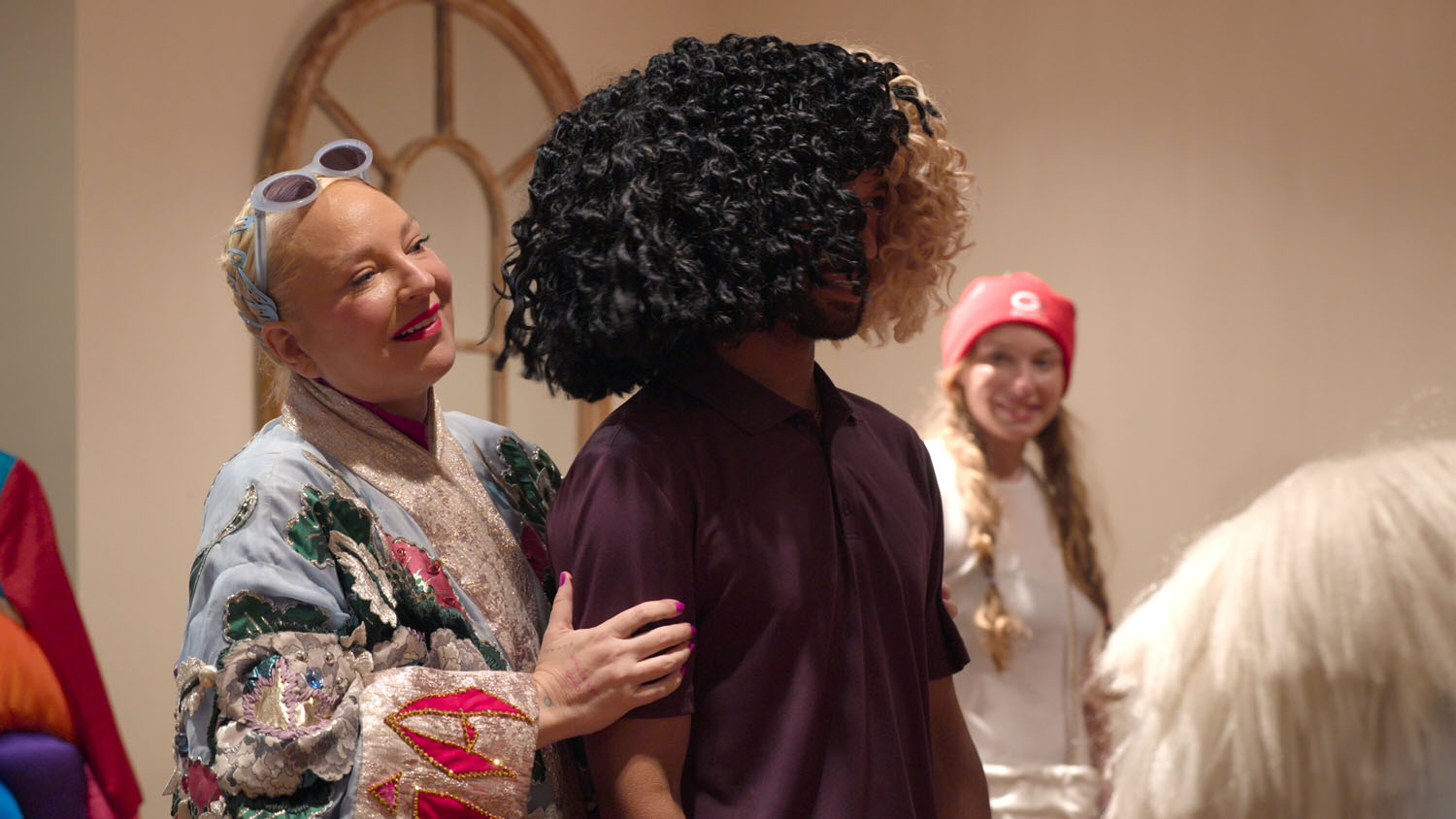
Norman: One thing that I looked back on and I’m just like, I should have known, is Jimmy was doing a song in the talent show and it was an Eminem song. One of the producers came out and was like, “You guys can’t do that. We’re a small documentary, we don’t have the copyright.” Then, a day or two later, Sia comes out [as a surprise participant in the talent show] and I’m like, “Well this isn’t a small documentary?”
Once you understood this was all going to be on TV, were there moments where, for example, you tripped over your feet or did something embarrassing, like, I hope that doesn’t make it into the cut?
Norman: There are a couple things that I’m not the most fond of that made it into the cut, but it’s okay. I like to live in the fact that it’s not about me even though I’m at the center. It’s about the message.
Gladden: I was under the impression that I was filming an educational, informational documentary about what’s really going on in the jury deliberation room, so I was trying to be as respectful and professional as possible. The thing that I was trying to avoid doing was cursing on camera. Unbeknownst to me, there’s hidden cameras everywhere, so they picked up on that constantly. That was the one thing I was like, I was really trying to keep it a little bit more PG.
Another thing that’s come out of this is everyone’s saying, “These are two really nice guys.” Has that made you reevaluate the way that you see yourself in these situations?
Norman: It’s definitely made me love myself and appreciate myself more. The outside reassurance is nice, right? Understanding that I had to be who I am to make it through this is definitely something that I hold onto.
Gladden: As great as it is to have the external feedback and have the validation from other people, I worked really hard to become the person that I am, so I wasn’t really looking for that feedback from people. But like Anthony said, it does make you appreciate the person that you are to have people tell you that.
Do you feel the need to be that guy for the rest of your life? If someone comes up to you on the street, maybe they’re expecting the person that they saw on TV.
Gladden: I don’t really feel the pressure because the person that people saw on Jury Duty was the person that I worked seven years to become. That’s just me.
Norman: I agree with that answer a lot, but I will say there is a small pressure. I never worried about getting in trouble with the law, right? This is just an example, but now if it came out that I got arrested or whatever, it might tarnish the show. So I do feel a little pressure, but not so much that I feel like I have to be somebody else.
Was there a moment on the show, whether it was a situation you were put in or a camera that was hidden somewhere, that you can’t believe they were able to pull off?
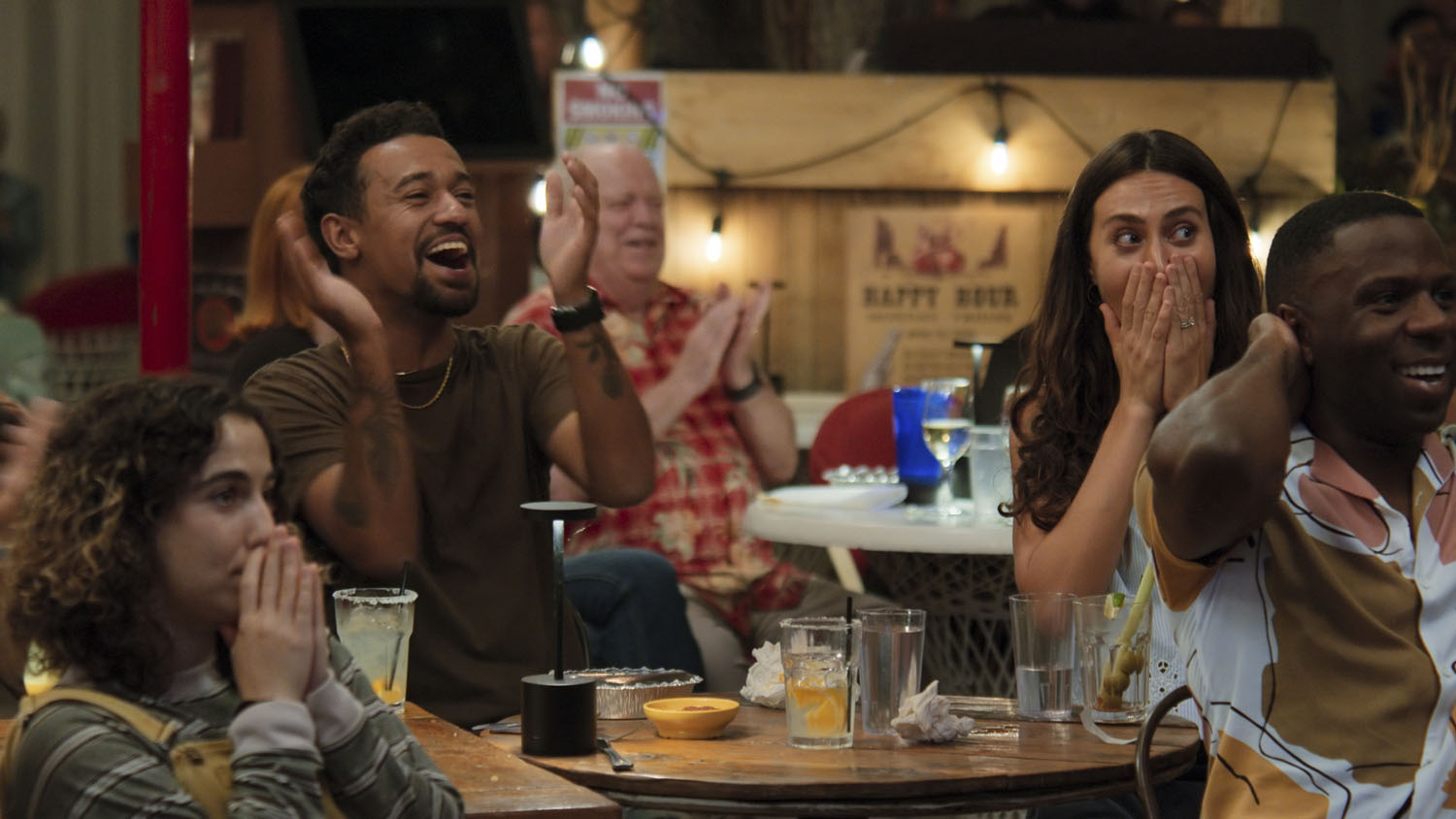
Norman: Honestly, I’ll say the day we went out, because they rented out the whole restaurant. They filled everybody up. They even went so far as to make a menu. The amount of work that it took to not only make the show, but just that day alone, was the craziest to me.
Gladden: I have the same exact answer. The fact that everywhere I went was rented out and filled with actors was absolutely absurd, and that’s another reason why it was so believable, because quite literally everywhere I went was a controlled environment, just like The Truman Show. I was like, There’s no world that exists where they can just rent out an entire place and fill it with actors constantly.
Have you watched The Truman Show since partaking?
Gladden: I’d seen it multiple times, so that’s why I always relate it back to there, but yes, I definitely did rewatch it again, and it’s just very funny to see the similarities.
At the end of the night, what were those downtime moments like, where you’re processing the insanity of the day?
Norman: Honestly, I wouldn’t even say that I was processing it. Those were the moments that I could just relax, and that’s why you see me taking some hacks off the tee with the baseball bat—just doing something to just calm myself, to calm my mind, to get my mind off of it, so that way I could be prepared for whatever is going to come the next day because I knew something was coming.
Gladden: I didn’t necessarily have as many freedoms as he did being sequestered in the hotel room, and so I’d like to imagine that maybe they learned from that. I was starting to get really stir crazy at the end. I was literally running out of things to do. I had read all of the books. I was trading books with other people. I was just kind of ready to go. So, I’d like to think that maybe they gave Anthony a little bit more to do to keep him occupied. I was exercising, reading, playing games. I was doing anything I could. I was just bored.
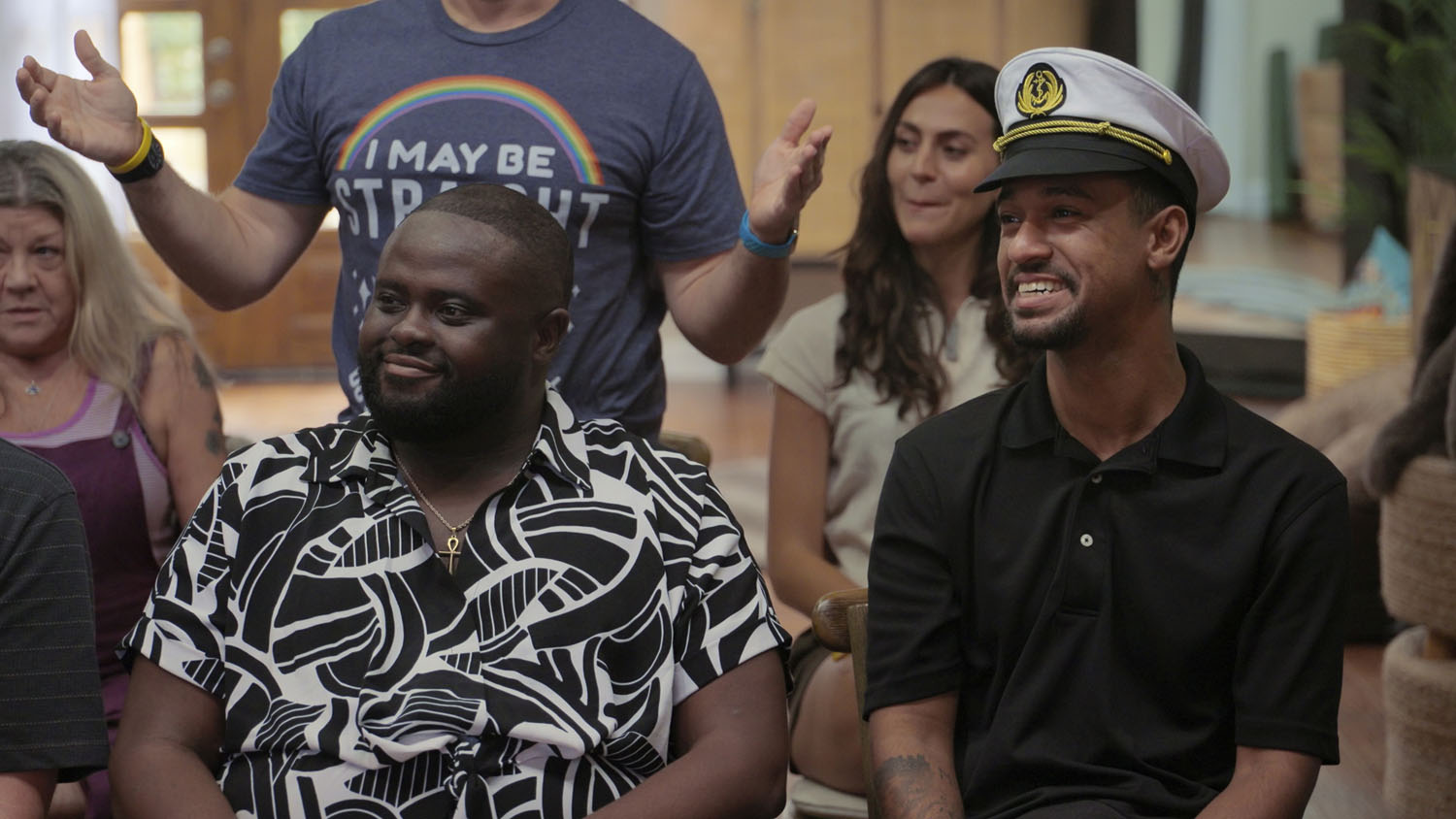
They’re like, “We gotta let this guy out or he’s not gonna come back with such a sunny disposition tomorrow.” I mean, did you have a sense, like, I’m surrounded by crazy people?
Gladden: It’s all about expectations. I came into this expecting to be surrounded by some different people because I knew that if I got selected on the jury, it’s a jury of your peers. It’s literally a variety of people. You have no idea who you’re gonna be interacting with. I lived in San Diego at the time, so I knew I was also coming up to LA, so there’s just more potential to have different people around me.
Norman: I didn’t really know what to expect, with me being from Nashville and going to LA, those are just two different lifestyles. It didn’t throw any red flags that these were characters. I just thought it was a company full of characters.
I like the implication that this is just what people from LA are like.
Gladden: Your reputation precedes you, LA.
Anthony, on the phone at night with your mom, how were you describing the events of the season to her?
Norman: I told her about the proposal, and that was the thing that really set her off that maybe something was going on. I told her about Triukas and how they came in and were just this powerhouse that wasn’t going to take no for an answer. She was starting to get worried, but to calm her down, no matter the craziness that was going around, [I told her] I was smiling, I was having fun, they were making me laugh.
Gladden: I wasn’t allowed to talk about the court case, for obvious reasons. There was always somebody monitoring my phone calls, which I did not enjoy at all, so I didn’t really make any. It just felt very weird to have somebody listening to a private conversation I’m trying to have.
What was the first watch of Anthony’s season like for you?
Gladden: Ultimately, it was funny. I laughed a lot when I watched it. Even though I was bored most of the time, it’s not like I had a bad experience. It seemed like he was genuinely having fun during the whole thing, so that’s great to see. At least he’s enjoying himself and he’s on for a great ride.
Anthony, when you first put on his season, what were your initial thoughts?
Norman: I kind of felt bad for him because he was stuck. I will say he had a harder task than I did, because he had to genuinely see this guy, all this evidence in front of him, and make the correct decision. You said this before, at first, you almost were certain that he was guilty just based on the preset judgment that you had of him. I had the ability to go through it and learn about these people and love them a little bit. You didn’t really get that chance to bond with the person you were sticking up for. I respected him a lot for that because these people meant something to me that that guy didn’t really mean anything to Ronald.
What do you guys hope people take away from the show?
Norman: It’s not the job, it’s the people you work with.
Gladden: My message has been the same since day one. If there’s one thing people take away from this, it’s just to be a good person, to be good to each other, because it really is that simple. There’s no reason to complicate it.
More of our favorite stories from CULTURED
Legendary Art World Deviant Paul McCarthy on Santa Claus, Trauma, and the Rise of Fascism
Gabby Windey Shares Her Book Recommendations for the Manosphere and Depressed Women Everywhere
15 Collectors Offer Their Best Advice For Getting Started
Bryan Stevenson on What Social Justice Movements Can Learn From March Madness
A Guide to the Real-Life New York Restaurants Where Characters Eat on TV
Sign up for our newsletter here to get these stories direct to your inbox.







 in your life?