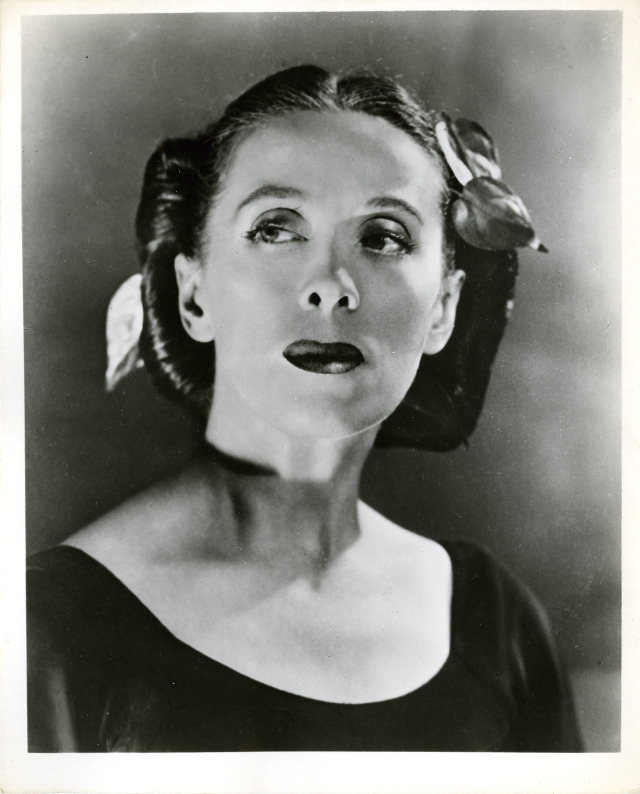
Few dancers ever become household names. But Martha Graham did more than that: She changed the art form forever. Born in Pittsburgh in 1894, she pioneered modern dance by drawing on a deep well of influences, from the poetry of Emily Dickinson and paintings of Picasso to the landscape of the West and the mythology of the ancient Greeks and Native Americans. Her collaborators included the likes of Isamu Noguchi, Halston, Alexander Calder, and Andy Warhol.
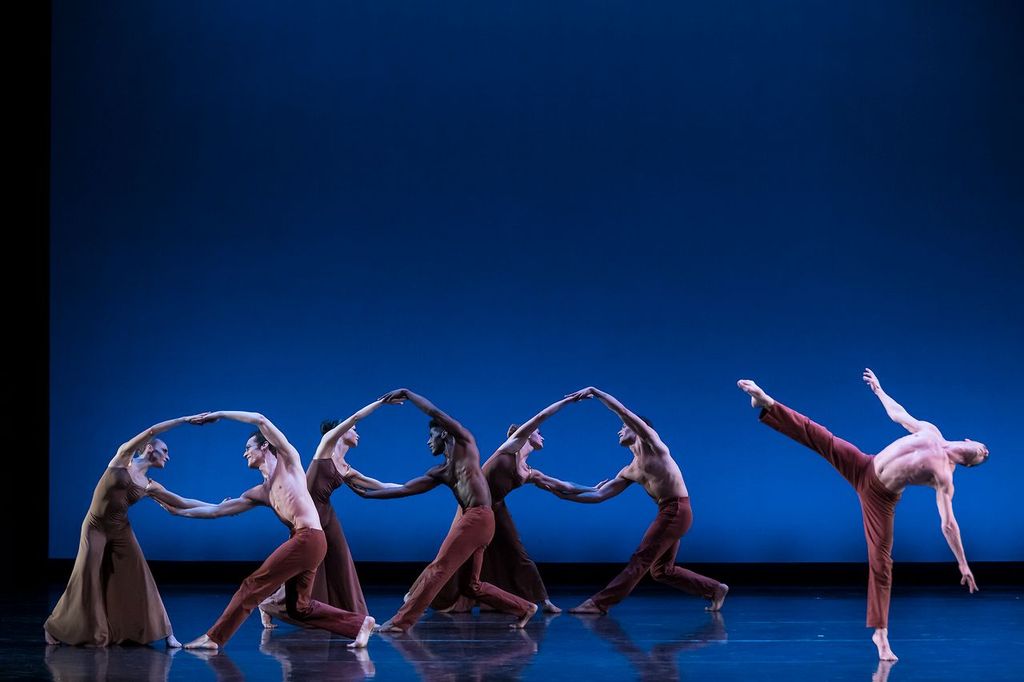
Graham founded her dance company—through which legends like Twyla Tharp, Merce Cunningham, and Paul Taylor passed—100 years ago this spring. The company’s season kicks off April 8, presenting five of Graham’s best known works including Chronicle, 1936, Night Journey, 1947, and Appalachian Spring, 1944. The occasion coincides with initiatives including an exhibition dedicated to Graham’s work at the New York Public Library, a book of photography from NYC Dance Project, and a new PBS documentary on her life narrated by none other than Meryl Streep.
To put Graham’s legacy in perspective, CULTURED reached out to five artists across disciplines and generations who collaborated with or were inspired by her radical choreography.
Twyla Tharp
One Tony, two Emmys, and 19 honorary doctorates into her career, Twyla Tharp has blended classical discipline with a playful approach to movement in routines for Hair, 1979; Ragtime, 1981; and Amadeus, 1984. As a young woman in New York in the 1950s, she studied under Martha Graham.
“I had the privilege of attending company class when Martha Graham was still personally conducting these sessions in the early ’60s. Watching an innovator of her stature working with artists she had spent decades developing was an invaluable experience and informed my professional career. Ms. Graham was an inspiration with the degree of generosity she expressed to a young dancer and fledgling choreographer. Her example serves the entire world of dance. Once during a company class when I was dancing with her performers, I saw fit to hurdle through space with the maximum capacity of speed and power at my disposal in order to pass two of her men. At the end of the diagonal cross, I smashed into the wall. Ms. Graham smiled.”
Lloyd Knight
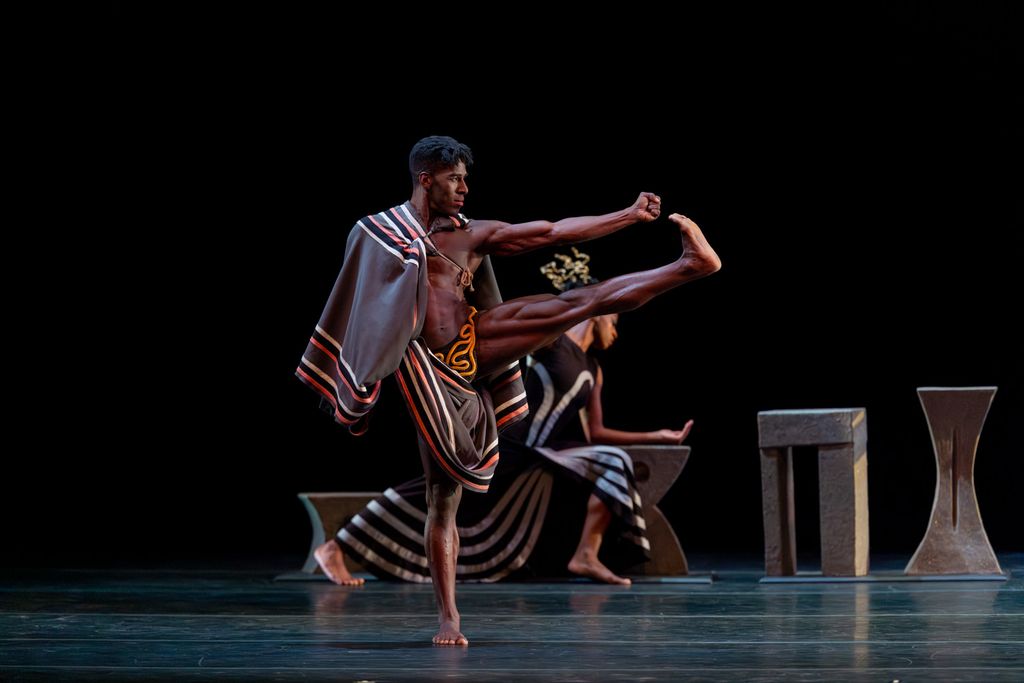
London-born, Miami-raised Lloyd Knight, 43, is the principal male lead at the Martha Graham Dance Company. After joining in 2005, he has performed in Night Journey, Appalachian Spring, and Embattled Garden.
“The first dance I saw of Martha Graham’s was on video. It was a series: Errand into the Maze, The Rite of Spring, and Diversion of Angels. I was a freshman in college, and it completely blew me away. The drama! It was more than a dance—it was an emotional experience of high art. The first performance of hers I danced in was Acts of Light, a work that I still get emotional performing … As much as dance shifts and changes, the blanket of dance is tightly structured by Graham, whether her technique, which is still highly sought after, or works that gave people permission to escape.”
Kyle Abraham
Kyle Abraham, 48, is a dancer, choreographer, and the founder of the dance company A.I.M. Born in Pittsburgh, Abraham crafts propulsive performances rooted in the pains and beauties of Black life in America. He has collaborated with Glenn Ligon, Robert Glasper, and Abigail DeVille, and he received a MacArthur Fellowship in 2013.
“I’m proud to say that I’m from the same hometown as Martha Graham. [My] fellow Pittsburgh native wasn’t afraid of collaboration. She made work that addressed the times in which she was living and also made space for works with historical references, notions of love, and strife … I’ve always been someone who feels quite deeply. And having studied Martha Graham’s technique during my college years, I was encouraged to bring emotion and storytelling into every aspect of my dance training. Graham technique and choreography heightened the intersection of dance and imagination for me.”
Donna Karan
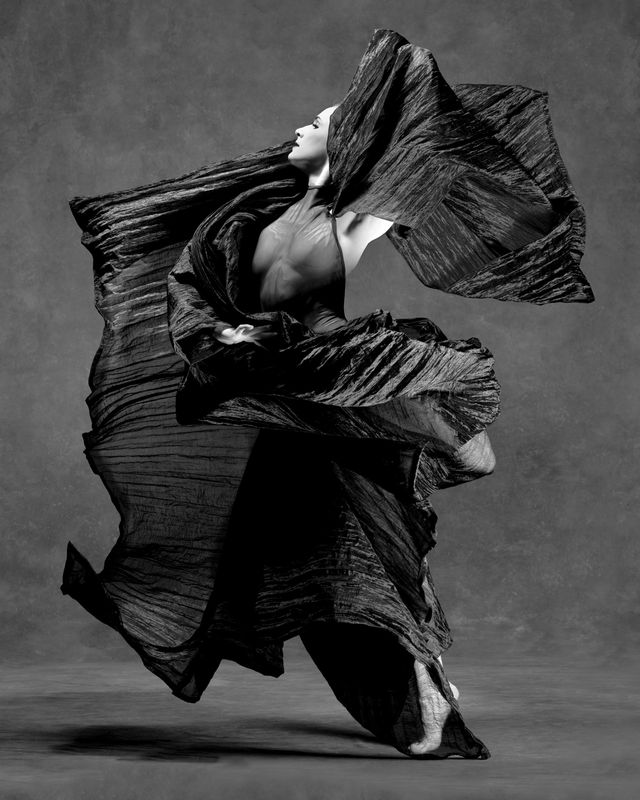
Donna Karan, 77, is the founder of the clothing label DKNY. Her pieces, focused on clean comfort for working women, helped define New York fashion in the ’80s and ’90s, when she collaborated with Martha Graham on costumes for performances including Snow on the Mesa.
“ I’ve always said that I never wanted to be a designer. I wanted to sing like Barbra Streisand and dance like Martha Graham. There is no other lady like Martha. There’s a photograph of me when I was younger. I wanted to cover everything up and wear all black. Since I couldn’t dance, that was my way of being Martha Graham. I have very long arms and long legs, so I loved the movement of the arms in her pieces. You know how you hold your arms up in the air or out to the side and the fabric falls on top of you? That’s what I remember: The drama of the body. The end of the stage … I first saw her dance out in the Hamptons, then I designed costumes for her. Her work was unique, not what one would think of as dance. I think it’s reflected in movement today.”
Senga Nengudi
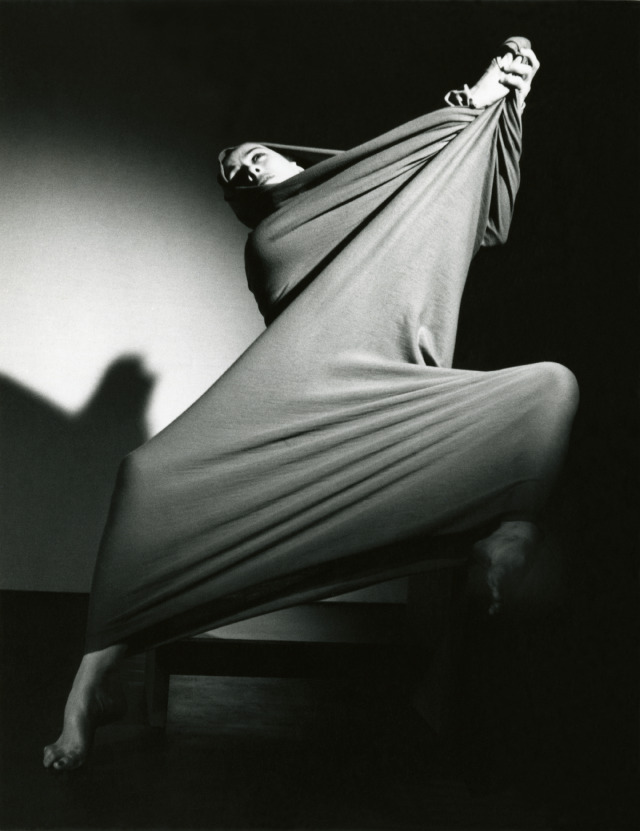
Primarily known as a sculptor, Senga Nengudi, 82, studied dance in college and frequently incorporates the body, including those of her performers and audiences, into her stretched nylon pantyhose constructions. Her work can be found in the collections of MoMA, the Guggenheim, the Centre Pompidou, the Tate, and more.
“Martha Graham was a powerhouse, an activist who had plenty to say. She said it through her body, from the inside out. She brought a structure to modern dance—a weight, a legitimacy, if you will—that before Graham only ballet could claim.
A student of hers, Pearl Primus, was the first premier African American modern dancer and social activist, who incorporated the expression of the African diaspora in her works. This is an important fact for me, since I had no one like me to look up to in the modern dance scene. It’s kind of lonely when you are the only Black girl in class, and you don’t have a classic dancer’s body. Though I never saw her in person, the Graham technique was the foundation of so many of my dance classes. Her main movement mantra, ‘Contract release! Contract release!,’ lives on.”
More of our favorite stories from CULTURED
How Blue Ribbon Survived a Mob Run-in and Transformed Late-Night Dining
Why Cookbooks Are the Next Frontier for Narrative Writing
You’ve Heard About the New Museum’s New Building. The New Show Is Even Better.
Everyone Was Afraid to Touch Nadav Lapid’s Satire of Israeli Artists. Now, It’s Being Released.
Where 27 Artists Are Hanging Out in New York Right Now
Sign up for our newsletter here to get these stories direct to your inbox.








 in your life?