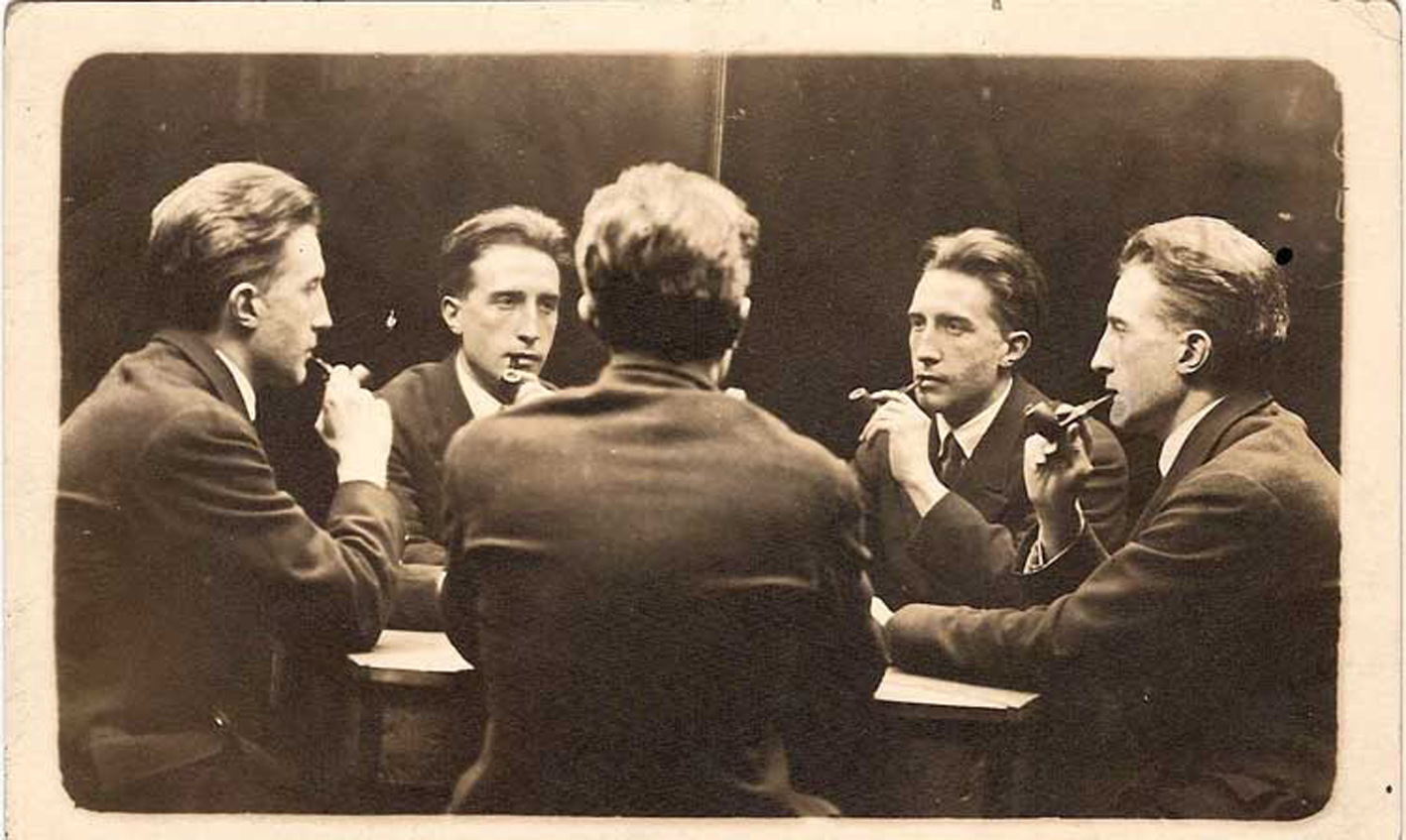
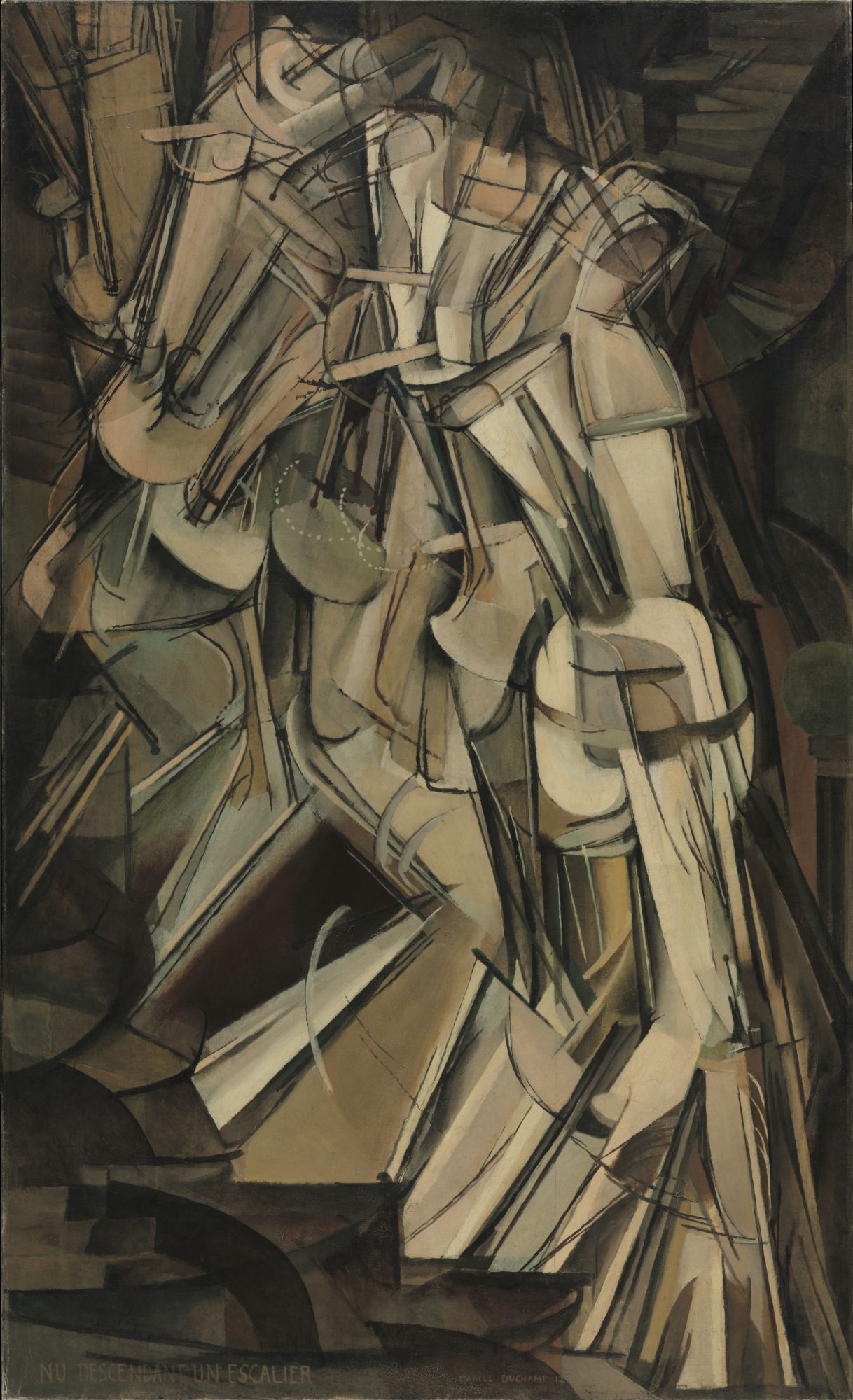
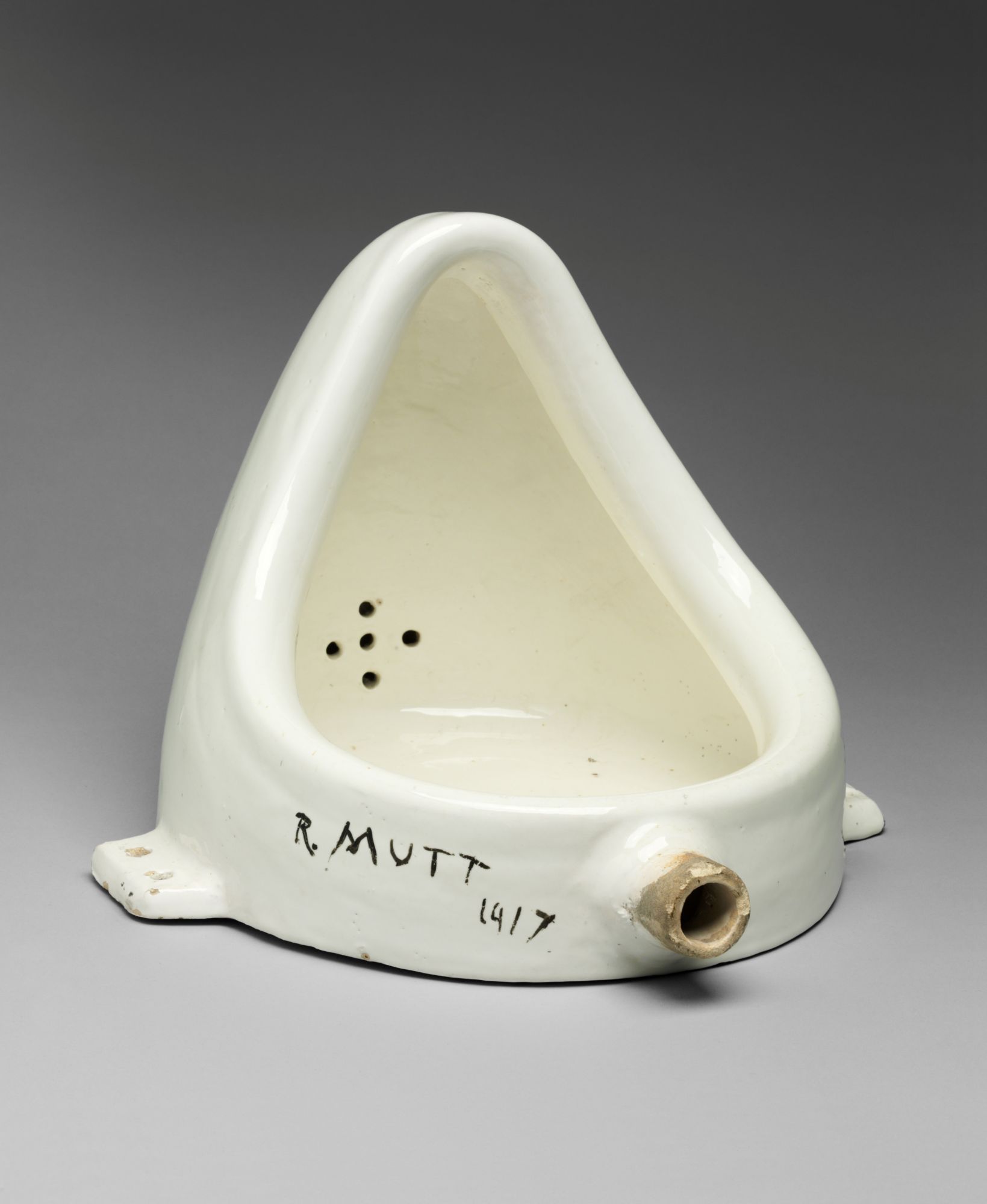
Like the fragmented figure in his 1912 painting Nude Descending a Staircase, No. 2 or the origin story of his subversive urinal-turned-sculpture Fountain from 1917, nothing is straightforward when it comes to Marcel Duchamp. At least that’s what a group of curators found as they set out to work on the French-American artist’s forthcoming retrospective at the Museum of Modern Art in New York.
“The difficulty level is at a 15 out of 10, because everything he made is designed to confound the traditional systems of art as we know them,” explains the museum’s chief curator at large Michelle Kuo, who, along with Ann Temkin, MoMA’s chief curator of painting and sculpture, and Matthew Affron, the curator of modern art at the Philadelphia Art Museum, organized the once-in-a-generation exhibition, simply called “Marcel Duchamp.”
Set to run in New York from April 12 through Aug. 22, it marks the first major show dedicated to the artist’s career in the U.S. since 1973, when MoMA and the Philadelphia Museum of Art previously teamed up for a retrospective. An entire “industry” of scholarship on the artist has emerged in the interim, Kuo notes, but our relationship to him remains slippery as ever.
Duchamp lives on the shortlist of not just the greatest artists of the 20th century, but all time. Long after Nude Descending a Staircase pushed Cubism to its breaking point and Fountain catalyzed conceptualism, Duchamp developed ideas—appropriation, self-referentiality, the artist-as-prankster—that paved the tarmac from which people like Andy Warhol, Richard Prince, and Jordan Wolfson would later take off.
The only thing more revealing than the number of contemporary artists who, a full century later, are riffing on—if not ripping off—his ideas is how little we still understand of the man behind it all. “You would think that after over 100 years, we would know more facts about Duchamp,” Kuo says, “but there have been so many misreadings and misunderstandings and games of telephone that proliferate.”
But that’s just how Duchamp wanted it. The artist was sly and wry, a man of alternate identities and self-perpetuated myths. Apocryphal stories—that Fountain was created by a woman named Elsa von Freytag-Loringhoven, say, or that the art world ignored him in his time—continue to shape even experts’ understanding of his career. When they started developing the show’s layout back in 2019, even Kuo and Temkin believed the myth that Duchamp stopped working prematurely to dedicate himself to chess. “When we were first imagining the space that [the show] would occupy on the sixth floor, we were thinking we’d have all the room in the world,” Temkin says, referring to the show’s final galleries. Audiences will be surprised to learn that the artist remained prolific in his later years.
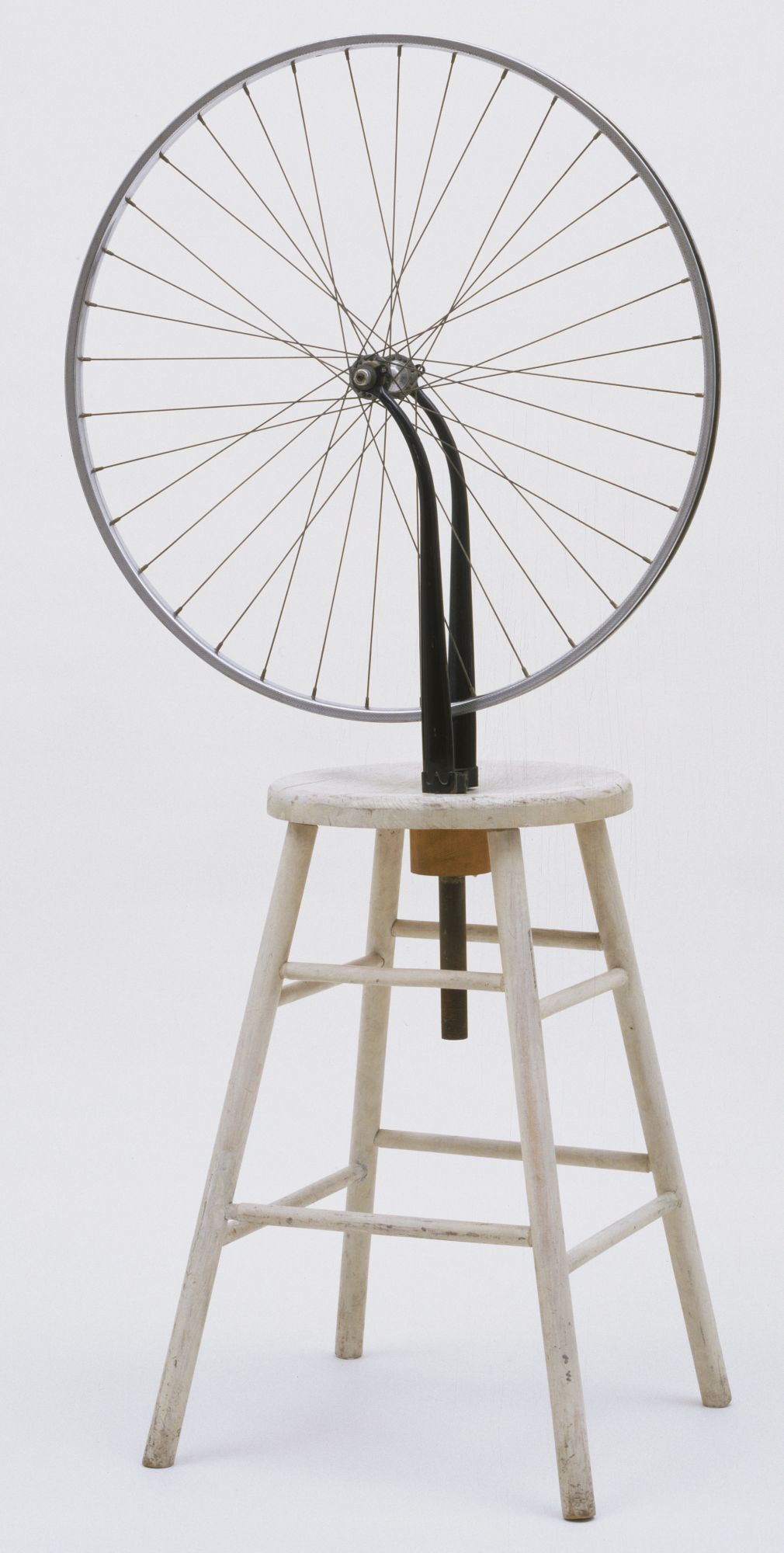
A smile forms on the curator’s face, having just wrapped the first of a three-week installation process that will see the museum display a staggering 300-some artworks (including additional greatest hits like The Bride Stripped Bare by Her Bachelors, Even, and The Box in a Valise).
That’s a lot of pieces even for a retrospective, but it squares with the curators’ approach, which they described, in a Duchampian turn of phrase, as “deadpan accuracy.” They have decided, for example, to install the artist’s studies and replications of his work chronologically, presenting them as independent artworks themselves rather than facsimiles adjacent to the final versions.
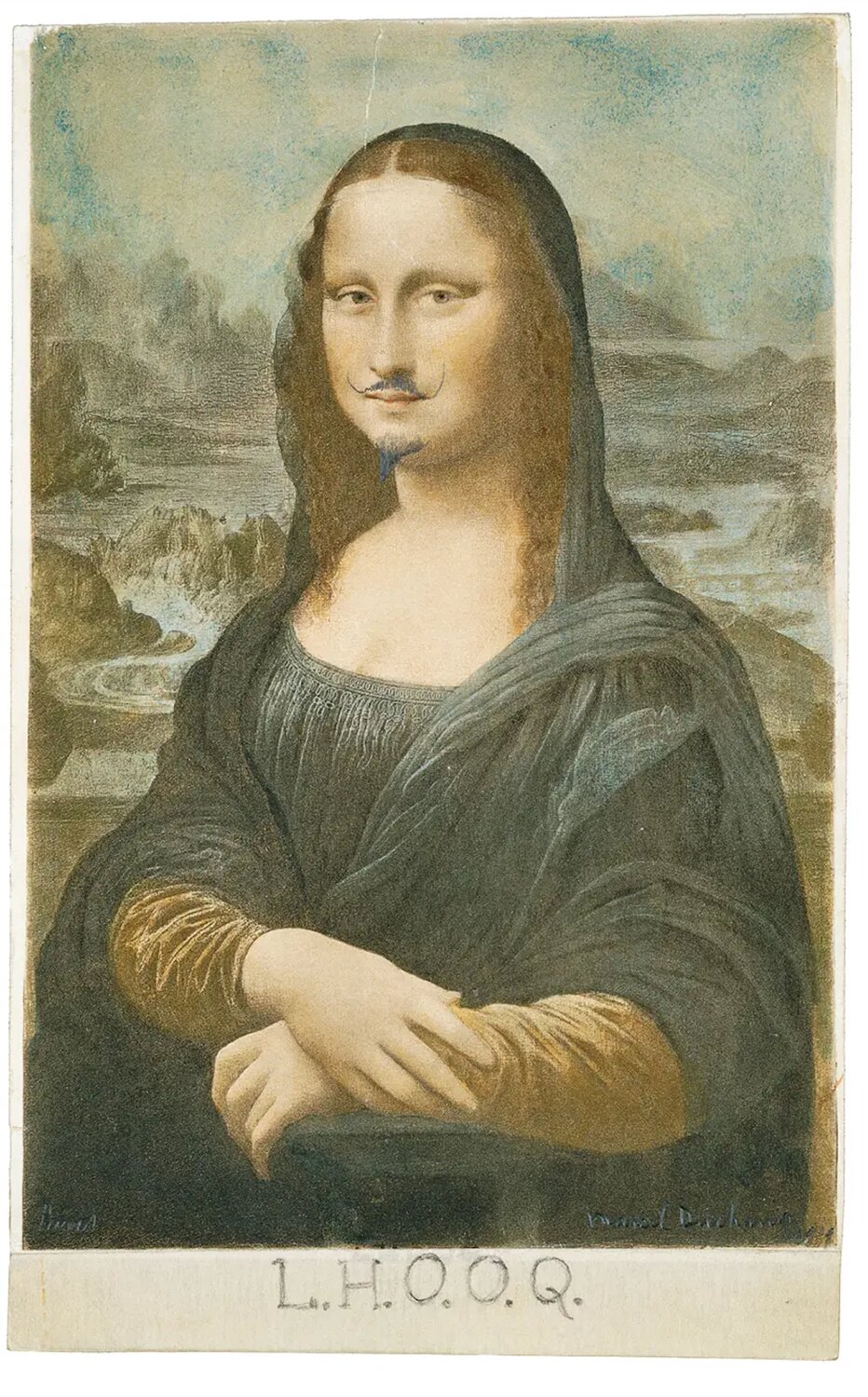
Ever prescient, Duchamp “predicted our prediction markets, the idea of speculation, even virality,” Kuo says. She considers L.H.O.O.Q., in which Duchamp drew a mustache on a postcard picture of the Mona Lisa, as a kind of proto-meme. It “gets dropped into the system and starts to circulate and replicate and becomes a kind of viral image,” Kuo says. “Those are all ideas that, literally, 100 years ago, Duchamp was putting into the bloodstream of culture.”
More of our favorite stories from CULTURED
How Blue Ribbon Survived a Mob Run-in and Transformed Late-Night Dining
Why Cookbooks Are the Next Frontier for Narrative Writing
You’ve Heard About the New Museum’s New Building. The New Show Is Even Better.
Everyone Was Afraid to Touch Nadav Lapid’s Satire of Israeli Artists. Now, It’s Being Released.
Where 27 Artists Are Hanging Out in New York Right Now
Sign up for our newsletter here to get these stories direct to your inbox.







 in your life?