If you’re ever at a loss for a smart-sounding opinion on a movie, you can always fall back on “the book was better, though.” Let’s be real, in most cases, it’s true. Not because we’re so snobby to suggest that literature is always better than film, but because some things are almost always bound to get lost in translation.
Adapting a book is a delicate balance. The best attempts stay true to the spirit of the story, while drawing out what makes them cinematic. Some are so faithful they feel just like what you envisioned in your head. Some are so iconoclastic they only resemble their source material if you squint. And some, once in a blue moon, manage to transcend their roots and become even bigger and bolder creative entries than the books they were based on.
Below, we’ve rounded up 10 adaptations throughout cinema history that have outshined the texts that laid the way for them. But don’t take our word for it—press play.
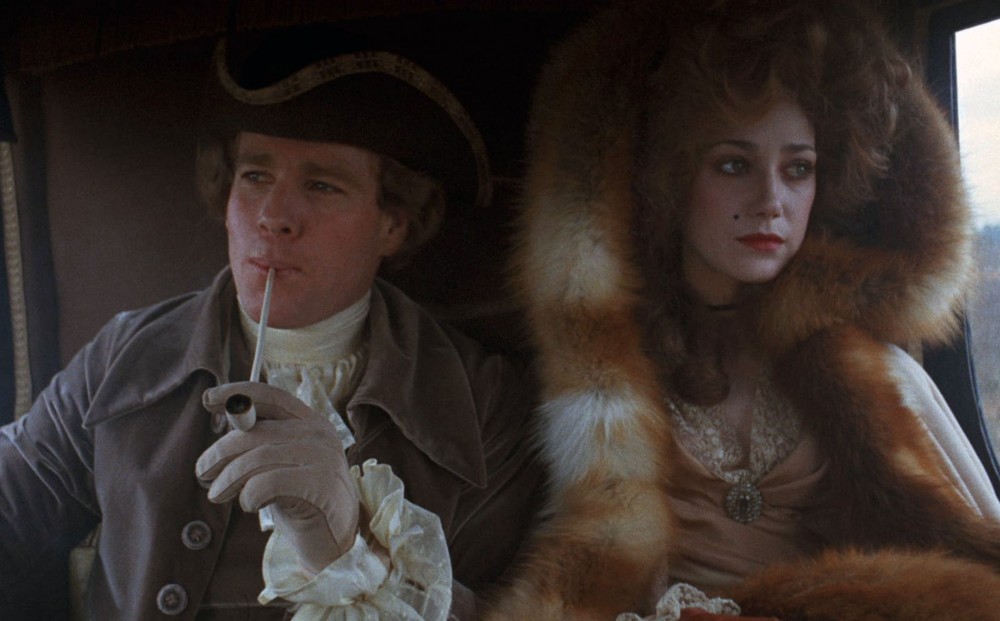
Barry Lyndon, 1975
Stephen King notoriously disliked Stanley Kubrick’s adaptation of The Shining, which imposed a more bleak streak of human terror on the supernatural miasma of the Overlook Hotel. People have been debating which version is better ever since. Meanwhile, Kubrick’s 1975 adaptation of William Makepeace Thackeray’s The Luck of Barry Lyndon, stands out as his great work of adaptation. An early example of an unreliable narrator, the 1844 novel is a tale of a ne’er-do-well social climber who weasels his way through German high society. What was once considered one of Kubrick’s flops has been reclaimed in recent years. (Paul Thomas Anderson even shouted it out from the Oscar stage when he accepted the award for Best Picture.)
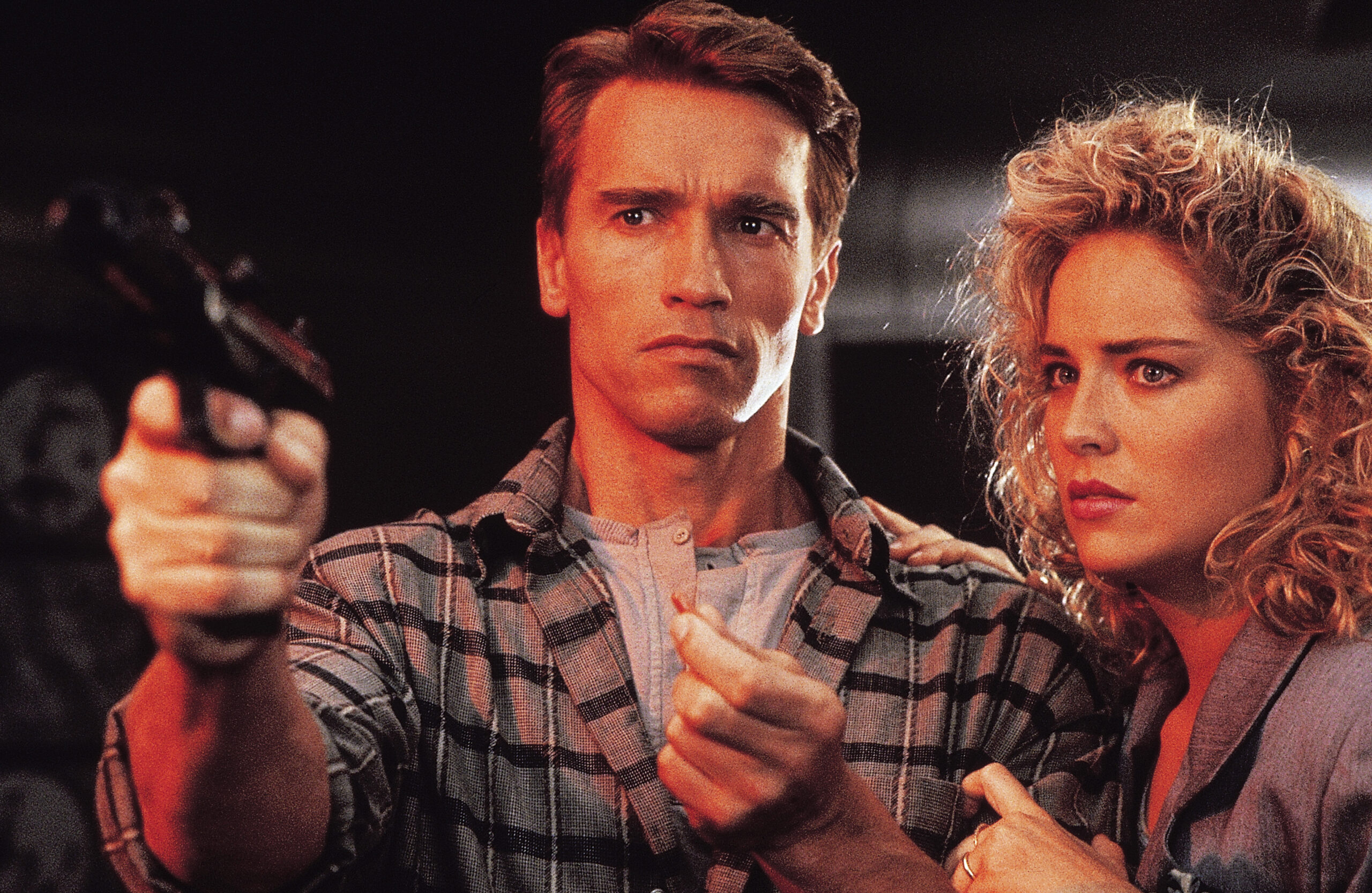
Total Recall, 1990
Philip K. Dick’s best known adapted book may be Do Androids Dream of Electric Sheep?, the source material for Ridley Scott’s Blade Runner, 1982, but both are so foundational to science fiction as a genre, it’s almost impossible to say which one is better. In Total Recall, based on Dick’s 1966 short story “We Can Remember It For You Wholesale,” director Paul Verhoeven takes what Dick put on the page and runs with it—all the way to another planet. Both films deal with the same core question: Are the protagonist’s memories real, or are they simply a fantasy implanted in his head by a corporation capitalizing on his dissatisfaction with ordinary life? While Dick’s short story provides a definitive answer, Verhoeven’s adaptation explodes the premise into an ever-deepening fantasia of spies, three-breasted women, and mutant liberation movements—all brought to life by some of the best practical effects ever put onscreen.
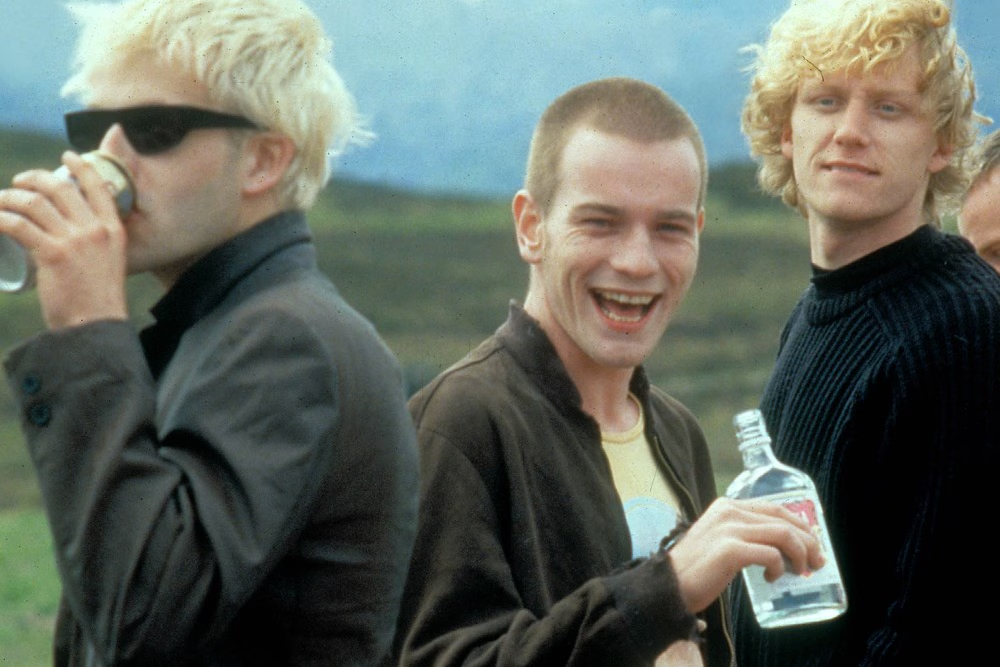
Trainspotting, 1996
Next time you and your friends have a copy of Irvine Welsh’s 1993 novel lying around, take a few turns passing it around and trying your hands at the thick Scottish dialect on the page. You won’t regret it. Danny Boyle’s 1996 film took a series of rich, textured vignettes of grit and grime in Scotland’s heroin underground, and turned it into the story of a generation. Part of this is due to casting (hello, Ewan!) but even more so, it was capturing a radical change in British youth culture happening in real time. That shift is perhaps most apparent in Trainspotting’s soundtrack. As the characters fight or fail to face their futures, the music slowly morphs from the narcotic howling of Iggy Pop and Lou Reed to the unapologetically U.K. Britpop of Blur, Pulp, and Primal Scream to the final ecstatic freak-out of Underworld’s “Born Slippy.”
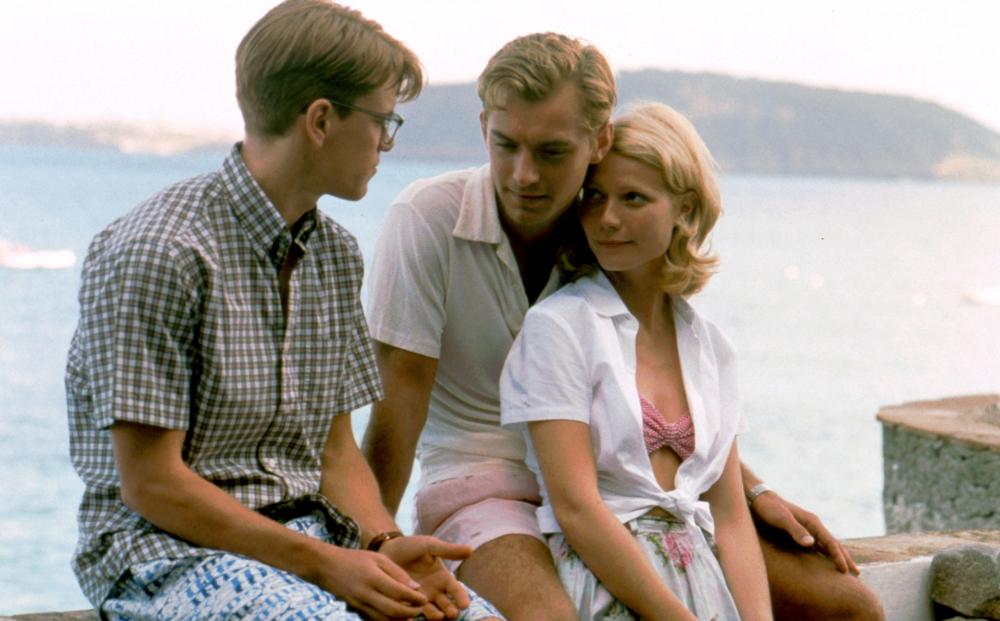
The Talented Mr. Ripley, 1999
Despite being only 250 pages, Patricia Highsmith’s 1957 psychological thriller about a shapeshifting con artist in Italy is a rich source text. Class anxiety, jealousy, coming of age, queer desire—it’s all there on the page, with different elements ready to be drawn out or suppressed, much like Tom Ripley’s own skillful impersonations. The book has been adapted several times—including a 1960 version starring Alain Delon and a 2024 Netflix miniseries starring Andrew Scott—but it’s the 1999 version starring Matt Damon, Jude Law, and Gwyneth Paltrow that does it best. The camera drinks in every gorgeous, languid moment in Positano. Of course Tom is enraptured by the beauty, wealth, and ease of Italy—and Dickie Greenleaf. Wouldn’t you be?
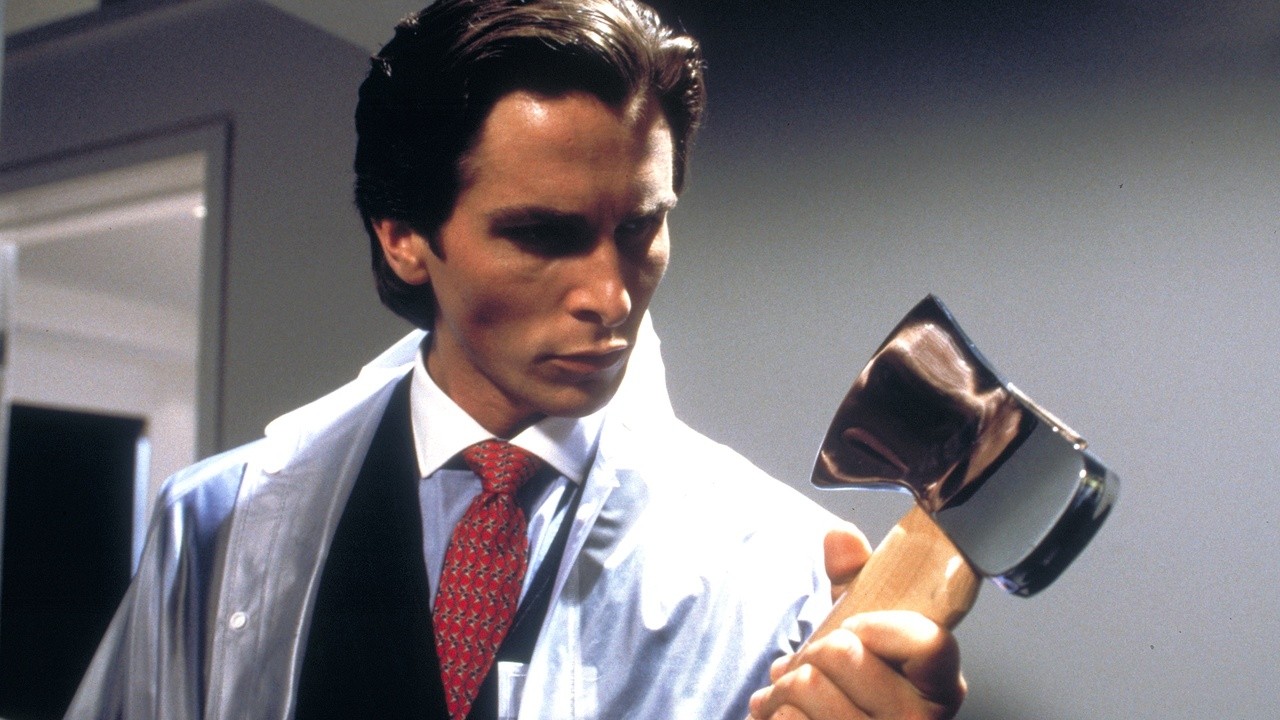
American Psycho, 2000
Is it a controversial opinion to say that Bret Easton Ellis’s writing style has not aged well? In many ways, his exaggerated satire of ’80s consumerism and vanity has become the lingua franca of 2026. How many get-ready-with-me videos have you seen that sound exactly like Patrick Bateman’s monologue about his morning routine? Ellis’s narrative is saturated in status symbols, brand names, artists, fashion designers, logos, beauty products, and all the material minutia that make up the life of the yuppie, which Mary Harron skillfully translates onscreen. But her 2000 film also pares back some of Ellis’s excesses: She converts a SWAT team shootout scene, written in the third person, into a paranoid spree in an eerily empty Financial District. The cartoonishly gratuitous rape, murder, and mayhem of the book is present, but pushed to the furthest edges of Harron’s screen, like an intrusive thought, waiting to strike.
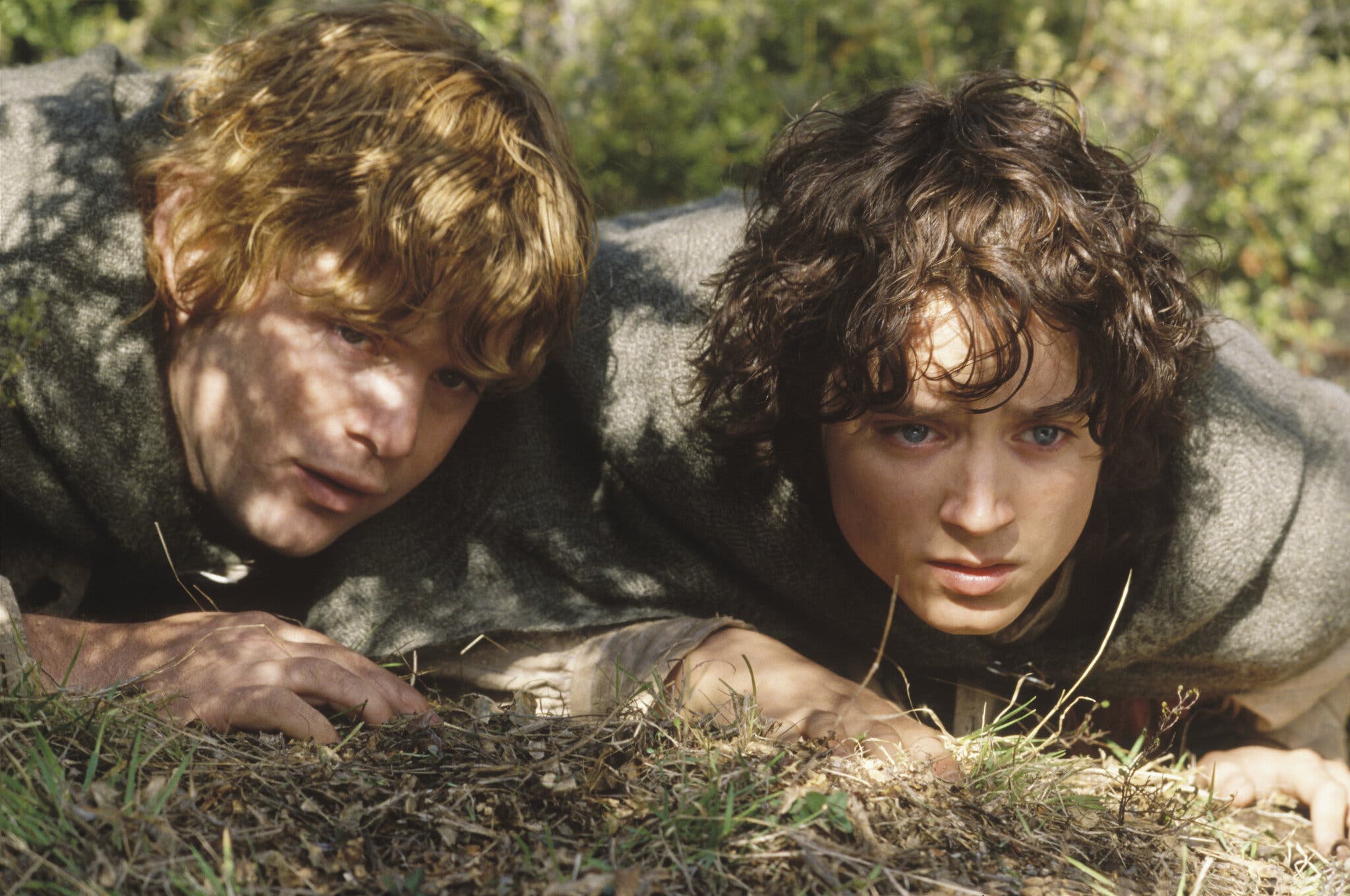
Lord of the Rings, 2000-03
Yes, it may be the foundational high fantasy series written by a master of world-building inspired by Shakespeare, Beowulf, and the Bible itself. But at the end of the day, I care about Frodo, not this side character’s entire family tree. The undoubtedly eternal life of Middle Earth is a testament to J. R. R. Tolkien’s genius. That world is so influential it might as well be real. But you could not pay me to read The Silmarillion. Edit next time, John! The Lord of the Rings trilogy offers all the pleasure of high fantasy—the creatures, the costumes, the landscapes, the sword fights—without any of the homework. Plus, only the films have Viggo Mortensen looking so fine with his shoulder length hair.
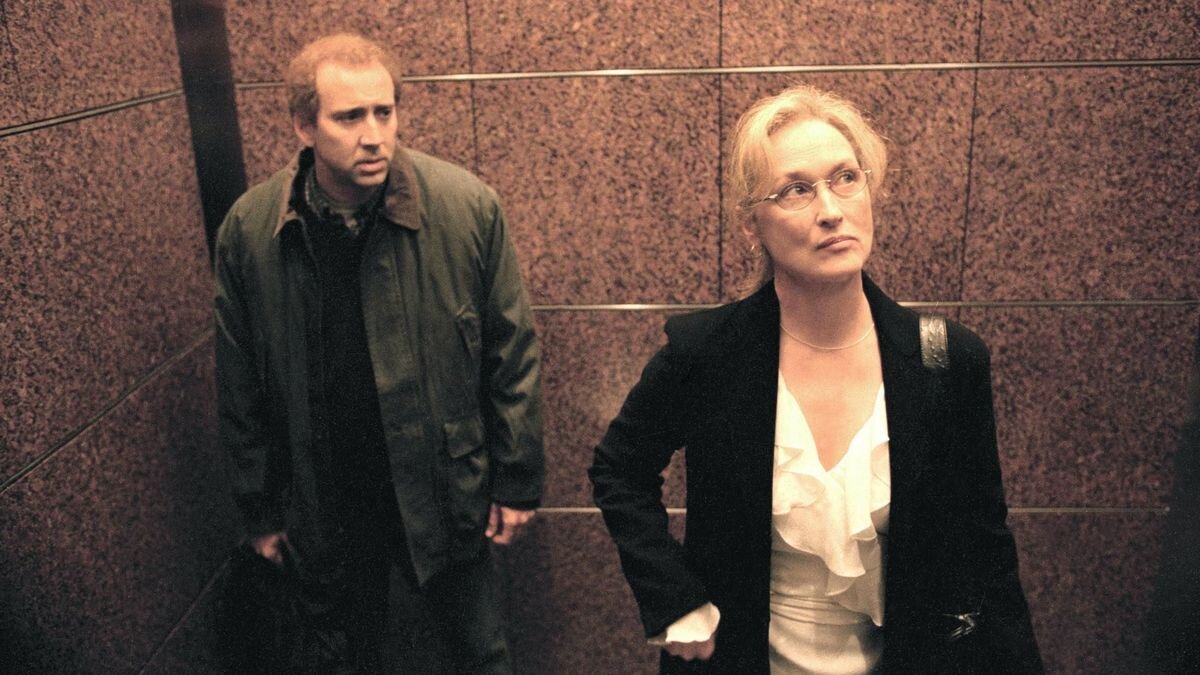
Adaptation, 2002
Susan Orlean was such a good sport for agreeing to this. Based, theoretically, on The Orchid Thieves by the renowned New Yorker journalist, Adaptation really only relies on its source material for a third of its run time. The rest of the 2002 film, directed by Spike Jonze and written by Charlie Kaufman, chronicles the writer’s block of an anxious, curmudgeonly, nebbish screenwriter named Charlie Kaufman (played, in a delightful dual role, by Nicolas Cage). Adaptation is probably the most graceful Kaufman’s metafictional handwringing gets. His fears about hackish formulas, embodied by his twin brother and real-life screenwriting guru Robert McKee, bounce playfully off the source text, which is as well-observed and idiosyncratically wry as any of Orlean’s books. The fact that this film sticks the landing is a miracle.
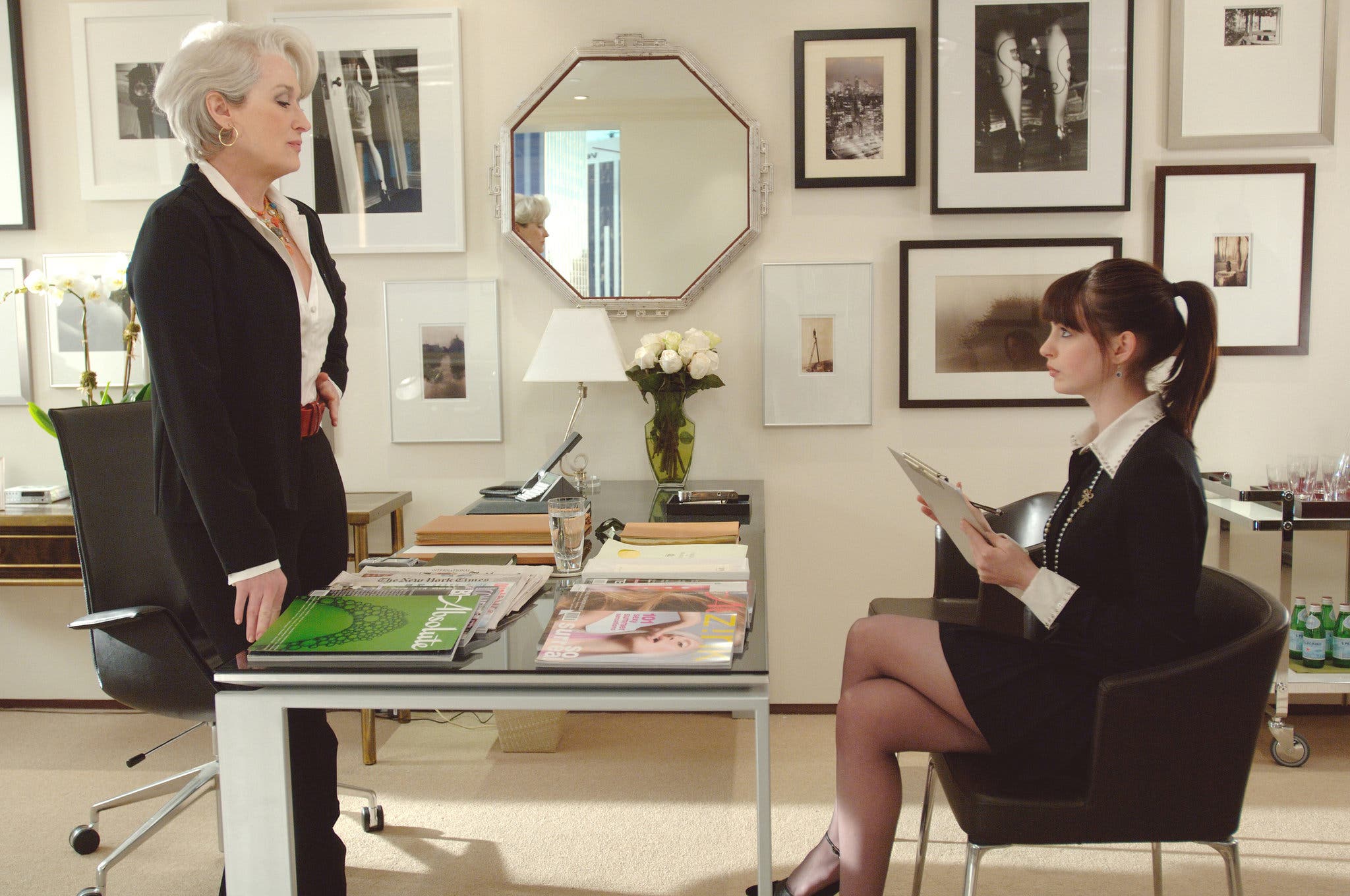
The Devil Wears Prada, 2006
Whoever came up with the term “chick lit” is going to a certain layer of hell where he’s forced to listen to Gilbert Gottfried reading Samuel Beckett for all eternity. Lauren Weisberger famously based this novel on her brief time working as Anna Wintour’s assistant at Vogue in the late-’90s. It was an earnest, if a bit melodramatic, picture of a young woman trying to make her way through an insane first job. The 2006 film, starring Meryl Streep and Anne Hathaway, did what fashion magazines do at their best: It created iconography. Miranda Priestly, soft spoken and withering, is the boss everyone hates but also can’t help idolizing. And are those the Chanel boots? Why yes they are, thank you for noticing. The film made a genuine case for fashion as something meaningful—florals in spring notwithstanding.
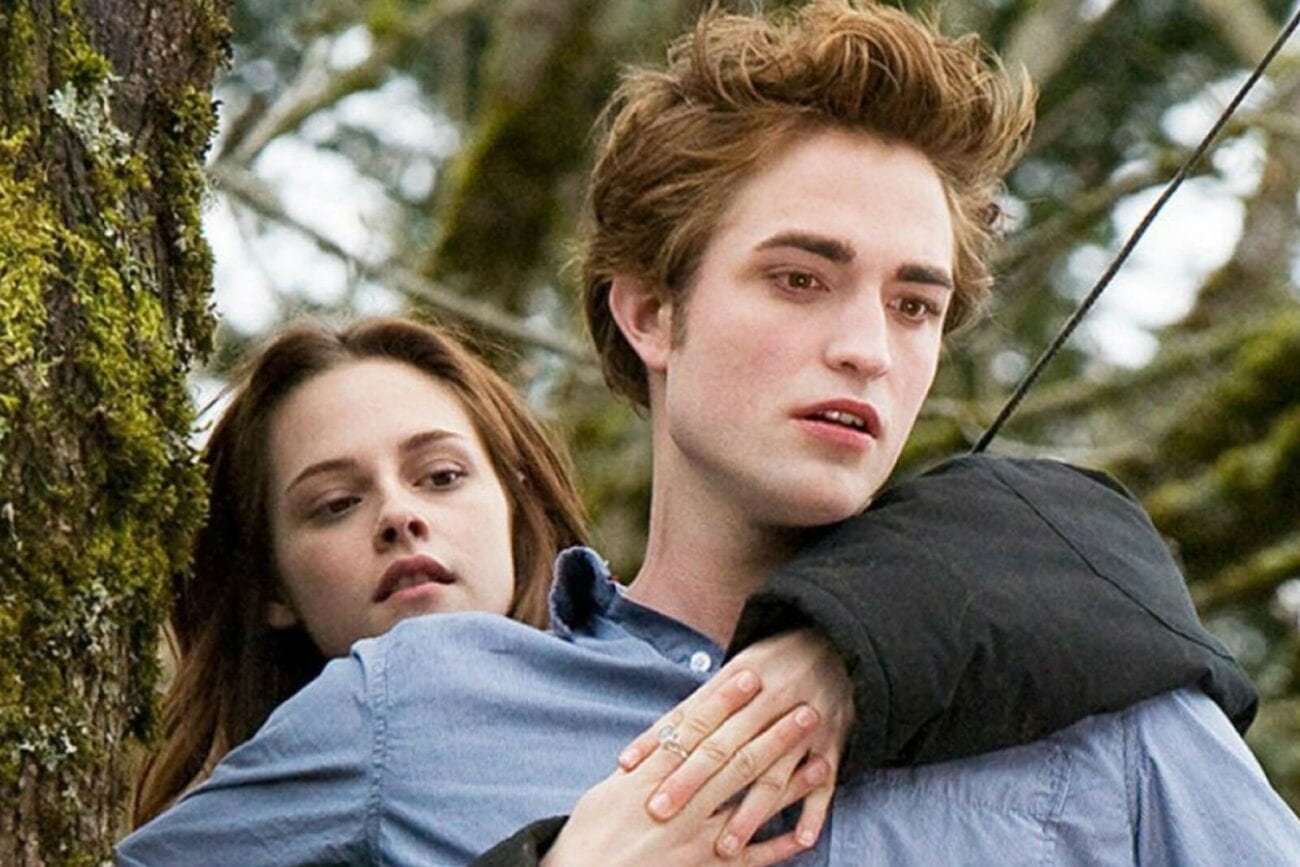
Twilight, 2008
Hear us out: director Catherine Hardwicke turned a lifeless love story tinged with Mormon purity culture into a camp classic featuring two of the biggest freaks ever to lead a teen romance. Not a single sentence in the book will come close to iconic lines such as, “Bella, where the hell you been, loca?” and, “Hold tight, spider monkey.” The Twilight movie captures the mania of the series in 121 minutes of desaturated glory. By the final films, Kristen Stewart and Robert Pattinson are phoning it in, but in the first movie they are Bella and Edward: two heinously awkward, overly dramatic weirdos who deserve each other. And, of course, there’s the soundtrack. “Supermassive Black Hole” blaring as the vampire family plays baseball? It’s the great American pastime.
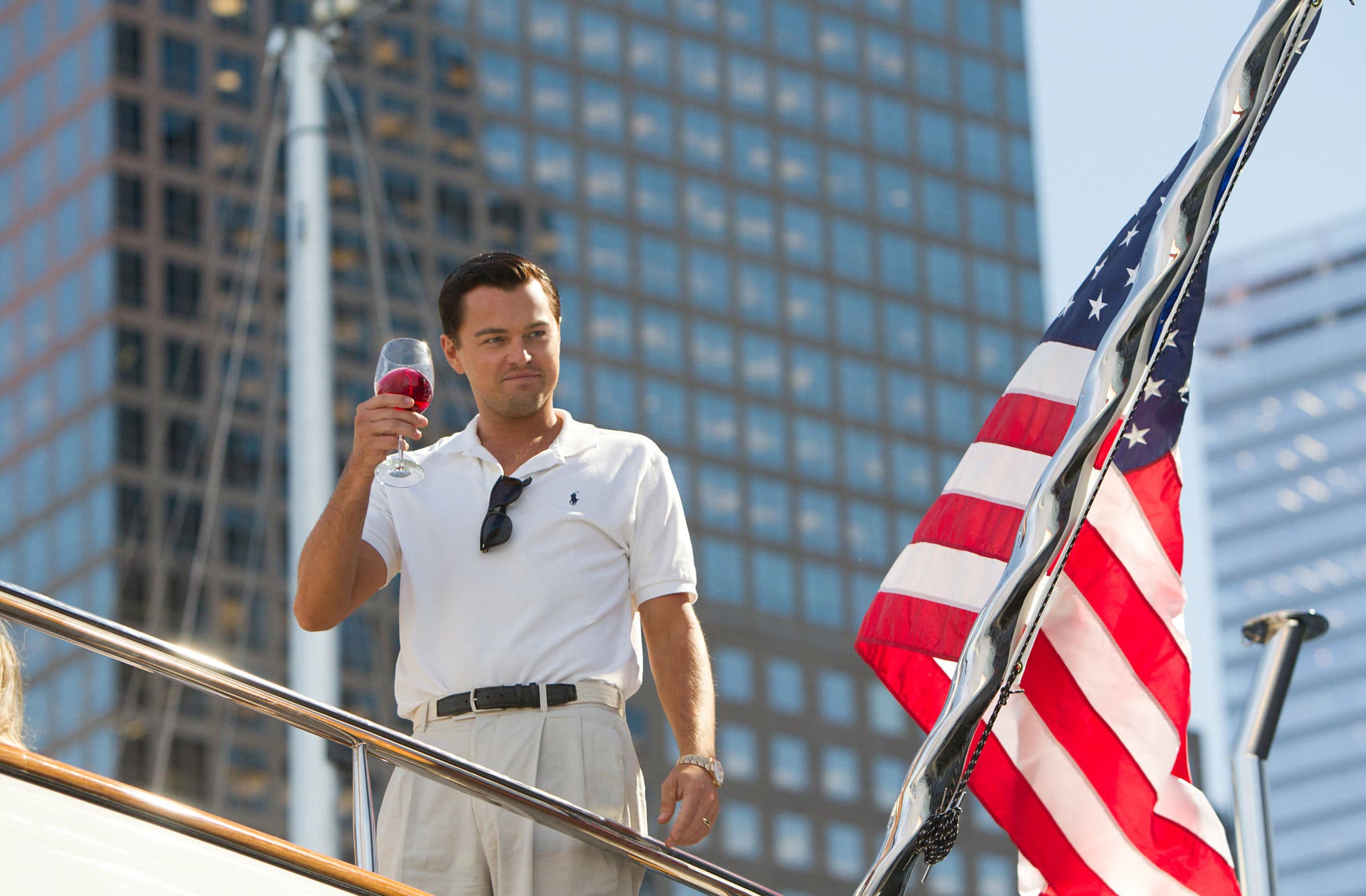
The Wolf of Wall Street, 2013
As one of the great cinematic chroniclers of American industry, crime, and ambition, Martin Scorsese has adapted a whole host of true stories—from the lives of boxer Jake LaMotta and mob enforcers in Vegas to Howard Hughes himself. But to take a trashy memoir from a stockbroker engaged in pump and dump schemes and turn it into one of the great films of the 21st century? Only Marty could do that. The Wolf of Wall Street is big: Nearly every scene involves dozens of extras as the camera whirls through lavish Miami mansions and trading room floors confettied with P&L sheets and money. The 2013 movie is a larger-than-life portrait of the excesses of the finance industry made just two years after the height of Occupy Wall Street. Good thing none of that’s relevant anymore. Oh wait.
More of our favorite stories from CULTURED
Our Critic’s Favorite Show This Month Is Hidden in a Subway Station
James Cahill Saw the Best and Worst of the Art World. His Latest Novel Exposes It All.
If We’re in the Golden Age of Documentaries, Why Are All These Documentarians So Worried?
Sign up for our newsletter here to get these stories direct to your inbox.



 in your life?