Trying hard may be rewarded in the offices of Silicon Valley or the kitchens of Michelin-starred restaurants, but in the world of fashion, the specter of effortlessness still reigns supreme.
Few people have emulated nonchalance (or landed on the mood boards of people trying not to try) like Carolyn Bessette Kennedy and JFK. Jr. The onetime Calvin Klein publicist and America’s prodigal son would have always been famous, but the legions of looks they left us with—as a result of the enduring and often overbearing media attention they received during the mid to late ‘90s—have made the couple eternal.
John F. Kennedy Jr., who struggled to make a name for himself outside of his family’s shadow, first as an assistant district attorney then a magazine publisher, thrived as a fashion darling. He used the preppy playbook of his background as a jumping-off point for a style at once deliciously reckless and relatable. Biking in a suit has never been recommended, but he went there—and yuppies have been questioning their means of commute ever since.
Instead of trying to mask her more humble origins with gaudy status symbols, CBK stuck to a pared-back palette and streamlined silhouettes that have aged enviously well and remained faithful to a pantheon of minimalist deities like Yohji Yamamoto, Ann Demeulemeester, and, of course, Calvin Klein. Her sensible streak—capacious bags, comfortable shoes—have made her synonymous with luxury that doesn’t need to sacrifice practicality to be elegant.
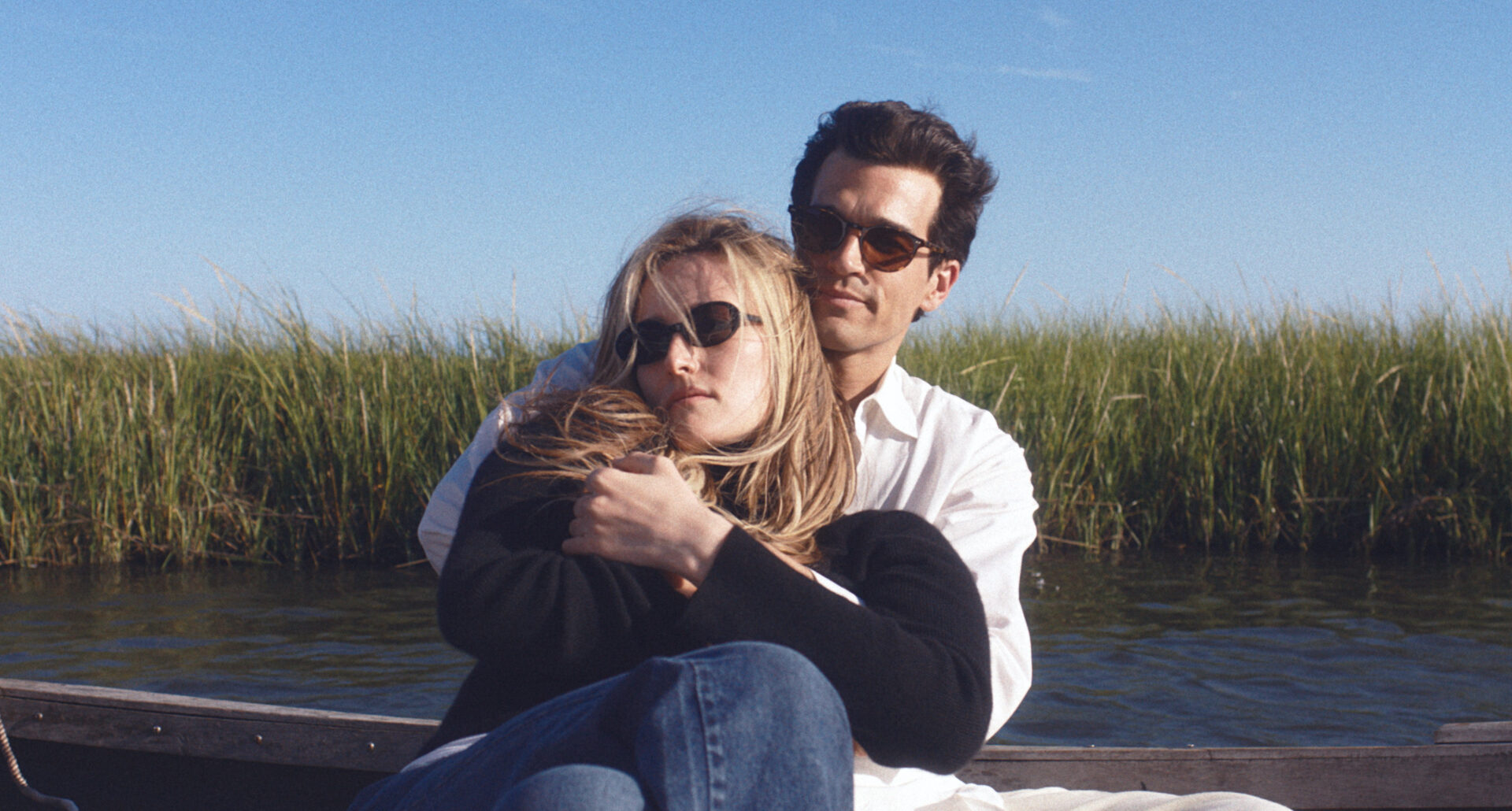
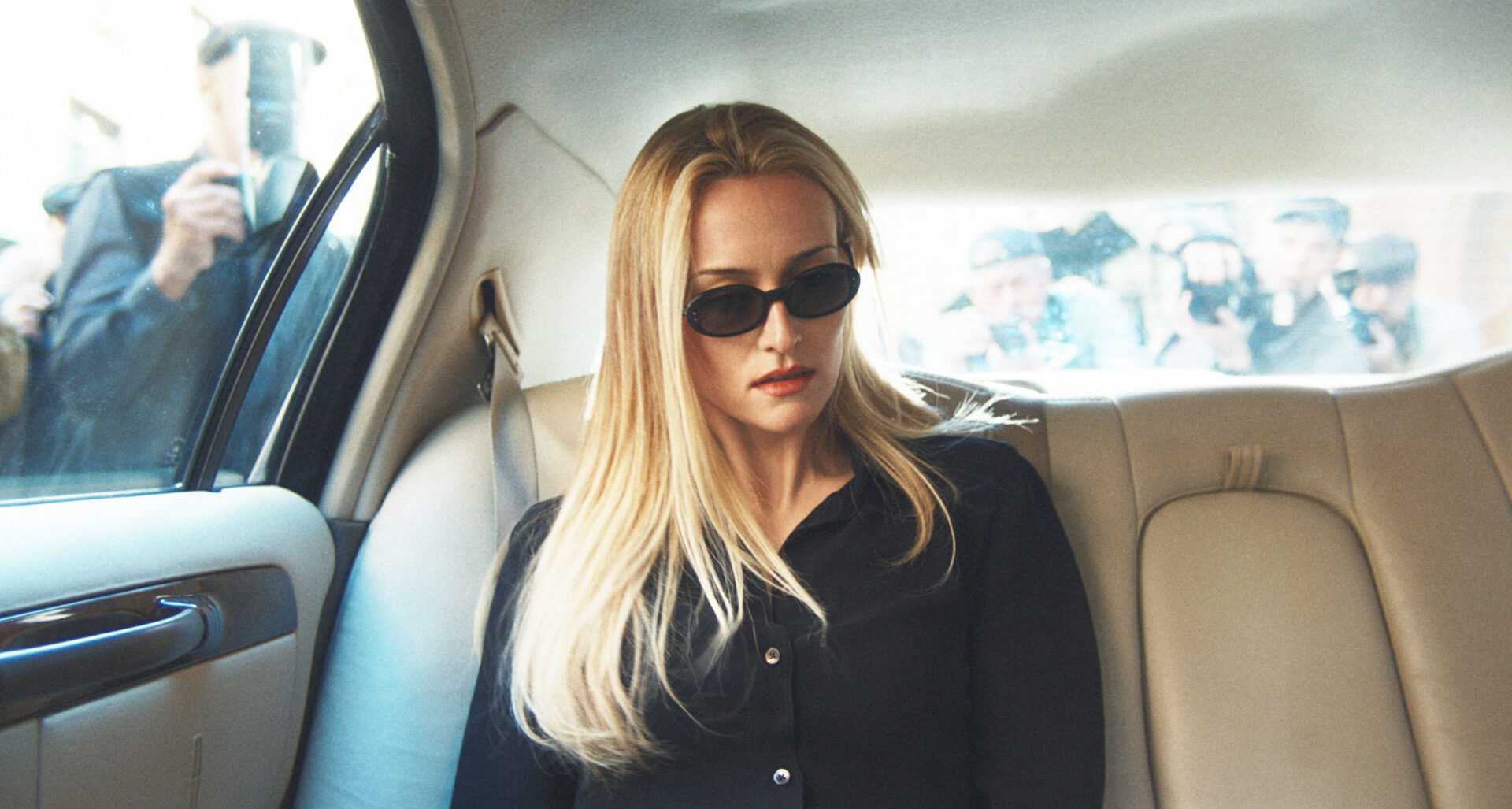
Love Story: John F. Kennedy Jr. & Carolyn Bessette, the latest entry in Ryan Murphy’s decades-long excavation of the American psyche, follows the couple’s, well, love story from its fits and starts in lower Manhattan to their untimely deaths in a plane accident in July 1999. Behind all the aesthetic effortlessness onscreen is no small undertaking. When preliminary images from the show began to circulate last summer, the Internet concurred that the clothes were… all wrong. To course-correct, Murphy and show-runner Connor Hines tapped Rudy Mance, an erstwhile editor and costume designer who’s worked on American Fiction, The Alienist, and a trio of Murphy shows. Armed with a wealth of research and rigorous sourcing, he revamped the wardrobes of his leading man and lady, played by Paul Anthony Kelly and Sarah Pidgeon, and has helped inspire a new wave of CBK and JFK Jr. fashion fandom.
As the show continues to pick up steam ahead of its finale March 26, we called up Mance to talk about what it took to get there.
What was your idea of Carolyn Bessette Kennedy and JFK. Jr. when you were brought onto the project, and how did it evolve over the course of filming Love Story, as you got to know these characters through clothes?
My idea was similar to everyone who was a fan and appreciated their style. We knew what they had worn, especially JFK Jr.. We knew his whole life what his personal style was and could use that to inform who he was in terms of the character we were portraying. For Carolyn, it was a bit trickier, only because there were very few photos of her prior to 1996, when they came together and she started getting photographed relentlessly. That was much more challenging—figuring out who she was before they met. I worked backwards with her. I looked at who she was toward the end of her life in the last photos and went back through our research. We pieced together who we thought she was and used the clothes to tell that part of her character.
Love Story covers a big chunk of the ’90s, when so much is happening in fashion. In the span of just a few episodes you have Calvin Klein, the ascent of Kate Moss and heroin chic, the guarded minimalism of CBK, and the preppy maximalism of JFK Jr. How did you situate your protagonists within all this?
Fashion is often very geographical, so even in our series—portraying New York in the ’90s—George magazine had a very different look from Calvin Klein, and what was happening in the Lower East Side was very different from what was happening at the Odeon. These are all places we went to in our series. From a costume design perspective, it was great to be able to go to all these different locations and tell the story through clothing of who these different types of people were.
JFK Jr. was one of the original New York male hipsters—lots of sportswear. He would always wear suits here and there, but he didn’t really start wearing power suits every day until he launched George. He was so great with his style of mixing things together; even when he started to wear suits, he still would do weird, quirky things like wearing a beautiful Armani structured suit with hiking boots and a backwards baseball cap on a bike.
For Carolyn, we spoke with people who had studied her and worked with her. She always looked very put together, even if it was thrown together: That was just part of her je ne sais quoi, if you will. So even if we show her on a day off, it’s in her sweatpants and a polo shirt with the collar popped and a sweater. We do see her throughout the series go from the Roxy to JFK’s world in Tribeca. She definitely became much more aware of what she was wearing and much more guarded in her appearance. Toward the end of her life, she wore a lot of Yohji Yamamoto. Yohji himself has always described his aesthetic as “armor for your life.” I feel like she really identified with that. Aside from them just being beautiful clothes and almost architectural pieces, I do think there was a sense of security that she felt in them.
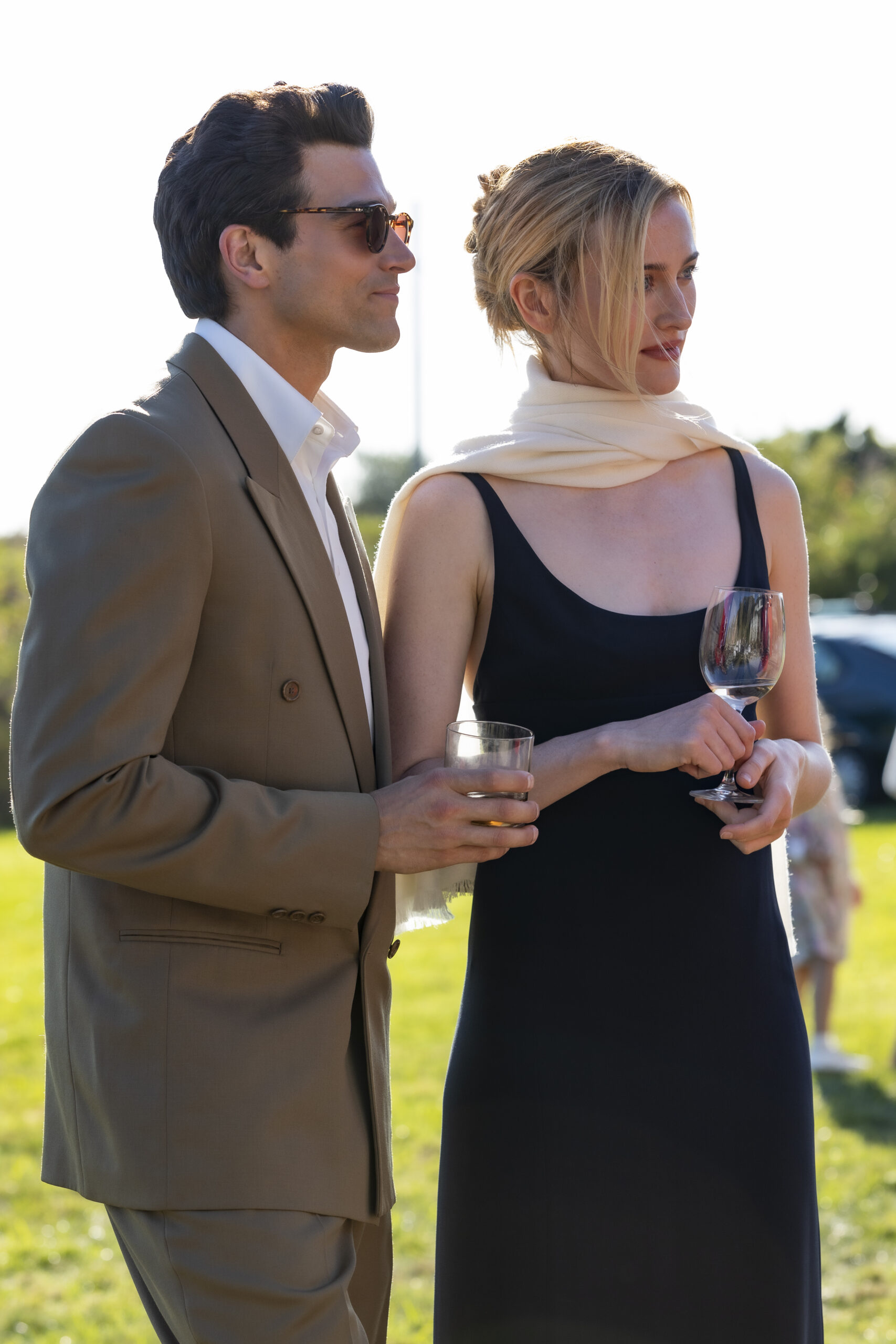
There’s this phrase that people throw around, that a costume speaks before you do. With Carolyn, since she really didn’t speak to the press, what she wore is what we have left of her. How did it feel to help Sarah Pidgeon incarnate her emotions through clothes? In episode 5, the detail of the scarf that Ethel Kennedy basically tells her to remove or the sunglasses being taken on and off during the proposal scene are so telling.
She’s wearing that scarf, and when she takes it off, it’s revealed that she’s wearing pearls. There were one or two photographs where she wore that exact dress with the pearls. So I thought—and Sarah agreed—that if we were going to do that look, this was the moment to do it. She never really wore pearls, and pearls, to me, are a very iconic quick read of what WASPiness is. In our story for the character of Carolyn, that was her slight way of being like, “I’m trying to be a part of this world that I’m not really a part of.”
God bless Sarah, she and Paul were in literally every other scene, so we did so many fittings. We would sneak them in whenever we could, whether it was at 5 a.m. before they went into hair and makeup for a scene or after a 10- or 12-hour shoot day. It was just as important to the two of them to get it right as it was for me. With Sarah in particular, we share an almost brother-sister bond because of this show. There are no two other people aside from us that were in that room, in those fittings, figuring out who this woman was going to be, or at least how we were going to portray her through the clothes.
In anything based on real life, there’s that tension between faithful recreation and reinvention. Did it ever feel like you wanted to bring her or him into a slightly different part of your sartorial imaginary?
The moments in their life that were so well documented, it was important to get those 100 percent accurate. Like the heartbreaking fight in episode 5, for instance, which was blasted everywhere. Or the scene where they come back from their honeymoon and they’re hounded by the press, and he comes out and says, “Guys, give her time,” and he’s in that beautiful blue suit, which we made. Then she comes out—and luckily we had all of the archived pieces—wearing that beautiful camel Prada pencil skirt with the Prada men’s black V-neck sweater and the boots and the purse. I think it was head-to-toe Prada.
We had this wealth of iconic archival clothing and pieces. Like the green Valentino coat, it was like, if we don’t use it here, then we’re not going to use it. That was an interesting challenge, deciding where we were going to place these. I definitely took some creative liberties in terms of her wearing a certain dress to a dinner. But it’s also like, who’s to say she didn’t wear that dress two or three times and there’s just not a photograph of it?
Are there any Easter eggs that you snuck in for the CBK and JFK Jr. stans?
A couple here and there. I would say the biggest Easter eggs were that they both wear their clothes [several times]. They weren’t the type of people to wear something once and be done. Through research, I would see JFK Jr.’s favorite T-shirt that he’d be photographed in once or twice, then I’d see that same shirt two years later, very worn and faded and the neck would be stretched out. So I placed [items like that in] a couple of times. She also wore a lot of his clothes. So there are a couple of times where you’ll see him wearing a pair of boxer shorts in one episode, and then an episode or two later she’ll be wearing those boxers. I would wear them in to show the passage of time, but also just to portray them as a real couple.
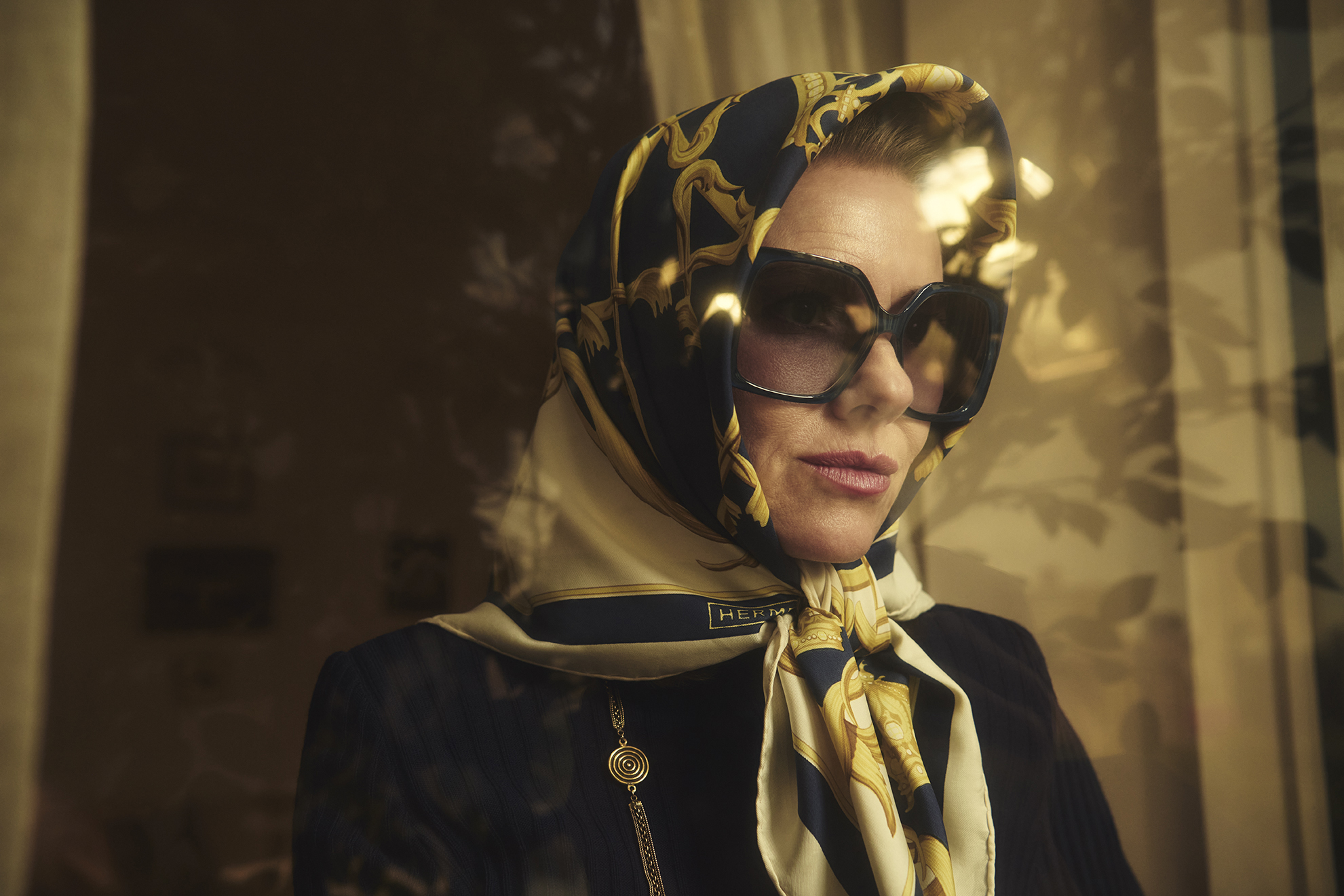
There’s the moment I love in an early episode where she takes his button-down and wears it to work, where Calvin photographs her. Beyond the couple at the center of this, you’re working with all of these other legendary characters. You’re recreating the Calvin Klein of that era with Alessandro Nivola. You have Naomi Watts’s Jackie O. and Grace Gummer’s Caroline Kennedy, who contrary to Carolyn have been in the public eye for most or their whole lives. These are all such loaded figures. How did it feel to round out the costuming universe of the show with them?
With Jackie O and Caroline, there’s definitely a sense of them being not necessarily more reserved, but refined. They really did know their place and understood that, as Naomi’s character says, “People grew up with us in their living rooms.” I feel like so many times when everybody sees Jackie O., it’s always her most iconic looks, whether it’s the pink suit or her at Hyannis Port. But we were portraying her at the end of her life, when she started to unfortunately get sick. We were very intentional to show her a little bit more relaxed and casual. And as her illness progresses in the series, we started doing things like sizing up. Even though she’s wearing vintage Celine and Chanel and Ferragamo, we deliberately made everything a little bit more oversized—like her trench coat—just to play with the silhouette and to show her frailness.
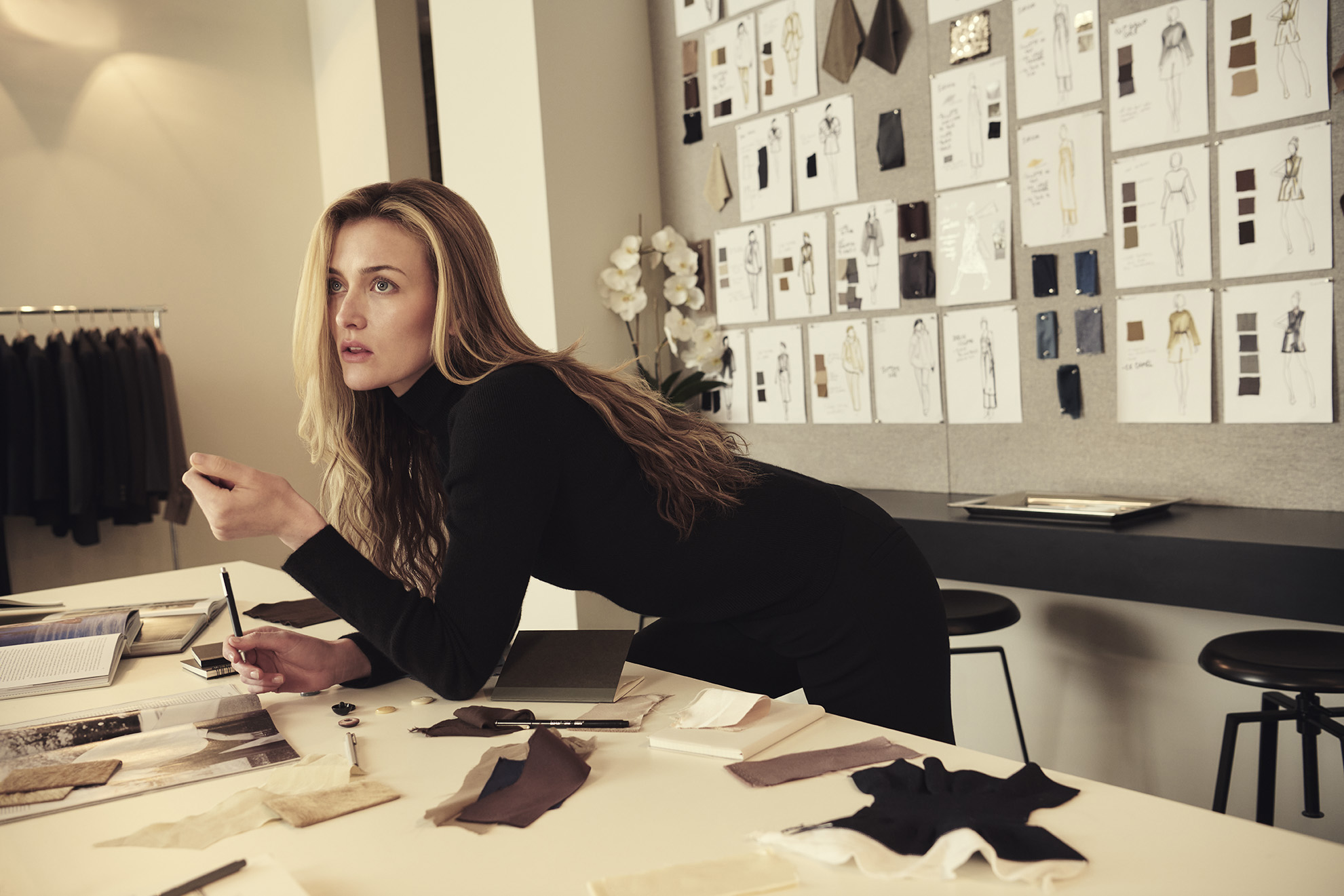
And what about recreating the Calvin Klein offices?
We went to every single place we could to find vintage Calvin from that time period. Aside from it just being an incredible aesthetic, we kept a very, very controlled color palette of black, white, gray, tan, which was real at the time. We had read somewhere that if you worked at Calvin, you either wore head-to-toe Calvin or head-to-toe Prada.
And Alessandro is an incredible actor. He had one pair of boots he just loved that he wore a lot. I think we even gifted them to him at the end because we were just like, these boots belong to you now. We would get him dressed and then I’d go and knock on his door just to make sure he was okay. He’d open the door and have on some music or be watching some old interview of Calvin, and would just give a pose or a stance that was very iconic of Calvin at that time.
Having spent such a long time in their archives and constituting them onscreen, who do you see as the inheritors of JFK Jr. and CBK’s style today?
They were equal parts timeless, incredibly ahead of their time, and so of the time. I came up as an assistant fashion editor before I got into film and TV. From the first photograph that was taken of Carolyn, she was an instant icon. And same for JFK Jr. I don’t really think the two of them have ever left the mood boards. Even towards the end of filming, one of the assistant directors sent me a picture of a random girl walking in the East Village, and he was like, “CBK look-alike.” We are seeing it on the streets, and we’re probably just going to continue to.
More of our favorite stories from CULTURED
10 Collectors Share the Book That Changed How They Think About Art
Nobody Sings About Sex Like Peaches. With Her First New Album in a Decade, She Shows Us Why.
Stylist Jason Bolden Spotlights 3 Young Black Designers You’ll Soon Be Seeing a Lot More Of
The 14 Horniest Places in New York, According to Jordan Firstman, Francesca Scorsese, and More
Sign up for our newsletter here to get these stories direct to your inbox.



 in your life?