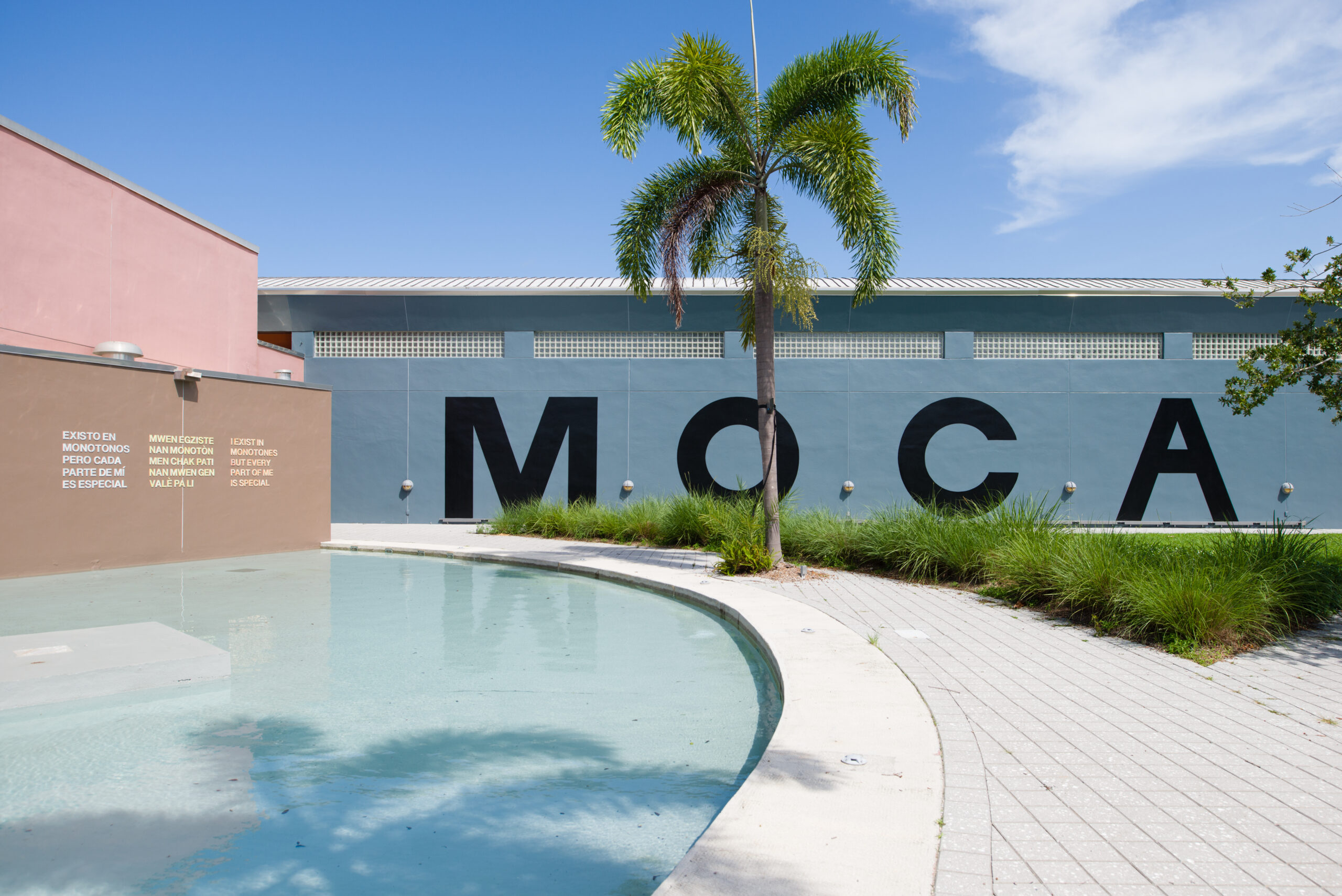
Two decades before Art Basel Miami Beach unleashed the global art circus onto the city, the Museum of Contemporary Art, North Miami opened a small, one-room gallery in the heart of the metropolis. The humble space was the first institution exclusively devoted to cultivating contemporary work from South Florida, and, as it’s grown in physical size and reputation over time, it has become emblematic of the region’s burgeoning art scene. In 2026, MOCA North Miami is marking its 30th anniversary—but Executive Director Chana Sheldon isn’t content to rest on her laurels.
Sheldon, who has led the museum since 2018, has deftly fostered connections between Miami’s creative scene and the international artistic powers that be, developing talent from the community before it hits a larger stage. Over the museum’s history, young artists of all stripes have emerged from the neighboring New World School of the Arts—including painter Hernan Bas, director Lulu Wang, choreographer Robert Battle, and playwright Tarell Alvin McCraney—and MOCA North Miami has served as a vital champion of their work. Early shows at the institution helped cement local artists’ international reputation—among them, Bas, Daniel Arsham, Bhakti Baxter, and Naomi Fisher. Curators also helped plant the art world’s flag in the city with shows by historical stalwarts including Helen Frankenthaler, Frank Stella, and Louise Bourgeois. When Art Basel Miami Beach took root in 2002, MOCA North Miami further fused its local and international partnerships with annual Art Week parties and even more ambitious programming.
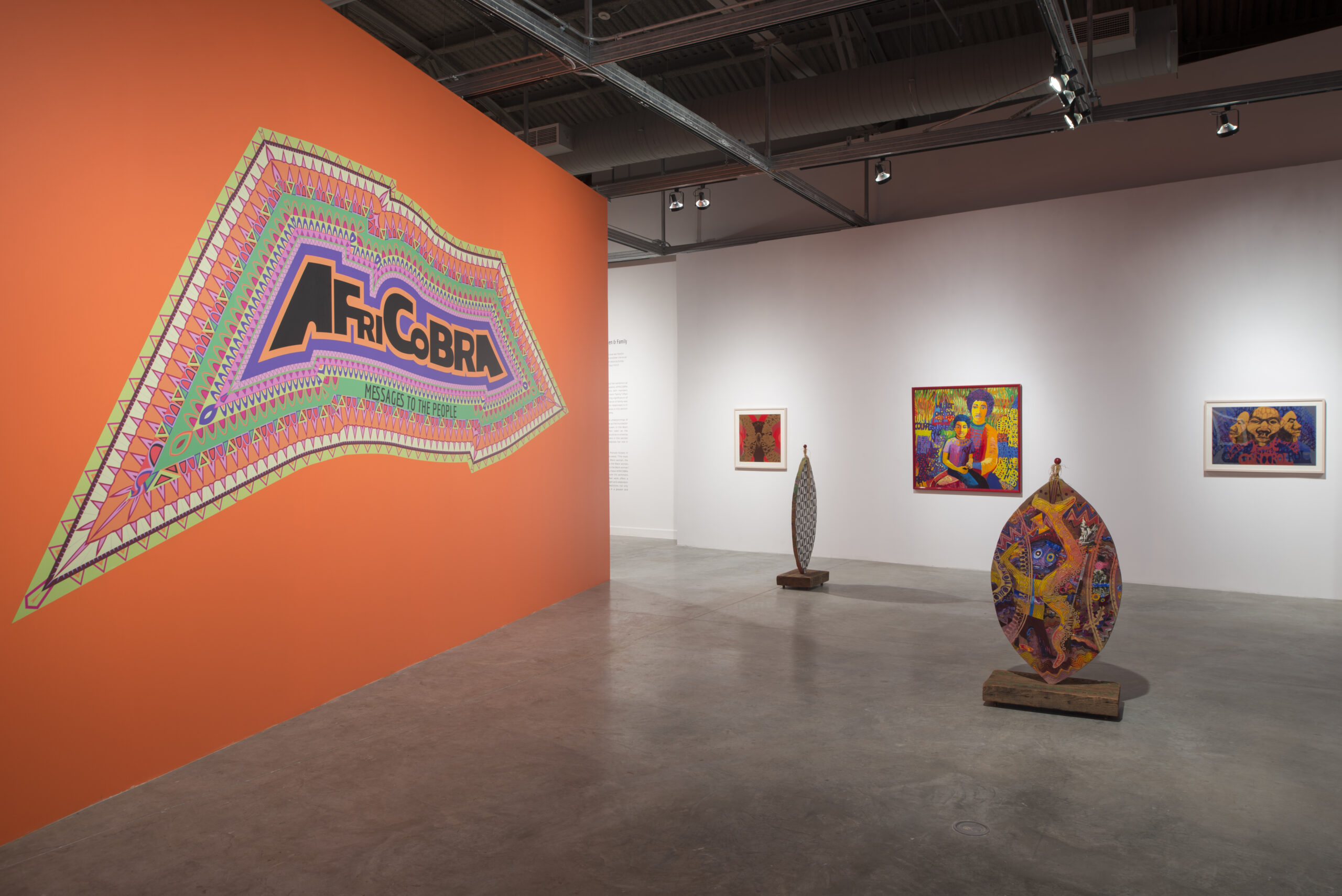
Under the direction of Sheldon, the institution has mounted exhibitions that resonate far beyond the city, including its landmark 2018 presentation of “AFRICOBRA: Messages to the People,” which saw a later iteration at the Venice Biennale. As MOCA celebrates three decades, Sheldon reflects on the institution’s evolution, its relationship to the city, and why arts education will always matter.
I’d love to start by hearing how you would describe the evolution of MOCA and its curatorial focus over the years.
MOCA prides itself on being one of the first major contemporary cultural institutions in South Florida and being deeply embedded in what we now understand as the arts landscape here—especially what has become Art Basel Miami Beach and Art Week. MoCA was at the start of all of that.
Over the years, as the contemporary landscape has continued to grow, MOCA has remained a cultural landmark. It’s the place where so many artists had their first exhibitions—many who went on to international renown. Artists like Teresita Fernández had their first museum shows here. Many artists and arts professionals now point to MOCA as a foundational touchpoint in their careers. As we celebrate our 30th anniversary, it’s an exciting moment to reflect on that legacy while continuing to support South Florida artists. That ethos has been present from our earliest years through the exhibitions we have on view today.
I’d love to hear more about the current exhibitions on view.
Hiba Schahbaz’s current exhibition is a 15-year survey of her work, spanning works on paper, sculpture, and painting. It explores her personal history and the feminine gaze, and it’s the largest presentation of her work to date, including site-specific installations created for MOCA. It’s on view alongside Diana Eusebio. This is her first museum exhibition as well, and both shows are curated by women, which is a very proud moment for us.
How do you envision the museum’s next chapter? What ambitions or goals guide that vision?
MOCA has always been an artist-centric space. I’d say there are two core pillars to what we do. The first is presenting work that hasn’t necessarily had a platform before—writing new scholarship and supporting artists at critical moments in their careers as a launching pad. The second is our education program and community engagement. Since the museum’s inception, MOCA has been a place of access, reflection, and representation—showcasing diverse perspectives and voices across all of our programming.
During your tenure, have there been any initiatives that you feel have had a particularly meaningful impact?
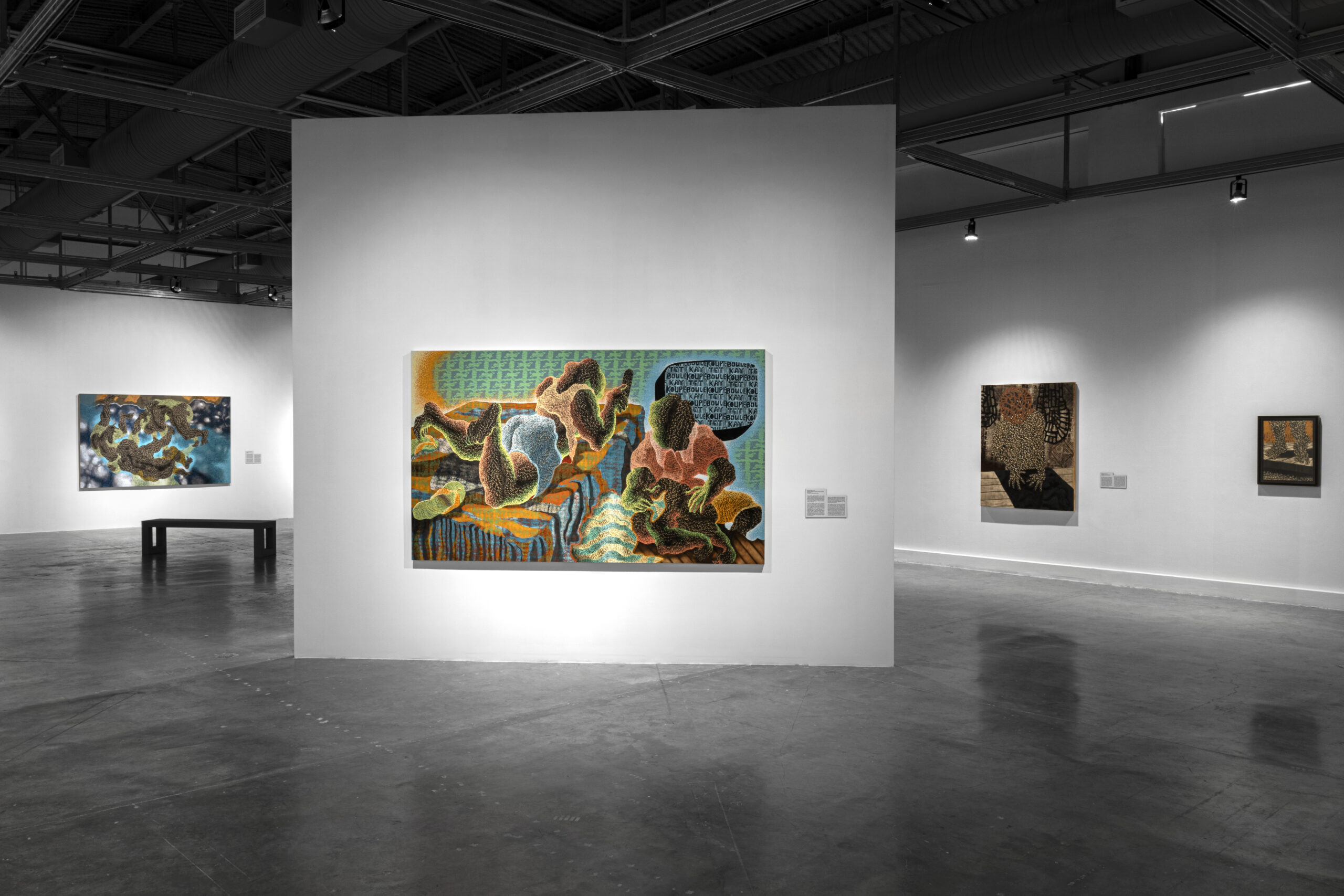
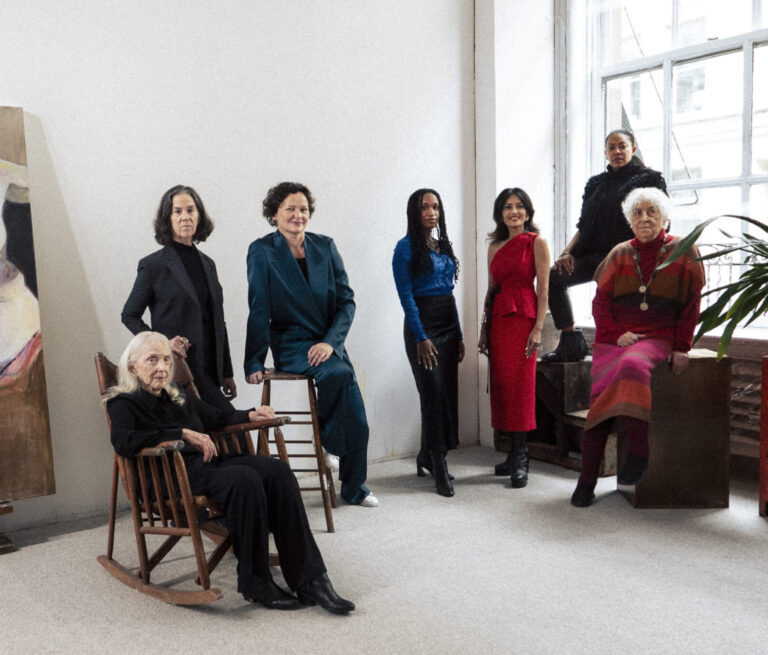
There have been many, but one of the most significant was the AFRICOBRA exhibition in 2018. Those are the artists we’re honoring at our 30th anniversary gala. The exhibition commemorated the 50th anniversary of the Black Arts Collective from Chicago and marked the first time so many of their works were brought together. It highlighted themes of Black pride, liberation, and collective empowerment—values deeply aligned with MOCA’s mission of art for the people. That exhibition later became part of the 2019 Venice Biennale, making MOCA the first Florida institution to present there. It brought overdue recognition to artists in their 70s and 80s on the world’s most prestigious stage.
Why did you choose to highlight AFRICOBRA during this anniversary moment?
It reflects what we do for the community—bringing rigorous scholarship and important work to North Miami while creating a space that reflects the people who live here. It’s global art with hyper-local love.
You’re also honoring Christopher and Tracey Carter this year. What inspired that choice?
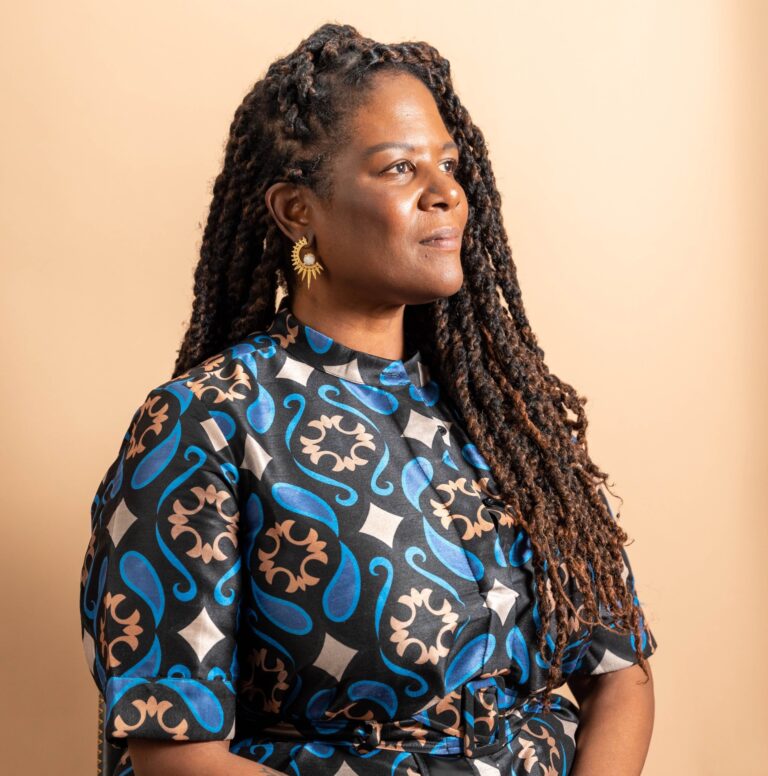
Christopher Carter is a trustee at MOCA and has played a key role in shaping its future. He came to the museum through the AFRICOBRA exhibition and joined us in Venice, identifying strongly as an artist himself with the collective. Tracey Carter has a long-standing relationship with MOCA that predates my tenure, going back to the early years when the museum was really gaining momentum. Both are incredibly generous individuals, deeply committed to the arts and to the community.
Are there any upcoming exhibitions or projects you’re especially excited about?
We’re planning one of the largest permanent collection exhibitions we’ve mounted in years. We’ll be bringing absolute gems out of storage—works that speak to MOCA’s 30-year legacy, from early Miami artists like Daniel Arsham to more recent figures such as Didier William and Andrea Chung—artists who had formative exhibitions here and went on to major recognition.
What do you wish people knew about the museum?
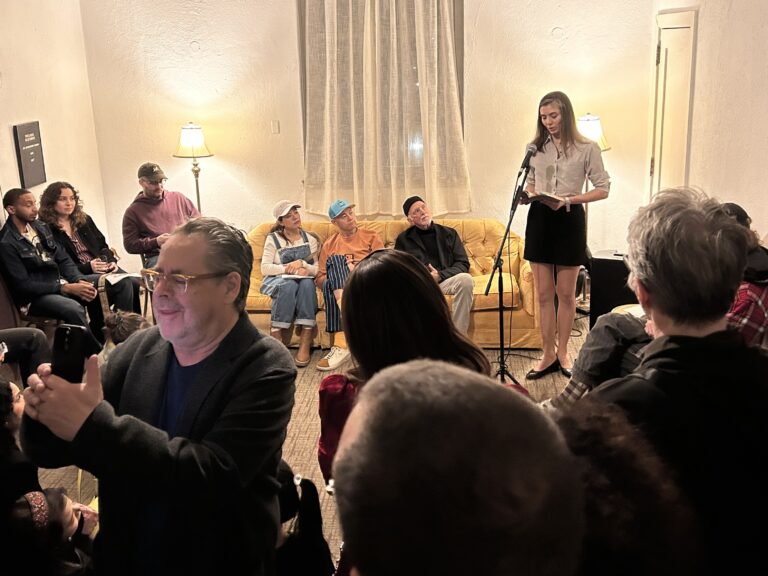
I’d love to emphasize MOCA’s role as a civic institution—it’s part of our DNA. The museum was born from a partnership between the City of North Miami and our Board of Trustees and was built to serve an underserved community. That allows us to work authentically with parks, libraries, senior programs, and especially young people. For decades, we’ve had a daily after-school teen arts program that gives the next generation a safe space to engage with art, form opinions, and see themselves reflected in culture. Artists have always been at the core of everything we do.
More of our favorite stories from CULTURED
A Movie Deal Is a Writer’s Dream—or Is It? 5 Authors Get Real About the IP Machine
Shrinking Actors Sherry Cola and Jessica Williams Talk Therapy (On Screen and Off)
The Pitt’s Shawn Hatosy Is an Emmy Winner, a TikTok Star, and a Secret Literature Nerd
Why Are Artists So Interested in Making Playgrounds?
Sign up for our newsletter here to get these stories direct to your inbox.


 in your life?