
Frieze LA is upon us. Many in the art community are being inundated with emails for previews, museum activations, and—if you’re among the lucky few—exclusive dinners and cocktail parties. Being eight months pregnant has allowed me to casually scroll through them all; depending on my mood, I’m either very content sitting on my couch on the East Coast or very much feeling FOMO for one of my favorite fairs in a city I recently called home.
One thing I’m often asked ahead of a fair week is which emerging artists I am excited about. That’s why, instead of sharing my thoughts on the broad range of art coming to the Santa Monica Airport hangar, I’m focusing my attention on up-and-coming names worth seeking out in LA this week, both at the fair and beyond.
I decided to reach out to the three artists who stand out to me most: Katelyn Eichwald, who makes intimate compositions of daily life and pop culture; Nevine Mahmoud, who makes virtuosic marble sculptures; and Casey Bolding, whose paintings are as ambitious as they are self-assured. We talked about their LA presentations, their take on the contemporary art world, and how their life experiences shape the work they make.
Whether you’re on your lunch break, on your way to visit a former lover across town, or simply out of curiosity, I urge you to seek out their shows and spend some time taking in what this next generation is creating. If not for you, please do it for pregnant me.
Casey Bolding
Age: 38
Based: Brooklyn, New York
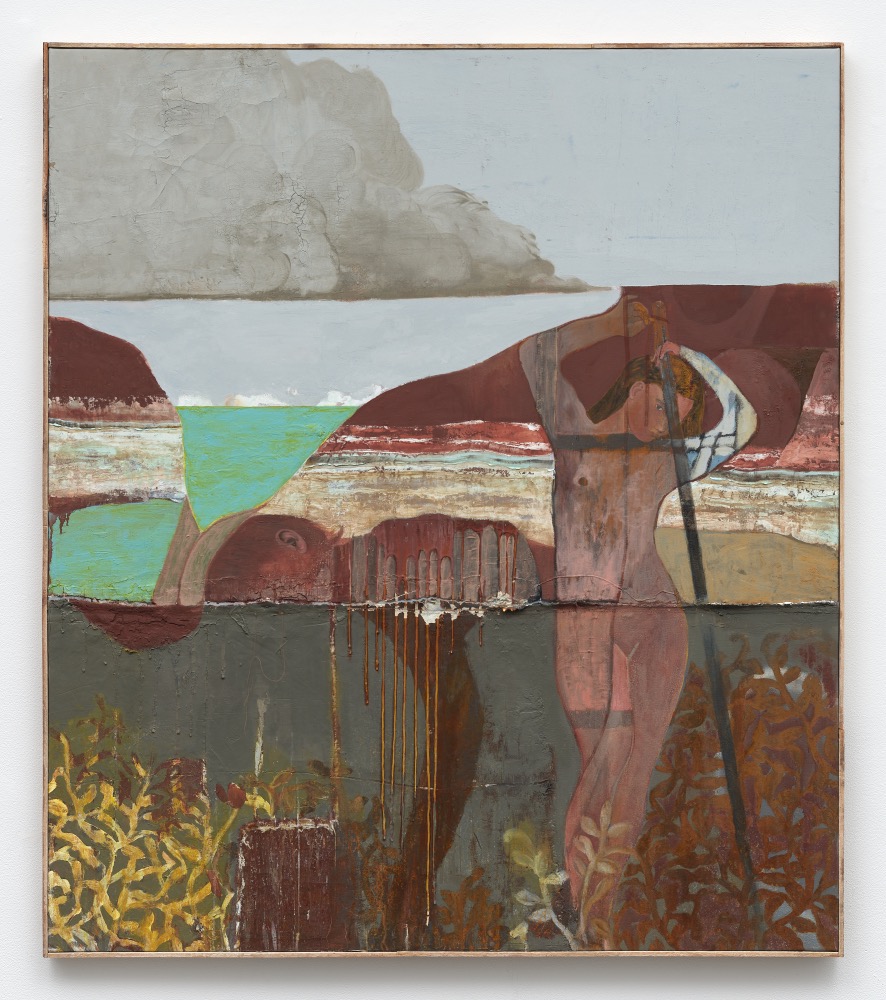
LA Presentation: “Bloodstream” at Karma Los Angeles, on view through March 28
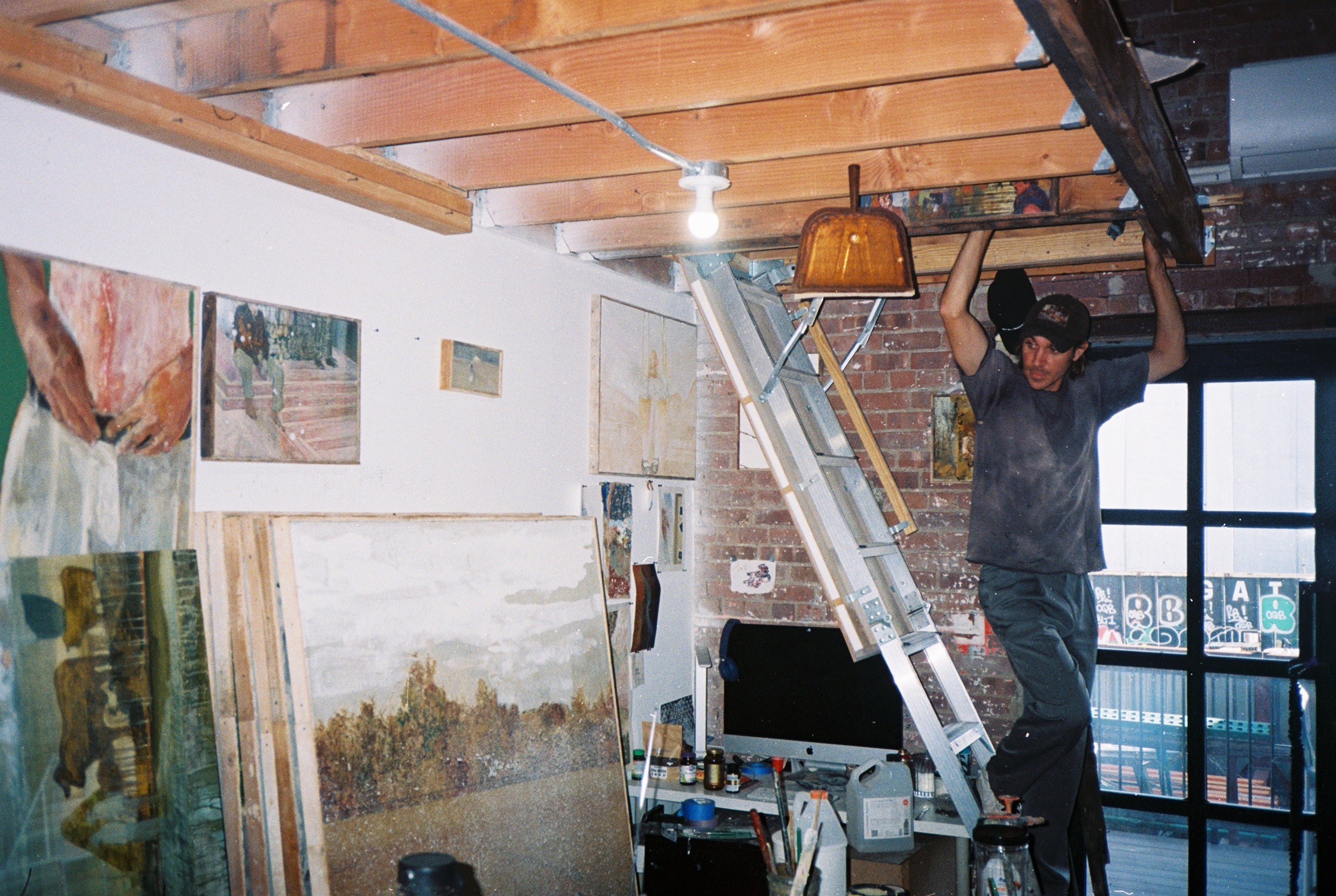
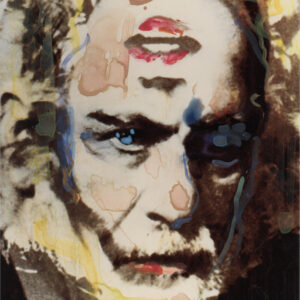
Born in Denver in 1987, Casey Bolding uses oil, acrylic, plaster, and repurposed wood to make paintings that explore the construction and deterioration of memory. His influences range from Milton Avery to New York’s graffiti writers. He has been included in exhibitions at Polina Berlin Gallery in New York, Pond Society in Shanghai, and Jack Siebert Projects in Los Angeles.
Describe your work in three words.
Addition. Subtraction. Attrition.
Before you became a painter, you worked for a faux finishing company and created murals. How does that experience shape the paintings you make today?
I was a painter then, too. The faux finish company was my uncle’s business and was pretty much a boot camp my mom sent me to after I continued to be a huge pain in her ass after high school. It’s an experience I’m really thankful for now because it gave me a kind of psychotic work ethic that has mostly come in handy over the years.
You also wrote graffiti outdoors. How did that inform your work?
The graffiti I had been doing prior to moving to New York led me to meeting a bunch of people I consider my best friends and greatest mentors. Many of them were a bit older and more established than me and were getting big mural gigs and needed extra help. I was really stoked to get to work with these guys. The gigs also afforded me more time to work on my own stuff, too. Without a doubt, the people I’ve met through skating and graffiti have shaped my world hugely and influenced the work that I do now.
Tell me about the work you are showing during Frieze Week.
This is the farthest west my work has ever been shown and something subconsciously occurred during the process of making that felt important to me. A kind of cinematic narrative that seemed to be rooted in the Colorado River formed as I began to finish the body of work. The images started to feel like mirages or scenes captured from the perspective of someone floating down the river. There’s an uncanny familiarity to the smirk on the face of the red river siren that tells you you’ve been here 10,000 times before but may not make it out to see 10,001. The traveler listens for the sound of the sea to signify the end of the journey but the mouth of the river has gone silent. The blood of the earth coagulates upstream, strangled by the nature of man while the toy soldier’s tune keeps us all marching on.
What’s an underrated studio tool you can’t live without?
Sam Prekop’s self-titled album.
Is there a studio rule you live by?
Don’t leave anything important on the floor. Every studio I’ve had has flooded multiple times.
Who are the three people, alive or dead, invited to your dream art-world dinner party?
My granny and granddad. Robin Williams as Peter Pan from Hook.
What art-world trend would you like to see die out?
That feels like a “don’t hate the player, hate the game”-type situation, but I guess I’d like to see artists feel allowed more vulnerability and less branding.
Katelyn Eichwald
Age: 38
Based: Chicago
LA Presentation: A solo booth with Overduin & Co. at Post-Fair, Feb. 26–28
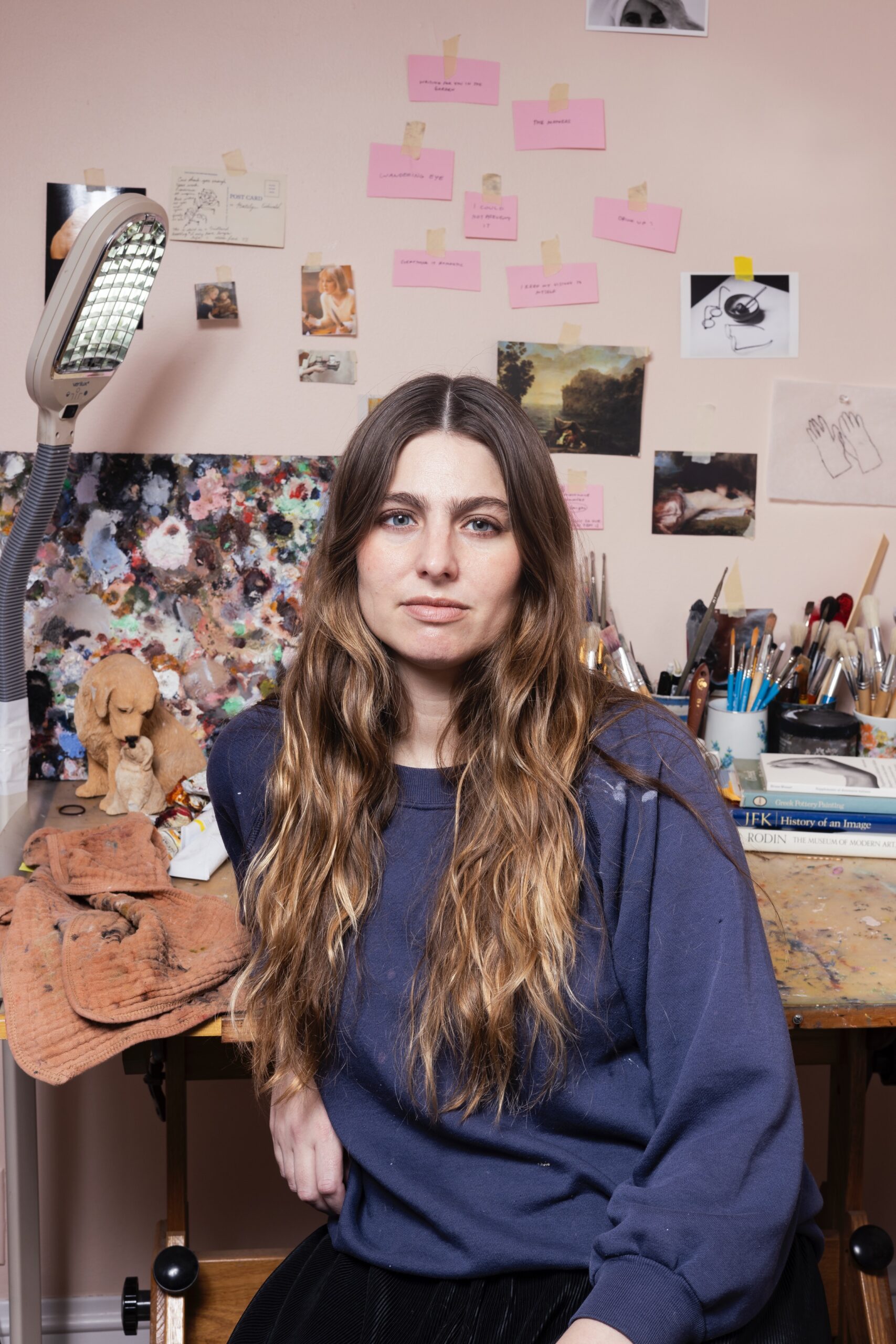
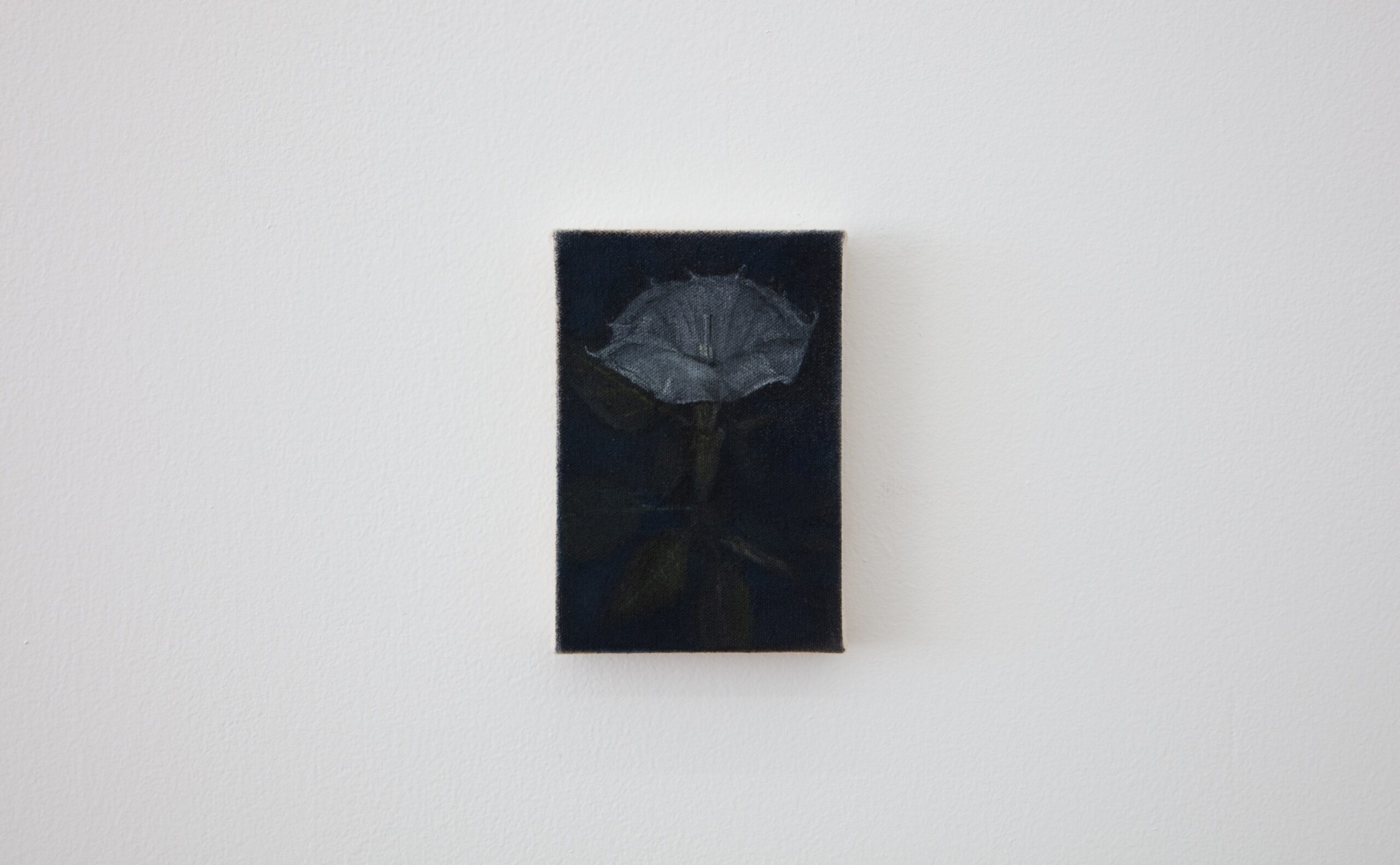
The Chicago-born artist creates tightly cropped, sometimes haunting pint-size images drawn from TV and film. By scrubbing paint into rough canvas, she develops, as she’s described it, “an almost archeological image sunk deep into the fiber of the painting.” She has had solo exhibitions at Overduin & Co. in LA, and Cob Gallery, London, with an upcoming show at Nina Johnson Gallery in Miami. During Frieze Week, she will present new paintings at the second annual Post-Fair, a boutique fair in a landmarked former Art Deco post office.
You are one of a number of young painters who have chosen to work small. Why does this scale appeal to you?
My studio is in my home and very small, and I work at the same desk I’ve had since I was a teenager—it used to be my grandmother’s. It’s a scale that fits my body. I like to be able to mix paint as I go and make big changes very quickly. I’m also lazy and I like to sit down.
Describe your work in three words.
Intimate, I hope.
Tell me about the work you are showing at Post-Fair.
It came together around blue and gray, night time moving into early morning. Fish underwater, a shooting star, a fleet of ships on the horizon. Like waking up before anyone else, maybe.
What’s an underrated studio tool you can’t live without?
I love cheap craft brushes, the kind you get in a big pack for a few dollars. Sometimes my dad will use a saw to cut them shorter so they have the balance I like. I also have hundreds of my mom’s old oil paint tubes that I’ve been working my way through for years.
Is there a studio rule you live by?
I’m incredibly impatient with anything in the studio outside of the painting itself, so my only rule is urgency. I don’t do sketches or prime my canvas, I hate prep work, I’m always running out of materials. I have a day job and a toddler so I’m always short on time. It gives me a kind of wild energy that I can direct into the painting.
Who are the three people, alive or dead, invited to your dream art-world dinner party?
Frank O’Hara and anyone he wants to bring.
What art-world trend would you like to see die out?
I’m pretty insulated from art world trends. I never know what’s going on or what’s selling. I’m just at home in my studio watching old episodes of Survivor.
Nevine Mahmoud
Age: 38
Based: Los Angeles
LA Presentation: A dual presentation, with Emma Soucek, at Sebastian Gladstone at Frieze LA, Feb. 26–March 1
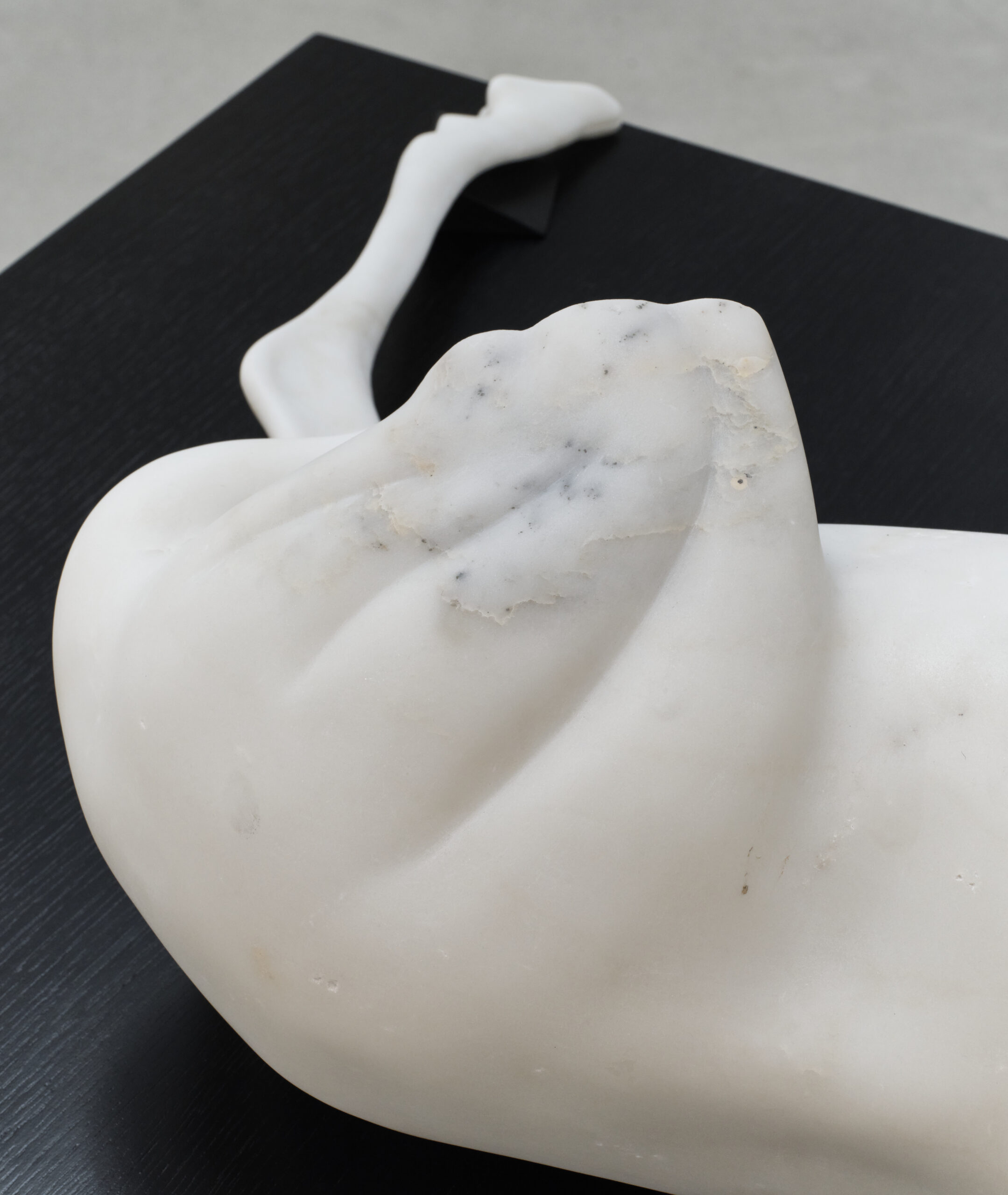
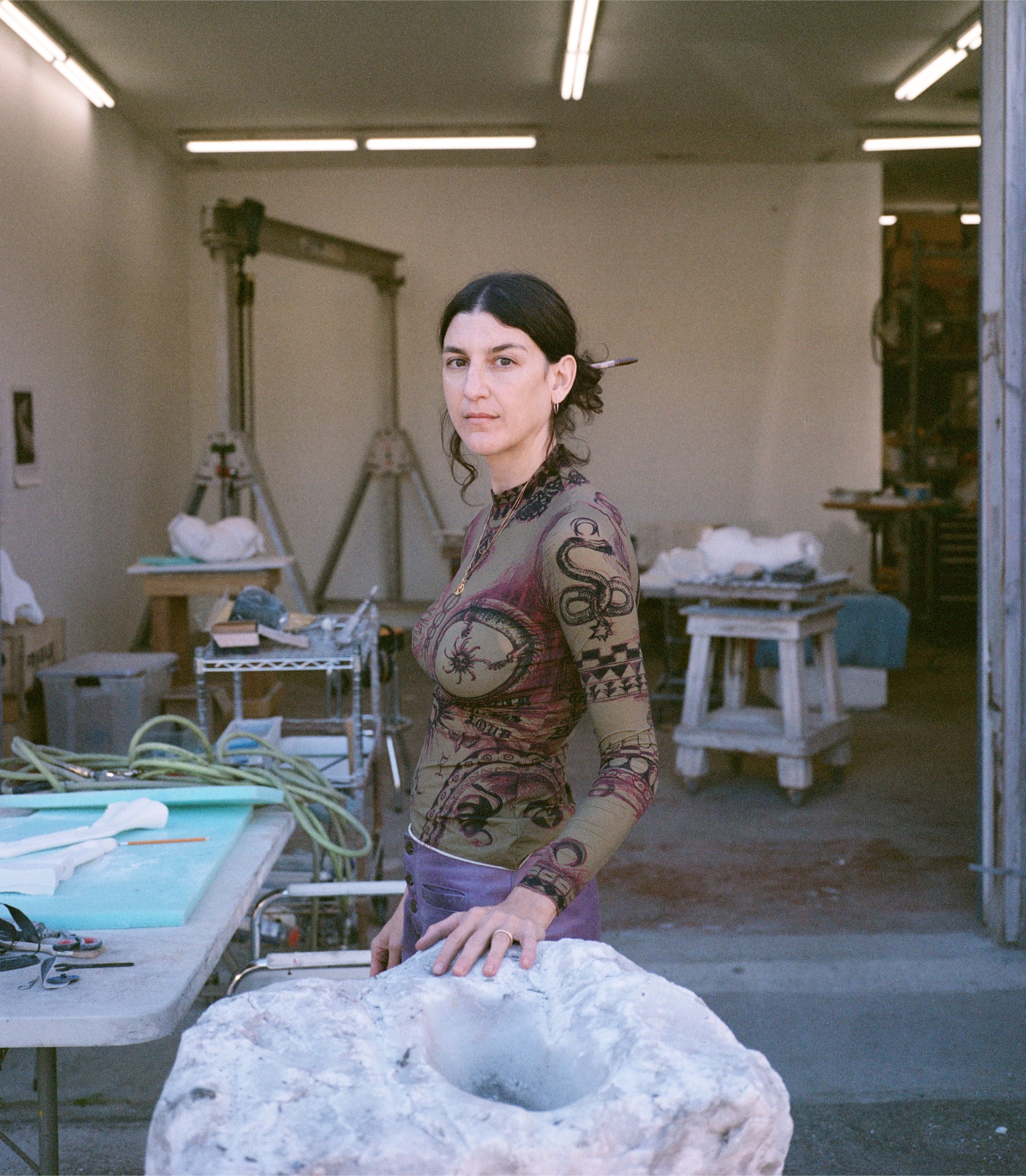
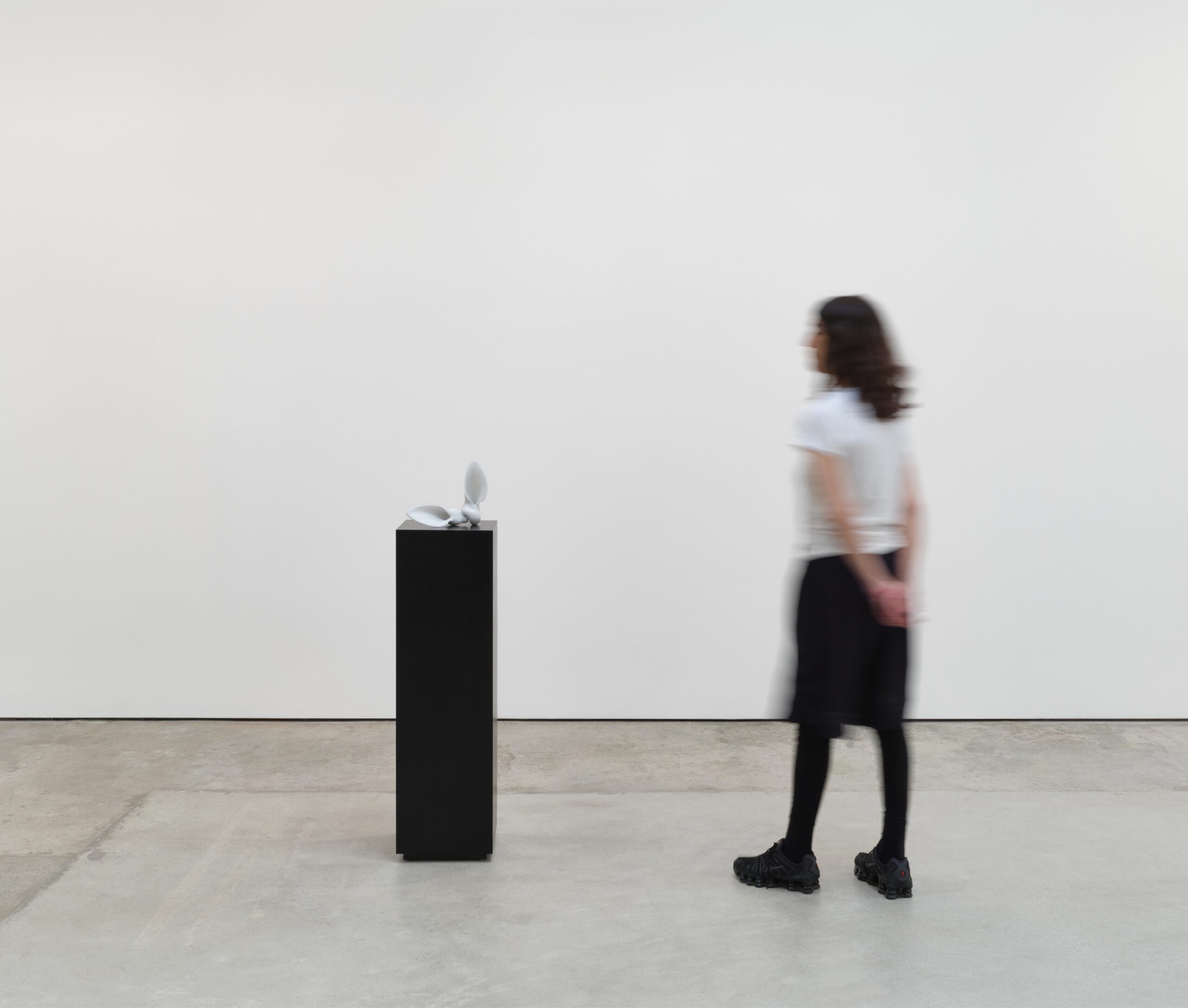
Nevine Mahmoud creates sculptures that push the limits of their materials—hand-carved Carrara marble, glass, and bronze—to explore gender, history, and materiality. Her work has been the subject of solo exhibitions at the Wadsworth Atheneum Museum of Art in Hartford, Barnsdall Art Park in Los Angeles, and Soft Opening in her hometown of London. She has a forthcoming solo exhibition at the Asia Society Museum in Houston and recently joined the roster of Sebastian Gladstone.
Tell me about the work you are showing during Frieze Week.
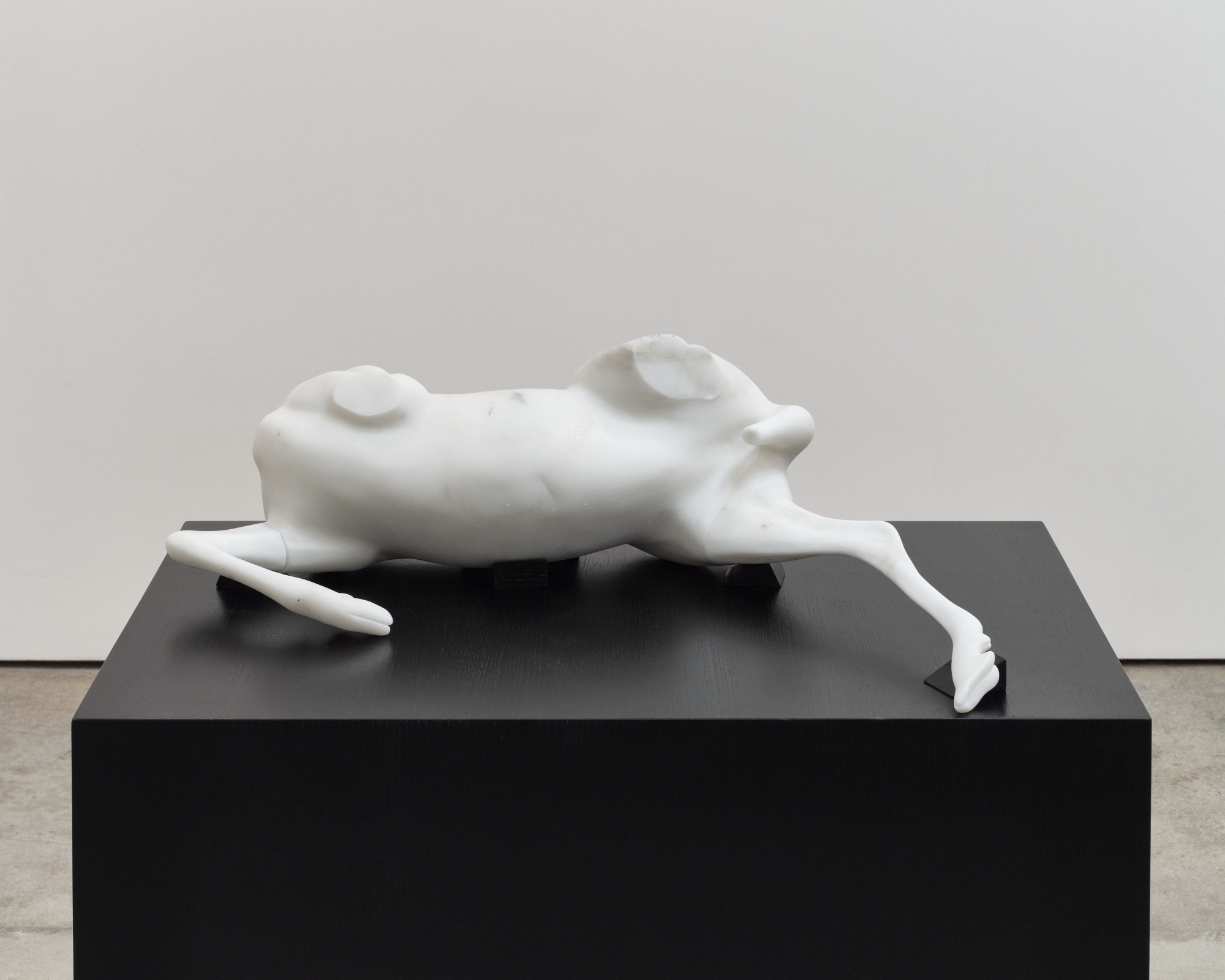
A new body of white marble sculptures developed over the past three years that shows the fawn figure dismembered and reoriented.
This work is the culmination of years you’ve spent meditating on the form of the deer. Why deer?
Deer, young and/or female, have become vehicles for me to reimagine a classic symbol of beauty and innocence, and speak to a form of human violence.
Your process combines hand carving and robotic milling. How and why do you combine these two very different processes?
The technology of making sculpture interests me, whether it is by the human hand or automated machine. The material of the work takes equal precedent to the subject or idea, so the process of manipulating marble has become a trope in my practice.
What art-world trend would you like to see die out?
Fashion collabs (sorry).
Who are the three people, alive or dead, invited to your dream art-world dinner party?
Alina Szapocznikow, Francis Bacon, and my husband, Skylar Haskard.
Is there a studio rule you live by?
No rules.
What’s an underrated studio tool you can’t live without?
Diamond rasp.
More of our favorite stories from CULTURED
10 Collectors Share the Book That Changed How They Think About Art
Nobody Sings About Sex Like Peaches. With Her First New Album in a Decade, She Shows Us Why.
Stylist Jason Bolden Spotlights 3 Young Black Designers You’ll Soon Be Seeing a Lot More Of
The 14 Horniest Places in New York, According to Jordan Firstman, Francesca Scorsese, and More
Sign up for our newsletter here to get these stories direct to your inbox.


 in your life?

