

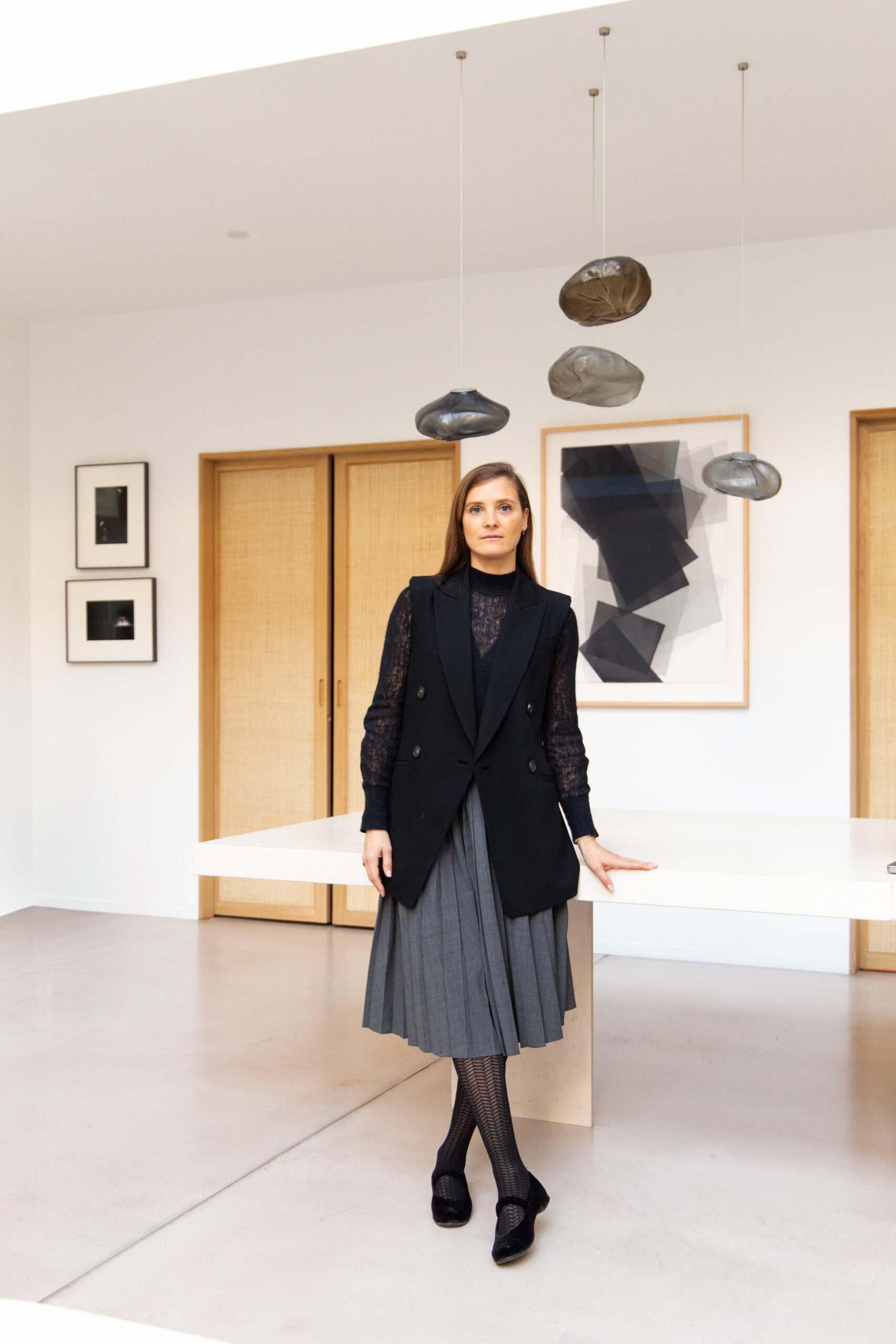
Teenagehood is often synonymous with young love, high school drama, and no small dose of angst. For Amélie du Chalard, it marked the beginning of her collection. One side of her family teemed with artists, the other collected. “Art was the ultimate milestone,” she tells CULTURED. “Starting at the age of 16, our birthday gifts were always artworks. This tradition anchored the idea that art is a life companion, making my journey into collecting both a natural heritage and a personal necessity.”
Although du Chalard initially pursued a career as an investment banker, she knew that artistic stewardship would become a large part of her life eventually. The bi-continental collector founded her eponymous Paris gallery in 2015 and expanded stateside with a New York location a few years ago. These days, du Chalard seeks out pieces that stir her curiosity, balancing the influences of both of the cities she calls home.
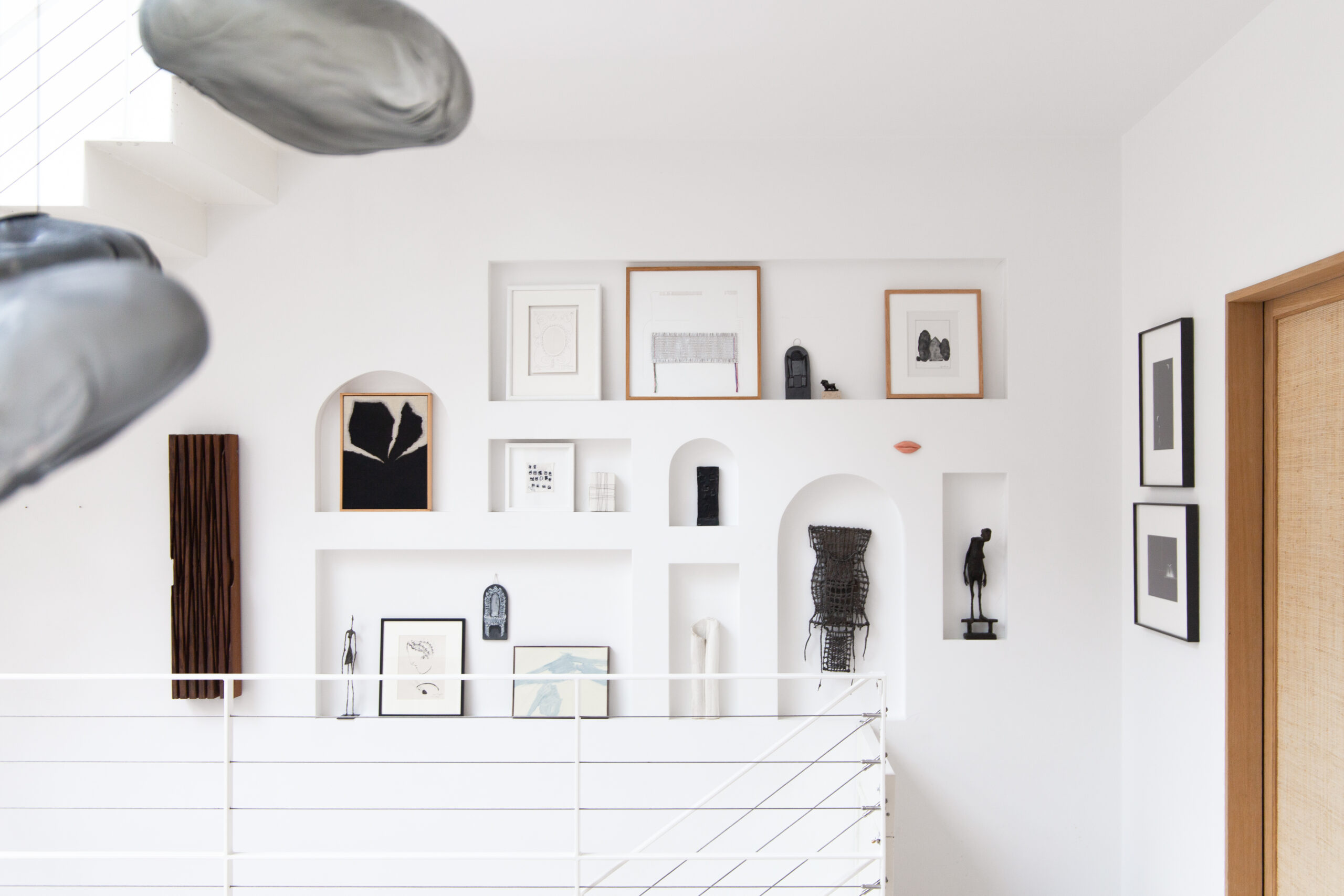
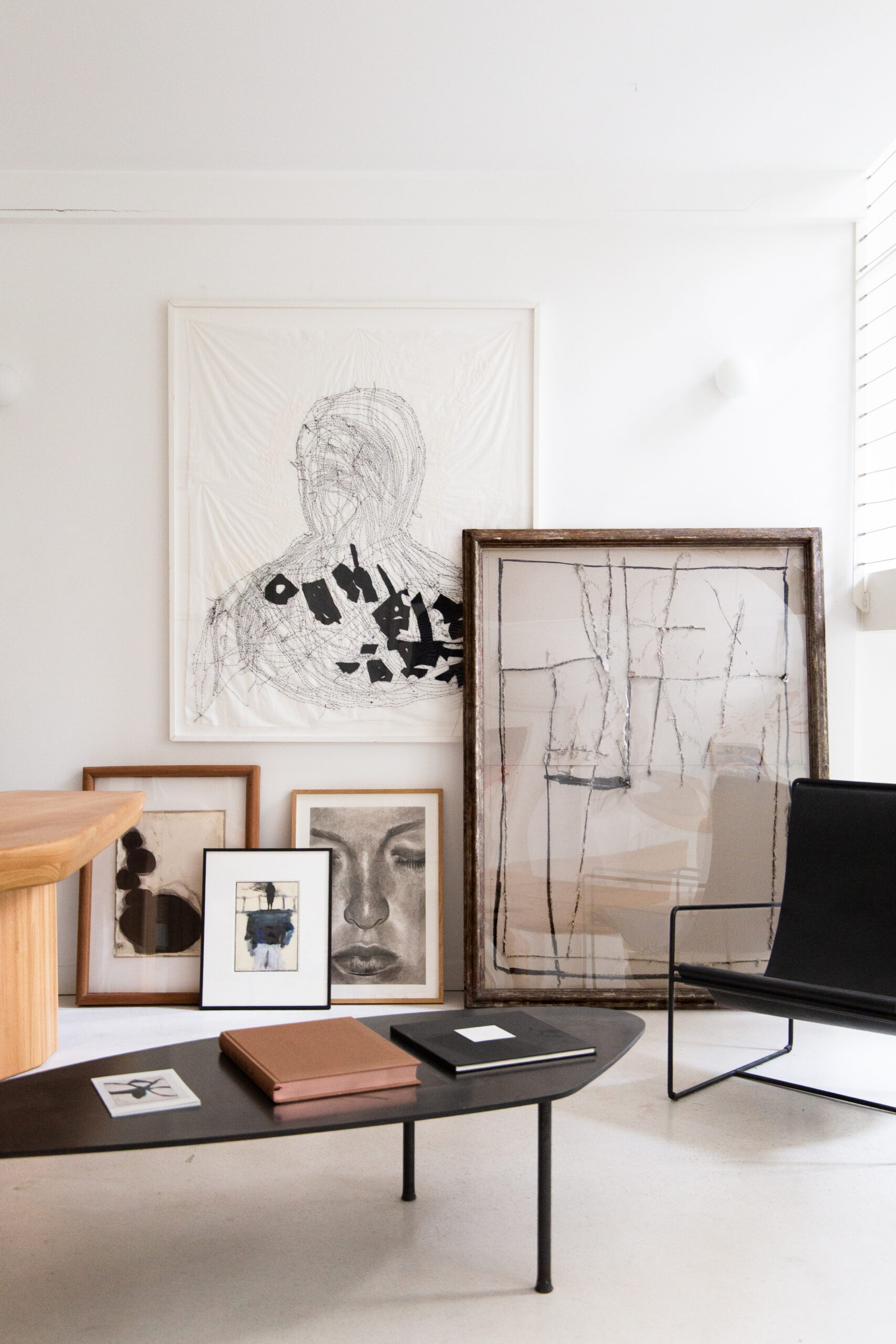
Her gallery and her own collection thoughtfully mingle design objects, like ceramic vases by Karen Swami, with fine art. Think paintings from Jean-Pierre Pincemin and textiles from Rieko Koga. It’s a point-of-view that she playfully dubs “haptic minimalism” for its gentle, tactile allure. The result is a gallery that feels more like an intimate salon and a home that carries the sophistication of a showroom.
Here, Chalard chats with CULTURED about the time she tracked down a piece she first spotted in a 14th-century palace, the auction app she spends too much time on, and what it means to reclaim “beauty.”
Where does the story of your personal collection begin?
The story of my collection is deeply familial and began long before I made my first purchase. I grew up in a dual world of creation and appreciation, surrounded by artists on my mother’s side and collectors on my father’s side. My eye was “trained” throughout my childhood, developing a heightened sensitivity to art and beauty.
My personal collection began with a visceral need to surround myself with objects that have a soul. My first “real” acquisition was a small, abstract work of an artist I represent today that I bought with my very first paycheck. It wasn’t about the name; it was about the vibration of the texture.
What factors do you consider when expanding your collection?
Naturally, my collection includes many artists I already represent, but I also follow outside artists whose work resonates with me for years until the right piece appears. For instance, I was obsessed with Chiharu Shiota for five years before finally finding the perfect work last year, one that captured her essence but also fit the scale of my home, as her work often involves immense installations. My process is focused on the artist first, then the specific piece. When evaluating a work, I always look for a balanced synergy between three pillars: the artist’s conceptual approach, the technical mastery they’ve developed, and, of course, the aesthetic result.
Tell us about your sourcing process. Do you look to contacts, the secondary market, auctions, or otherwise?
My sourcing is quite eclectic. While I naturally acquire works from my own gallery, I also make it a point to buy from other galleries and occasionally at auction. I must admit that the Drouot app is a bit of a trap; I spend an incredible amount of time on it. On the digital side, Artsy is a good tool that provides a truly global vision of the art market and emerging talents.
How does navigating between the Paris and New York scenes affect your collecting style?
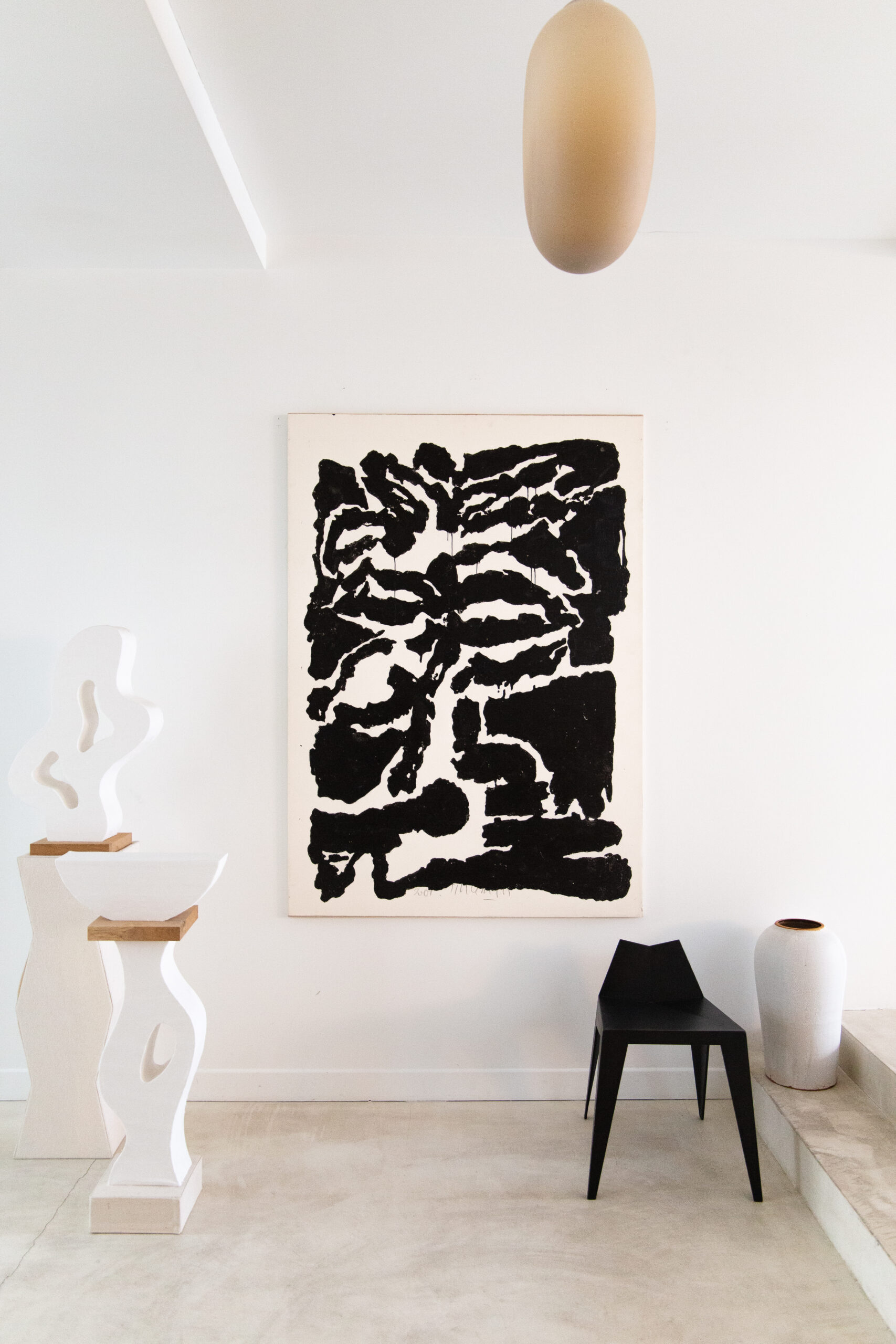
Navigating between these two worlds has profoundly expanded my open-mindedness. Paris provides me with deep roots, a sense of history, heritage, and decorative savoir-faire. In contrast, I am deeply inspired by the immense freedom and optimism of American creators; I love the American Abstract Expressionism period. There is a boldness in the U.S. scene that encourages me to embrace very spontaneous and energetic works.
This dual perspective allows me to discover fabulous new talents, such as Sanjay Vora or Heidi Lanino, whom I discovered recently. Her work, specifically her animated dancing silhouette bas-reliefs, perfectly captures that sense of vitality and freedom. Navigating both scenes has made my collection more eclectic. I love the tension created by mixing a delicate, historical French perspective with the vibrant, forward-looking energy of American art.
How would you characterize the identity of your collection today?
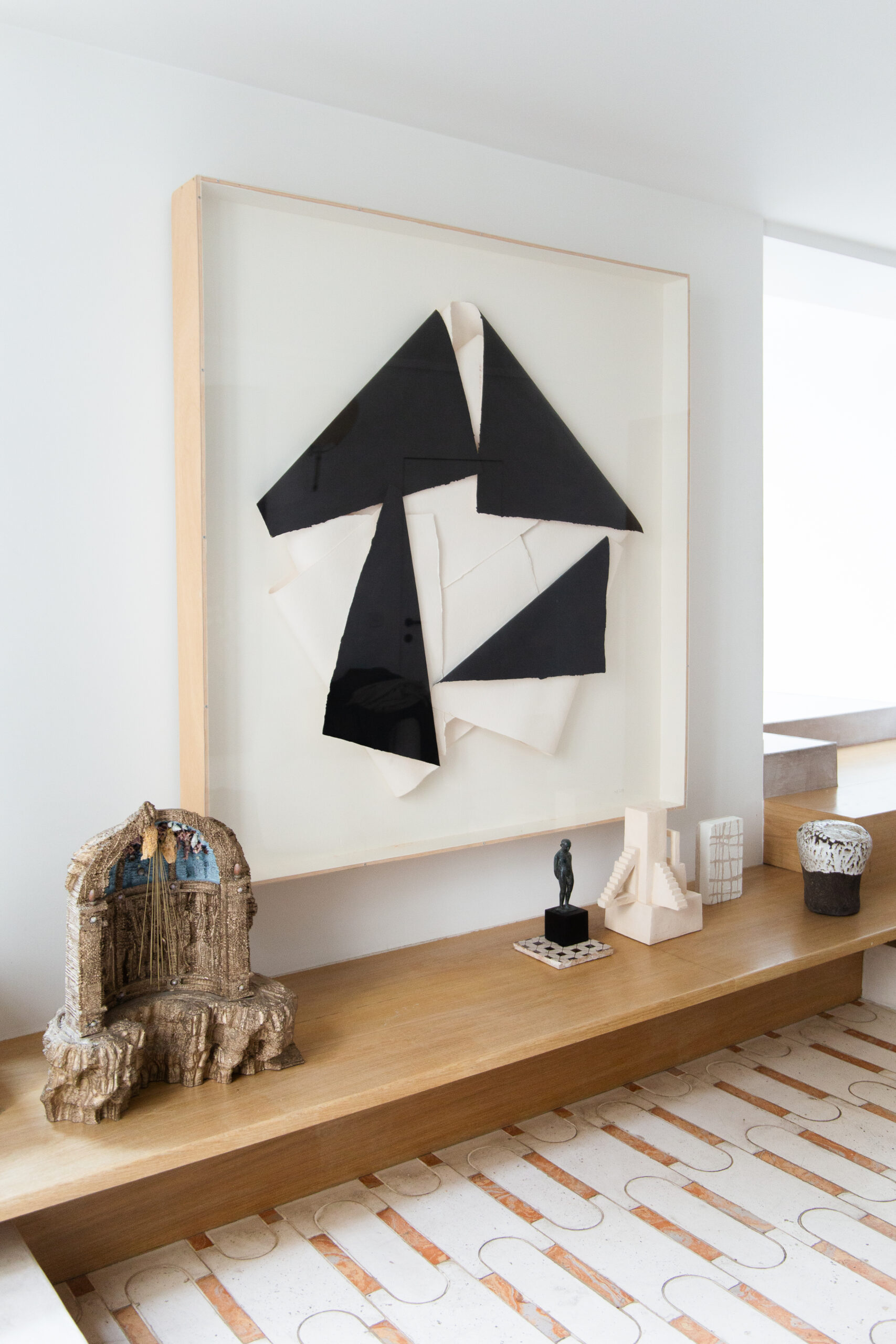
I would characterize it as “haptic minimalism.” It is refined and curated, but never cold. What attracts me to a work is not merely the optical experience, but the haptic one: that irresistible urge to move closer, to touch, and to truly understand the surface. It is a collection of sensory pieces spanning diverse disciplines, including textiles, paintings, raw ceramics, and works on paper where the white space is as vital as the mark itself. For me, a piece is successful when it transcends the visual and invites a tactile curiosity, bridging the gap between the eye and the hand.
How do you typically discover new artists, designers, or works?
I keep my eyes constantly open. It could be a studio visit in a remote Italian village, a graduate show, or a fair that leads me to a creator. I also rely on a small circle of trusted curators and friends who know my eye and challenge my perspective.
However, one of my favorite and most effective ways to discover new work is by asking the artists I already love which creators they admire. Artistic sensibility is often immaterial and subconscious, but this peer-to-peer recommendation works beautifully. It leads me to treasures I might never have found through traditional channels.
What feelings or ideas do you hope your collection inspires in the people who experience it?
I want people to feel a sense of serene curiosity. My collection isn’t meant to shout; it’s meant to whisper. I hope it inspires a slower way of looking and a deeper appreciation for the beauty of raw, simple and honest materials.
Tell us about the journey to a particularly hard-won acquisition.
The journey to acquiring a specific work by Eva Jospin remains one of my most memorable and persistent pursuits three years ago. My husband and I first encountered it during a major institutional exhibition at the Palais des Papes in Avignon. We both fell instantly in love with it, and it’s aptly titled La Petite Folie (The Little Folly). Because it was part of such a significant exhibition, tracking it down afterwards was a real challenge. I had to make about a dozen phone calls to various contacts and institutions to trace its whereabouts and finally secure the acquisition. It was a true hunt, but bringing that piece of Avignon’s magic into our personal life was worth every effort.
If you could snap your fingers and instantly own the art collection of anyone else, who would it be and why?
Peggy Guggenheim. Not just for the masterpieces, but for the way she lived with the art. Her collection was a manifesto of her life and her friendships. That intimacy between a collector and their artists is exactly what I strive for.
Do you see collecting as an extension of skills you’ve honed in your professional life, or something entirely new?
It’s a perfect symbiosis. My professional life as a gallerist is about the orchestration of art for others. Collecting is the intimate rehearsal. One informs the other, collecting, makes me a better advisor because I understand the emotional stakes of an acquisition.
What book changed the way you think about art and design?
Two books have been foundational to my vision. The first is Quand la beauté nous sauve (When beauty saves us) by Charles Pépin. It helped me reclaim “beauty” as a vital necessity rather than a superficial concept. In today’s art world, beauty is often dismissed as merely decorative, but Pépin argues that it is a profound human need for our well-being, a philosophy that is at the very heart of my gallery.
The second is 21 rue de la Boétie by Anne Sinclair. This book, which retraces the life of her grandfather, the legendary art dealer Paul Rosenberg, made me rethink the entire format of a gallery. It taught me that a great dealer doesn’t just sell art. They create a safe haven for artists and build an intimate, long-term legacy that transcends the simple commercial transaction.
More of our favorite stories from CULTURED
10 Collectors Share the Book That Changed How They Think About Art
Nobody Sings About Sex Like Peaches. With Her First New Album in a Decade, She Shows Us Why.
Stylist Jason Bolden Spotlights 3 Young Black Designers You’ll Soon Be Seeing a Lot More Of
The 14 Horniest Places in New York, According to Jordan Firstman, Francesca Scorsese, and More
Sign up for our newsletter here to get these stories direct to your inbox.




 in your life?

