
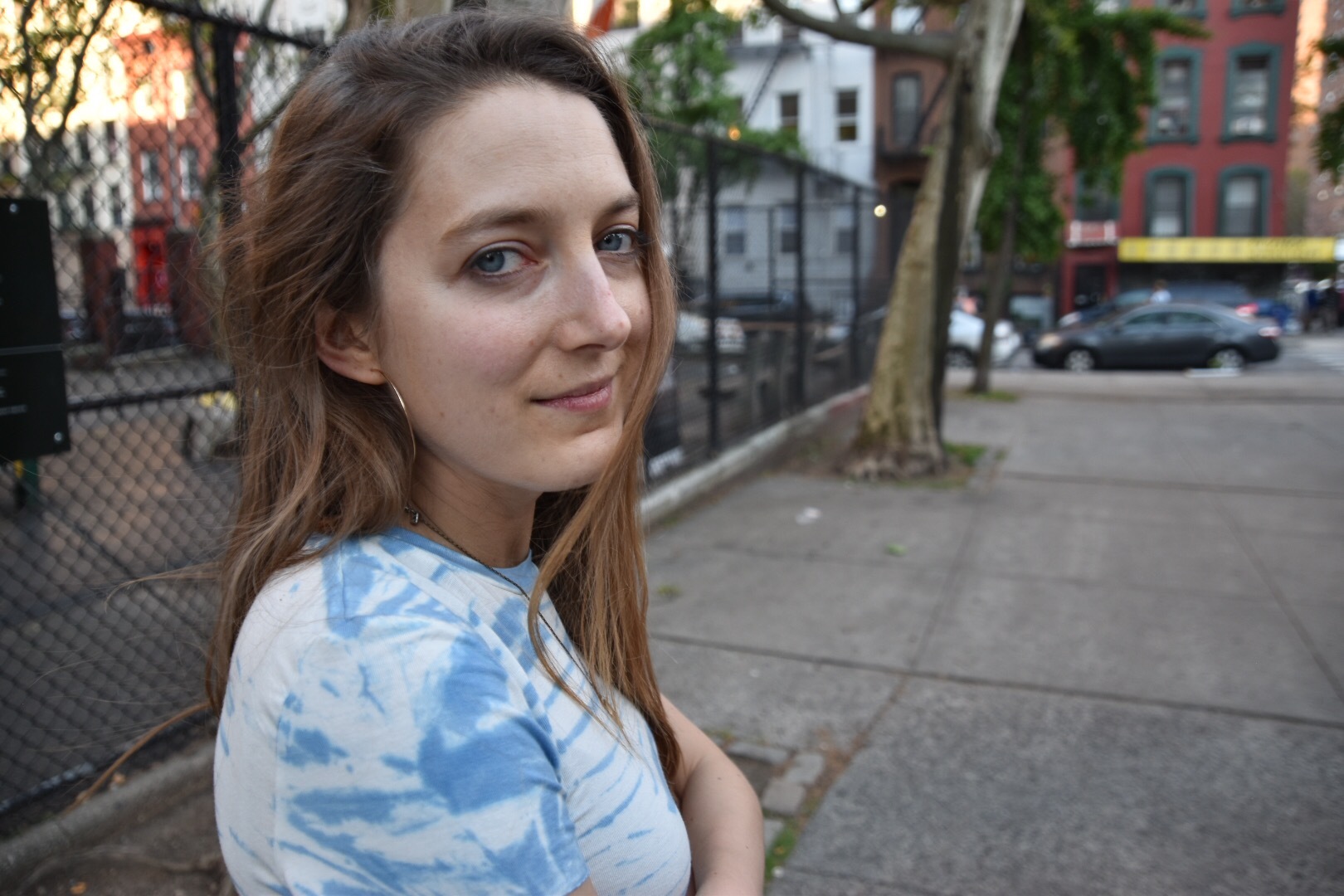
If the work produced by younger students in my New York playwriting workshops is any indication, Clare Barron is one of the most influential playwrights of her generation. Though not quite a household name (and really, what playwright ever is?), Barron is in the Velvet Underground zone: her language has the effect of making you crave language, and to write your own.
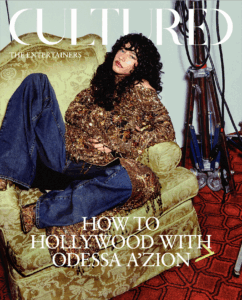
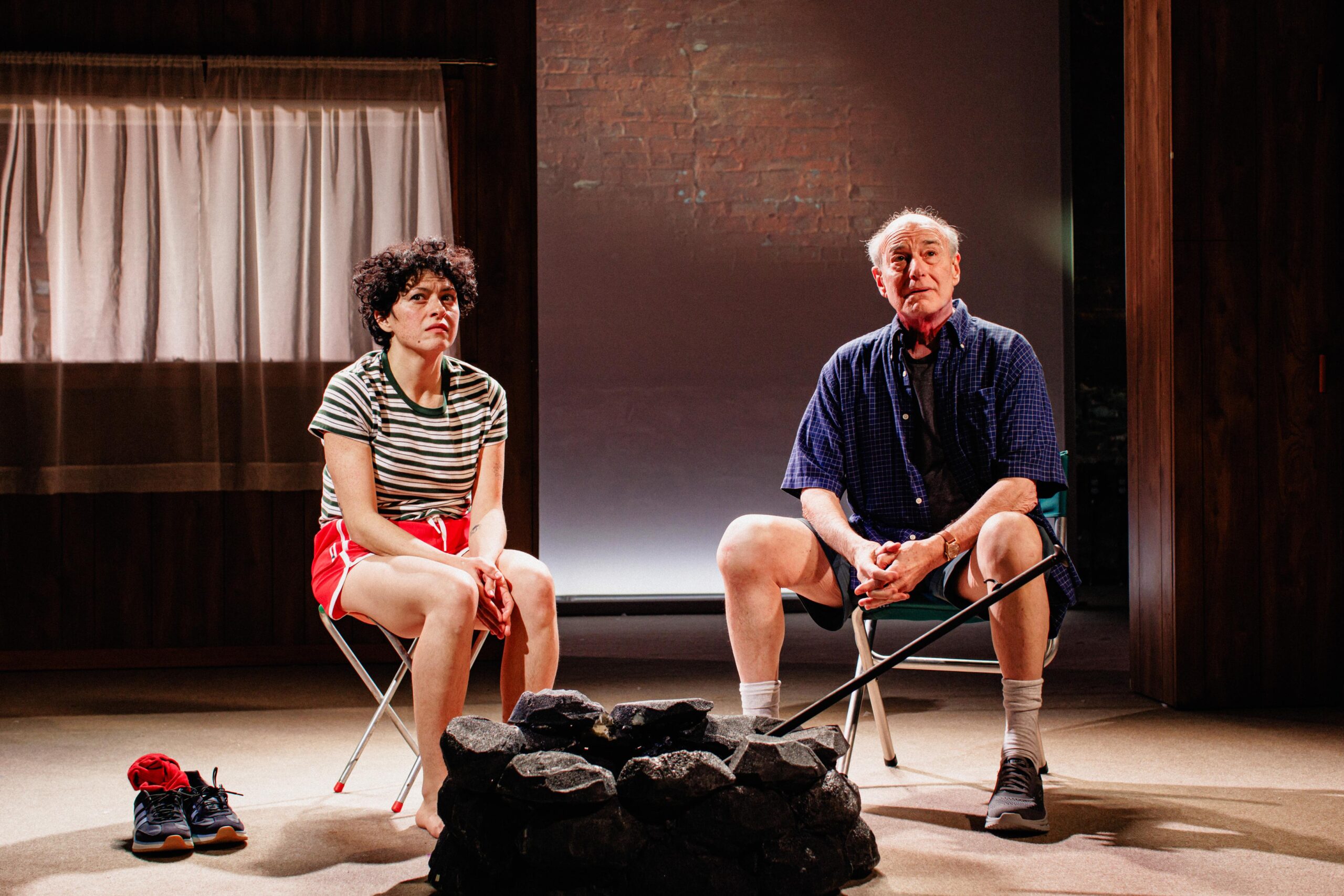
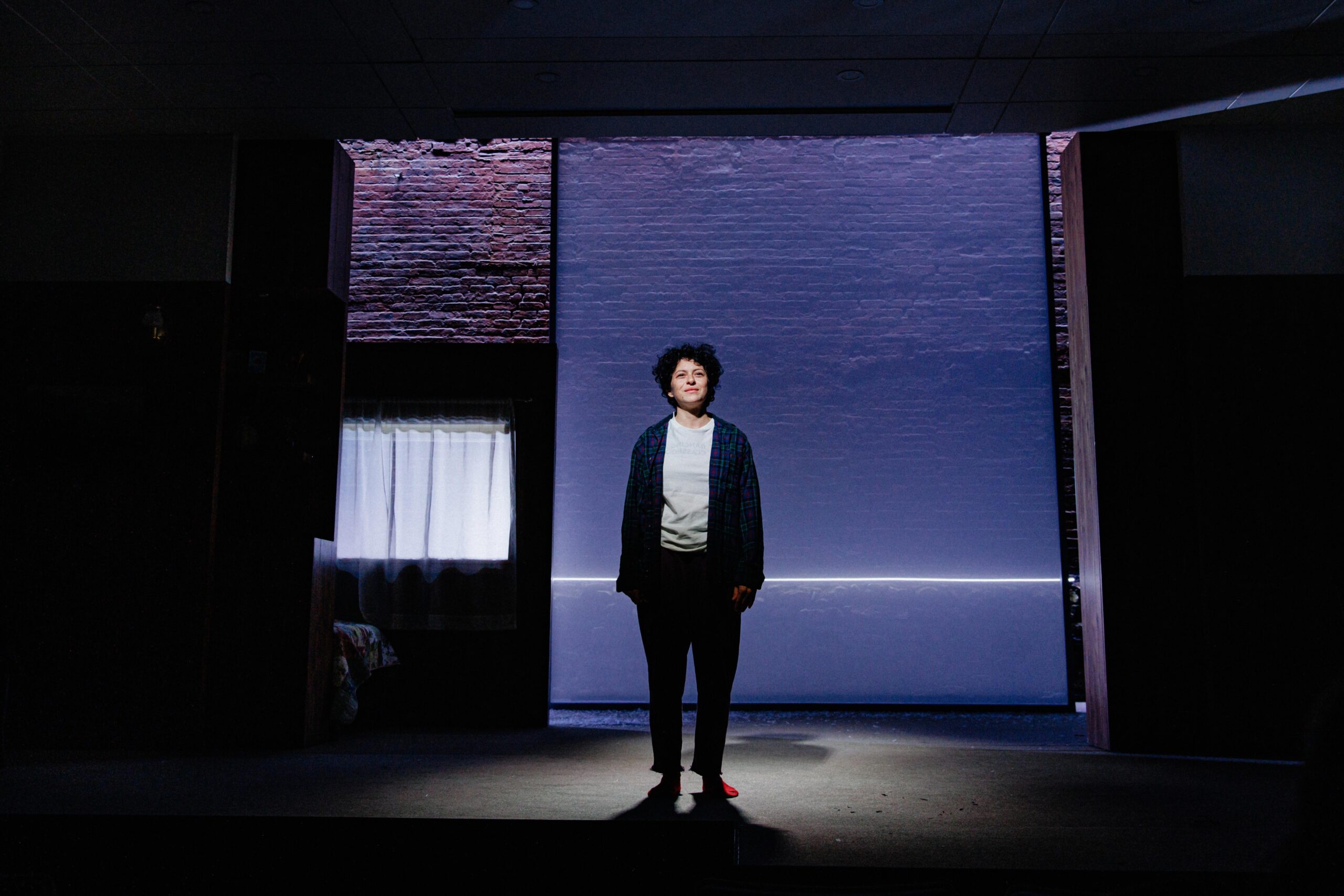
A Pulitzer finalist for 2019’s Dance Nation, two-time Obie winner, and recipient of the Susan Smith Blackburn Prize and the Whiting Award, Barron has also written for television, most recently on FX’s Peabody-winning Say Nothing. But the main focus of our conversation was Barron’s 2014 play You Got Older, a family—I shouldn’t say drama, exactly, but more of an experience—that returns to the stage this winter at the A24-ified Cherry Lane Theatre. The production stars Alia Shawkat in her stage debut.
There’s much in You Got Older that I relate to. If, as playwrights, we share a thesis, it is this: plays begin where ordinary language and ordinary means for coping with tragedy fail. Barron reckons with the two-pronged millennial anxiety about one’s aging body and the aging, failing bodies of one’s parents. My father has had cancer twice; like the play’s protagonist, Mae, I found myself at home in my early 30s, during the early months of the pandemic, while my father was in treatment, and while latent family issues boiled to the surface. The awkwardness of You Got Older makes sense to me; an adult who returns to their childhood home inevitably becomes a child again, but without the innocence.
My conversation with Barron for CULTURED circled the question of how to give shape to these fundamentally existential anxieties. I got the sense that she sees her plays less as literary texts and more like spells or incantations. They are meant to release some kind of buried energy, resolve some degree of inner sadness, offer a scaffolding for the unnameable.
You Got Older feels so generationally resonant—for millennials at least. I always tell people that it’s very hard to write a play that will be relevant in two years. Drama is just a weird genre. Novels can last; films can last; plays have this really short half-life most of the time. But You Got Older doesn’t seem dated.
But it’s funny the things that do change. Like, there’s a reference to Skype in it. We actually thought about changing it to Zoom [for the play’s upcoming run], but it just doesn’t work the same way. There are also real cameras in the play, versus phones.
It’s a deeply personal play. I assume you were going through a lot when you wrote it. Can you tell me a little bit about your writing process?
You Got Older was a huge step for me, playwriting-wise. I feel like I came into my voice. My dad was sick, and I was just out of this long relationship—it was like I was so distracted by the personal stuff that the writing part of it became easier.
Process-wise, I almost always start writing by hand. I only switch to the computer when I get stuck, and then I sort of oscillate between the two. In You Got Older, there’s a 25-page hospital scene that I wrote by hand. I write what I hear, then I figure out who’s saying it later.
It’s a less character-forward way of writing where you’re like, What does this character want? What are they afraid of? It’s more like I overhear a conversation and then figure out the character and their psychological motivations after.
You have a background in dance. Do you see things in a certain way because of it? Do you have a mental layout of the stage that’s tied to large group movements?
I grew up dancing ballet. I was a dancer before I was in theater, but I was a very bad dancer. I do think the ballet dancer’s idea of the stage really sticks in my head when I think about a play.
A lot of your plays have these extremely intimate scenes followed by explosions of something more theatrical.
There’s often a very quiet, intimate scene, and then there’s a rupture. Sometimes I wonder, because I’m bipolar, if my brain simply works in extremes. But I think it’s just part of my personality, you know what I mean? I’m shy but intense. Sometimes I’m the quiet person in the room, in other moments I’m incredibly hyperbolic and take up a lot of space.
I think plays are structured the way our brains are structured. When did you first have that insight about your plays having what we could call a bipolar structure?
And again, now I’m like, Is it bipolar or is it just my personality? I can’t remember when I first noticed it—but when I got diagnosed as bipolar, I definitely went back through my plays and could see signs of it in the way that I wrote. There’s a lot of anger in my plays, but also a lot of gentleness. Anger might not be the word—heat. It actually helped me connect with my diagnosis, because not everybody has documentation of their brain over the course of five years.
For me, the experience of writing a play is emotional more than cerebral. My own plays typically have a structure that is meant to produce some kind of cathartic release. I can’t really finish a play until I’ve cried; that’s how I know actors will find something worthwhile in it. The whole point of the text is, in some ways, to make a structure for these otherwise inexpressible things.
I’m definitely leading with my subterranean nerve endings versus my brain.
I’ve felt that in your printed plays. Even the pagination, the long periods—the reader is almost told to stop at times. They can feel you reaching through the page and telling them to listen. The stage directions are often emotional or erotic rather than strictly logical. There’s a highly compositional, musical logic to the way your text flows.
Every play I’ve done has a big thumbprint on my brain. The experience of writing it, the experience of making it. Particularly You Got Older—that play really shaped and affected my life.
Do you remember opening night?
I don’t. I remember when my parents came to see the show, which was really intense. I don’t know why I don’t remember opening night. Maybe because I was so tired.
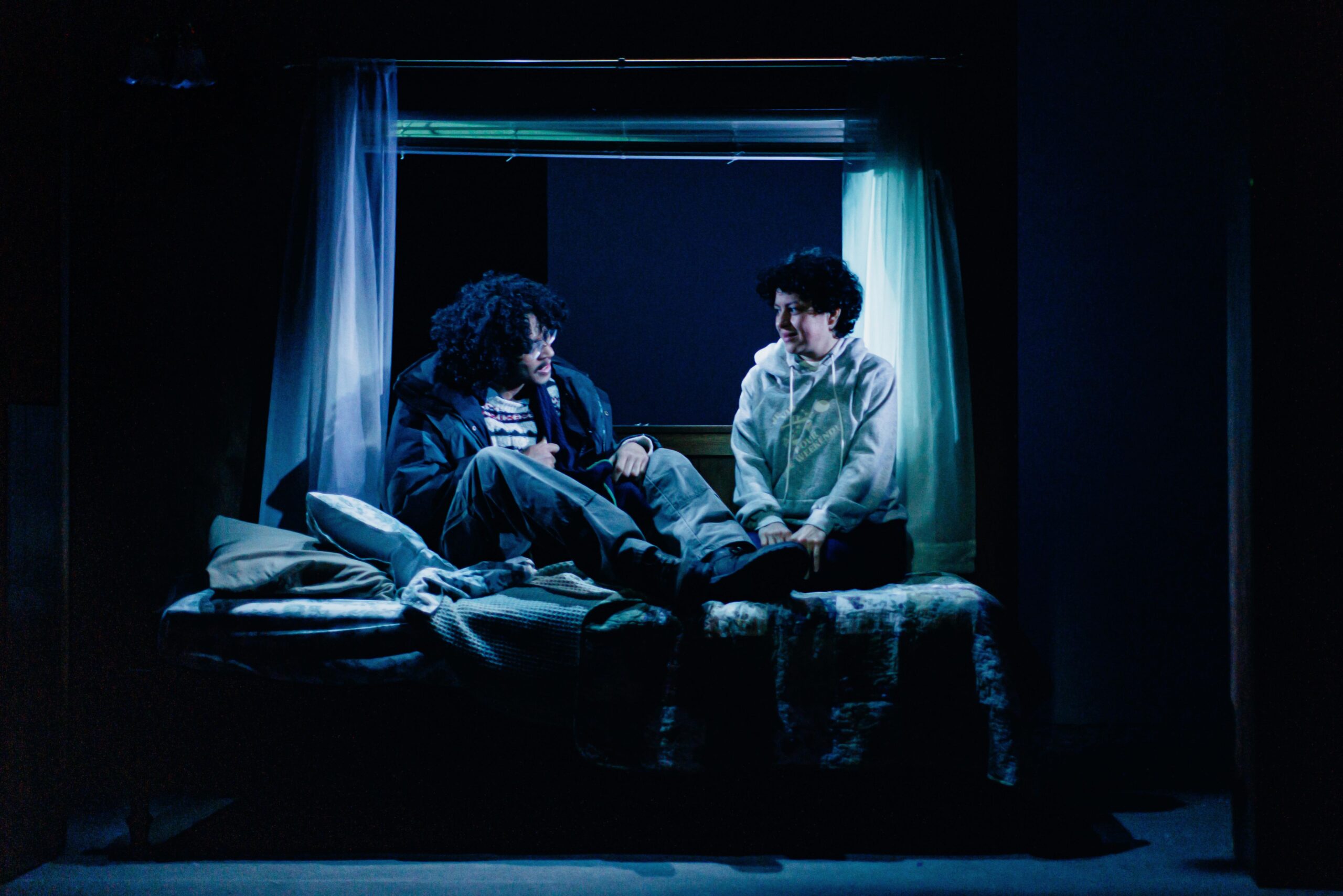
You were 27?
27.
How long did it take you to write it—two days? Two years?
I wrote it very fast. I was in the Soho Rep Writer/Director Lab and we had to bring in 20 pages per month. My dad was sick during that time, so I went home to take care of him. We were staying in Ronald McDonald Housing. It was an intuitive writing process—I would write my 20 pages from my dad’s hospital room, these scenes of us together, but I was also writing what are essentially these cowboy sex scenes. Where were these sex scenes coming from? I have a witchy sensibility. I just felt like they belonged in the same play.
When I teach workshops, I try to encourage my students to write fast with simple constraints. Get a title, a room, and some characters in the room. My way of putting it is: You have to figure out why they’re there and how to get them out, or assume that they have to leave but they can’t until you figure out why. That process can happen fast or slow. Teaching playwriting is so weird because you’re really just saying, Return to the id, return to the id, set up this box that allows you to get there. And then you have to live with the results… How much do you prune your plays? Do you find many contemporary references in the first drafts? Does your brain naturally whittle things down to the symbol layer?
My first writing teacher was Deb Margolin, and she had a very simple premise: if I were to die tomorrow, what would I need to say today? That’s basically where I start all of my plays. If there isn’t a compelling emotional reason where I need to get something out of my body—maybe this is to the detriment of my career—I won’t force myself. So yeah, You Got Older was written out of intense emotional need.
How does that square with TV writing?
I’ve always been a good student. I can deliver a thing. But playwriting is so different from TV writing because you’re part of a team. There are six of you there. You’re not responsible for shaping the whole thing—you’re only responsible for contributing a strong perspective, which is really fun.
How do you feel about being influential?
Oh, I don’t—I’m obviously influenced by a lot of playwrights too. Annie Baker was one of my first teachers. Anne Washburn was one of my first teachers. Some of Young Jean Lee’s formal risks were really inspiring to me. In terms of being a young playwright, you have to make sure you’re still trying to do your own thing. You can’t try to do someone else’s thing. It’s deadly.
In my experience, playwriting is this weird struggle with the unconscious where you are arriving at this hidden door. I never drink while writing, but I drink when I hit the last five pages. Are you working on anything new?
I have a new play that I hope to do. And I’m working on screenwriting stuff.
Does this new play require something painful?
I mean, I won’t write it if it doesn’t. I’m not trying to be cute.
More of our favorite stories from CULTURED
Tessa Thompson Took Two Years Out of the Spotlight. This Winter, She’s Back With a Vengeance.On the Ground at Art Basel Qatar: 84 Booths, a Sprinkle of Sales, and One Place to DrinkHow to Nail Your Wellness Routine, According to American Ballet Theater Dancers‘As Close to Art as Pop Gets’: Jarrett Earnest on Charli XCX, ‘The Moment,’ and Our Culture of Hyper-Exposure10 of New York’s Best-Dressed Residents Offer the Ultimate Guide to Shopping Vintage in the City
Sign up for our newsletter here to get these stories direct to your inbox.


 in your life?

