
When Versace’s Spring/Summer 2026 collection arrived 10,000 kilometers away from its birthplace in Milan, photographer Tania Franco Klein was ready to face it—armed with a camera, her Mexico City studio space, and almost total creative freedom. For the season’s campaign (directed by Dario Vitale), Versace tasked three photographers—Steven Meisel, Frank Lebon, and Klein—with contributing disparate imagery to a synergistic offering. The project launched in full today with a soundtrack by musician duo New York.
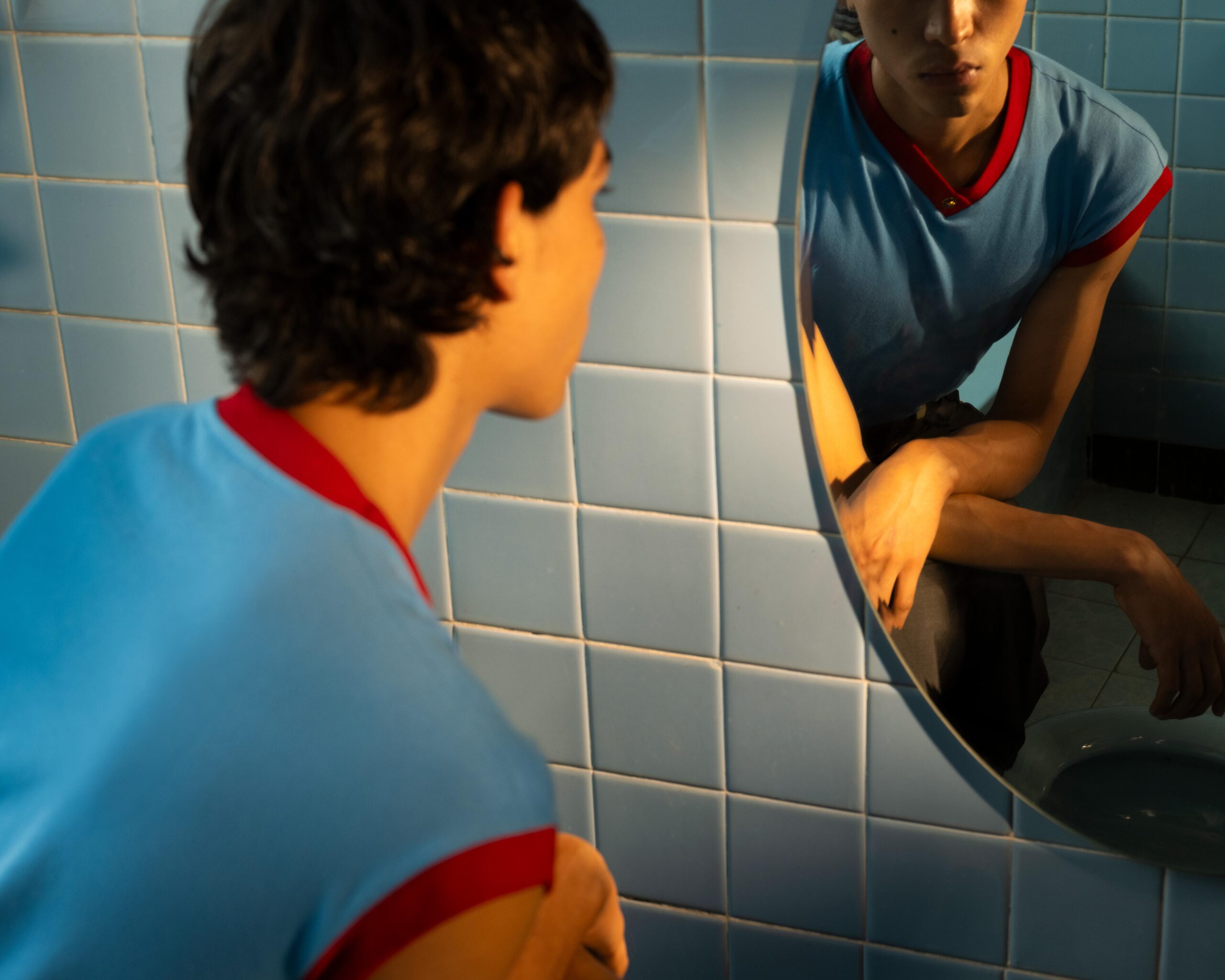
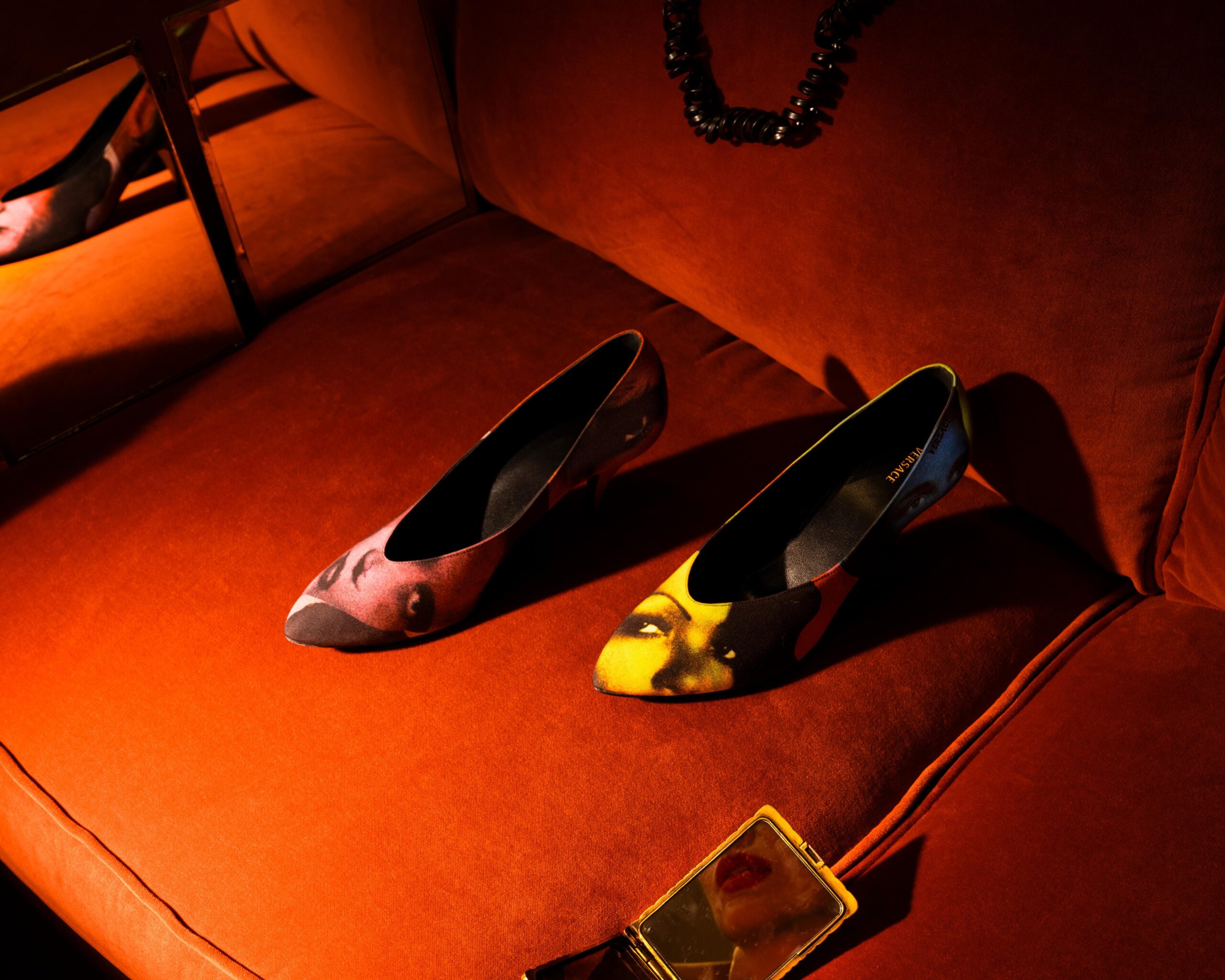
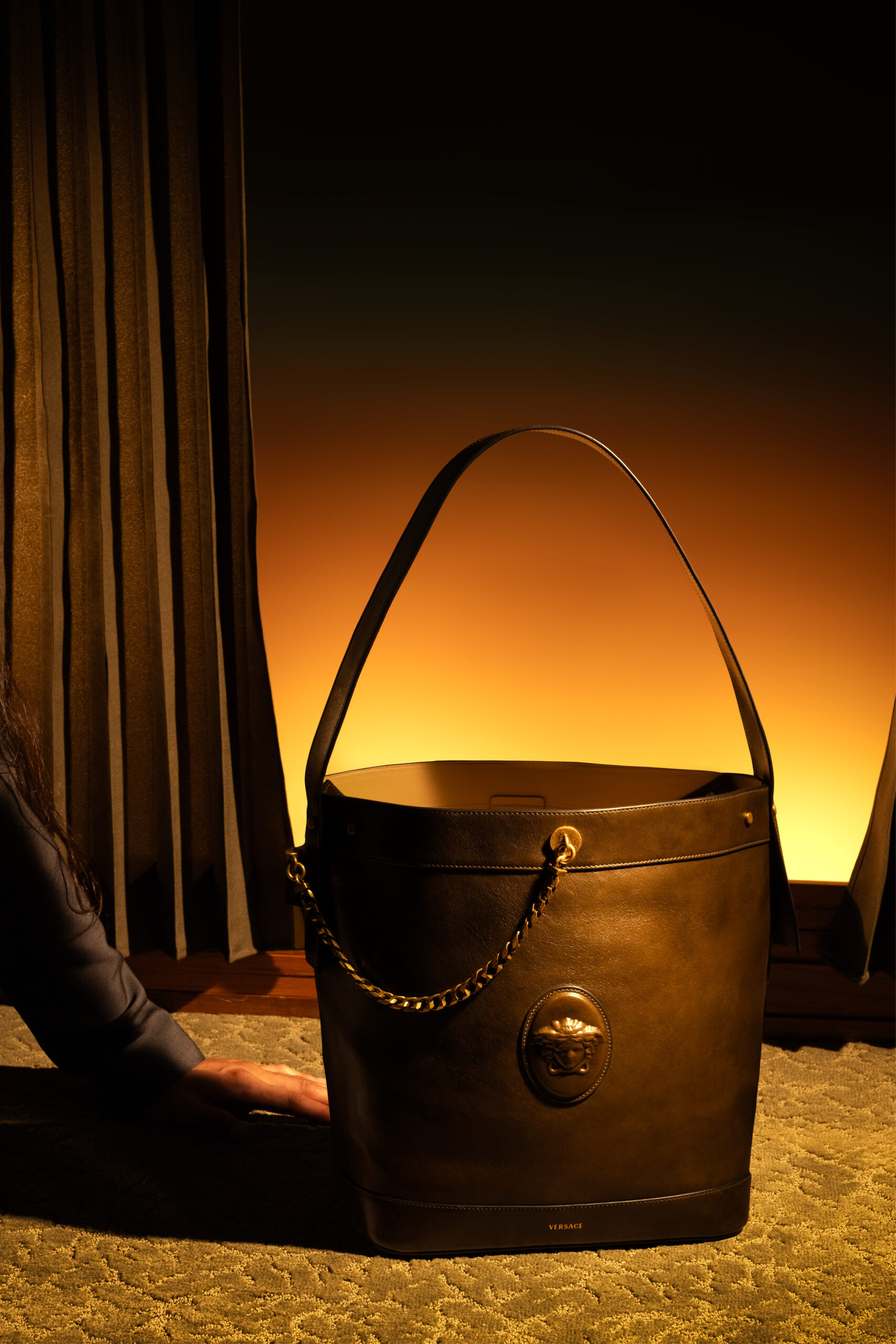
Klein’s contribution is both intimate and slightly unmoored, just how she likes it. Deeply lit interiors are edged with tension, bodies caught mid-gesture, the luxury rendered as an emblem of a larger, sultry atmosphere. It’s Versace, seen through a gripping, psychological lens. “I always think of my work as a crime scene, and the really big event is never actually in the picture,” explains Klein.
The architect-turned-photographer, who has shown at the likes of Paris Photo, the Museum of Modern Art, and the Getty Center, drew entirely from her own creative universe to build a visual landscape for the campaign that references past projects and the city of her birth rather than corporate mood boards. A cast of local Mexican talent and crew filled out her on-site team, further transporting the Italian house across continents.
CULTURED called the photographer (just 4,000 measly kilometers away from New York) to revisit her production process in the days before the campaign’s release.
Can you start by telling us how your relationship with Versace began?
They had seen one of my exhibitions—a show I did for [Paris Photo]—and my work is very intimate and object-oriented. Objects often become the main subjects or characters in my images. That intimacy is very central to my universe and personal to me. I think that’s why they chose me. I had no idea what the other photographers were doing. I only understood what was happening later, and then it made a lot of sense. They were trusting me with my universe, which is very close, cut-off, very intimate, and I think it was a smart decision to let each artist work within their own vision.
People often think that big brands require a lot of micromanaging, but I believe big minds trust their artists, and that says a lot about who they are. They gave me full creative freedom. I didn’t have to be constantly sending things back and forth, and they discovered the final project when I sent it to them. That kind of trust speaks very highly of how they see creativity and artistry.
In your teaser for the campaign, you say, “For the Versace of Dario Vitale (from Mexico City) with love.” How did your home play a role in building this campaign?
I’m a Mexican photographer, and my aesthetic is very Mexican-based. I’ve worked all over the world, but this project required a lot of infrastructure, and Mexico City is kind of like my own jungle.
I told them that I would bring the best of myself if I could do it in my jungle, and they said they wanted the best of me, even if that meant they couldn’t be there physically or that shipping and logistics became more complicated. That decision really astonished me in the best way.
I work with this double idea-aesthetic—I look for places that are very Mexican, but that anyone in the world can relate to. For example, my grandmother’s room, which was destroyed in an earthquake, I recreated it in my studio to use on every project I have. Essentially, my thinking was, If you want my universe, this is how the magic is created. This collection felt nostalgic, back to basics—about family, community, materiality, dancing, living life together. Nostalgia is something I work with a lot, and it made the connection here very easy.
What was the hardest thing about bringing Versace’s new vision to life? Easiest?
The easiest thing was that, well, the objects are very beautiful. I’ve been working with objects for so long, and I naturally imagine scenes and characters, and these objects felt very cinematic to me, which blended very well with my personal universe.
The hardest thing was time. I was working from Mexico City, which was great, but I was also working alone. That was amazing, but also scary because the [Versace] team only viewed the project when I sent them the final images. I had 100 percent creative liberty, which is how I usually work, but this was the biggest project I’ve done that wasn’t for myself. The scariest part was just making sure they liked it!
You’ve said you’re very self-referential. What personal references shaped this project?
My world is eclectic, mysterious, and rooted in nostalgia. The places could be anywhere or anytime—you’re never sure. There’s always a sense that something is missing, like a secondary crime scene. The big event is never shown; it’s always outside the frame.
I work a lot with domestic spaces and making the domestic strange. My characters are always searching for a sense of belonging, which feels especially relevant today. There’s tension in everyday life that I’m very interested in.
Were there specific past projects of yours that you looked to?
Yes, all of them! My universe is very consistent; what changes is the concept. My language is cinematic because cinema and photography are accessible languages—people aren’t scared of them. I want people to think about the story, not just see a picture of a bag. I want them to feel like they’re looking at a fragment of a bigger narrative.
What is your personal connection to fashion?
I have a very strong relationship with objects and garments as carriers of stories. Versace feels unapologetically bold, and that resonates with my work. I grew up in Mexico, which is very maximalist—textures, colors, things that aren’t supposed to make sense but do. That authenticity and boldness is something I’m always looking for, whether in fashion, film, or literature.
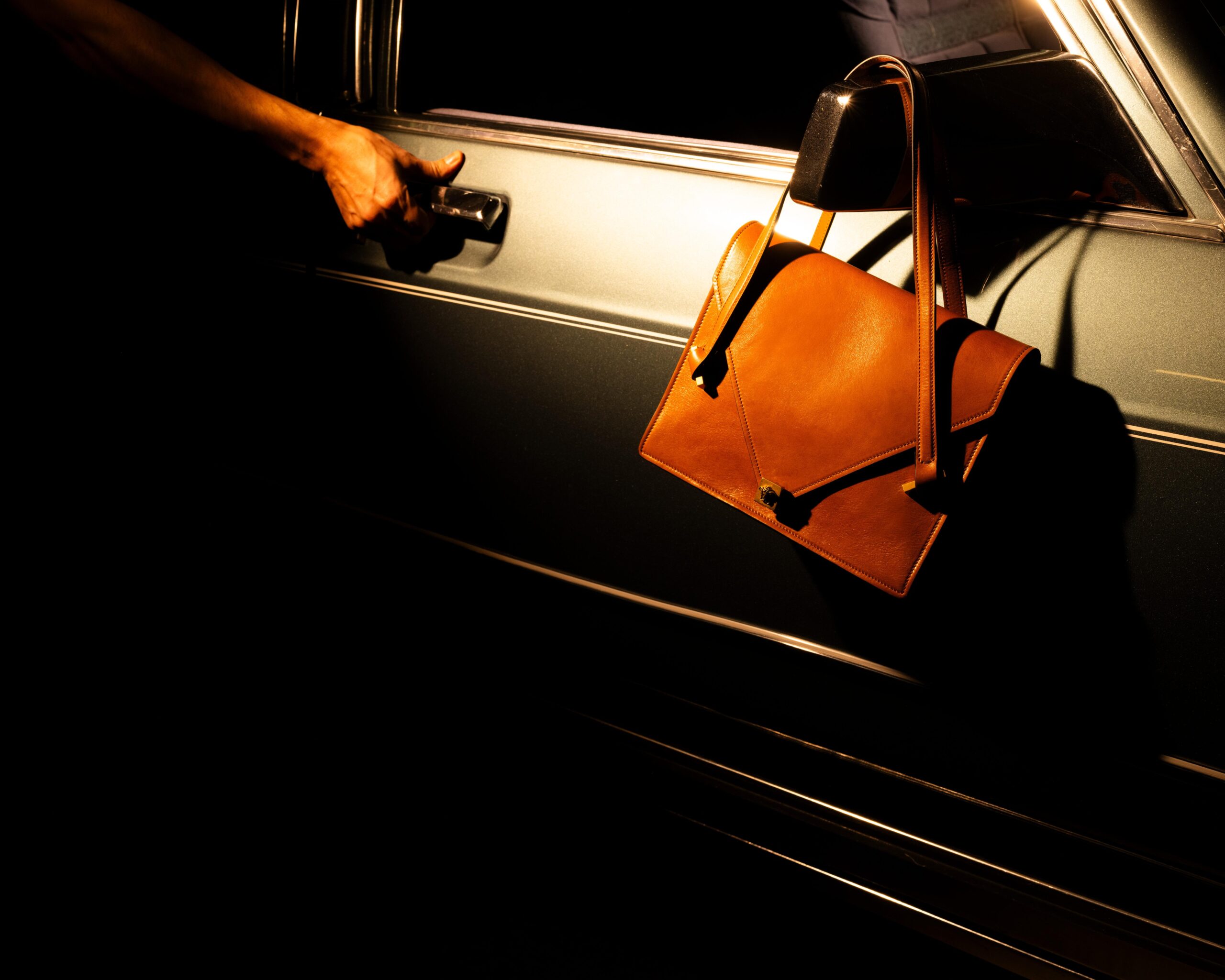
Seeing the other photographers’s work, do you feel your images are at odds or in conversation?
I feel like they all stand alone, but together they act like a magnifying glass on different parts of the collection. Each vision reveals something different. If you only had one perspective, you’d miss something. I studied architecture, and the reason I love it so much is because you have to learn different languages to communicate one central idea. Floor plans, sketches, models all say the same thing differently. That’s what’s happening here as well. It was a very assertive decision by the team, and it’s interesting to see the full project like this.
What was the significance of producing this work in Mexico?
I feel very thankful to Versace, because they trusted me to do the project in Mexico City. There was a lot of pride around it here, and meaning for Mexican people. I worked with local models, one of whom was Mixtec, which is a culture that is 3,000 years old. Everyone involved felt proud to be part of something like this—it didn’t feel like just another production.
Versace is unapologetically itself, and I wanted to be unapologetically myself as well. This showed that projects at scale can happen in Mexico, and that they can happen beautifully when trust, community, and creative freedom are at the center.
More of our favorite stories from CULTURED
10 Collectors Share the Book That Changed How They Think About Art
Nobody Sings About Sex Like Peaches. With Her First New Album in a Decade, She Shows Us Why.
Stylist Jason Bolden Spotlights 3 Young Black Designers You’ll Soon Be Seeing a Lot More Of
Masturbation on the Moors: Emerald Fennell’s ‘Wuthering Heights’ Is a Bodice-Ripper for the Internet Age
The 14 Horniest Places in New York, According to Jordan Firstman, Francesca Scorsese, and More
Sign up for our newsletter here to get these stories direct to your inbox.



 in your life?

