Sundance 2026 arrived in Park City with the faint yet unmistakable sense of an ending. This was the festival’s final year in the mountain town before its move to Boulder, Colorado, and the first without Robert Redford, who founded Sundance and the Institute in 1978 and passed away last September. There was no snow, which only heightened the sense of finality. The air was thick with preemptive nostalgia that wasn’t just about geography of legacy, but about a time when the festival felt like a renegade gathering—scrappy and idealistic, held together by a more belief that independent film could still exist outside the market’s gravity.
The industry has shifted since then, and not gently, with streamers and Hollywood studios smoothing out many of the rough edges that once defined the festival’s identity. Whether that spirit can return in any form is an open question. Still, the week delivered its usual mix of pleasures: sturdy crowd-pleasers, a raft of absurdist comedies, and stirring documentaries that reminded you why people still gather in the cold to watch movies together, year after year.
Here, the best of the best, the biggest of the big, and other superlatives from a week in Park City.
Best Cameo: Kylie Jenner in The Moment
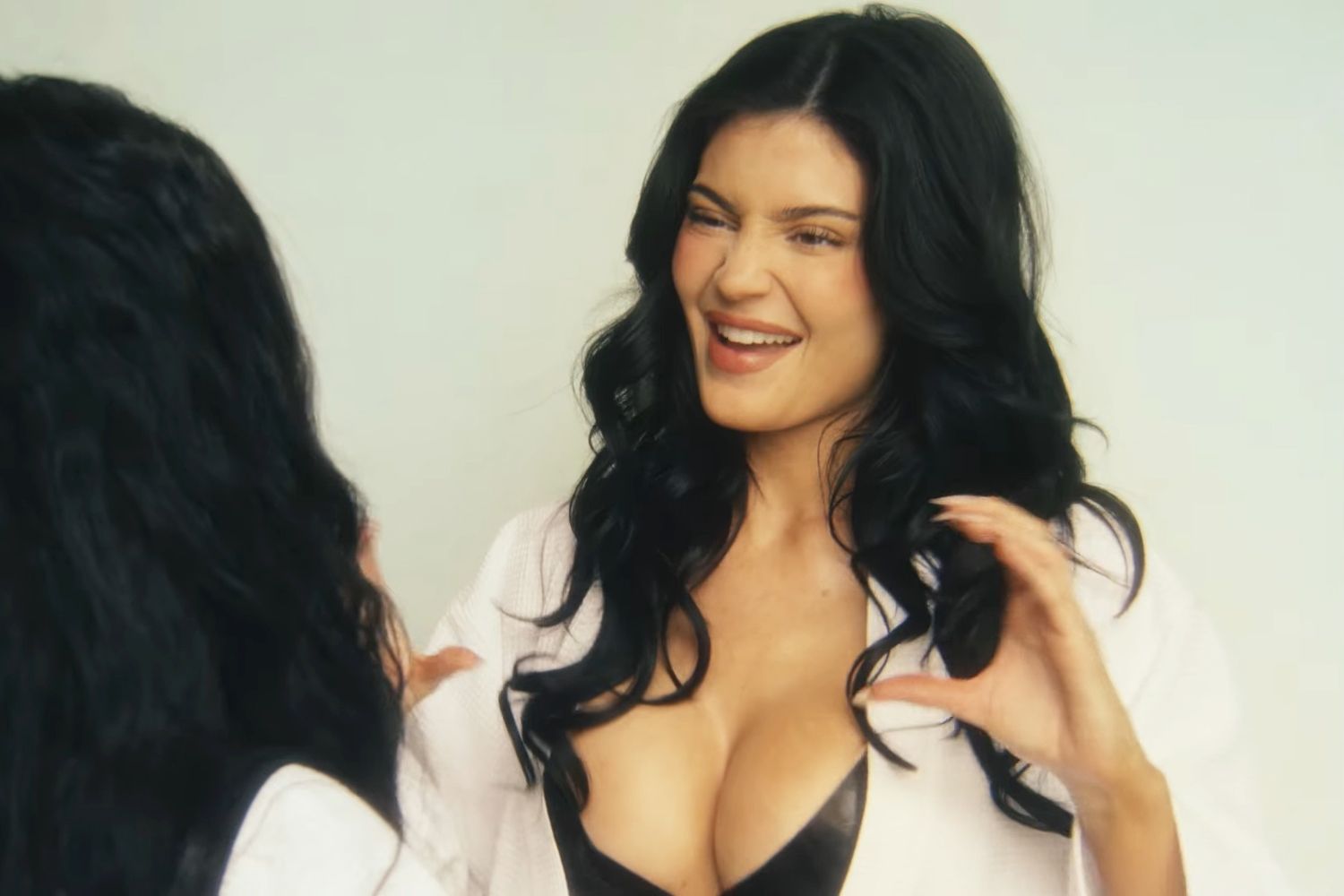
Aidan Zamiri’s mockumentary is about Charli XCX doing everything she can to extend Brat summer—including making a concert film and lending her name to a sludge-green credit card. Some collaborators play fictional characters who are actually just heightened versions of themselves (Hailey Gates, Mel Ottenberg, Kate Berlant). Others, like Kylie, simply show up. Appearing as herself at the Ibiza spa Charli has secretly escaped to mid-concert prep, Jenner is all glow and giggles—fresh-faced, radiant, on her way to see a cult facialist who has just kicked Charli out for “zero-percent elasticity.” As Kylie breezily humblebrags about success and self-care, with a comedic timing that nearly steals the show—perhaps the entire movie—the depleted Charli finally buckles.
Most Misleading Title: The History of Concrete
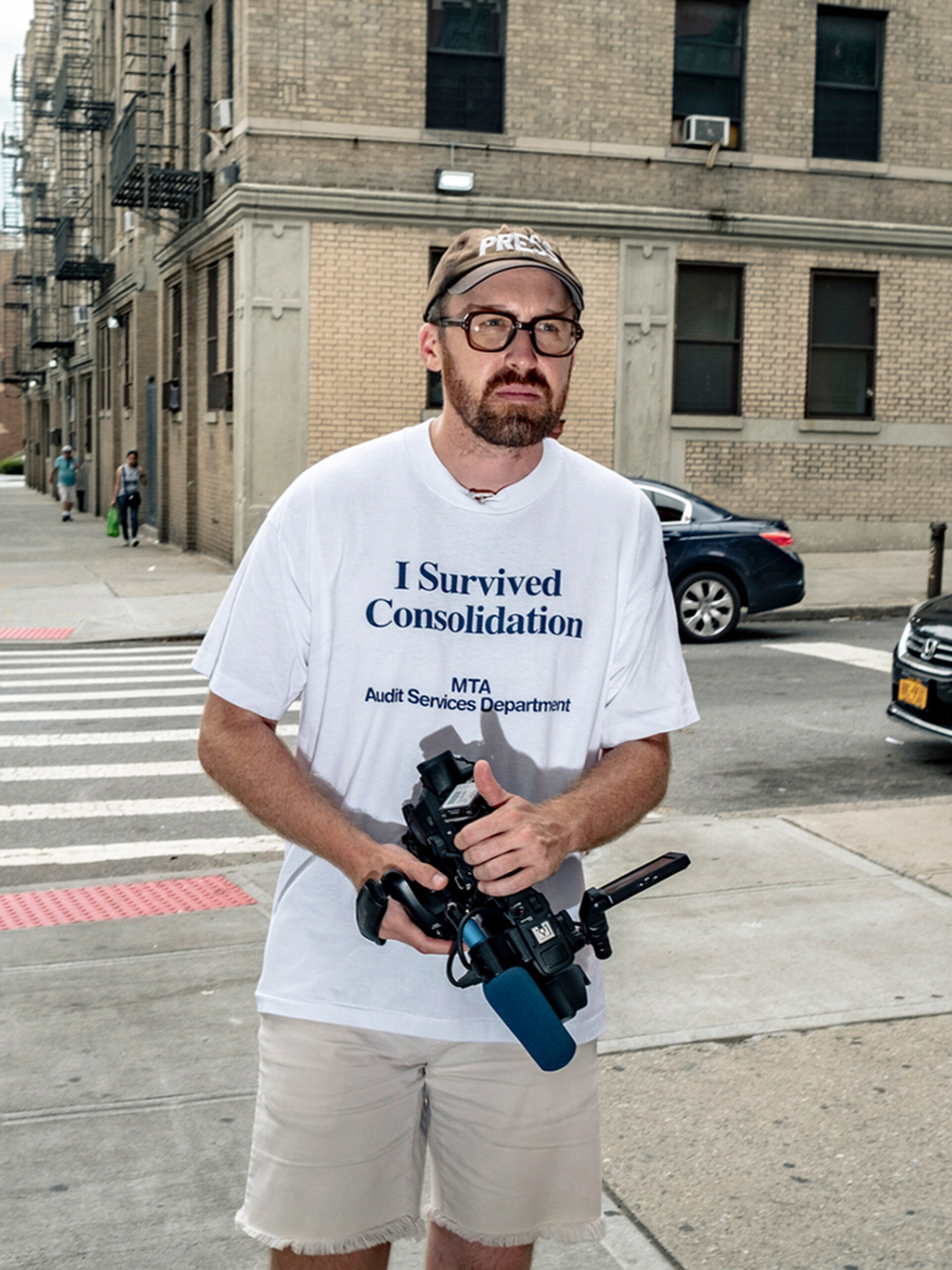
Like everything John Wilson makes, The History of Concrete starts out as one thing and ends up somewhere else entirely. The film opens during the pandemic, with Wilson attending a free WGA workshop on how to make a Hallmark movie—a practical gesture toward stability—before drifting into his life as a landlord dealing with foundation problems. From there, concrete becomes less a subject than a conduit, opening onto questions of New York housing and human permanence. It’s a masterful example of how an obsessive line of inquiry can subtly turn into a meditative and unexpectedly touching portrait of process and the desire to make something solid in a world that’s always shifting.
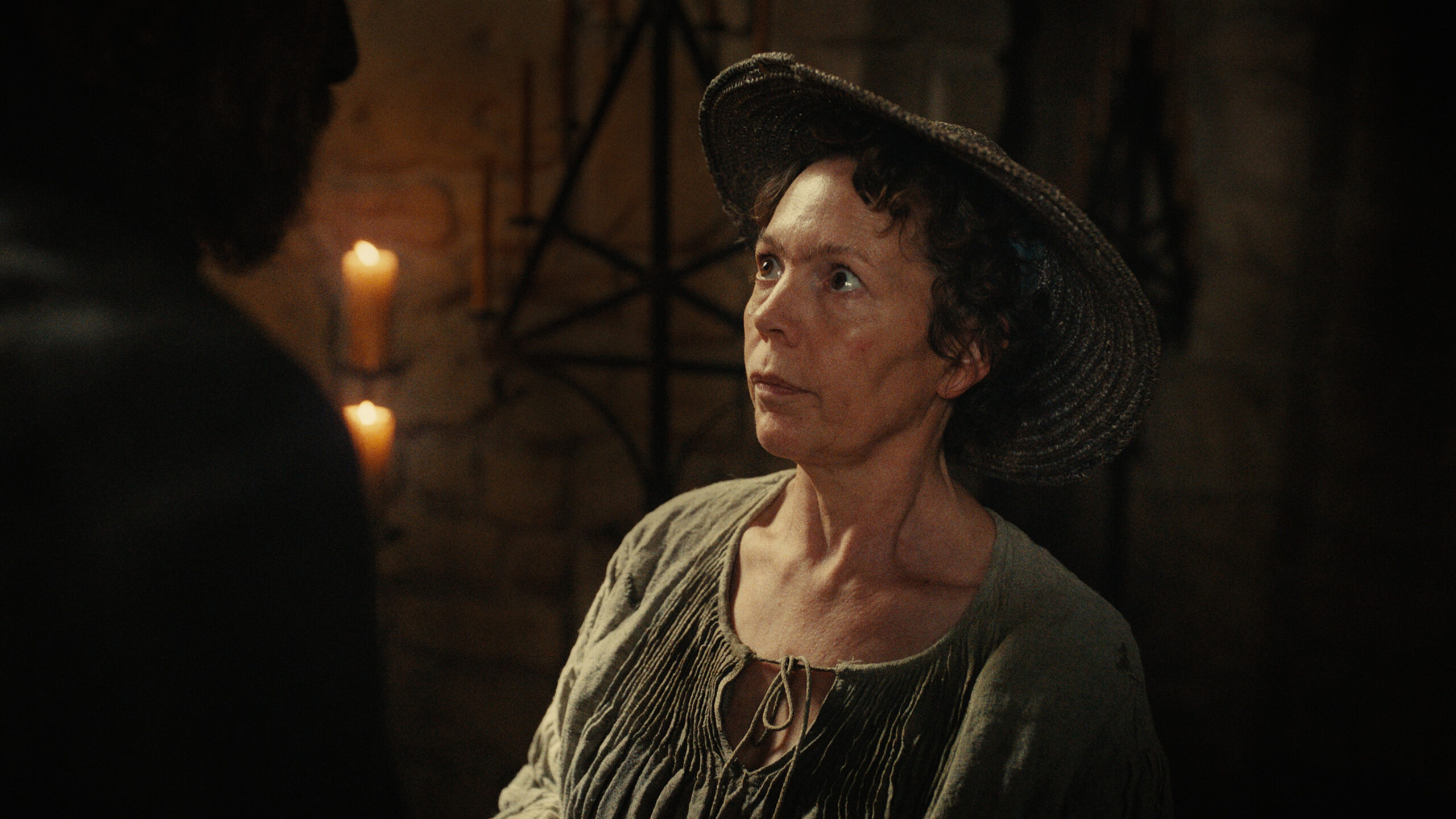
Oddest Couple: Olivia Colman and a Wicker Basket
To be fair, the “basket” is Alexander Skarsgård, and the chemistry is off the charts. Wicker, an absurd, saucy period comedy, was a breakout hit at the festival. A cinematic fable based on a short story by Ursula Wills-Jones, its protagonist is Colman’s Fisherman, who lives in an old-timey village where everyone’s name is their trade. Fisherman requests a husband from the village Basketmaker. The results—his devotion, her pleasure—stir chaos among the dissatisfied husbands and wives.
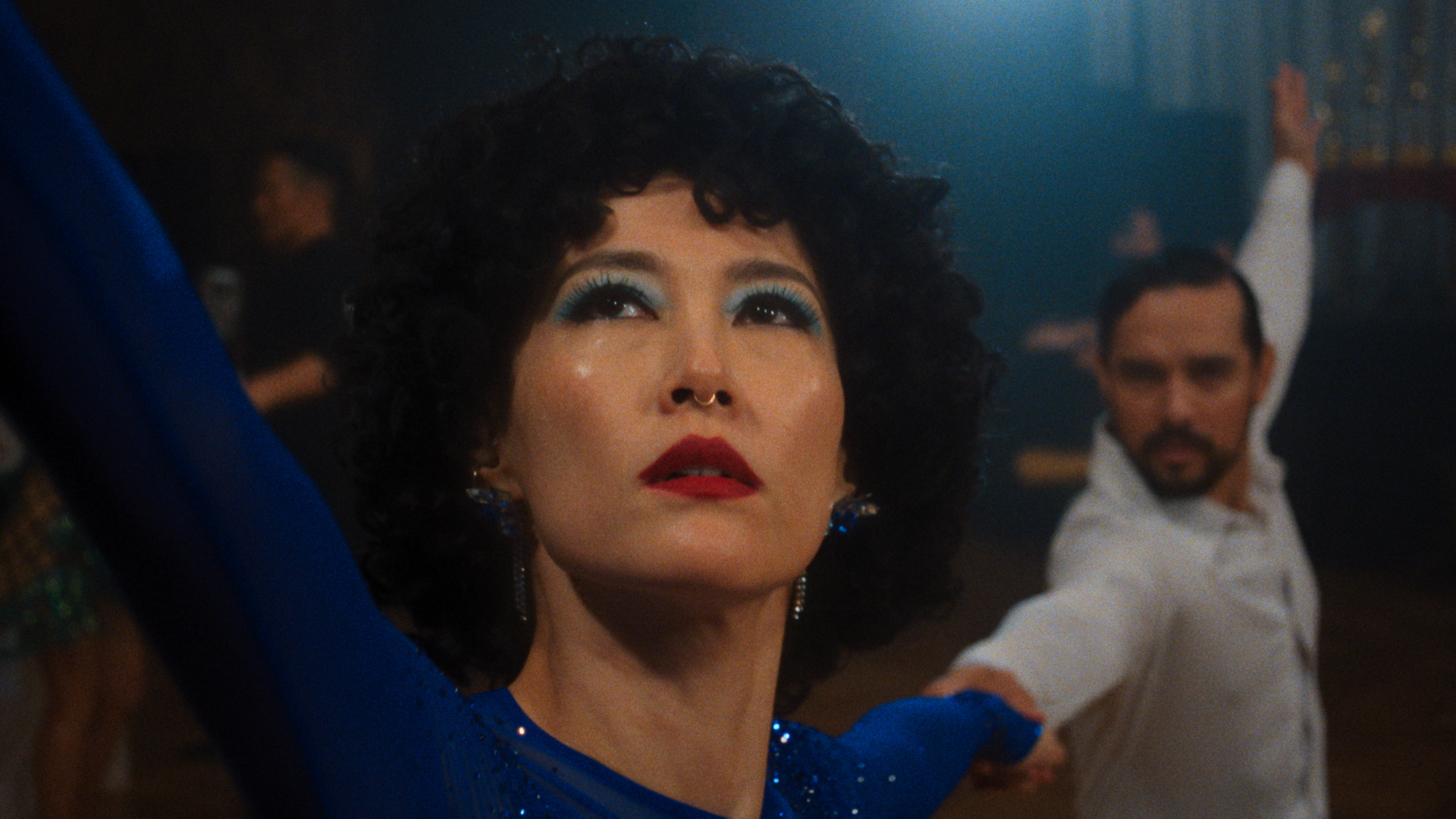
Sexiest film: Ha-chan, Shake Your Booty!
This year’s programming had no shortage of films circling sex (see: Gregg Araki’s I Want Your Sex, the coy provocations of The Invite), but this small, generous film wins outright. Centered on a middle-aged widow—Rinko Kikuchi, sporting a fabulous perm—who experiences a sexual reawakening with her ballroom dance instructor (Cuban actor Alberto Guerra), Ha-chan takes the titular character’s desire seriously, as she moves from the tentative thrill of the dance floor to the vulnerability of the bedroom. It’s refreshingly adult about pleasure, feelings, and the logistics of intimacy. It’s also the rare film to portray a character who is happily, functionally non-monogamous.
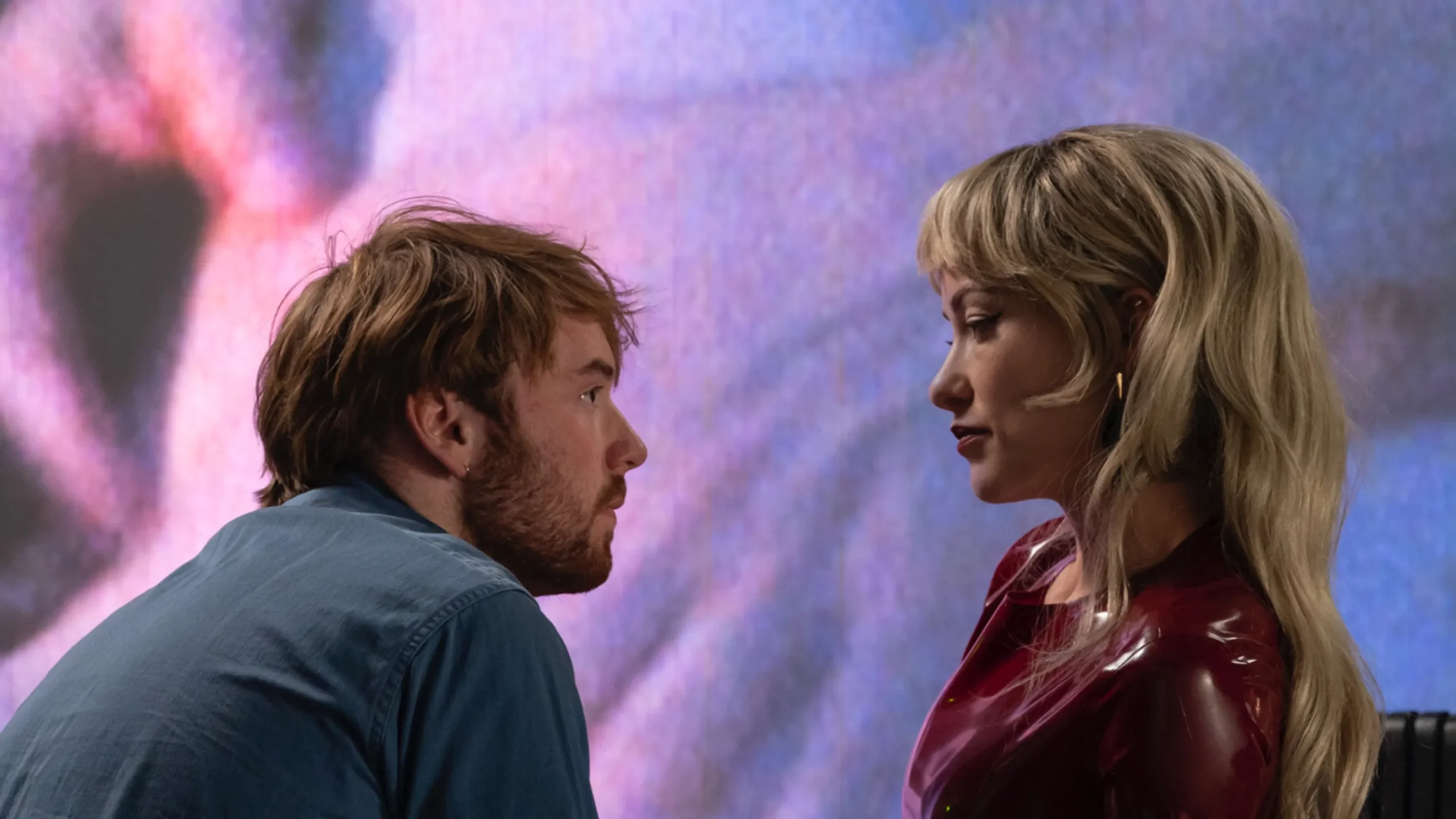
Best Art: I Want Your Sex
New Queer Cinema-pioneer Gregg Araki returns to Park City for the 11th time with this playful, kinky romp starring Cooper Hoffman—an inexperienced, puppyish college grad who enters a dom-sub relationship with his boss, Erika Tracy (a superbly game Olivia Wilde). Erika is a daring visual artist whose professional life dabbles in sexual provocation and whose private one is happily omnivorous. Her latest project involves hordes of interns chewing gum in assorted hues (for long enough to induce TMJ, they joke) before sticking it onto a vulva-shaped outline stretched across a massive canvas. Juvenile and tactile, the spectacle reflects the film’s themes of sexual freedom and degradation, while also winking at the plight of the long-suffering studio assistant.
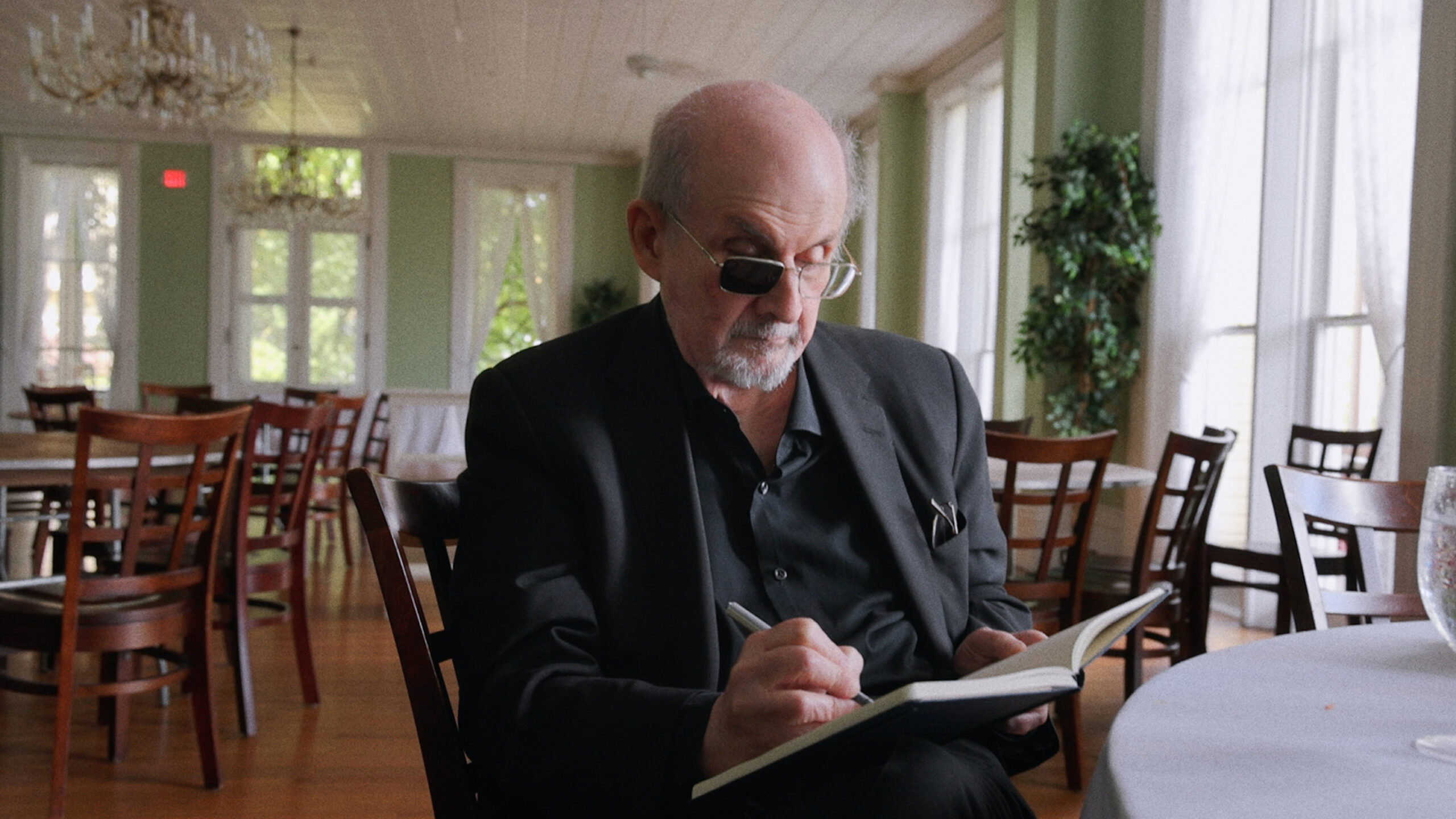
Best Q&A Mic Drop: “For the authoritarian, culture is the enemy.” —Salman Rushdie
After the premiere of Knife: The Attempted Murder of Salman Rushdie, a documentary based on the author’s 2024 memoir, this line landed like a heavy encapsulation of the festival and our times. Alex Gibney’s project revisits the 2002 stabbing of the celebrated author during a public lecture and traces his recovery, situating the attack within a longer history of violence and cultural repression.
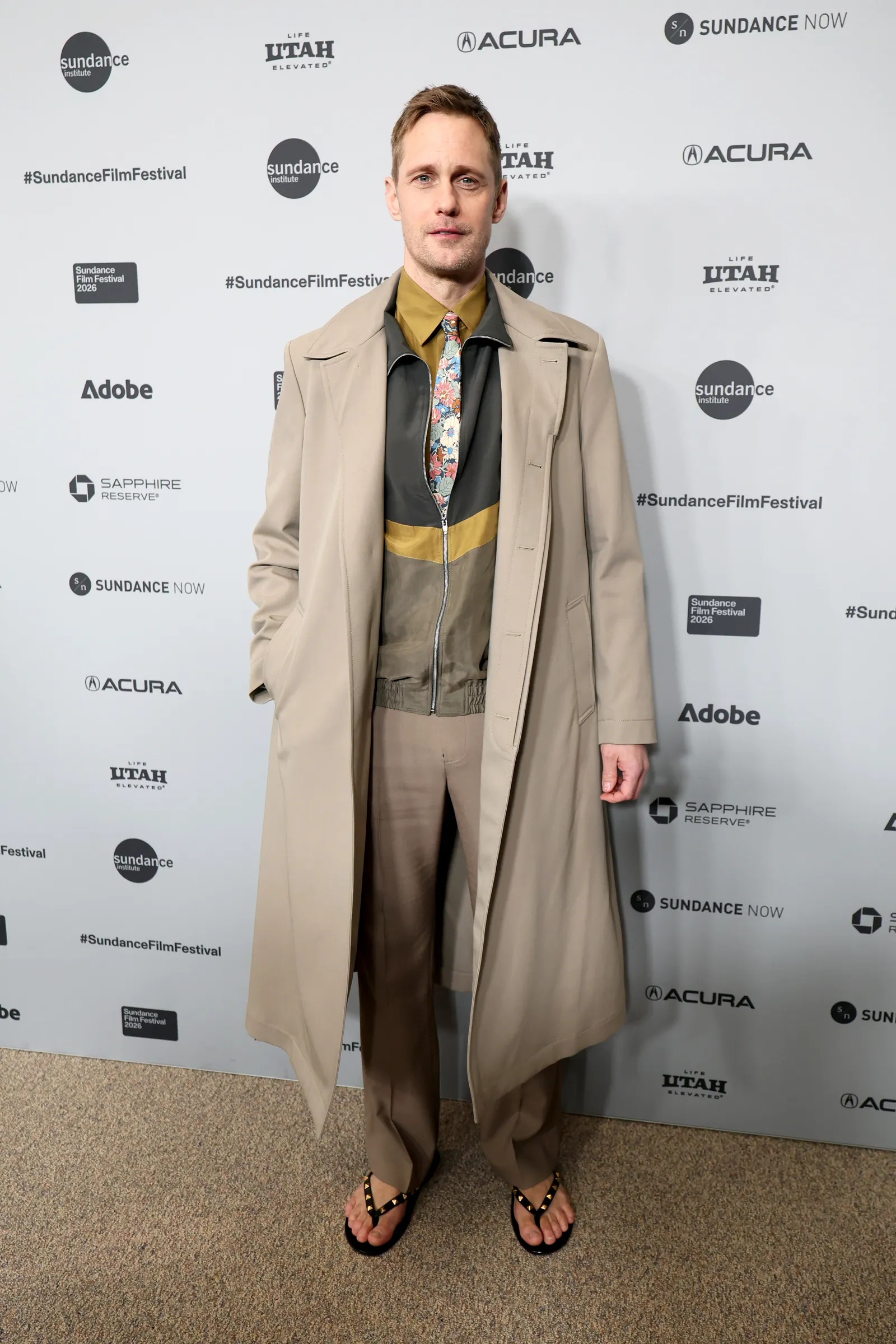
Best Shoes on the Red Carpet: Alexander Skarsgård’s flip flops
Fresh off his Pillion press-tour fashion renaissance, Skarsgård showed up to The Moment premiere in Valentino studded thong sandals, his naked toes defiantly exposed and particularly conspicuous onstage, where the rest of the cast and crew stood bundled in climate-appropriate boots.
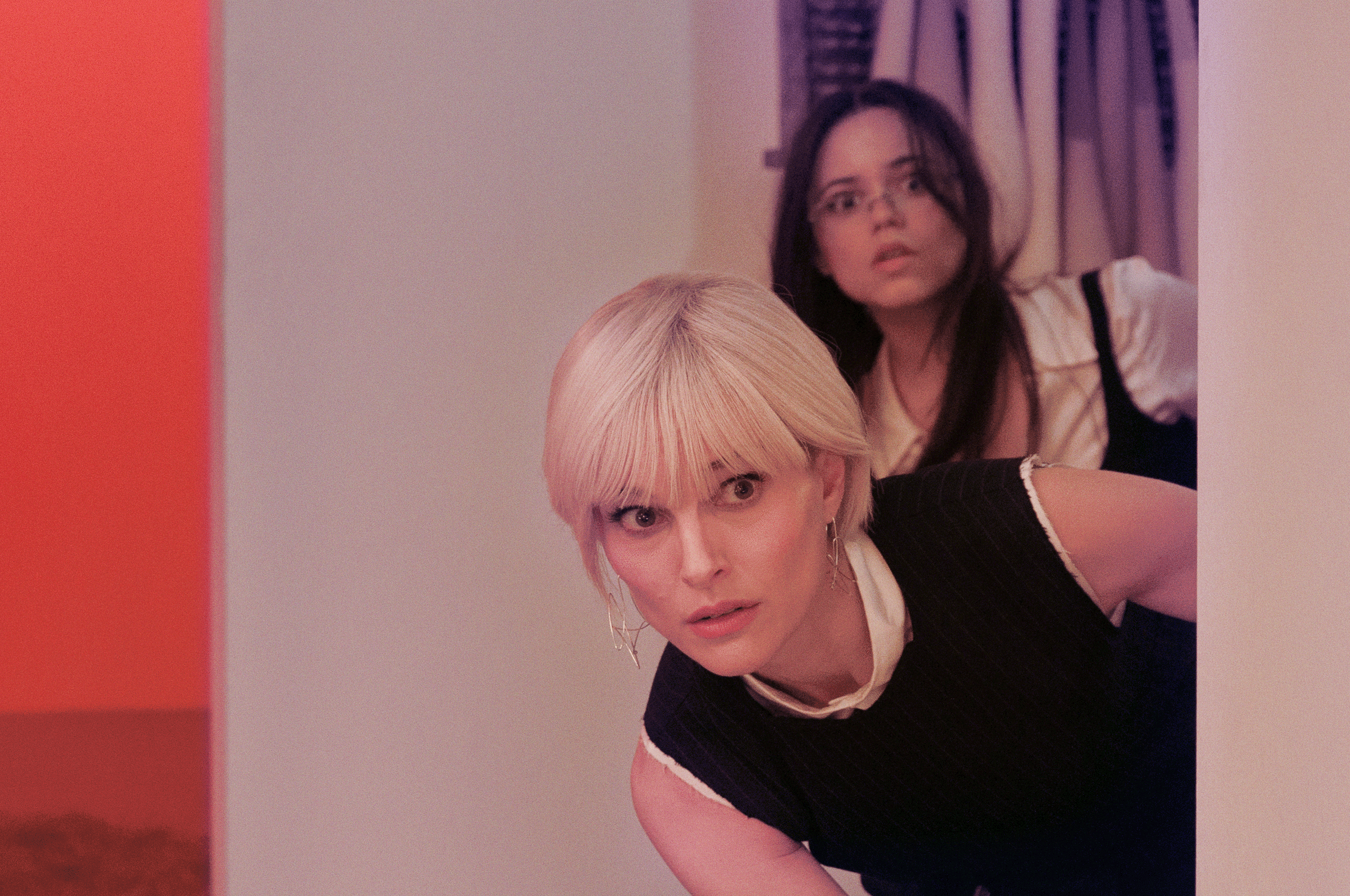
Best Shoes on Screen: The Gallerist
Cathy Yan—who, before Birds of Prey delivered the much sharper Dead Pigs, doesn’t quite stick the landing with this much-anticipated satire set during Art Basel Miami Beach. The film has little new to say about art and commerce, but it does succeed in sartorial matters. Natalie Portman’s new-money gallerist clicks through antiseptic white spaces in pristine white tabi pumps with a rounded heel, each step a pert assertion of taste and authority. By contrast, her assistant, played by Jenna Ortega, clomps around in black oxfords with an aggressively exaggerated sole, which seems to work actively against her, leaving her slightly off-balance in a room designed to look effortless. Bonus points for Ortega’s wire-framed oval gallery-girl glasses.
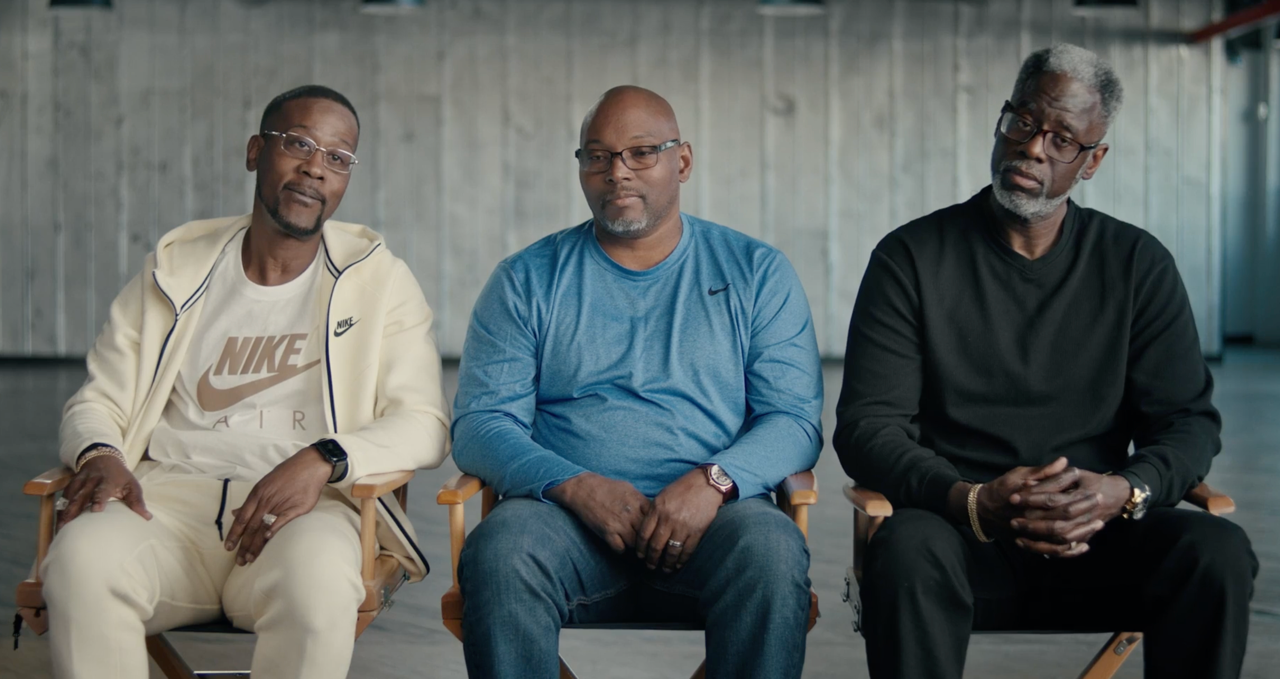
Most Unexpected Tearjerker: When A Witness Recants
Produced by Ta-Nehisi Coates and directed by Dawn Porter, this documentary revisits the wrongful conviction of three Harlem teenagers for the murder of a classmate. The case barely holds together under scrutiny, but Porter resists easy outrage. Instead, she gives her subjects—who served a combined 108 years—space to speak, and just as importantly, to be listened to. The film doesn’t end quite the way you’d expect; I heard audible sobs during the press screening held on the first day of the festival.
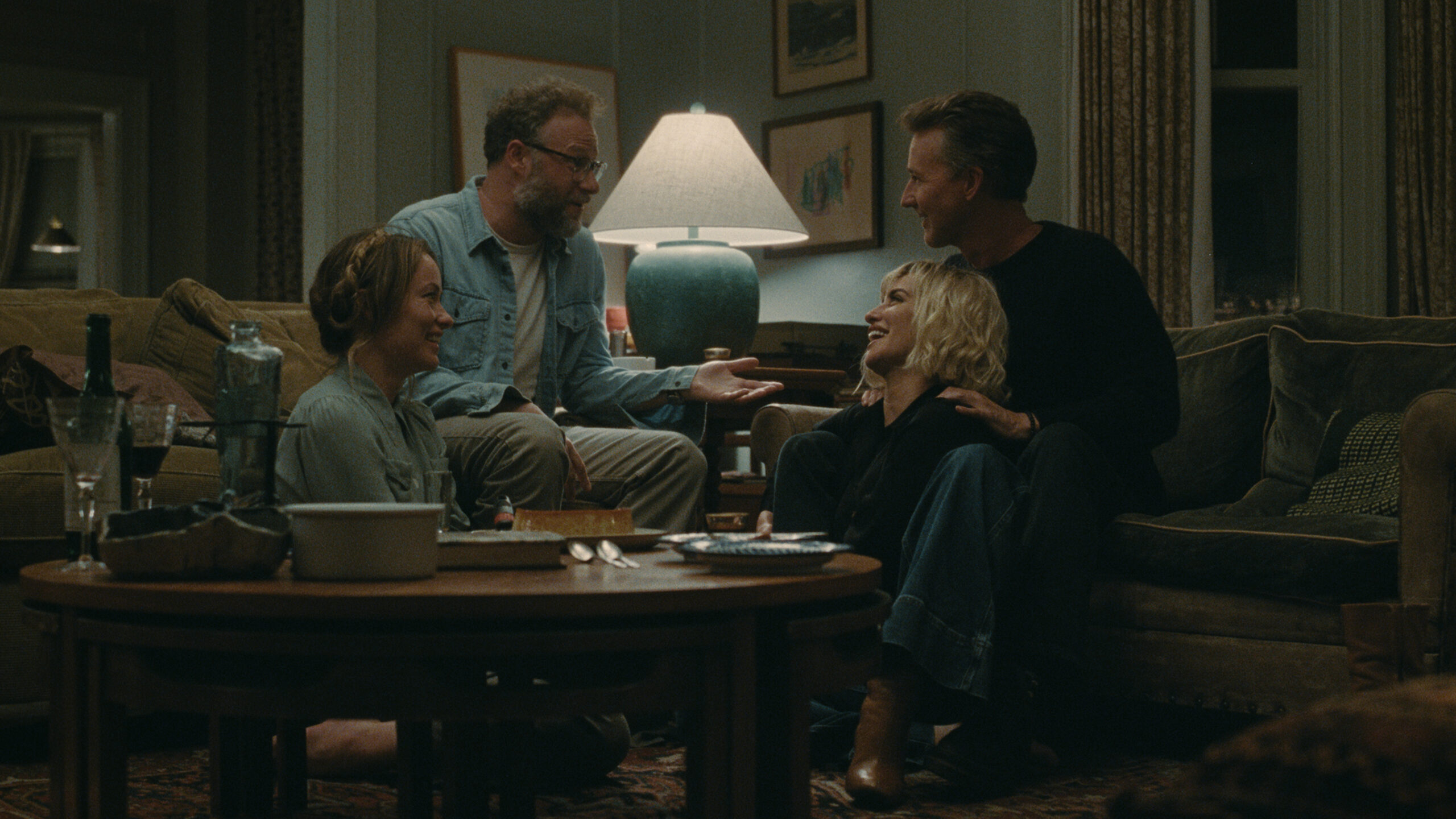
Most Overrated: The Invite
Olivia Wilde’s follow-up to Don’t Worry Darling was snapped up after a feral bidding war by A24 for over $10 million, promising a sleek, intimate snapshot of two couples sitting down for dinner. Comparisons to Edward Albee are inevitable, but those to Husbands and Wives are inflated. While frequently and undeniably hilarious (Seth Rogen’s on a roll since The Studio), much of it is smoke and mirrors. Two of the four main characters feel more like sketches than people, rendering the film little more than an exercise in dialogue.
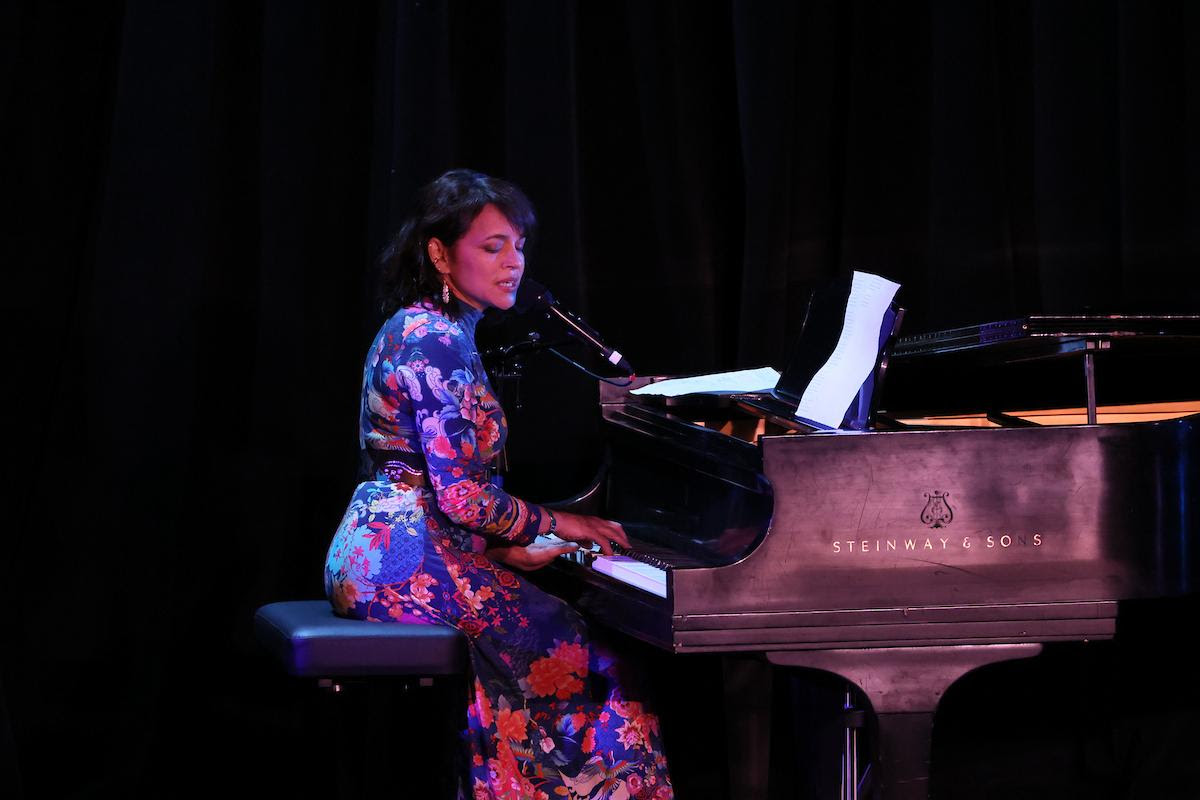
Best Live Performance: Norah Jones
Following the premiere of Broken English, the genre-bending documentary about Marianne Faithfull—who recounts a range of experiences and notable events in her life at the prompting of an archivist (played by George MacKay), Norah Jones took to the piano to sing “The Ballad of Lucy Jordan.” Faithfull’s long life of reinvention and endurance lingered in the air, but Jones’s unvarnished performance distilled it into something intimate and felt.
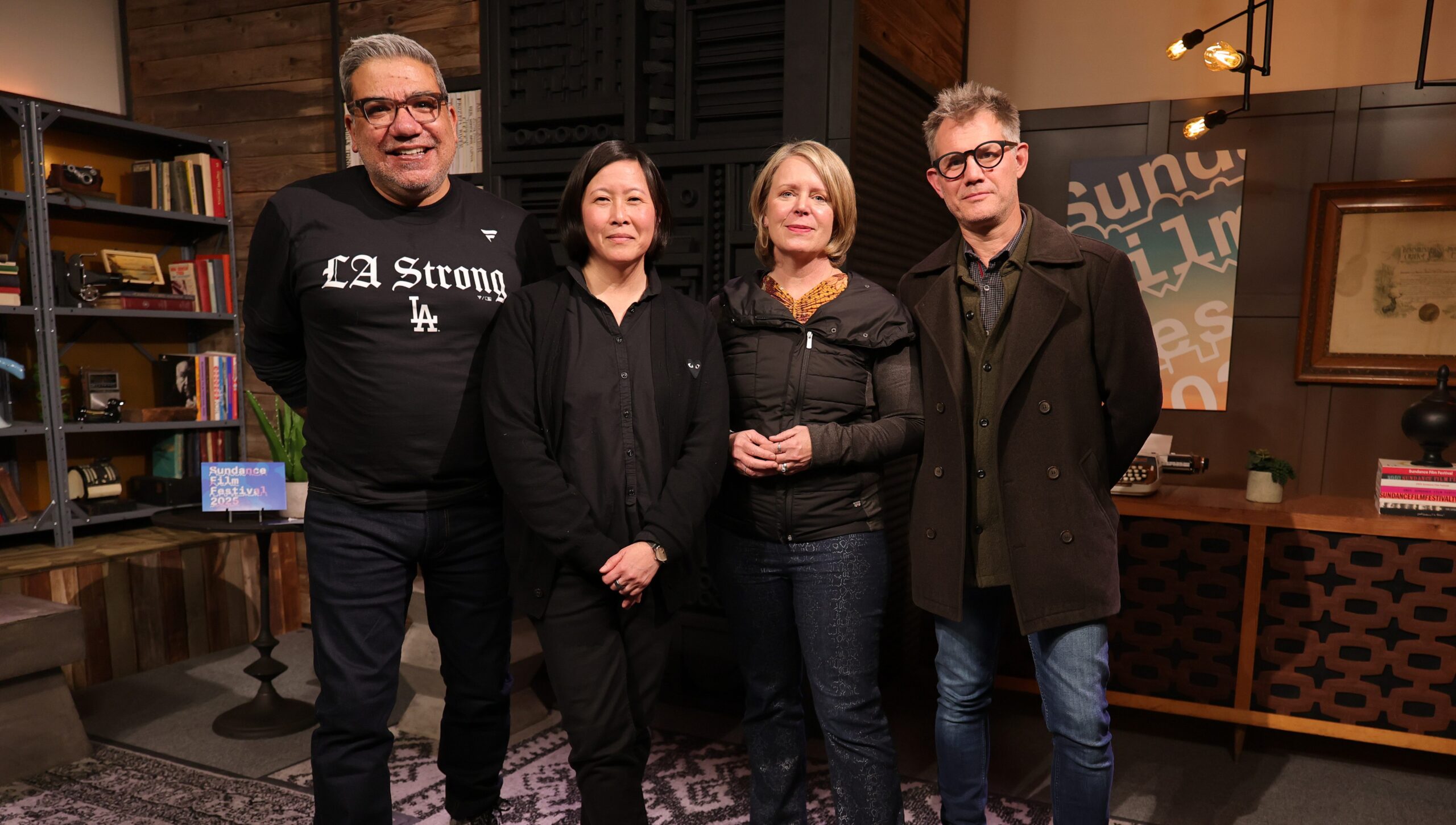
MVP: Kim Yutani, Director of Programming
If you’ve ever sat through a film screening with a Q&A, you know how quickly talking can kill the mood. Kim Yutani—who, beyond having excellent taste, seemed to be everywhere—introduced many of the festival’s most anticipated premieres and moderated conversations with a friendly instinct for when to get out of the way.
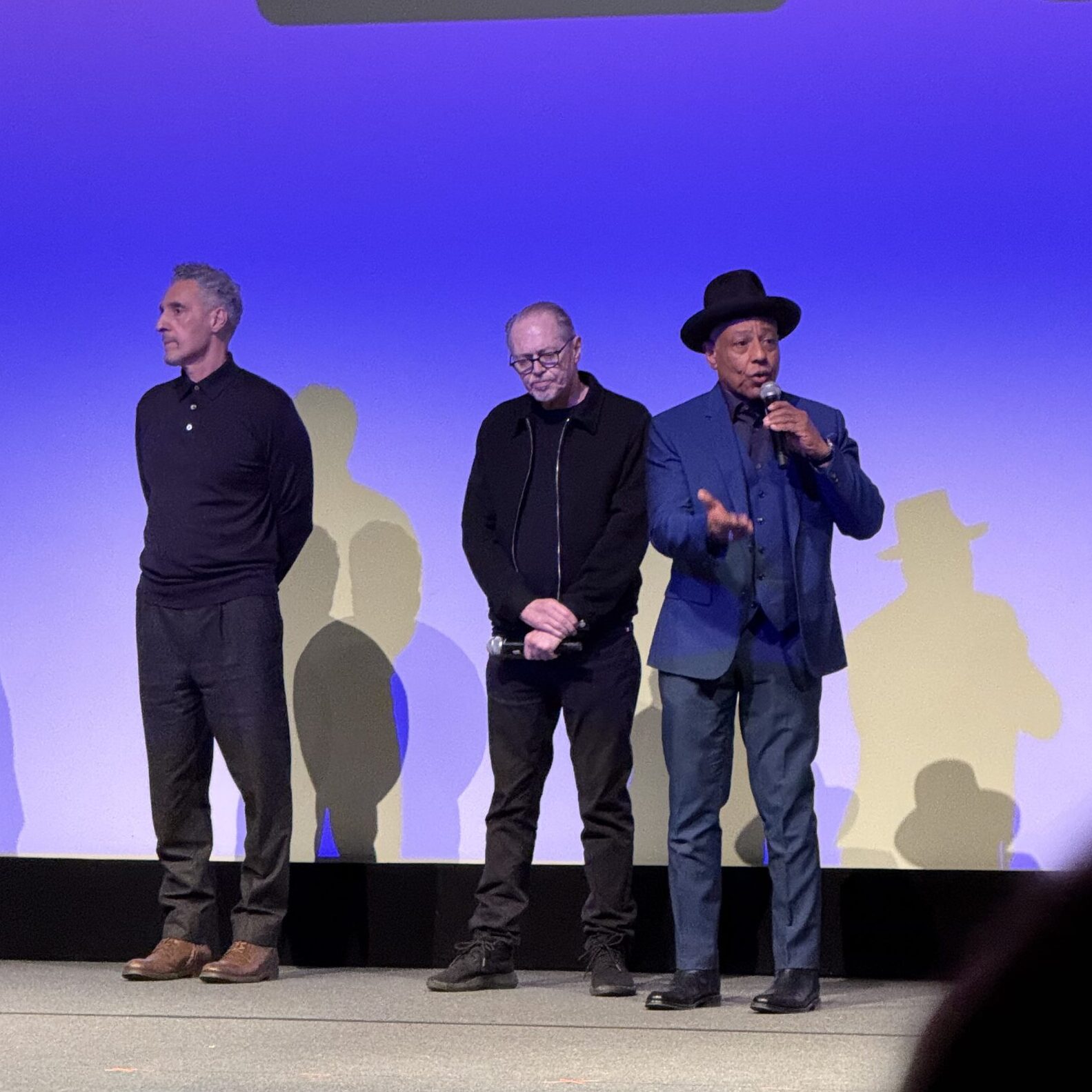
Best Ode to Sundance: Giancarlo Esposito
Following the premiere of The Only Living Pickpocket in New York—a placid, old-school crime picture starring John Turturro and Steve Buscemi—fellow co-star Giancarlo Esposito took the mic. Festival nostalgia is practically mandatory by this point, especially at the final narrative premiere, but Esposito’s remarks cut through the haze. In his mellifluous, sermon-ready voice, he reminded the room why Sundance used to matter, and why it still might: “We didn’t come to sell our film to a big studio. We came to share a small movie with human beings who could see themselves reflected on screen. To me, that’s priceless.”



 in your life?