The Metropolitan Museum of Art is gearing up for a big year. Construction is set to break ground for the new Tang Wing for Modern and Contemporary Art, designed by Mexican architect Frida Escobedo, which will increase the gallery space in the wing by nearly 50 percent; the first comprehensive exhibition in the U.S. of Italian Renaissance painter and architect Raphael will open in March; and the annual Met Gala, tied to the exhibition “Costume Art,” will be co-chaired by none other than Beyoncé.
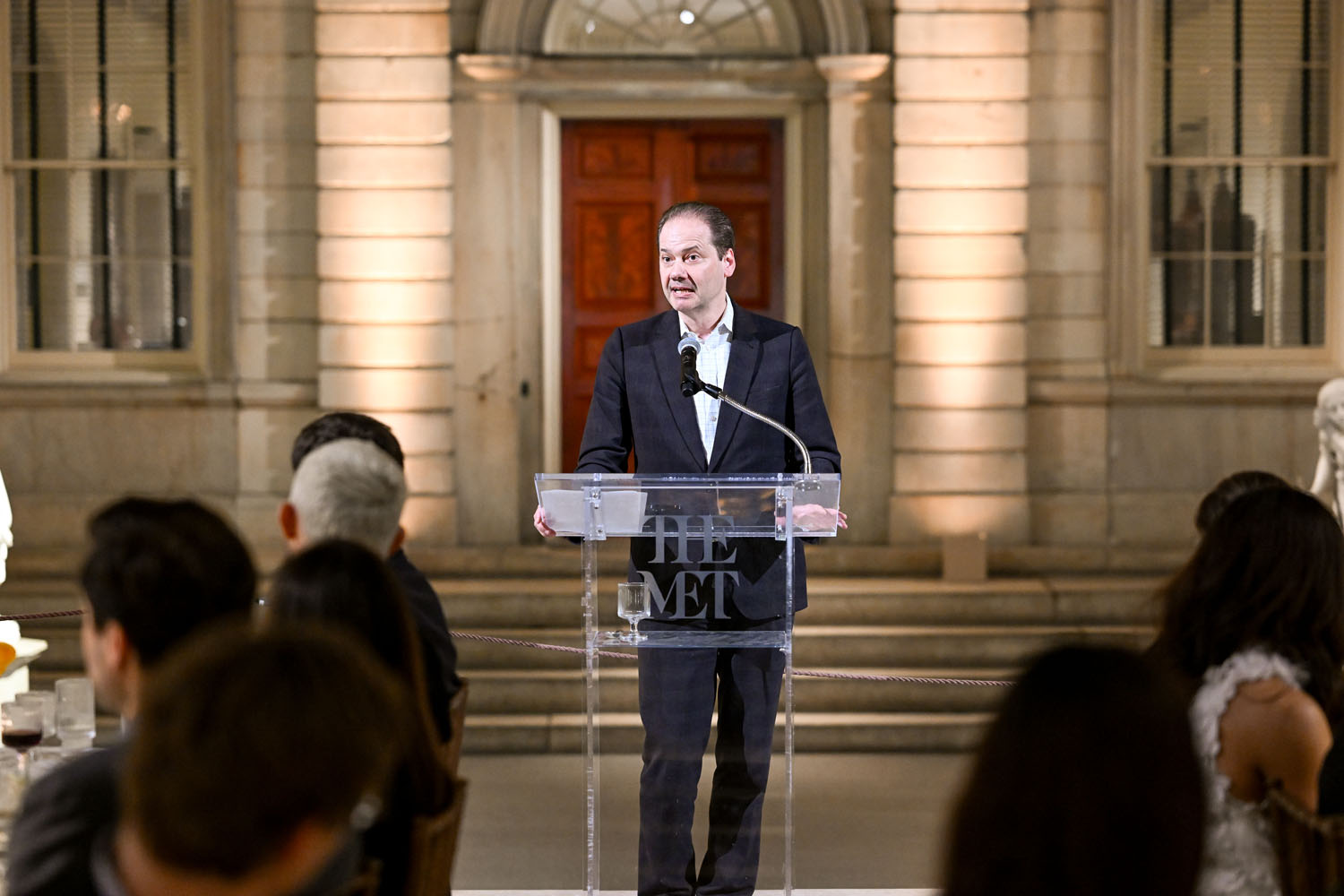
The man overseeing it all, Austrian art historian and longtime museum leader Max Hollein, took the helm as director of the Met in 2018. Since then, he’s added the title of CEO, modernized its existing collection, and increased digital engagement and commissioning opportunities. He’s also become a recognizable face at galleries around the city: On weekends, the unabashed booster of contemporary art can often be spotted checking out pint-size spaces on the Lower East Side.
I’ve gotten to know Hollein through my work as chair of the Vanguard Council, an invite-only group of next-generation patrons between the ages of 25 and 45 that the museum launched last year. Just before the holidays, he was able to squeeze in a conversation with me about what’s ahead for the institution, the 2026 Met façade commission, what a museum’s role should be today, and perhaps most importantly, what to order at the Met cafe.
I was trying to remember the first time we met and how the idea of the Vanguard Council started.
I think it started with the Women & the Critical Eye Forum. You were not only enormously helpful, but also a great partner for Venus Williams in conversation. We met in preparation for that, and there was potential for another level of engagement with the whole group, as the museum was becoming broader-based and more attractive to a new audience.
You’re right. I have a funny anecdote: I thought it would only be 30 people when I gave that talk, so when I walked into a full auditorium on a rainy day, I was surprised. My parents were very upset that I hadn’t told them to come. When Hannah [Howe, Chief Development Officer for Individual Giving at The Met] approached me with the concept [for the Vanguard Council], I remember going to the first meeting and seeing a really impressive group of patrons. There’s a lot of talk about how to engage this next generation, and I know some museum directors are anxious about what that might look like. Do you share that anxiety?
It’s quite the opposite of anxiety. First, it’s interesting to note that the average age of our visitors at the Met is 35. For many New Yorkers, their first museum experience is the Met. The Met is also a beloved institution among artists. It felt not only opportune but also necessary to ensure there is a way for a younger group of great patrons to become closer to the Met. I think that’s something you have been able to foster and grow while injecting new questions, ideas, and camaraderie.
Thinking about the board of directors 30 years ago, it was a certain type of person: a finance titan, predominantly male. How does this generation on the board differ, if at all, from 30 years ago?
The Met has evolved. As a result, our audience has changed. It’s more diversified and broader; the Met has changed in what it represents, and that has to be reflected on the board. That happens in lockstep. The board is certainly much more global these days than it was three decades ago, certainly not New York or Upper East Side-centered per se. But it still is composed of people who come from fairly different vantage points on why they care about this museum.
You have outstanding collectors on the board. You have people who see the museum not so much through the lens of a single collection, but rather as a great civic institution. You also have trustees who care about this museum because of its global role and its status as a major ambassador for New York and, perhaps, for the United States in various ways. The impetus varies, but the commitment is deep for everyone. And I think it’s also an enormously dedicated, powerful, and diversified board.

As we consider expansion and where the museum is moving, I’d love to hear you discuss the Tang Wing. What is the process of developing something like that? How are these spaces changing to better reflect how people engage with the museum today?
The Met has always collected the art of the current time. In that sense, we are quite singular among large-scale encyclopedic museums such as the British Museum, the Louvre, or the Hermitage. Contemporary artists have been part of our journey and trajectory from the very beginning. Some of the first trustees of the Met were artists.
This new wing shows a deep commitment by the Met to make sure that we have not only the proper galleries for the art of the 20th and 21st century, but that we engage with that collection in a singular and special way, that we also present a different, global perspective of how the art of our time can be seen in the context of the past. It’s not only about creating more space, and indeed we are creating 50 percent more gallery space, but also creating a strong, maybe idiosyncratic narrative about that in a city where you have other great institutions that cover the art of our time.
We’ve selected Frida Escobedo, an outstanding Mexican architect. The competition was very different: We invited five architectural teams to work with us in parallel, as if we were already the client and had chosen our architect. This allowed us not only to see the project and work with them for six months on their approach, but also to see the overall work dynamic. Since choosing Frida, she’s won the competition to expand the Centre Pompidou and for the foreign ministry of Qatar. The Met is changing about a quarter of its entire gallery system, updating it, evolving it. That’s a major commitment and a major investment: about $1.4 billion. We are pretty singular on that. Sometimes, when you visit other major museums, you see special exhibitions that are cutting-edge and aligned with the most current scholarship. When you turn the corner and enter the collection galleries, you feel like you’re time traveling because they haven’t been touched in 50-plus years.
It’s a beautiful thing to be able to work at a place like the Met, finding ways to reinvent it without going against what was already built before. One thing I’ve noticed during your tenure is the façade commissions. Choosing what’s on the façade is a bold statement, given that many people walk by the Met without going inside. Why did you want to bring contemporary art to this space, and how do you select the artists who create bespoke works for it?
The Met façade is a landmarked site. The niches on the Met façade have stood empty for 100 years. Originally, sculptures were planned for it, but the museum did not proceed with them, likely for financial reasons. So when I started here, I thought, Okay, that’s an opportunity. Each year, we commission artists to cover the niches on the façade. It’s a charged space, it’s not neutral. You’re in the midst of a neoclassical façade with millions of people walking by. It’s an interesting commission, but not without its challenges. You need to select an artist who can create something powerful, meaningful, evocative, in this architecturally noisy place.
The first selection we made was Wangechi Mutu. From there, we’ve selected a range of artists, including Carol Bove and Nairy Baghramian. It’s something I feel strongly about, as it shows how the Met can be bold and even playful in our engagement with contemporary art. We decide on the artists jointly. David Breslin, our head of modern and contemporary art, and some other curators often bounce back and forth on names, decide on an interesting artist to engage with, and then explore feasibility.
A lot of your work involves diplomacy, both domestic and international. How are you maintaining the museum’s commitment to diversity and inclusion amid the current geopolitical climate of rising nationalism and extremism?
We are a very specific institution. We are a museum of the world, and for the world. We are not a national gallery, and we are probably not defined by [national identity] to the same extent as the Louvre, where you have a very strong, I would say, French identity. We’re located in New York, a place where cultures converge. This museum brings the cultures of the world together and respects and reflects them. In our time, as you rightly say, of rising nationalism across the world, we are at the opposite end. We are showing a world connected by shared yet distinct cultural histories that, over centuries, evolved from a single human cultural heritage. To be this home away from home for so many speaks to being a truly global, non-national institution.
There’s a major responsibility there to think of everyone. And sometimes when you’re in New York, it can feel like it’s just for New York. But I agree with you. That’s one of the reasons I love being part of the Met: It feels like a world gallery. Now, I have a few rapid-fire questions for you that I’m sure readers will want to know. What is your favorite room in the Met, and what is your least favorite?
My favorite room is the stairs going up to the Met. I think they represent, on one hand, exactly what we were just talking about: a multicultural environment, excitement, a see-and-be-seen culture, and very accessible, open cultural institutions. That’s my first favorite spot at the Met. My least favorite right now is probably the exterior façade of the current wing, which we plan to replace with the Tang Wing. We will change that for the better.
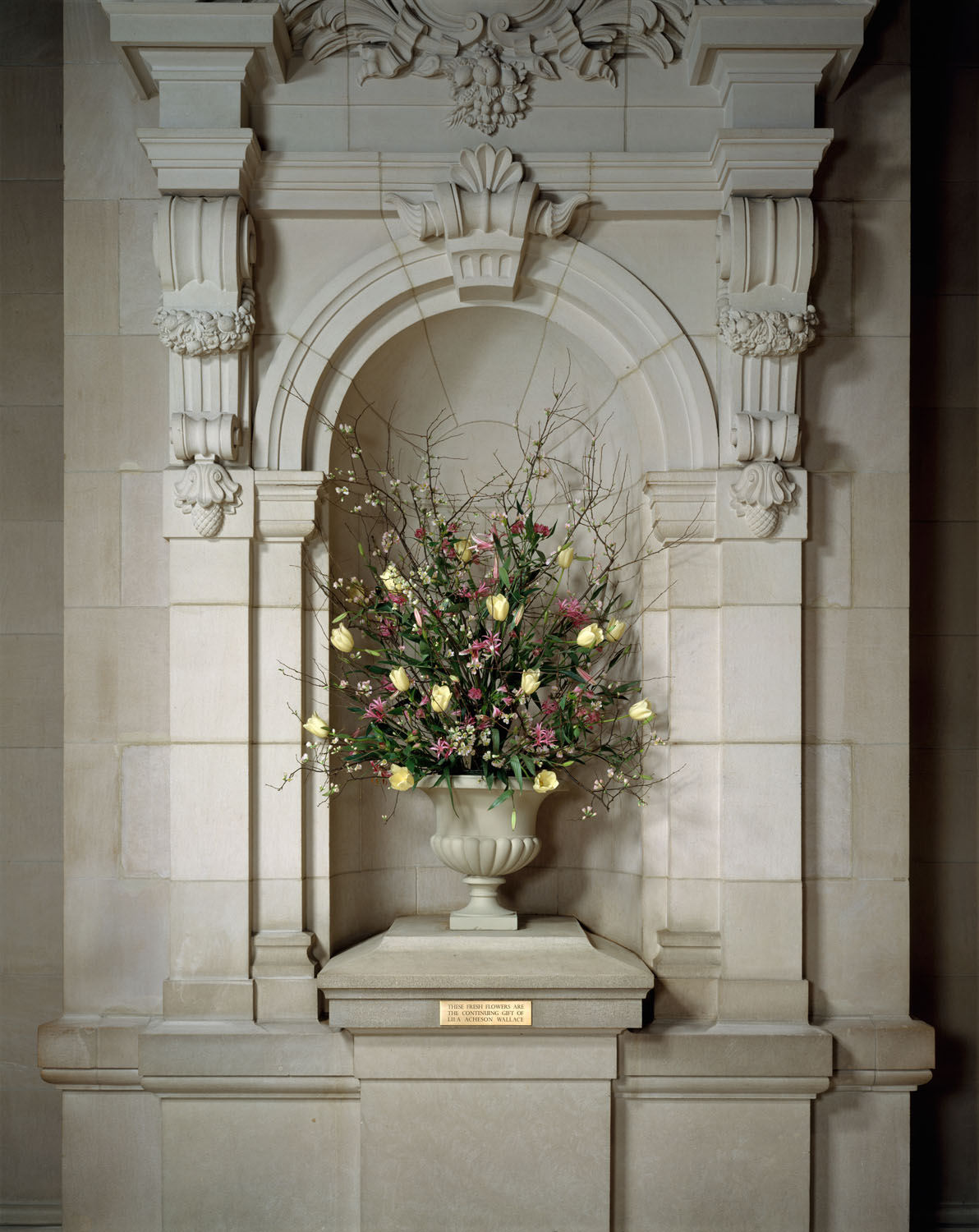
I have one little fun fact for the readers. The flowers at the Met actually have their own endowment, which I think a lot of people don’t know.
Thanks to Lila Acheson Wallace, the co-founder of Reader’s Digest. It’s a wonderful endowment. The Met will, in perpetuity, have the most beautiful flower decorations of any museum.
What is your order at the Met Café?
Currently, the chicken sandwich, but of course, since I eat often here, I need to alternate. And honestly, we also have a separate staff cafeteria that’s not accessible to the public, where I also eat often. That’s another venue for me to connect with so many people.
What’s the most underrated gallery in the museum?
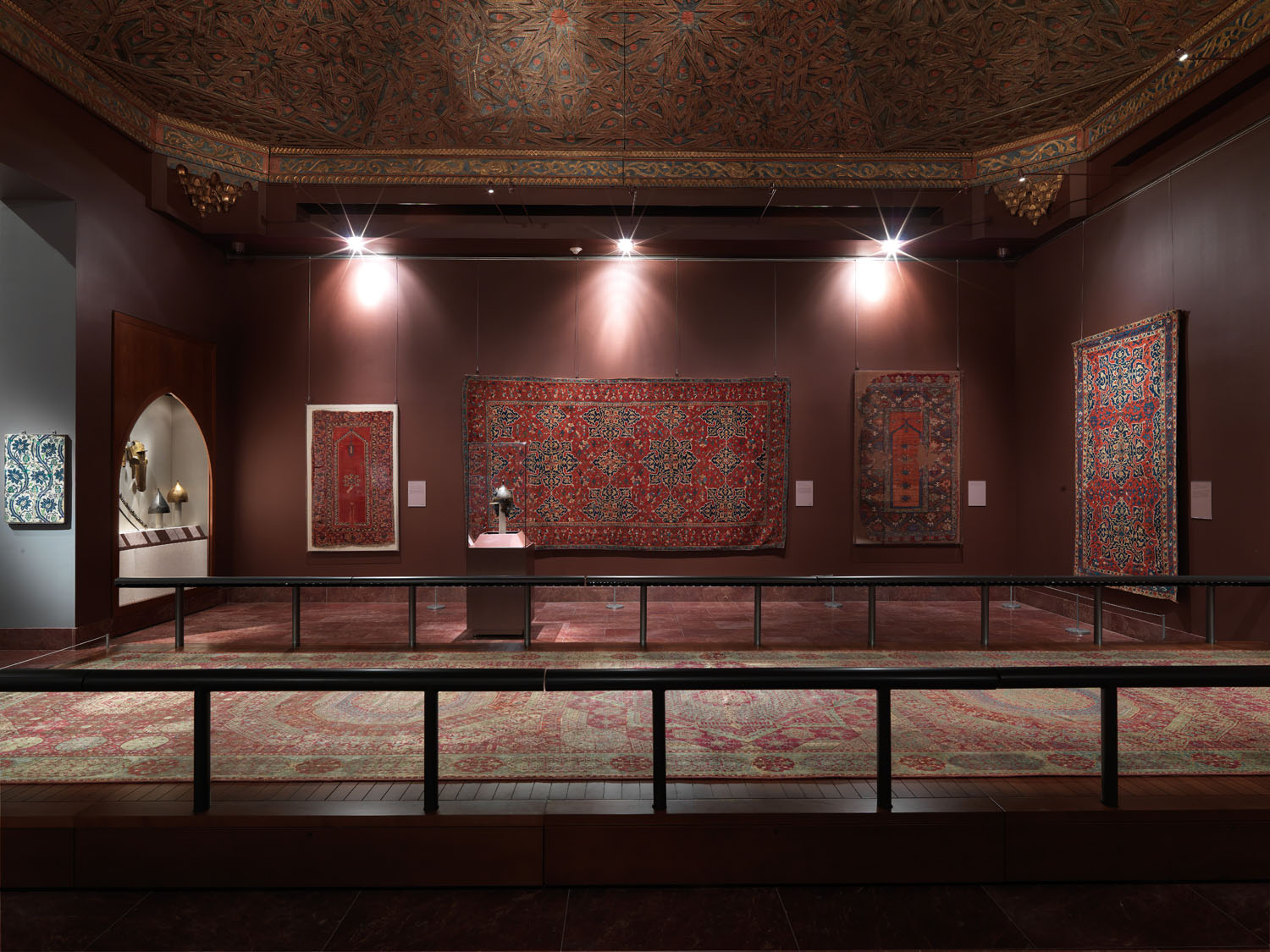
“Underrated” is a difficult word, and I wouldn’t use it, but there are certain galleries that are a little tucked away. I always recommend the Islamic Art galleries, which are beautiful, as well as the [Robert] Lehman Wing, which is a fantastic way to not only see one of the masterpieces of European art history, but to also understand how an American collector lived in the early 20th century or mid-20th century with a collection. These are two very special areas, and they are not overcrowded.
What are your three biggest hacks for avoiding crowds?
If there are queues in front of the building, you need to go through the parking garage entrance. There’s never a queue, and you can easily get in. Our evening opening hours on Friday and Saturday are a wonderful way not only to experience the museum, but experience it together. And we always have some outstanding programs there. Finally, a great recommendation is digital. We have, with our timeline of art history, probably the biggest and deepest art history research tool and narrative that you can access. It’s written by Met curators and other scholars and covers the entire spectrum of art history and chronology. It’s a wonderful tool.
If you could steal one work from the museum and live with it—you’d return it every morning, don’t worry—what would it be?
Well, I am not allowed to steal anything. If I can borrow it for the night, I would borrow, without removing it, the Temple of Dendur. I would sleep inside it.


 in your life?