
2026 promises to be quite the year for discovery in the art world, with biennials, triennials, and quadrennials opening everywhere from Diriyah to Pittsburgh, not to mention the grande dame of them all, the 61st Venice Biennale, unveiling in May, almost exactly a year after the death of this edition’s commissioner, Cameroonian curator Koyo Kouoh, at the age of 57. Art Basel and Frieze will welcome new fairs to their growing stables, in Qatar and Abu Dhabi respectively. In Los Angeles and New York, two museum staples—LACMA and the New Museum—will unveil much anticipated expansions. In the midst of this novelty whirlwind, you are sure to be introduced, or reintroduced, to hundreds of artists. We gathered a dozen industry insiders to see which artists they are most excited about (or for!) among them.
Diya Vij, Vice President of Curatorial and Arts Programmes at Powerhouse Arts
“I met Guadalupe Maravilla at the Creative Capital Retreat in 2019 and was instantly enamored by his singular practice that blends autobiography, performance, material exploration, networks of expert artisans and practitioners and neighbors, and a relentless focus on the right to heal our bodies from the ongoing traumas inflicted by the state. Through vibrational sound rituals mainly performed for new immigrants and the cancer community—reverberations originating from handmade gongs meant to recalibrate at the cellular level—his work addresses head-on the entanglement between migration and illness.
As I’ve gotten to know Guadalupe over the past several years, I’ve been most struck by his approach to scale: The way one work morphs into the next, goes mobile, grows bigger alongside an ever growing community of healers that he assembles and a wide network of mutual aid, clothing and food distribution. Guadalupe builds scale to match need. To be ready to care for those harmed by the cruelty of the worst of our political imagination. It’s hard not to see this as his calling. In this time when we’re watching the deportation apparatus grow exponentially to an unprecedented scale, as our loved ones and neighbors are villainized and disappeared, Guadalupe’s work is a salve. He’s slated for some big and necessary moments in New York and beyond next year, and I will certainly be there.”

Allan Schwartzman, Founder of Schwartzman& Art Advisory
“An artist I am particularly focusing on is Yoko Ono. Yoko has done as much to redefine what art is and how it functions as Marcel Duchamp and Andy Warhol but is not yet fully recognized for her importance. This could be in part due to sexism and racism and also, to her disinterest in the systems that tend to measure ‘success.’ Her work is ever reinterpreted for our times and that versatility is part of its strength and illusiveness. Not a kid, but forever young.”
Hans Ulrich Obrist, Artistic Director of Serpentine Galleries
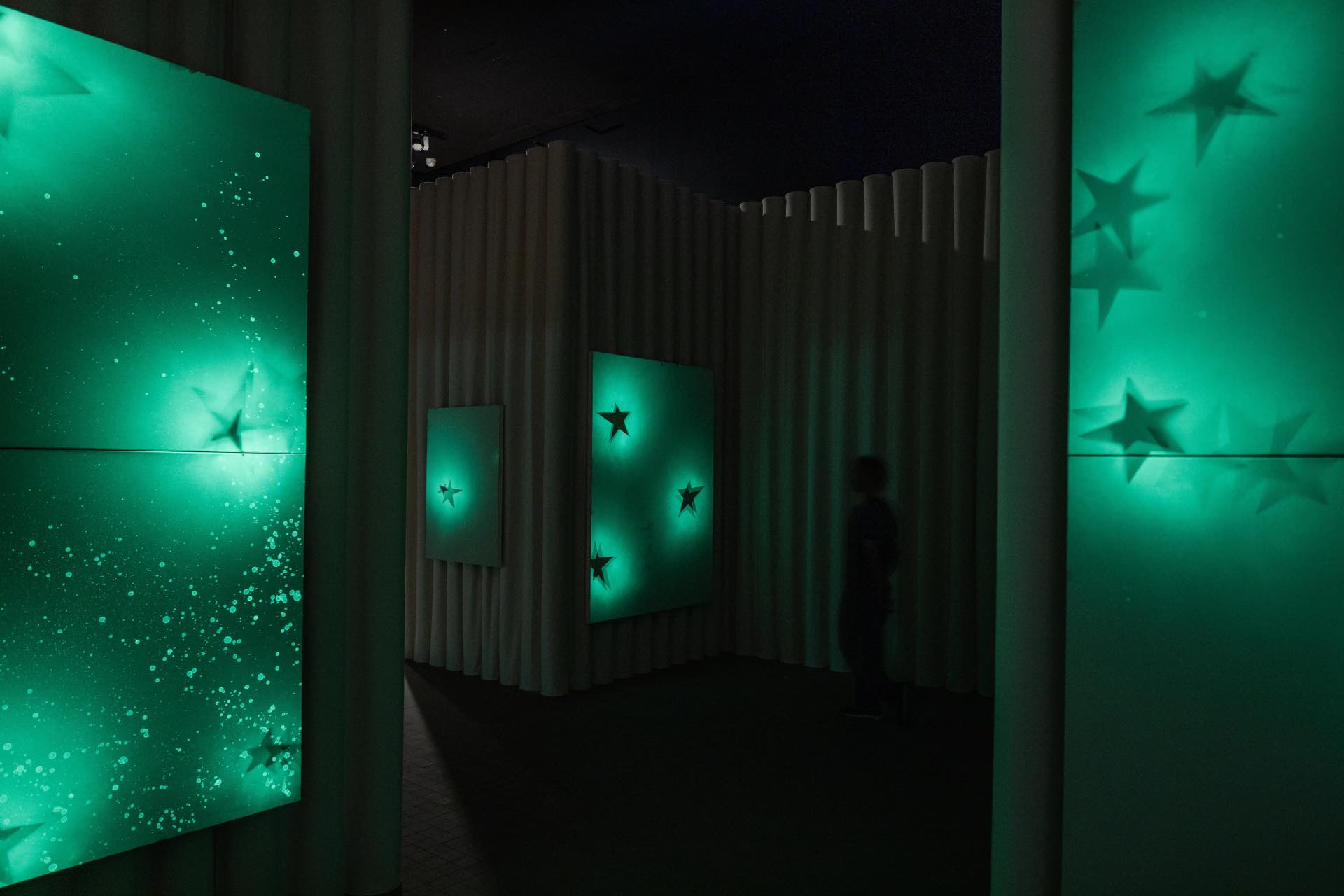
“I am excited about my partner Koo Jeong A‘s exhibitions in 2026. After the exhibition “LAND OF OUSSS [KANGSE]” at Luma Arles, Koo is working on several museum shows for 2026 in Austria, Germany, South Korea, and the U.S. These shows will reveal the many dimensions of Koo’s multisensory practice bringing together paintings, sculptures, drawings, films, sounds, animation, scents, and architectural environments. The first show opens Jan. 31 at the Kunsthaus Bregenz.”
Victoria M. Rogers, Co-Founder of the Black Trustee Alliance
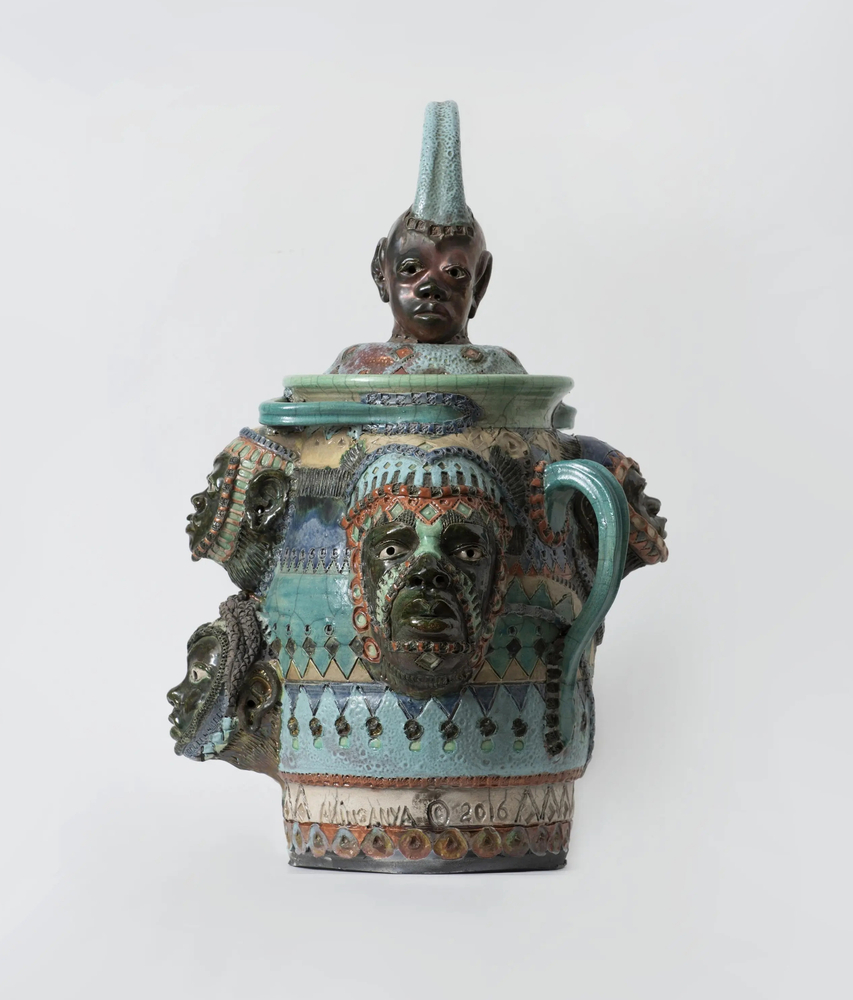
“I learned about Akinsanya Kambon’s work because of his upcoming show at SculptureCenter and CARA [in May]. His work is as powerful as the story of his lived experience. Kambon makes ceramic sculptures depicting historical and political imagery. Having been at one point a combat illustrator in the Marine Corps in Vietnam and a member of the Black Panther Party once he returned home, he draws on Black history, particularly themes of historical struggle, violence, and resilience. Kambon believes deeply in the connection between art and collective memory. He’s spoken about his art as a way to tell stories that have been silenced or censored throughout history. His approach is resonant in our current moment.”
Aaron Cezar, Founding Director of the Delfina Foundation
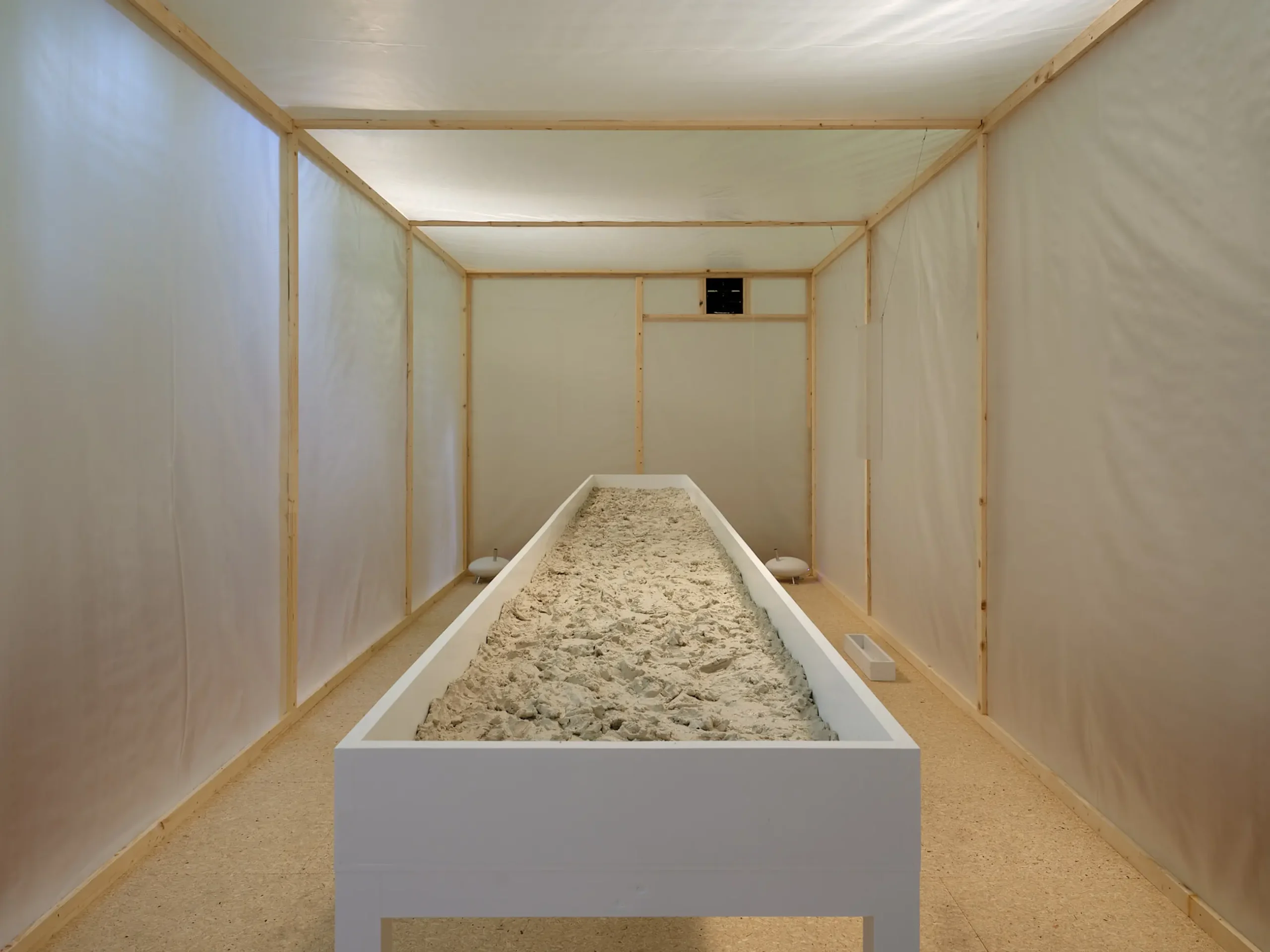
“One would think that 2025 was Gala Porras-Kim’s year. After numerous exhibitions at Kunsthalle Bern, Kukje Gallery, MOCA Los Angeles, Sprüth Magers London, the Carnegie Museum of Art, and other venues, she ended the year being honoured with a MacArthur Fellowship, also known as the Genius Grant. The best is yet to come: Gala goes into 2026 with one of many biennale presentations this year, starting with the current Singapore Biennale to the forthcoming Diriyah Biennale in Riyadh. Her work is relevant to current discourses about the future of museums, the objects they hold, and whose or what stories they ultimately tell.”
Candice Hopkins, Executive Director and Chief Curator of Forge Project
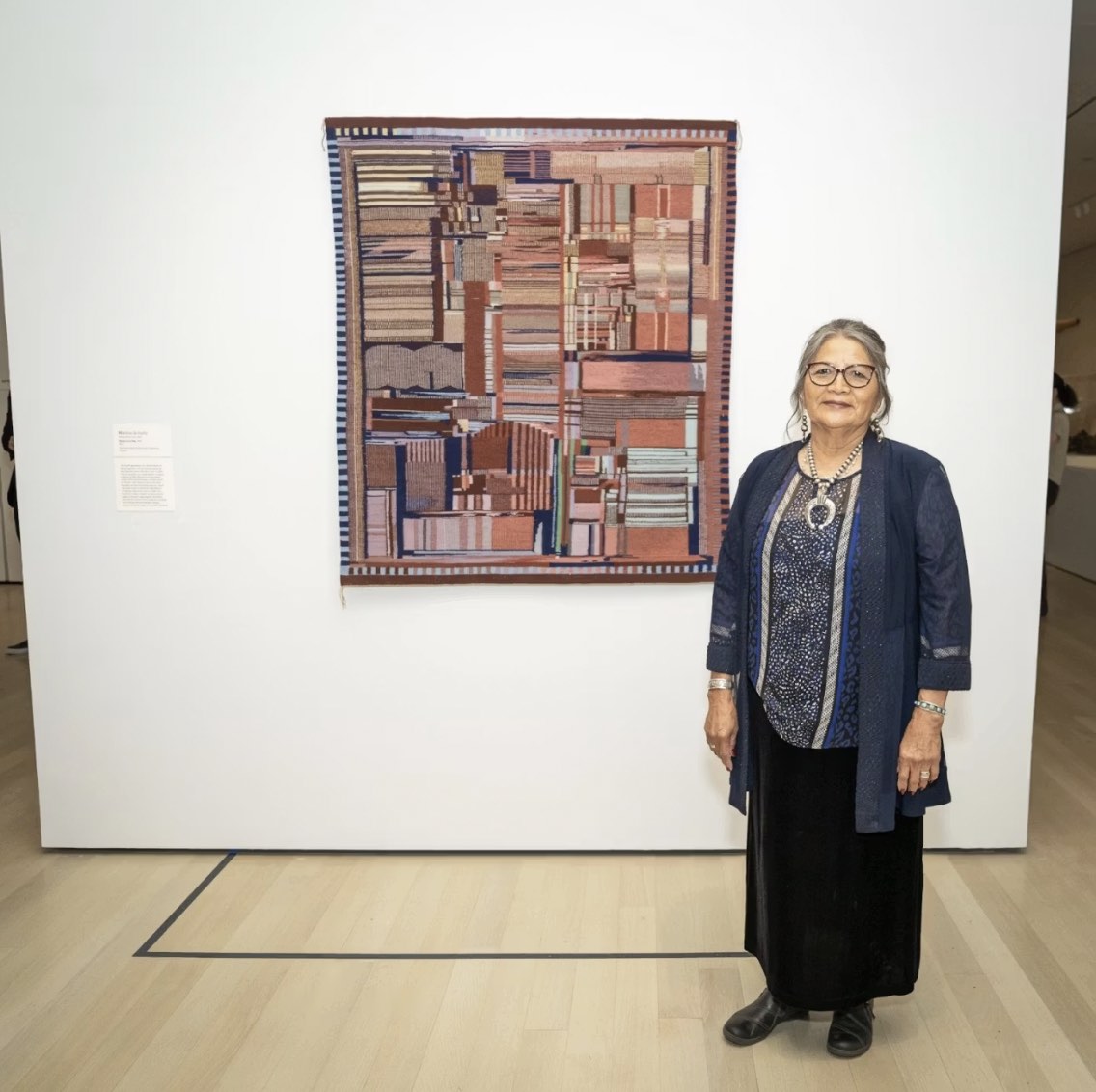
“The artist I am most excited about in 2026 is Marilou Schultz—a Diné weaver from Navajo Nation. In 1994, Intel Corporation commissioned Marilou to weave a computer chip. Then in 2008, the Nerman Museum commissioned another chip weaving. I first learned of these works while doing research as a co-curator of documenta 14 and included these two weavings in Kassel. Coincidentally, I learned that from 1965 to 1975, Fairchild Industries—the maker of the first integrated computer chip—operated a chip factory in Shiprock on Navajo Nation that specially employed Navajo weavers. Since that time, Marilou has gone deep into this history and indeed woven some of those early chips manufactured by Fairchild. Her weavings which are done on an upright loom, by hand, as is Navajo tradition, are so accurate that the main writing on Marilou’s work to date is by computer scientists. I am presently working on Marilou’s first survey exhibition that will open at the Hessel Museum of Art at the Center for Curatorial Studies, Bard College, in June. A publication that traces her material and technical innovation via weaving will follow in the fall.”
Yana Peel, President Arts, Culture & Heritage at Chanel
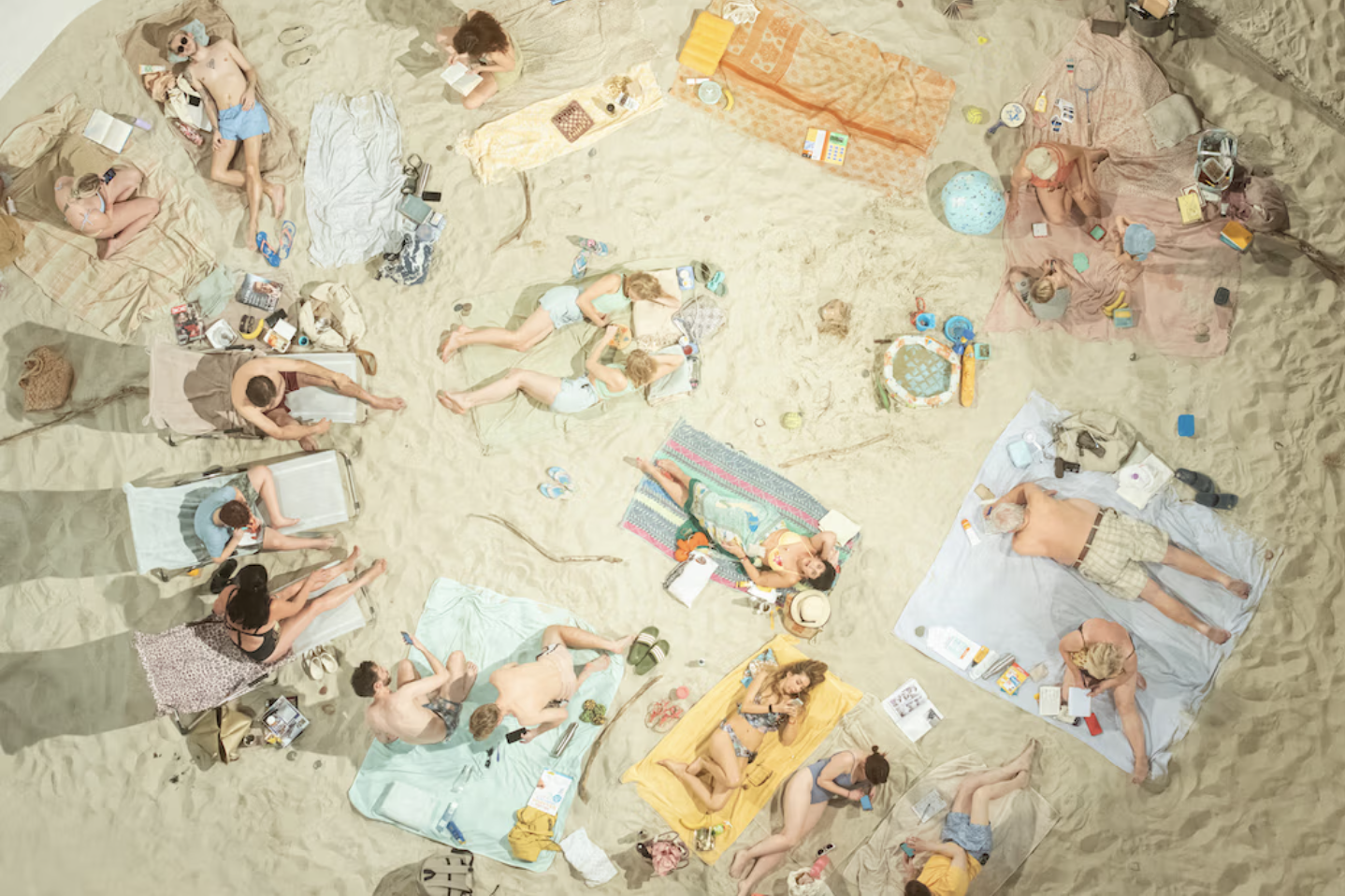
“Lina Lapelytė’s thrilling Performa 2025 commission, The Speech (NYC), was a revelation that demonstrated a rare command of both conceptual rigor and emotional immediacy. I’m thrilled to see such a talented composer and visual artist carry that sensitivity into the vast architecture of Hamburger Bahnhof, at epic scale. Her new work—the second Chanel Commission at the museum—will invite voices to rise and resonate together, guided by the Golden Lion-Winning artist’s distinct vision of human collaboration and sonic subtlety.”
Josh Franco, artist and art historian
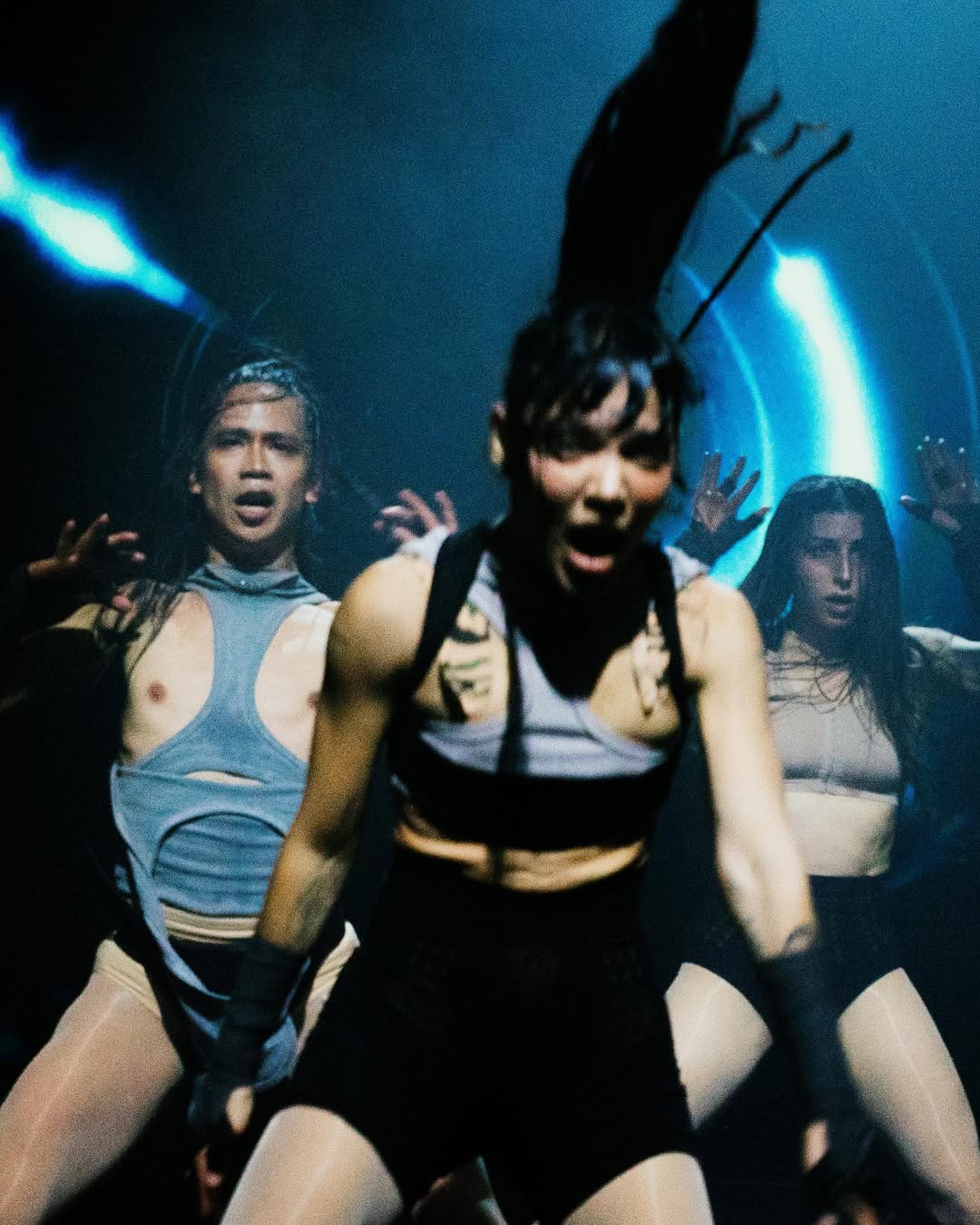
“I was introduced to the work of dancer and choreographer Kianí del Valle after seeing Lorde’s Ultrasound show in October. I posted praise for the choreography, and the artist Frances Gallardo responded, letting me know that del Valle worked with Lorde on the movement I was admiring (and reading through the practices of Martha Graham and Bruce Nauman). I’ve long been interested in contemporary dance, and I believe I have now obsessively consumed every video of del Valle’s work I can find online. She’s based in Berlin, and I’m also fascinated observing an artist from a U.S. Latinx background unfolding their practice in Europe. In 2026, the Ultrasound tour continues, but personally I’m most excited about the exhibition of del Valle’s drawings—translated from her full dance repertory of 20 pieces—at EMBAJADA in Puerto Rico.”

Kimberly Drew, writer and curator
“I have two artists of interest for 2026. Last fall, I had the privilege of spending an afternoon in Larissa de Souza’s São Paulo studio, thanks to an invitation from friend and collector Wole Bakare. All week, colleagues in town for the SP Bienal had been buzzing about her work, and the praise was no exaggeration. What lingers with me most is her attunement to folklore and matrilineal narrative. Her mixed-media paintings and sculptural work are strong, capacious, and hold the heart in ways I haven’t felt in a long time.
Pedro Neves’s recent body of work, ‘Zuilla: Bandeiras Verdes,’ on view at Mitre Galeria in São Paulo through Jan. 10, is nothing short of triumphant. Informed by his return to his native Maranhão after 24 years, the exhibition brings forth many Brazils at once: mythic, romantic, and, most importantly, authentic to his roots. I can without hyperbole say that each painting is more captivating than the last. With global eyes increasingly drawn to artists working across Brazil, Neves’s expanding practice is one I hope receives the deep and sustained attention it fully earns.”
Diana Campbell, Artistic Director of the Samdani Art Foundation
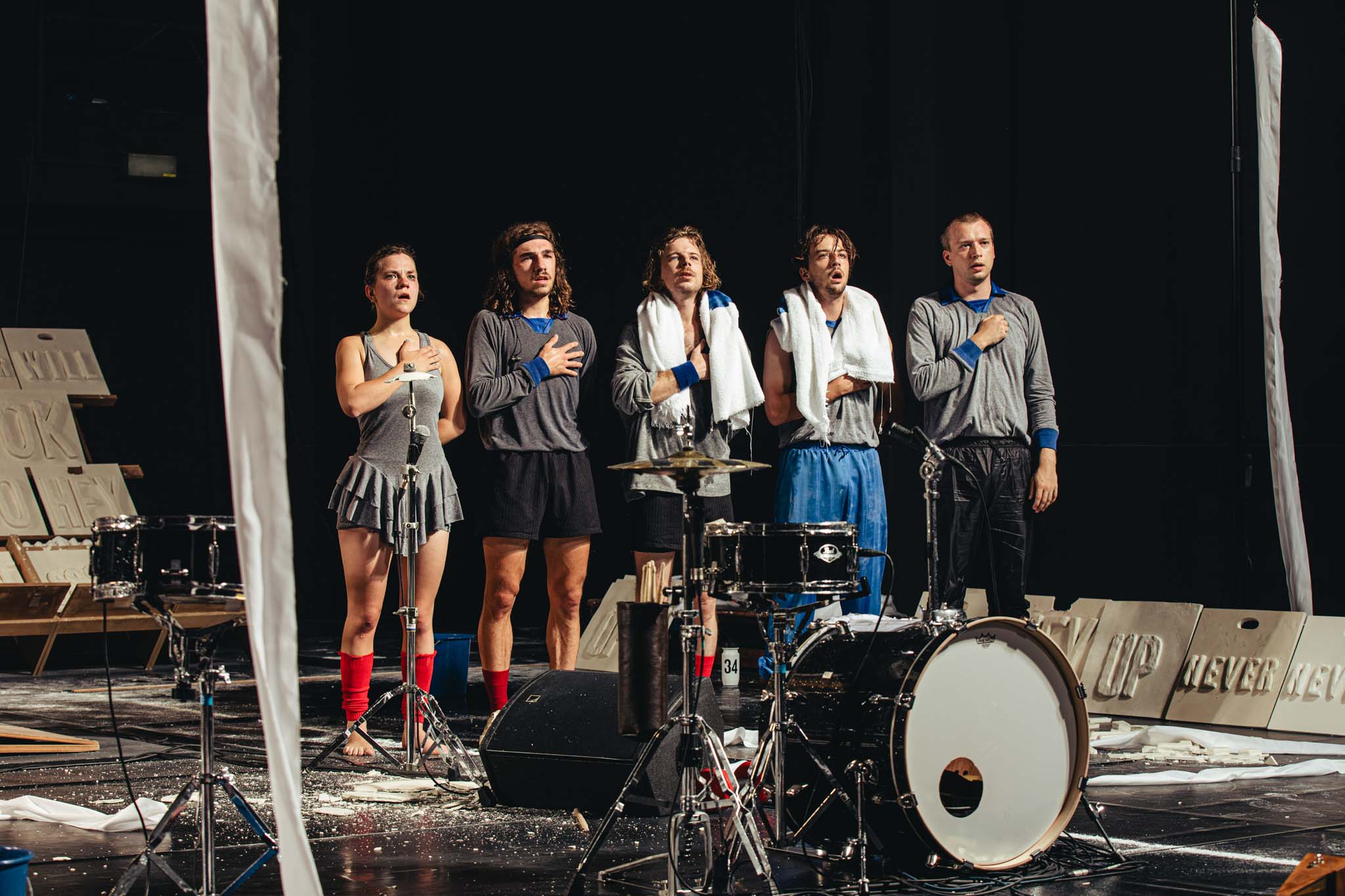
“I was introduced to Miet Warlop, who will represent Belgium in the 2026 Venice Biennale, during Covid by an older curator when she was primarily working in the theater world, but she studied sculpture and is an artist. We made a live sculpture as a rap song in Bangla language in Bangladesh for the 2023 Dhaka Art Summit, and this was the basis for a new piece in Venice where words and bodies build up energy that empowers the audience while also celebrating fragility.”
Valentine Umasky, Curator, International Art at the Tate Modern
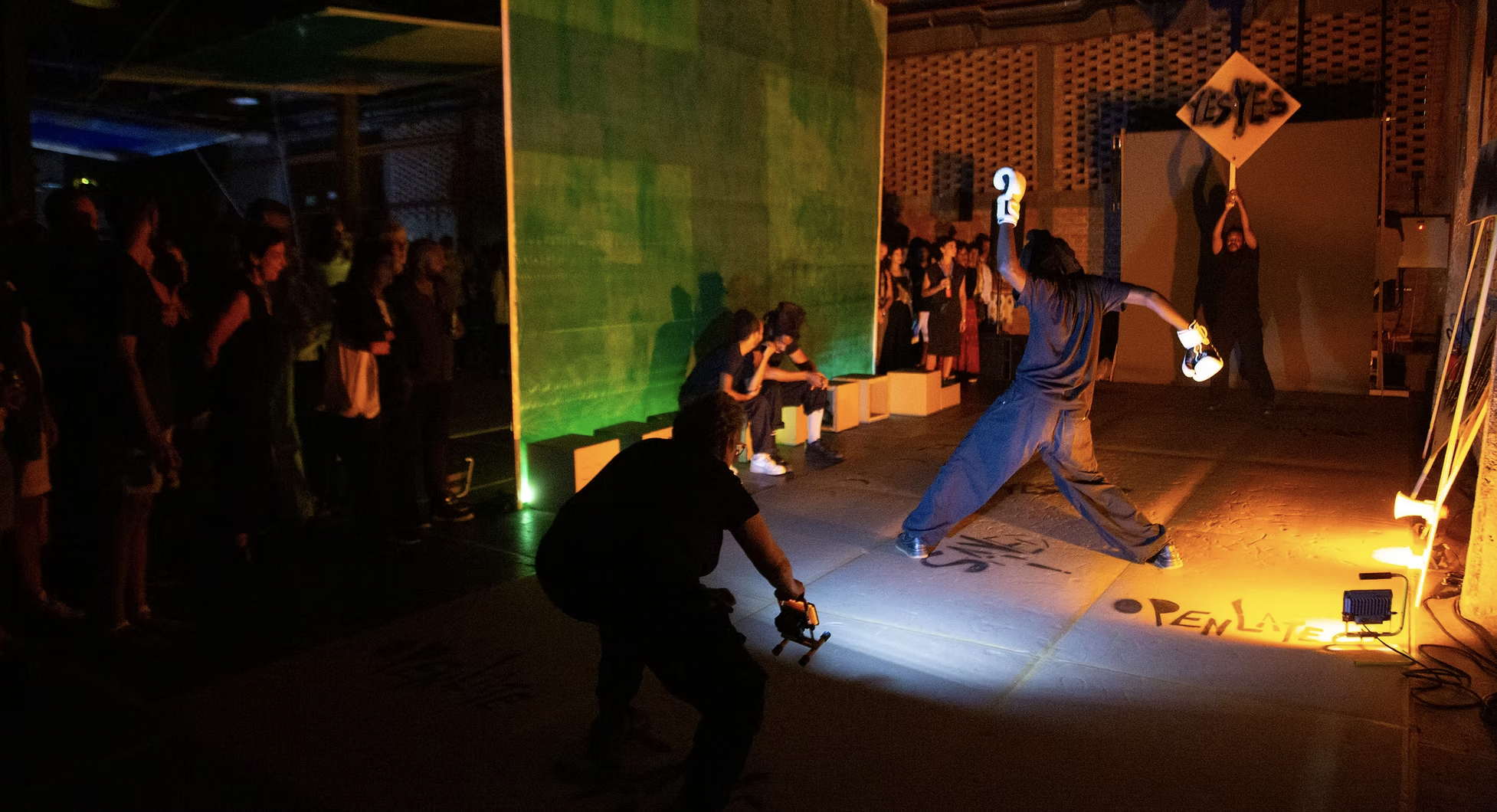
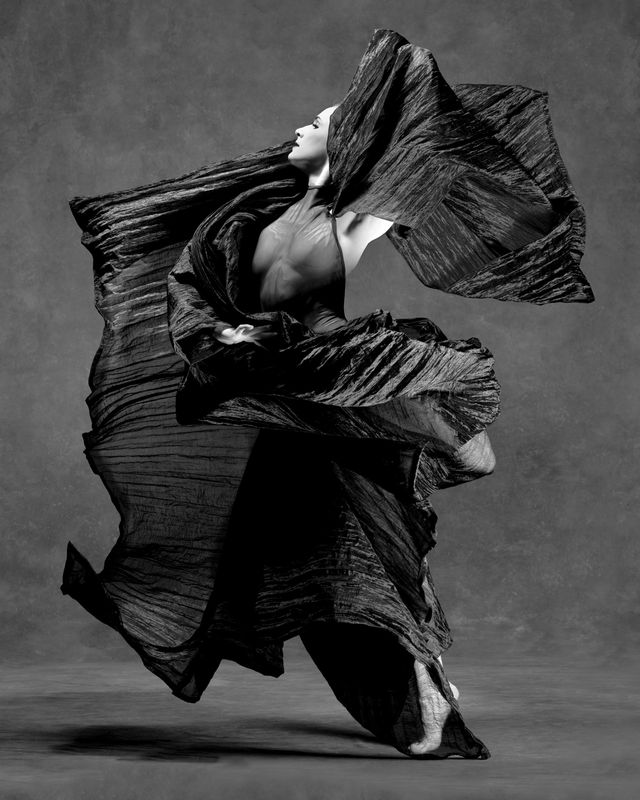
“I’m so excited for nora chipaumire, whose transdisciplinary, movement-led practice will finally be receiving well-deserved attention in museums. We invited her to imagine a large installation in one of Tate’s Tanks, as part of our recently launched Infinities Commission, a new annual commission to support experimental and visionary work. This will be chipaumire’s first museum presentation in the U.K. and at Tate, opening in June. It will examine how the natural environment of Zimbabwe has shaped her artistic practice, taking root in the soil, the rocks, and the light of her home country leading her to become the anti-genre, punk activist-soloist that she has become. The installation will include sculptural forms that will transform the Tanks space, and will be activated by performance, tracing chipaumire’s lineage within a tradition of Black radical, norm-bending practices.”
Azu Nwagbogu, curator, Founder of the African Artists’ Foundation, and Director of LagosPhoto
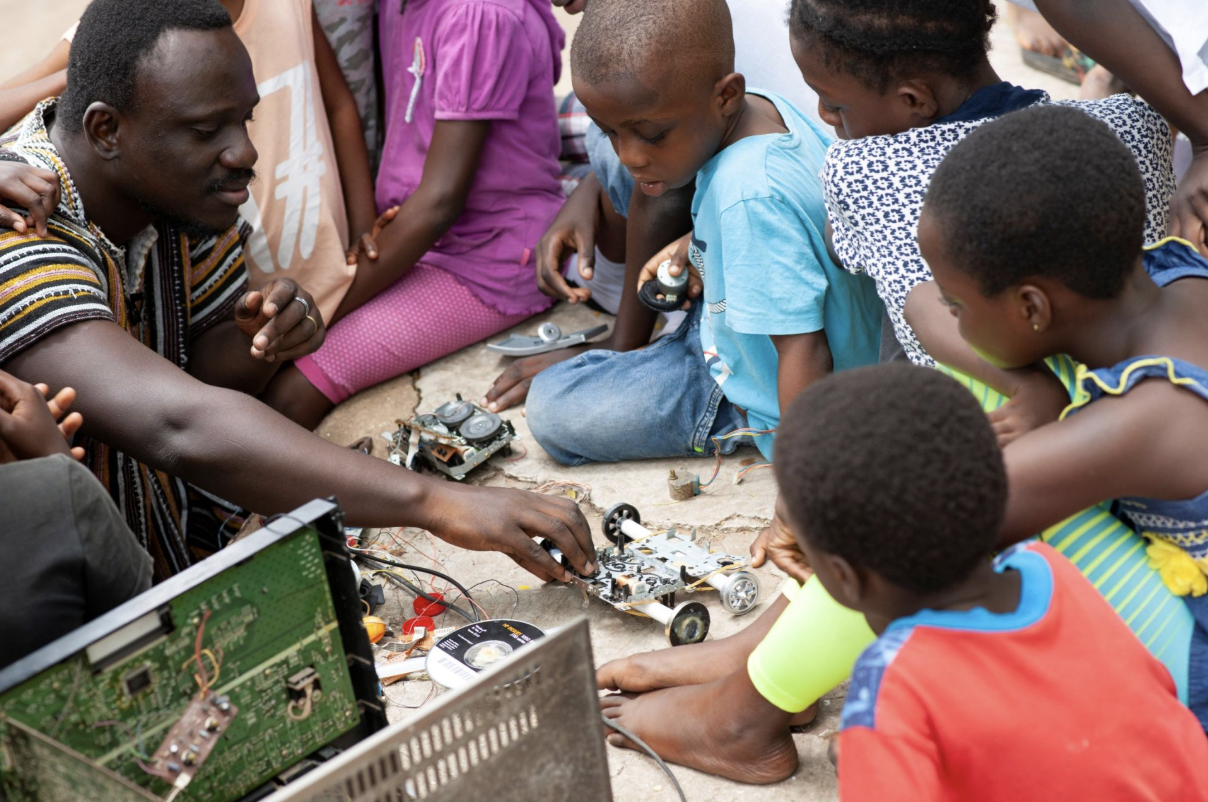
“Earlier this year, in May, during a research trip as a guest of blaxTarlines’s founder, Prof. Kąrî’kạchä Seid’ou, to Kumasi, Ghana, I met Akwasi Bediako Afrane (aka Makof). Makof is a young Ghanaian New Media artist and sculptor, who takes inspiration from the architect and designer DK Osseo-Asare, who reimagined the infamous Agbogbloshie e-waste dump as a maker space ie. a space for invention and creation. Today, Makof assembles discarded electronic components into sculptural and digital art works. His ‘new entities’ recall everything from ancient manuscripts to The Matrix and video games. While e-waste is a global mega-crisis, for Makof it is also a material to explore vulnerability, precarity, surveillance, consumerism, and the increasingly blurred entanglement between humans and machines. In Makof’s studio, you are somewhere between a sci-fi tech lab and a video game, and you start seeing e-waste as a fertile material full of traces of memory, habits, and use. Makof is currently preparing a group exhibition at the Museum Ostwall in the Dortmunder U in Germany and an e-waste research trip in Lagos, Nigeria.”


 in your life?