Every generation sees the conditions of its existence as unprecedented. Twenty-five years into this millennium, this conviction has never felt truer. Surely an era like ours, defined by mass migration, A.I. girlfriends, a global pandemic, FaceTuning, climate catastrophe, an ever-widening wealth gap, and near-constant political upheaval, stands apart from everything that came before it. Much art has been made in an effort to trace the contours of this brave new world, but few mediums play so poignant a role in this process as photography. Its practitioners hold a mirror to the vast expanse of the quotidian, digging into the gristle and elbowing through the crowd to capture the split-second that will, in time, define it all.
That’s why, a quarter of the way through the 21st century, we’ve asked 25 image-makers to share a single photograph they’d contribute to a time capsule of the era so far. Taken together, their contributions—which capture loaded landscapes, moments of uncertainty, and party politics—reveal the undeniable singularity of our times.
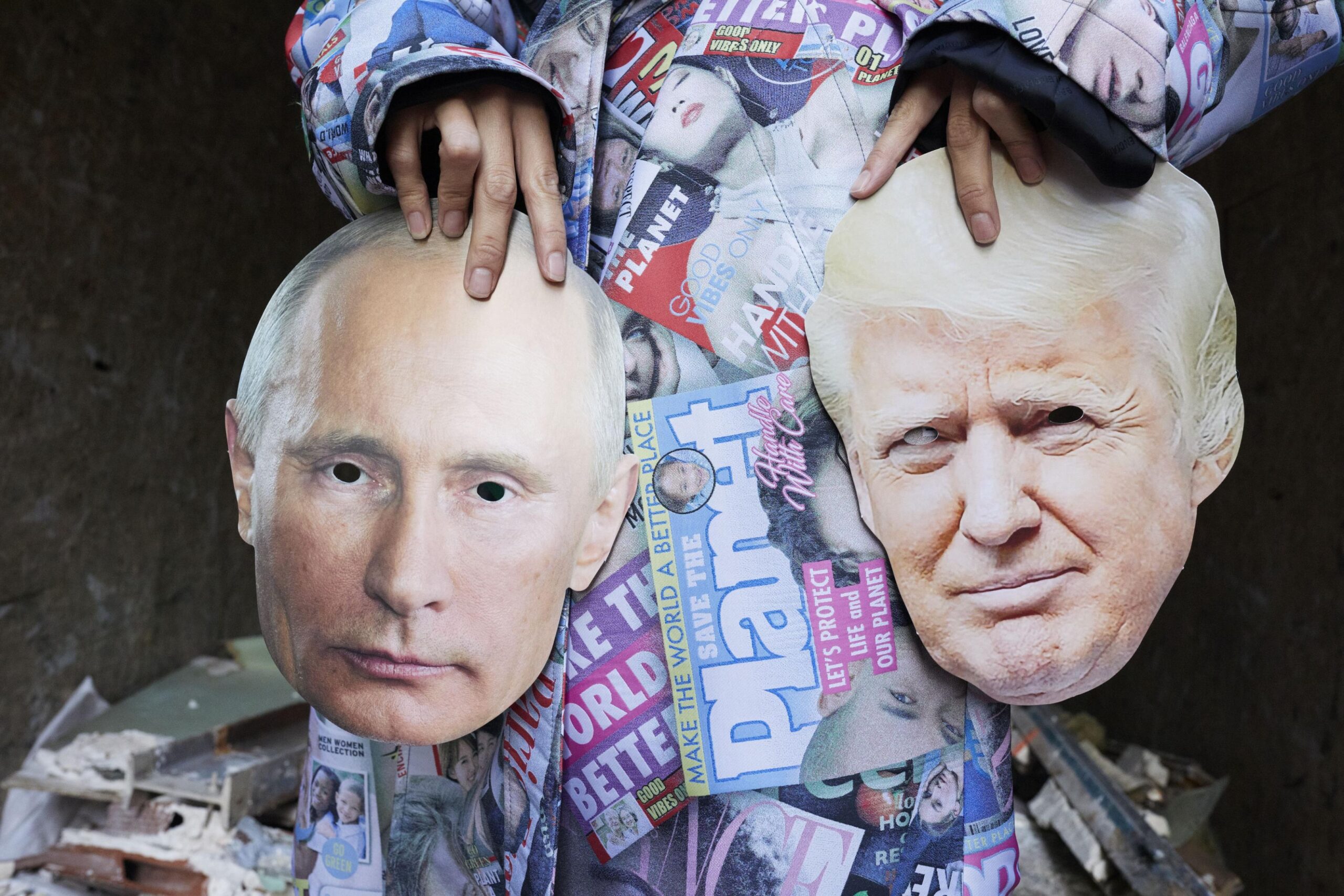
Juergen Teller
BASED IN: London, U.K.
“These three subjects in my work seem to me to have had the most significant impact in the world in the 21st century: Vladimir Putin, Donald Trump, and Save the Planet.”
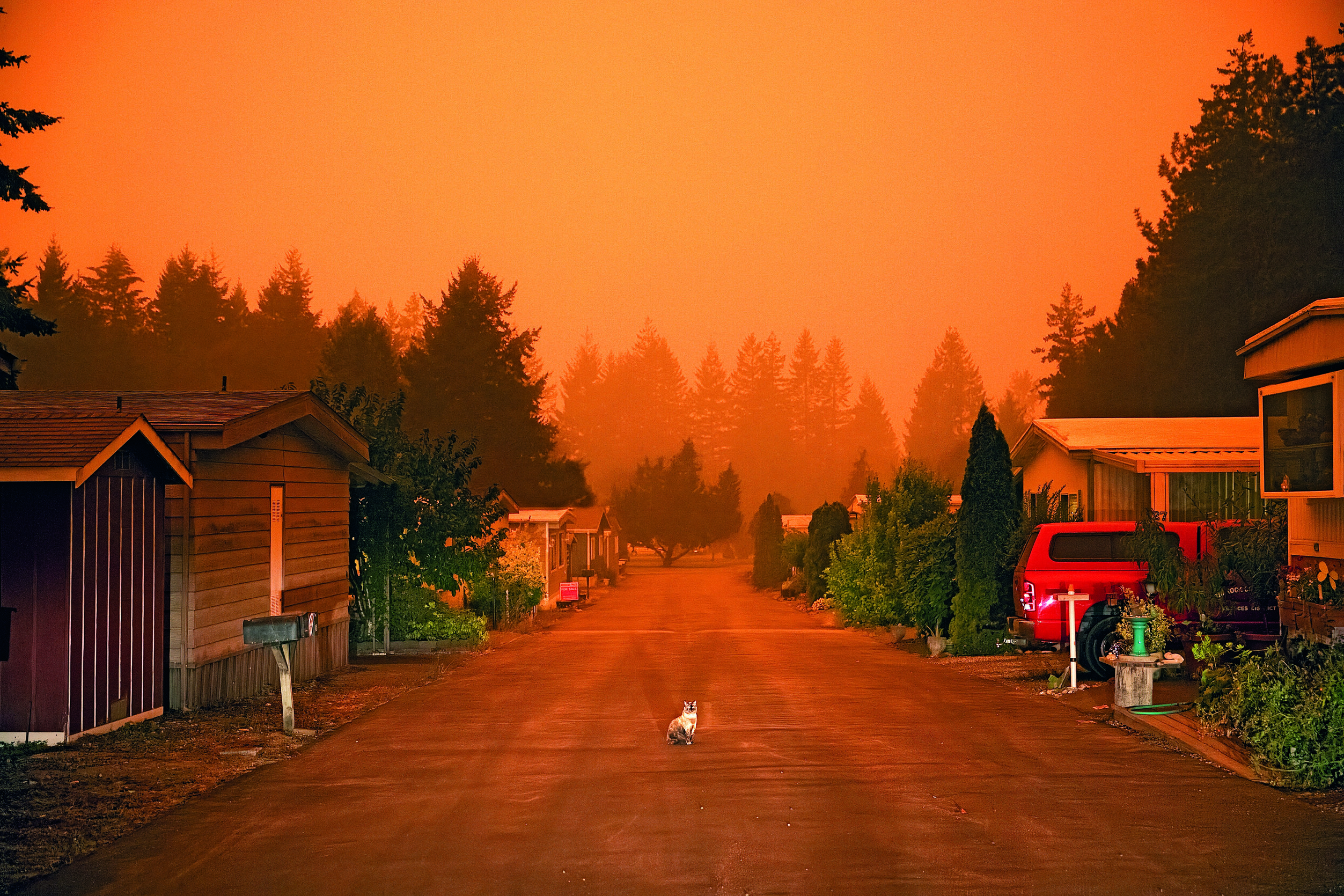
Sinna Nasseri
BASED IN: Los Angeles
“With a wildfire closing in, I wandered the tiny town of Hiouchi on the border of California and Oregon. A cat, sitting in for all of us, appeared elegantly in the middle of the road. I came back the next year but couldn’t find her. I picked this image because of the metaphorical—and real life—fire closing in on all of us.”
Naima Green
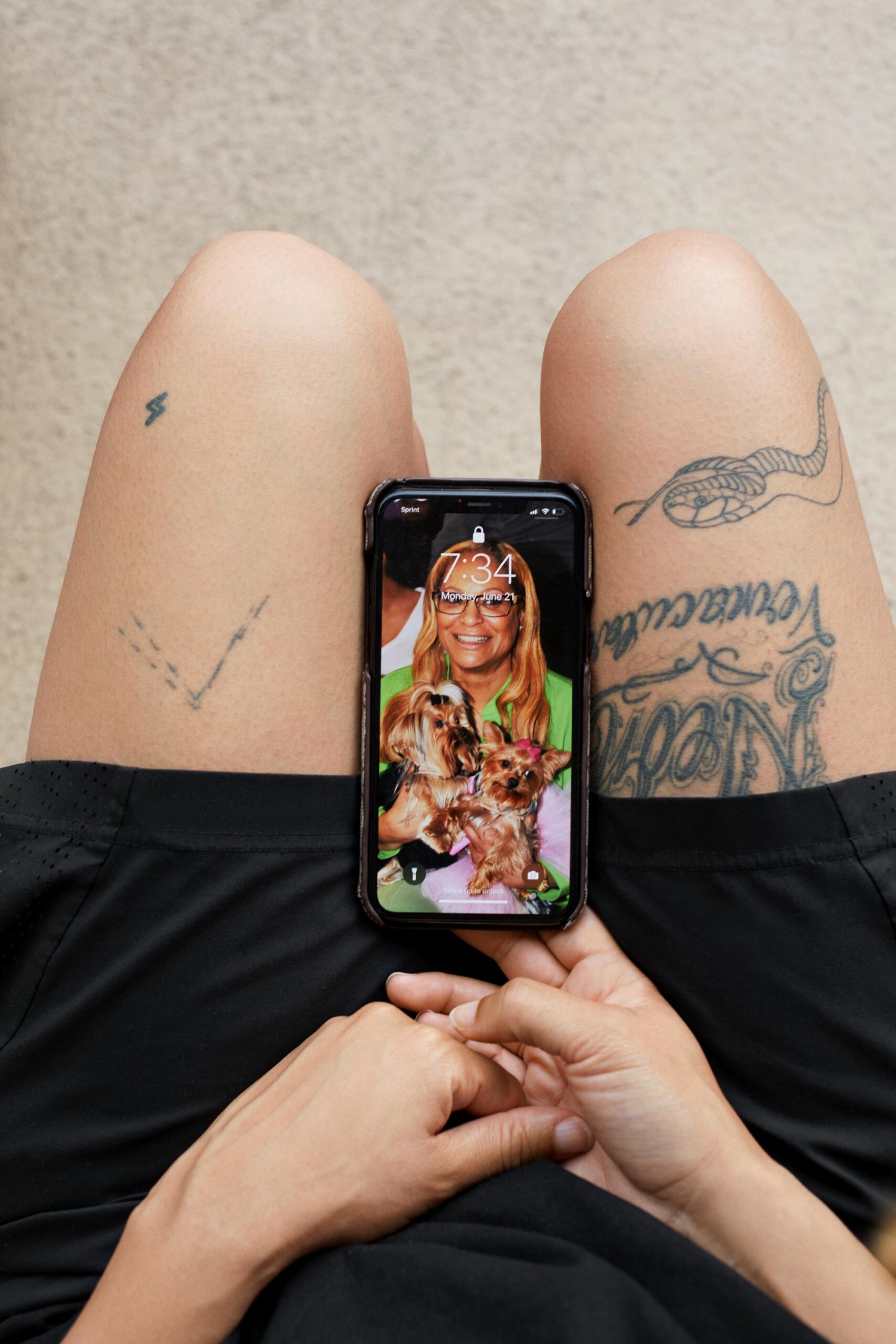
BASED IN: New York
“This is Sable [Elyse Smith, Green’s partner] on her mom’s terrace, looking down at her mom Lisa’s phone; the homescreen features a picture of Lisa and her two beloved Yorkies, Lexi and Chloe. Lisa is on the couch in the other room. It is seemingly mundane, but connecting wasn’t always like this. When I think about how much our phones mediate our relationships and closeness, it feels absolutely bizarre to remember that there are so many other ways to love someone and hold them close.”
Lele Saveri
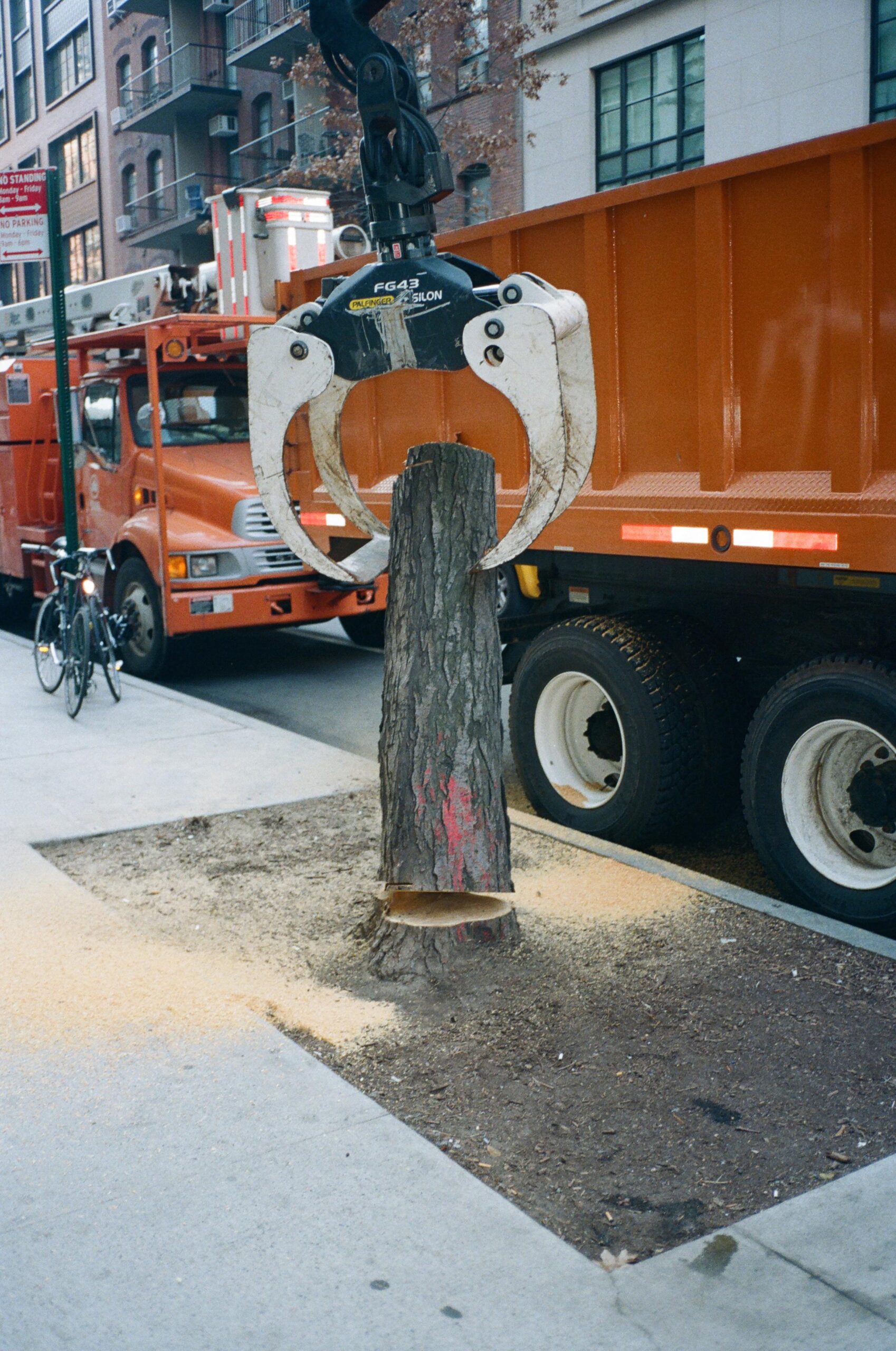
BASED IN: New York
“These first 25 years of the third millennium (since the birth of Christ) have seen humans embrace the role as owners of planet Earth more than ever before. Property is such a big part of the way we’ve structured our society, and we’ve become so convinced of our superiority over other species and forms of existence that we believe this planet—with all its resources and living beings—is ours to use as we wish. This image reminds me of that.”
Trevor Paglen
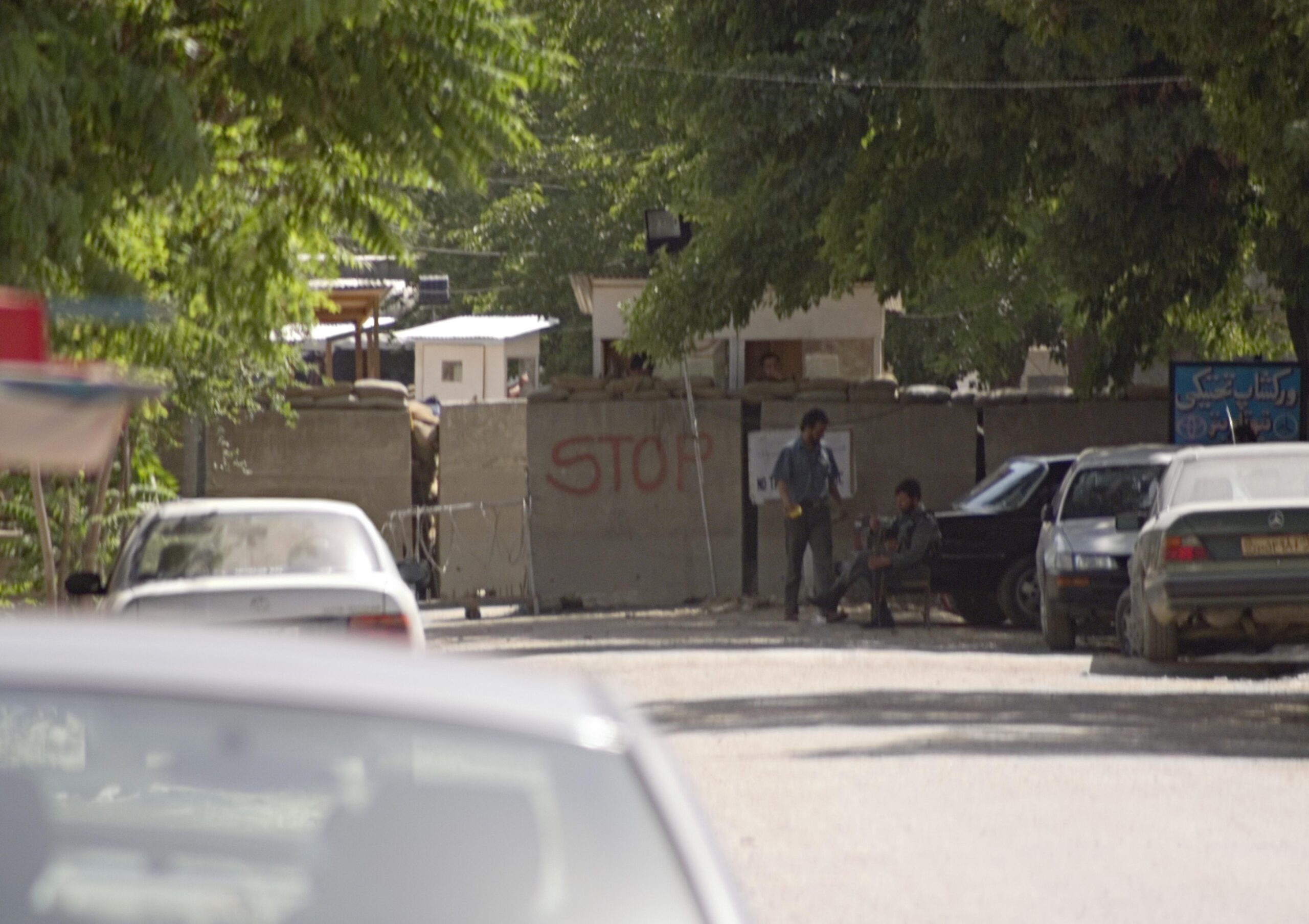
BASED IN: New York and the Bay Area
“When we look out across the political infrastructures that characterize our current moment, we find the normalized violence of ICE kidnappings, covert transfers to third-party nations, a mature architecture of mass surveillance, and the demonization of political opponents. These are institutions of looming authoritarianism. The groundwork for much of this was laid in the aftermath of 9/11, when the CIA and its partners developed systems of ‘extraordinary rendition,’ secret ‘black sites,’ and NSA-enabled mass surveillance. This photograph of a black site in Kabul, Afghanistan, speaks to how the exceptional violence of the Global War on Terror has become part of the everyday operations of the state—a state where ‘emergency powers’ have become a normalized part of everyday governance.”
Griselda San Martín
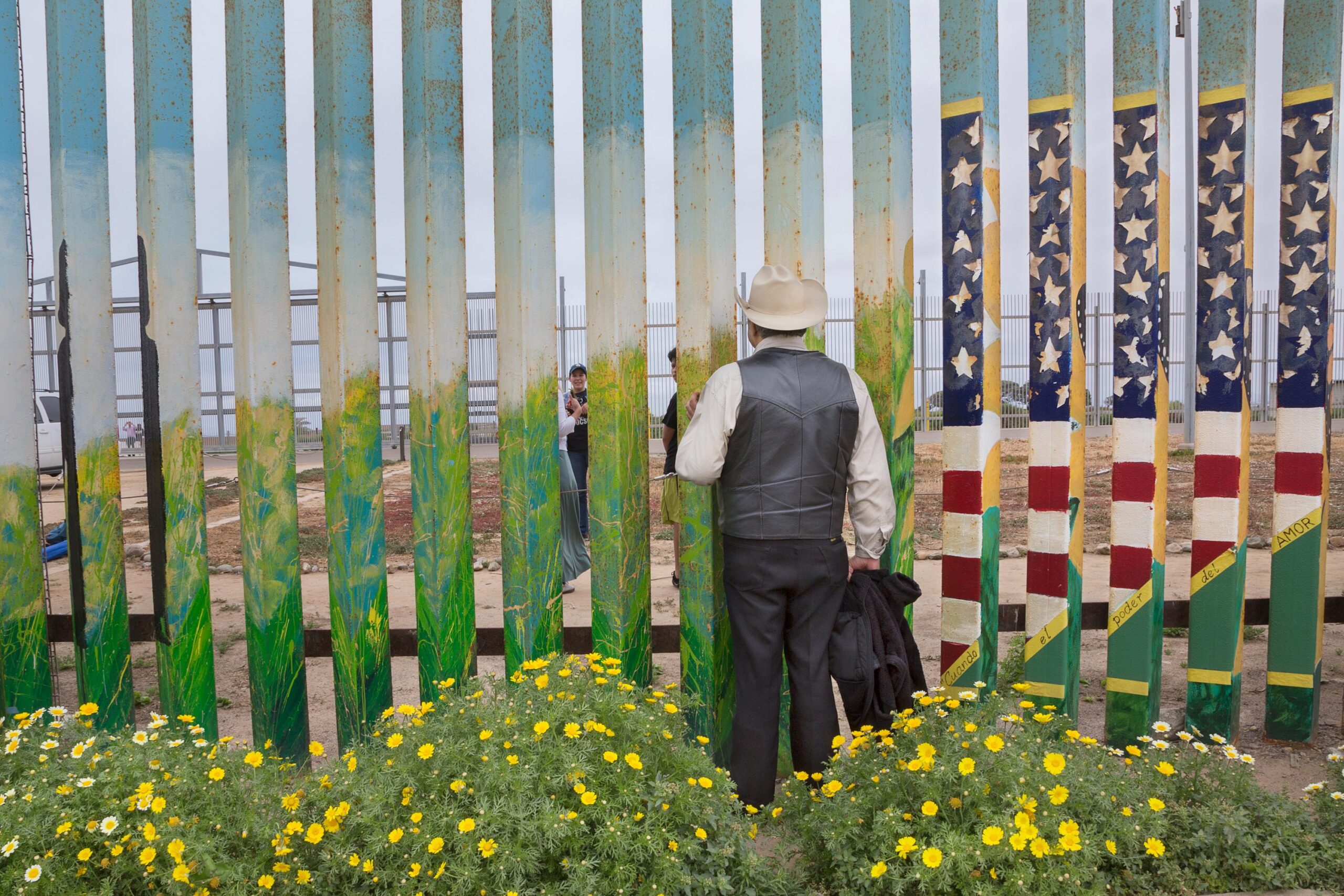
BASED IN: New York
“This photograph from my series ‘The Wall’ was taken at Friendship Park, the only place along the U.S.–Mexico border where families separated by immigration laws were once able to meet face-to-face, through a metal fence. The photograph depicts José Márquez, standing on the Mexican side of the wall in Tijuana, visiting with his daughter on the other side. When this was taken, they had already spent 14 years unable to hug each other. He was deported from the U.S. after living and working in San Diego for 18 years. It’s both ordinary and extraordinary: a father and daughter sharing a fleeting moment together, separated by a few inches of steel and decades of migration policy.”
German Larkin
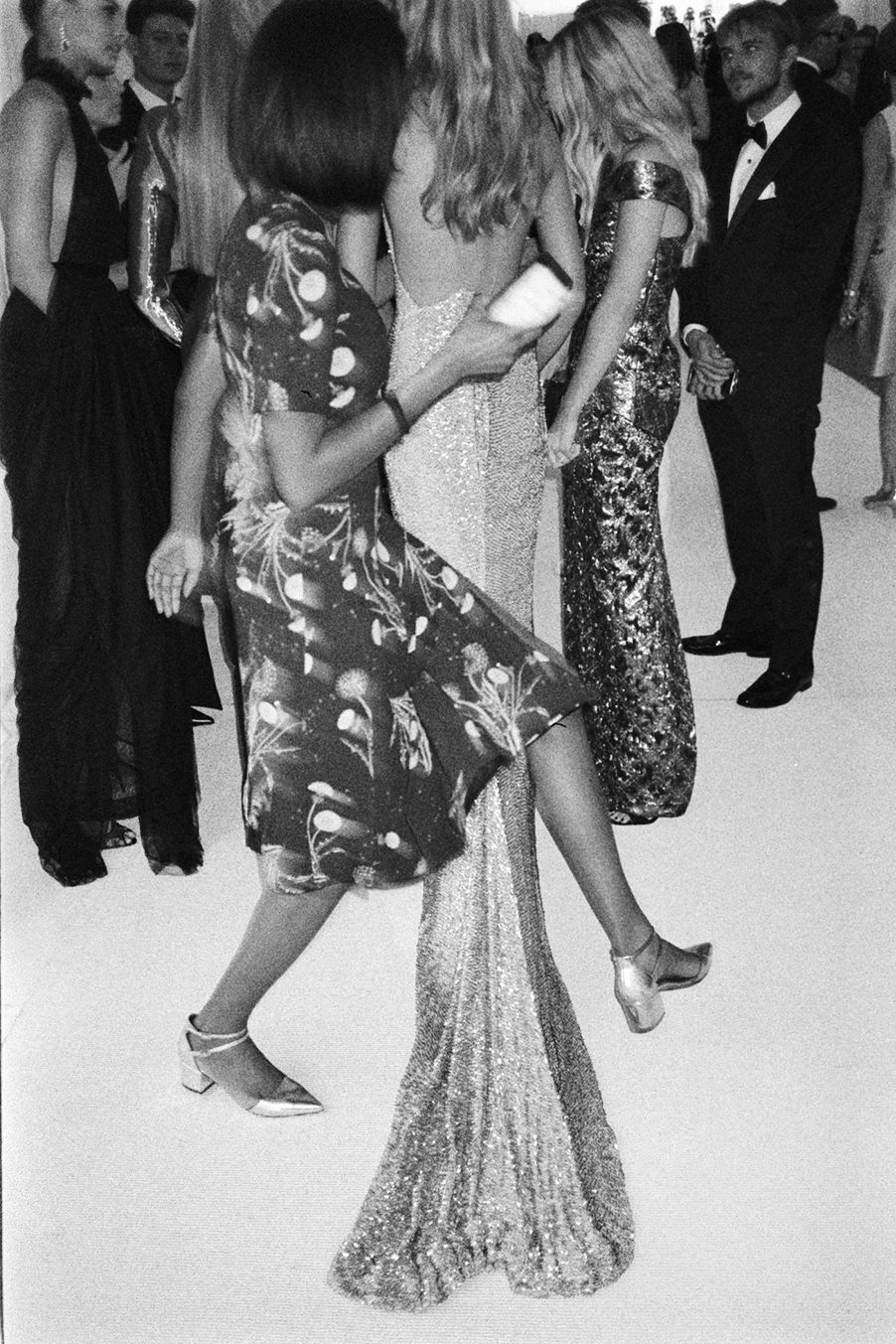
BASED IN: Milan, London, and Los Angeles
“This photograph, taken at the Met Gala in 2016, captures a moment of social choreography. A woman, phone aglow in her hand, strides across the ballroom, stepping over the sequined train of an attendee’s gown. Her confident movement slices through the tableau of posed elegance of a circle of VIPs. It’s an illustration of how the power has shifted within the blend of the glamorous and the corporate—characteristic of our times.”
Mason Poole
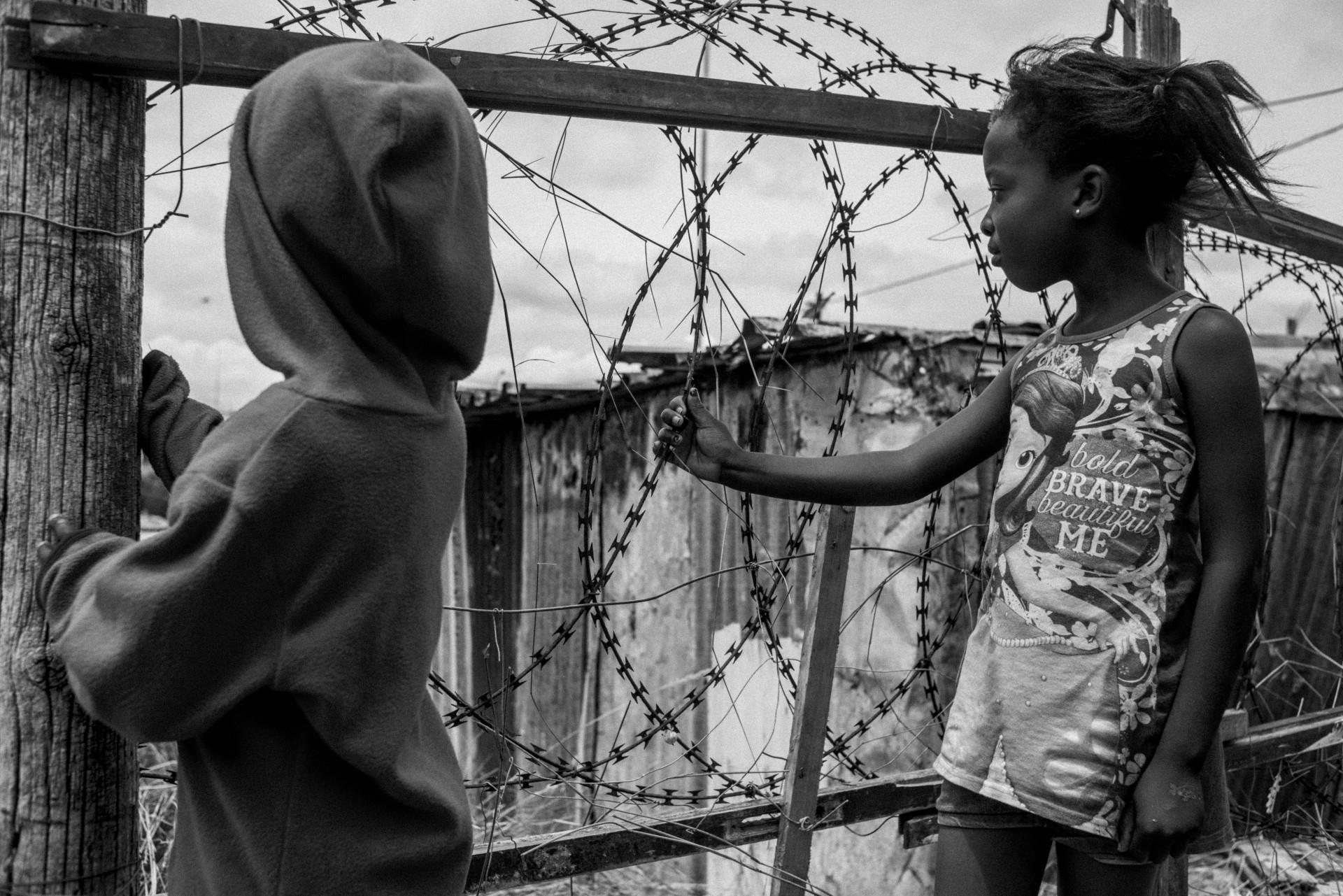
BASED IN: Los Angeles
“This is an image I took in the Khayelitsha township of Cape Town, South Africa, in 2018. In Khayelitsha, similar to other townships, children roam freely throughout the day while their parents work to support their families. Even though apartheid ended in South Africa in the mid-’90s, the ramshackle community is rapidly growing in population—a symbol of the poverty and racial inequality that still exists in South Africa. I was struck by how casually the kids played among the barbed wire, somehow avoiding injury despite their rambunctiousness. Later, I noticed the shirt, undoubtedly imported from an American donation bin, one of the girls was wearing. ‘Bold, Brave, Beautiful Me’—words that carry much greater truth and weight in Khayelitsha.”
Felipe Romero Beltrán
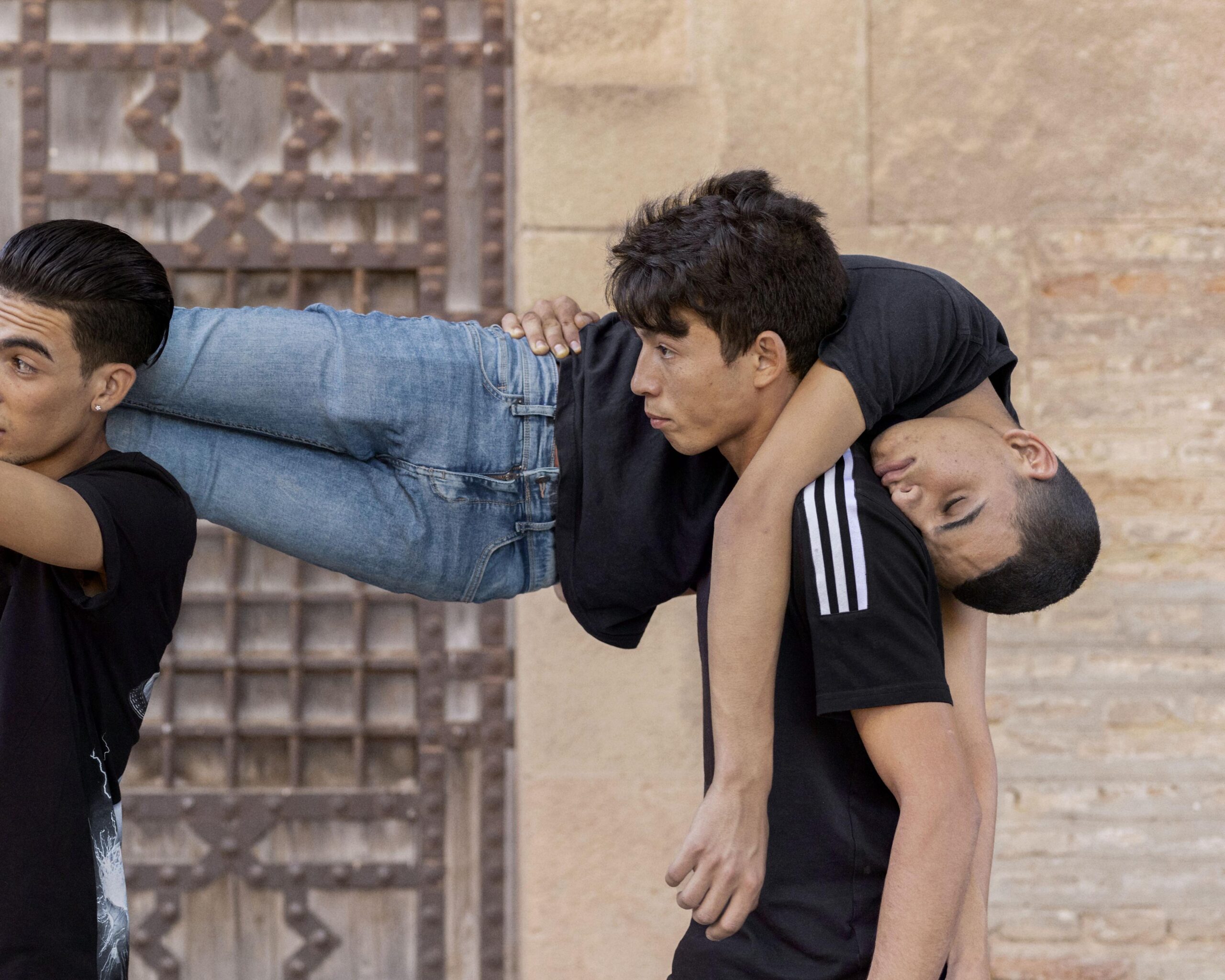
BASED IN: Paris, FR
“Produced through reenactments with young migrants awaiting legal status in Spain, this work reflects a suspended temporality that resonates with broader social and political conditions of the early 21st century. The image frames waiting as an administrative state—one that inscribes itself into bodies. Beyond representation, I propose the act of photographing as a performative space of memory. By reenacting what was never recorded, the documentary form opens new questions.”
Carmen Winant
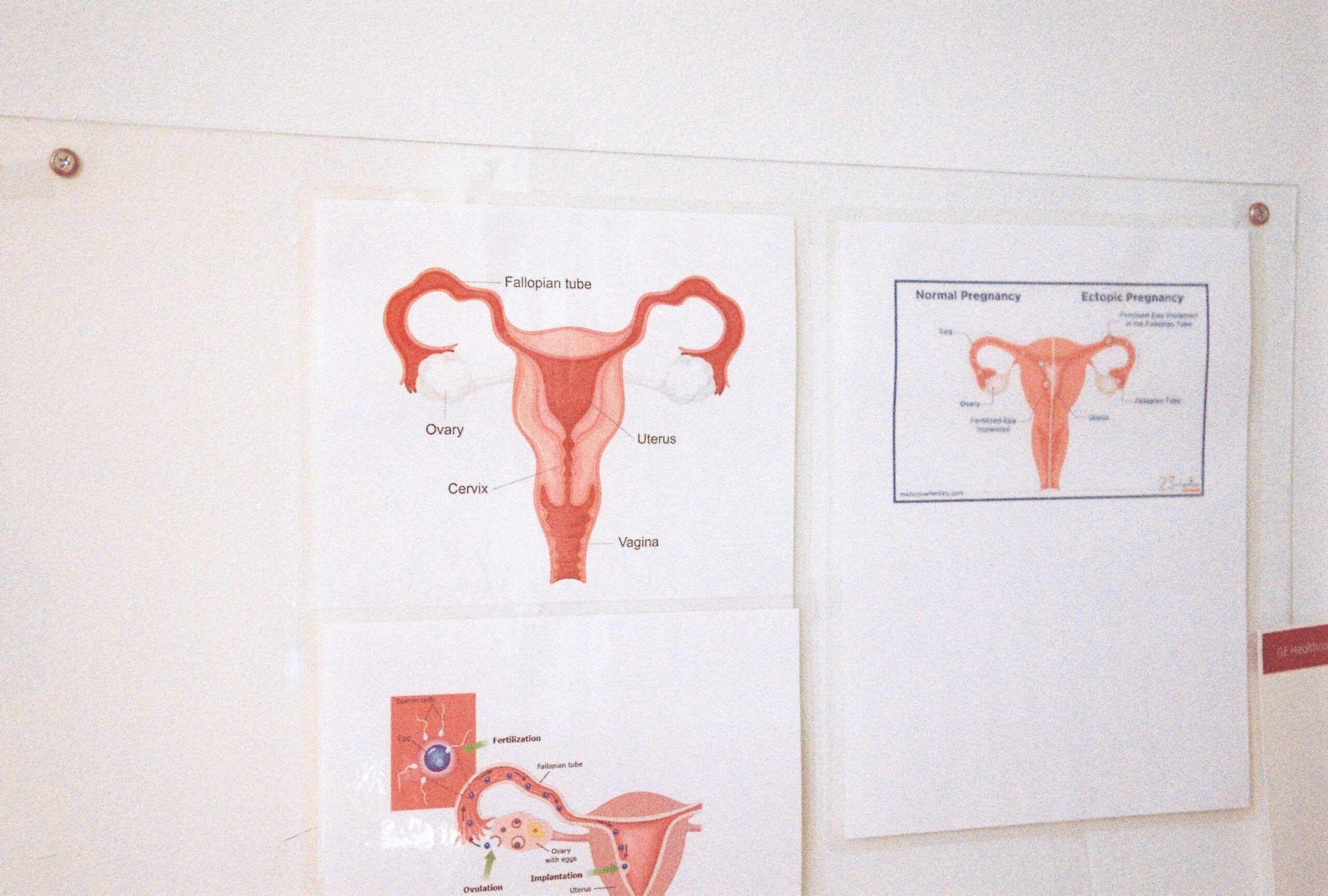
BASED IN: Columbus
“It is a fool’s errand, picking a single image to represent the last quarter century, but here goes anyway. This is one I made at an abortion clinic in Cleveland, Ohio, in 2024. It didn’t make it into the project that I was working on at the time, ‘The Last Safe Abortion,’ for reasons I can no longer recall. I think it speaks for itself, but I’ll say anyway that it records the anti-reproductive zeal of our time. There is something else, too. In its quietness, this picture also calls up the resistance to that tyrannical effort, and the tremendous care work being done on the ground, every hour of every day.”
Lindsay Perryman
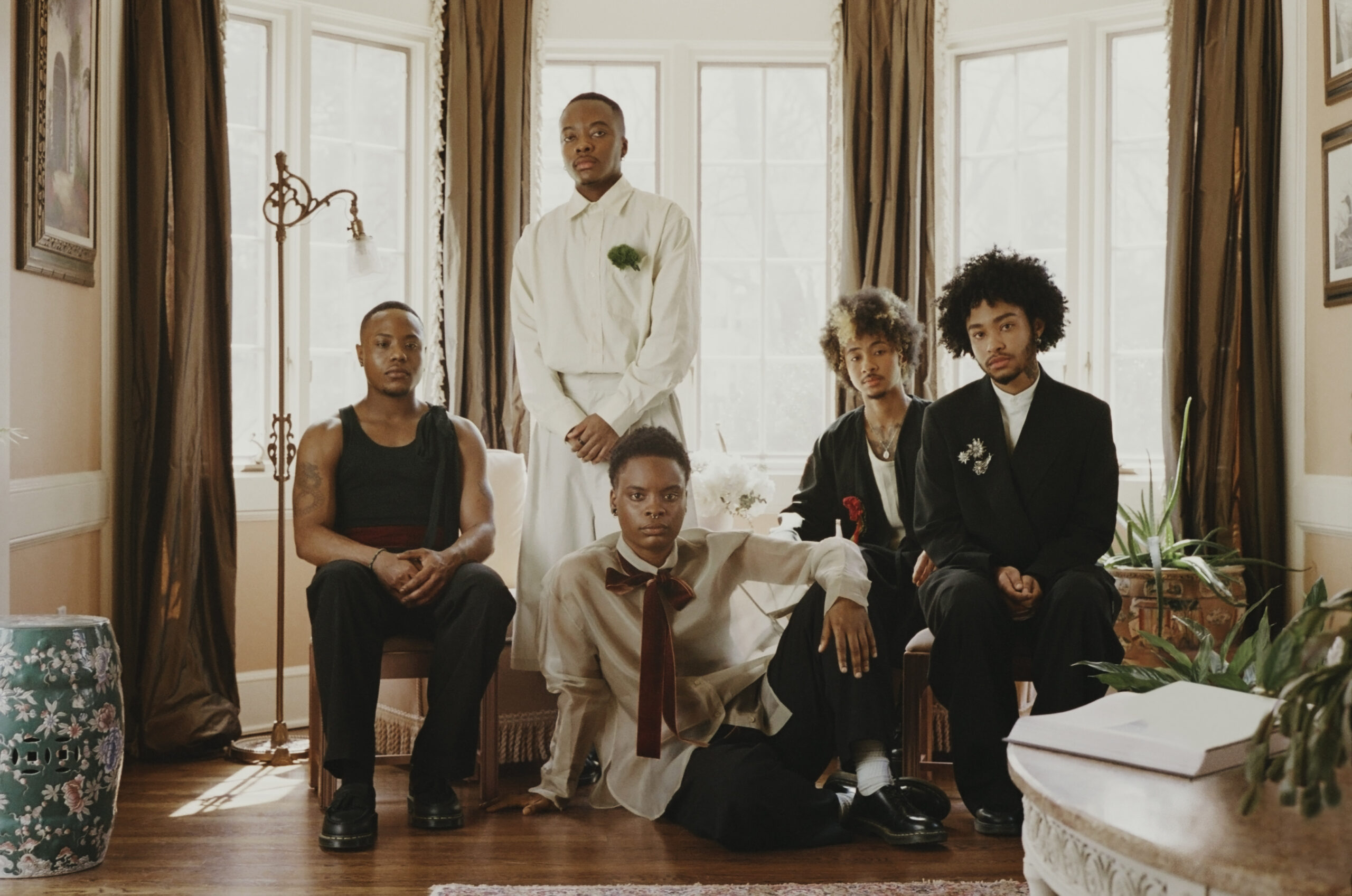
BASED IN: New York
“I chose this photograph because of its relationship to history and its reimagining. Drawing inspiration from The Last Supper, it explores the nuance of gender within a historical framework, envisioning a world where trans identity exists not on the margins but at the heart of collective memory. Featured in the photograph are Six, Rio, Jo, Carrington, and Syrus, captured on March 17, 2025, during the making of the film La la Résistance. This image represents resistance through visibility, and the tenderness of being seen by a history that once refused to see us.”
Martin Parr
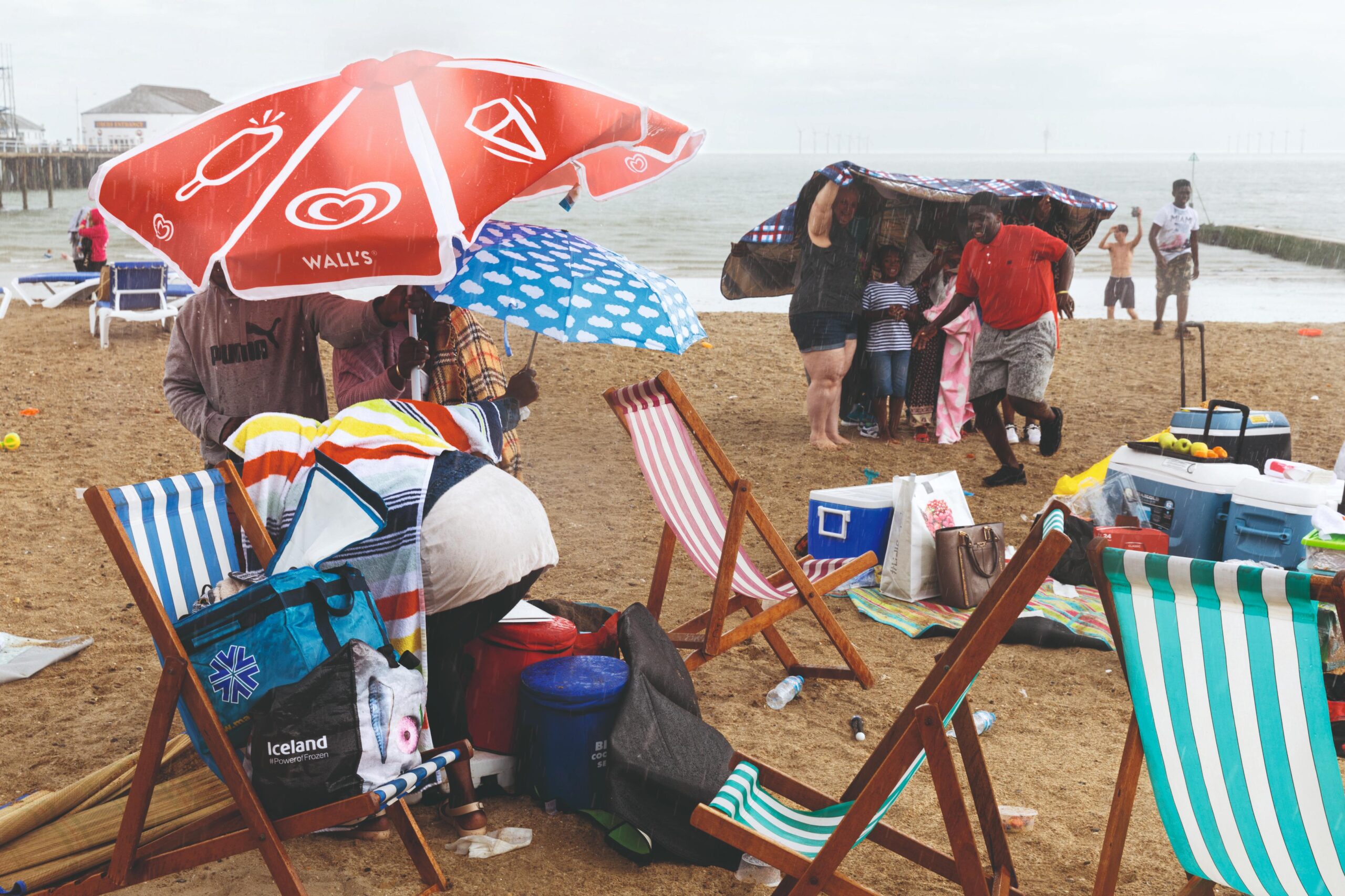
BASED IN: Bristol, UK
“Britain, a country in steady decline, is well represented here by a rainy day at the beach. Our weather is poor, even in summer.”
Jeremy Liebman
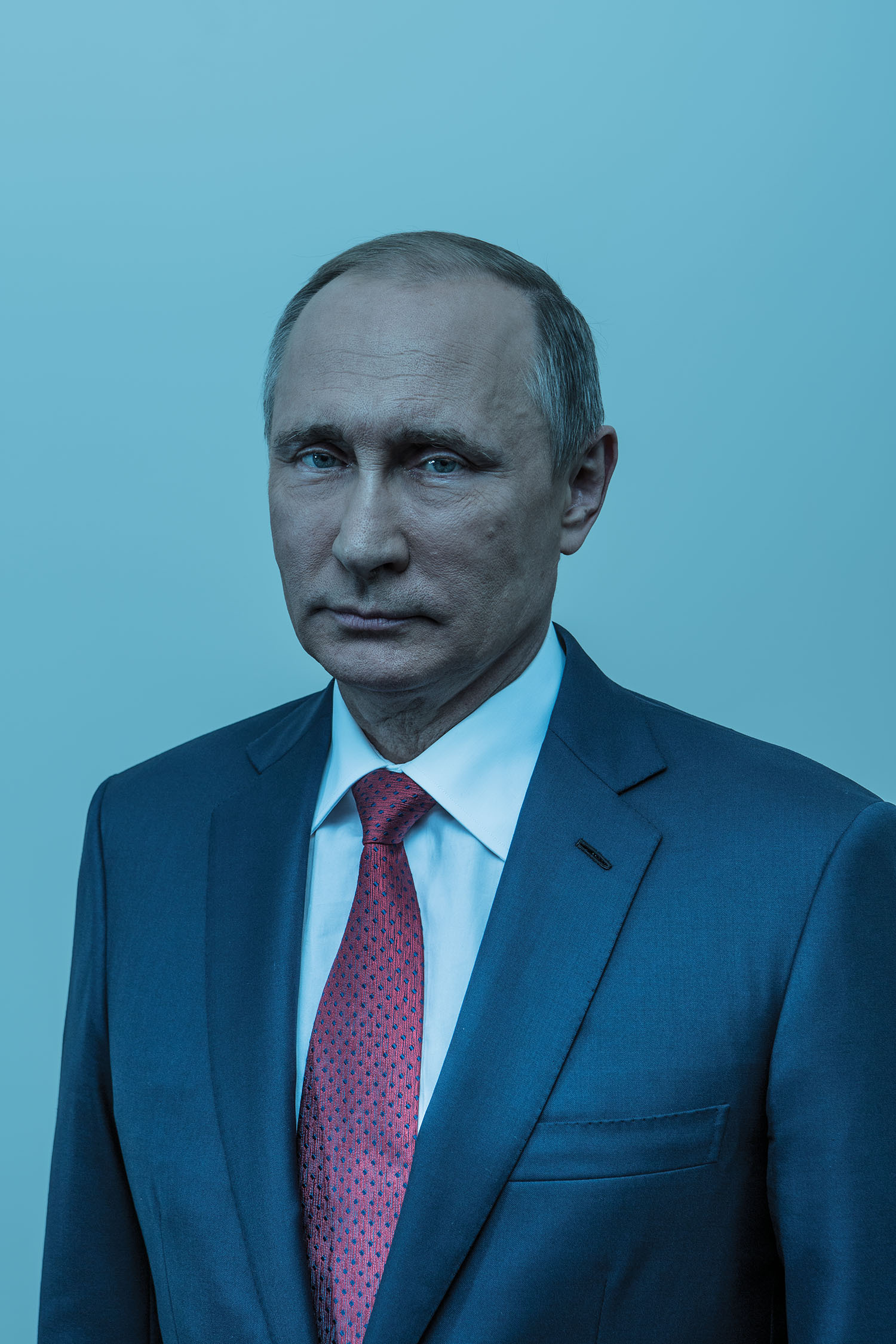
BASED IN: New York
“In the summer of 2016, I flew to Vladivostok to photograph Vladimir Putin for the cover of Bloomberg Businessweek. After 16 hours of travel and six hours of waiting, I had one minute to take his portrait. When he entered the room, I saw myself from the outside, looking in. Afterward, I sat in on the two-hour interview, which ranged from the annexation of Crimea to Russia’s involvement in the upcoming U.S. election. Bloomberg ran this image with the cover line ‘Vladimir Putin just wants to be friends.’ Two months later, Donald Trump won the presidency, radically changing the trajectory of the 21st century. I was the last Western photographer to take Putin’s portrait, and nine years later, the experience still feels like a surreal dream—but doesn’t everything now?”
Carlos Gonzalez
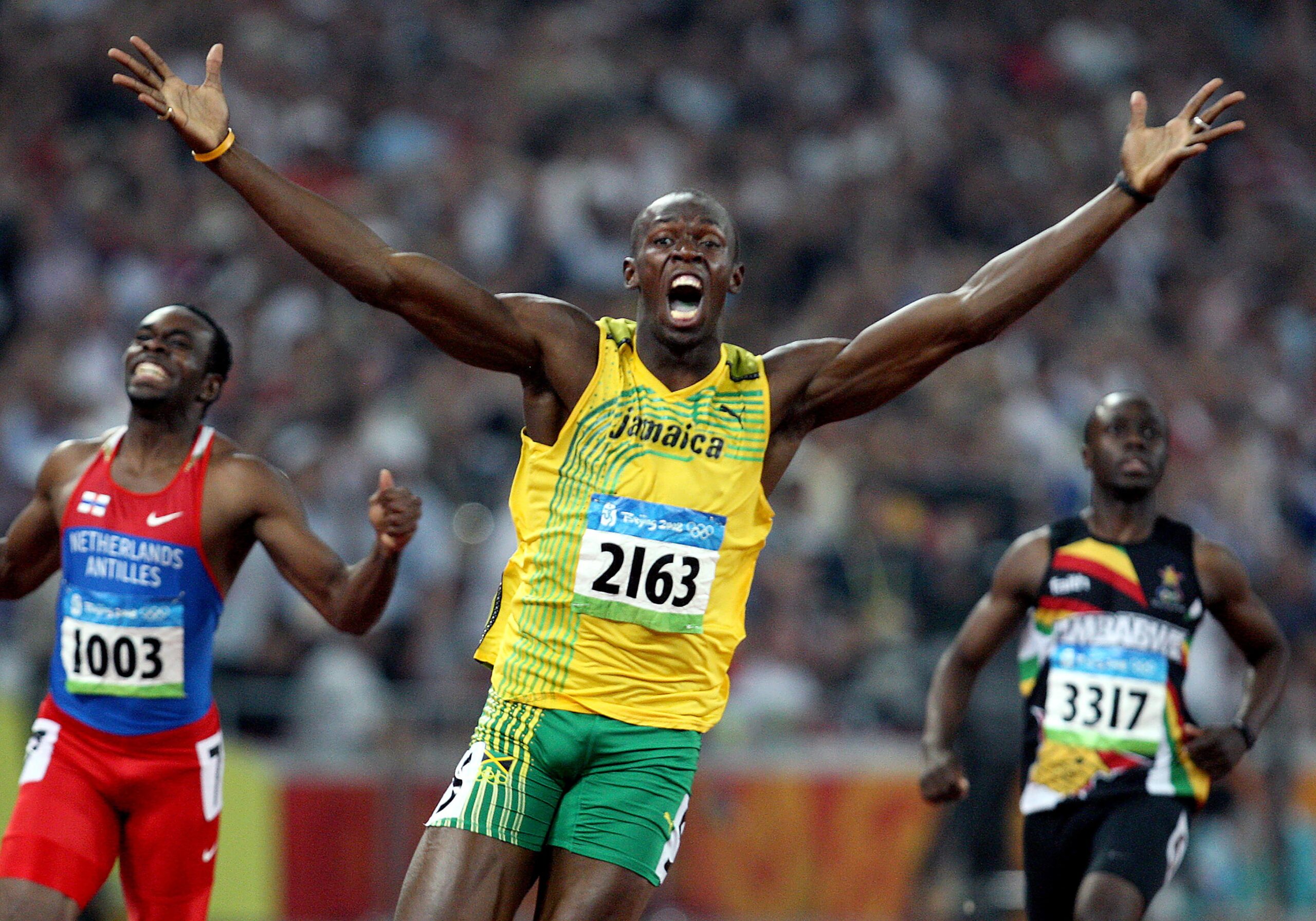
BASED IN: Minneapolis
“Usain Bolt was dominant at the 2008 Summer Olympics in Beijing. Bolt won three gold medals and set three world records in the 100m, 200m, and 4x100m relay. Here he is winning the Men’s 200m with a world record set by Michael Johnson at the 1996 Olympic Games in Atlanta. These performances make Bolt one of the greatest athletes of the 21st century.”
Rachel Fleminger Hudson
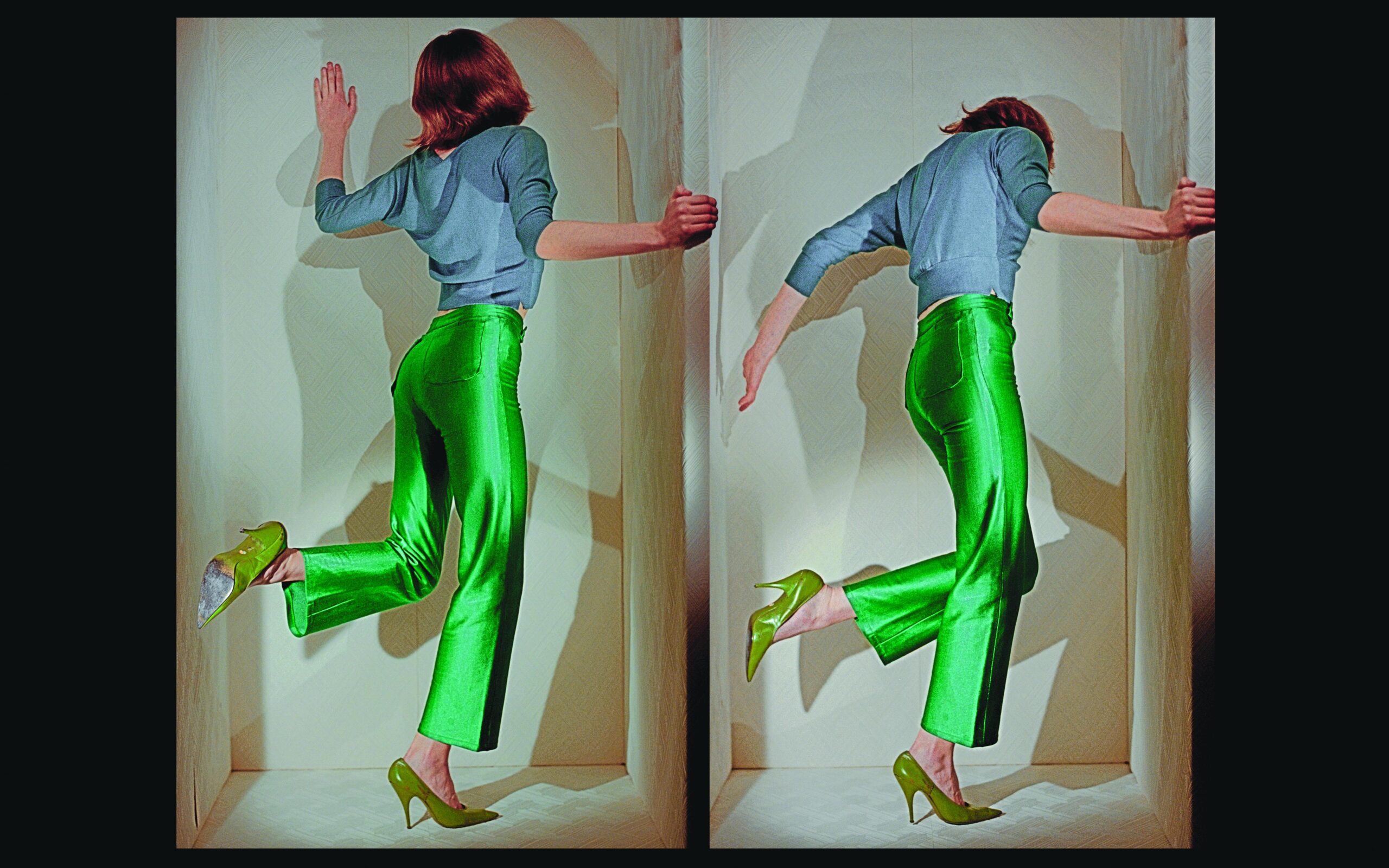
BASED IN: London, U.K.
“My work is set in the 1970s, so I didn’t realize until recently that it is also a distinctly 21st-century project. Before, I’d felt that I was sidestepping ‘now’ by digging deeper into the visual archive. I came to realize that it is my relationship to that archive—the image stream of the Internet—that is so 21st century. My physical body is here, but my brain is somewhere else… So in making my work, I can bring my body and brain closer together, slide my body into the past and my mind into the present. This photograph was my first time making an image that was consciously aware of its presence in the image stream… floating into the black…”
Dina Litovsky
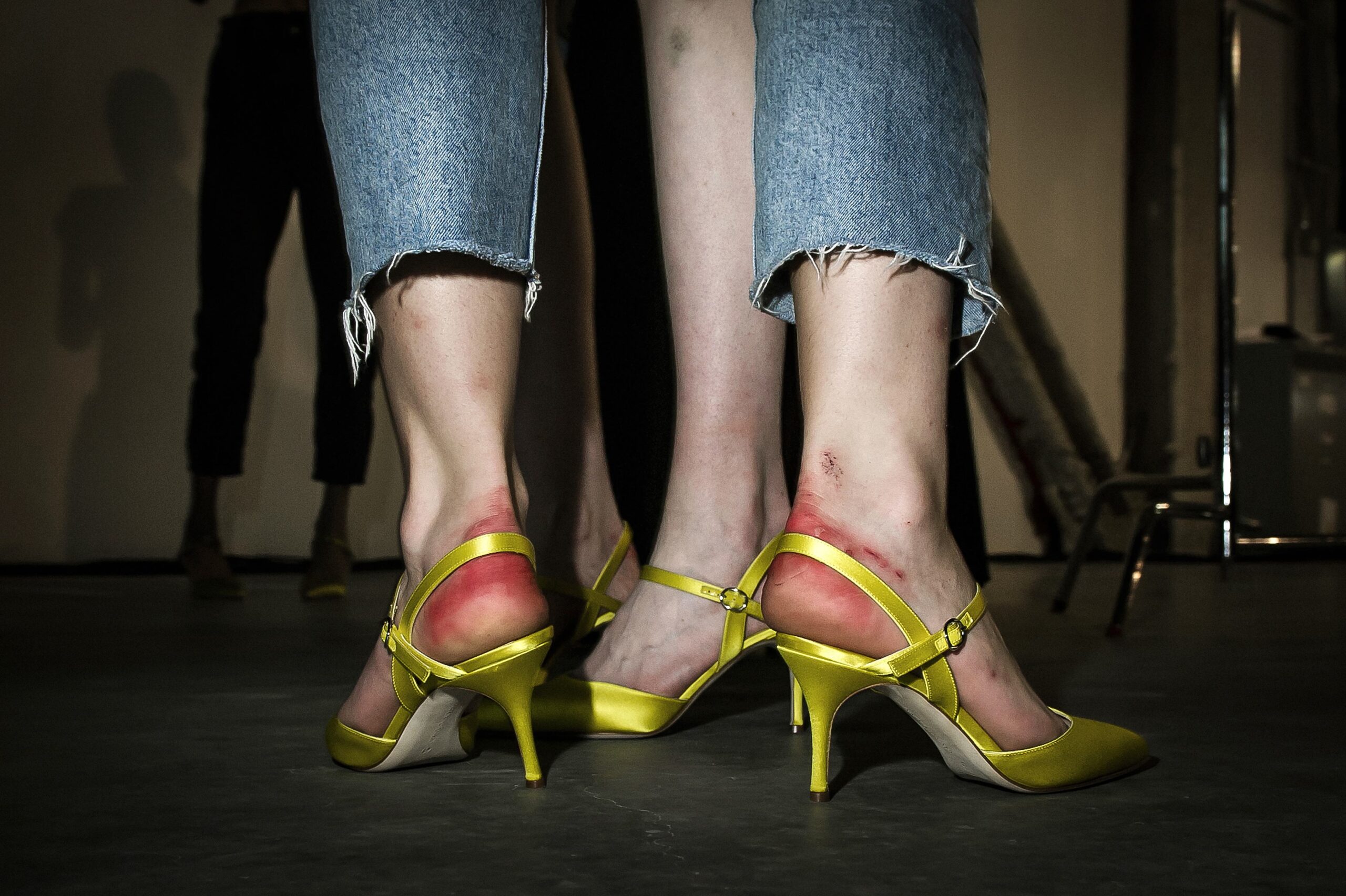
BASED IN: New York
“This image, shot backstage at New York Fashion Week in 2019, shows models’ heels raw from days of runway shows, the strappy sandals exposing torn, bloodied skin. Positioned at the intersection of beauty culture, capitalism, and self-presentation, the photo resonated far beyond the fashion industry. It captures how women’s pain is aestheticized, normalized, and even rewarded—the suffering folded into the spectacle. Continuing a centuries-old tradition that beauty requires sacrifice, the pursuit of glamour still demands that discomfort be absorbed into the cost of visibility and that composure under strain is a condition of femininity.”
Iva Sidash
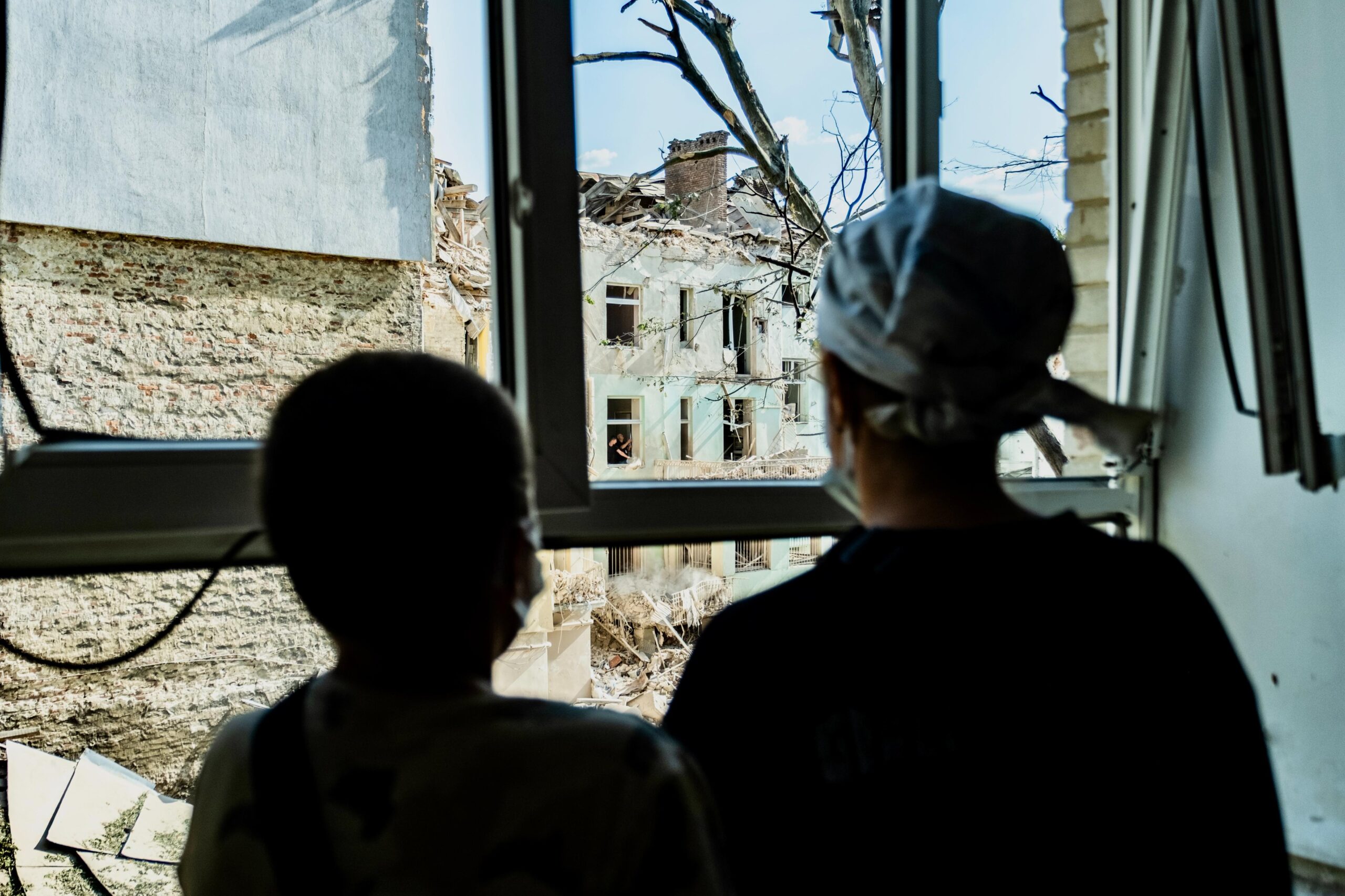
BASED IN: Lviv and Kharkiv, Ukraine
“This is the view from my old classroom in my hometown of Lviv, after a Russian missile hit the school on Sept. 4, 2024. Two people stand at the window, looking at the ruins. It’s the same place where I once learned to read and dream. Now it’s filled with dust and memory. I keep thinking about childhood and war—how they should never be in the same sentence. About all the children who won’t return to their schools. About how easily the things we take for granted—safety, learning, happiness—can disappear. For me, this image holds both personal and collective history. It’s saying: ‘This happened, I was here, I remember.’ If one image could speak for this time, I’d want it to carry both pain and presence—and a hope that someone, someday, will still be looking back.”
Vicky Sambunaris
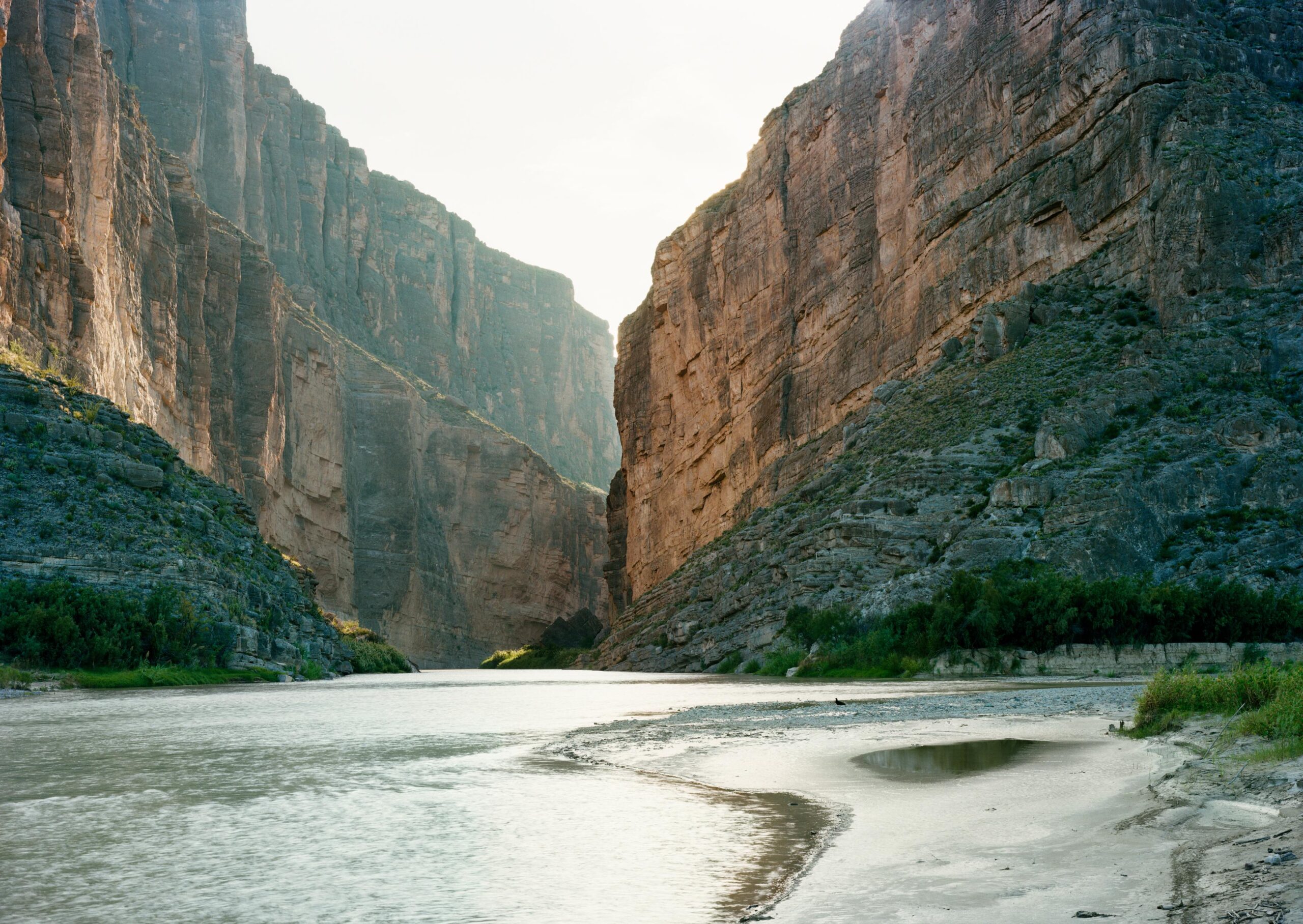
BASED IN: Ghent and New York
“As a landscape photographer, I have devoted my life to exploring the landscape and the culture of this country. My first trip to the U.S.–Mexico border was in 2000, soon after graduating from the Yale School of Art. This southern border weaves its way through diverse terrains from dense urban sprawl to ancient geological formations where nature, history, and politics merge. Over the last 26 years of my life on the road, the border has remained a place of fascination and tension for me. As the daughter of immigrants, the border is more than a line on a map; it’s a symbol of our national struggle with belonging, surveillance, fear, and misconceptions. This photograph of Santa Elena Canyon in Big Bend National Park in West Texas holds those contradictions in its stillness, capturing both division and the enduring flow that connects us.”
Mohamad Abdouni
BASED IN: Beirut, Lebanon
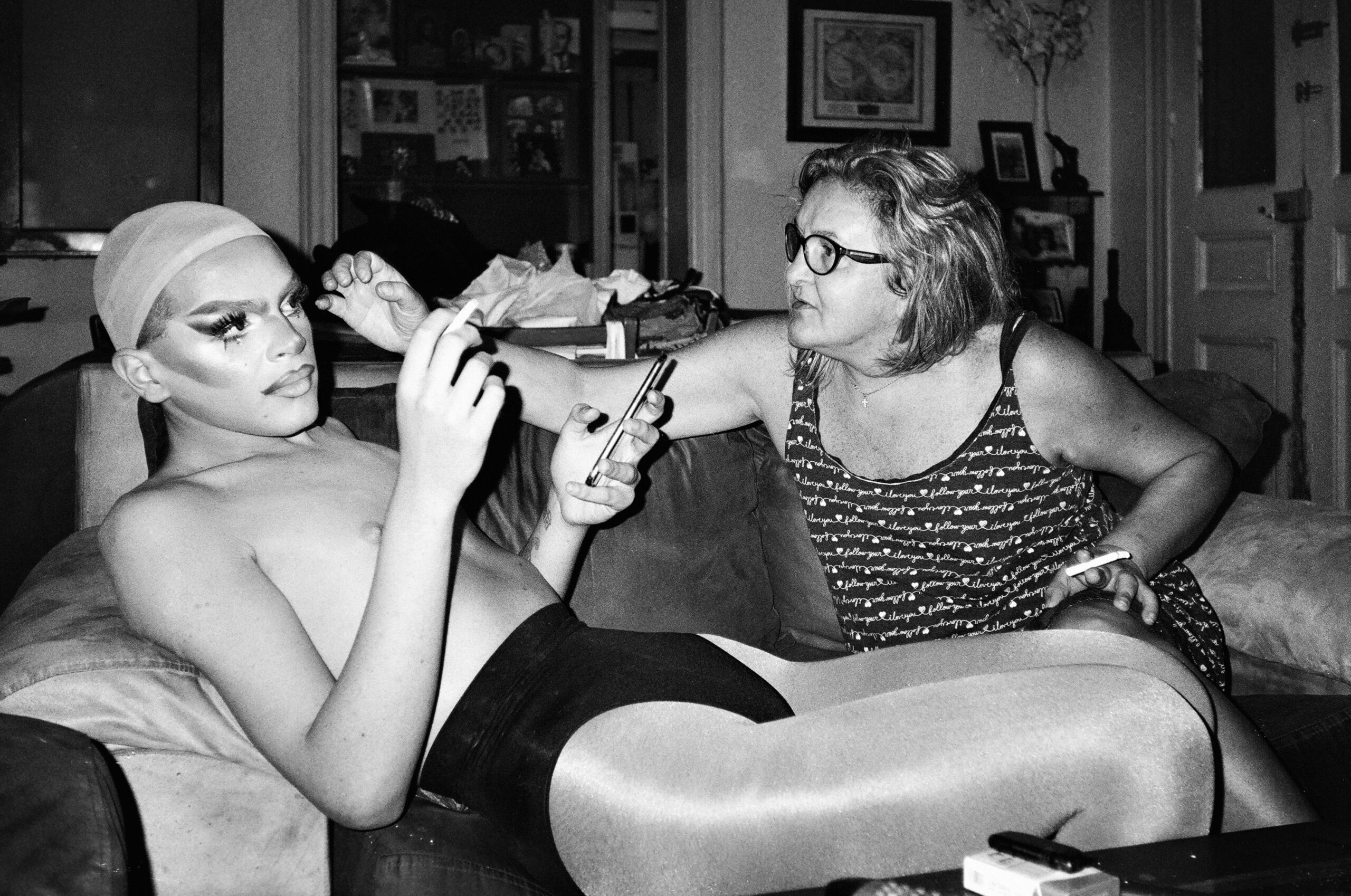
“I went for Doris & Andrea, 2019. This photograph reflects some of the defining conversations of the early 21st century. It speaks to visibility, acceptance, and identity at a time when queerness and family have become increasingly central in shaping public opinion. It was taken in a home that no longer exists, having been destroyed in the 2020 Beirut port explosion a year later. It was the first house across from the port. So in a sense it is also a reminder of how quickly both personal and collective histories can shift.”
Alec Soth
BASED IN: Minneapolis
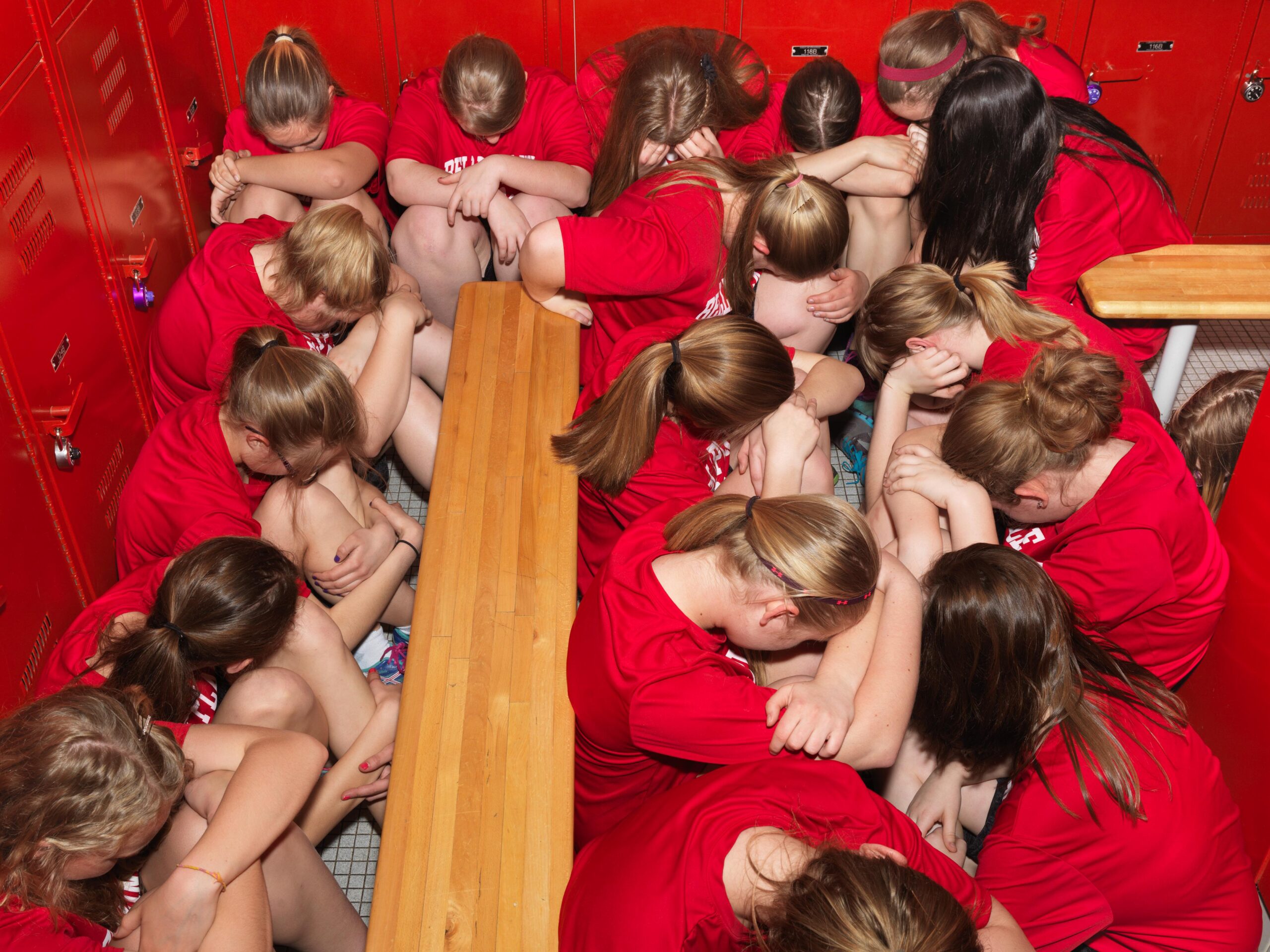
“This picture of a school lockdown drill was taken near where I grew up in exurban Minneapolis. The innocent girls in a classic American locker room remind me of my own childhood, but the underlying anxiety does not. For me, it’s a document of the post-9/11 world, where the threat of violence has become part of everyday life.”
Elle Pérez
BASED IN: New York
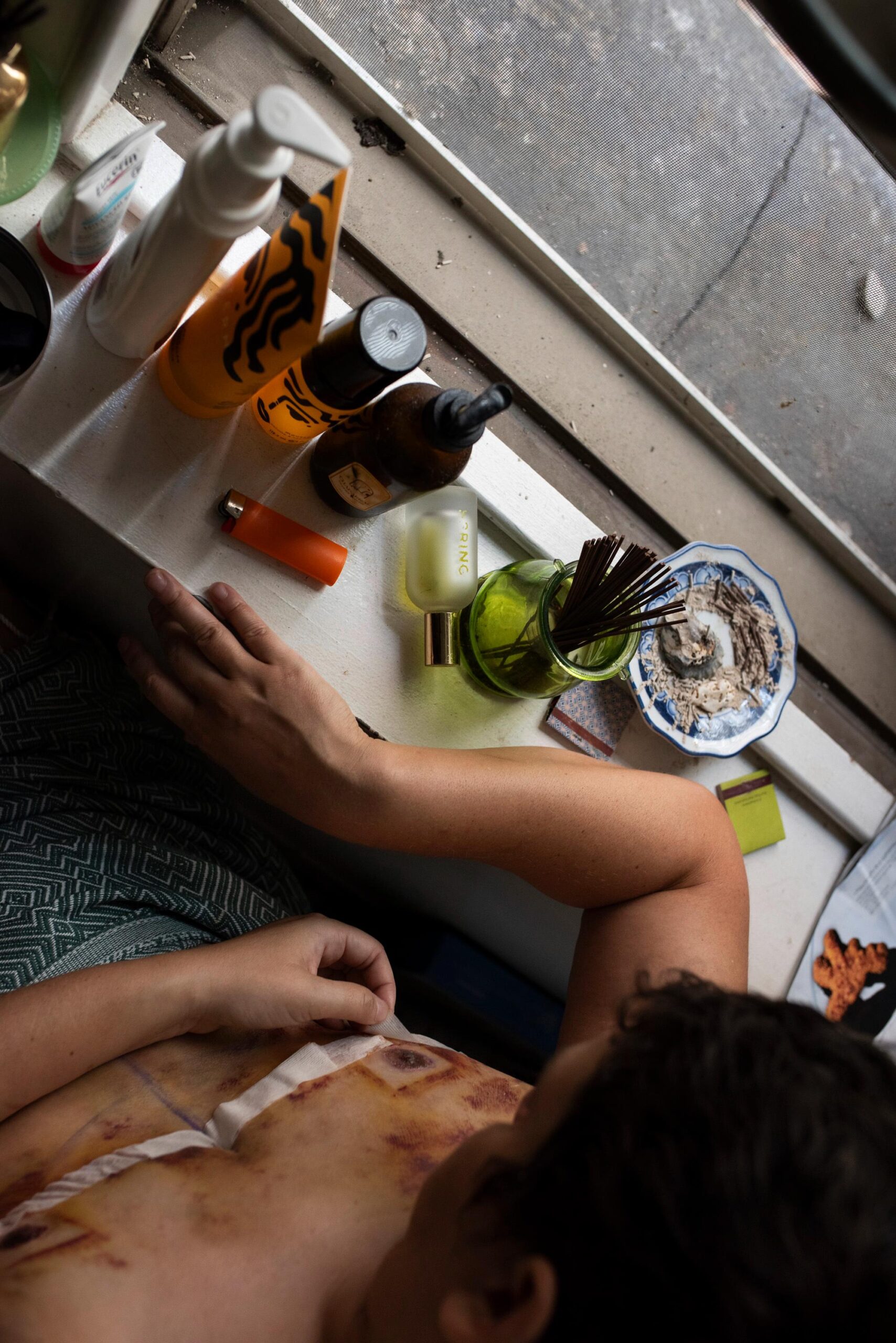
“I chose to submit a photograph that was made a few days after top surgery, titled Spring. In the broadest sense, bodily autonomy, self-agency, and freedom are the definitive issues of our time. No matter what happens in the coming months and years, I want the future to know that transformation is both beautiful and possible.”
Julio Cortez
BASED IN: Dallas
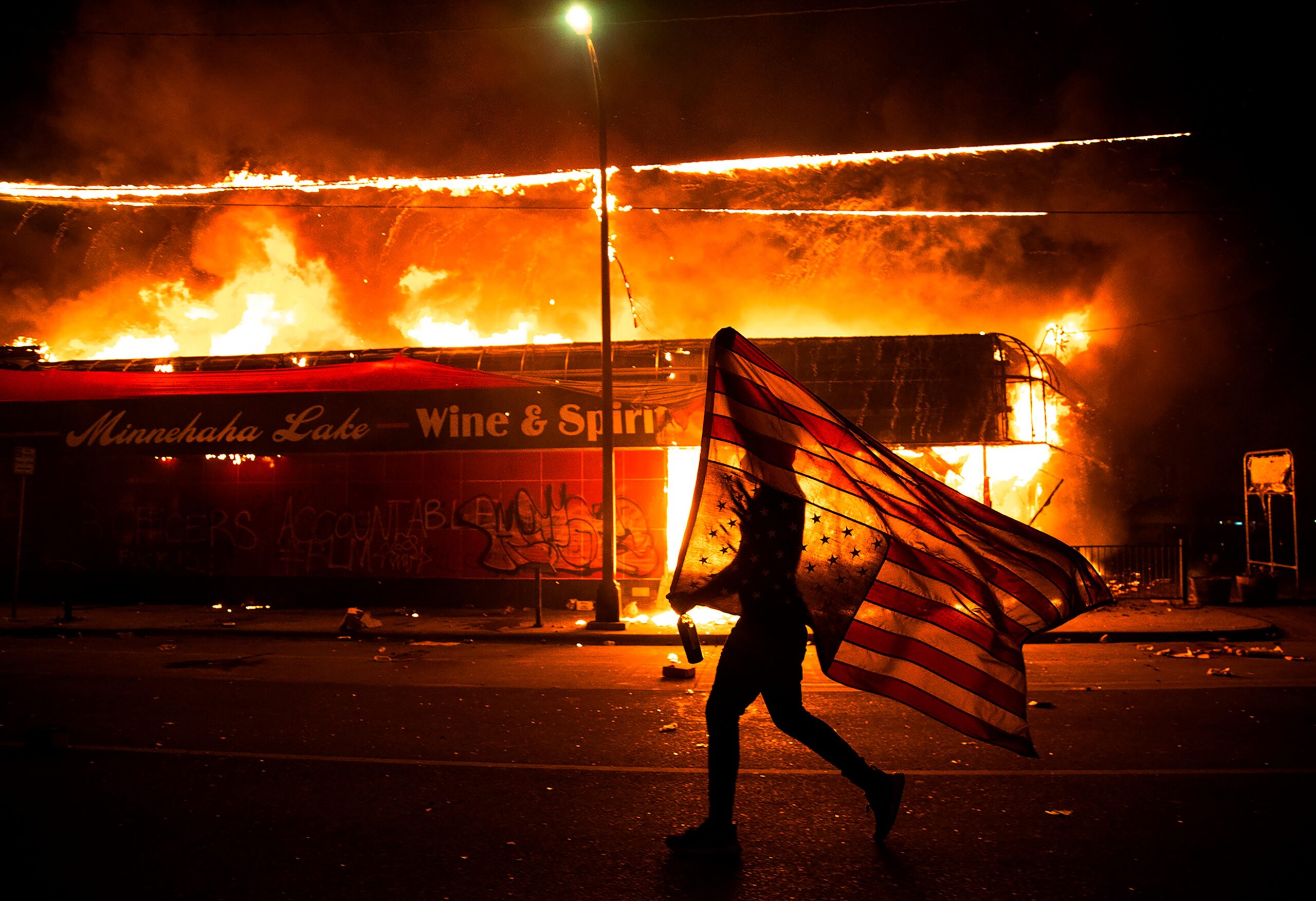
“I chose this image because it reflects the state of affairs in 2020. An American flag, carried upside down past a burning business, reflects the anger sparked by a police officer’s killing of George Floyd, and also a message from Minneapolis to the world.”
Daniel Arnold
BASED IN: New York
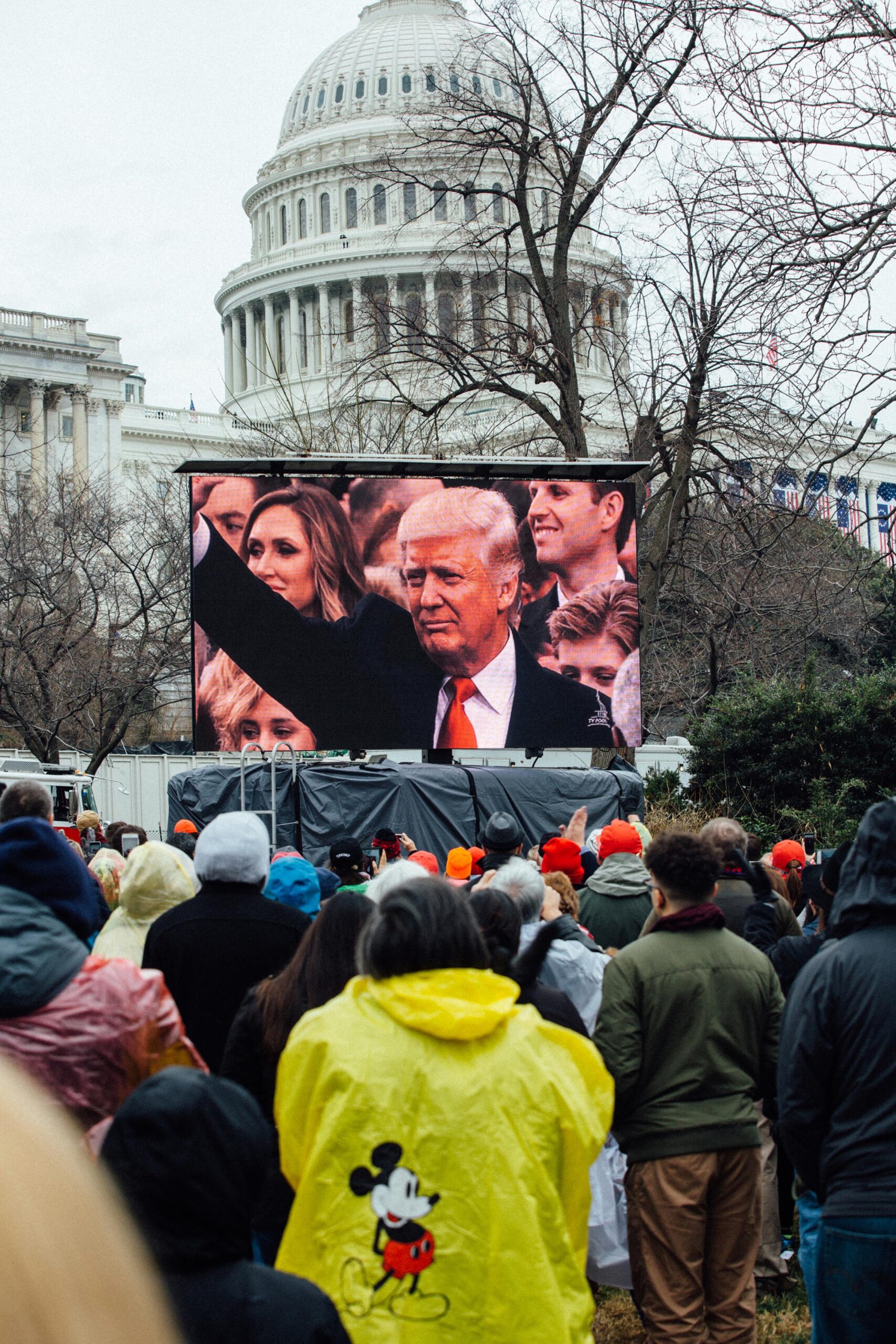
“This image was taken in Washington, DC, on Jan. 20, 2017. I chose it because funeral photos are too grim and intimate, and—outside of close-up personal-life changes—the most consequential energy of my 2000s has come from the nonstop Mickey Mouse pro-wrestling nightmare at the White House.”
Guanyu Xu
BASED IN: Chicago
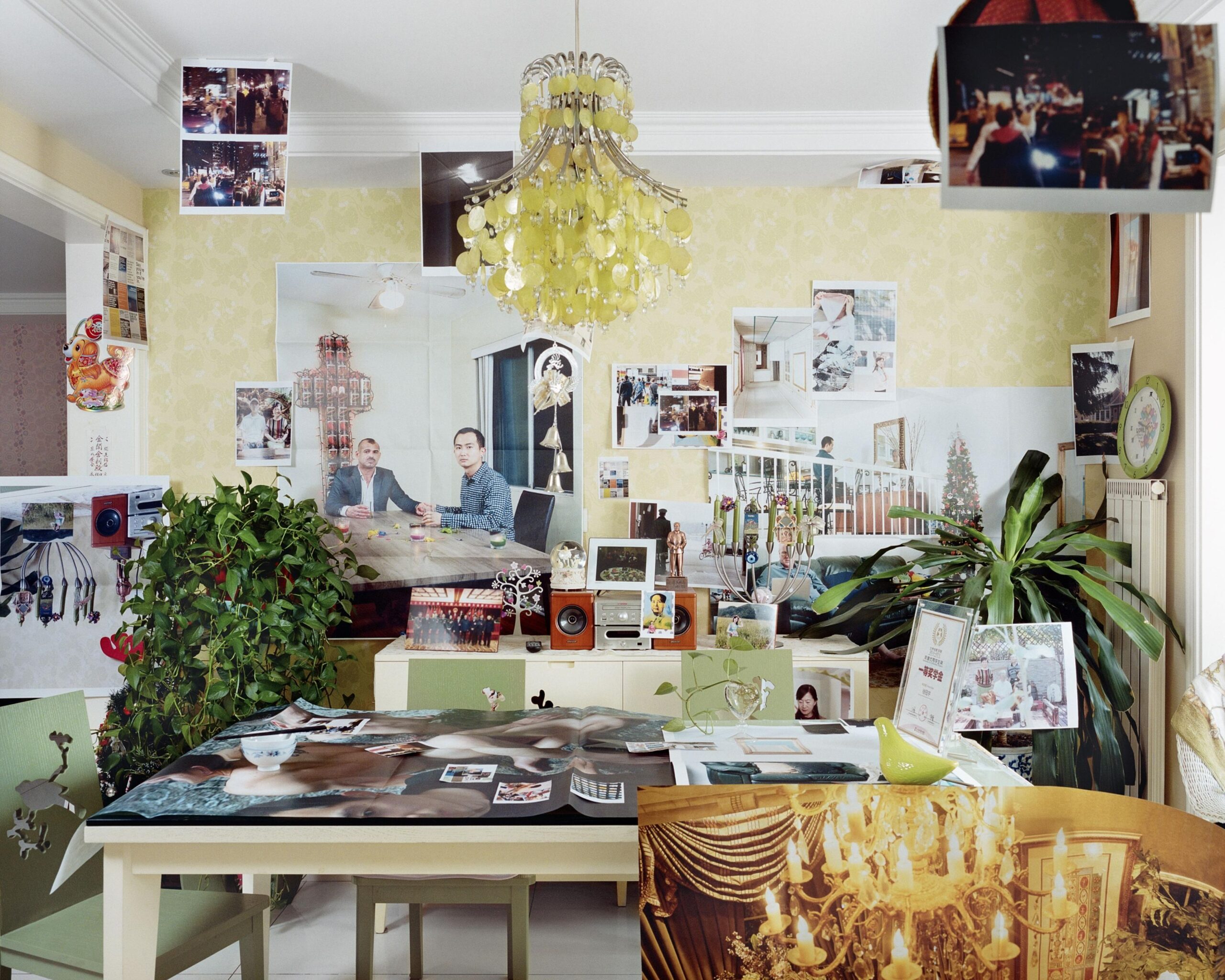
“In the series ‘Temporarily Censored Home,’ I situated photographs in my teenage home in Beijing to queer my parents’ heterosexual space. These images taken in the past four years consist of portraits of me and other gay men in their domestic settings from my project ‘One Land To Another’; prints of my artwork made in the United States; photographs of landscape and built environment taken in the U.S., Europe, and China; torn pages from film and fashion magazines that I collected as a teenager; images from my family photo albums. Here, images of protest during Trump’s first presidency are juxtaposed with Mao Zedong’s statue. The photo of me and another man holding hands collapses in my parents’ dining room. Through positioning and layering images, I aim to juxtapose, contradict, and collapse space and time, reclaiming my home in Beijing as a queer space of freedom and temporary protest.’
Sara Abbaspour
BASED IN: Albuquerque
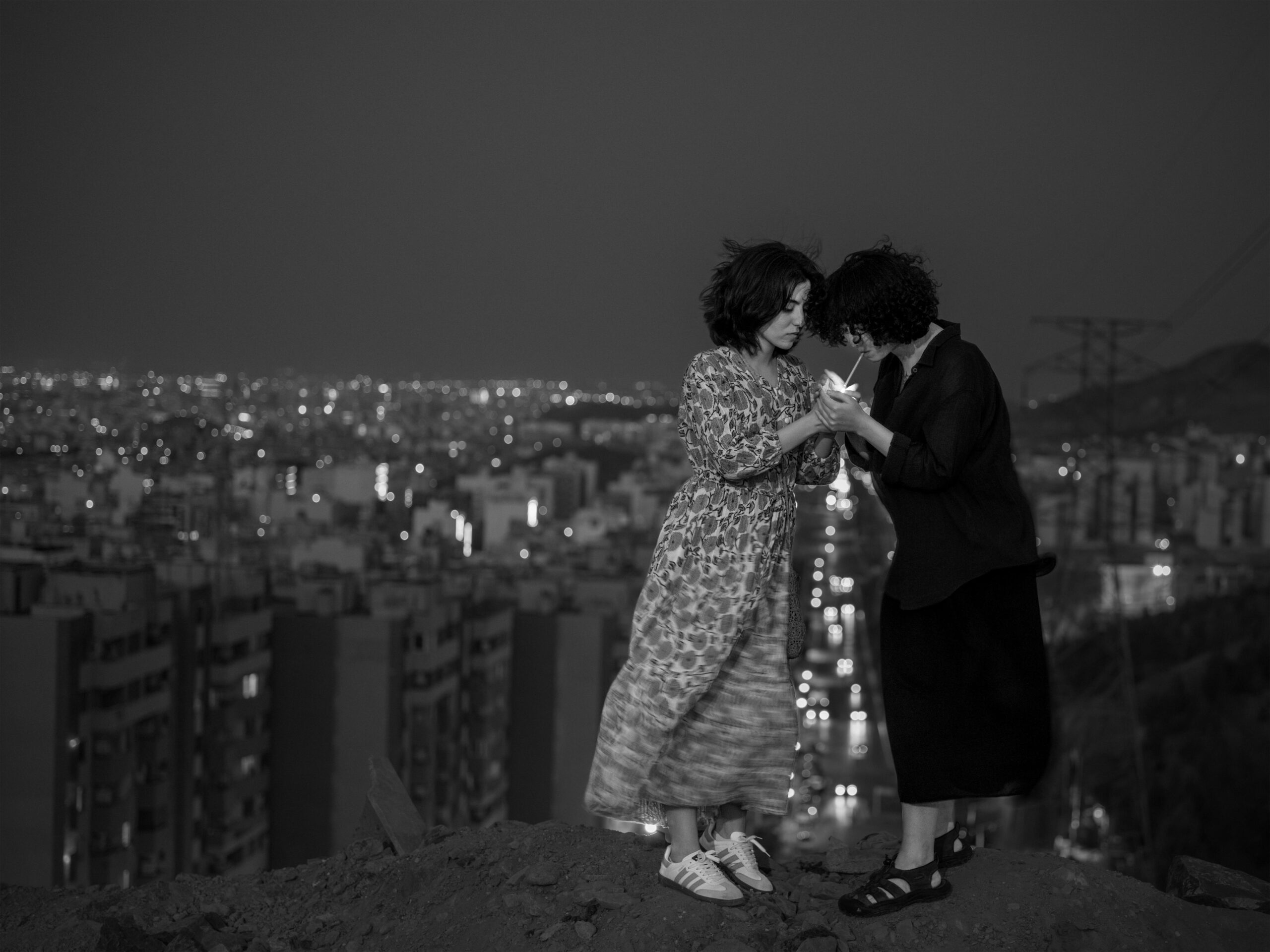
“This photograph was made in Iran in the summer of 2024, in the aftermath of the Woman, Life, Freedom socio-political movement—a civil uprising in which women led a nationwide effort to reclaim dignity, freedom, and collective agency. This movement represents the most significant event of the 21st century that I have personally witnessed.”


 in your life?