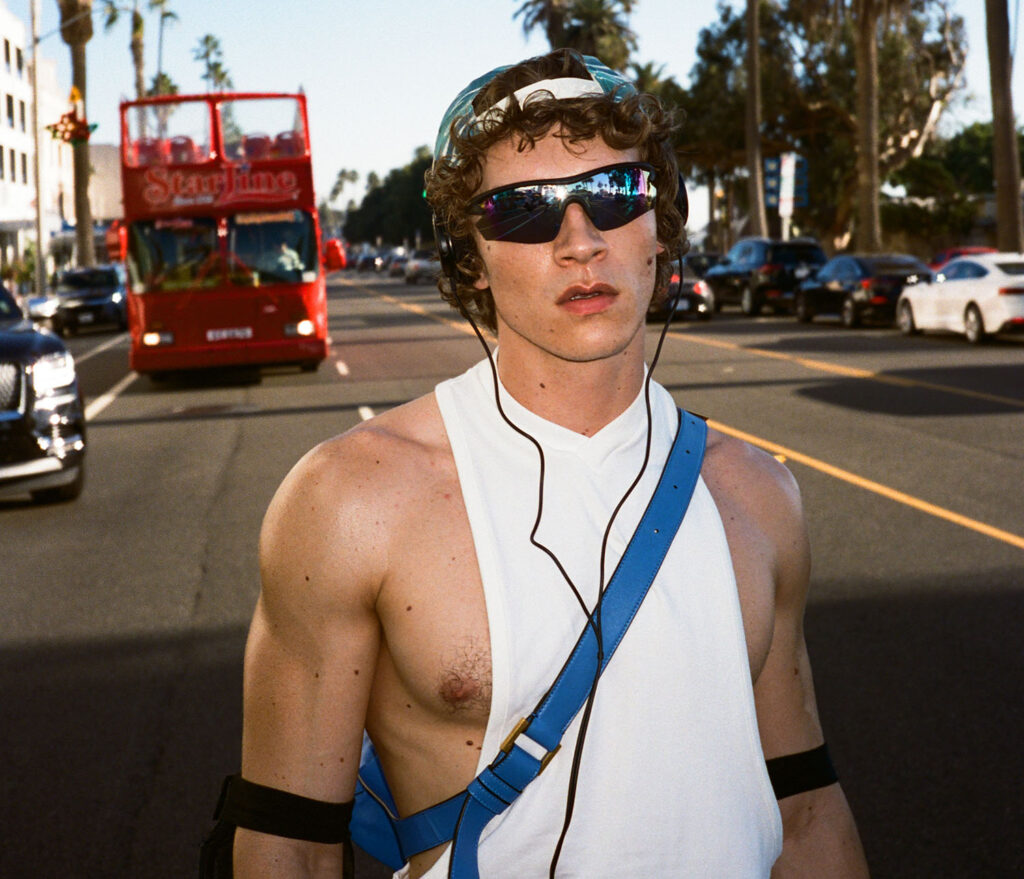
Johanna Fateman on Cameron Rowland at Dia Beacon
In October, in Paris, a wall text for the exhibition “ECHO DELAY REVERB,” was updated with the note: “Palais de Tokyo has determined that Cameron Rowland’s artwork Replacement could be considered illegal.” The American artist’s conceptual work instructed that the French flag on the facade of the building be replaced with the flag of Martinique, which was colonized by the French in 1635. An Instagram post from Rowland’s New York gallery, Maxwell Graham, documented the flag’s absence, after a previous post with a nearly identical snapshot had documented the Martinique flag’s prior installation.
This Parisian affair is as good an example as any for what was a politically tumultuous year marked by exceptional moments in art. Fittingly, the Critics’ Table began the year with Johanna Fateman’s review of Cameron Rowland’s “Properties,” curated by Jordan Carter and Matilde Guidelli-Guidi, at Dia Beacon. In retrospect, Fateman’s piece provided an essential primer in advance of one the year’s most notable controversies.
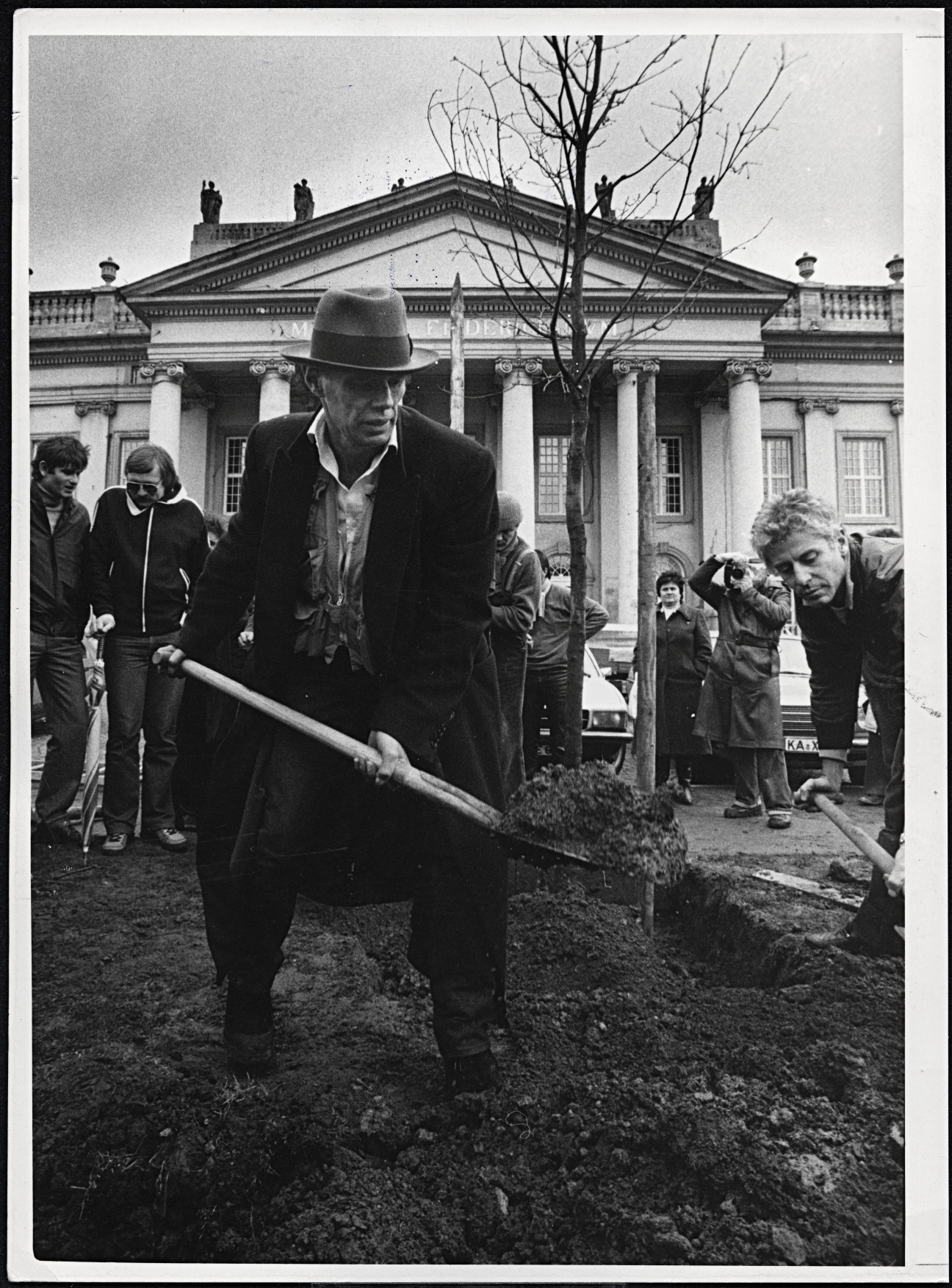
Ross Simonini on Joseph Beuys, Loss, and the Eaton fire in LA
Another scene of obliteration and disruption, provided the Critics’ Table’s most unforgettable opening sentence of the year:
On the morning of Jan. 8, I planned to see the Joseph Beuys exhibition at the Broad, but instead, I woke to the news that the Eaton fire had destroyed my home, art studio, and everything around it.
Ross Simonini finds solace in art and hope in the oak trees that persist in Altadena when it seems as if nearly everything had been consumed by fire in one of the year’s most affecting pieces.
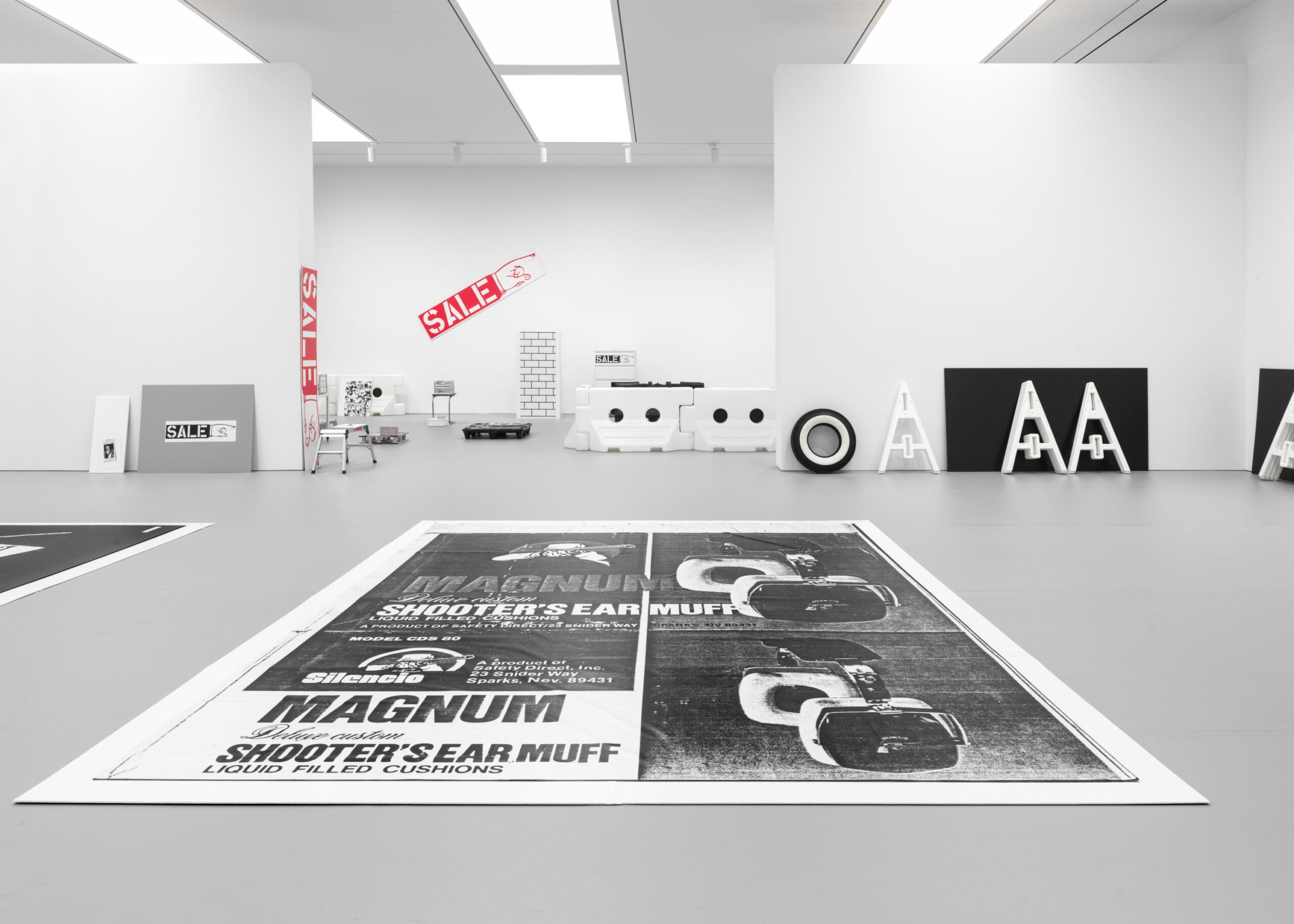
John Vincler on Cady Noland at Gagosian
Described by Vincler as, “a fascinating mess—and among the most interesting gallery exhibitions in New York,” Cady Noland at Gagosian was both polarizing and exhilarating. Our critic asked: “What do we expect in 2025 from an artist whose subjects have long been American violence, conspiracy, cults, consumerism, punishment, and the carceral?” Vincler notes that, “the rows of tubular metal-framed bunk beds in cells of chain link fencing as seen in press photos of ‘Alligator Alcatraz,'” recall a Noland installation. Or rather, that it seems as if she the artist predicted the South Florida Detention Facility. The show proved that Noland remains a quintessential artist of contemporary America.
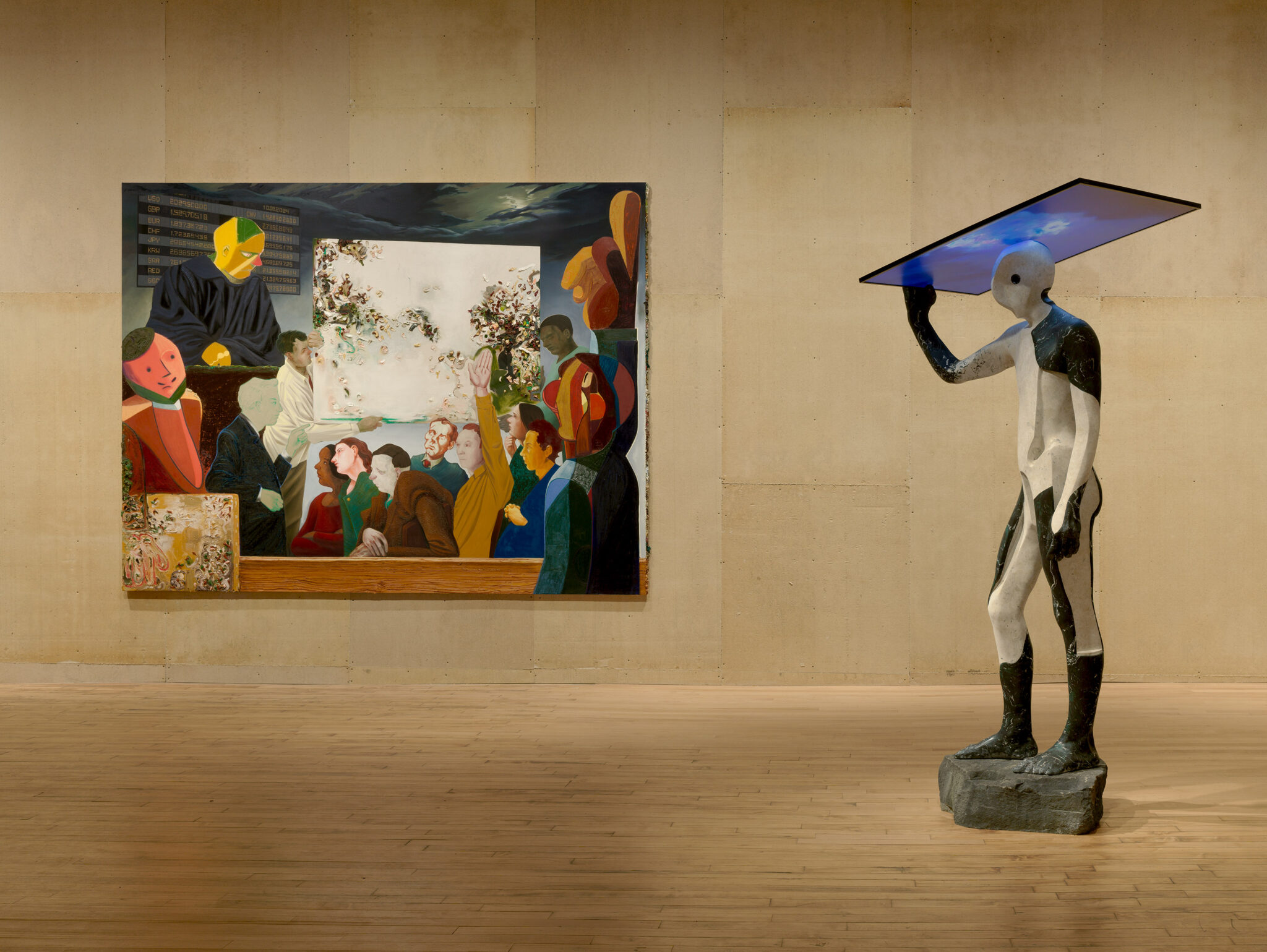
John Vincler on Nicole Eisenman at 52 Walker
In a tighter, less sprawling presentation of work at 52 Walker in Tribeca, Nicole Eisenman similarly showed politically charged work: “Eisenman’s entire show is like an interactive stage set for contemplating the possibilities and limitations of art’s ability to address the crisis of the present. It dares to juxtapose our contemporary moment with prior historical eras, when authoritarianism, censorship, and fascism were on the rise.”
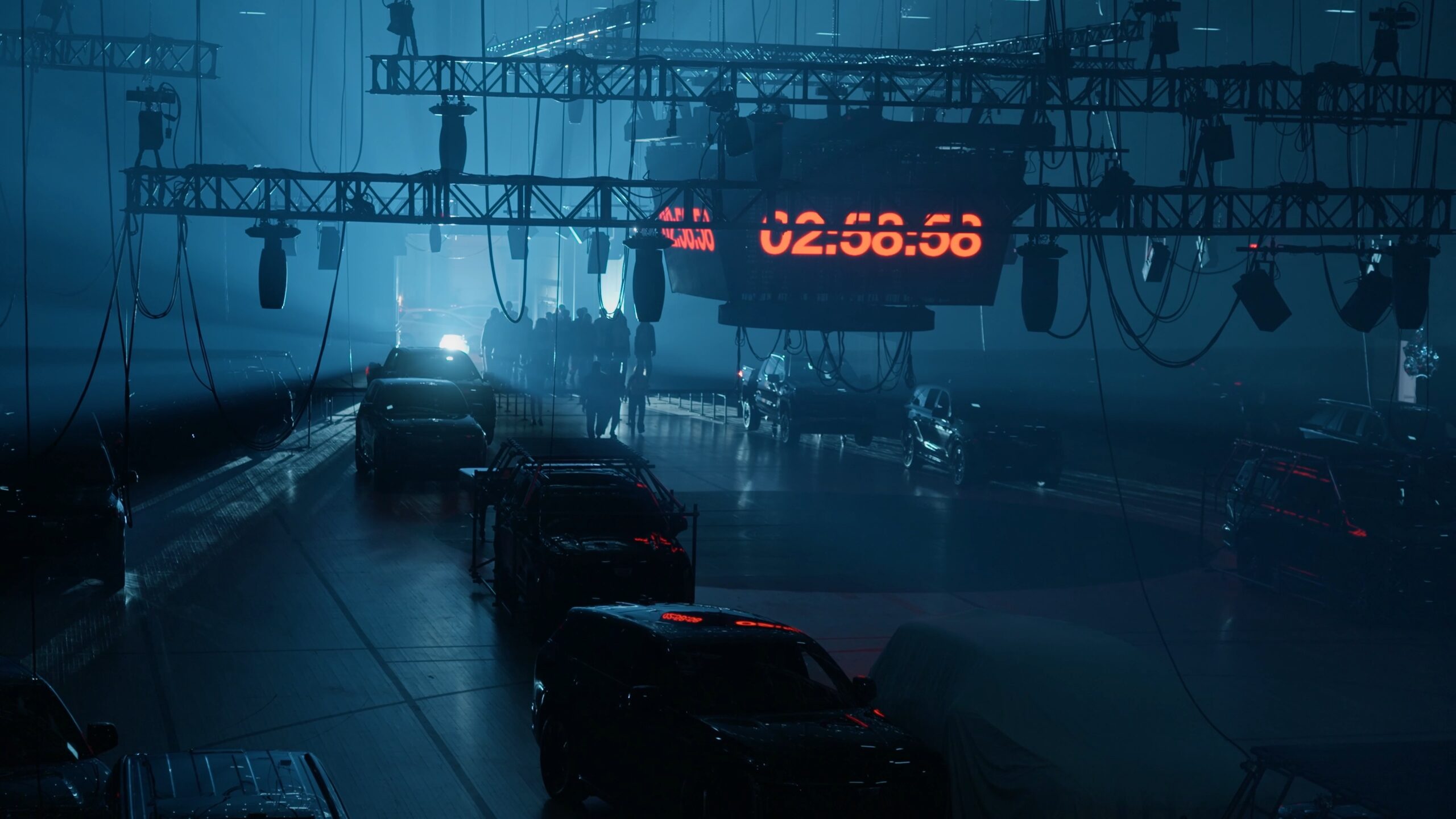
Johanna Fateman on the Best (and Worst) of 2025
From Mayor-elect Zohran Mamdani, Laura Owens, Anne Imhof, and the Jack Whitten retrospective at MoMA to A.I., Beeple, and Luc Tuymans, Johanna Fateman looks back on the year. Fateman writes, “Looking back through my photos and notes, I see that—for art—2025 was not bad at all… The most meaningful work is characterized instead by a steely, head-down focus on being one’s self and doing one’s thing, undeterred.”

 in your life?