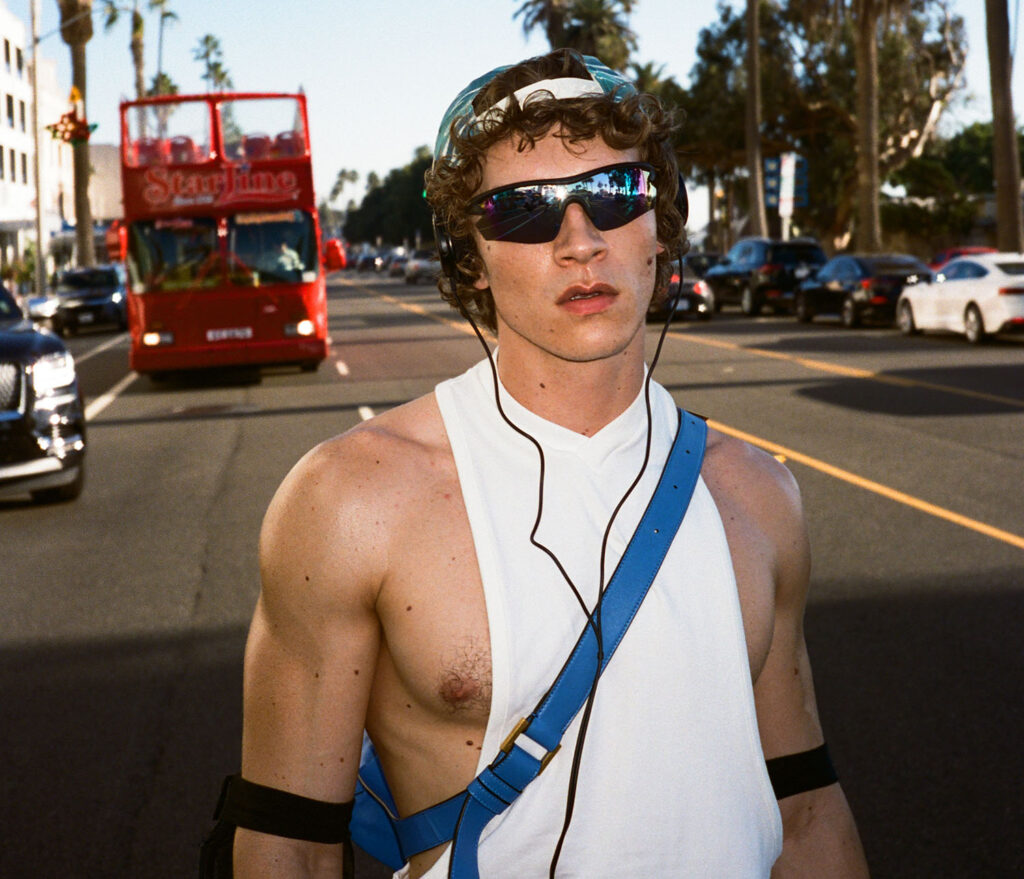
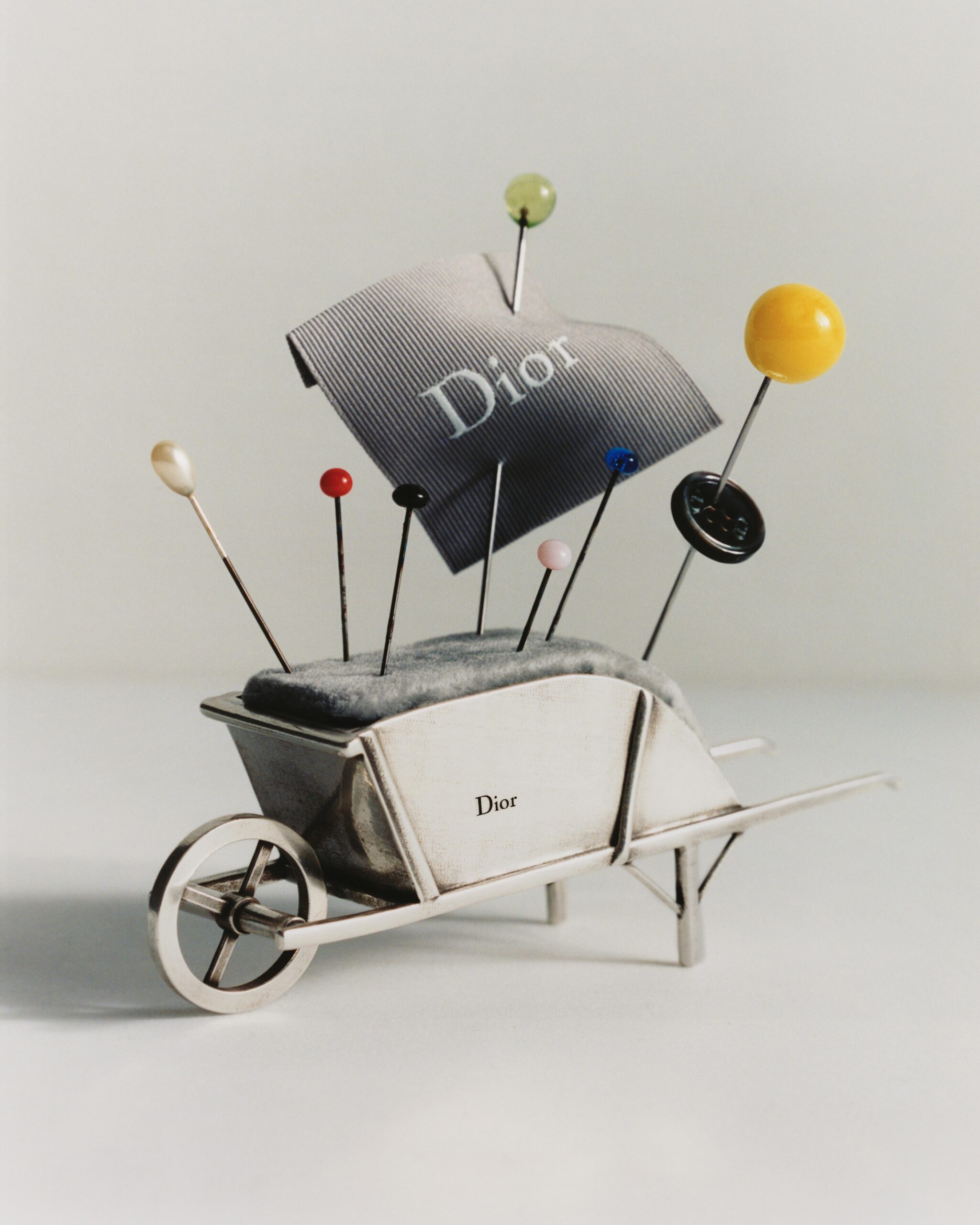
Jonathan Anderson is a bright spot in what can often feel like bleak sartorial terrain. With his Dior debut last June, the Northern Irish designer—a cherished master of the unpredictable and agent of the absurd—left a nuanced yet unmistakable mark with a Men’s Spring/Summer 2026 collection that riffs on French history while filtering in his own trademark gestures: painstaking handiwork and a reverence for craft. For CULTURED, the house pulls back the curtain on the collection, identifying the themes that thread their way through garments and accessories alike.
A Cascade of Tassels
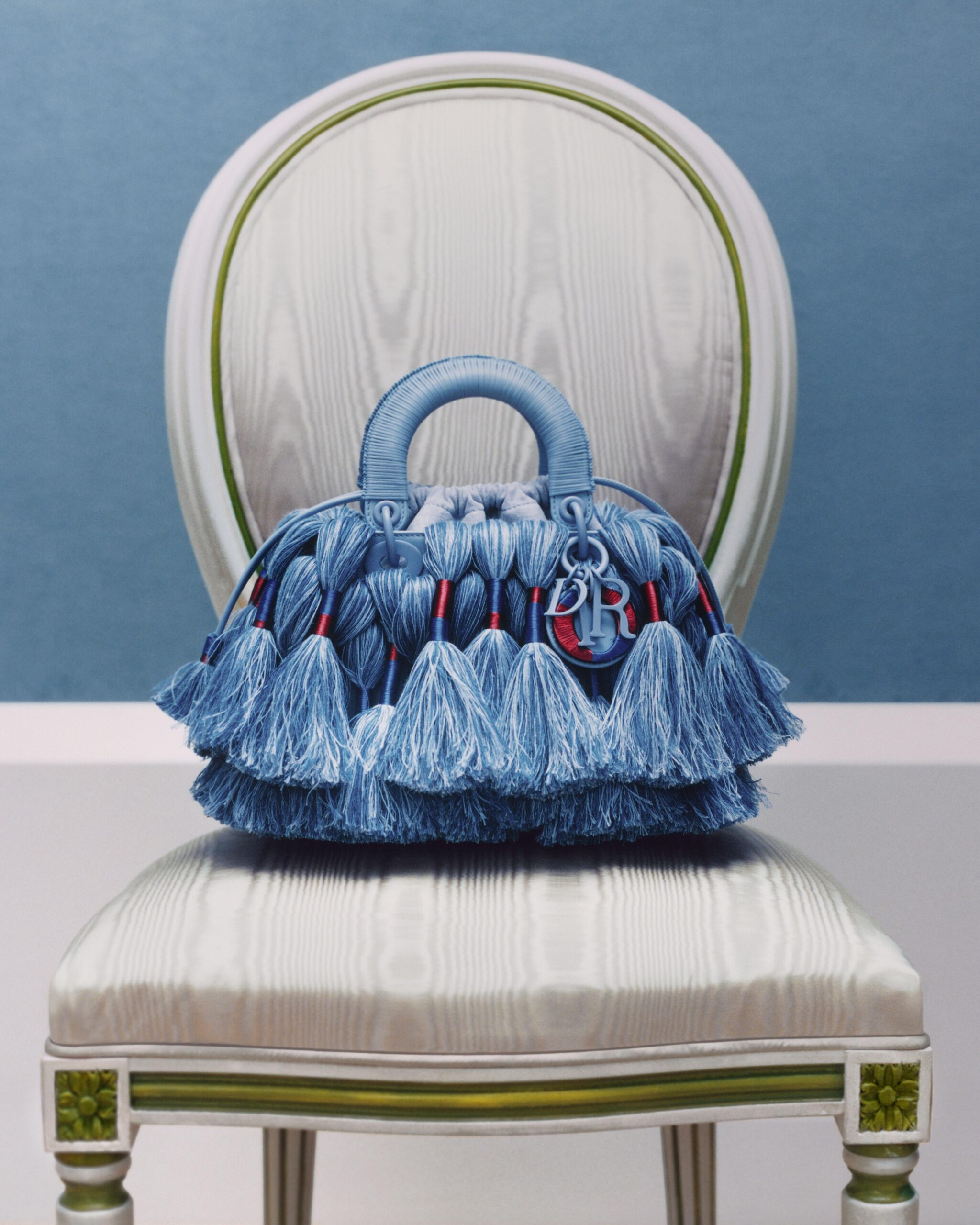
Anderson’s reimagining of the iconic Lady Dior bag involved a collaboration with textile artist Sheila Hicks, who covered the bag with “a nest of ponytails.” The unusual appliqué transforms accessory into art object. Here, delight transcends the binary—men streamed down the Dior runway in June with the bag in the crooks of their arms.
Brandebourg Detailing
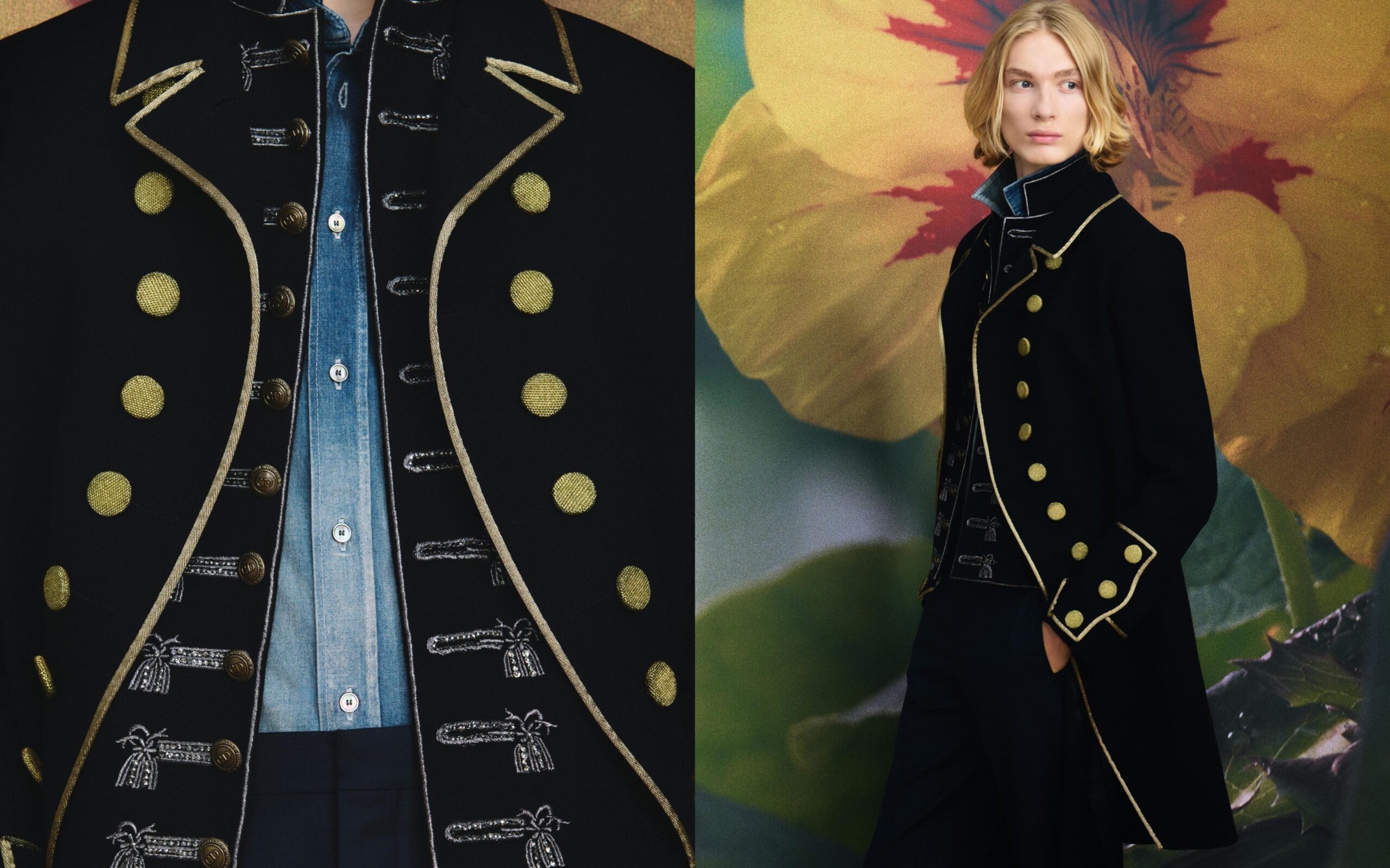
The designer returns time and again to the Brandebourg style, distinguished by its oval fastenings and its burnished, formal quality. The tassels, hardware, and braided details take as much as 120 hours for Dior’s craftspeople to complete.
Literary Tributes
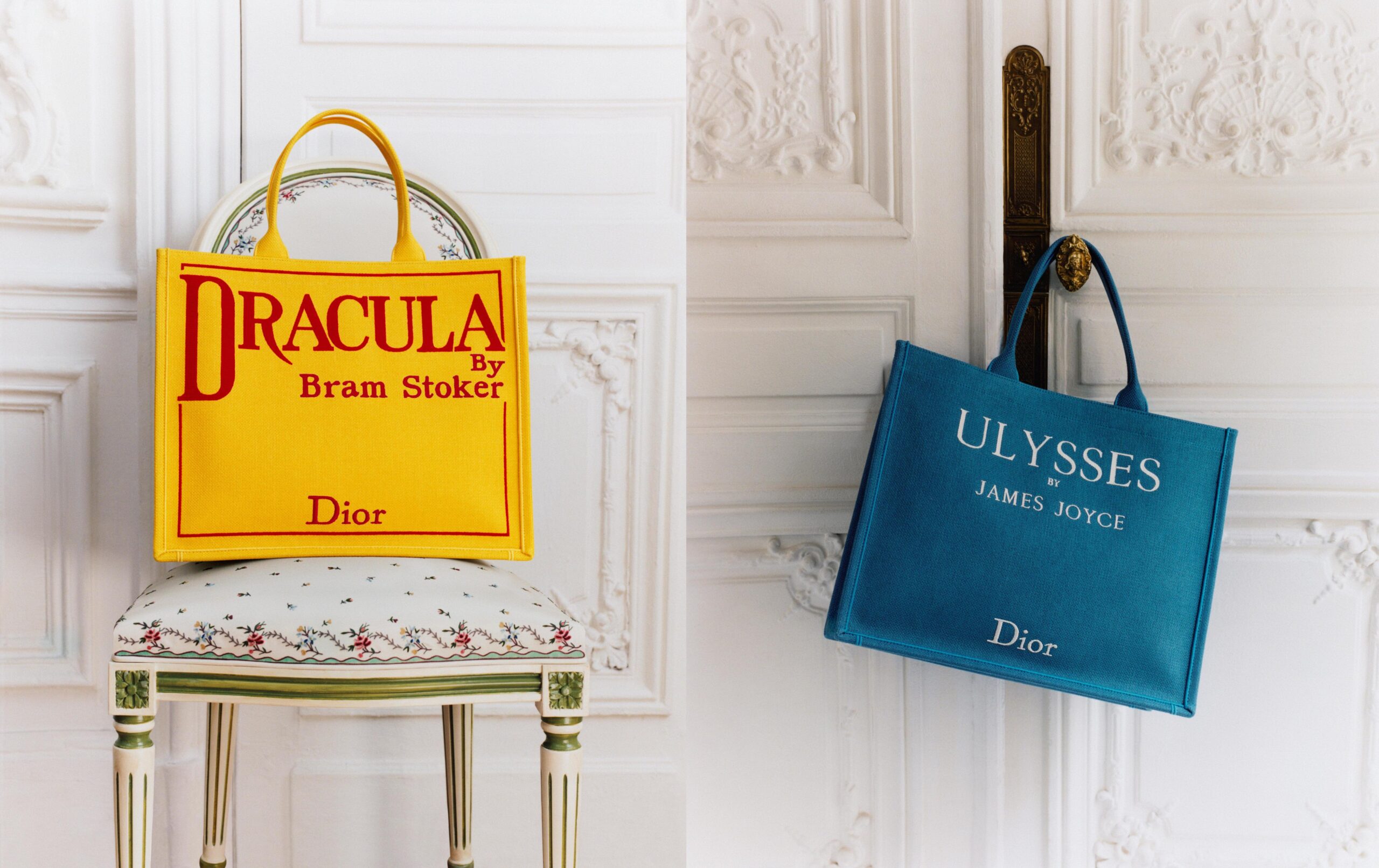
In the Anderson extended universe, cinematic and literary figures are as central as his own fashion forebears. He gave the iconic Book Tote a refresh, covering the cotton and calfskin bags with details derived from several popular tomes. One standout is a highlighter-yellow design embroidered with “Dracula by Bram Stoker.” Others nod to James Joyce’s Ulysses and Charles Baudelaire’s Les Fleurs du Mal, pairing the designer’s Irish heritage with Dior’s French roots.
A Revolutionary Flourish
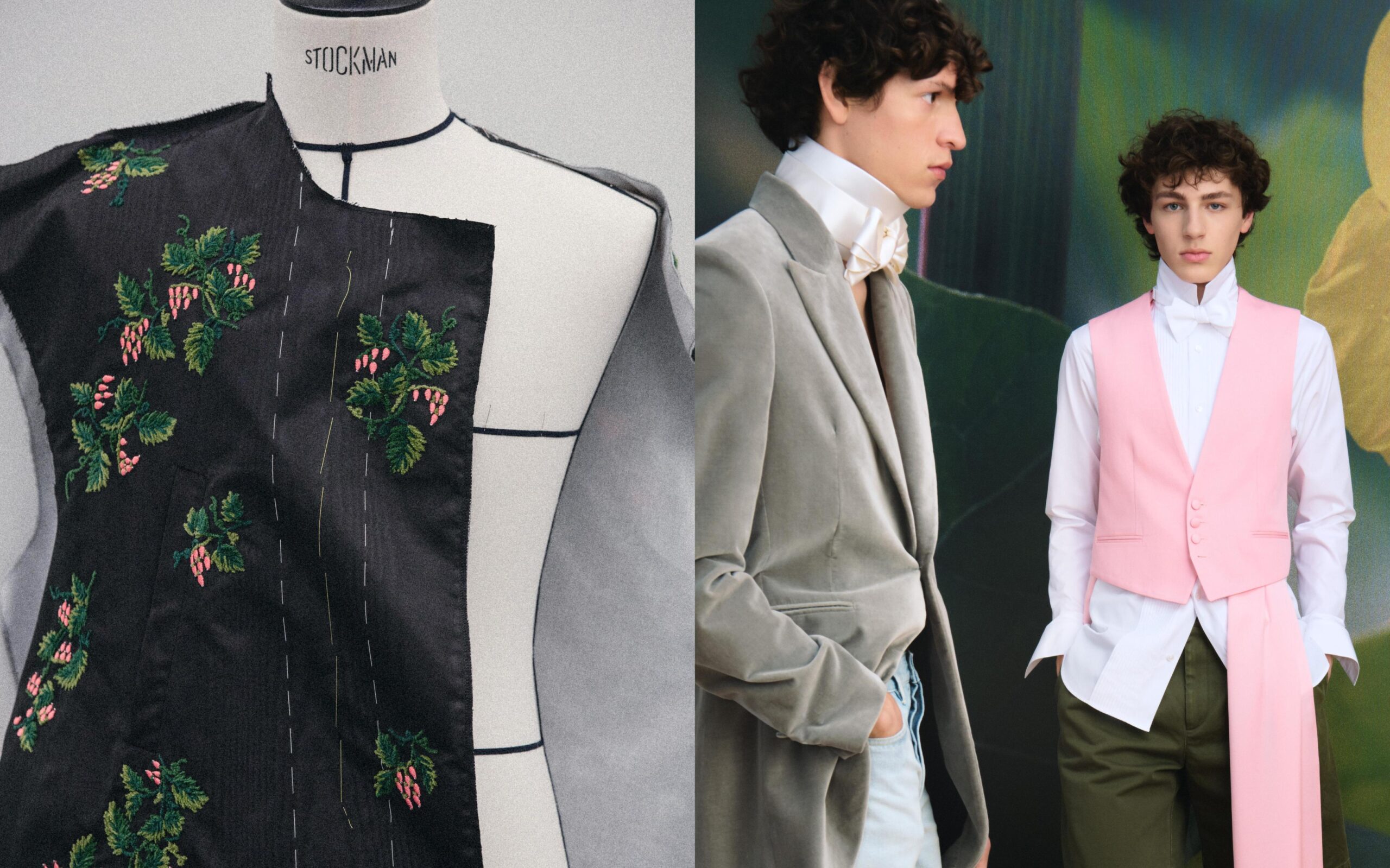
In another nod to historical dress, Anderson envisioned waistcoats and cravats updated with sumptuous details, like metallic embroidery and seed pearls laced into minute floral designs. The raiment synthesizes the designer’s signature clash—elegant yet irreverent.
Painstaking Craftsmanship
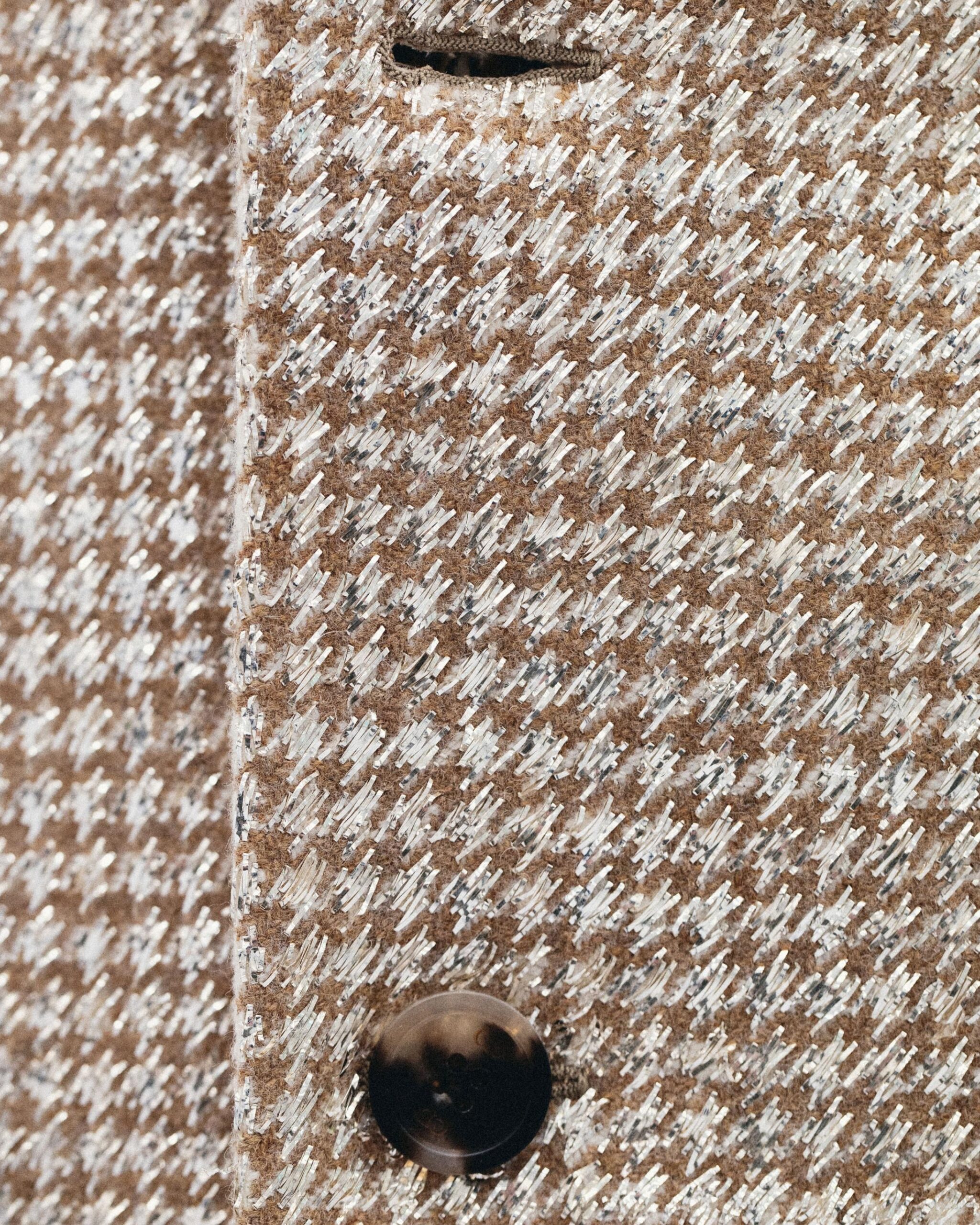
Dior’s Paris atelier spends 3,271 hours embroidering just one coat. Metallic thread is sewn onto the face of a houndstooth garment to create a glinting, etched effect. Such designs are only possible with the luxury of unlimited time—something that situates Anderson’s runway fare closer to the realm of haute couture.
Sculptural Silhouettes
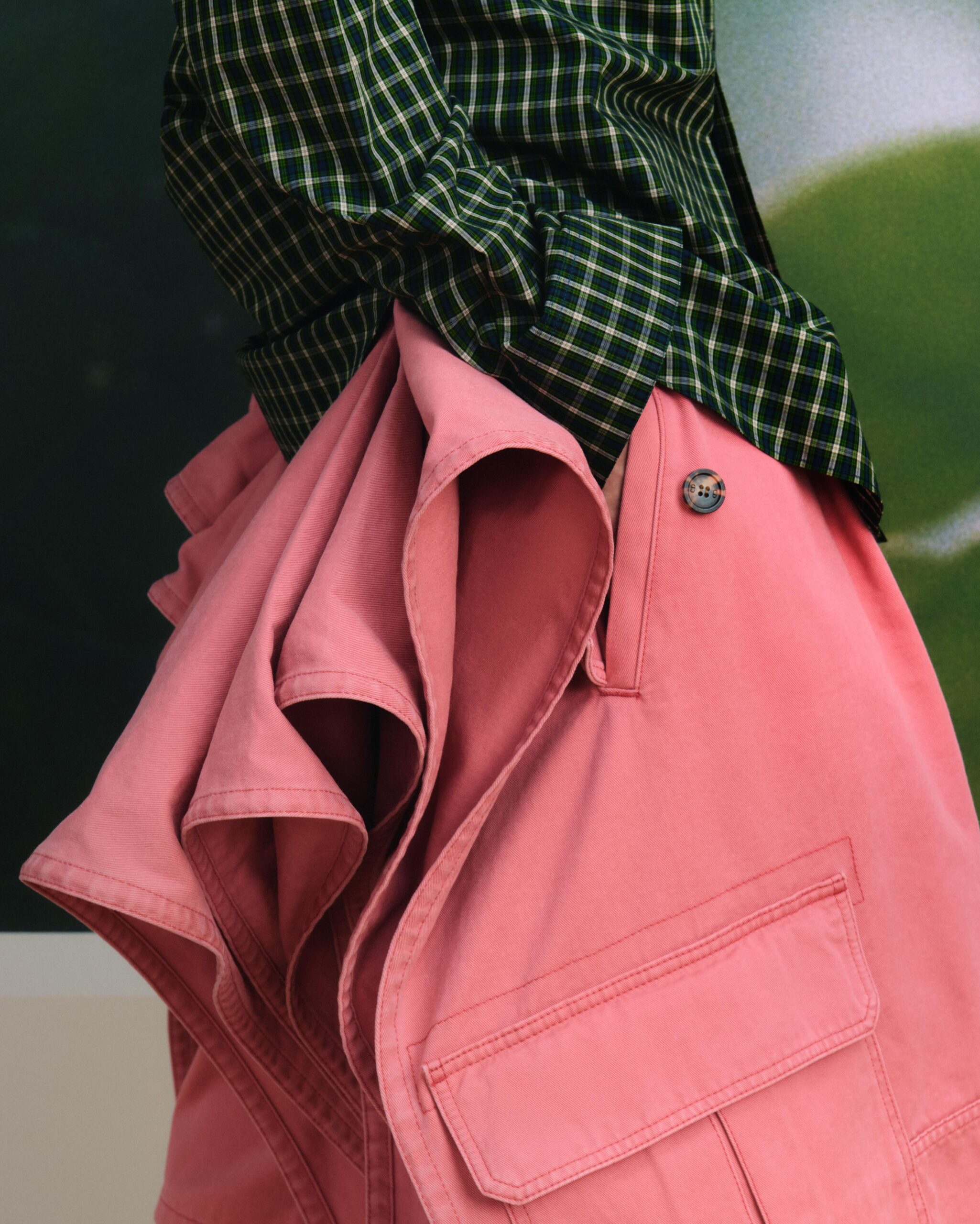
Anderson unleashed his love of structure on the Men’s Spring/Summer 2026 collection. Fabrics fold back on themselves to create origami-like shapes that billow from the hips. These offerings bring together the robust silhouettes that dot Dior’s archive with the fluid designs that characterize modern tailoring in an easy marriage.
Reimagined Heritage
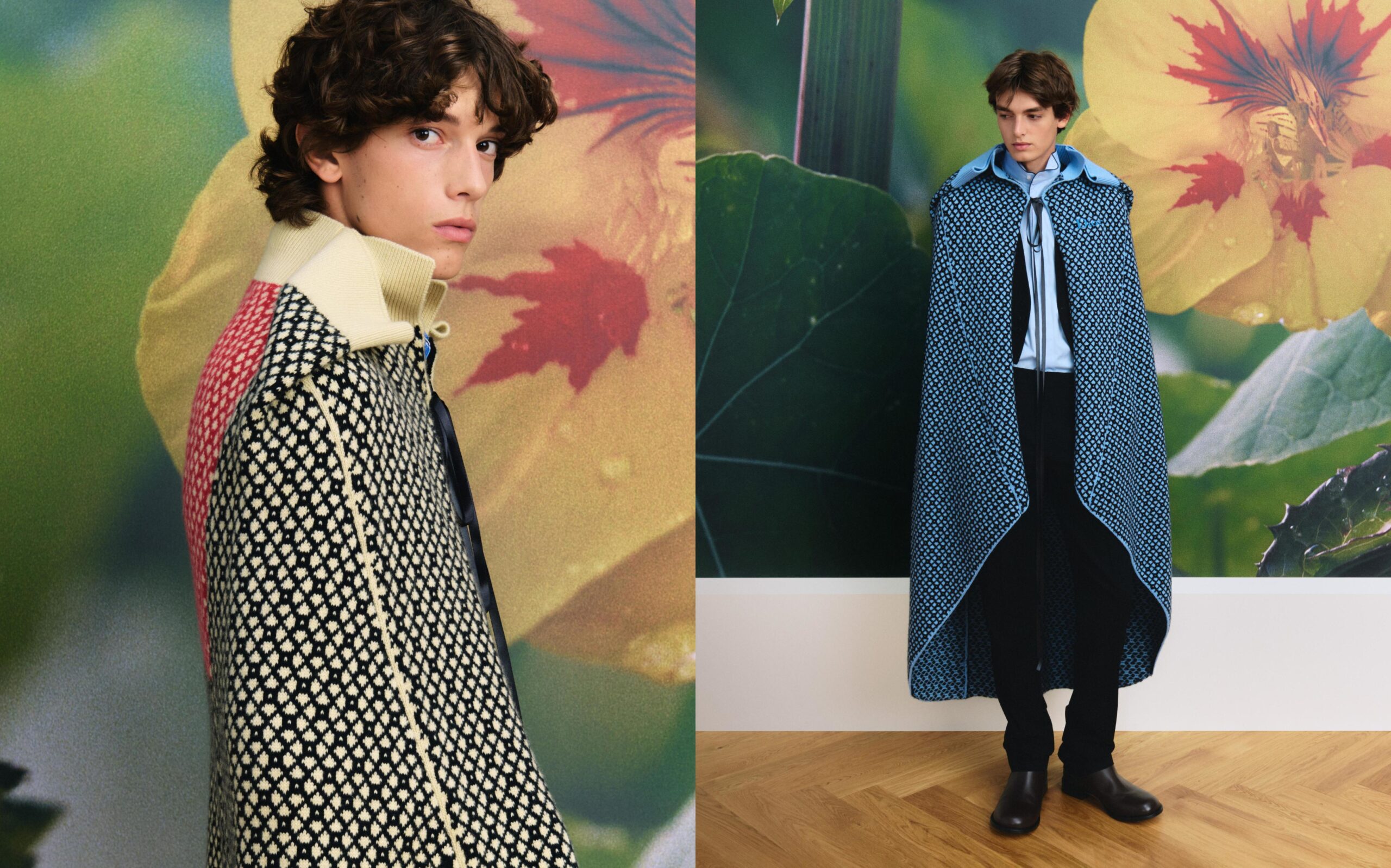
A Dior cape reminiscent of the house’s ’60s stylings made an appearance in the new collection. Anderson incorporated a signature check, emblematic of the house’s codes, and draped the dramatic piece over slim-fit trousers and boots for an anachronistic feel.




 in your life?