What’s the biggest difference between the SoHo of old and the neighborhood of today?
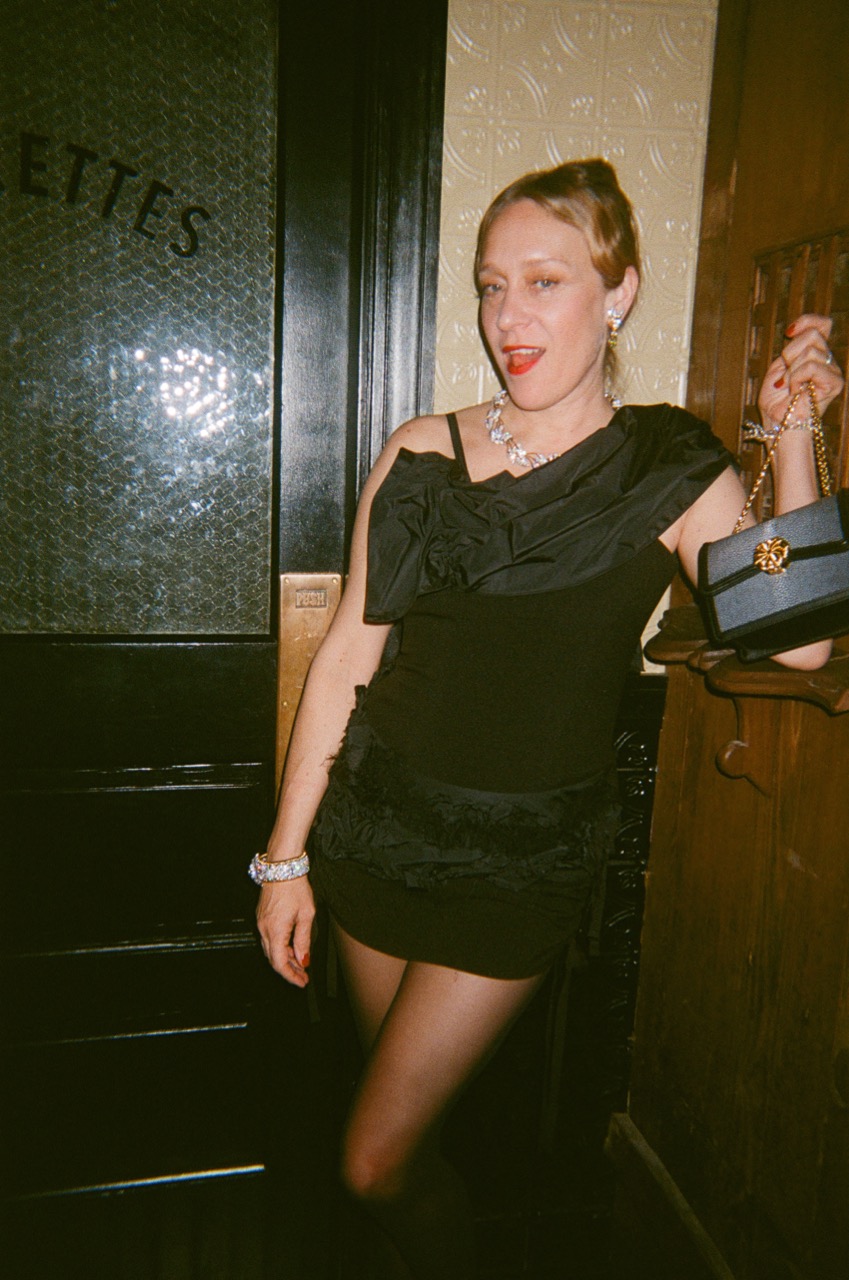
“The tourists,” said Chloë Sevigny—who lived in the neighborhood nearly 30 years ago—adding, “Your car isn’t going to get spray-painted anymore.” Sevigny was in attendance at last night’s dinner and party at Raoul’s, celebrating the restaurant’s 50-year anniversary with Moda Operandi.
“It’s still my neighborhood, but I never lived West of Broadway until recently,” she continued. “I lived at Prince and Crosby. I used to go to all the galleries—I worked at Liquid Sky and ate at Olive.” Those galleries included Andrea Rosen and Matthew Marks, which have since decamped to Chelsea; Luhring Augustine, which can now be found in TriBeCa and midtown; and Gagosian. “I guess it felt more like a neighborhood. This,” she went on, gesturing to the lived-in but ever-chic atmosphere around her, “is still a neighborhood joint, although I can’t ever get a table.”
A neighborhood joint is one way to describe it, but Raoul’s is also something of a New York treasure. Opened in 1975 by two Alsacian brothers, Serge and Guy Raoul, the restaurant has endured countless waves of change in the city—from early mob attacks to gentrification and the pandemic—establishing itself as a haven for artists, actors, and writers in search of a scene and great food (French Laundry and Per Se chef Thomas Keller began his career there).
The restaurant is still in family hands: Karim Raoul, Serge’s son, took a moment during the evening to reflect on its success. “Restaurants are about people. That’s what makes them work,” he said, nodding to the crowd. “You guys are Raoul’s.” (Karim co-directed a documentary about the restaurant, Raoul’s, A New York Story, which debuted at TriBeCa Film Festival earlier this year).
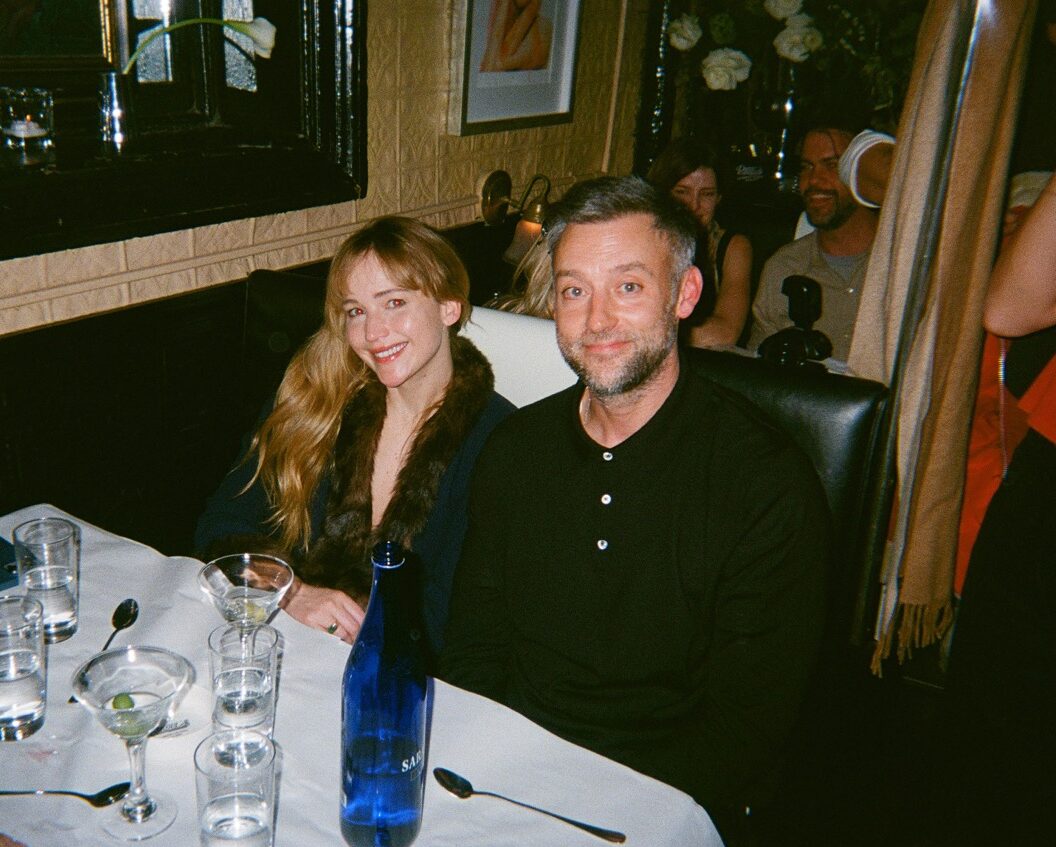
As the evening progressed, regulars like Jennifer Lawrence and her husband, Cooke Maroney, Amy Sedaris, Dave Gahan, Danielle Kallmeyer, and Sarah Hoover delved into a menu that hearkened to 1975: baked oysters and shrimp-filled half avocado, trout almondine, and the much-beloved steak au poivre.
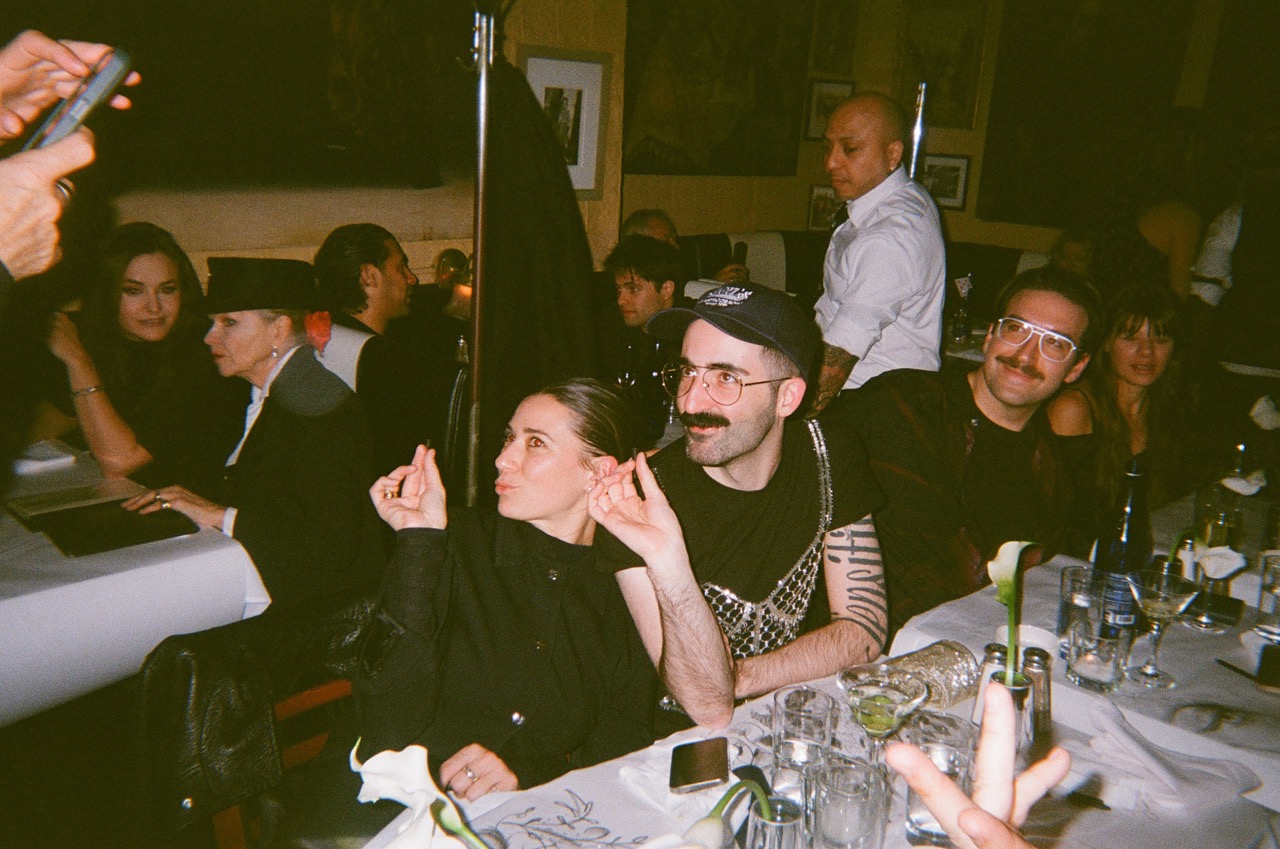
“I love some rare steak,” Architectural Digest Editor-in-Chief Amy Astley said. Astley has been visiting the establishment since the early 1990s. “You used to have every gallery here. It was a totally gritty part of New York. Now it’s a lot of shopping. But still: Raoul’s.”
Alexander Shulan, whose Lomex Gallery is located on Walker St., grew up nearby, at the corner of Greene St. and Prince St. “There were galleries all around, and it made me want to be in the art world,” he said.
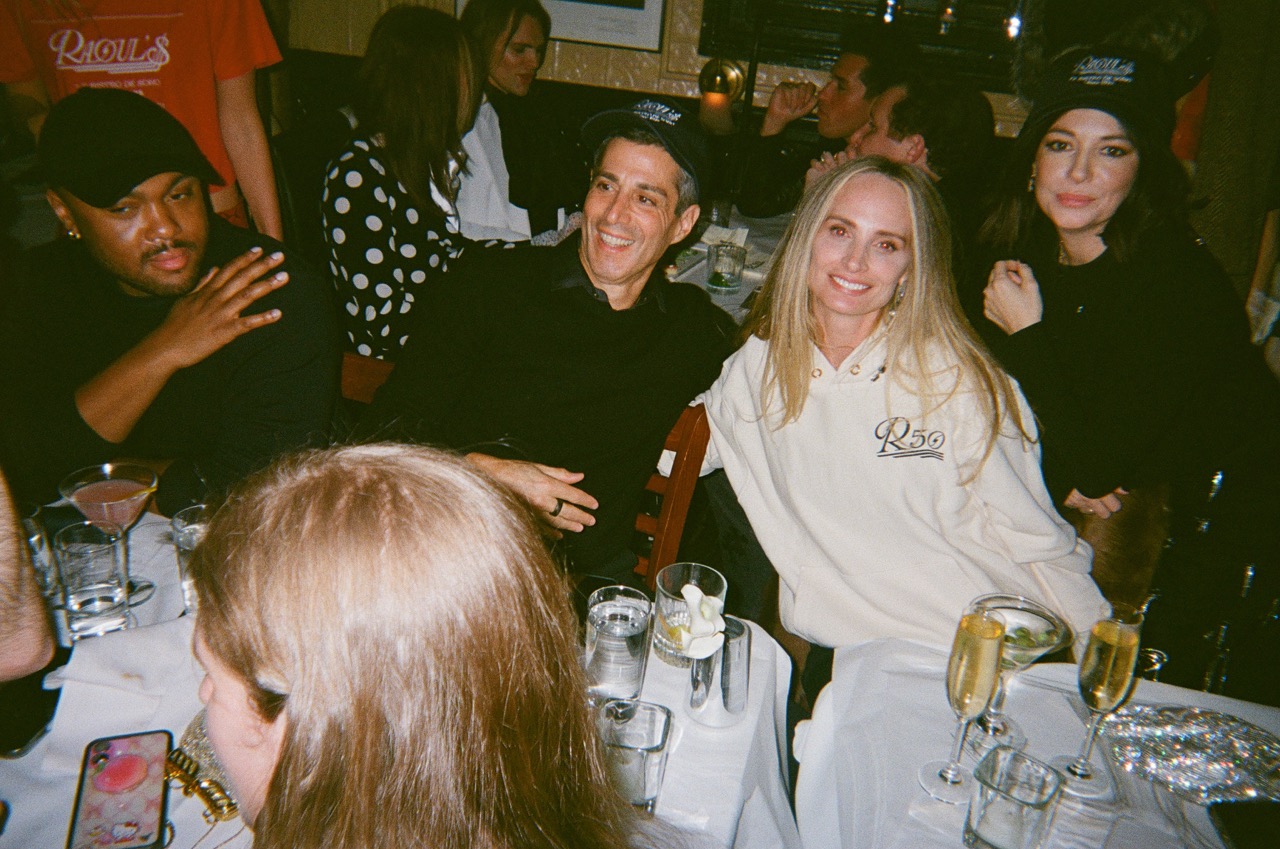
In attendance was Sean MacPherson, the restaurant, hotelier, and no slouch when it comes to iconic spots (his properties have included the Maritime, Jane, Marlton, and Bowery Hotels). “I was lucky enough to be in SoHo in its after-hours, pre-mall-ification era, but the neighborhood. still maintains its magic, and the world evolves,” he said. “Raul’s has stayed the same, and that’s amazing.”
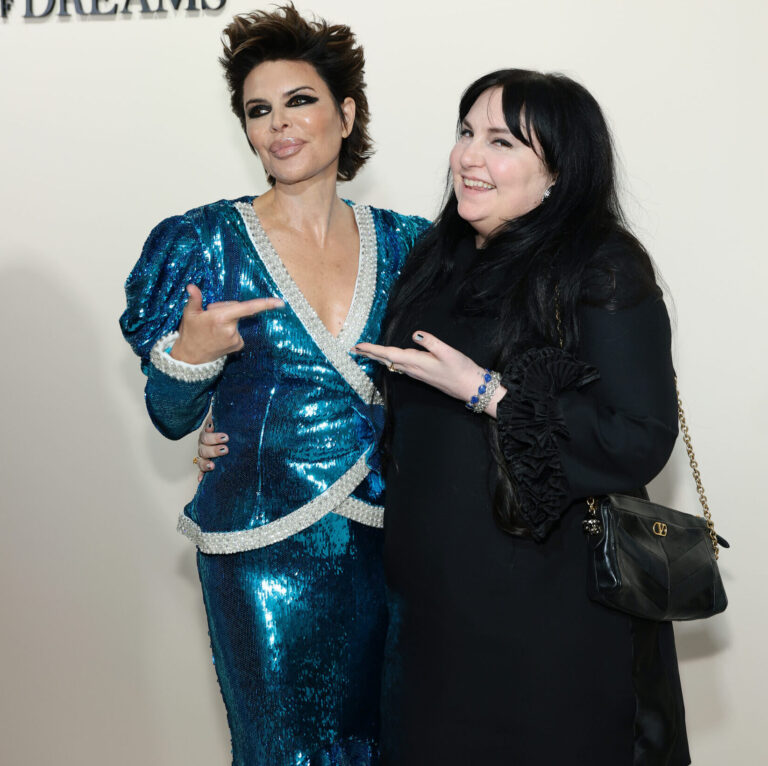
MacPherson also noted that he and his wife had their first date at the French bistrot, an anecdote that became a noticeable trend among couples in attendance that evening: “I brought my husband here on our first date. We had lunch at Souen, and then we came here for the burger,” Sevigny told me from a back banquette—a respite from the heaving party at the restaurant’s center. Jennifer Lawrence and Cooke Maroney also ended up at Raoul’s on their first date, and many since. As dinner came to a close around 9 pm, the space filled with revelers, including designer Christopher John Rogers, stylist Brad Goreski, and entertainer Tinx.
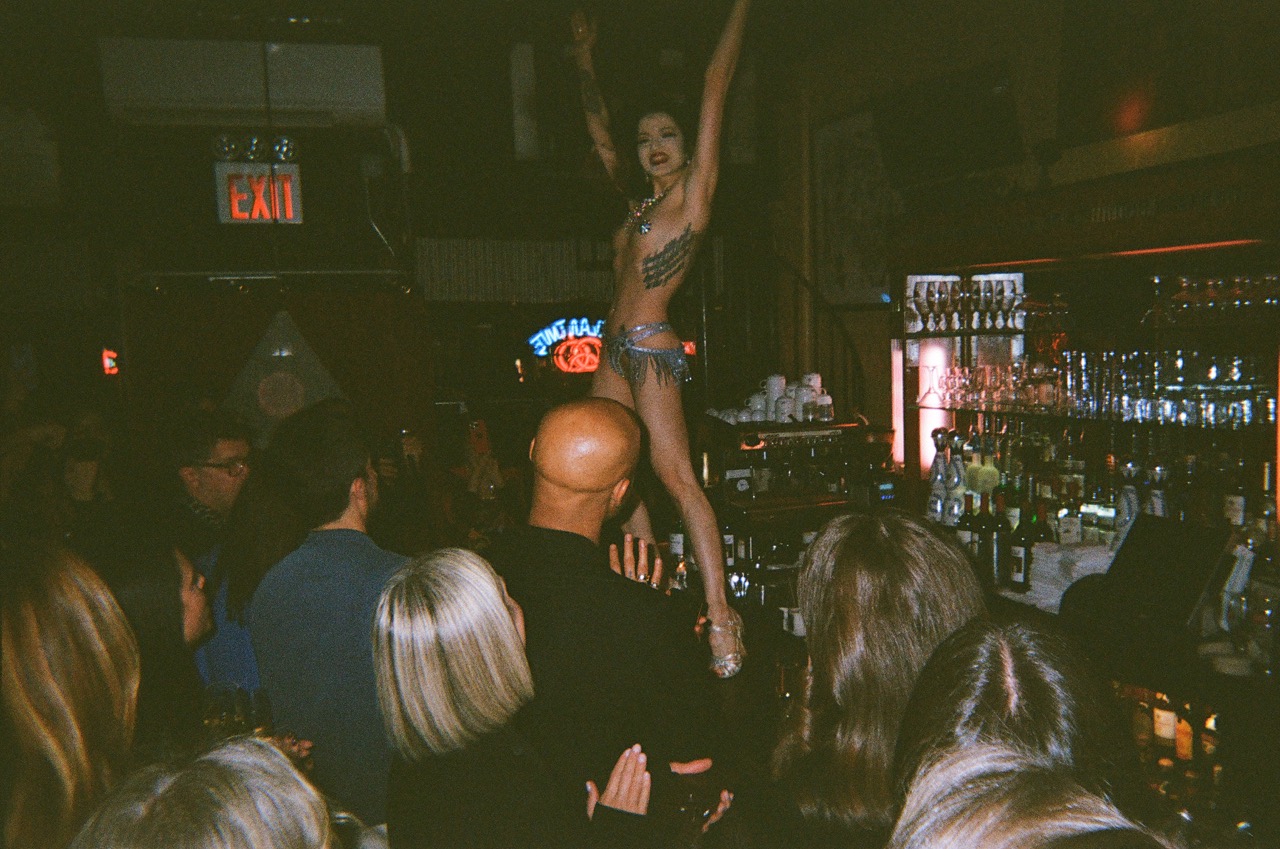
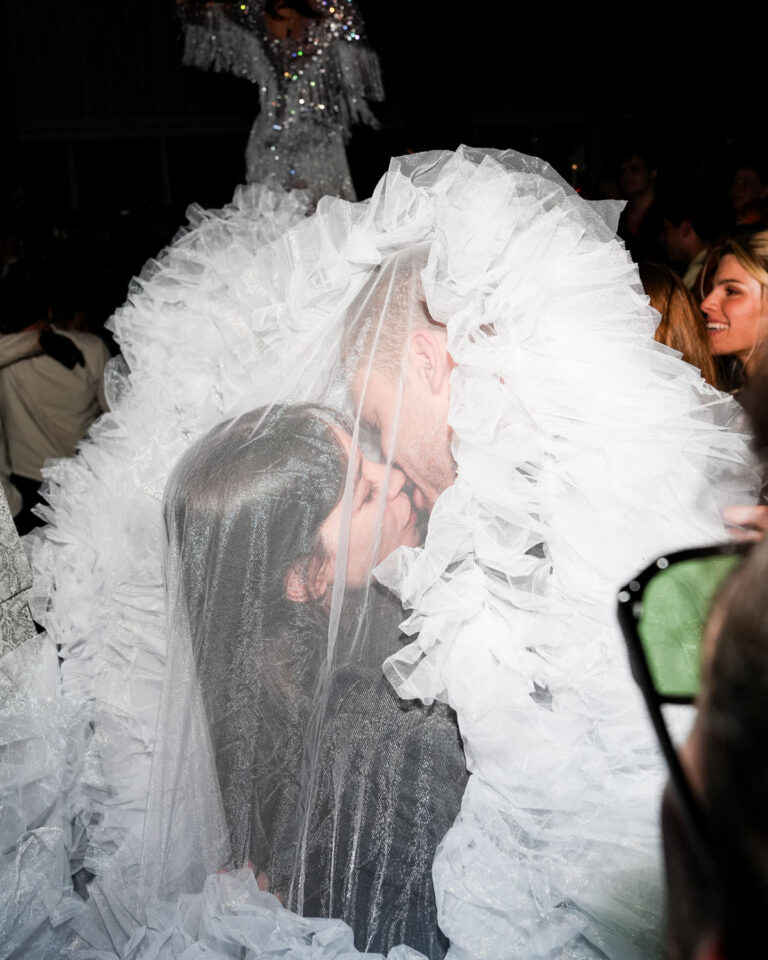
Dancers, in various stages of dress and undress, took to the bar, bookended by a tranquil battalion of ice-filled martini glasses waiting to be filled with gin and vodka. The room was packed, yes—shoulders touched and one had to lean in to hear, but privacy could be had, and the chattier crowd could tuck into a booth. For a few moments, SoHo felt festive; it felt fun again.


 in your life?