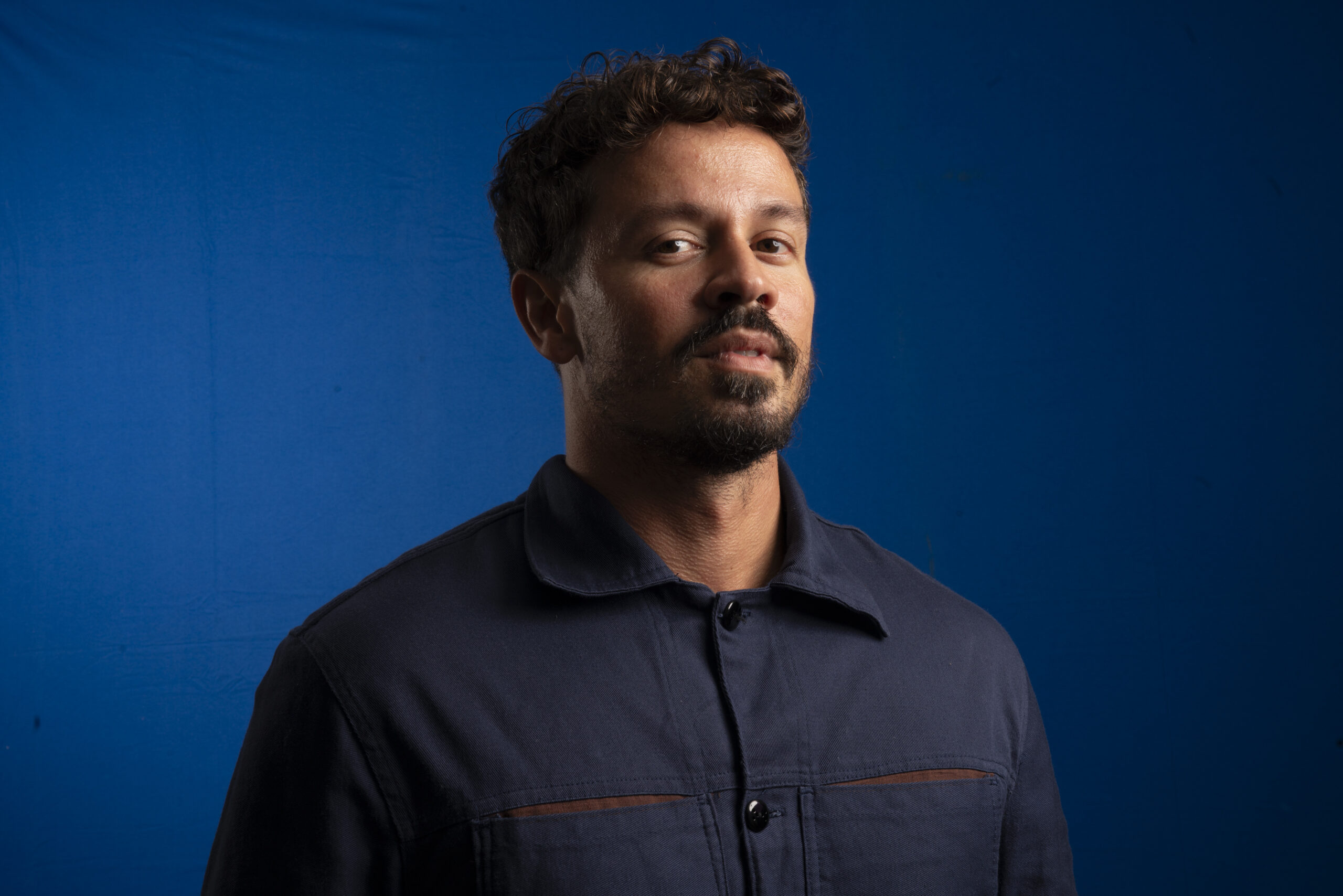
The Brazilian artist Jonathas de Andrade does not find inspiration inside a cloistered studio. Instead, his installations, photographs, and films—which examine the architecture, labor, and history of his native northeast Brazil and beyond—require extensive collaboration. Over his nearly two-decade career, he has worked with actors (professional and non-professional), cart drivers, carrier pigeon racers, and employees of a private zoo. (And that’s just scratching the surface.)
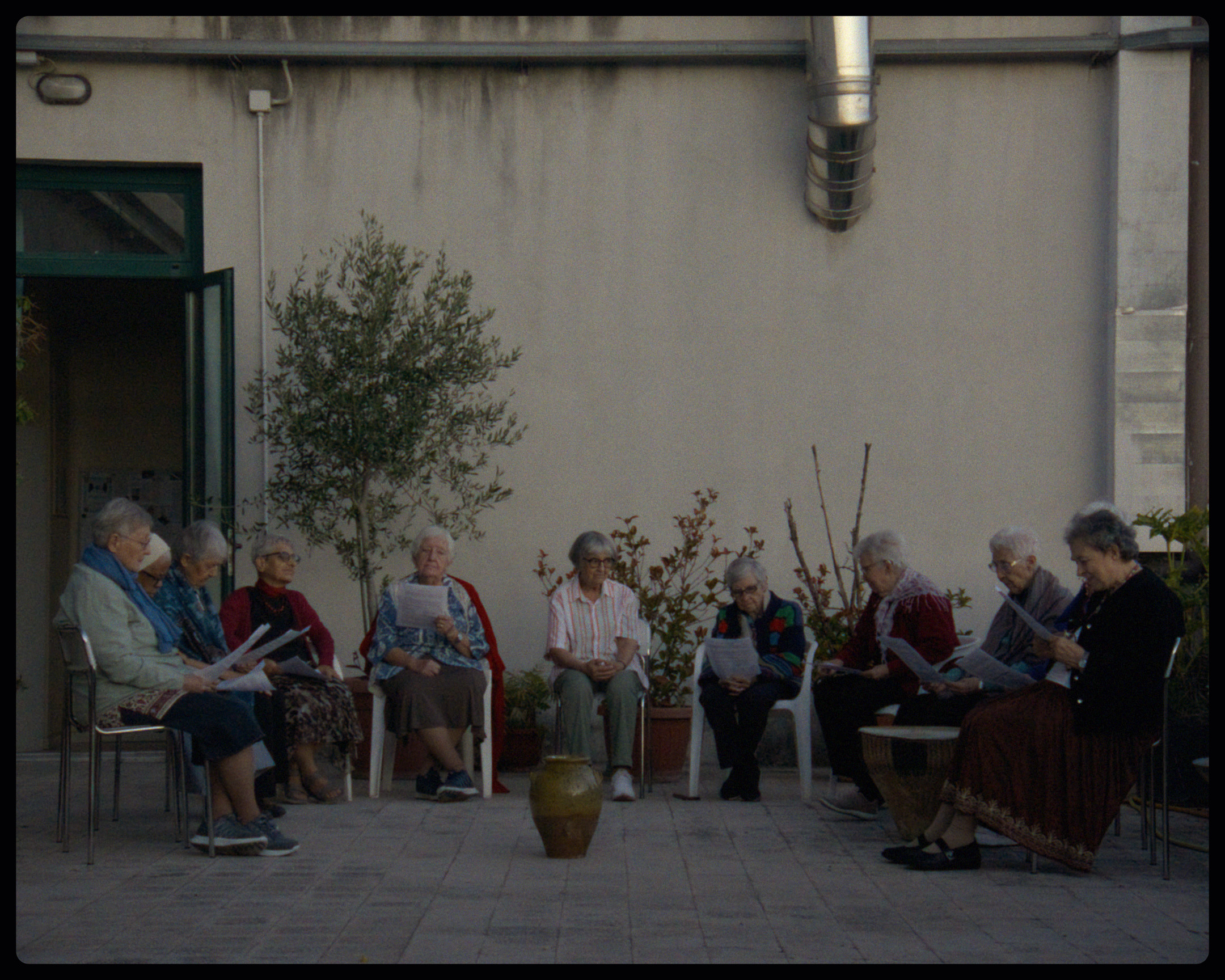
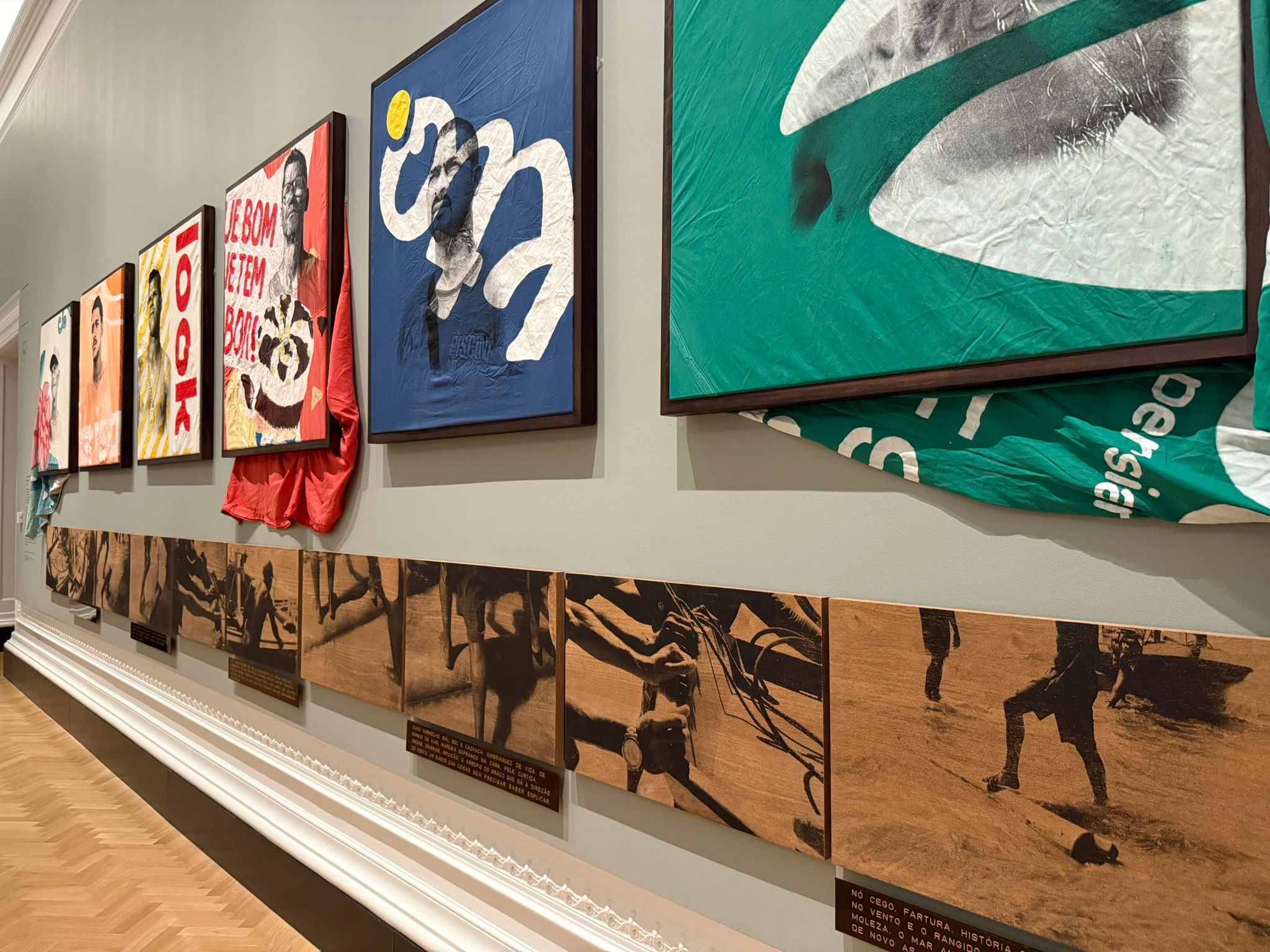
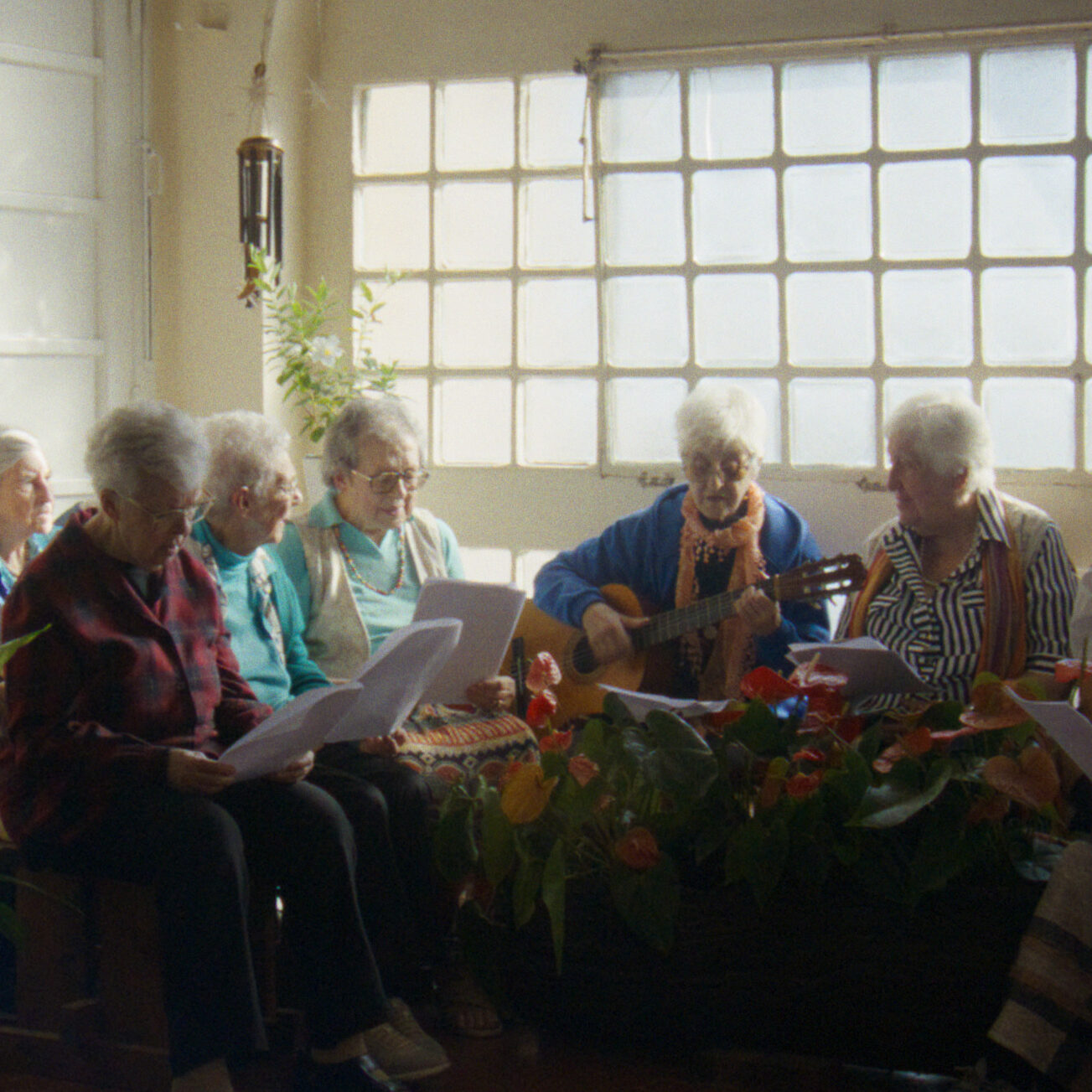
This month, de Andrade is presenting a project commissioned by the Vatican for the Roman Jubilee that explores a community of Brazilian activist nuns who moved to Rome in the 1960s, fleeing military dictatorship and continuing their advocacy as laywomen. The video installation opens at the MACRO in Rome on Dec. 11. Another body of work, a series of flags developed with canoeists on the São Francisco River, went on view last month at the Victoria & Albert Museum in London.
How does an artist whose work is shaped by the outside world make use of the studio? By adopting an expansive definition of what a studio can look like and how it can function. De Andrade invited CULTURED inside his Recife sanctuary to share the best studio visit he’s ever had, how he prepares to welcome guests, and his most critical sources of inspiration.
What’s the first thing you do when you walk into your studio?
I start the day with a coffee and dive into the ideas that are happening in my life at that moment. For inspiration, I like to dig through the things I collect—magazines, images, old prints that no longer exist, objects—and let them guide my focus, calling intuition to where the day will go.
What’s playing on your studio playlist?
In general, I like to work in silence, but when I need a light focus, I listen to Brazilian popular music—Caetano, Gil, Gal… To stir my thoughts and actions, I’ve been listening to Bad Bunny [as well as] Rosalía’s latest album, which is amazing.
What’s in your studio fridge?
Espada mango, rosa mango, watermelon, and chilled cashew fruit. Coconut water, but also sparkling water with lemon—and if it’s the end of the day, a few drinks, too.
If you could have a studio visit from any artist—living or dead—who would it be?
I wish I had been able to talk with filmmaker Eduardo Coutinho, one of Brazil’s greatest documentarians. I would have loved to meet Jean Rouch, cook for him, talk, and watch him work. There are many people I’d like to have an open exchange with—the genius Caetano Veloso, for example—but also artists who reinvented photography, like Sophie Calle, Alair Gomes, and Duane Michals. People who used photography to chase their own dreams and obsessions, with a good dose of fiction and self-performance.
What’s the strangest tool or material you can’t live without?
Long, narrow strips of colored paper that I keep pre-cut, where I make lists—of ideas, titles, things to do, sensations. It helps me think and understand which thoughts persist and which ones escape.
What’s the most unlikely way inspiration for an artwork has ever come to you?
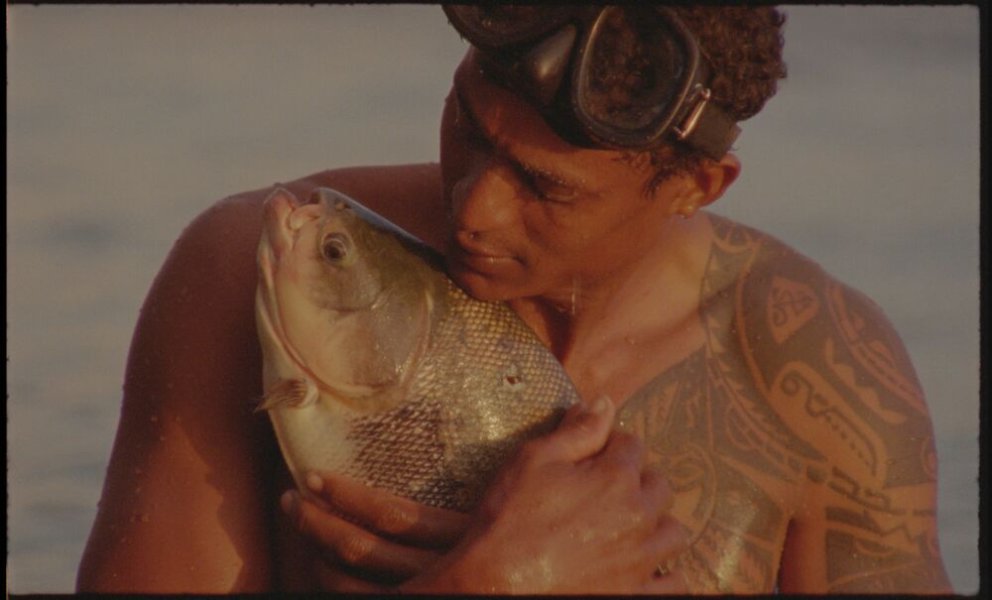
I once had a dream where fishermen embraced fish—an image that was tender and loving, but also violent and erotic. I rarely remember my dreams, but this one was truly unique. It took years to understand how to turn it into a film, which eventually became O Peixe (The Fish).
When do you do your best work?
My best creative trance happens under the urgency of a good deadline, and the more connected I am to what fascinates me. When I’m focused on small daily obsessions and open to giving them poetic form, the work flows best. And of course, when I have the warmth of conversations with friends—they’re essential to me.
Who’s the first person you show something new to?
The first sketches, ideas, or daydreams usually go to my partner, Victor. Then to my friends, and afterward to people not directly connected to art—like my mother or whoever I’m in touch with at the time. I like the idea that art should touch those who aren’t part of the art world. Music and cinema do that beautifully, and I’d love to make art that could move anyone, each in their own way.
Do you work with assistants or alone?
I work with my assistant Emanuel on many practical and operational fronts, and in the silkscreen studio. But each project brings together different collaborators. If it’s a film, I work with editors like Gustavo Campos and Fábio Menezes, the photographers and producers from Olhar de Ulisses, and the musician Homero Basílio, who has already collaborated with me on four films.
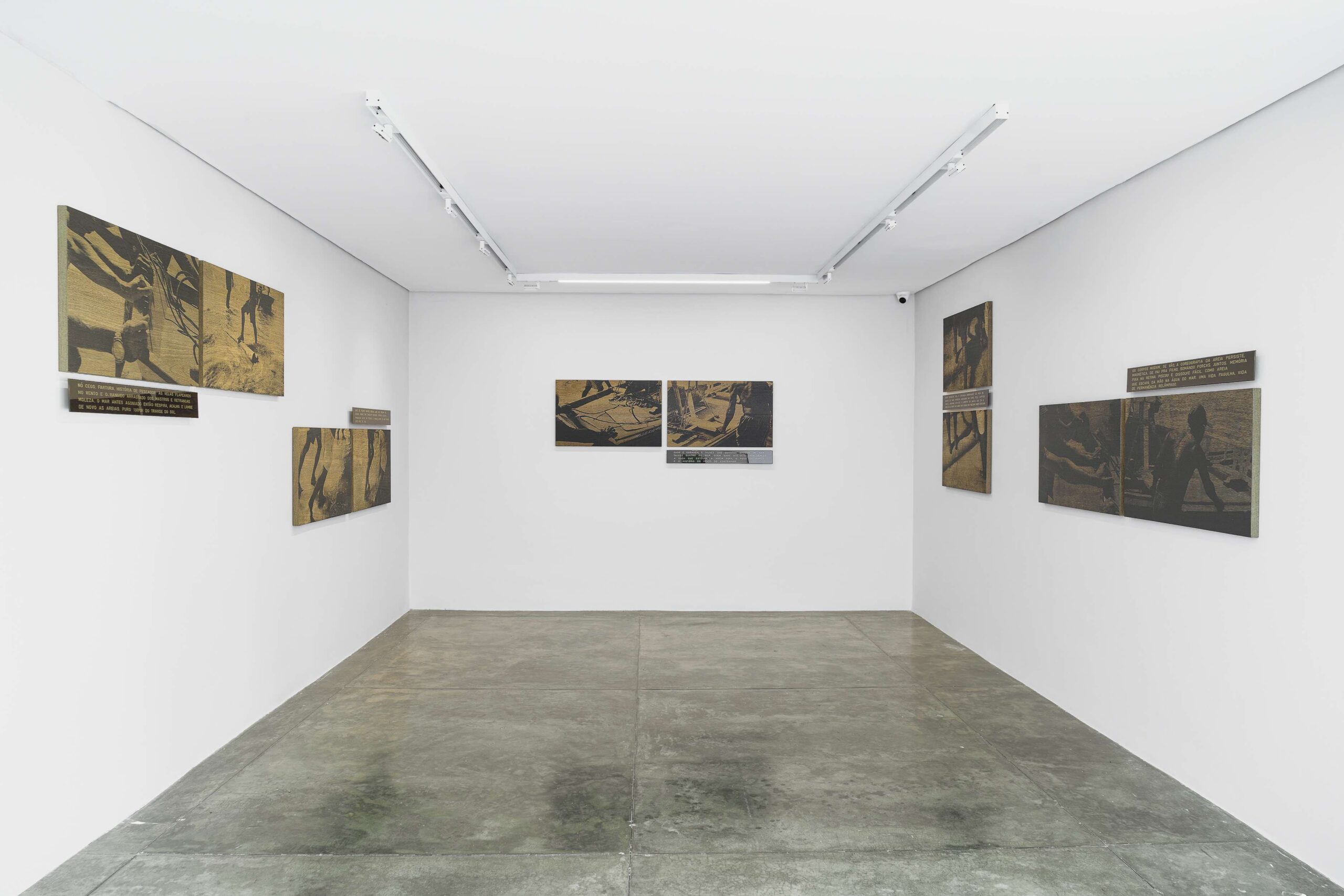
If it’s about prints and installations, I collaborate with architects Nathalia Duran and Anna Costa, who help me think spatially, and with designers Priscila Gonzaga and Renata Motta, who bring consistency to my passion for typography, printmaking, catalogs, and artist books. In my most recent project—the prints on boat sails from my hometown, Maceió—I dove deep into silkscreen techniques and explored a variety of supports, something I had first experimented with ten years ago and that now feels fully meaningful to revisit. And of course, with each project, I often approach a community of people who are invited to engage in the process in some way.
In this latest work, it was the community of jangada sailors from Pajuçara beach, in my hometown of Maceió, together with the canoeists who hold a regatta with graphic sails on the São Francisco River, in the hinterlands of Northeastern Brazil.
What’s the most unexpected event that’s ever happened in your studio?
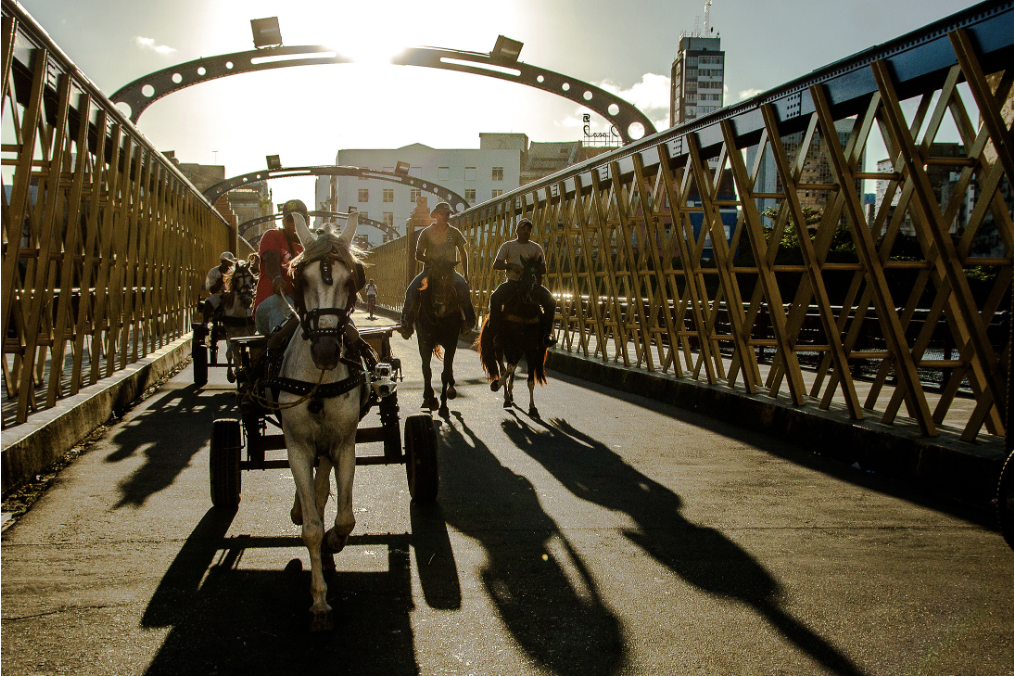
The wildest and most unpredictable project I’ve done was the cart race in downtown Recife, which became the film O Levante (The Uprising). I organized, together with local cart drivers, a film where a real race took place through the historic bridges in the city center. I even requested official permission as if it were a film scene. We announced the race with prizes and distributed flyers throughout the city. I had no idea if five or 50 drivers would show up—in the end, 50 came with their families. They were two hours late, and for a while, I thought the intervention and the film wouldn’t happen at all. But it turned out to be one of the most massive and emotional projects I’ve ever done.
Being an artist involves many expenses. What do you spend the most on?
I tend to spend on things that will inspire me—books, objects, forms—anything carrying material or aesthetic value that connects me to the subjects I’m exploring. I’ve done this for years, and at some point, these things that have been orbiting around me start to make sense and complete something I’m working on.
If your studio were an animal, what would it be?
I think my studio would be a chameleon, because a fixed, physical studio only became part of my life recently. My studio is mobile and ever-changing—it varies with each project. I work with very different kinds of pieces, from films to installations, often involving many collaborators, so my studio becomes more of a base for thinking, testing, making models, and spatial explorations.
What’s your studio uniform?
It varies a lot. Since Recife is hot and humid, I love wearing shorts, tank tops, and Havaianas—sometimes even pajamas!
Tell us about the best studio visit you’ve ever had.
I once received the Brazilian movie star Sônia Braga while shooting a film in Recife. We talked about art and cinema—she’s a muse and an actor I’ve admired since childhood. It was wonderful to share how I’ve been crossing cinema through visual art, how I think of moving images in a gallery context, and how I see fiction blending with documentary.
Do you have a ritual to prepare for a studio visit?
Many of my installations and works aren’t physically in my studio, so I try to gather pieces that help tell the story. I have a miniature of my 2010 installation Educação para Adultos (Education for Adults)—it’s great to lay out the images on the table during a visit and let them guide the conversation.
I’ve also spread all 140 pages of Ressaca Tropical along my apartment walls, which helps convey the scale of the installation and how it spatially takes over the place where it’s shown. I like to prepare my artist books and tests from recent projects. And of course — there’s always bolo de rolo (a traditional guava roll cake from Pernambuco), coconut water, and depending on the guest, a caipirinha might be improvised too.



 in your life?