Newspaper magnate siblings John S. and James L. Knight established their eponymous foundation with $9,047 in 1950. Their belief? That a well-informed community could best determine its own true interests and was essential to a thriving democracy. Since then, the foundation has supported the people, insights, and organizations that lead to healthier communities, including by investing in culture and those who make, research, and write about it.
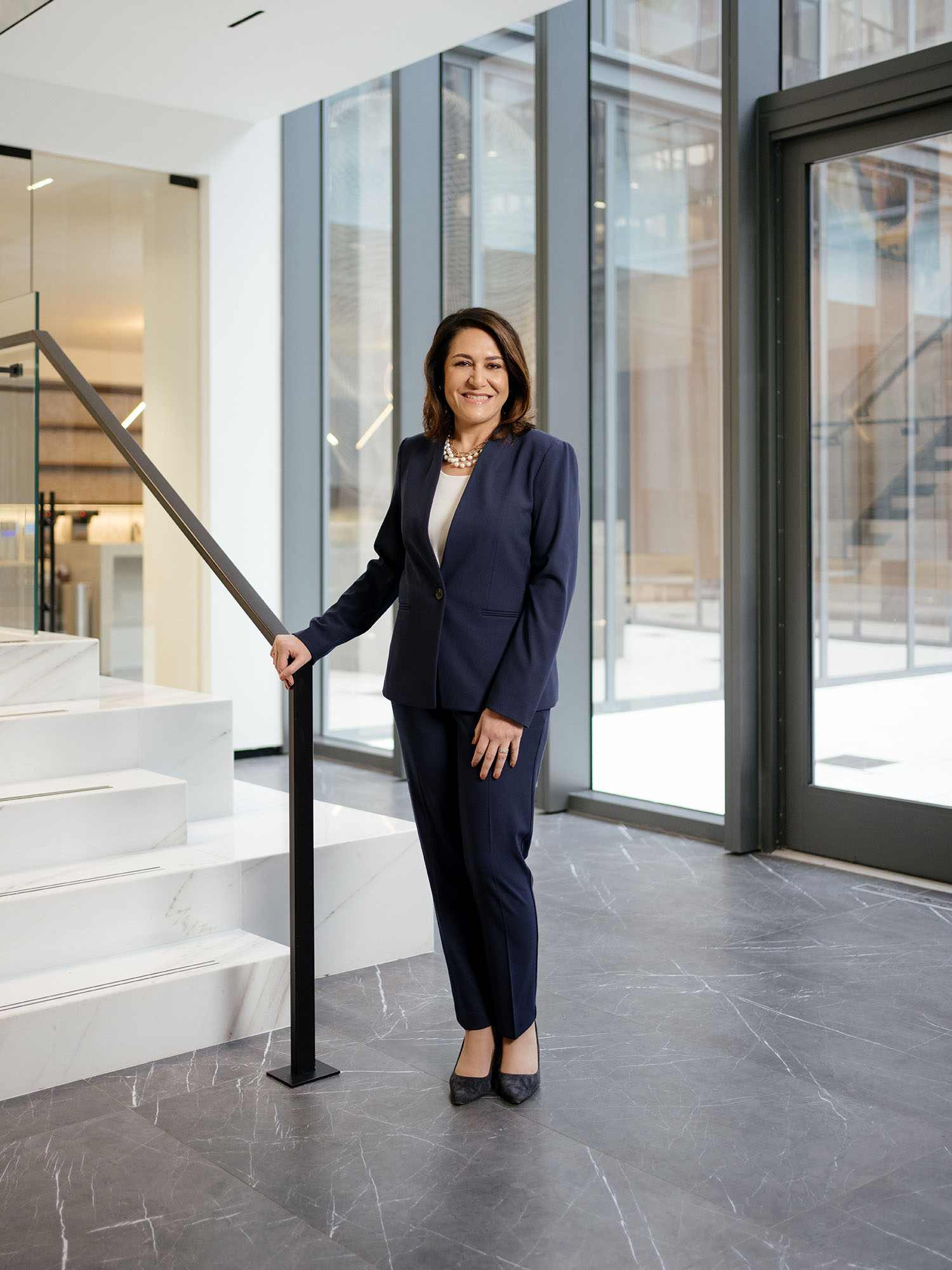
Over the past two decades, the impact-focused nonprofit has doubled down on its commitment to the arts sector, pouring more than $485 million into arts and culture initiatives across the country. That support, at a time when federal funding is decimated every day, is no small gesture. Against this fraught backdrop, Maribel Pérez Wadsworth, who joined Knight as the President and CEO in 2023, sees “hope and momentum at the local level.”
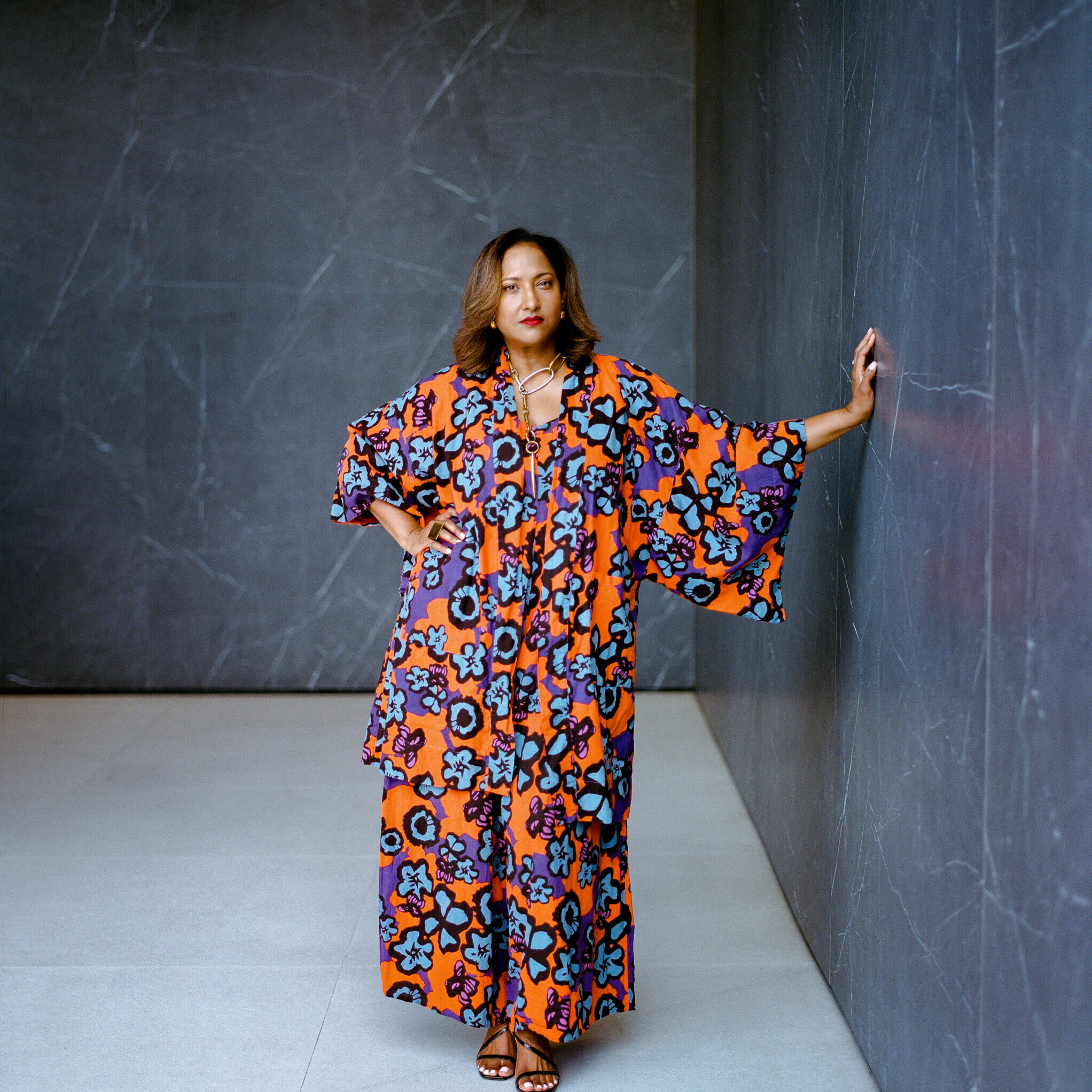
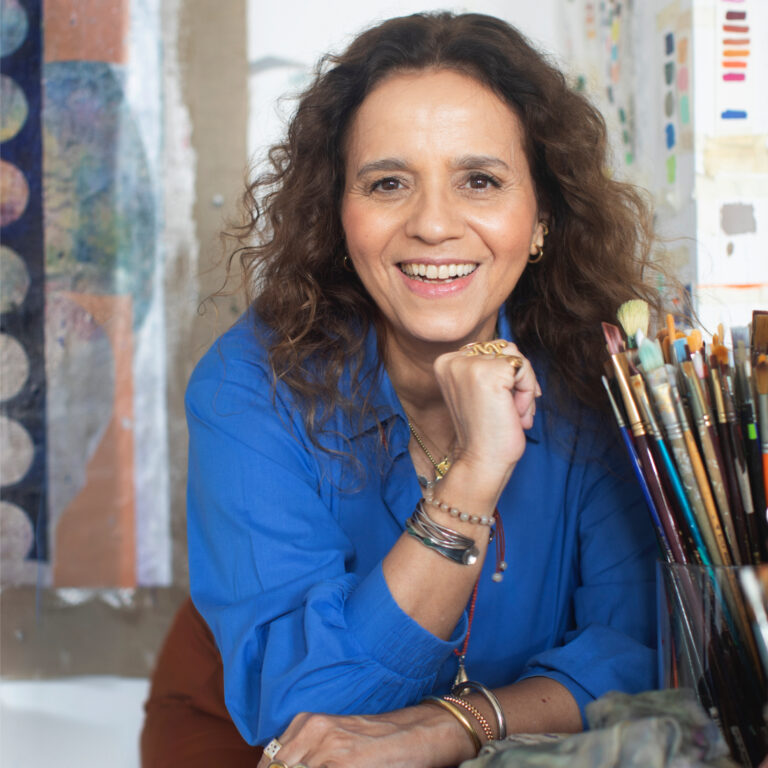
Since January, her mission to champion “artists and institutions as local entrepreneurs, job creators, and community builders” has met its match in Kristina Newman-Scott, the Foundation’s Vice President for Arts. A cultural Swiss Army Knife, Newman-Scott has left her mark everywhere from the art scene of her native Jamaica to the State of Connecticut, where she led the Office of the Arts and State Historic Preservation Office. Ahead of Miami Art Week, where CULTURED, NADA, and the Pérez Art Museum Miami will stage ECOLOGIES, four days of dialogue tackling a cross-section of urgent topics, CULTURED sat down with the executive to talk about leading with curiosity and care.
CULTURED: Kristina, you have approached art from every angle in your career. You were a practicing artist, you worked in radio and TV, you led arts organizations like BRIC as well as Connecticut’s Office of the Arts. Is there one of these experiences that feels like it really paved the way for what you do now?
Kristina Newman-Scott: I would not be at Knight today had I not had all of those experiences. But working for the city then state government, I really had to learn how to not make assumptions about what people thought the importance of culture was in society. I also got close proximity to city concerns and workings—from the mayor to parks and water to small business development. That really helped me start to understand what it means when you’re tuned in to the people that you’re here to serve, and was the genesis for [my understanding of] how culture, when placed appropriately, can amplify some of these bedrock challenges.
CULTURED: Art can be a conversation starter about so many things, whether that’s climate or housing. It’s a way to open people up.
Newman-Scott: That’s what I love about working with artists. Because I started out as an artist, I have so much respect for how they lift up the things that they’re trying to communicate. When I worked for the State of Connecticut, we partnered with the Land Art Generator to bring artists, designers, engineers, and community members together in Willimantic for a design challenge centered on renewable energy and public space. The proposal that was selected, Rio Iluminado, was not just a beautiful artwork but a sculptural energy system that used the sun, the river, the cycles of the seasons and the movement of local species to teach us about climate, reciprocity and resilience. This kind of work doesn’t just illustrate solutions—it helps people envision them. Instead of being like, “Here’s a five-point plan that tells you why you should care.”
CULTURED: And when did you first become aware of the Knight Foundation’s work? What conversations have felt the most exciting to you since joining?
Newman-Scott: Knight came into my world when I was with the State of Connecticut. There was always this great research that Knight would share with the field, and I think I was conducting our own art strategy plan for the Office of the Arts. Since joining, I’ve been doing a lot of grounding work. It’s important for me to work from a place of understanding and curiosity. I want to be service-oriented. Things are moving so fast, and I don’t make any assumptions. What feels like a win for me is that across our cities, we’ve been curating these conversations where we’re hearing from different leaders coming in to sit with culture [workers and] artists at the table, some for the first time. I feel really energized by that because we’re using our influence—not just in terms of the money that we’re investing, but in gathering, convening, and connecting.
CULTURED: The other amazing thing about this job must be the sheer geographical expanse of the places that Knight is investing in—from Saint Paul to Akron to Miami. Our country is changing in real time. What has it felt like to be working in these different communities in this fraught moment?
Newman-Scott: Maribel often says that the power to create change is not lost, it’s local. In a place like Akron, we see organizations really experimenting with the policy shifts they can make through an organization like ArtsNow. You’ll see downtown Macon reimagined by an artist and a city planner. There are these visionary leaders who recognize the value of culture. Every place has their own kind of special sauce, but one thing that has been consistent is that there is an openness. No one is like, “Prove it to me.” They’re all like, “Oh no, tell me more.” It’s a really generative time. If we can test some of these ideas around the arts as infrastructure in authentic ways across our Knight cities, they become models for the entire nation.
CULTURED: What’s a lesson you’re taking from this first year into your next year with Knight?
Newman-Scott: That I don’t think it’s our role in private philanthropy to be prescriptive. I can’t tell you how many times I’ve had grantees look at me and be like, “Thank you for asking.” Before designing an art strategy that is going to be responsive, relevant, and connected, it has to be informed by the people we are in this work with.


 in your life?