
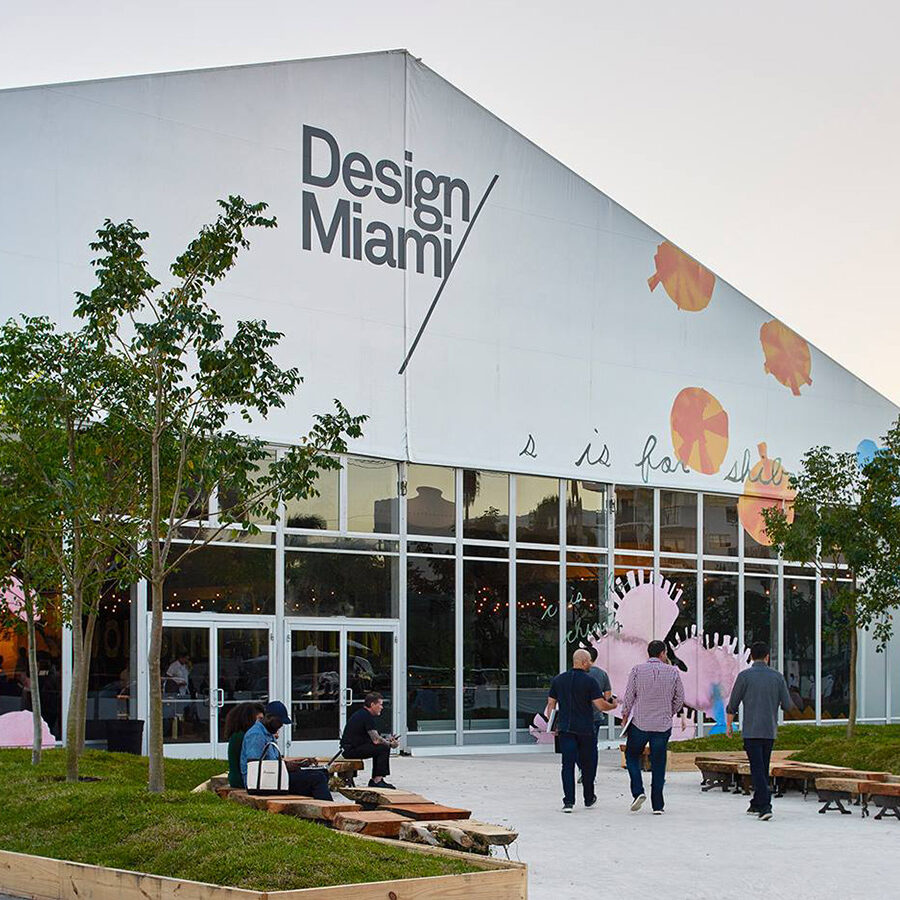
Marking 20 years as the leading design fair, the increasingly international Design Miami opens its doors in its hometown this week. Under the curatorial leadership of Glenn Adamson, the 2025 edition’s theme is “Make. Believe.”—a rallying cry for imagination and ingenuity. “We’re creating a conversation about skilled craft and unfettered imagination,” Adamson notes, “and the way those two things continually inform each other.”
The fair, which runs from Dec. 2–7, once again transforms Pride Park on Miami Beach into a whirlwind of collectors, gallerists, curators, and design cognoscenti, not to mention the curious art crowd that never fails to drift over from Art Basel Miami Beach at the Convention Center next door.
This year’s edition of the fair will play host to over 70 galleries—including 25 first-time exhibitors—who have taken the theme to heart. Together, the designers and dealers participating in the 2025 program lean heavily into material exploration, from Rich Aybar’s compact rubber armchair, modeled on the gooey tactility of a slug, on view with Milan’s Delvis (Un)Limited, to Jack Craig’s sculptural manipulations of synthetic carpeting for Detroit’s David Klein Gallery.
Narrative, too, comes to the fore: London’s Charles Burnand Gallery presents intricate yet monumental works with enough back- story to fill a book. Several exhibitors tip their hats to visionary forebears, as with Moderne Gallery’s focus on the pioneering woodwork of George Nakashima and Superhouse’s tribute to the radical furniture artists of the 1980s.
Given the range of perspectives on view, CULTURED has selected six presentations that embody Design Miami’s dream-big ethos this year, each one imaginative and ambitious in its own way.

A champion of Italian craftsmanship, the experimental Milanese art-meets-design space has earned a reputation for spotlighting fresh young practitioners. Its booth offers an eye-popping mix: Rich Aybar’s rubber Slug Chair marries whimsy with high concept, while Objects of Common Interest unveils a rock-like, shock-pink resin creation that pops open to reveal a hidden bar and speaker system inside.
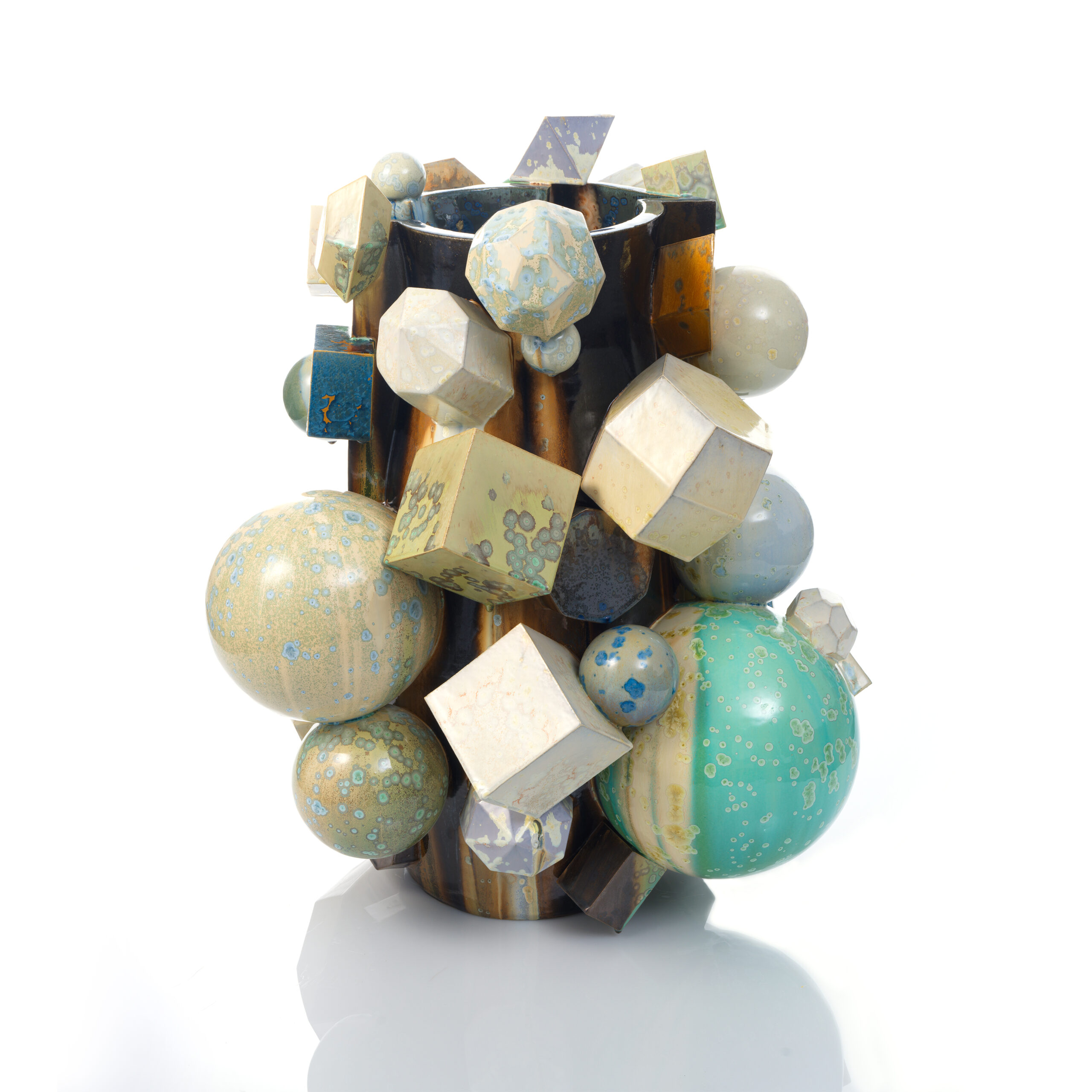
Devoted to ceramics, hardstone, and glass, the London gallery promises to dazzle Design Miami visitors with its explorations in contemporary craft. Highlights include jagged, geology-inspired vases by Kate Malone and luminous cast-blown glass works by Joon Yong Kim, the Seoul-based designer renowned for his poetic oscillations between transparency and opacity.
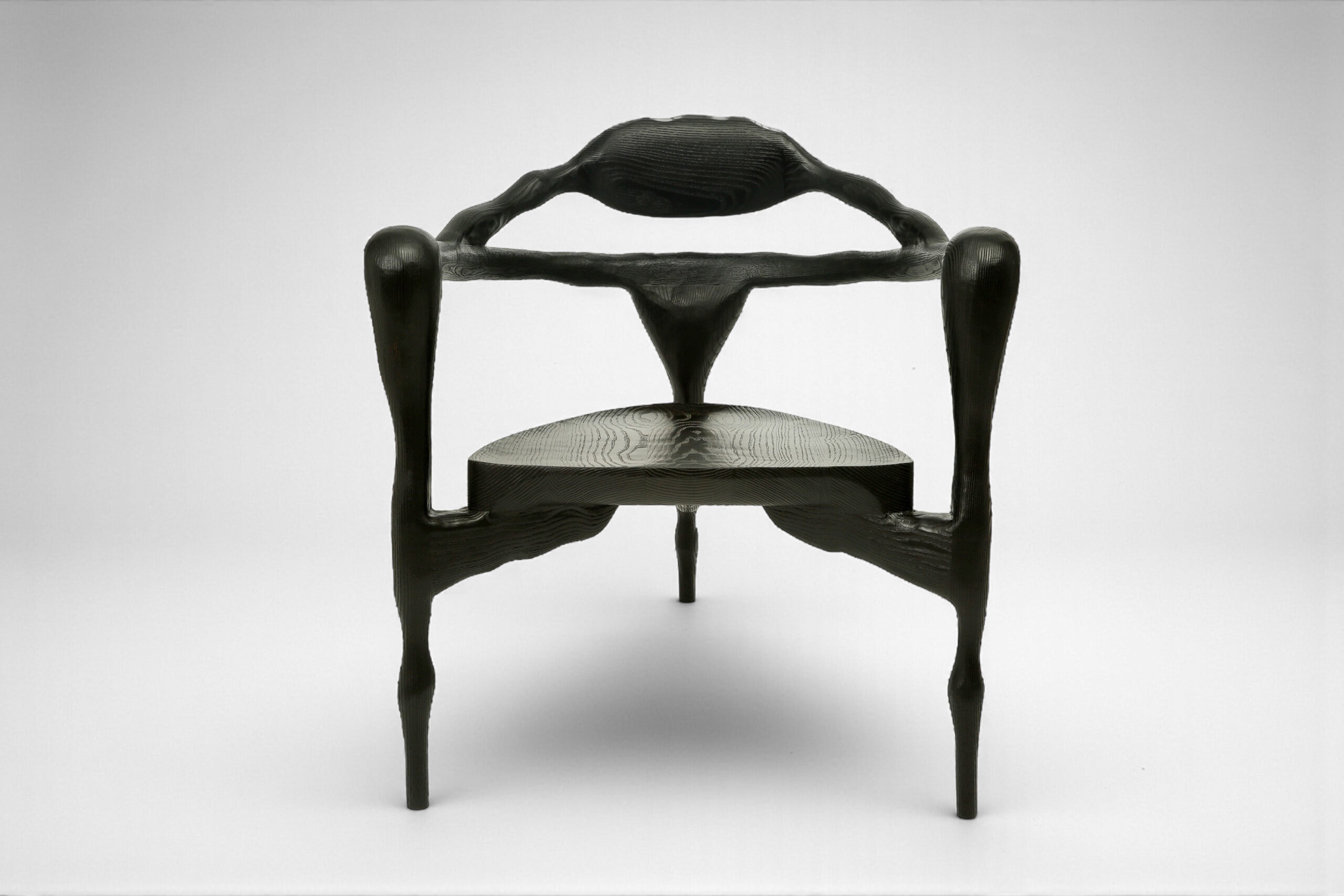
Wexler Gallery’s booth features a compelling lineup of newly represented designers. Among them is German artist Henry Baumann, whose globular towers of translucent resin evoke amoebic, primordial ooze—playful, biomorphic, and mysterious. Mining an altogether different vein is the British designer Sofia Karakatsanis, who is debuting a series of hand-carved wooden chairs with the Philadelphia-based gallery. Known for her intuitive process and reverence for raw materials, Karakatsanis lets the wood’s grain dictate each piece’s form, transforming raw timber into one-of-a-kind sculptural furniture.
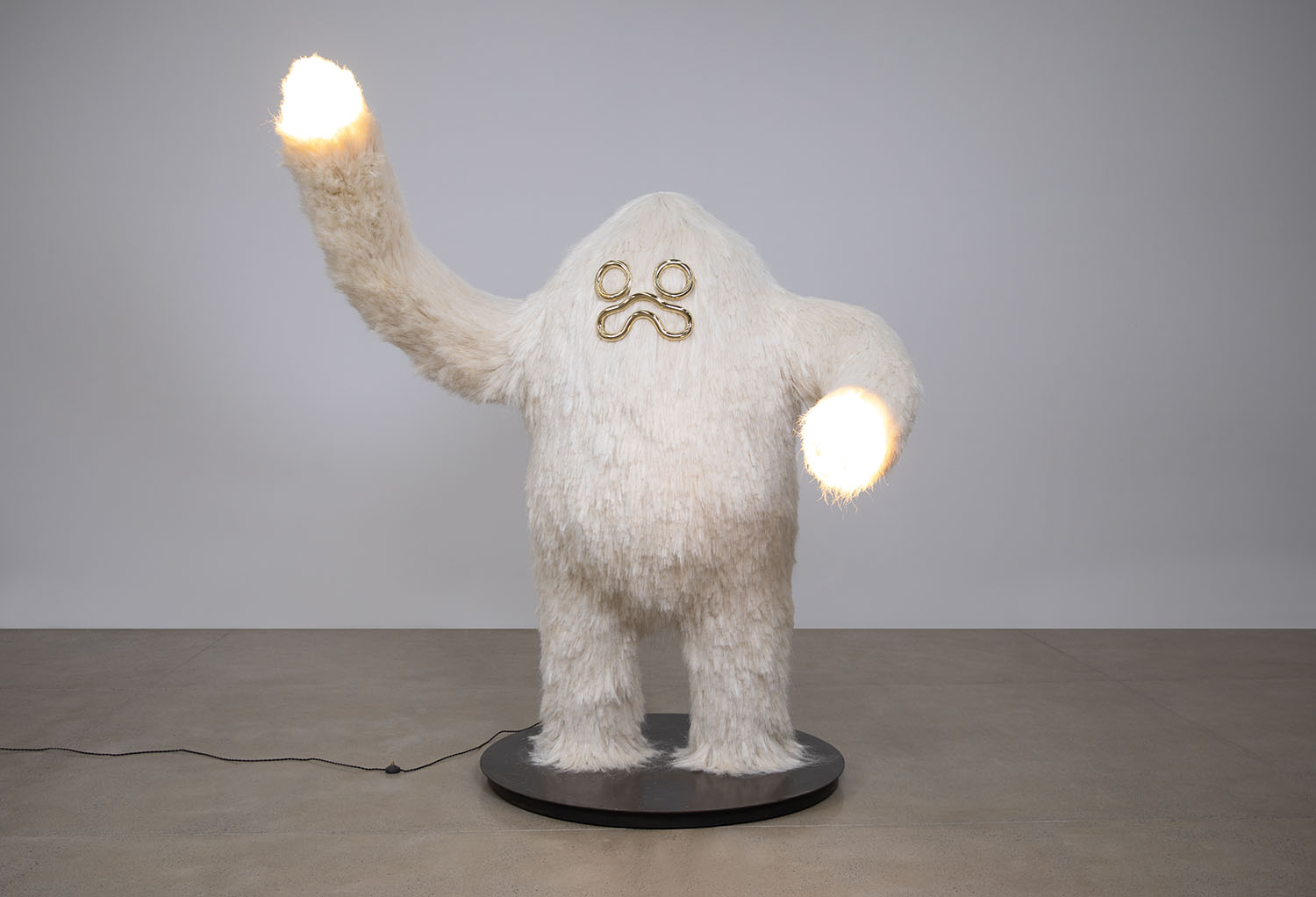
A Design Miami stalwart, Friedman Benda gallery returns with a characteristically idiosyncratic presentation featuring architectural designer Javier Senosiain, ceramic artist Nicole Cherubini, and Fernando Laposse, the young Mexican talent known for transforming unconventional materials such as corn husks and agave fibers into yeti-like “monster” lamps, among others. The buzzy outfit—with locations in New York and Los Angeles—will also debut The Lost Cloth Object, a joint effort between Stephen Burks and Italian wood manufacturer ALPI. This collaboration sees the American designer and Columbia professor of architecture juxtapose motifs from the textile traditions of the Kuba Kingdom of Central Africa—particularly the bold, geometric patterning of embroidered Kuba cloth—with the color, grain, and texture of endangered woods.
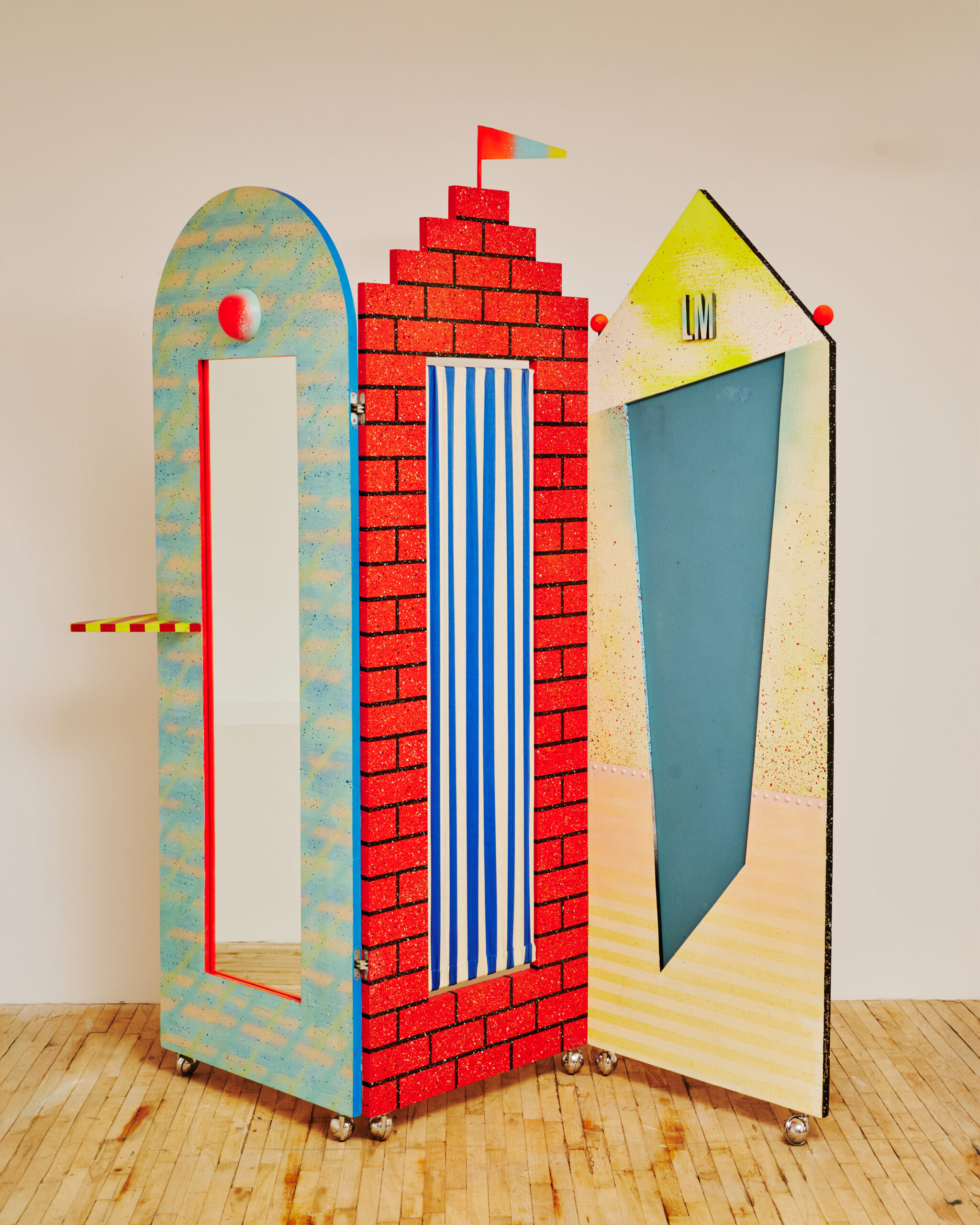
The New York gallery was founded in 2020 with the mission of giving trailblazing yet overlooked American furniture designers from the late-20th century their flowers. This involves taking a fresh look at the audacious 1980s when, as founder and director Stephen Markos puts it, “American designers started to treat furniture as art—deeply personal, political, and full of attitude.” This year, Superhouse presents landmark pieces by 12 of the era’s most impactful designers, many of which have never before been shown to the public. Standouts include Dan Friedman’s exuberant folding screen, as riotous as it is playful, and Alex Locadia’s molded-leather Batman Chair of 1989, of which only two were produced.
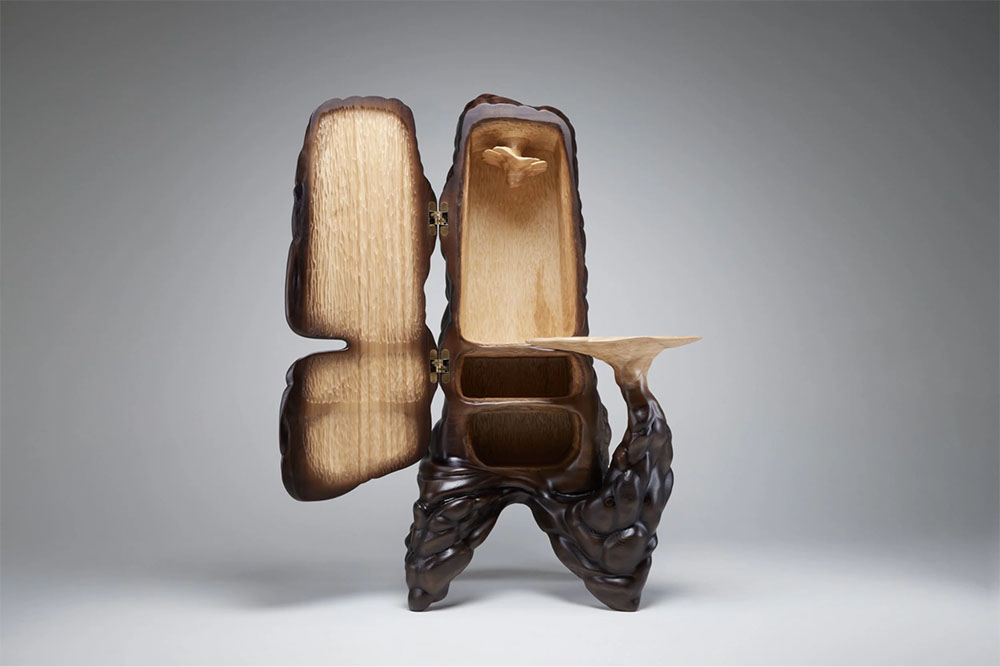
The London institution brings a spiritual edge to the fair this year with a look beyond function and form and toward the mystical and monumental. New works by designers including Marc Fish, DEGLAN, Fabrikr, Kyeok Kim, and Studio Furthermore delve into esoteric processes and materials—from charred iroko wood to color-shifting dichroism and the stacking of opaque hanji paper. At the center of it all is Jan Waterston’s Strata Cabinet—the British designer coaxed solid ash into a sinuous, monolithic presence that feels both ethereal and grounded.







 in your life?