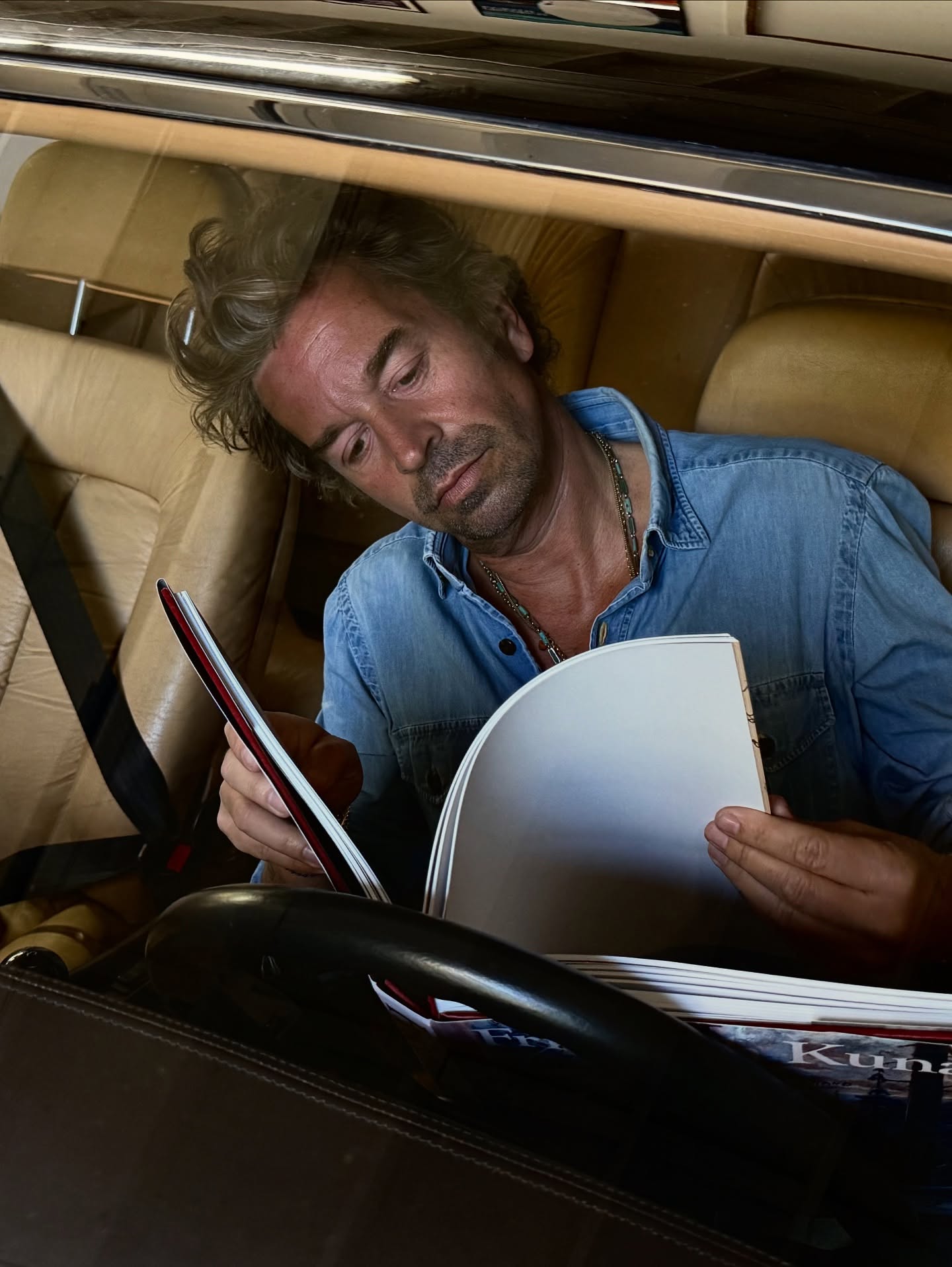
Friedrich Kunath is the rare contemporary artist who, in addition to giving us canvases that straddle German romanticism and pop culture, has also written for one of pop culture’s greatest messengers. The painter was 17 when Liam Gallagher formed Oasis with his brother Noel. Kunath’s mom and stepfather, a rock-manager and roadie respectively, had moved the family from East Germany to West Berlin a few years prior. In 2022, 15 years after Kunath settled in Los Angeles—where he keeps a lively studio complete with a private bar, vintage cars, and a hoarder’s paradise of books and musical paraphernalia—he lent his lyrical prowess to Gallagher’s “Everything’s Electric.”
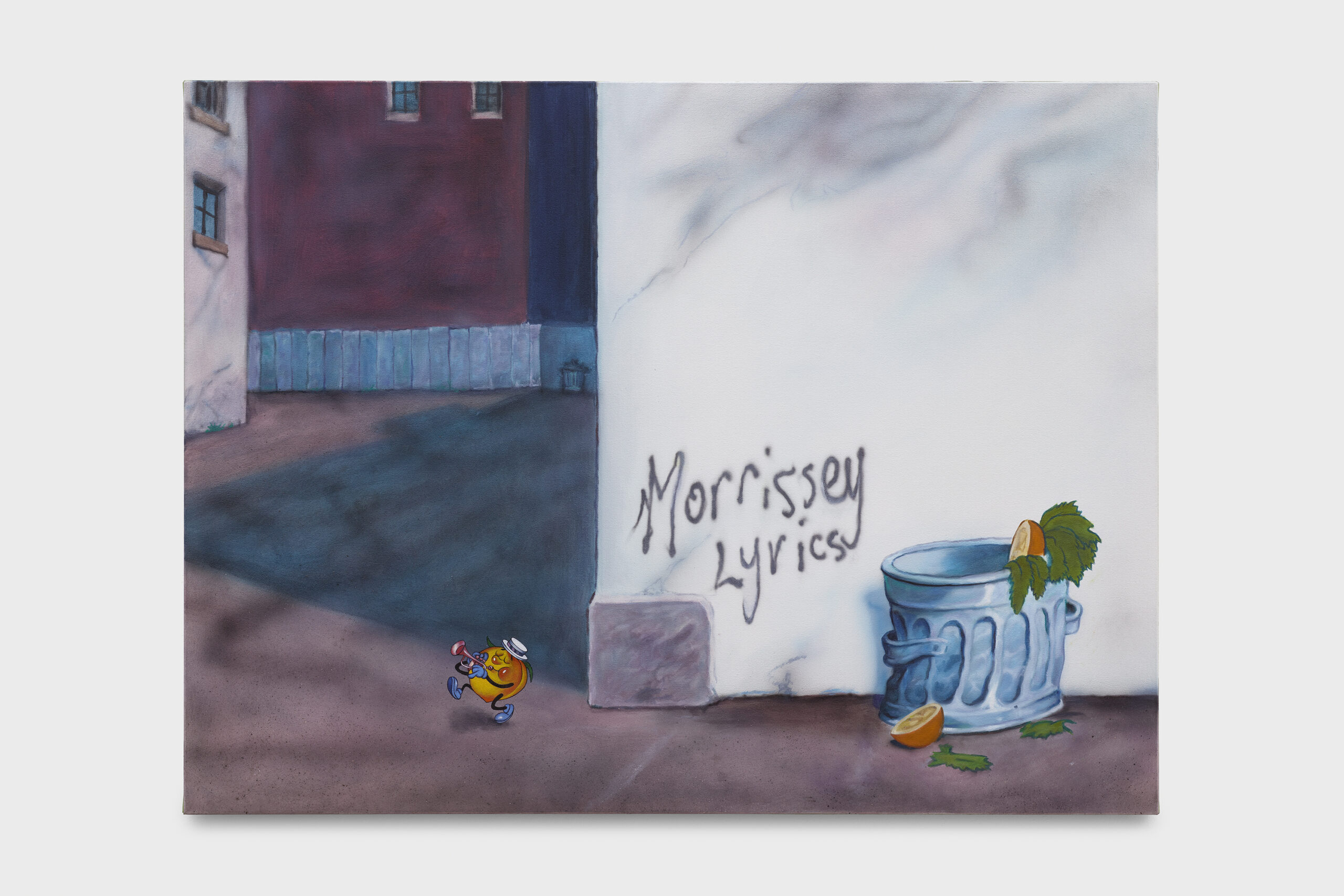
This year has seen Kunath, now 51, embark on the next chapter of his decades-long visual art practice (which has also gotten the monograph treatment with Phaidon’s publication of Friedrich Kunath: The Grand Tour this fall). Pace announced representation in May; his first show with the mega-gallery (and first in New York since 2019) is on view through Dec. 20 in Chelsea. The paintings of “Aimless Love” carry the same amalgam of cheeky aspiration and thorny disenchantment that lost souls of all ages have looked to music for forever. Their mastermind let us into his studio for a look (and listen) at what’s kept him going through it all.
What’s the first thing you do when you enter your studio?
The studio has four to five different rooms that serve entirely different purposes. So, the first thing I do as I step into the studio is go into each room and put on music—each room has a specific playlist for that day. After that, I’ll switch on all the TVs and each room gets a dedicated film that’s always on repeat that day. The last thing I do is perfume each room with a different scent.
What’s in your studio fridge?
There are always anchovies, Parmigiano Reggiano, olives, German butter, Parma ham, Pellegrino, apple juice, and a bottle of Meursault.
If you could have a studio visit with one artist, dead or alive, who would it be?
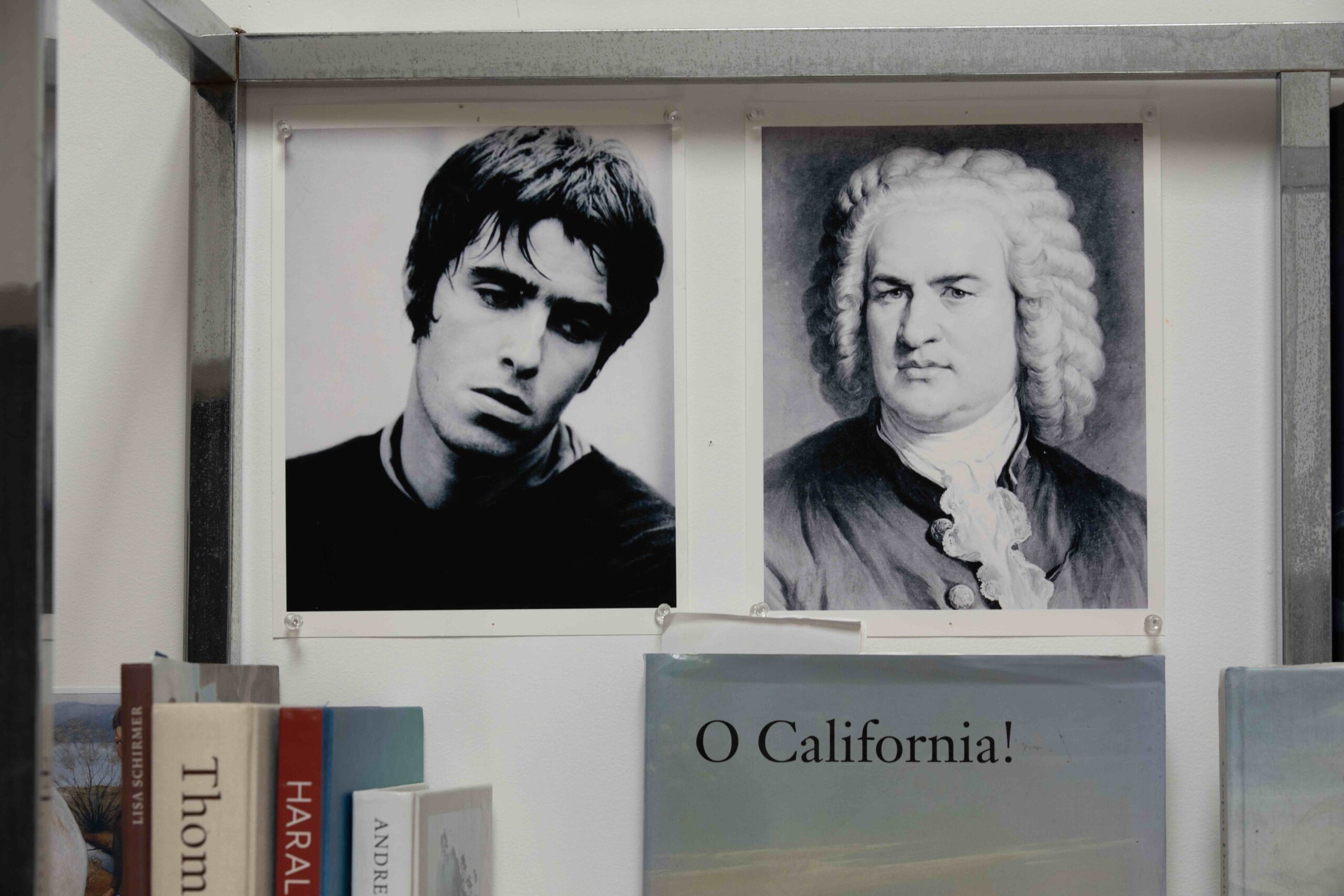
Lucio Battisti and Liam Gallagher.
When do you do your best work?
When I get to the point of pure intentionlessness.
There are a lot of costs that come with being an artist. Where do you splurge and where do you save?
I’m sadly addicted to housing several old cars in my studio, so they need permanent attention. It’s like having pets. The only way I can trick myself into having it being somehow tolerable is believing they’re sculptures rather than cars.
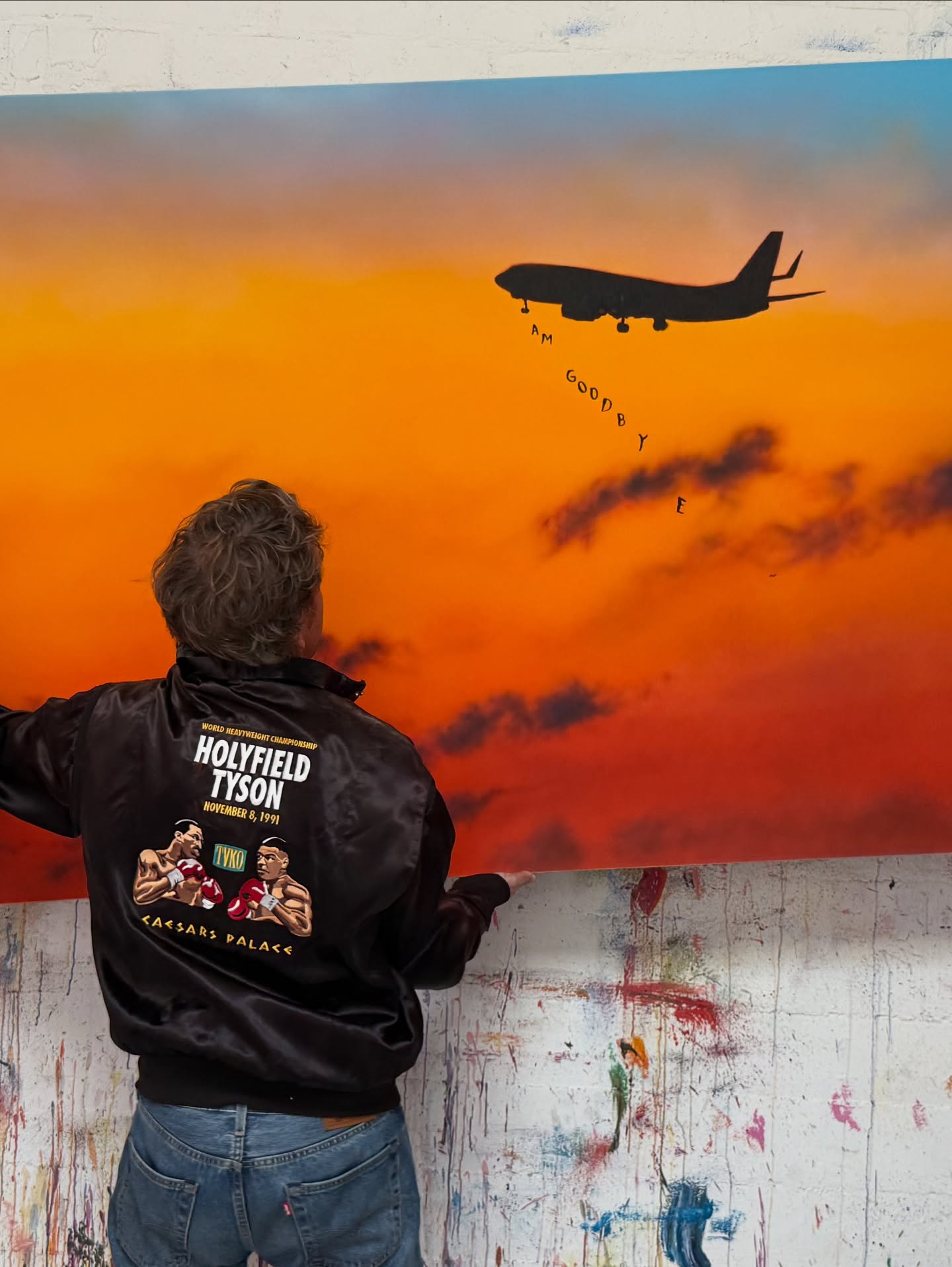
Have you ever destroyed a work to make something new?
Yes, spiritually and physically.
On a scale of hoarder to Marie Kondo, where do you fall?
I’d like to think of myself as President of the Anonymous Hoarders Association…
Is there a studio rule you live by?
There’s a Norwegian band a-ha, which has a song called “Hunting High and Low.” I’d say that’s my rule—hunting high and low.
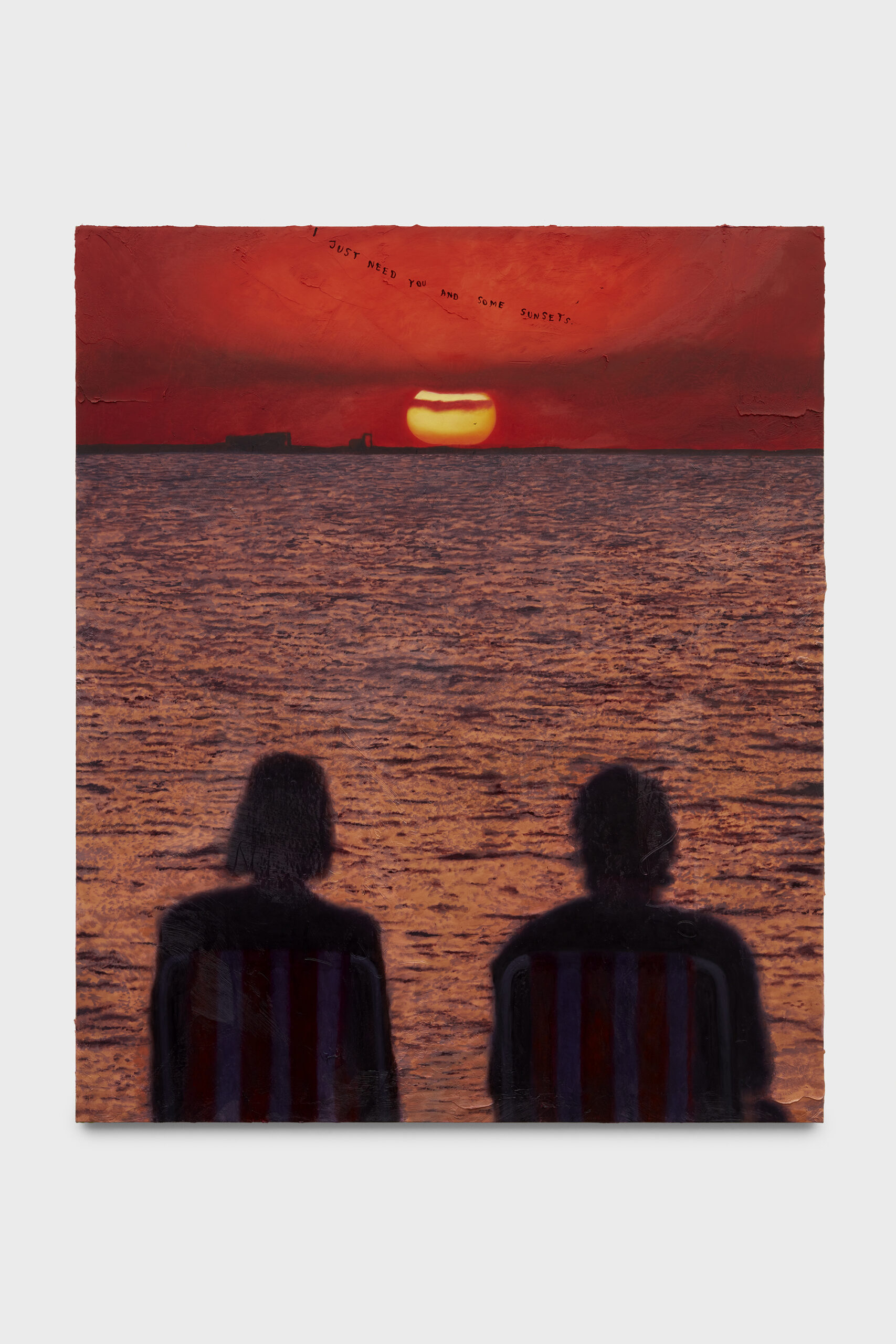
When was the last time you felt jealous of another artist?
Every time I listen to anything Brian Wilson has ever touched.
If your studio were an animal, what would it be?
A parrot stuck in a karaoke machine.
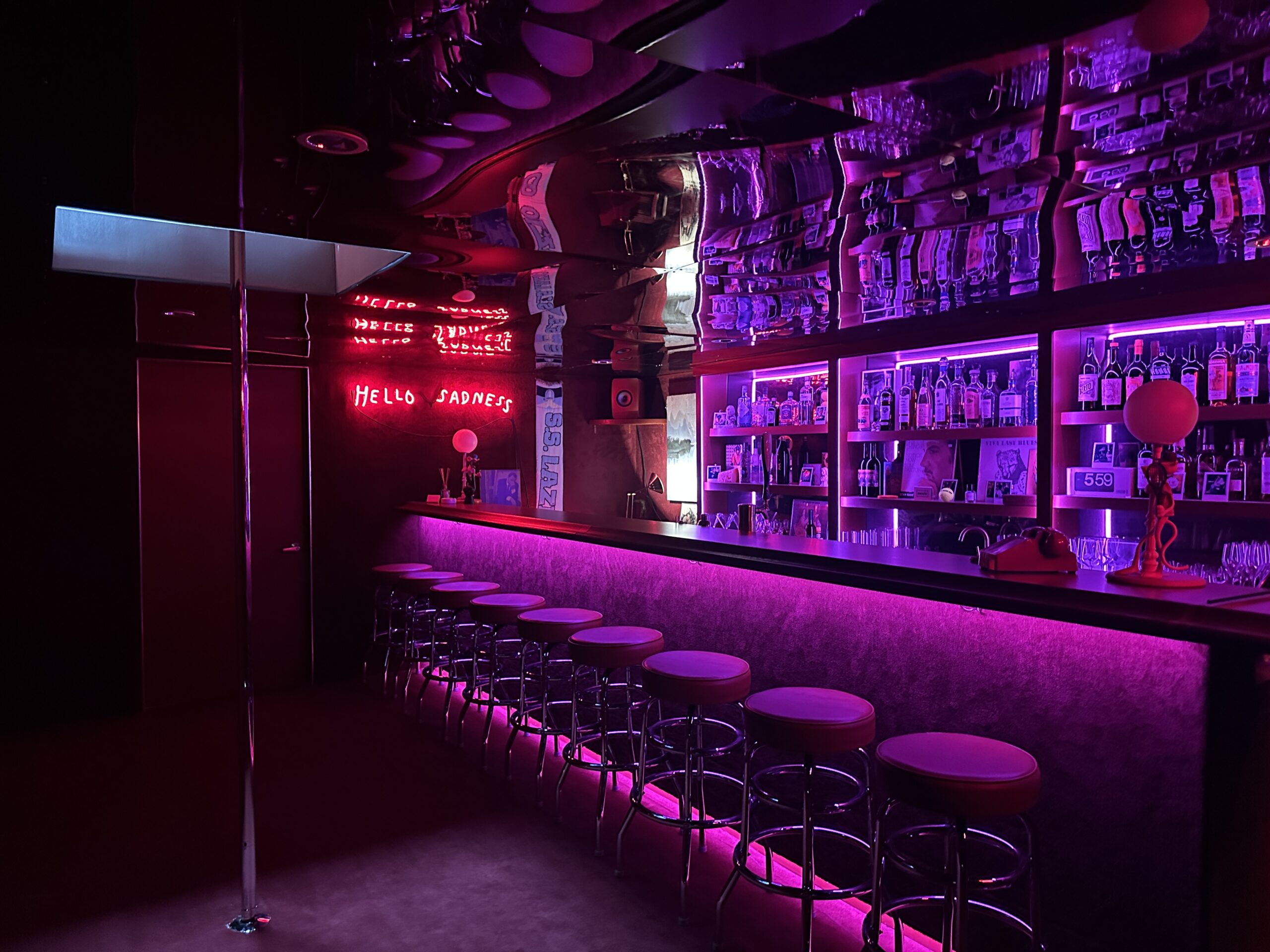
What’s your studio uniform?
A Canadian tuxedo and worn-out Belgian loafers.
What book changed the way you think about art?
There are three: The Life and Death of Peter Sellers by Roger Lewis, Pictures and Tears by James Elkins, and Hymns to the Night by Novalis.
What’s on your studio playlist?








 in your life?