
New York’s marquee November auctions generated over $2 billion in a single week—more than 50 percent above last year’s total and a sign that after three years of tepid sales, the market may be bouncing back. The record-breaking lots and frenzied bidding wars were powered by a slew of high-profile estates, led by that of the cosmetics heir Leonard A. Lauder. Here are some of the hits—and misses—from this week.
Biggest Hits
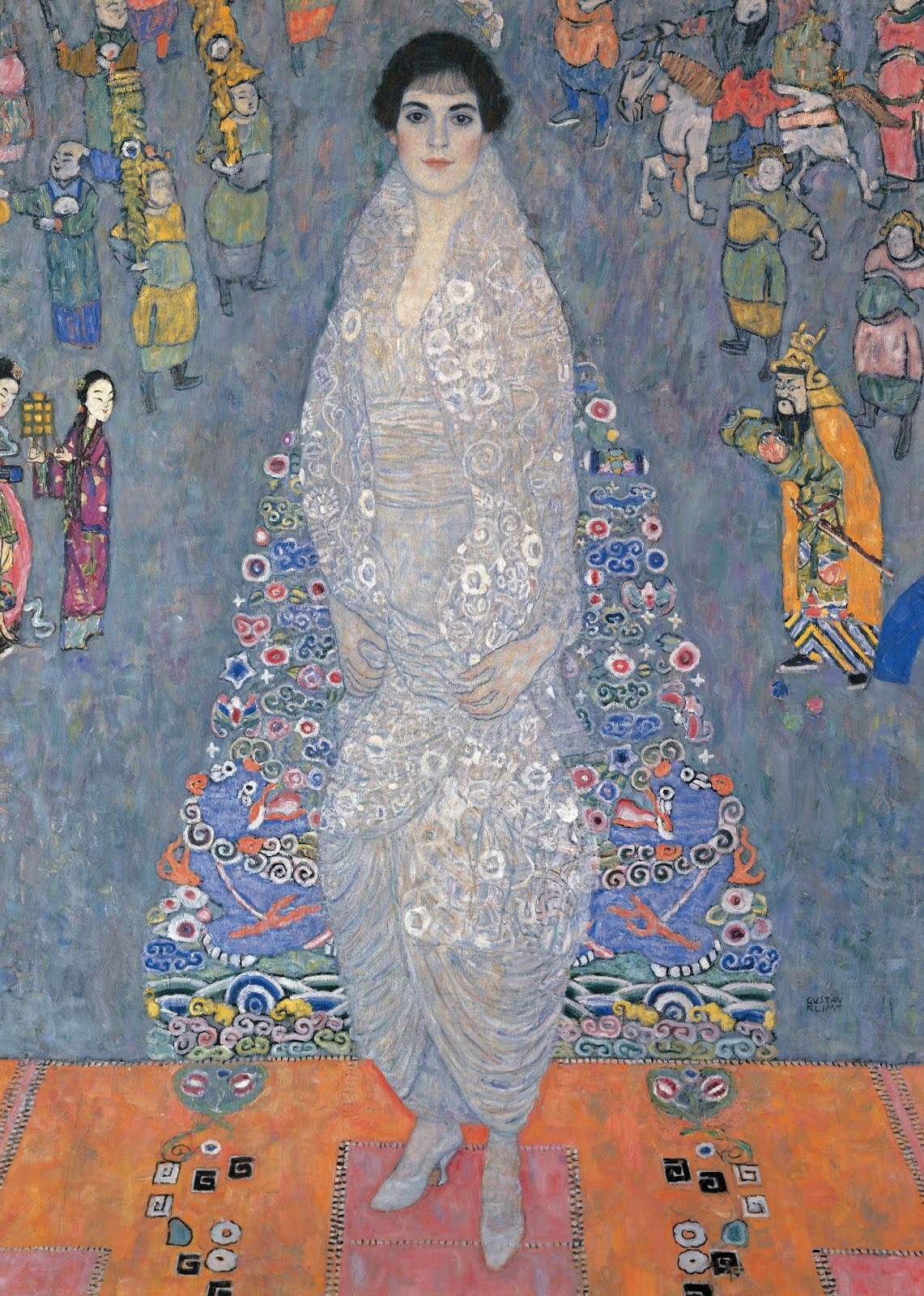
Gustav Klimt’s Portrait of Elisabeth Lederer, 1914–16
On Nov. 18, Gustav Klimt’s 71-inch-tall lush portrait of Elisabeth Lederer, which hung for decades in Leonard A. Lauder’s Fifth Avenue apartment, blasted past its high estimate of $150 million to sell for $236.4 million with fees at Sotheby’s. It took a dramatic 19 minutes of bidding—one hopeful buyer entered the competition at $171 million, only to seemingly hang up on a Sotheby’s specialist when the number continued to climb above $200 million. Portrait of Elisabeth Lederer is now the second-most expensive painting ever sold at auction, a record for the Austrian painter, and the most expensive work ever sold by Sotheby’s.
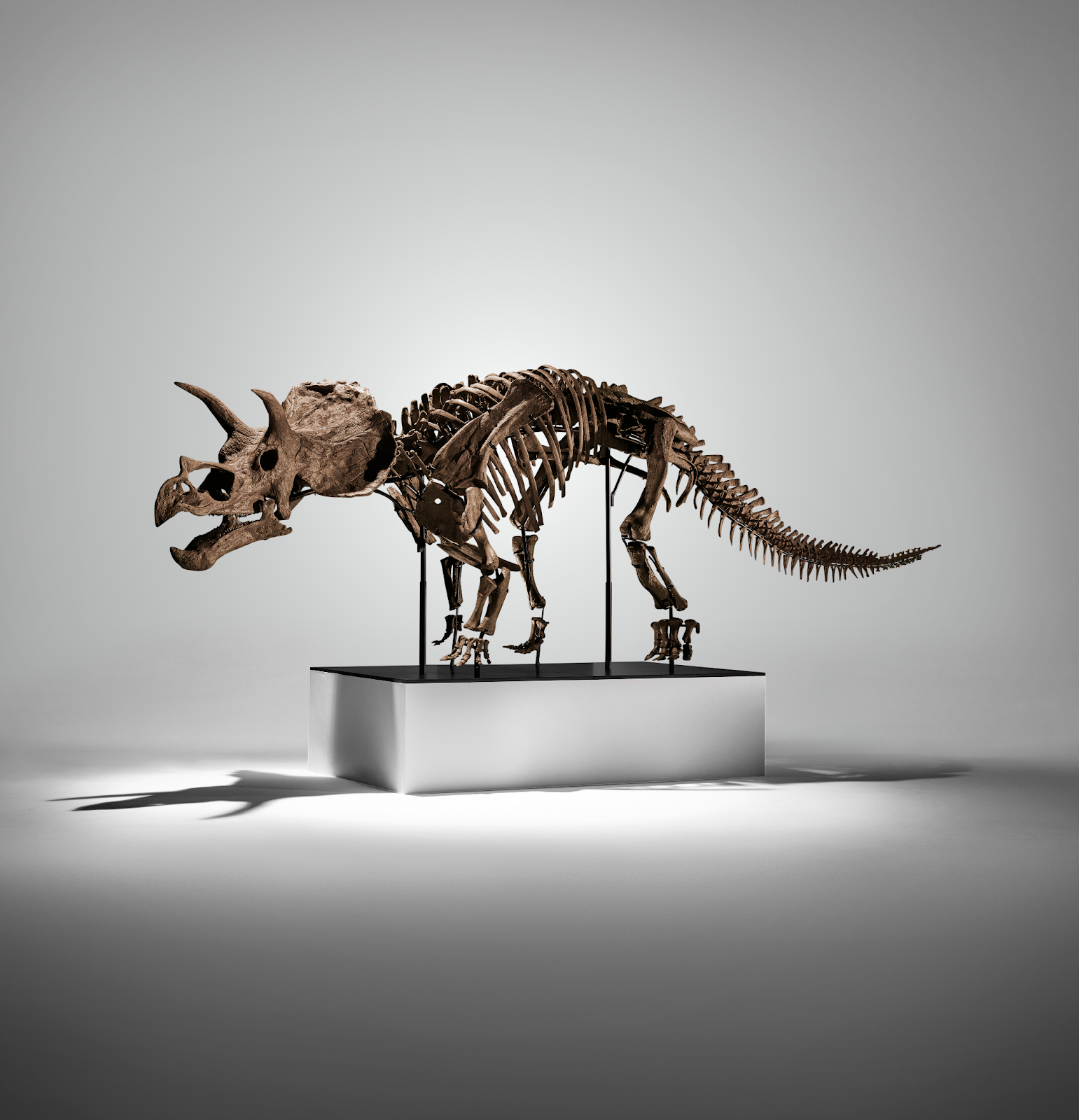
CERA, a juvenile Triceratops skeleton, 66 million years old
CERA is probably the oldest object offered at any evening marquee week evening sale—even if it’s not, technically, a work of art. Phillips sold the five-foot-long, four-foot-tall complete juvenile Triceratops skeleton from the Late Cretaceous period (roughly 66 million years ago) at its modern and contemporary art sale. Discovered in 2016, it sold for $5.4 million with fees against a high estimate of $3.5 million. It followed the record $44.6 million stegosaurus fossil nicknamed Apex, which sold to billionaire Kenneth C. Griffin last summer.
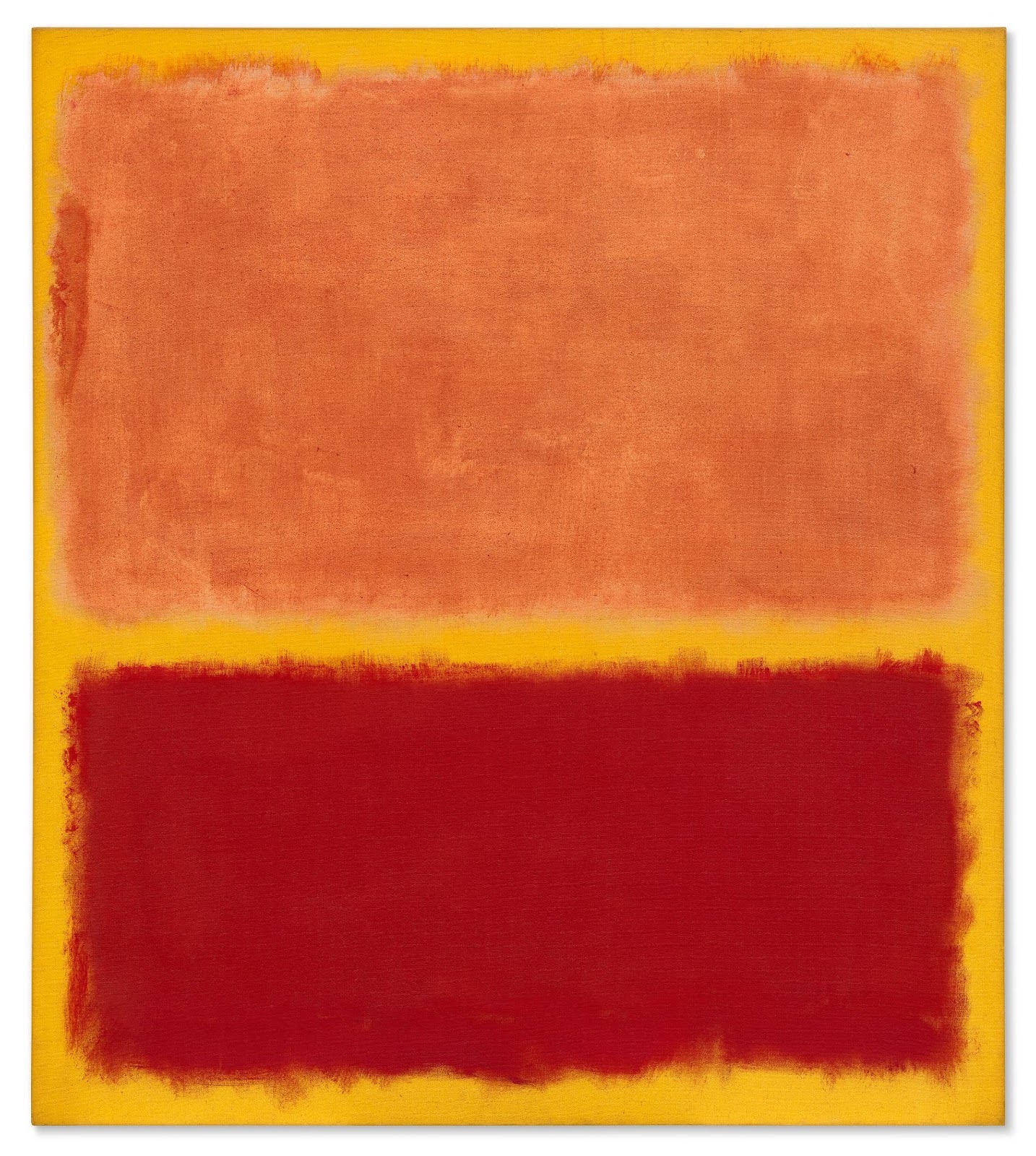
Mark Rothko’s No. 31 Yellow Stripe, (1958)
The top lot from the 61-piece collection of the ultra-private Pennsylvania couple Robert F. and Patricia G. Ross Weis fetched $62.2 million with fees, besting its estimate of $50 million, at Christie’s on Nov. 17. After bathing the audience in a red-orange light that evoked the painting, a bidding war began between an online buyer in Connecticut and clients on the phone with the house’s global president Alex Rotter and vice chairman Katharine Arnold. Arnold placed the winning bid.

Marc Chagall’s Le songe du Roi David, 1966
One of the more unexpected battles of the week was for the vibrantly colored painting by Marc Chagall, one of several artworks consigned to Christie’s from the Kawamura DIC Museum of Art just outside of Tokyo, with a high estimate of $12 million. After a whopping 32 bids from six specialists, the dreamscape centered around King David sold for $26.5 million with fees. The winning bid was placed by the art adviser, CULTURED columnist, and Sotheby’s vice chairman for popular culture Ralph DeLuca, on behalf of a client.

Frida Kahlo’s El sueño (La cama), 1940
The enigmatic self-portrait of the iconic Mexican artist lying in bed with a papier-mâché skeleton smiling overhead led Sotheby’s slate of Surrealist artworks in its “Exquisite Corpus” evening sale. El sueño (La cama) sold for $55 million with fees on Nov. 20, setting a new record for the artist and becoming the highest sum paid for a work by a female artist at auction. (The previous high was for a floral painting by Georgia O’Keeffe, which sold for $44.4 million in 2014.) The price was boosted by growing interest in Kahlo’s work since her death in 1954 and the limited number of works appearing at auction after the Mexican government limited their export in 1984.
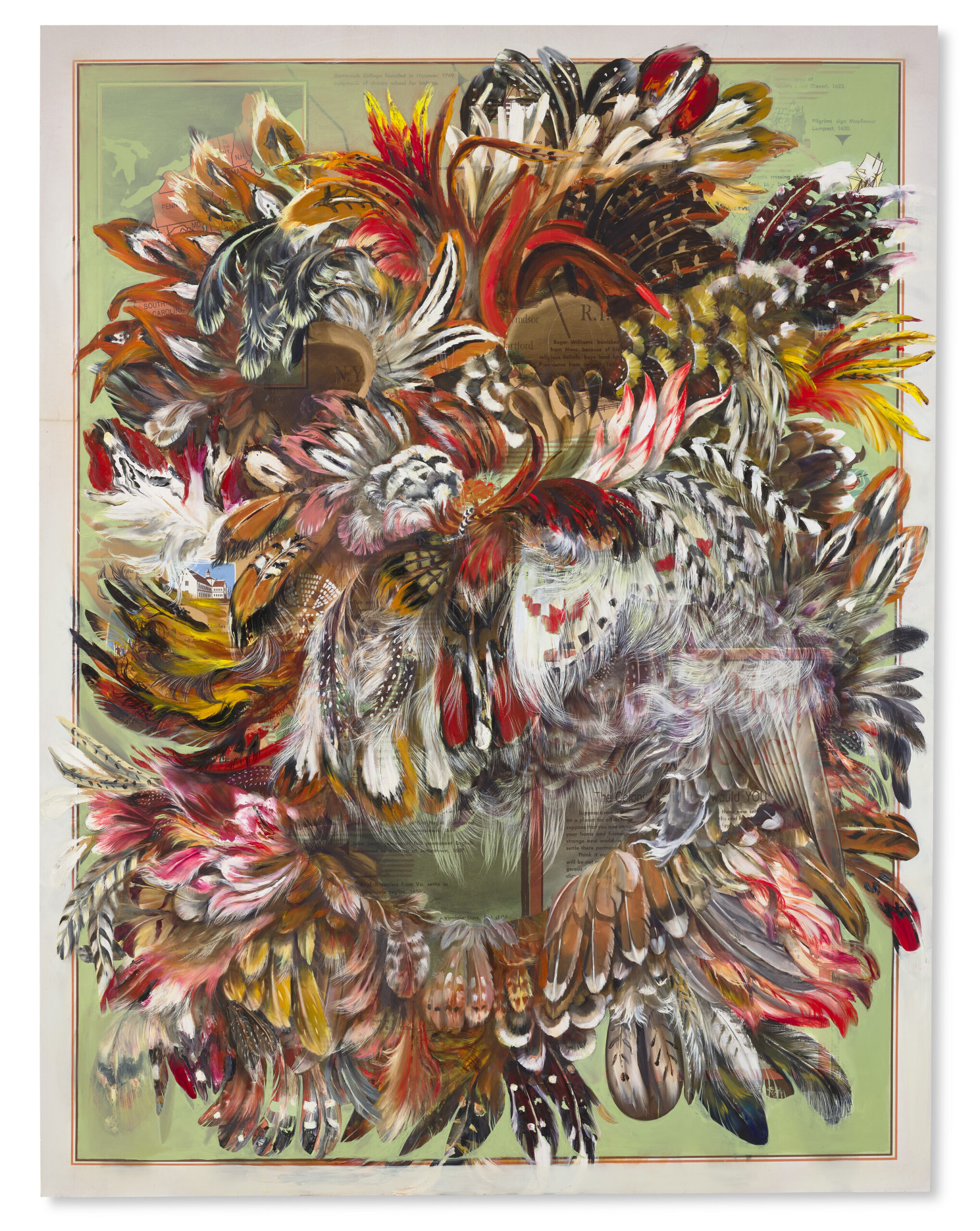
Works by Firelei Báez
While there has been a lot of discussion of the cratering market for young artists at auction, this week showed that a select few still have a hold on the secondary market. At Phillips on Nov. 21, Daughter of Revolutions, 2014, set a new record for the 44-year-old Firelei Báez, selling for $645,000. However, that record would only last a few hours—Báez’s 2021 painting Untitled (Colonization in America, Visual History Wall Map, Prepared by Civic Education Service) sold for $1.1 million, more than five times its high estimate, at Christie’s later that night.
Misses
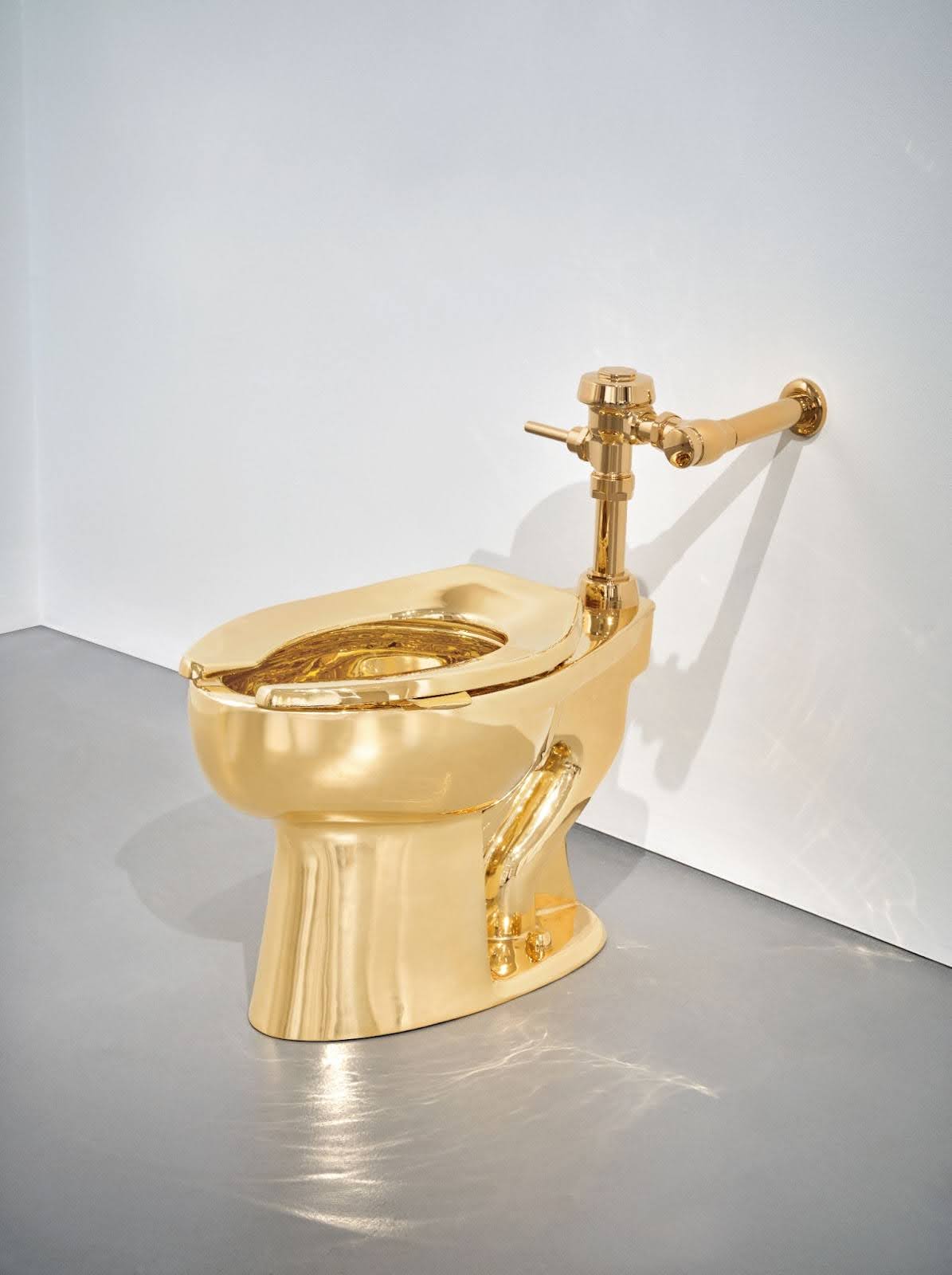
Maurizio Cattelan’s America, 2016
Despite long lines and a special mirror-lined bathroom installation at Sotheby’s new location at the historic Breuer Building, only one bid was placed for the artist’s 220-pound, 18-karat gold toilet. The unusual consignment by Mets owner and hedge funder Steve Cohen hammered for $10 million—the market price for the weight of the precious metal—or $12.1 million with fees. The buyer was revealed to be Ripley’s Believe It or Not, the entertainment franchise with locations in nine countries. The item immediately became the most valuable piece in the company’s collection. Ripley’s said in a statement that it was exploring “whether visitors may someday be allowed to use it.”

The Thunderbolt
Not every stunt paid off last week. Phillips also offered what it marketed as the largest gold nugget ever found, “nature’s masterpiece in pure gold.” The 114.6 troy ounces (3,565 grams) of crystallized precious metal nicknamed the Thunderbolt had an estimate of $1.3 million to $1.5 million, but was bought in after five bids. The estimate was nearly double the market value of the item’s gold content, but the price of gold has also risen by more than 50 percent in the past year.
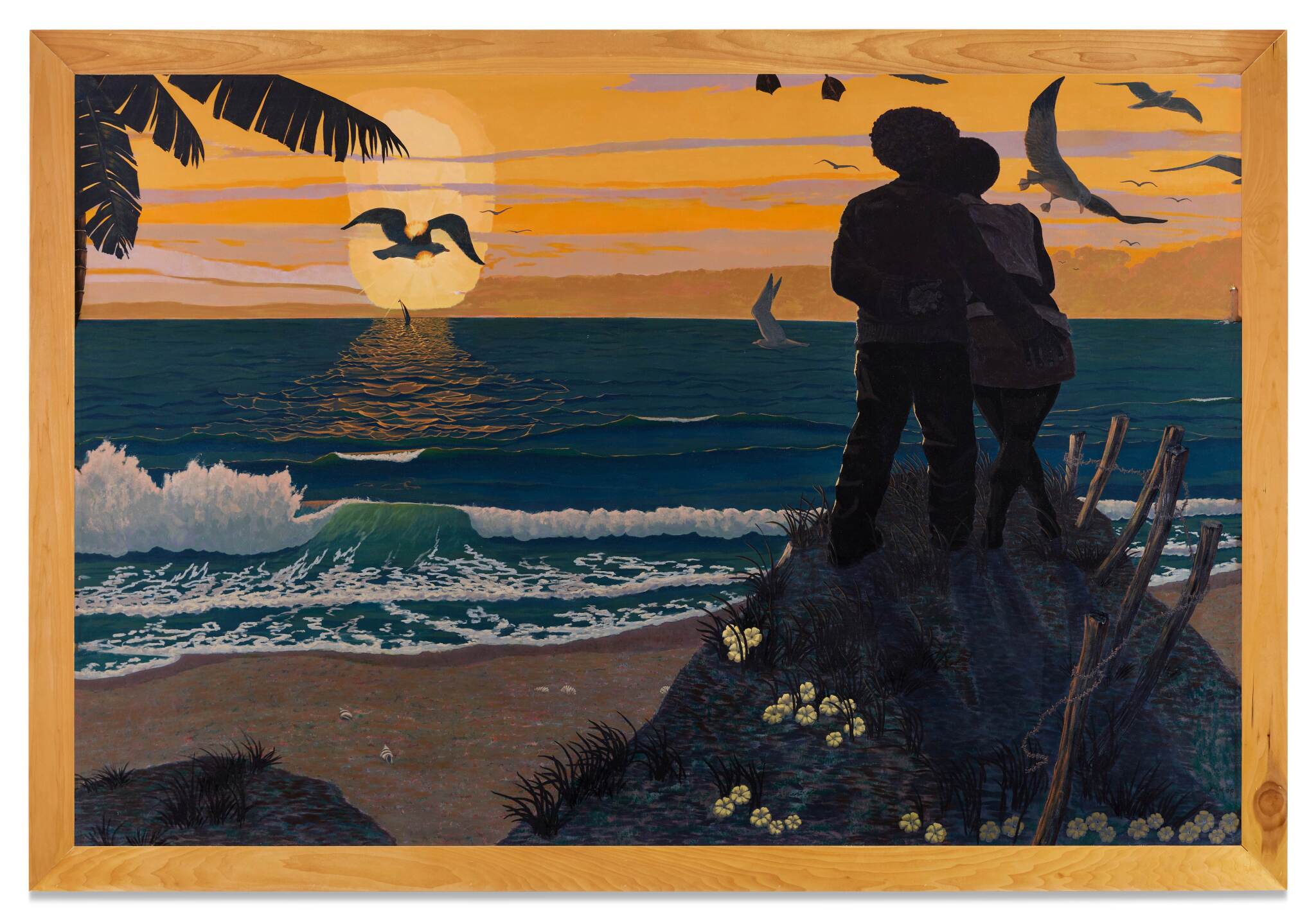
Kerry James Marshall, Untitled, 2008
The artist’s large acrylic figurative painting of two people at a beach looking at a sunset had an estimate of $10 million to $15 million, but did not sell at Sotheby’s contemporary evening sale, despite being included in notable exhibitions at the Museum of Contemporary Art Chicago, the Metropolitan Museum of Art, and Los Angeles Museum of Contemporary Art. The artist also has a major retrospective exhibition currently at the Royal Academy of the Art in London.
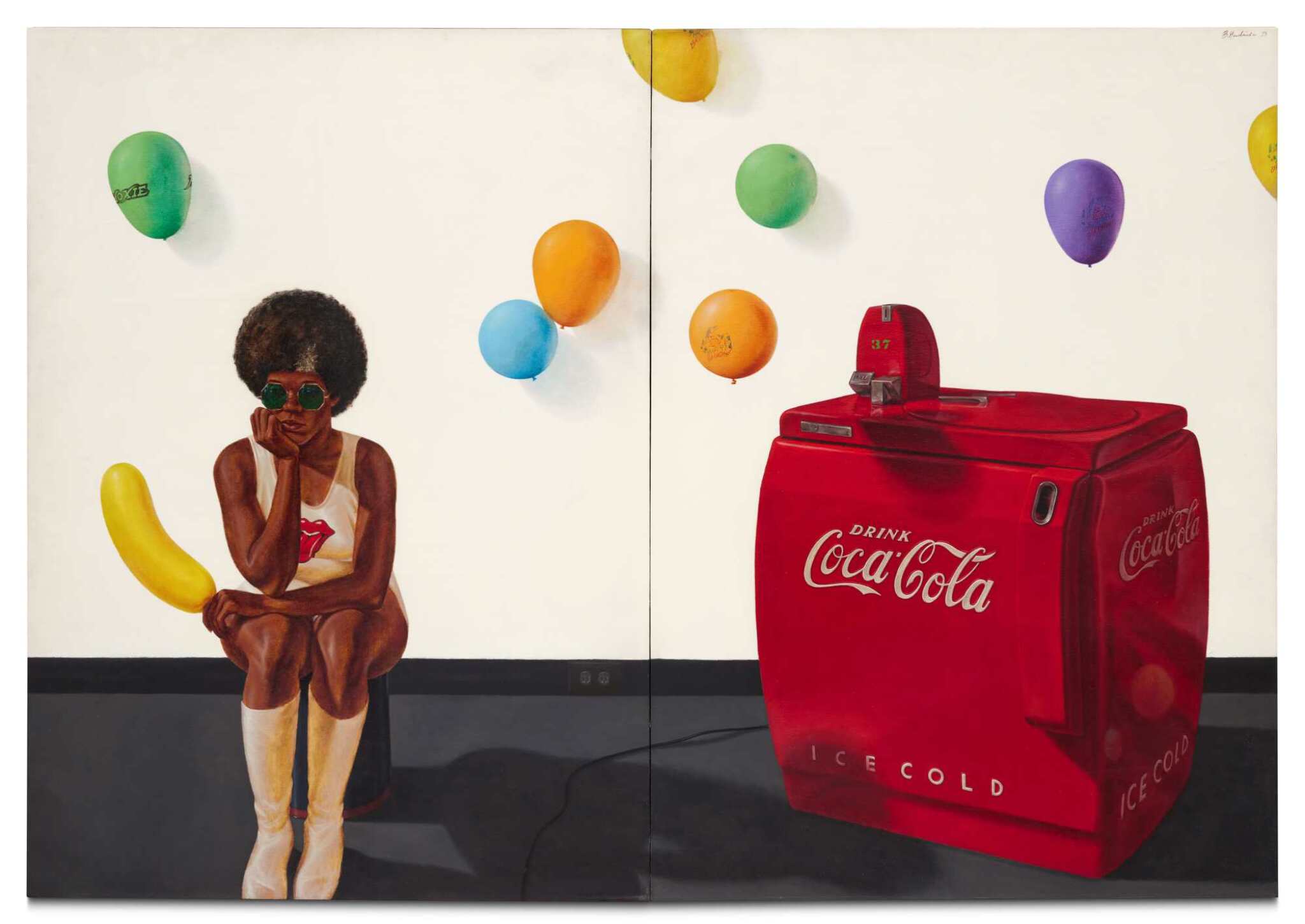
Barkley L. Hendricks, Arriving Soon, 1973
Had the six-foot by nearly nine-foot oil and acrylic painting reached its low estimate of $9 million at Sotheby’s, it would have set an auction record for Hendricks, who was the subject of a solo show at the Breuer Building in 2023. His previous high, set the same year as the Breuer show, was $8.4 million for a double portrait. Alas, Arriving Soon found no takers. The work was the cover image of Hendricks’s eponymous exhibition at the Greenville County Museum of Art and was included in the artist’s landmark 1980 exhibition at The Studio Museum in Harlem. It was acquired directly from the artist in 2009.
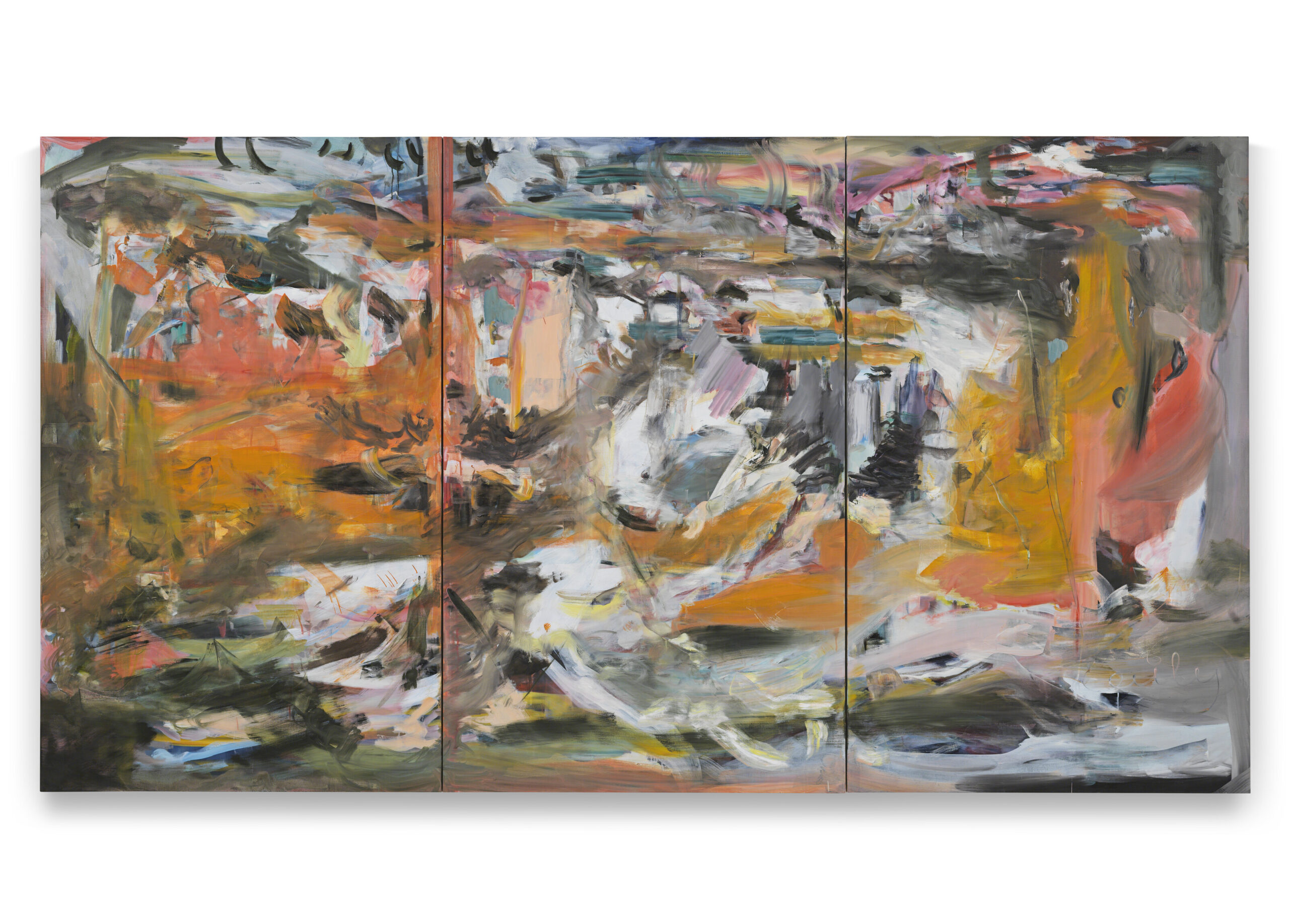
Cecily Brown’s It’s not yesterday anymore, 2022
The three-paneled oil painting had an estimate of $4 million to $6 million, but only received three bids before it was pulled from Christie’s 21st century evening sale on Nov. 19. It was a striking result after the artist’s record was reset at Sotheby’s evening sale the night before after a 10-minute showdown led to High Society, 1997–98, selling $9.8 million. The result showed that the market, while infused with new vigor, remains picky; the record-setting piece came from an important early show in Brown’s career and the 2022 painting lacked its vibrant palette.






 in your life?