
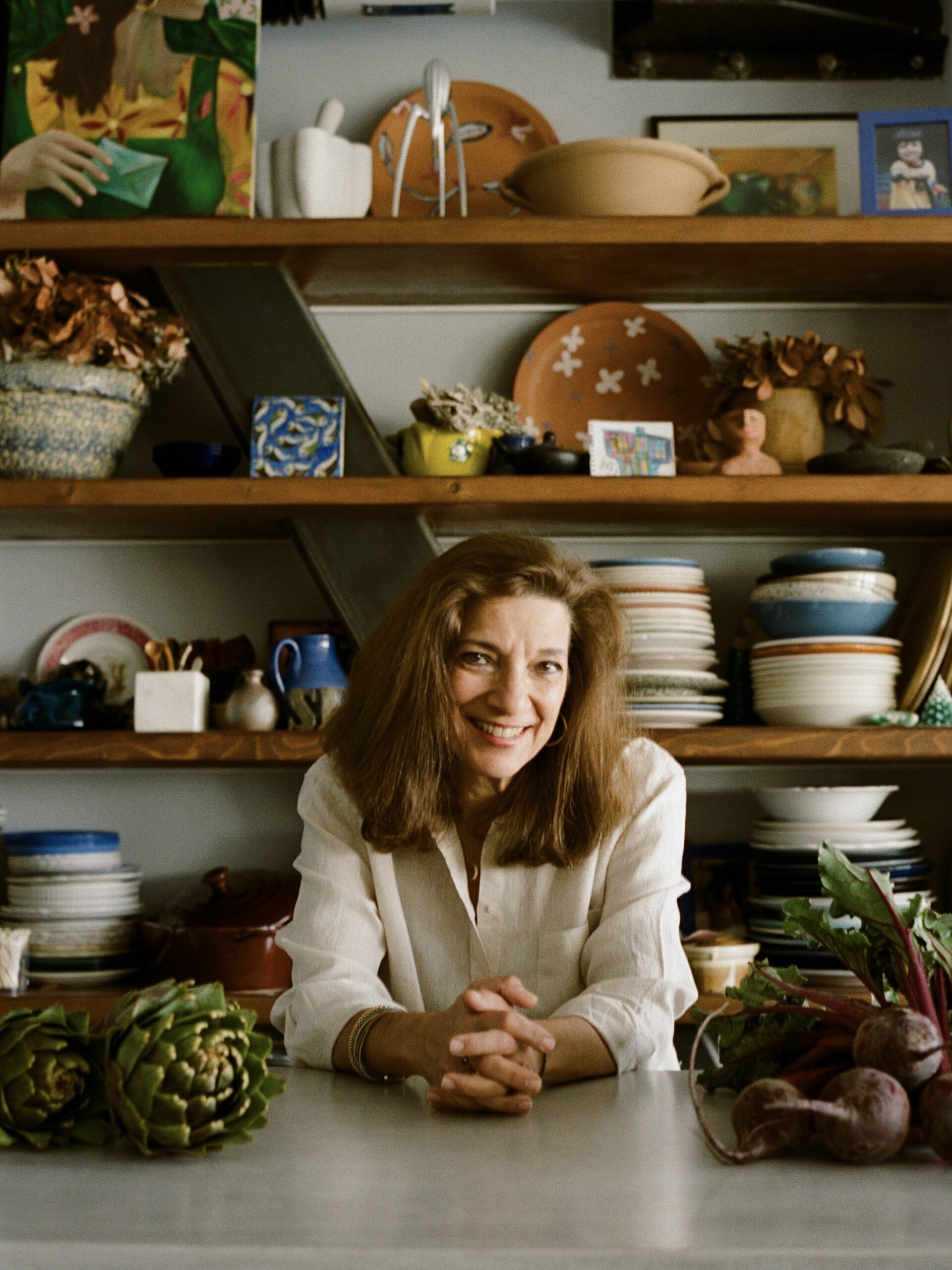
Diane Kochilas has been my Greek cooking idol for as long as I can remember.
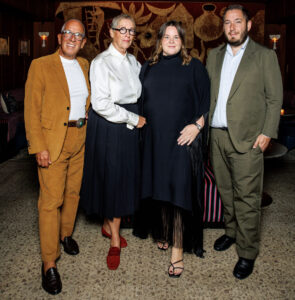
Born and raised in Queens to Greek parents, she moved to Athens in 1992 for love (she married a Greek artist) and secured a job as a food columnist for one of Greece’s largest newspapers, Ta Nea (The News). Over the past 30 years, she has written 15 cookbooks in both English and Greek. She runs a cooking school on the island of Ikaria and is co-creator and host of the cooking and travel series “My Greek Table” on PBS, which is currently embarking on its fifth season.
I sat down to talk to Kochilas about her new cookbook-meets-memoir, Athens: Food, Stories, Love. As a fellow Greek American, I could relate to many of her reflections. As a firm believer in the personal aspect of food, I basically interviewed her while silently crying. We talked about the surprising history of the ubiquitous Greek salad (invented in the 1960s!), how we both believe Greek food in the U.S. is still very much stuck in the past, and why Athens’s food scene is rooted in a sense of generational freedom.
Where are you in the world right now, and what’s in your system?
I am in Ikaria, finishing up my cooking classes. I ate a little bit of my homemade cheese, which we made yesterday from goat’s milk. I also had a bowl of fruit, and of course, I have a lot of coffee in my system right now, which I take black and cold because it’s still warm out. My dirty little secret is that I like yesterday’s coffee on ice.
How did your career in food in Greece begin?
I’ve been living in Athens full time since 1992. I was a food columnist and a restaurant critic for 20 years at what was at the time the largest newspaper in Greece, Ta Nea.
I lived through a lot of social change in Athens. My generation was post-junta [the military dictatorship that ruled Greece from 1967 to 1974] and when I arrived my in-laws were avid supporters of the center-left party PASOK. I used to see Ta Nea on their kitchen table. I wrote to the newspaper for a job—and my then-husband told me, “This person from Ta Nea called you. You have no idea who he is, but everyone in Greece knows who he is, so call him back.” He was the editor of the newspaper. I got hired, and I started writing my column.
What was the food scene in Greece like at the time?
Greece was in the throes of its first major modern social change. That was very much represented and mirrored in the restaurant scene. Greece entered the common market. There was a lot of structural development money pouring into Greece from the EU. The road network was getting revamped. Different ingredients became more accessible.
Athens started to change dramatically from being a place where tavernas were on every street corner to restaurants that had a lot of international food interpreted to a Greek palette. The ’90s saw a massive stock market boom. That was also mirrored in the restaurants. Huge places started opening up in old warehouses and factories, and it suddenly became very prestigious to be a chef. Before, that was never a profession that any parent wanted for their kid.
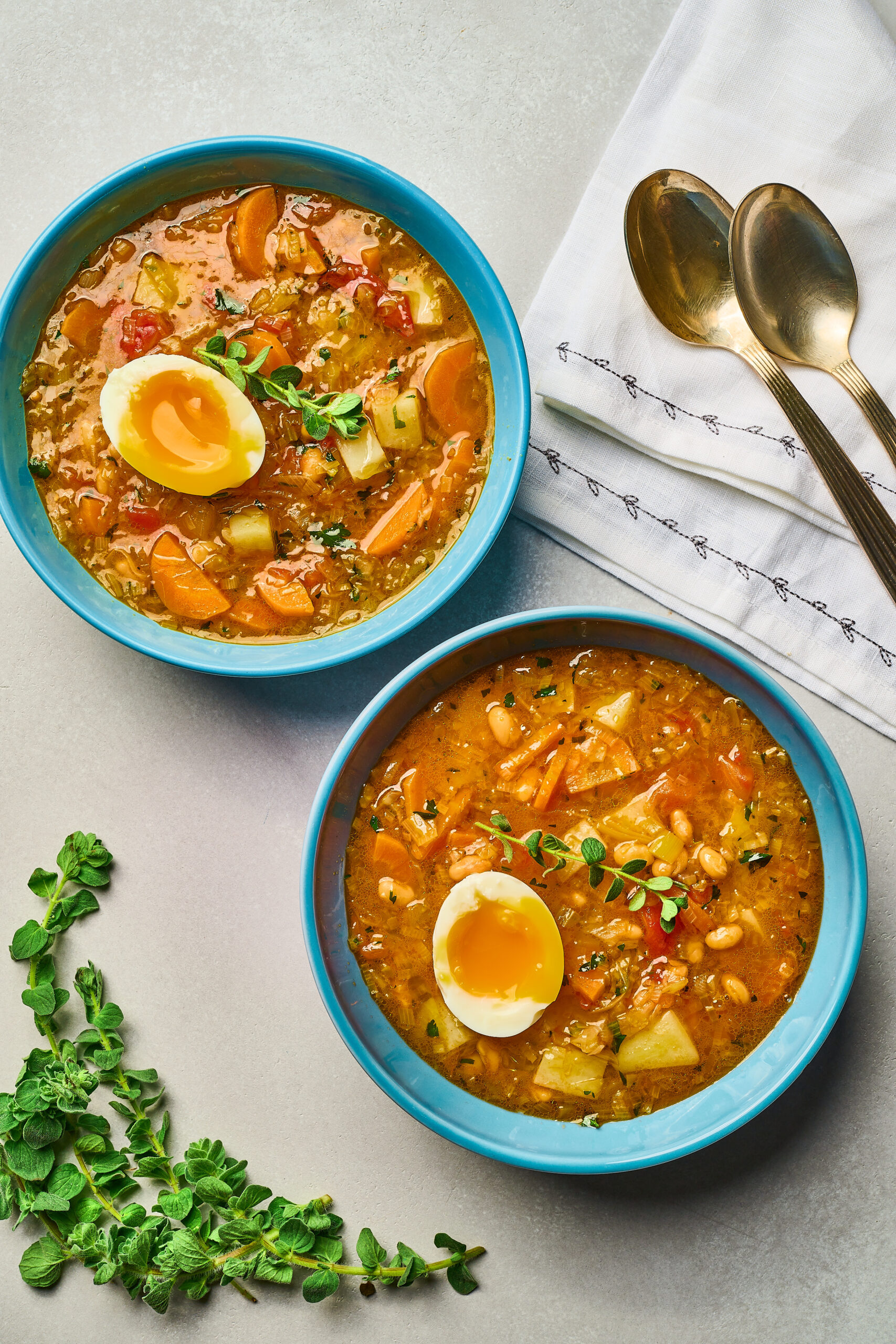
Those years really saw a shift in the mindset of Greek cooks and chefs who suddenly started to embrace foods that [for] the older generation [were] still fraught with harrowing memories of war [World War II and the Greek Civil War]—like cornmeal, trahana [fermented mixture of grain and yogurt], even paximadia [bread rusks]. My in-laws lived through that.
I remember once serving my father-in-law black-eyed pea salad, and he said, “I’m sorry I can’t eat that. We lived on that for five years.”
Then the [debt] crisis happened [starting in 2009], and everything crashed. But Greeks continued to look at their cuisine as an expression of the times because it always is. A lot of places opened up that were much less expensive but equally creative.
Tell me about your new cookbook, Athens: Food, Stories, Love. Why did you feel it was important to write this book?
Athens is a very different city now than it was 30 years ago. Athens is comfortable in her own skin. Thirty years ago, Athens was a city that always looked over its shoulder, feeling that it was somehow inferior. Greeks had to insist that it was actually Europe. For a long time, I think there wasn’t a very strong sense of self in Athens, and I think that’s totally changed now.
I’m not a newspaper reporter anymore, but I eat out all the time and I am always interested in what young chefs are doing. I see my daughter’s generation—she’s in her 30s—and they have almost no emotional connection to those very traditional Greek dishes. It’s the Internet generation. To me, it would be sacrilege to take a stifado sauce and marry it with turmeric or goji berries. My generation had a very rigid set of rules about what you could and couldn’t do in the kitchen. This younger generation doesn’t.
This is a really personal book—more than your previous ones. I was learning about your personal life and exploring Athens through your eyes. Really, the book is three things: a guide, a cookbook, and a memoir.
When I first came to Athens, I had just written my first cookbook in New York. My husband at the time really wanted to come back [to Greece]. He didn’t like being in New York. If you’re an artist, it’s extremely hard, especially if you don’t want to live in a situation where you’ve got a bathtub in the kitchen. So I moved to Athens. It was not against my will, but it wasn’t my first choice, let’s say.
This book was my way of coming to terms with my life. For me, so much of Athens is the memories of my then-husband, a person I spent almost 40 years of my life with. I had to get that out of my system, and I wanted to do it in a way that was grateful. Athens is not a city that reveals itself easily. Layers of history and stories are everywhere you look.
What’s your opinion on the state of Greek food today?
I think it’s confident. There’s a lot of respect for all aspects of Greek food. One of the great restaurants in Athens, Seychelles, personifies all the stuff that’s been going on in the city: There’s a respect for local ingredients. They create these very identifiably Greek dishes that are still modern.
Is there a back and forth between Greek food in the U.S. and Greek food in Greece?
There isn’t much discourse. In the States, people’s perceptions of anything Greek starts with blue and white, the Greek key, a picture of King Leonidas in his helmet, and the goddess Athena. I had to push back on that in the book’s design process. That is not Greece. Greece is earth. Greece is all this other stuff.
There are a few creative Greek restaurants out there in the States. You had one of them [Mina’s at MoMA PS1 in Queens]. There’s Committee in Boston, Molyvos in New York, Avli in Chicago. I have not been to Balos in DC yet, but I’m looking forward to doing that.
What are some of your favorite dishes in the book that you feel represent something important?
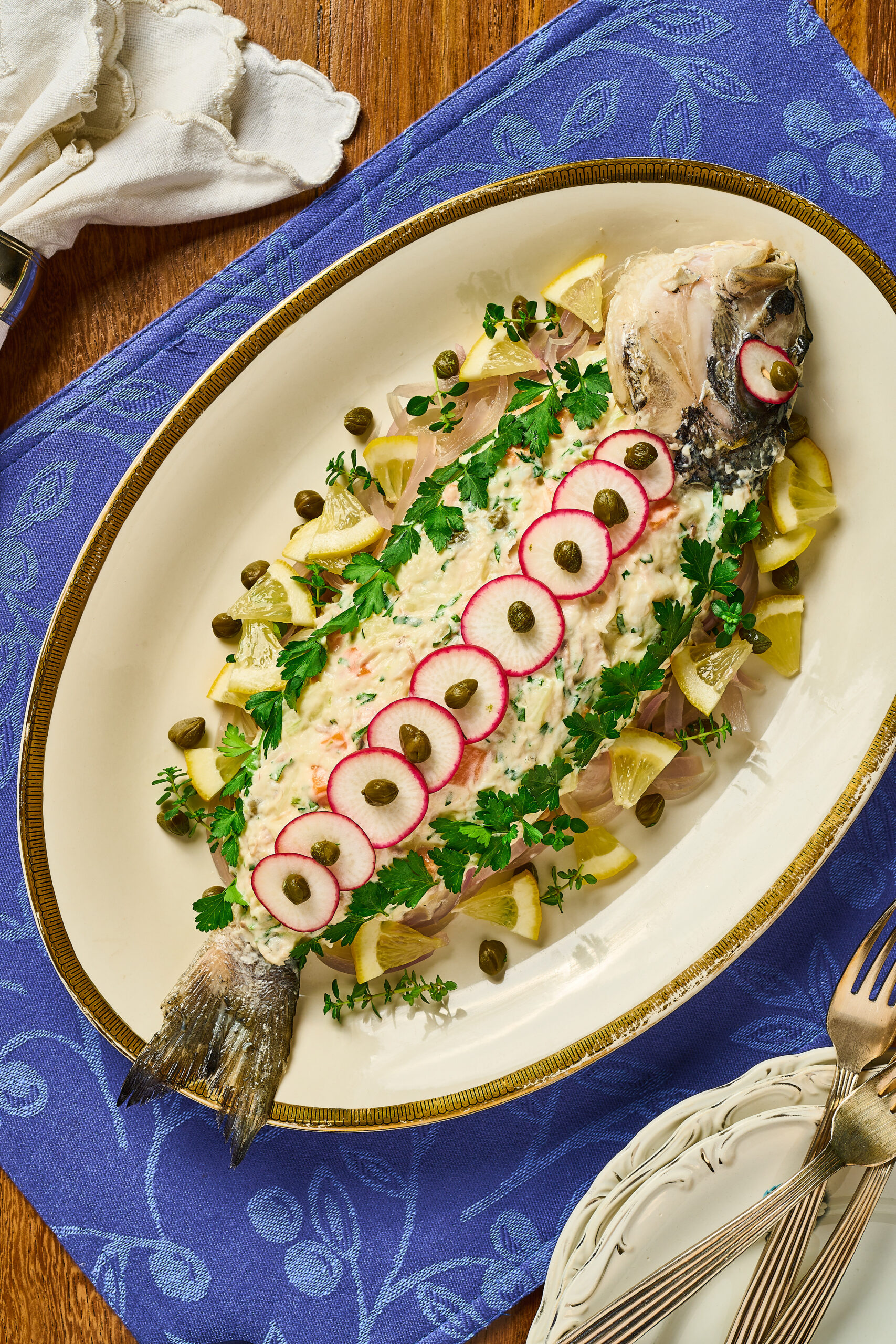
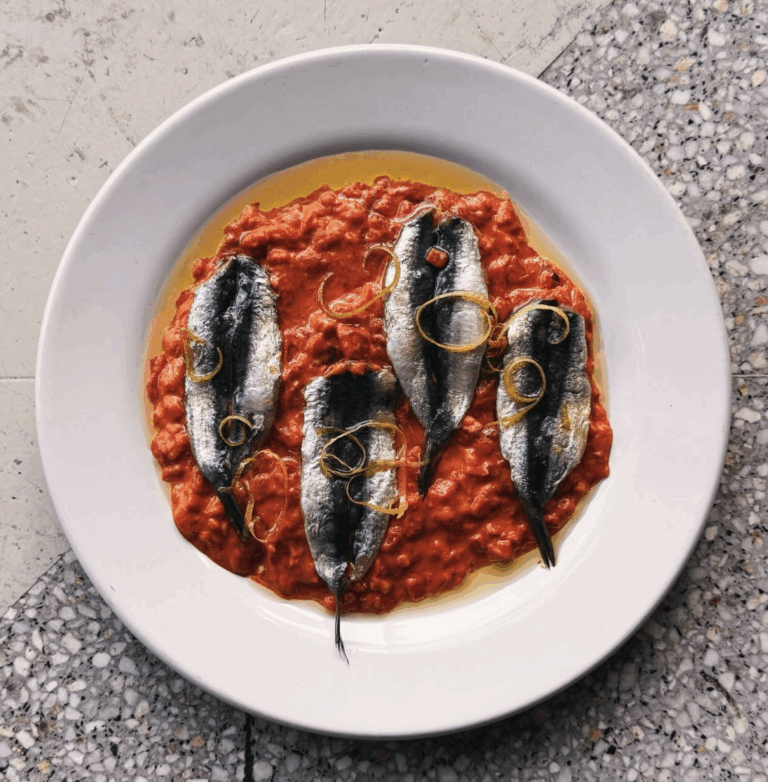
I love the kotopoulo Milanese, which is a bourgeois Athenian dish that doesn’t actually exist in Milan. It’s a Greek affectation. I love those bourgeois dishes because they also evoke memories of family Sunday lunch. The Athinaiki mayioneza or fish covered with homemade mayonnaise was a litmus test of a good home cook. I love the focaccia spanakopita.
Can you tell me the history of the Greek salad?
It was born in Plaka in the ’60s. In Greece, there used to be price controls on certain menu items. From what I recall, there was a price control on the salad, so they added cheese to it because then it didn’t meet the legal definition of the salad and they could make a little extra money.
What do you think the food community needs more of right now?
The world needs more Greek food. [laughs] The world needs more interesting Greek food, not just more moussaka and souvlaki.
What is a kitchen etiquette role you live by?
Don’t pick food out of the pot before I serve it.
What’s the kitchen utensil you use the most?
My Japanese chef’s knife.
Do you feel like the book draws a parallel between your experience and the city of Athens itself?
I think so. I always wanted to be a newspaper reporter. I did that in Athens. I always wanted to do a television show. I did that in Athens. I had my kids in Athens. I went through a transformation in Athens from being a New Yorker by birth and temperament to being very appreciative of all the things that Athens gave me. All the things I wanted to do in my life, I did in Athens.


 in your life?