
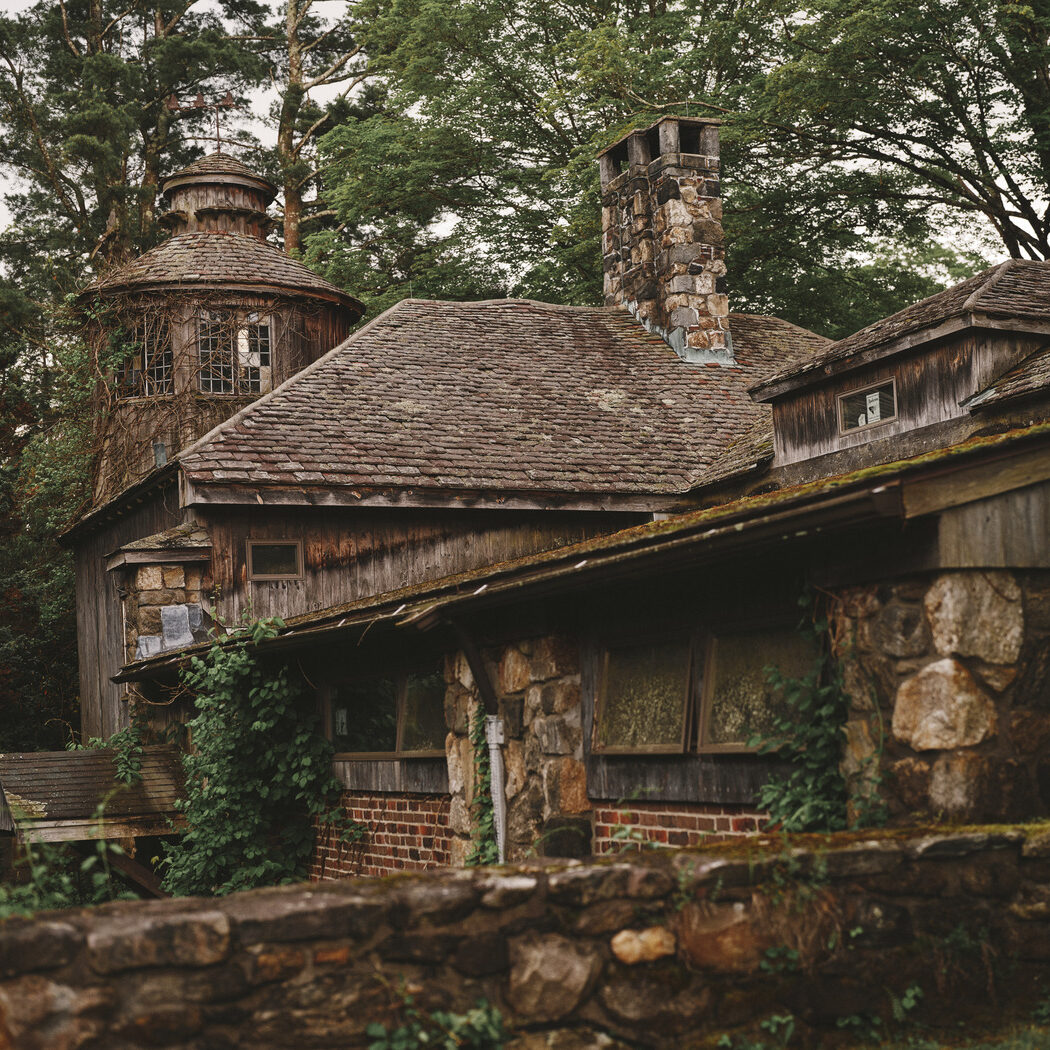
Every house tells a story of its inhabitants, but very few tell the stories of generations. Coolwater is a large property near a small lake in Norfolk, Connecticut. It belongs to the Childs family, who have lived in Norfolk for more than a century, and still do. On a hot summer day, siblings Starling Winston Childs and Elisabeth Gill—now the family’s elders, who both grew up in Coolwater—met me in the driveway. Keeper, Childs’s Rhodesian Ridgeback, followed close behind as Childs led me into the house through one of its many entrances, the lush northern Connecticut landscape framed by the panes of countless windows.
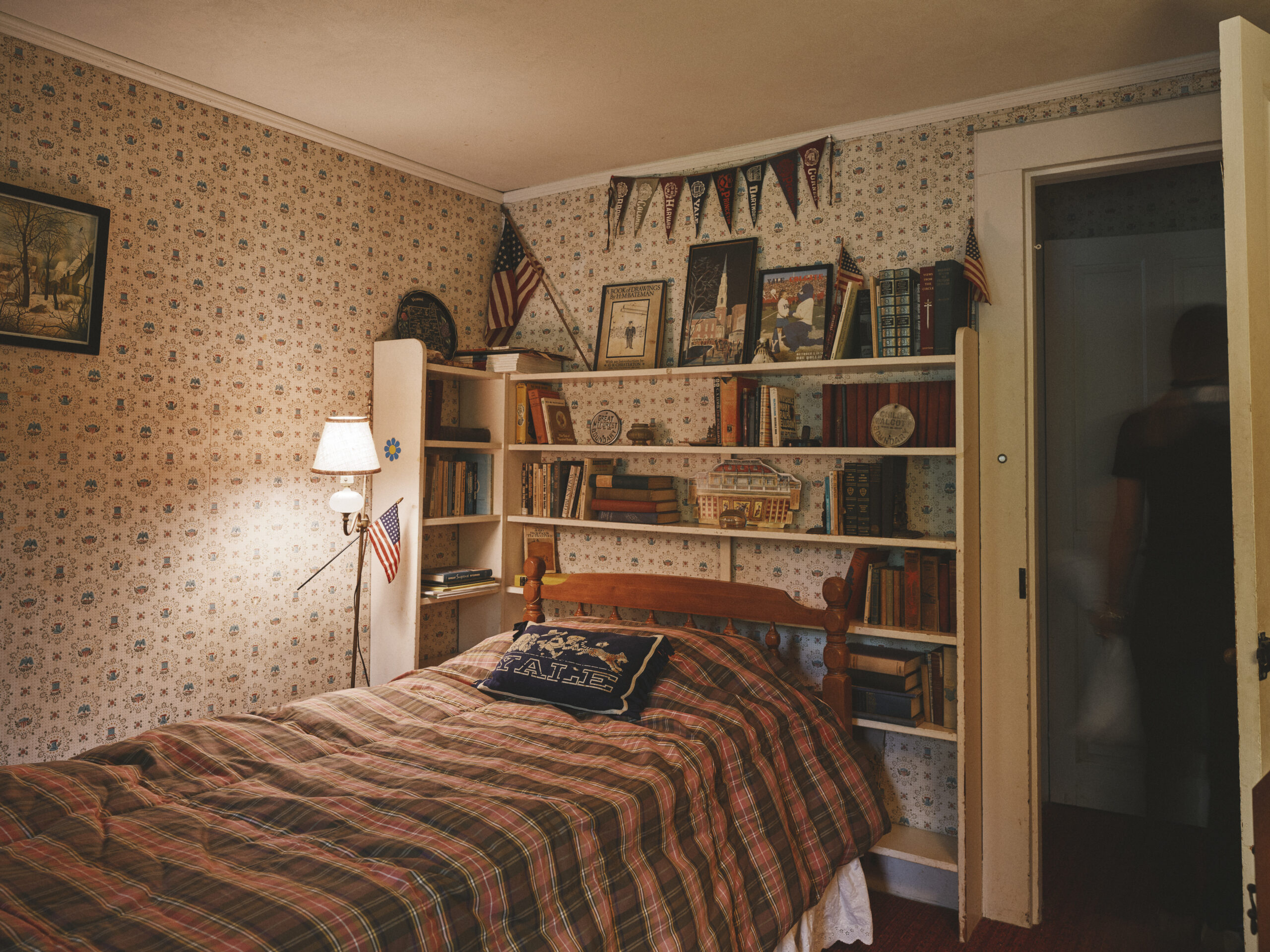
Coolwater was originally a colonial farmhouse built around 1803 by the Tibble family, who farmed the surrounding land. Childs’s grandfather—also Starling Winston Childs—purchased it in 1909 from Ralph C. Burr, a descendant of Aaron Burr. It possesses the typical features of a colonial home: an inviting hearth, wide maple and pine wood floorboards, perilously steep stairs, low ceilings, and terrible insulation. “My grandfather fell asleep upstairs after he bought the house, and woke up with frostbite on his nose. He had a black nose on Wall Street for two or three weeks, but it didn’t fall off,” Childs tells me. In the winter, they would hang blankets from hooks in the ceilings to trap the warmth. Eventually, the elder Childs’s wife, Jane Coffin, demanded renovations, and the couple hired the architect Alfredo Taylor to build a more modern and capacious addition to the house.
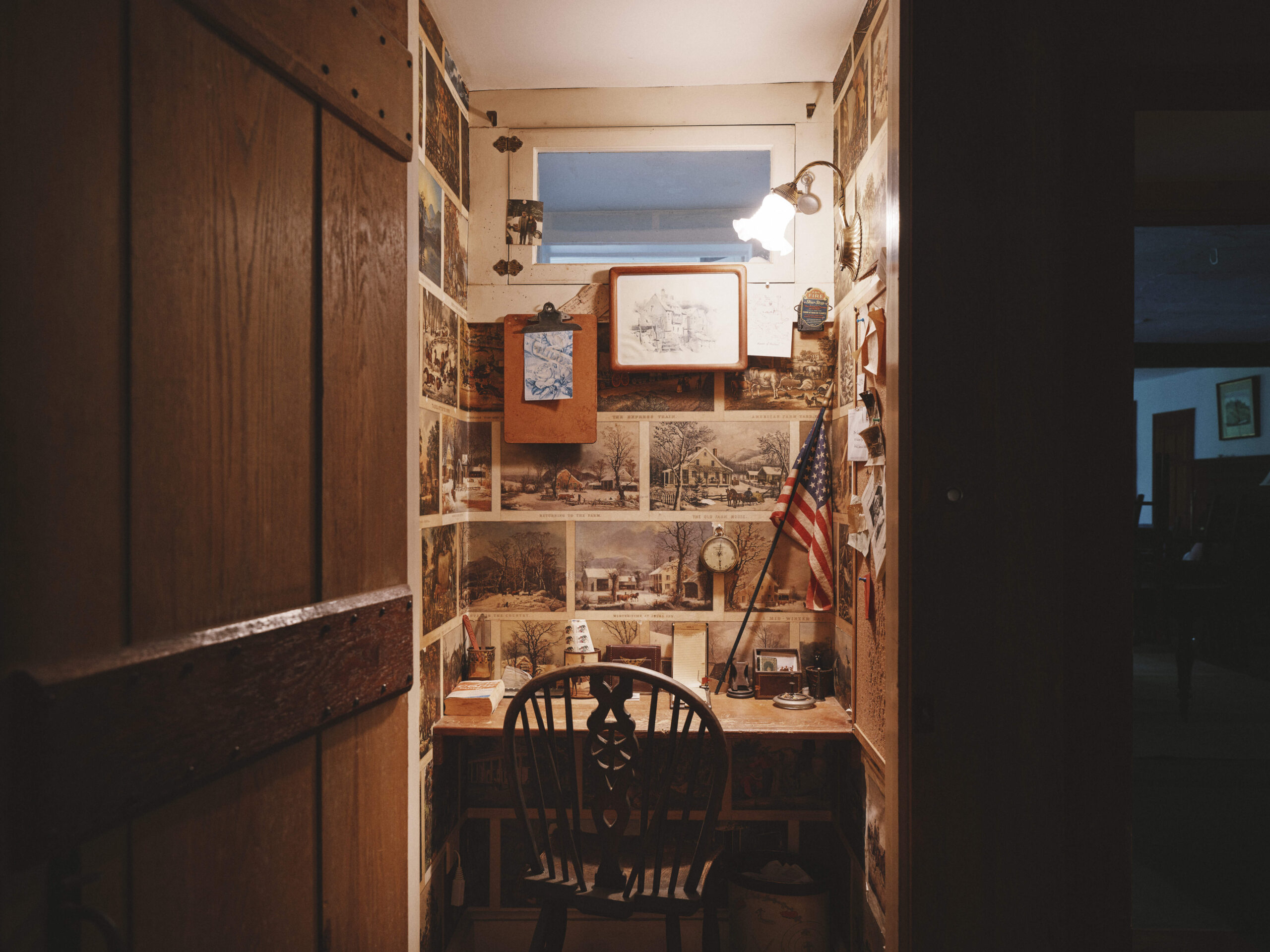
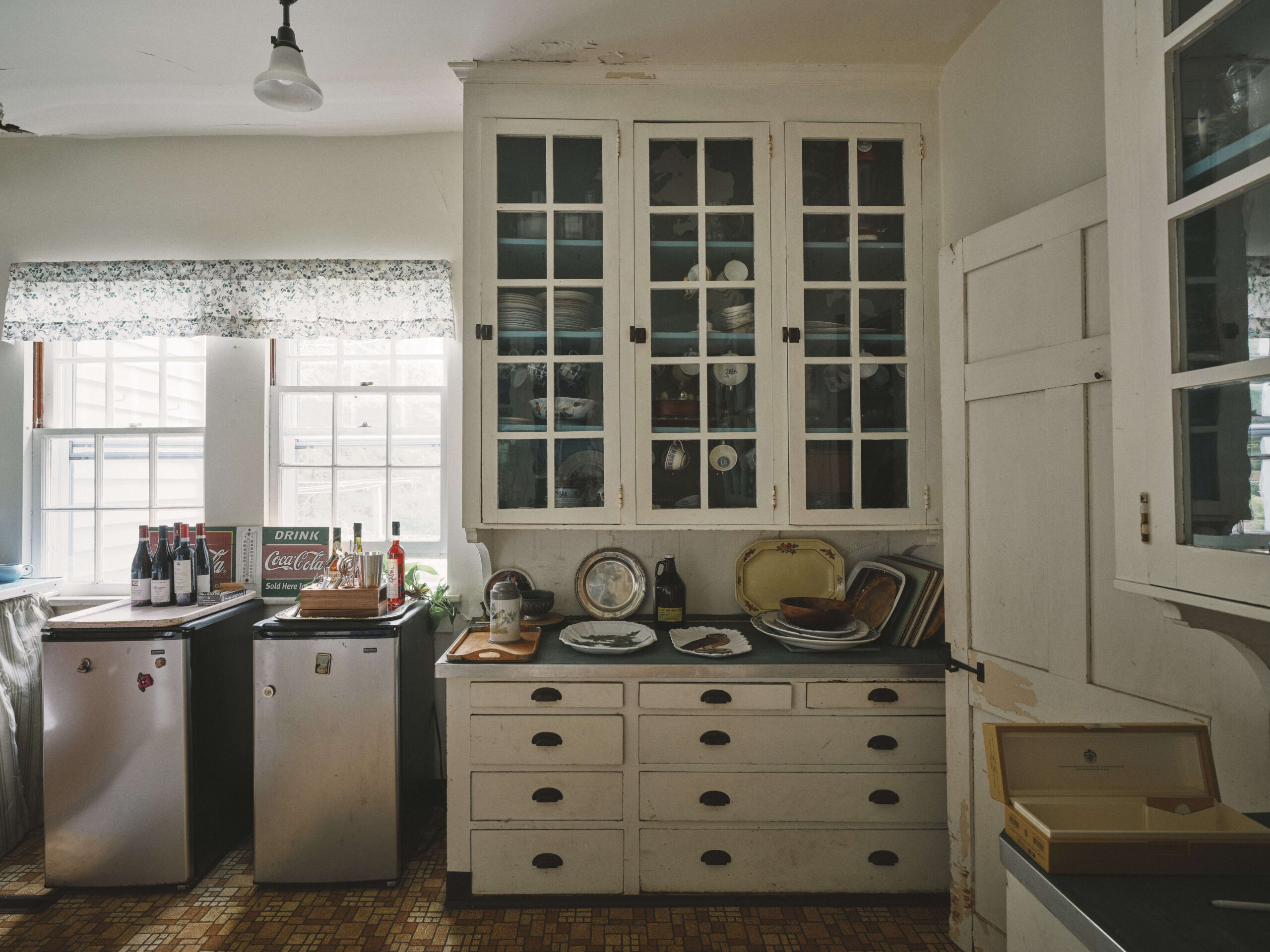
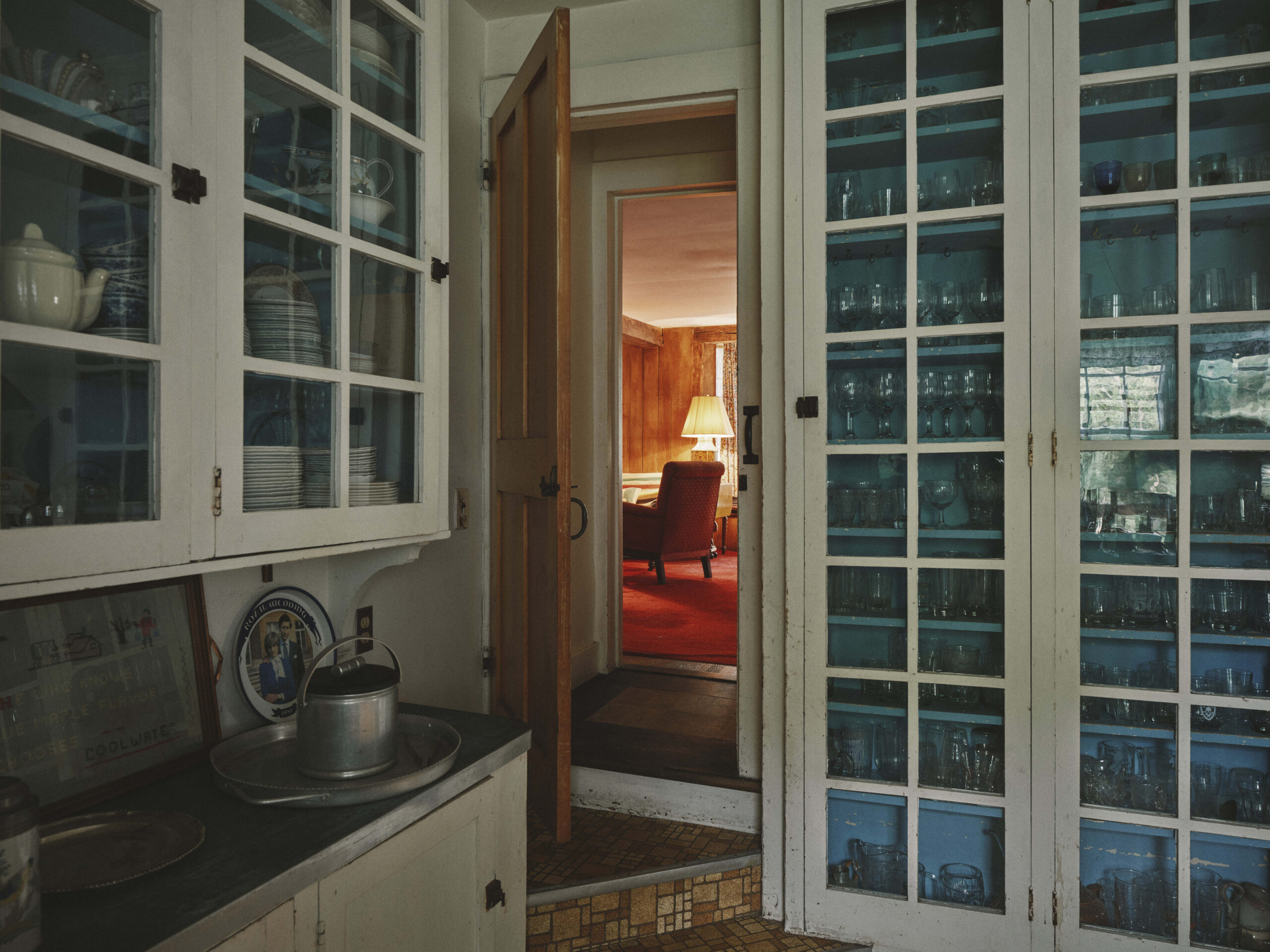
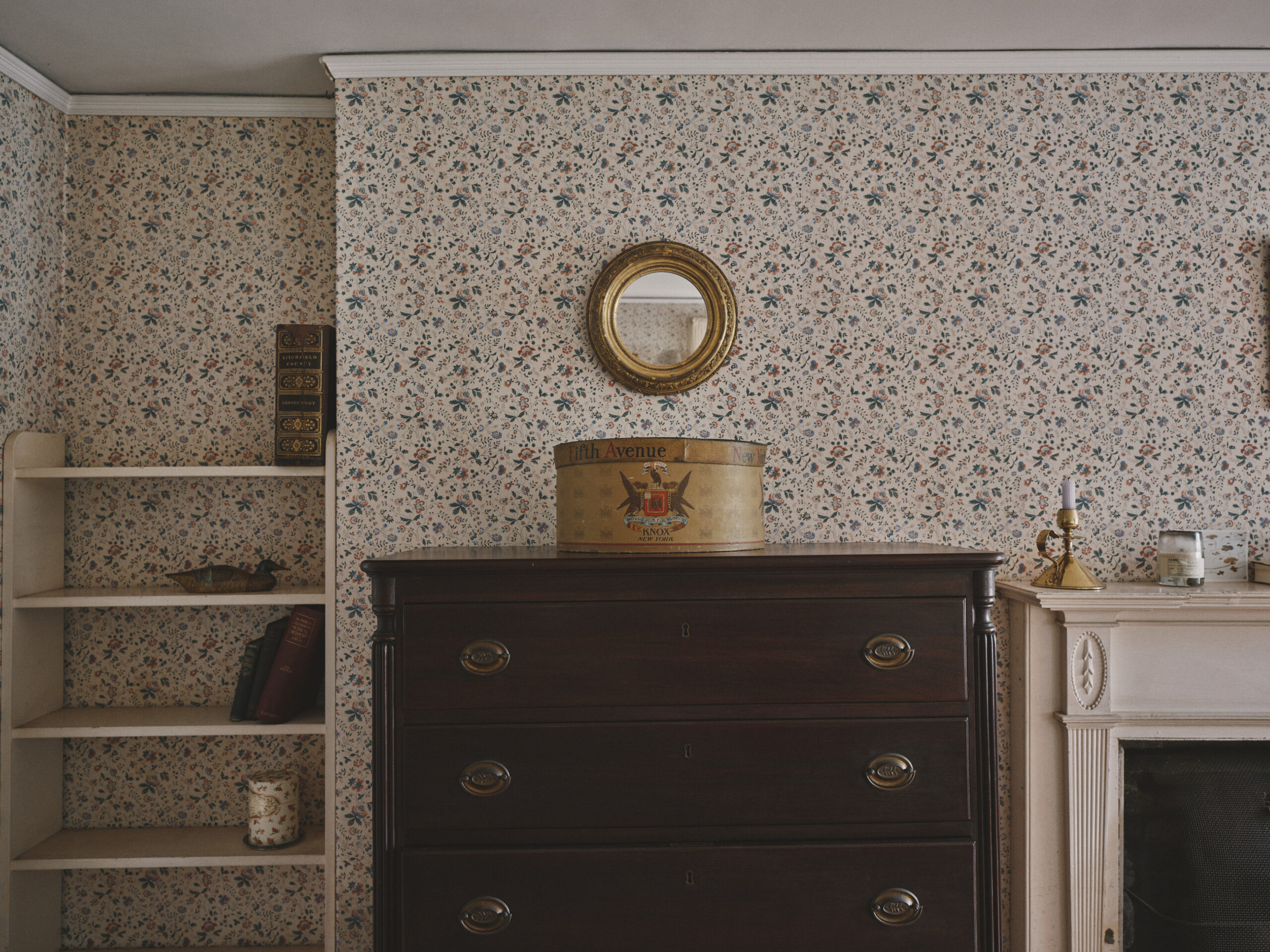
Taylor was also a Norfolk resident, fond of wearing tweed jackets and plus fours, and he kept his Garibaldi beard expressively waxed. He is perhaps less well known today than some of his contemporaries, like his École des Beaux-Arts classmate Julia Morgan, but in Norfolk, he was something of a starchitect, having designed 50-plus properties. “A town builder saved all of Taylor’s blueprints in a barrel in a barn so we have a well-preserved collection,” says Barry Webber, the executive director of the Norfolk Historical Society & Museum. Taylor, he adds, had range—his own house in Norfolk was an Italianate villa, and he also designed in the style of a Swiss Chalet, English Tudor, and Spanish Baroque. Sometimes he mixed these styles together. “He really embraced all flavors of architecture,” says Webber.
Many of his buildings fell into what might be categorized as Richardsonian style, where dense, interplayed masonry, turrets, and Romanesque arches added a certain kind of heft that the American colonial and Federalist styles lacked. America was in its ascendency, and Taylor understood how to give a new building the aura of history that appealed to a generation in the early half of the last century who had taken up the project of nation-building.
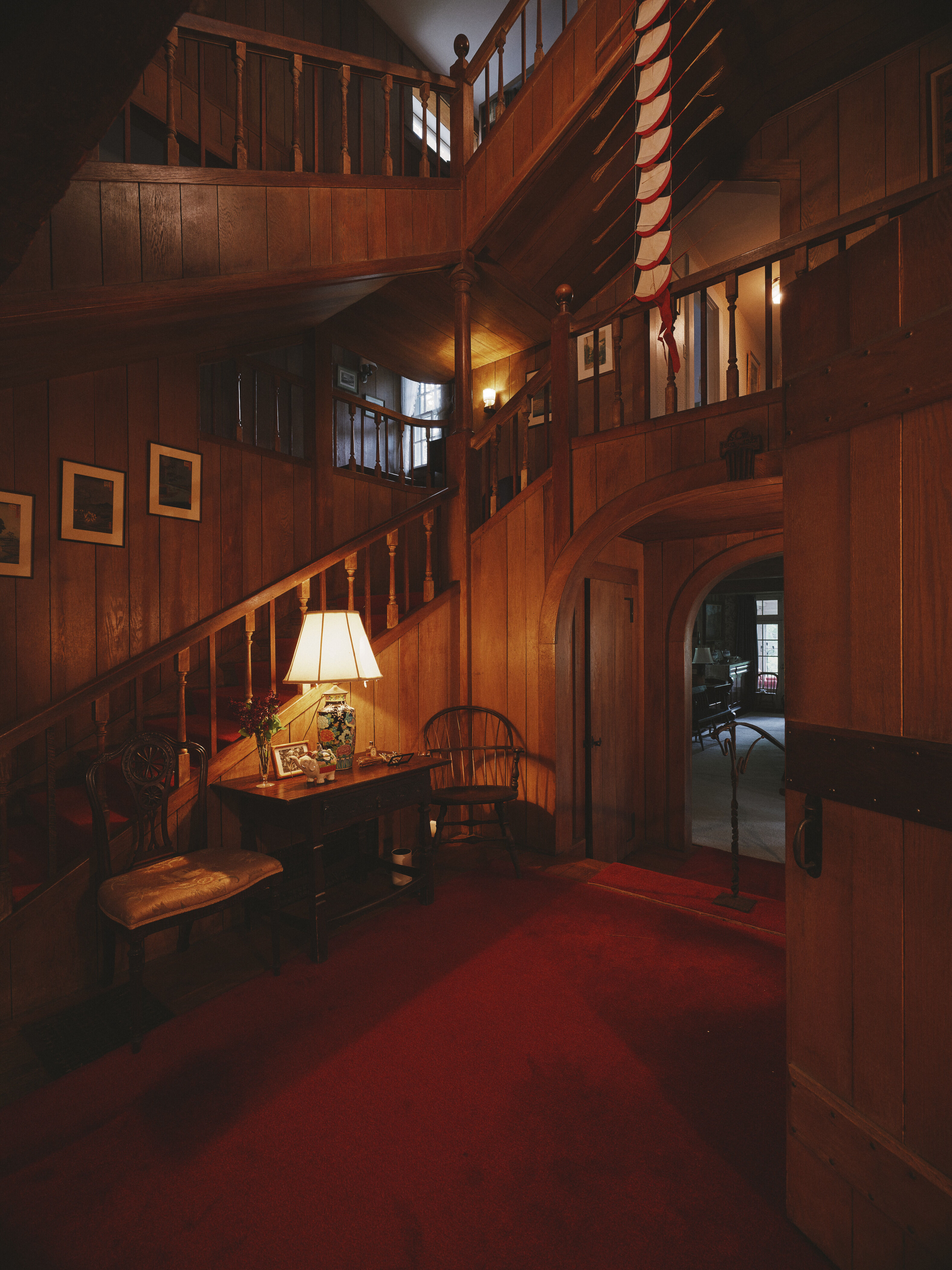
At Coolwater (the younger Childs suspects that the name was lifted from an English estate), Taylor added a large dining room, a butler’s pantry, a master bedroom, and a gathering hall, as well as several sleeping porches for the warmer months.
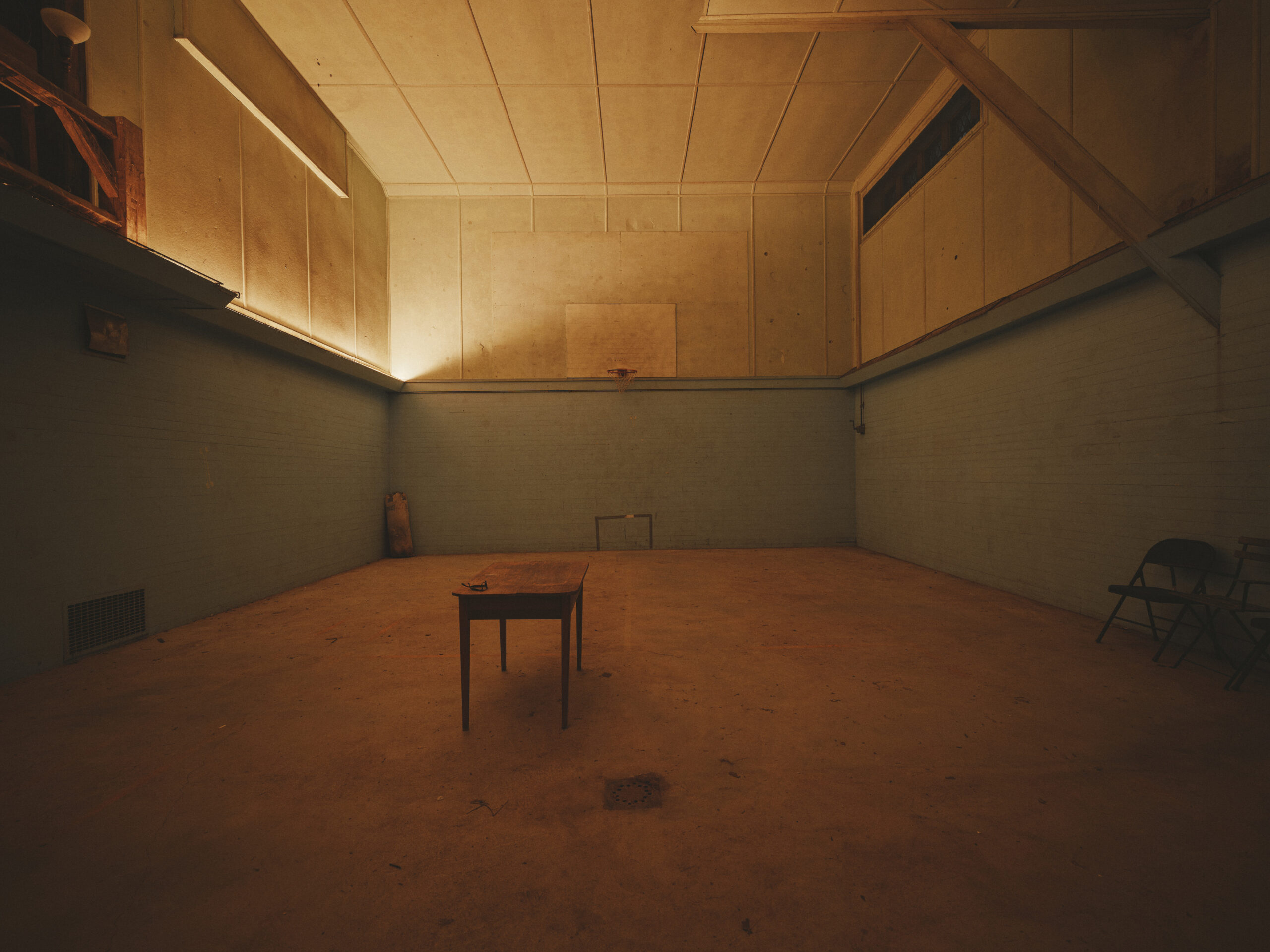
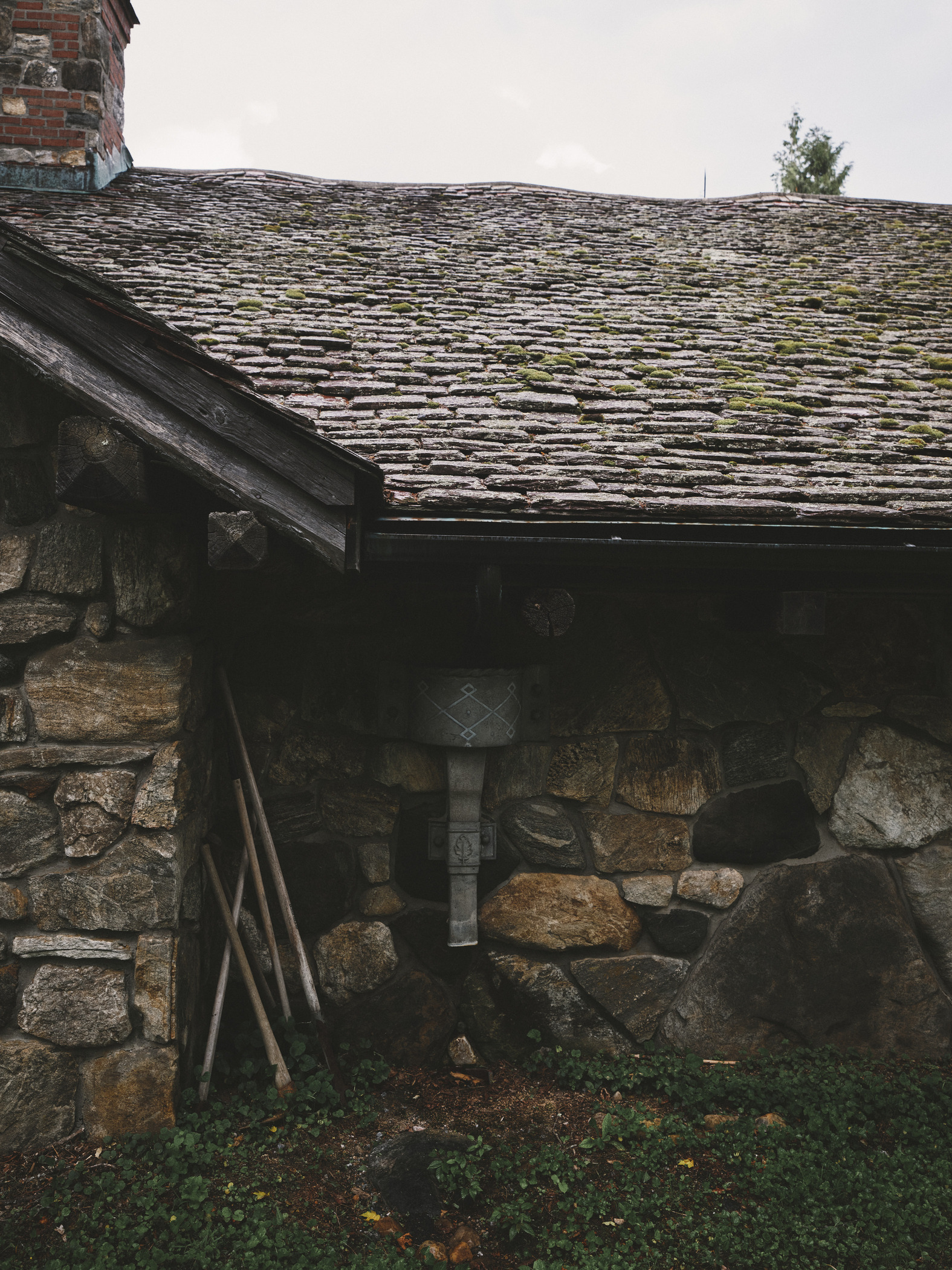
Entering the Taylor portion of the house feels akin to stepping into an M.C. Escher drawing or stumbling into an entirely different building, in which the colonial farmhouse gives way to Colonial Revival oak arches and a daring staircase with a low handrail and gaping balusters (which the Childses eventually modified to prevent their small children from falling through them). It became a grand house, capable of sleeping hordes of guests and a robust live-in staff. There are delightful nooks and hidden crannies throughout—Childs recalls an attic-dwelling uncle known for hiding his brandy in the wood-paneled walls. In 1930, the elder Childs commissioned a monumental Sport House from Taylor, replete with a fives court, a basketball court, and a gun room. Its sloped roof was designed to appear sagging with age as slate shingles laid using forced perspective produced an air of grandeur. Summer plays were staged under the dramatic glow of the wooden turret’s stained-glass windows. That same year, the photographer Samuel Gottscho photographed Coolwater. His images show a restrained elegance—Shaker furniture against the pickled-oak panels.
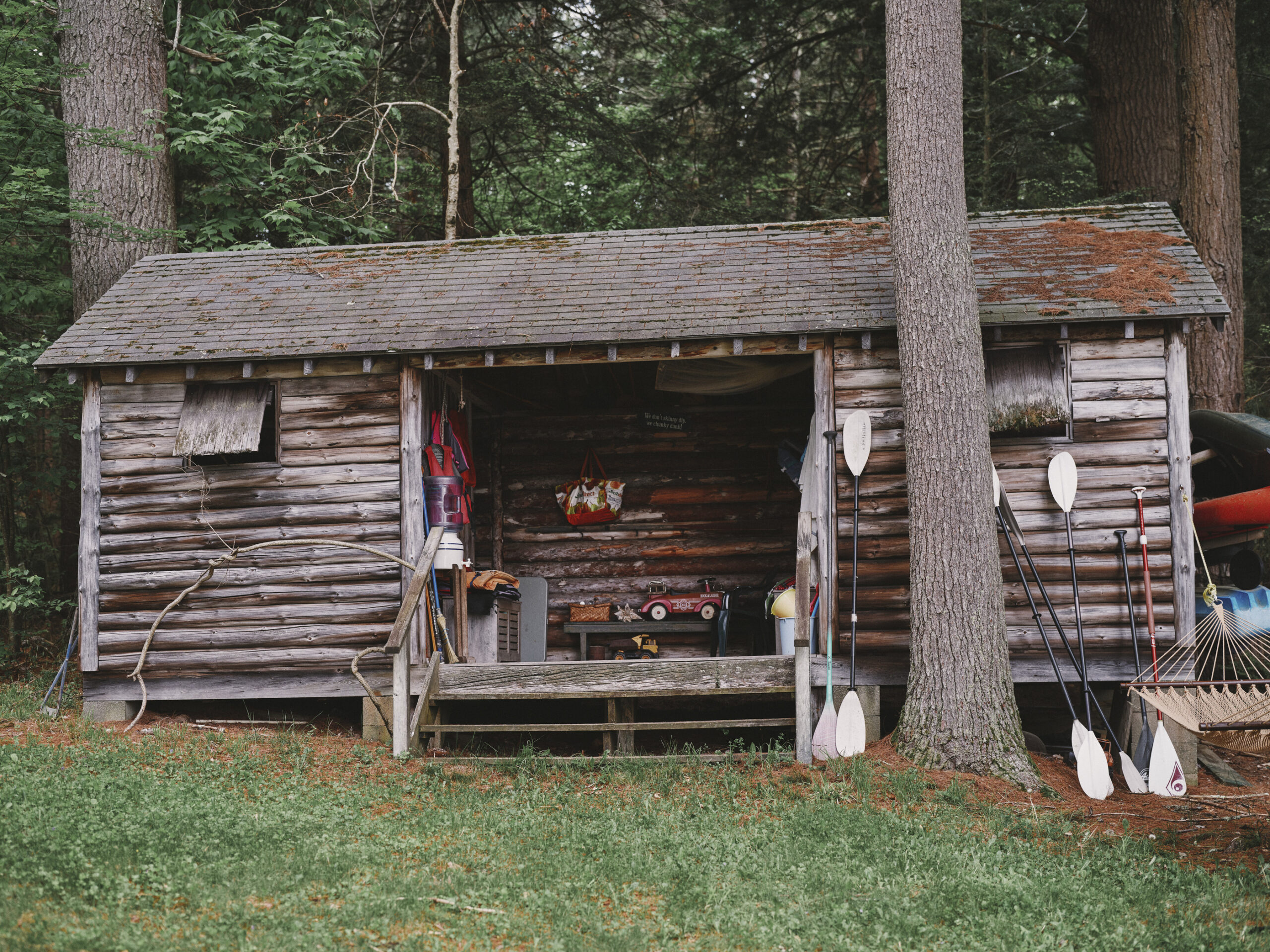
These days, swaths of Coolwater have bowed to time and the whims of generations, the decor feeling at turns utilitarian and higgledy-piggledy. Mementos of family lore are everywhere: salvaged scraps of a Hong Kong junk boat that one member found especially compelling while living abroad (“The boat was brought back to Norfolk, where it stood for decades as a kind of folly, before eventually being dismantled. Its pieces were passed down to the grandchildren, and those fragments now hang in their homes like peculiar little family crests,” one family member recalls), worn gloves from the fives court, which no one really plays on anymore, velvet curtains hung off their railings. One porch shows the fading imprint of an ill-fated hot tub (the younger Childs’s idea). Many of Taylor’s design experiments, it seems, couldn’t quite withstand the decades of human touch and New England’s alternating harsh and humid weather. The coal-and-cornhusk composite tile floor warped. The wooden railings rotted repeatedly until, eventually, they weren’t replaced.
The ornate lead drainpipes adorning the Sport House were deformed by the weight of Childs children who loved to dangle from them. A cousin—or a nephew, I couldn’t quite keep track—once shot at a squirrel with a BB gun, and the diamond-shaped Sport House panes remained smashed in perpetuity. Eventually, the house became too challenging for Childs and Gill’s aging mother to navigate in her wheelchair, and a portion of Coolwater was modified to age with her.
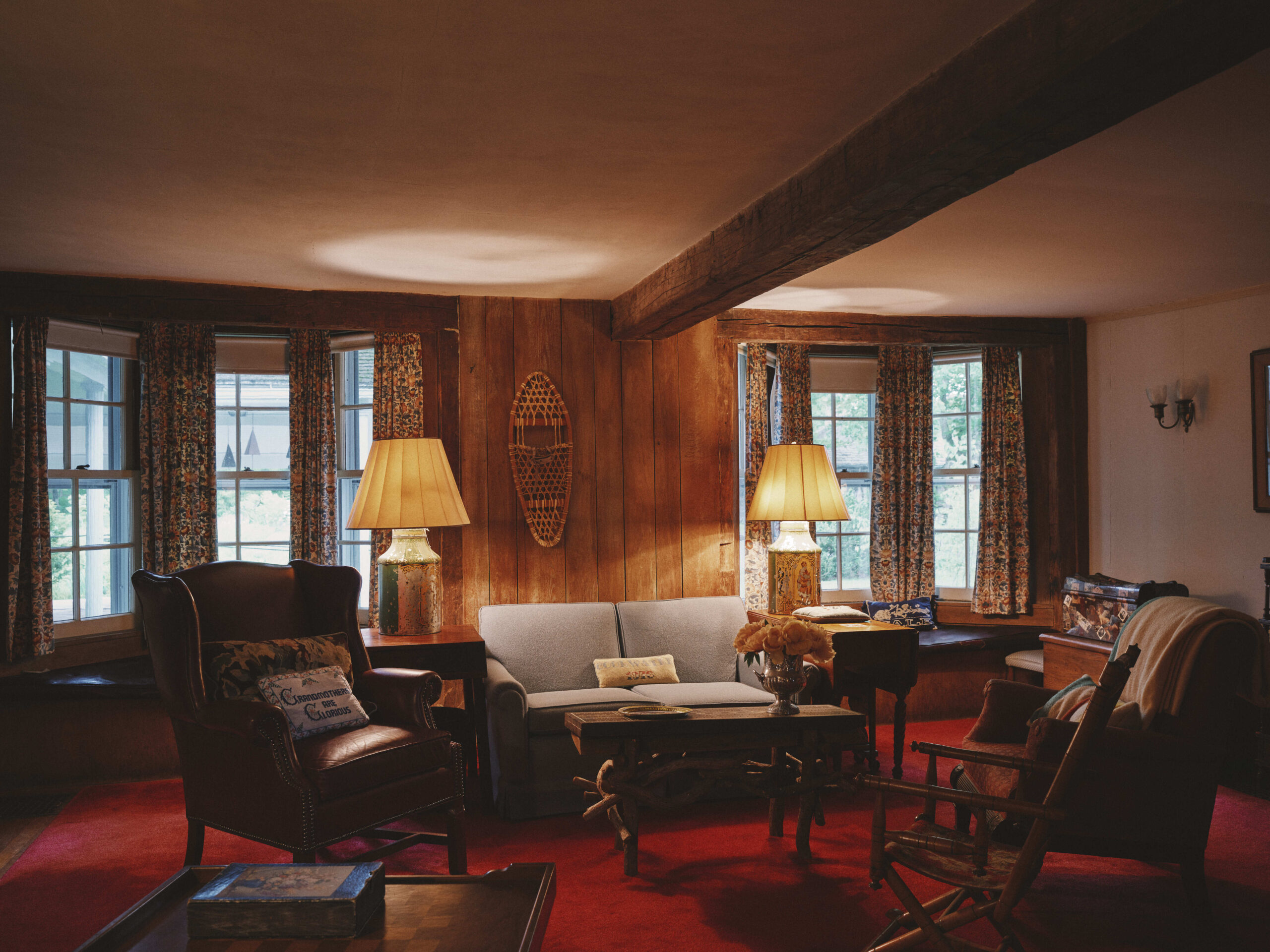
But the patina of Coolwater—like a Roman coin—is part of its grace and beauty. A single wall, or bookshelf, or reading nook conveys vast annals of time and emotion. There is feeling here, suffused into the red carpets that line the main rooms and the hemlock-paneled walls from an earlier century. Teeming, time-worn, utterly unkept, this kind of spirit is impossible to recreate. (Its patina is so irresistible, in fact, that the fashion designer Emily Bode sometimes rents the Sport House to photograph her American sportswear-inspired clothing against the faded walls of the fives court.)
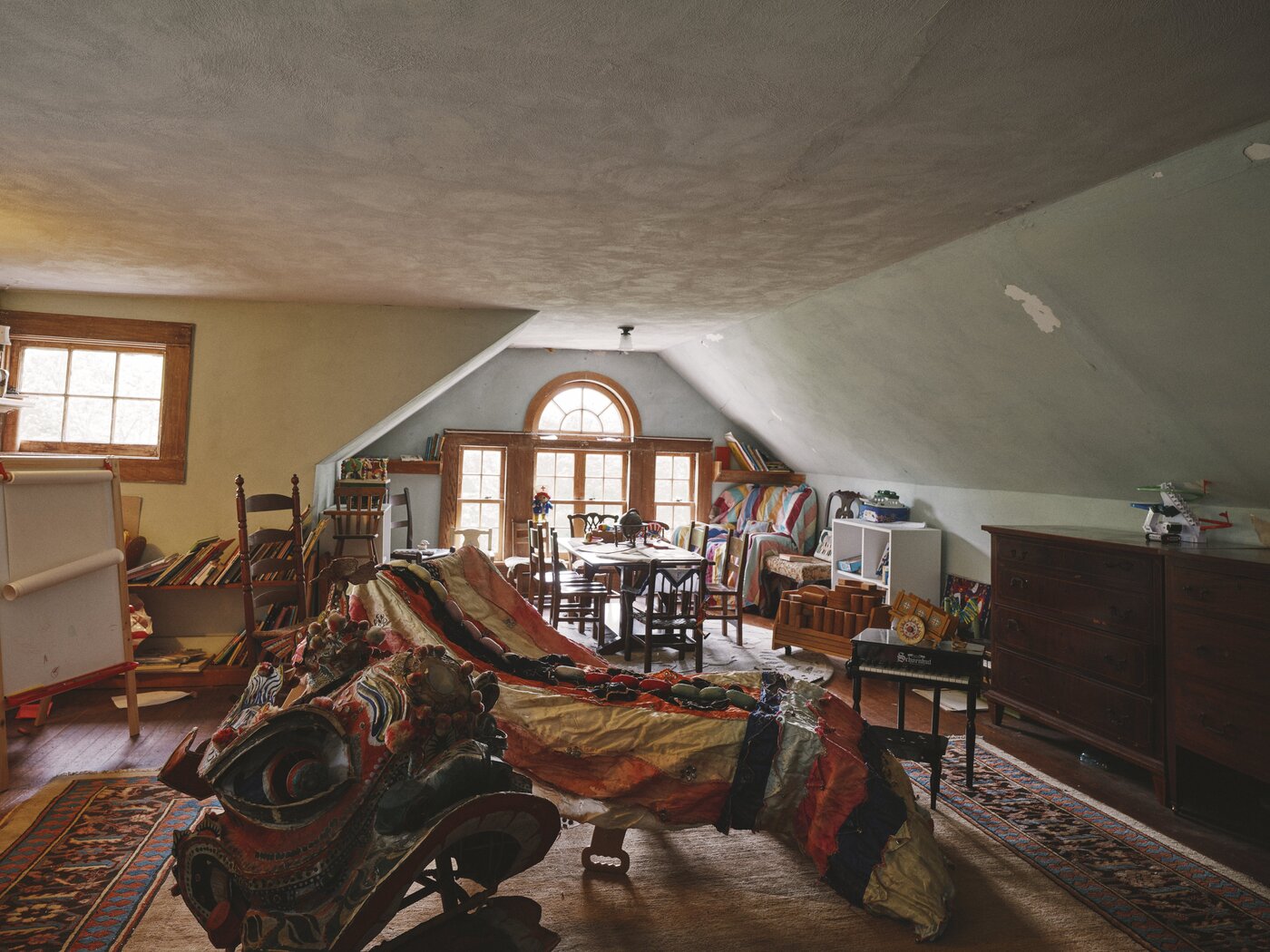
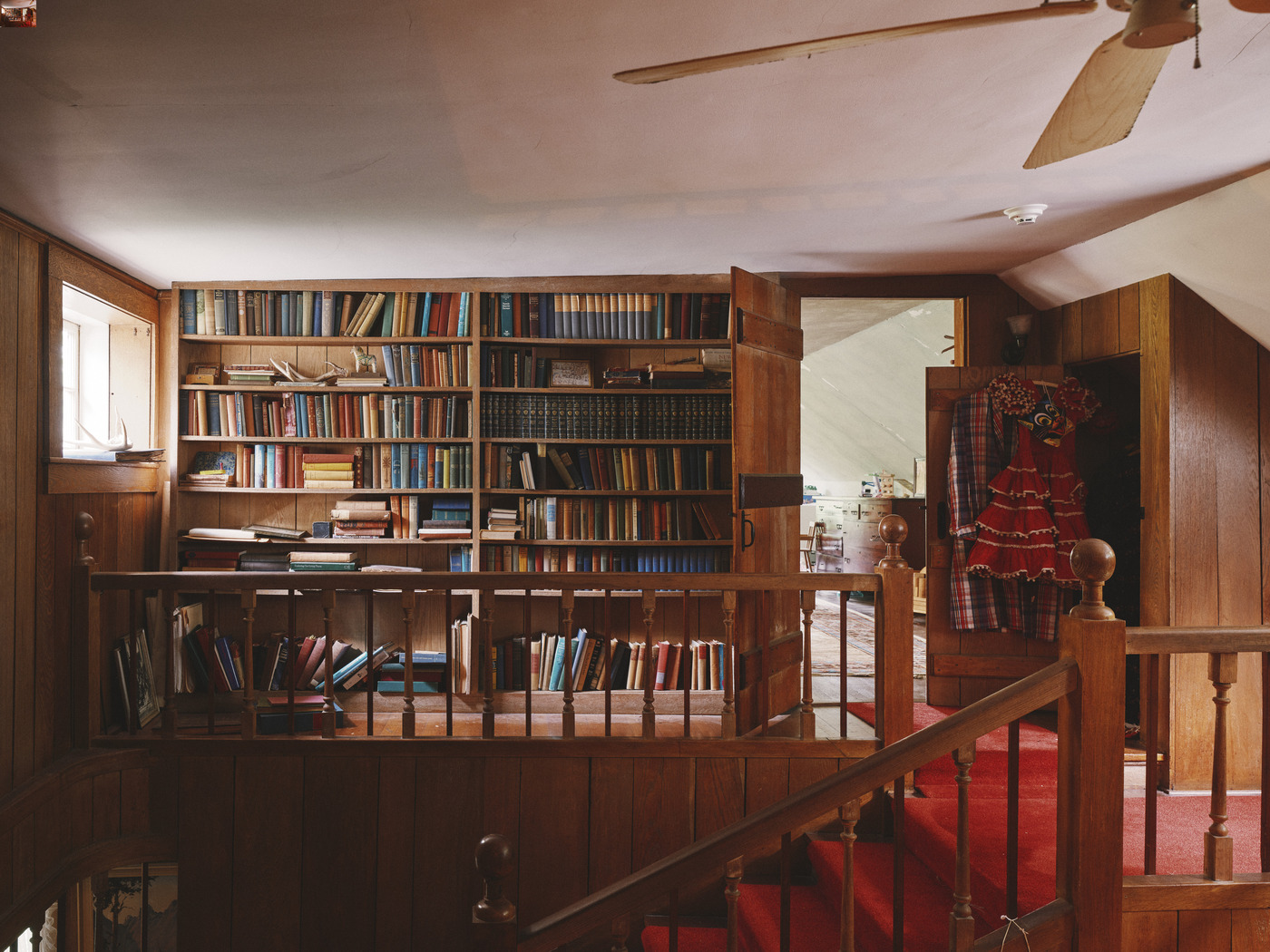
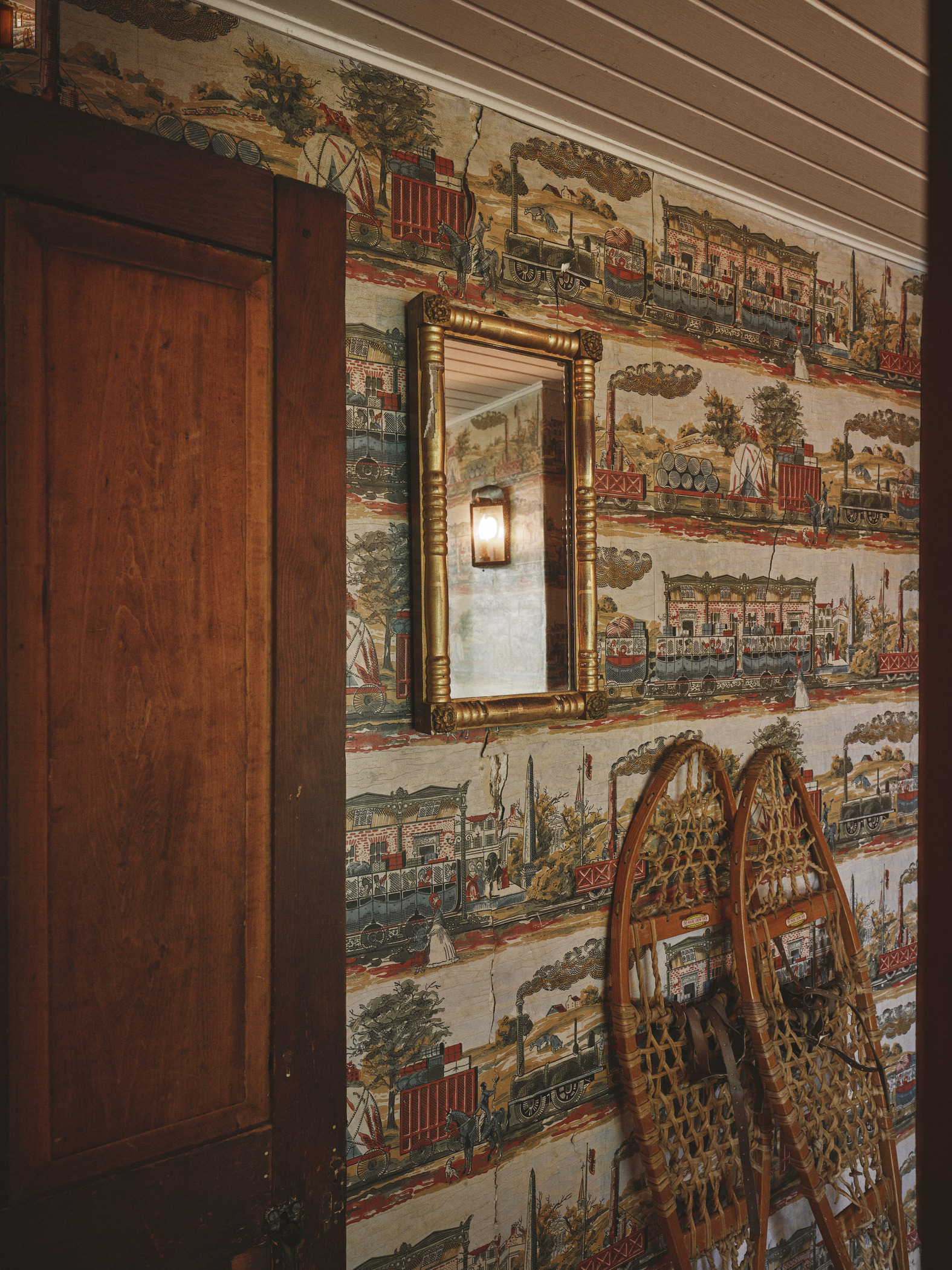
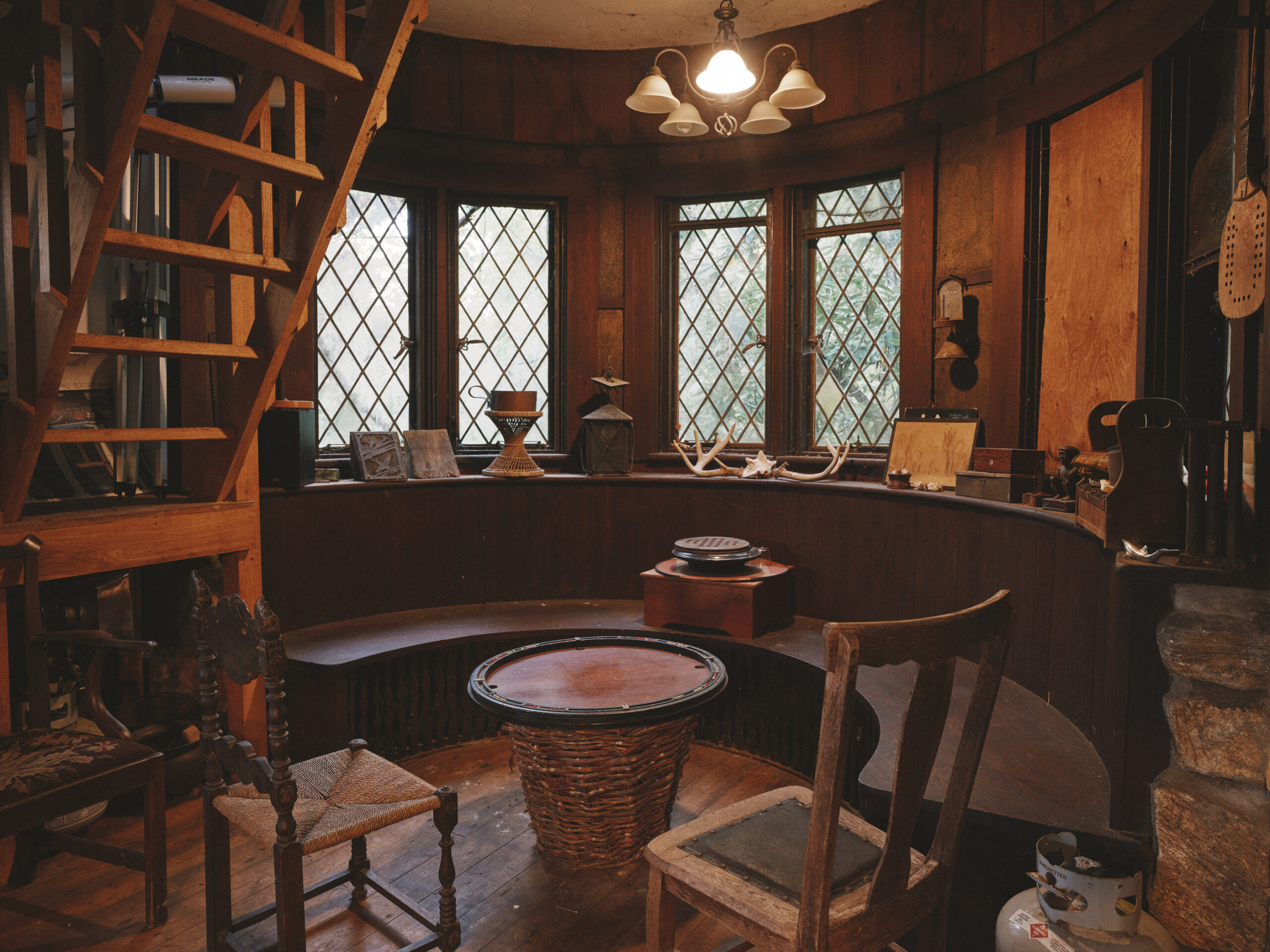
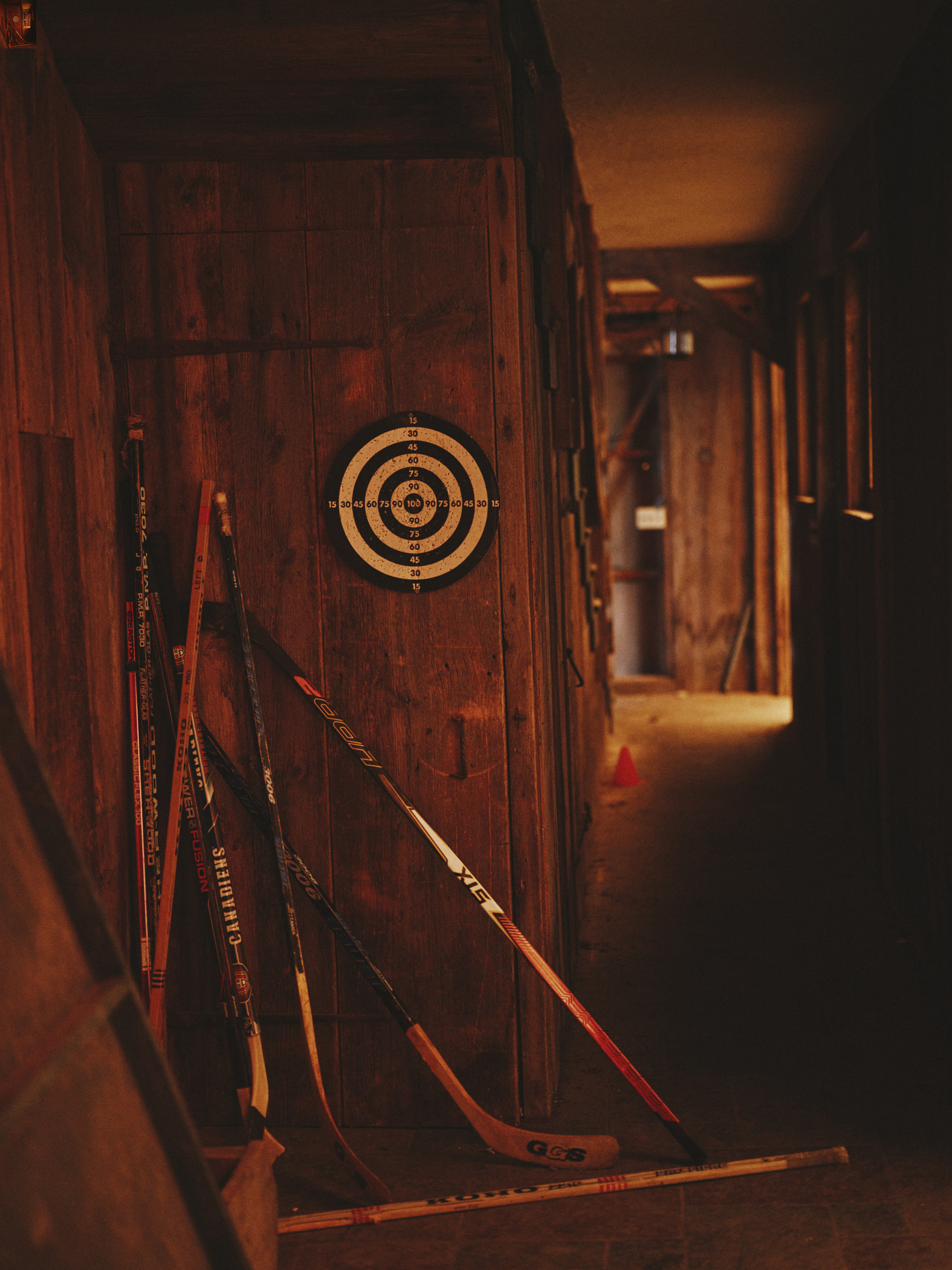
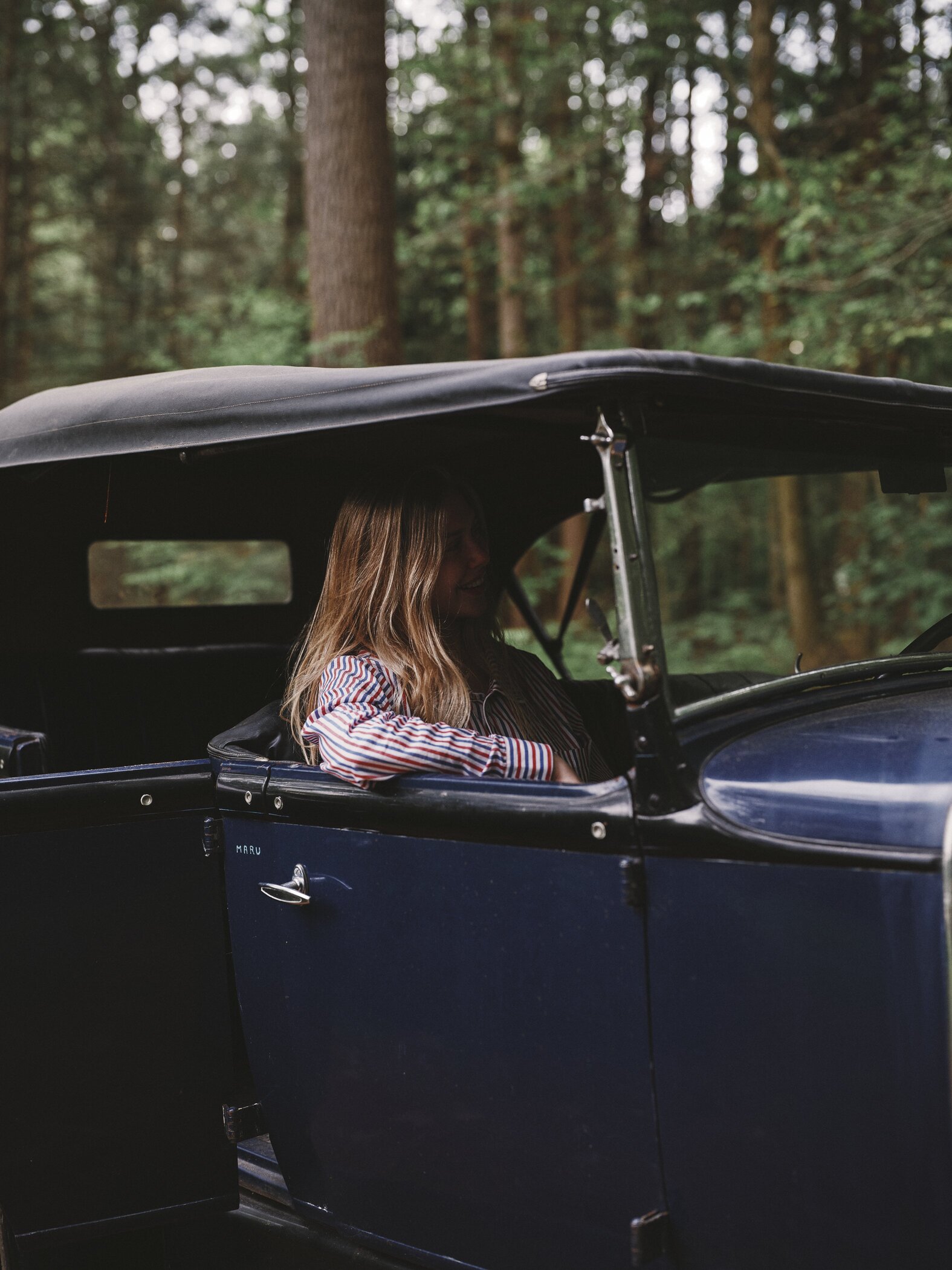
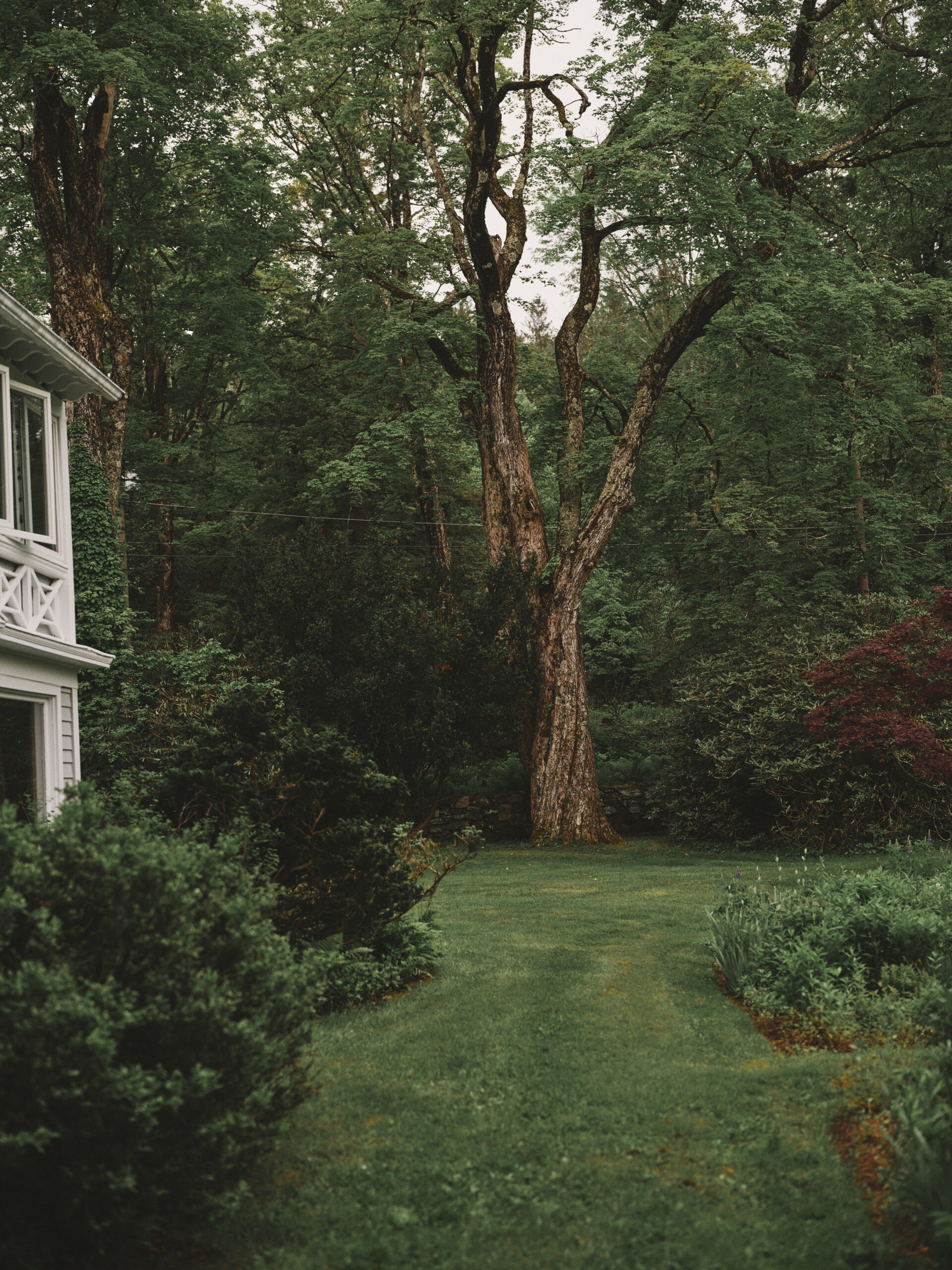
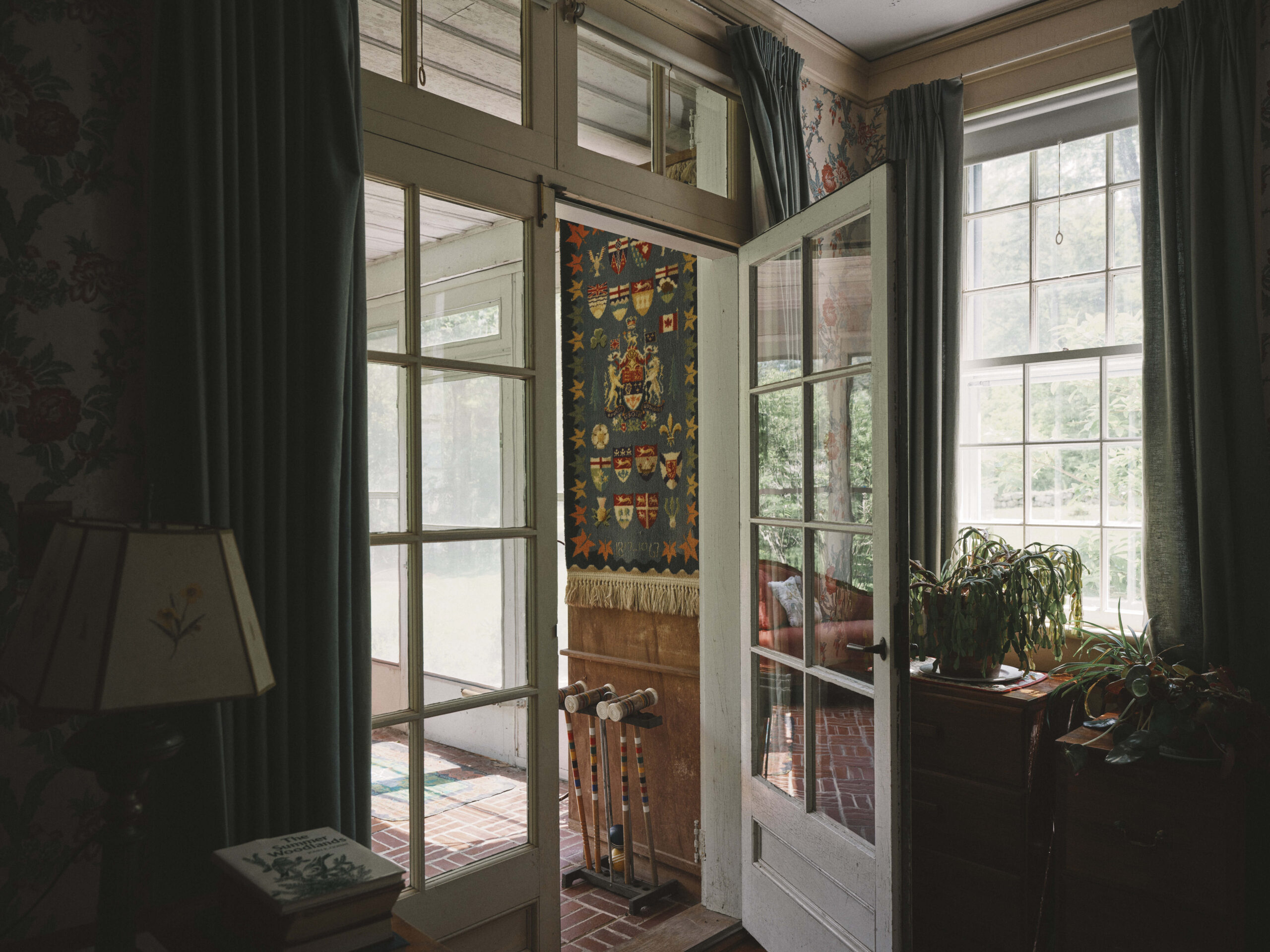
On my visit, the rambling house was filled with friendly clutter: issues of Foreign Policy from the 1980s, monographed Childs suitcases, 1950s wooden toys, croquet mallets, heavy boxes of family silver, and Yale dinner service. That morning, multiple beds upstairs had been stripped (Coolwater can sleep 25 people at least) following the departure of visitors. It was easy to imagine the Childs family’s cohort descending upon the house in the summer, with groups ambling off during the day to recline by the cabins on the lake, play pool in the Sport House, or play tennis further afield (the Coolwater tennis courts have fallen back into nature)—simply nap in a hammock. The evenings would be convivial and unpretentious, with a large, unfussy dinner and plenty to drink, the night trundling amiably on and on.
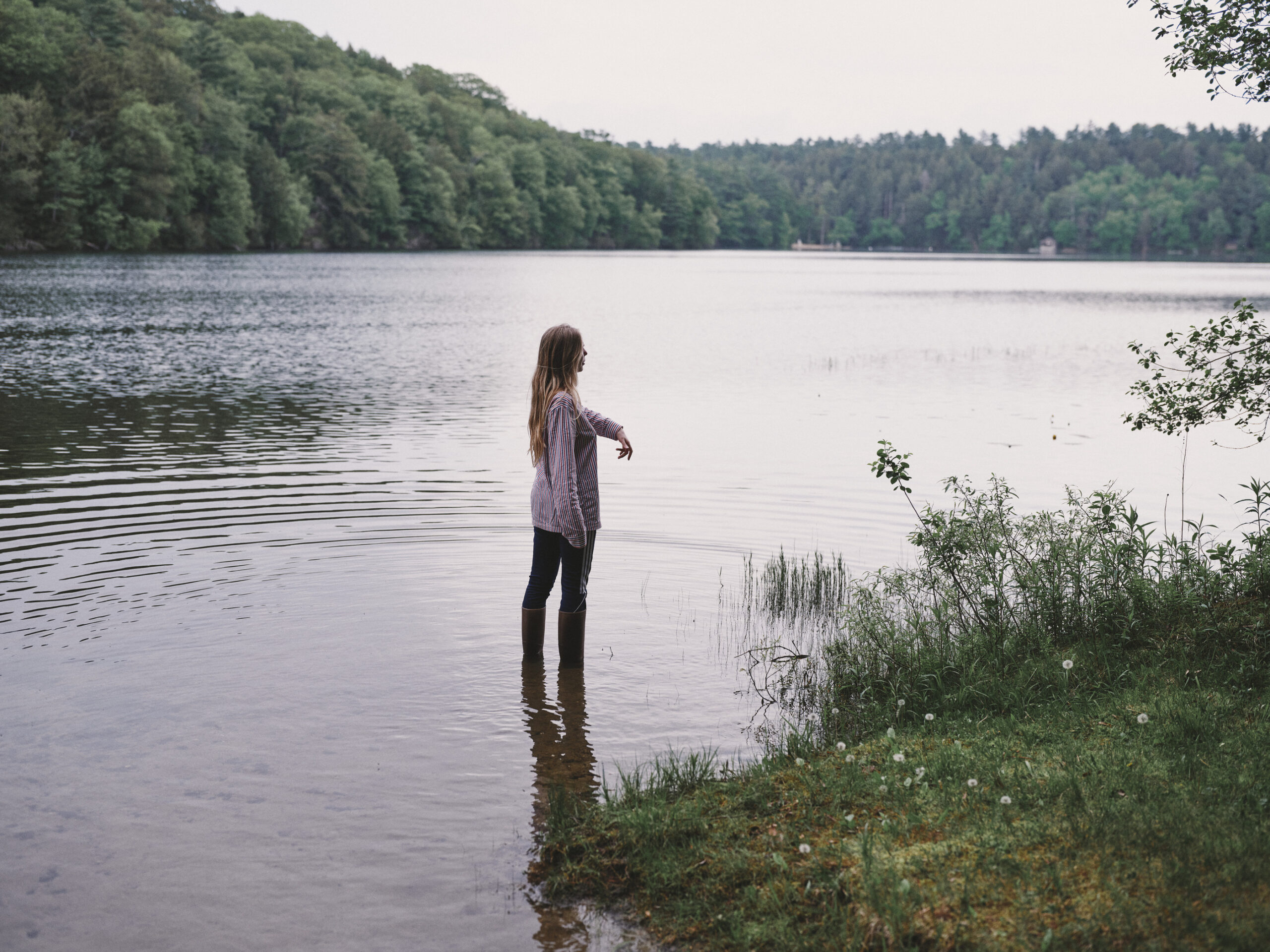
Toward the end of my visit, Childs took me to the lake. We found his niece, Laura Gill, with her partner in the water. It was calm and clear, the sky a bright blue. Two hawks circled lazily above me. “Imagine this place in the dead of winter,” Childs told me, “with black ice everywhere.” His voice was laced with sentiment. He had studied forestry at Yale University, following in the footsteps of his father. I heard the depth of familiarity that Childs felt—not just for the natural world, but for this world in particular—the way one season shaded into the next here.
I thought of a short story by John Cheever, where the narrator describes his New England family home, perhaps not too dissimilar from Coolwater. He writes: “excepting St. Tropez and some of the Apennine villages, it is my favorite place in the world.” As we dried off over cans of beer, Laura shared her favorite story about Coolwater: how a young man arrived one evening, was given a bed, woke up, and was served breakfast by the Childs’s butler, and then, believing he was at a bed and breakfast, asked how he could pay. There is a sense of abundance at Coolwater. A feeling that you can always come back. As I got in my car to drive back to the city, Childs told me, “You know where to find us.”
Creative Direction by Akari Endo-Gaut







 in your life?