
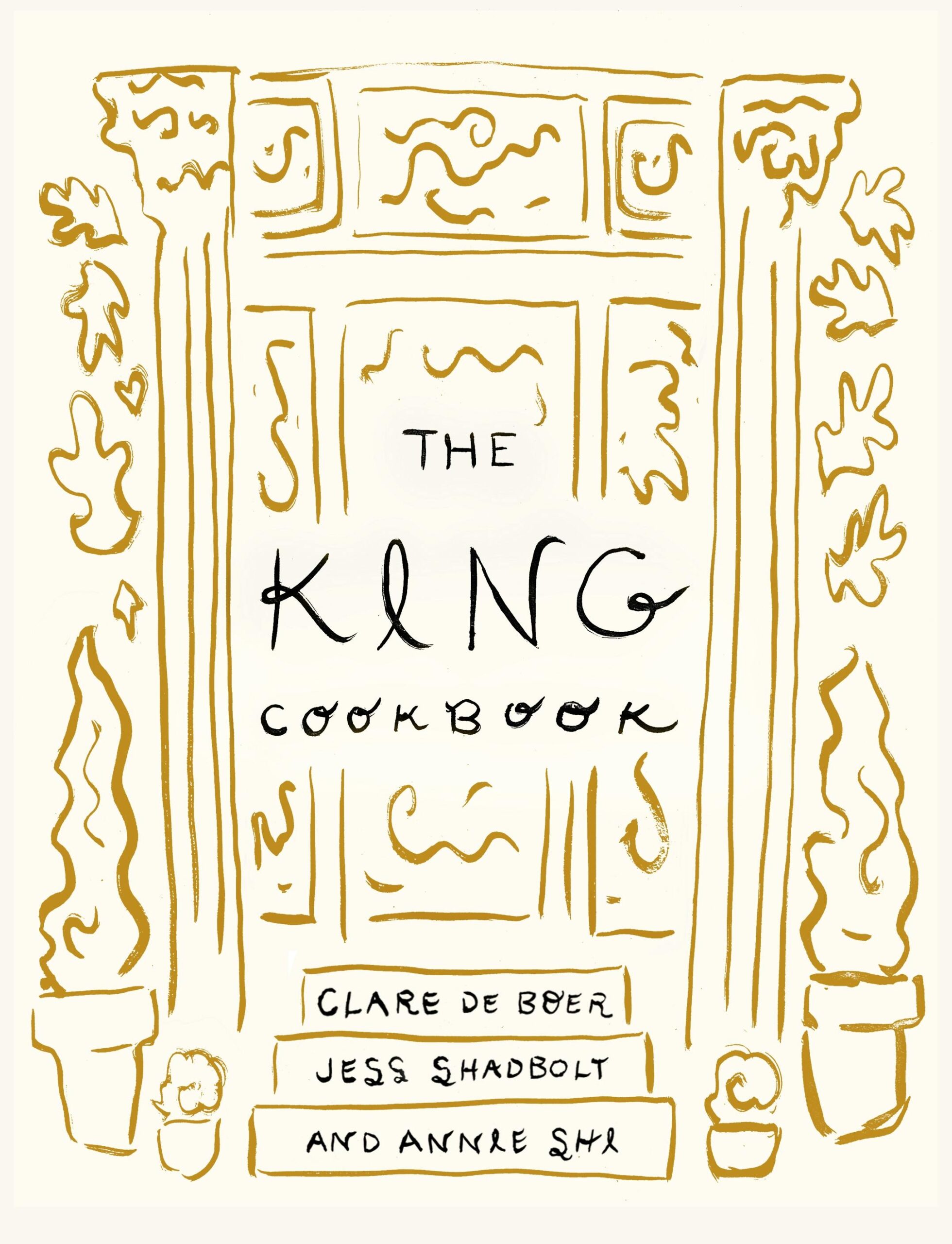
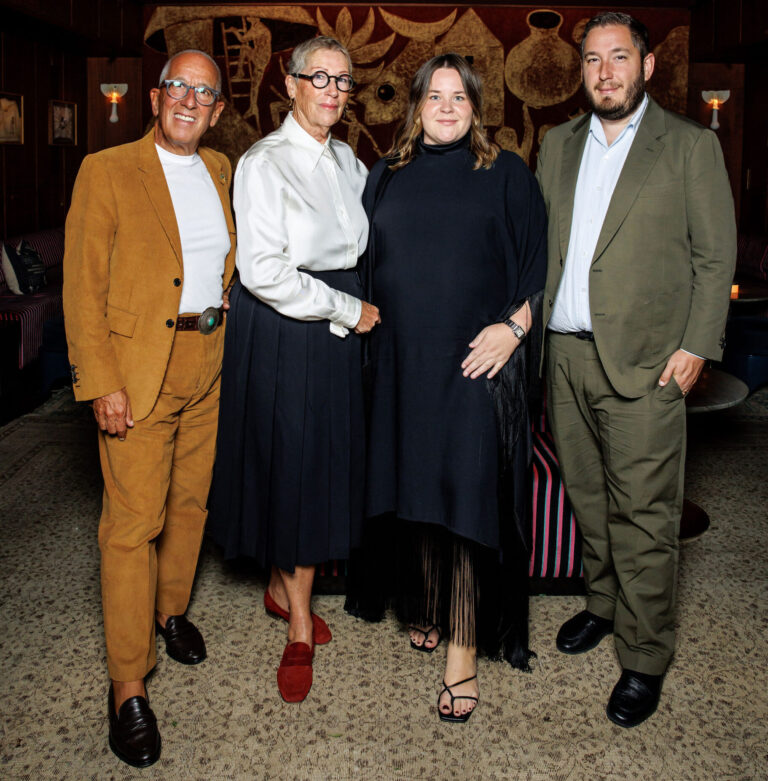
Since opening in 2016, King has become one of New York’s most beloved restaurants. The debut cookbook by co-founders Clare de Boer, Jess Shadbolt, and Annie Shi weaves together recipes with techniques informed by the restaurant’s elegant and intuitive approach to cooking.
The trio gathered to discuss why King was tailor-made to inspire a cookbook and how they developed the golden ratio of deliciousness: one part olive oil to one part cooked greens.
CULTURED: Tell me about your cookbook. Why did you decide to bring this to life?
Jess Shadbolt: This is our first interview that we’ve done on it, by the way. You should know this!
We really wanted to put something out there that really represented King. I think restaurant cookbooks are really hard because the perception from the home cook is that they’re out of reach. We’re really excited because we feel like it can be a restaurant cookbook that is accessible to the home cook as well.
CULTURED: I felt that way reading it—like, I could do this. Even though King is a restaurant, the ethos is that it’s home-cooked food.
Annie Shi: There was a big debate with our publisher about whether we should call it The King Cookbook or King at Home. And for us, it felt unfair to call it King at Home because King cooking is home cooking.
Clare de Boer: King has a daily changing menu, and I think there’s a lot that can be distilled to be very useful at home: how you can mix things up. We’ve got recipes for 10-plus sauces. And then as you move through the fish and the meat chapters, we use them again and again. You don’t need to know a million things to make a million things. It’s true for the menu at King, and we wanted to bring that through in the book.
Shadbolt: You’re like, okay, I have grilled chilies—done. Beans—done. I know how to smash. Cook them, smash them, eat them in a salad, eat them with steak. You see the same thing a lot throughout the book, and it expands the repertoire, but also gives variety and ultimately, we hope, confidence.

CULTURED: That leads me to my next question. I really loved that you guys talked about confident and intuitive cooking. Why do you think that’s important?
Shadbolt: Following a recipe only gets you so far. It doesn’t allow you to grow as a cook. Once you learn about core ingredients and how to use them, then you can cook freely. To be an intuitive cook is to be responsive to the season, to the produce, to whatever it is that you have on hand.
De Boer: If you were just to do one thing, read the pantry section. And then if you look at all of the photos, particularly the grid photos, you could find a lot of freedom in the kitchen.
CULTURED: Your pantry section is after my own heart. Olive oil, salt, lemon, anchovies… yes!
De Boer: We photographed the whole book in the restaurant as well. We hope that it creates this world that people can enjoy but also make it their own.
CULTURED: Can you each share with me a recipe in the book that’s meaningful and personal?
De Boer: The thing that I love the most and want to eat the most is the greens. Cooked greens, boiled greens, blanched greens, dressed greens, slow-cooked greens. They’re the height of deliciousness. They’re also one of the things that people really don’t understand the world of possibility around. We have a whole section on greens. For Jess and I, that was the first thing we learned to cook at the River Cafe.
When you add a cup of olive oil and some garlic and chili to it, this is not a health food. It’s just one of the best things you can eat, and it happens to also be good for you. And it’s also the thing that I do so often at home and for kids. There’s no sort of, “Oh, my God, greens.” They’re like, “Oh, my God, yes! Greens!”

CULTURED: I’m waiting for the day when my son says yes to greens.
De Boer: Equal parts greens and equal parts olive oil is the key.
Shi: My favorite is the Train to Bayonne, a cocktail recipe that I came up with during Covid, and specifically, the tarragon-infused gin. The bar at King is a single-bartender bar, and you have to service the guests in front of you and the entire restaurant, which is extremely difficult. So we do our best to try to bring flavor into our drinks before the bartender starts shaking your cocktail. And I feel like that’s something that a home bartender could really learn—if you make these infusions, whether it’s with the tarragon or chili scraps, you’re able to bring a lot of flavor into a drink before you’ve even done anything.
Shadbolt: My mum’s Christmas cake is in the cookbook—her recipe is my favorite. The reason it’s important is because that’s what recipes are: a translation from person to person. Cookbooks tell a story, and a legacy lives on within them.
CULTURED: What is a kitchen etiquette rule you live by?
Shadbolt: Invest in a proper pair of kitchen tongs. And don’t underestimate the importance of water in a kitchen.
De Boer: Never put your knives in the dishwasher. It’s like, my biggest fight in my home kitchen. I’m doing a lot of yelling about that.
Shi: Mine would be, there should always be a chef’s treat. There’s always a fudgy bit, a burnt, a crispy—whatever. It just makes the cooking rewarding.
CULTURED: Can you draw a parallel between the ethos at King and your greater outlook in the world?
Shi: Something that I have learned through King and through the cookbook is, simple is best. It’s a motto that I find myself carrying through a lot of life, whether packing the kid’s suitcase for a flight or trying to get through my week. Any time where I feel overwhelmed by decision-making, I remind myself of that.
De Boer: Just do a few things well and focus on those, and everything else kind of can come.
Shadbolt: Don’t overthink it and enjoy the process.
CULTURED: Breakfast, lunch, or dinner? And why?
Shadbolt: I love lunch. It’s my favorite meal of the day and I feel like it negates the need often for dinner if you’ve done it correctly. Particularly the longer lunches of a weekend.
Shi: A late dinner. When my husband and I were dating, we would often meet up after he finished his job and I finished service. So it was like a 9:30, or 10 p.m. reservation. As a night owl, I’ve always loved a late dinner.
De Boer: I’m going to say a 5:30 p.m. dinner because all the kids are around. Everyone’s back from school and together.
CULTURED: Okay, my last question is for you, Clare, because everyone at CULTURED wants to know about this pie competition that’s happening.
Shi: And can I enter? Is it too late?
De Boer: You’re a professional, so you’re not allowed to! It was inspired by watching too many hours of Great British Bake-Off. But also, I was a judge at this very serious [cooking] competition earlier in the year, and it was totally upsetting. I didn’t know what I was getting involved in. I showed up, and it was all of these old French guys with multiple Michelin stars and a lot of pomp and ceremony. And then these sort of crazy stuffed cabbages that took hours to prepare were produced. We’re doing the country version, and instead of cabbages, it’s pies. With a lot less pomp and circumstance.






 in your life?